
French cafés are more than just places to grab coffee—they’re woven into the cultural fabric of everyday life in France. Whether it’s an early morning espresso, a mid-day people-watching session, or a late-night glass of wine, cafés are where locals slow down, connect, and live life in the moment. But for travelers, they can also be confusing. If you don’t know the unspoken rules, you might stick out—or even unintentionally offend someone.
Unlike fast-paced coffee culture in the U.S., the French café experience is about ritual and rhythm. There’s a certain etiquette that locals follow without thinking twice, from how you order and pay to how long you linger at your table. What might seem rude, inefficient, or even strange to American visitors often has deep roots in tradition and culture.
In this guide, we’ll share the 12 unspoken rules that can help you blend in at a French café, avoid awkward moments, and get the most out of one of France’s most beloved experiences. Whether you’re in Paris, Marseille, or a sleepy village in Provence, knowing how to act like a local will elevate your trip—and your espresso.
By following these unspoken rules, you’ll enjoy a true French café experience—just like the locals do.
Read Here European Things that terrify Americans and American Habits that make Europeans Cringe
Read here how to pack for Europe and Best eSIM for Europe
BOOK YOUR TRAVEL INSURANCE
Two of our favorite travel insurance: Heymondo Vs Safetwing cheapest travel Insurance. You can get for $135 USD your Heymondo Travel Insurance with Heymondo discount code valid for 90 days. Read our full comparison of Genki vs Safetywing Travel Insurance Review and the comparison Heymondo vs Genki
How to Blend In Like a Local
Greet the waiter when you arrive.
Take your time—don’t rush.
Order coffee correctly—no cappuccino after 11 AM.
Don’t expect split bills or takeaway.
Enjoy the café experience—sip, chat, and people-watch.
Unspoken Rules of Visiting a French Café Like a Local
1. Greet the Staff When You Enter
Why It’s Important:
In France, politeness matters—ignoring the waiter is considered rude.
A simple greeting sets the tone for good service.
What to Do Instead:
Say “Bonjour” (Good morning) or “Bonsoir” (Good evening) when you arrive.
If you sit at the bar, say “Bonjour, monsieur/madame” to the bartender.
Avoid:
Walking in without acknowledging the staff.
Expecting immediate service without a greeting.
2. Seat Yourself—But Choose the Right Spot
Why It’s Important:
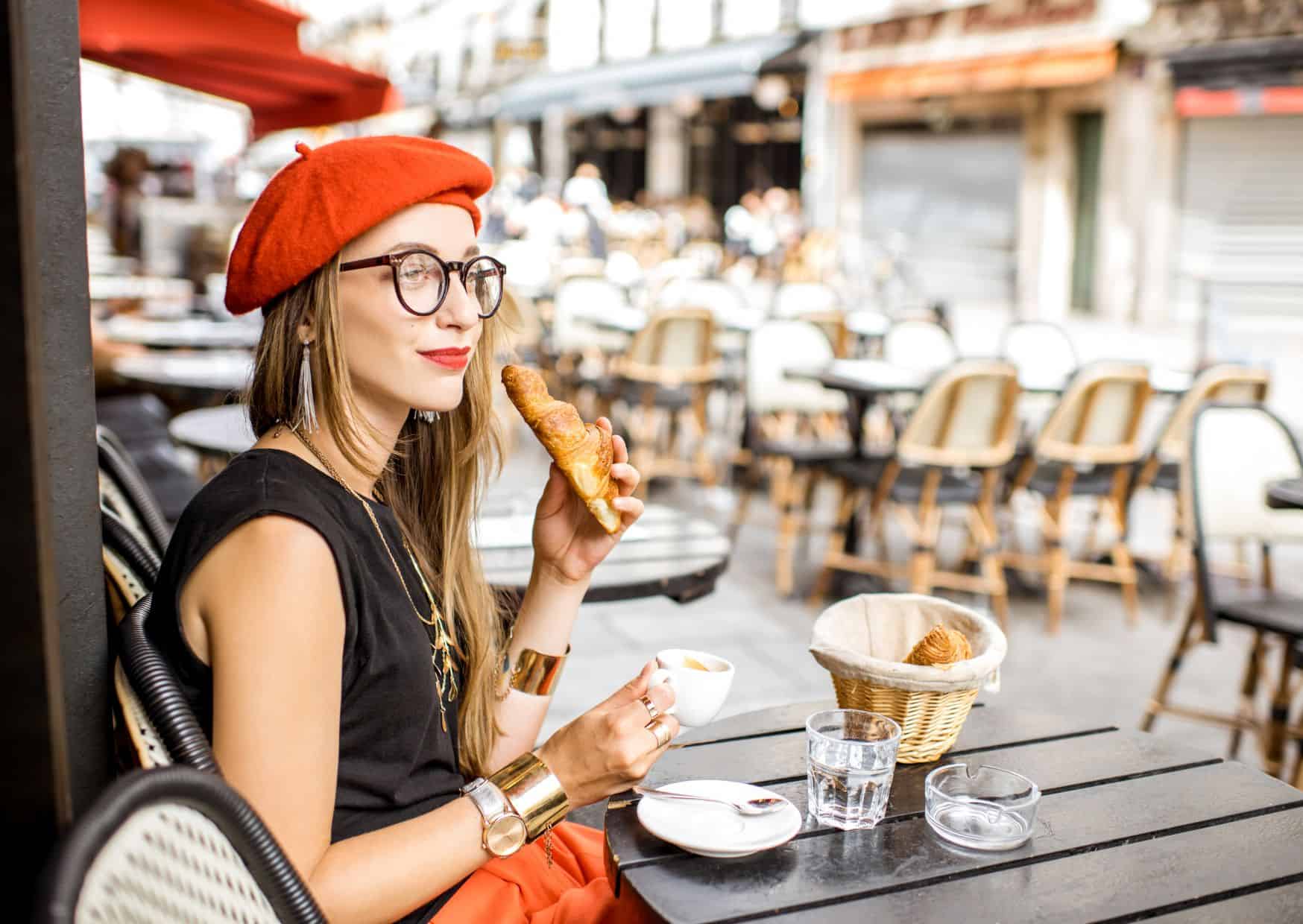
French cafés rarely have hosts or assigned seating.
Different areas have different expectations:
Terrace tables: Ideal for long, relaxed stays.
Indoor tables: Good for a meal or quick coffee.
Bar seating: Faster service, often cheaper.
What to Do Instead:
Find an open seat and sit down—waiters won’t seat you.
If unsure, make eye contact with the waiter to confirm it’s okay to sit.
Avoid:
Sitting at a table reserved for dining if you’re only having coffee.
Moving tables without checking first.
3. Don’t Expect Immediate Service
Why It’s Important:
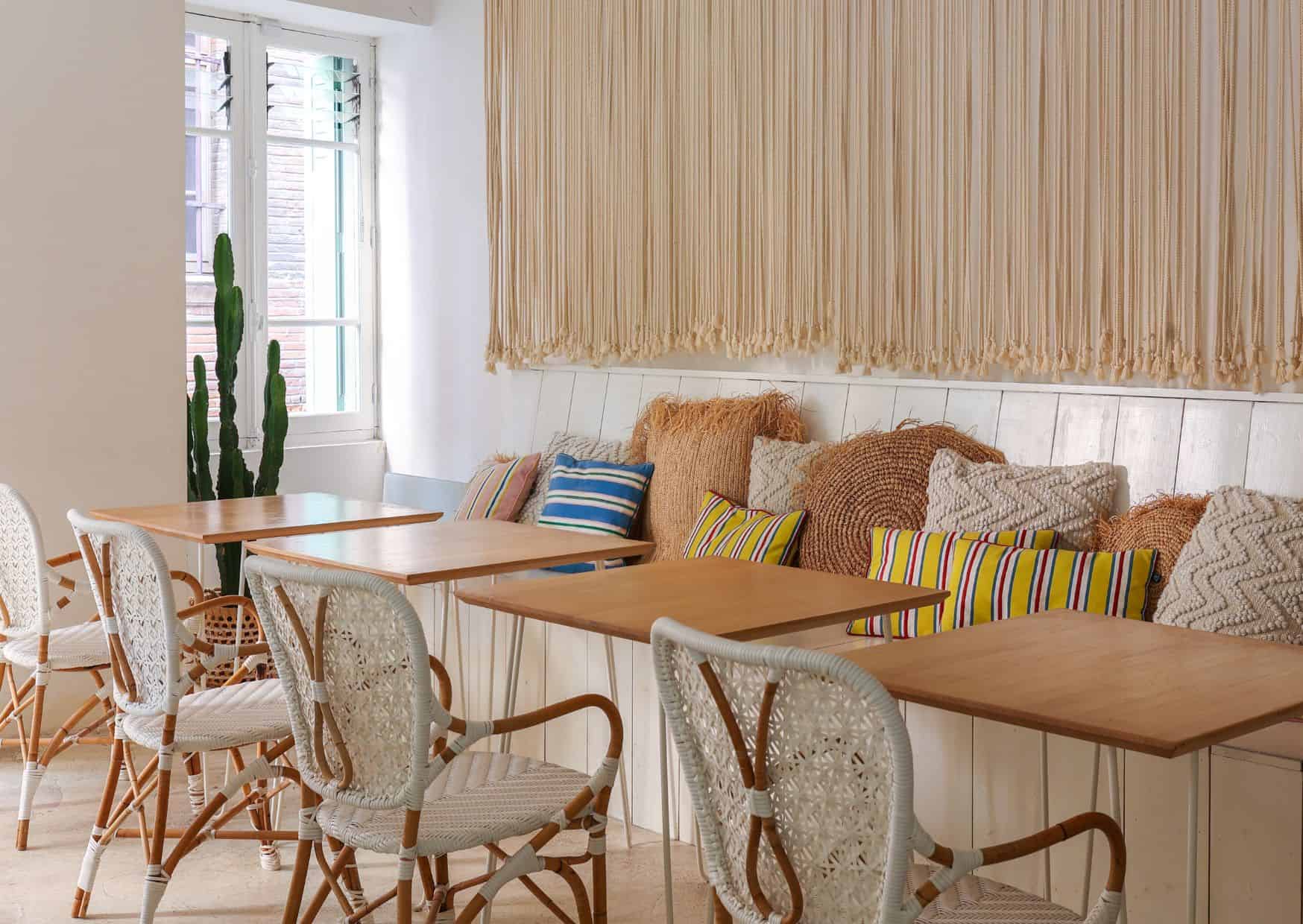
French cafés aren’t in a rush—waiters expect you to take your time.
The waiter won’t check on you constantly like in American restaurants.
What to Do Instead:
Be patient—wave subtly or make eye contact when ready to order.
Enjoy the café atmosphere—there’s no rush.
Avoid:
Snapping fingers or calling out “Garçon!” (It’s rude and outdated).
Complaining about slow service—it’s normal.
4. Order Simply and Directly
Why It’s Important:
French menus are straightforward, and over-customizing is frowned upon.
Waiters appreciate direct orders without unnecessary modifications.
What to Do Instead:
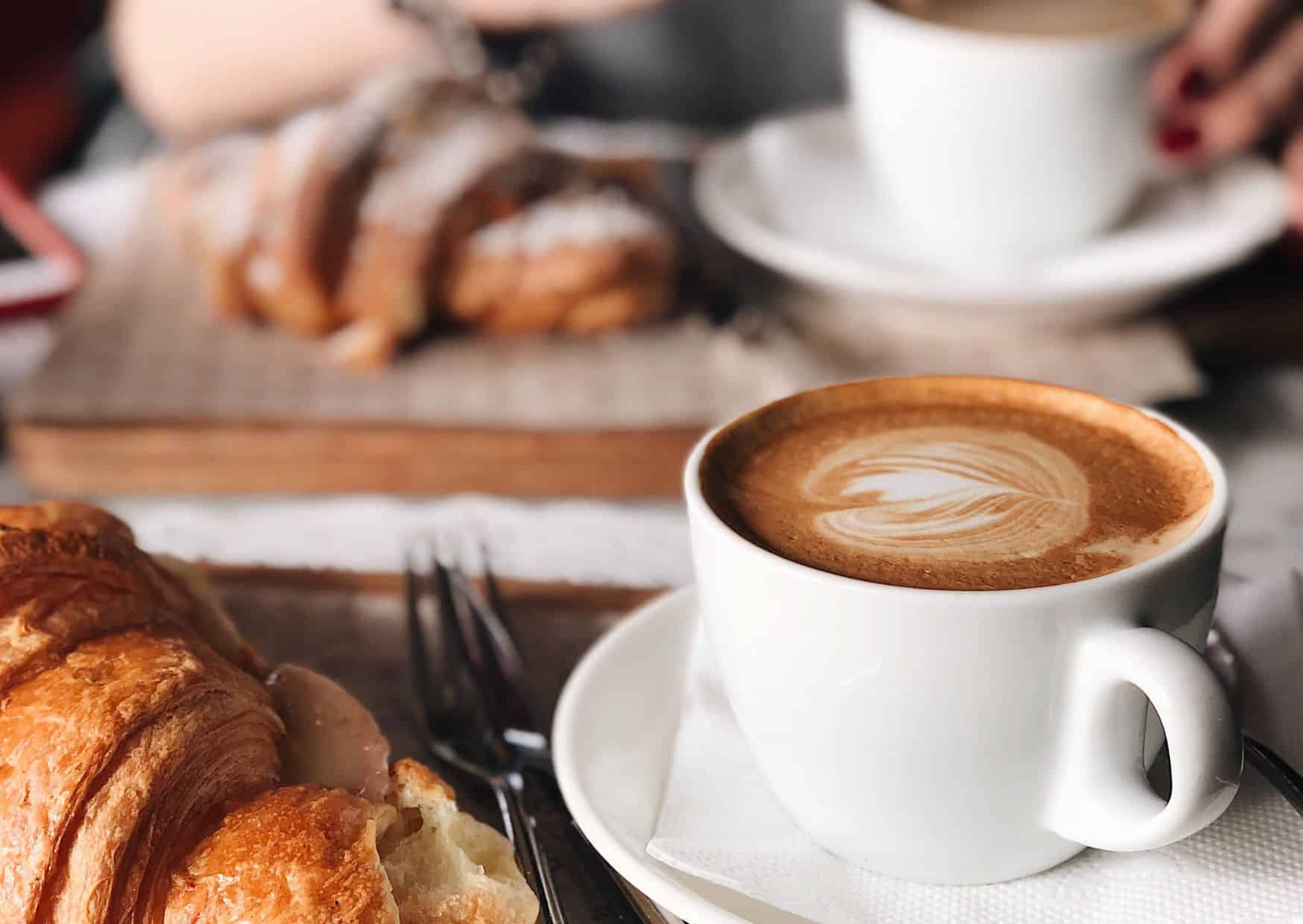
Say “Un café, s’il vous plaît” (One coffee, please) instead of asking for a menu explanation.
If you want a small black coffee, order “Un café” (not an “Americano”).
Avoid:
Asking for complicated customizations like oat milk or flavored syrups.
Ordering “Un espresso”—just say “Un café”.
5. Know Your Coffee Order—It’s Different from the U.S.
Why It’s Important:
French coffee orders aren’t the same as American ones.
There are no large drip coffees or flavored lattes.
What to Do Instead:
Learn the basics:
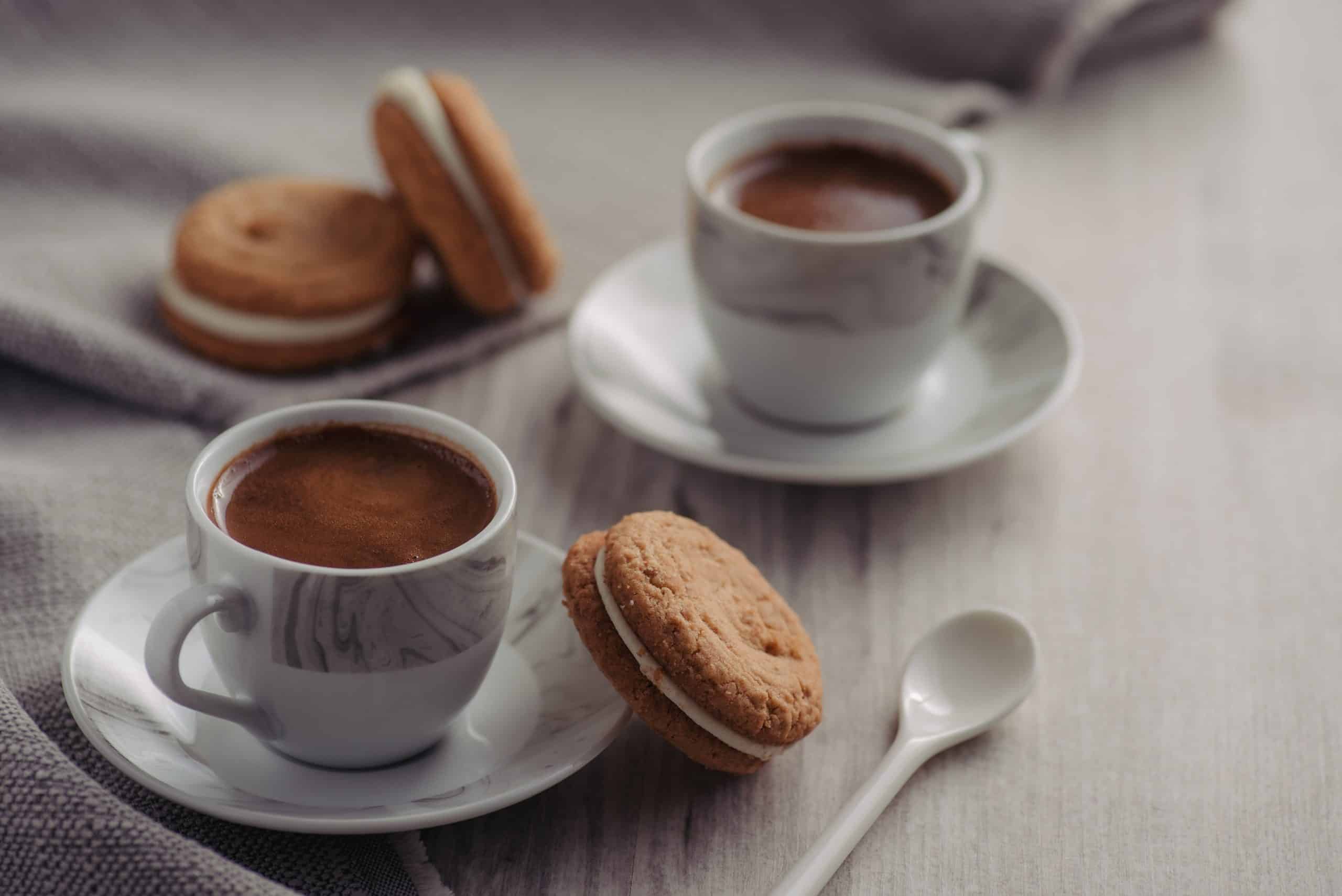
Un café = Espresso
Un café allongé = A longer espresso (closest to an Americano)
Un café crème = Coffee with milk (like a latte)
Un noisette = Espresso with a dash of milk
Un déca = Decaf
Avoid:
Asking for a large coffee—French servings are small.
Ordering a cappuccino in the afternoon—it’s considered a morning drink.
6. Don’t Rush—Enjoy the Experience

Why It’s Important:
French cafés are meant for lingering, not rushing in and out.
Waiters won’t bring the check until you ask—you’re free to stay as long as you want.
What to Do Instead:
Take your time—sip your coffee, read a book, or people-watch.
When ready to leave, say “L’addition, s’il vous plaît” (The check, please).
Avoid:
Expecting to-go cups—coffee is meant to be enjoyed at the table.
Getting annoyed if the waiter doesn’t bring the check immediately.
7. Don’t Split the Bill Like Americans Do
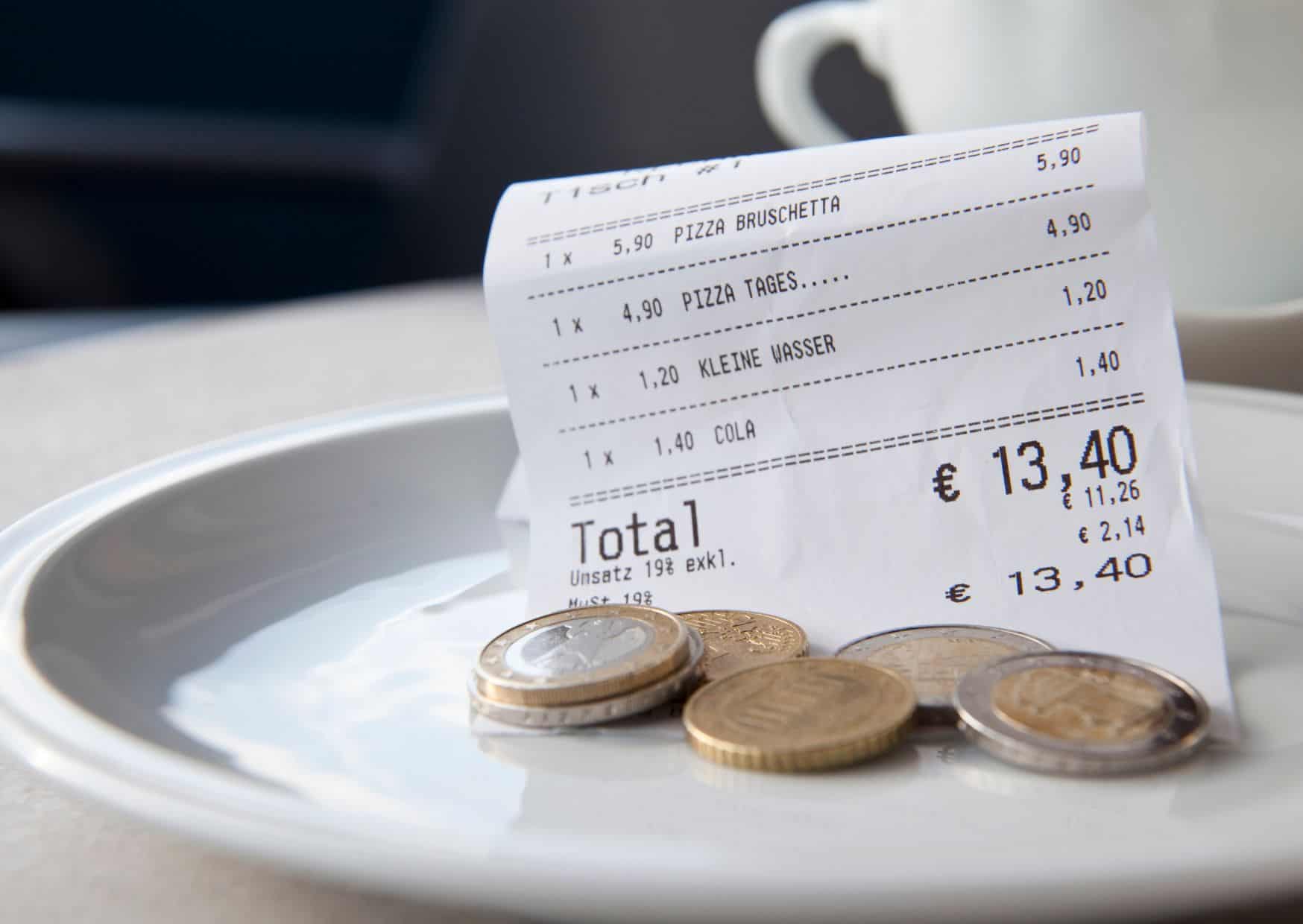
Why It’s Important:
French cafés don’t itemize bills for groups.
Splitting checks is uncommon and can be frustrating for staff.
What to Do Instead:
One person pays, then friends settle up in cash or via apps.
If splitting, ask before ordering: “Est-ce possible de diviser l’addition?”
Avoid:
Asking the waiter to split the bill into separate payments.
Taking forever to calculate individual costs at the table.
8. Never Order a “Doggy Bag” or Takeaway Leftovers
Why It’s Important:
Taking leftovers home is not part of French dining culture.
It’s seen as disrespectful to the chef (suggesting the meal wasn’t finished as intended).
What to Do Instead:
Order only what you can finish—French portions are reasonable.
If dining at a casual café that allows takeout, ask discreetly.
Avoid:
Asking for a doggy bag for unfinished food—it’s not common.
Expecting large portions like in the U.S..
9. Keep Conversations Low & Respect Personal Space
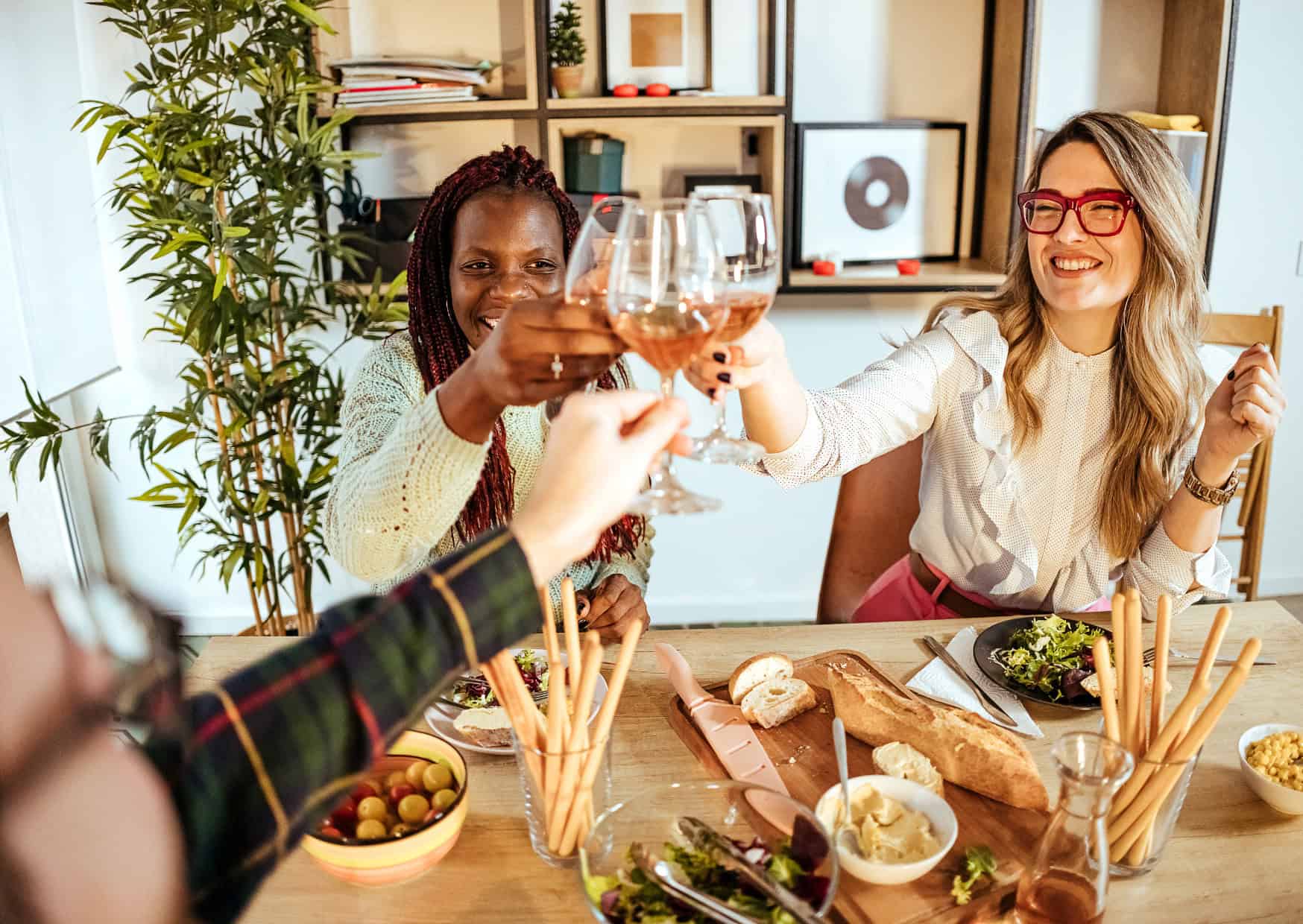
Why It’s Important:
French cafés are social but not loud—people keep voices at a moderate level.
Unlike in the U.S., big, animated conversations are rare.
What to Do Instead:
Keep your voice low and respectful.
Enjoy people-watching and subtle conversation.
Avoid:
Speaking loudly or dominating the atmosphere.
Playing videos or music without headphones.
10. Be Mindful of the Table Setup
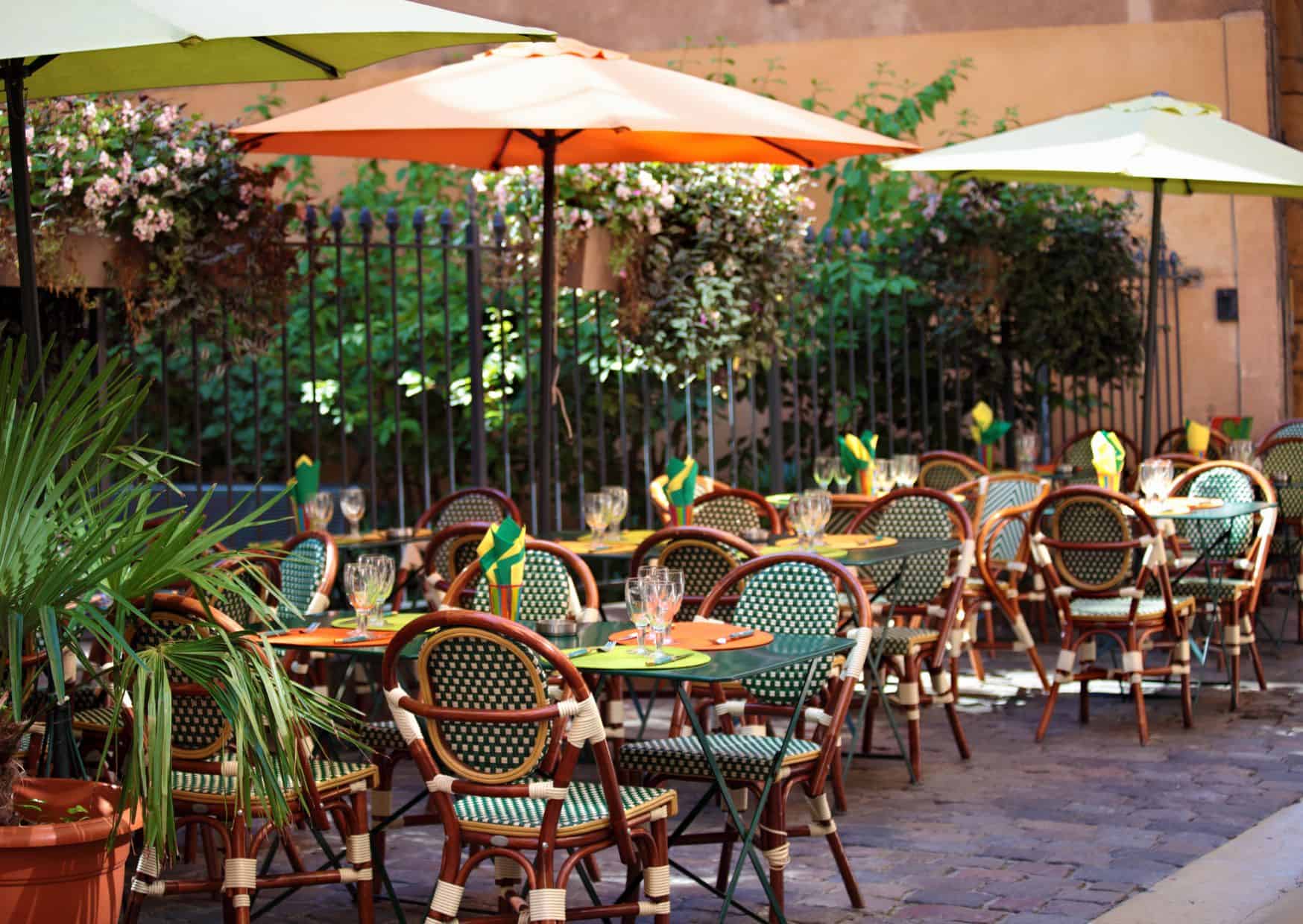
Why It’s Important:
In France, tables are close together, and space is limited.
Blocking walkways is seen as inconsiderate.
What to Do Instead:
Tuck in chairs to make room for others.
Keep bags on laps or under chairs, not on empty seats.
Avoid:
Moving tables or chairs without permission.
Spreading out too much in a small café.
11. Respect the Aperitif & Mealtime Hours
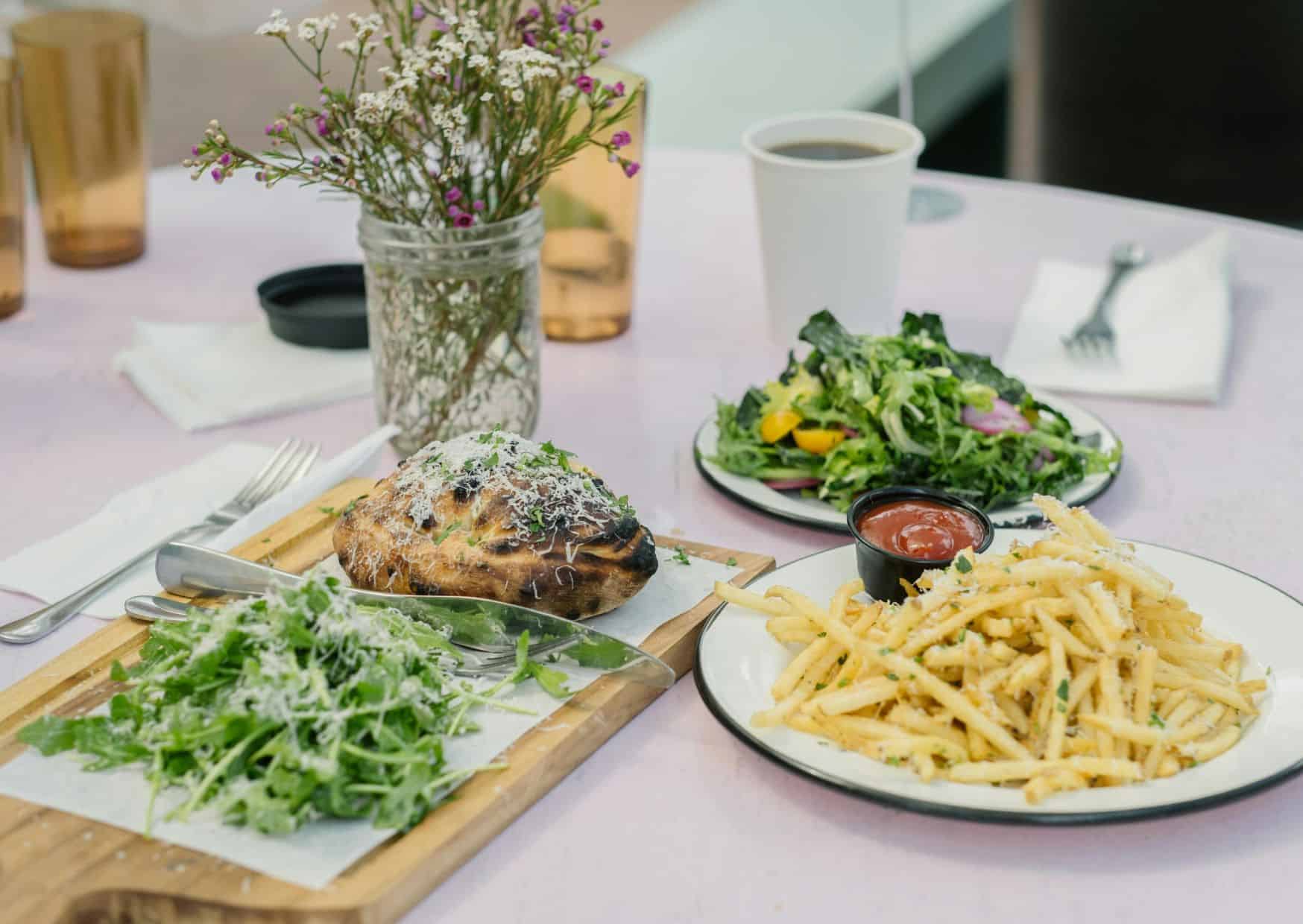
Why It’s Important:
Aperitif time (5–7 PM) is for drinks and light snacks, not dinner.
Many cafés don’t serve full meals outside of standard dining hours.
What to Do Instead:
For an aperitif, order wine, beer, or a spritz with olives or chips.
If you want a meal, wait for dinner service to start after 7 PM.
Avoid:
Asking for dinner at 5 PM—most kitchens aren’t open yet.
Treating a café like an all-day restaurant.
12. Tip, But Don’t Overdo It
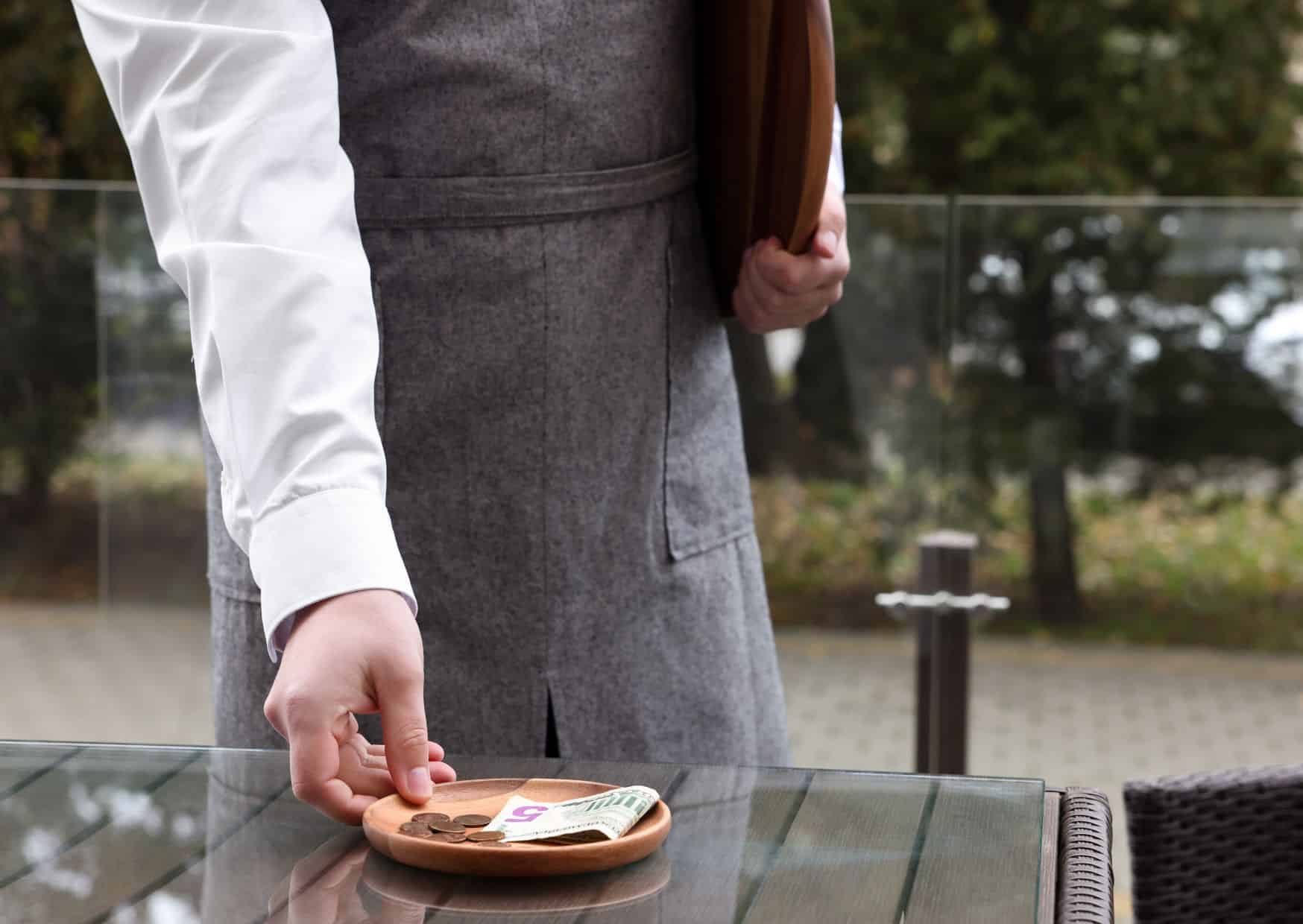
Why It’s Important:
Service charge is included in French café bills.
Tipping is appreciated but not expected.
What to Do Instead:
Leave small change (€1–2) if you received good service.
Round up to the nearest euro for coffee orders.
Avoid:
Tipping 20% like in the U.S.—it’s unnecessary.
Asking if the tip is included—it always is.
Final Thoughts
Understanding café culture in France isn’t just about mastering etiquette—it’s about respecting a lifestyle that values presence, conversation, and simple pleasures. Once you embrace the slower pace, you’ll start to see cafés as more than just places to eat or drink—they become windows into local life.
The little things matter: saying “bonjour” when you enter, waiting to be seated, not rushing the server. These small acts create a shared social space that feels relaxed, elegant, and uniquely French. It’s not about rules for the sake of rules—it’s about creating a respectful, communal experience that tourists often overlook.
So next time you find yourself at a café terrace, take a breath, order with confidence, and enjoy the show of everyday life around you. With a little knowledge and the right attitude, you won’t just visit a French café—you’ll belong in one.

About the Author: Ruben, co-founder of Gamintraveler.com since 2014, is a seasoned traveler from Spain who has explored over 100 countries since 2009. Known for his extensive travel adventures across South America, Europe, the US, Australia, New Zealand, Asia, and Africa, Ruben combines his passion for adventurous yet sustainable living with his love for cycling, highlighted by his remarkable 5-month bicycle journey from Spain to Norway. He currently resides in Spain, where he continues sharing his travel experiences with his partner, Rachel, and their son, Han.