
Sunny plazas, late-night tapas, and a famously laid-back way of life—Spain continues to captivate expats from all corners of the globe. Whether you’re a retiree seeking the Mediterranean breeze or a digital nomad attracted by vibrant cities like Madrid and Barcelona, it’s crucial to know what real-life costs look like behind the postcard moments.
Many people see Spain as the ultimate expat haven: sunny weather, affordable living, and a relaxed lifestyle. But how much does it really cost to live there in 2025? While headlines highlight €300 rental deals or beachside villas for a fraction of U.S. prices, the full picture reveals a mix: yes, Spain is about 30–45% cheaper than the U.S. overall , but major cities like Madrid and Barcelona are feeling strain as protests emerge over skyrocketing rents.
So what does this mean for someone dreaming of the expat life? On average, single people can expect to spend between €1,200 and €1,800 monthly, including rent — while a couple might need €2,000 to €3,000 comfortably . Housing remains the largest expense, especially in central urban areas, but mid-sized cities like Valencia, Seville, and Murcia offer quality of life at a much lower cost
Add in low transport and grocery prices, and Spain remains a strong value—until rent spikes threaten the frugal dream.
Below, we’ll dive into 2025 estimates for housing, groceries, transportation, and more, giving you a clear picture of how to plan financially—and culturally—for your Spanish adventure.
Ready for More Insights?
- Best Travel Insurance Compared
- Why Europeans Never Order These 13 Menu Items (And What to Do Instead)
- 10 ‘Italian’ Dishes Italians Never Actually Eat—And How to Spot the Fakes
Quick Easy Tips
Here are some smart, practical tips to help expats make the most of their budget in Spain:
Choose your city wisely: opting for mid-sized cities like Valencia or Granada can shave €500+ off monthly rent compared to Madrid .
Negotiate rent in advance: landlords are more flexible before tourist season—seek a 6–12 month lease to lock in lower prices.
Curb big expenses with local habits: enjoy “menú del día” lunches (~€12) and buy seasonal produce at weekly markets to cut food costs by 30–40%
Use public healthcare and transport: Spain’s national health service is accessible for residents; monthly metro passes cost €40–60
1. Housing & Rent

Why It Matters
Housing is typically the biggest monthly expense. In Spain, costs vary drastically by region, with major cities at the upper end and smaller towns offering more budget-friendly options.
The Details
- Madrid: A 1-bedroom in the city center ranges €1,000–1,500 per month. Chic districts (Salamanca, Chamberí) easily exceed this range. Suburbs or neighborhoods like Carabanchel often cost a bit less.
- Barcelona: Similar to Madrid, €1,000–1,600 monthly for a central 1-bed (Eixample, Gràcia). Prices spike near tourist hotspots.
- Valencia & Seville: Expect around €700–1,100 for a centrally located 1-bedroom, offering a lower cost of living than the two big metropolises.
- Smaller Cities & Towns (e.g., Granada, Málaga, Cádiz): You might snag a decent place for €500–800. These locales often balance charm with affordability.
What to Expect
- Upfront Costs: Typically 1–2 months’ rent as a security deposit, plus the first month’s rent. Some landlords request a bank guarantee (aval bancario) or higher deposits for non-EU tenants.
- Utilities in Rentals: Sometimes included for short-term leases, but long-term contracts require separate sign-ups for electricity, water, and internet.
2. Utilities & Internet

Why It Matters
Spanish summers can be scorching, especially in southern regions. If you rely on air conditioning, expect bills to climb in hotter months.
The Details
- Electricity & Water: Averages €70–120 monthly for a modest 1-bedroom, but can jump to €150+ in summer with heavy AC usage. Water tends to be cheaper than in many other EU countries.
- Heating: In central/northern Spain, winter heating (gas or electricity) could add €30–50 more. In coastal Andalusia or the Canary Islands, you might only need minimal heating.
- Internet & Phone: Broadband packages with fiber (common in cities) usually run €30–50 per month, often bundled with mobile service.
Pro Tip
Check if your building has efficient insulation. Many older Spanish apartments are designed for hot summers but can feel surprisingly chilly in winter. Factor that into your utility budget—especially if you prefer staying warm year-round.
3. Food & Groceries
Why It Matters
Between bustling local markets and large supermarket chains, Spain offers an array of grocery options that can significantly impact your monthly bills.
The Details
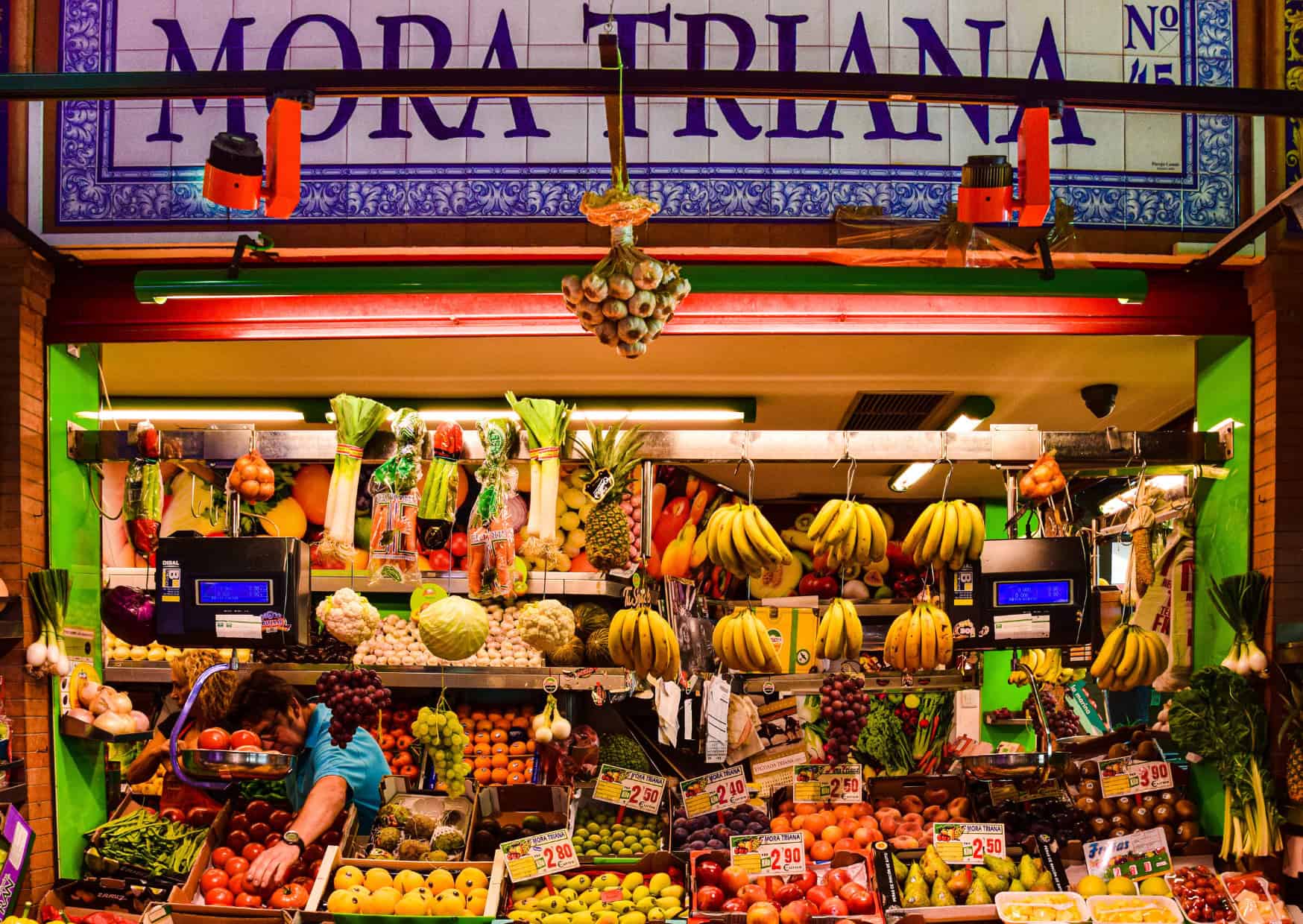
- Groceries at Home: Expect €180–250 monthly per person for a balanced diet—this includes fresh produce from local mercadillos (markets), which can be cheaper and higher quality.
- Eating Out: Spain’s lunchtime “menú del día” is typically €10–15, making it a budget-friendly option if you work or study in the city. Evening meals can range from €15–30 for a mid-range restaurant.
- Alcohol & Social Life: Wine is quite affordable—quality bottles for €4–7 at supermarkets, while a glass of house wine at a bar might cost €2–3. Tapas bars can be cost-effective, but those quick bites add up if you’re out often.
Culinary Tip
Try doing a weekly “mercado run” for fresh veggies, fruit, seafood, and meats—often cheaper and tastier than big-chain supermarkets. Plus, it’s a cultural experience: chat with vendors, sample local cheeses, and soak up the lively market atmosphere.
4. Public Transport & Getting Around
Why It Matters
Reliable, affordable transportation is a huge perk in Spain, especially in major cities with congested roads. Knowing bus/metro costs is essential for monthly budgeting.
The Details
- Metro & Bus: A monthly pass in Madrid sits around €55, in Barcelona ~€40–50, depending on zones.
- Trains: The national train system (Renfe) links major cities, with high-speed AVE routes (Madrid–Barcelona, Madrid–Seville). Ticket costs vary by route and booking in advance can yield big discounts.
- Driving: Car ownership is pricier—fuel hovers around €1.50–1.75 per liter, and insurance can be €30–60 monthly. Parking in city centers is also tricky and often expensive.
Pro Tip
In many Spanish cities, you can live comfortably without a car. Look into multi-trip metro passes, or consider a scooter/bicycle if your daily routes are short and the local climate is mild.
5. Healthcare
Why It Matters
Medical costs are a big factor in any move abroad. Spain’s healthcare system is typically well-regarded, but access depends on your residency status and nationality.
The Details
- EU Citizens: Can use the public healthcare system (SNS) under the European Health Insurance Card (EHIC) initially, but registering as a resident is crucial for long-term coverage.
- Non-EU Expats: Often need private insurance—plans start around €40–60 monthly, rising with age or coverage level. Some visas (like the Non-Lucrative Visa) require proof of private health insurance.
- Quality & Availability: Major cities have excellent public hospitals and clinics; rural areas can have fewer specialized facilities but still maintain a decent standard of care.
Pro Tip
Even if you have public coverage, consider a small private insurance plan to skip wait times for certain specialists—common practice among many locals who want quicker appointments.
6. Day-to-Day Expenses & Lifestyle

Why It Matters
Beyond rent and groceries, you’ll encounter costs for entertainment, gym memberships, social outings, and potential language classes to integrate fully.
The Details
- Leisure: A basic gym membership can range €25–45 monthly. Movie tickets cost ~€8–10. Weekend trips to nearby towns might add €30–60 in transport/accommodation, depending on your travel style.
- Nightlife & Tapas Culture: Social life often revolves around bar-hopping. Beers ~€2–4, cocktails ~€6–10. If you’re out every weekend, budget accordingly.
- Language Classes: Spanish lessons might be €10–20 per hour in group settings, or more for one-on-one tutoring.
Pro Tip
Spain’s “menú del día” lunches and free tapas in certain regions (like Granada) can stretch your budget further. Embrace local customs (like shopping at markets) and you’ll save money and enjoy authentic cultural experiences.
7. Visas & Paperwork
Why It Matters
If you’re not an EU/EEA citizen, you’ll need the right visa or residency permit. Paperwork can be notoriously bureaucratic, so factor in the time and cost.
The Details
- Non-Lucrative Visa: Ideal for retirees or those with passive income. Requires proof of sufficient funds (~€28,000+ annual, though amounts can change) and private health coverage.
- Student Visa: Allows part-time work and is relatively easier to obtain—great if you plan to study Spanish or enroll in a degree program.
- Digital Nomad Visa (newer category): Spain is rolling out more official frameworks for remote workers, requiring evidence of remote employment or freelance contracts.
- EU Citizens: Free movement, but still need to register officially (NIE/residency) if staying long-term.
Pro Tip
Start your visa process early—an appointment at a Spanish consulate can be weeks (or months) away, and you’ll typically need translations of documents. Legal help or a relocation agency might be worth the investment if you’re overwhelmed.
8. Cultural Quirks & Final Thoughts

Why It Matters
Spending money in Spain isn’t just about the euros in your wallet—it’s about how you adapt to local customs. Lifestyle rhythms can affect your daily costs, grocery shopping times, and entertainment options.
Quick Highlights
- Mealtimes: Lunch at 2–3 PM, dinner at 9–10 PM. Plan your day accordingly (and expect restaurants to open later than you might be used to).
- Late-Night Socializing: Spaniards go out late. Bars might start bustling at midnight and clubs even later. This can add to your entertainment budget if you’re a night owl.
- Public Holidays & Festivals: Spain loves its fiestas—expect city-wide celebrations with fireworks, costumes, and sometimes crowds that spike short-term accommodation costs.
The Bottom Line
Spain can be quite affordable, especially outside Madrid and Barcelona, but it’s not the super-cheap paradise some imagine. Housing costs have risen, and prime city living demands a decent budget. Still, for sunny weather, excellent food, and a famously sociable culture, many expats find it well worth the price.
Final Word: Planning Your Spanish Leap
If you’re sold on Spain, do your homework:
- Research neighborhoods: Each city has its vibe—decide if you crave urban energy or a coastal retreat.
- Budget realistically: Factor in rent, utilities, groceries, healthcare, and some “fiesta fund.”
- Handle red tape: Spanish bureaucracy can be slow, so secure your visa, register for healthcare, and keep extra savings for unexpected fees.
- Learn Spanish: Even a little effort in Castellano (or Catalan in Barcelona, etc.) goes a long way, from forming friendships to surviving bureaucratic errands.
Pro Tip
Take a short exploratory trip first if possible. Spend a few weeks in your target city—test daily costs, language classes, local markets. By the time you make the big move, you’ll have a practical feel for the lifestyle (and how much it’ll truly cost).
With a solid budget plan and openness to Spanish rhythms, you can transform that daydream of siestas, sangria, and sunlit plazas into a reality—while dodging surprises that might otherwise knock the wind out of your expat sails. ¡Buena suerte! (Good luck!) and may your Spanish adventure be as vibrant as the fiesta spirit itself.

About the Author: Ruben, co-founder of Gamintraveler.com since 2014, is a seasoned traveler from Spain who has explored over 100 countries since 2009. Known for his extensive travel adventures across South America, Europe, the US, Australia, New Zealand, Asia, and Africa, Ruben combines his passion for adventurous yet sustainable living with his love for cycling, highlighted by his remarkable 5-month bicycle journey from Spain to Norway. He currently resides in Spain, where he continues sharing his travel experiences with his partner, Rachel, and their son, Han.
Steve D
Friday 13th of June 2025
Missing the most important expense of living in Spain and the reason a lot of people don’t want to live in Spain. Tax