
And what it reveals about rest, tradition, and the radical act of doing absolutely nothing.
Try explaining Spanish August to an American, and watch their face cycle through confusion, disbelief, then something approaching panic.
“So everyone just… leaves?”
“For the whole month?”
“But what about work?”
“What about productivity?”
“What about the economy?”
Yes. Yes. It waits. It doesn’t matter. It survives.
Every August, Spain transforms into a country Americans wouldn’t recognize. Cities empty. Businesses close. Entire industries pause. And Spanish families follow a set of unwritten rules that would send most Americans into a productivity spiral.
These aren’t suggestions. They’re cultural commandments, passed down through generations, protected more fiercely than any corporate policy.
Here’s what Spanish families do every August that would make American HR departments weep.
Want More Deep Dives into Everyday European Culture?
– Why Europeans Walk Everywhere (And Americans Should Too)
– How Europeans Actually Afford Living in Cities Without Six-Figure Salaries
– 9 ‘Luxury’ Items in America That Europeans Consider Basic Necessities
1. You Close Your Business for Three Weeks, No Apology Needed
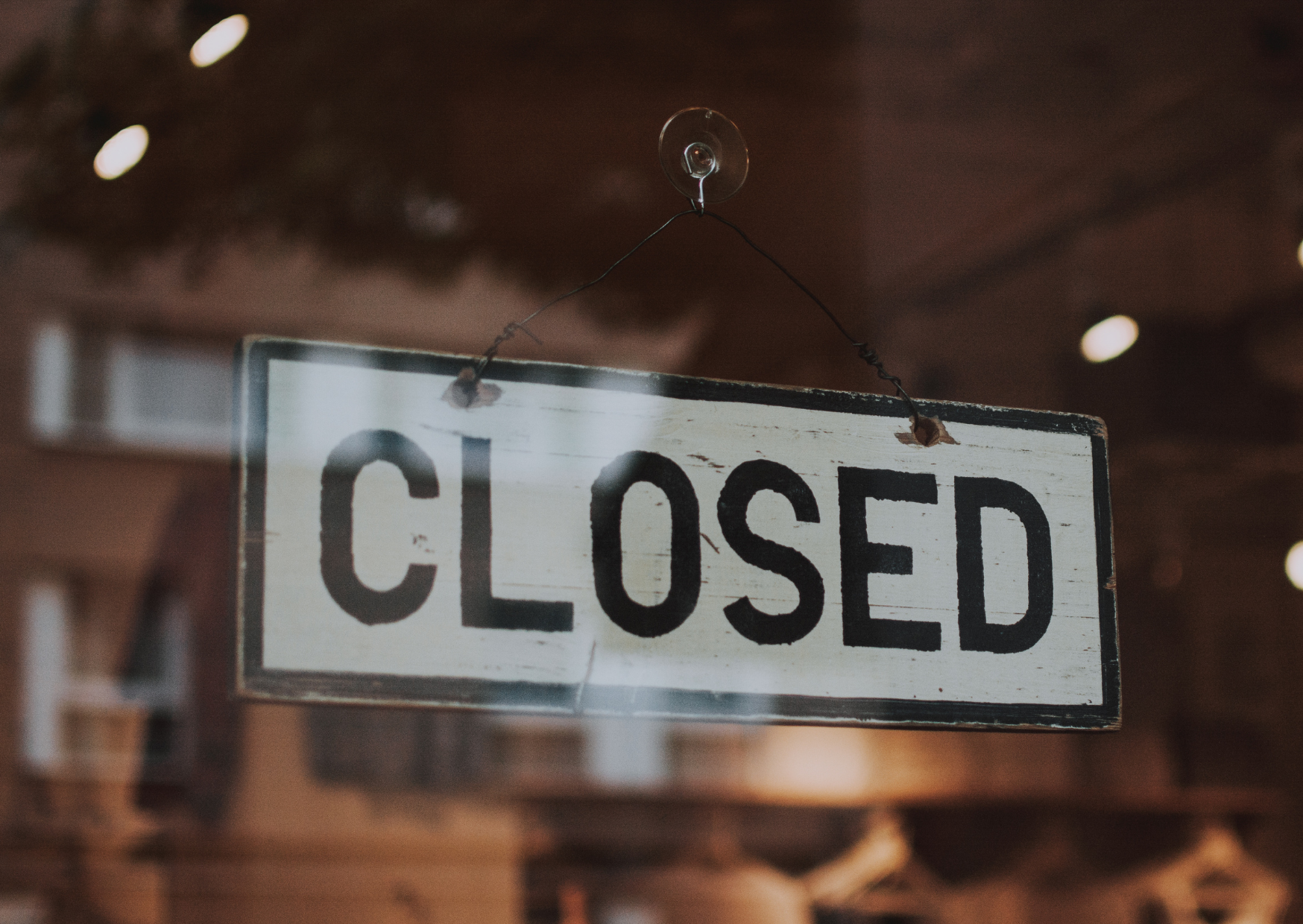
Walk through Madrid or Barcelona in mid-August, and you’ll find handwritten signs everywhere.
“Cerrado por vacaciones. Volvemos en septiembre.”
Closed for vacation. Back in September.
No emergency contact. No substitute service. No guilt.
The bakery where you buy bread every morning? Closed. Your favorite restaurant? See you in September. The corner shop that’s been open every day for eleven months? Gone.
In America, this would be business suicide. Lost revenue. Abandoned customers. Competitive disadvantage.
In Spain, it’s called August.
The customers aren’t angry because they’re also gone. The competition isn’t stealing business because they’re closed too. The economy doesn’t collapse because everyone agrees to pause together.
Spanish business owners prioritize their lives over their ledgers. And somehow, miraculously, both survive.
2. Children Don’t Go to Camp, They Go to Grandma’s Village
American parents spend thousands on summer camps. Educational programs. Structured activities. Supervised enrichment.
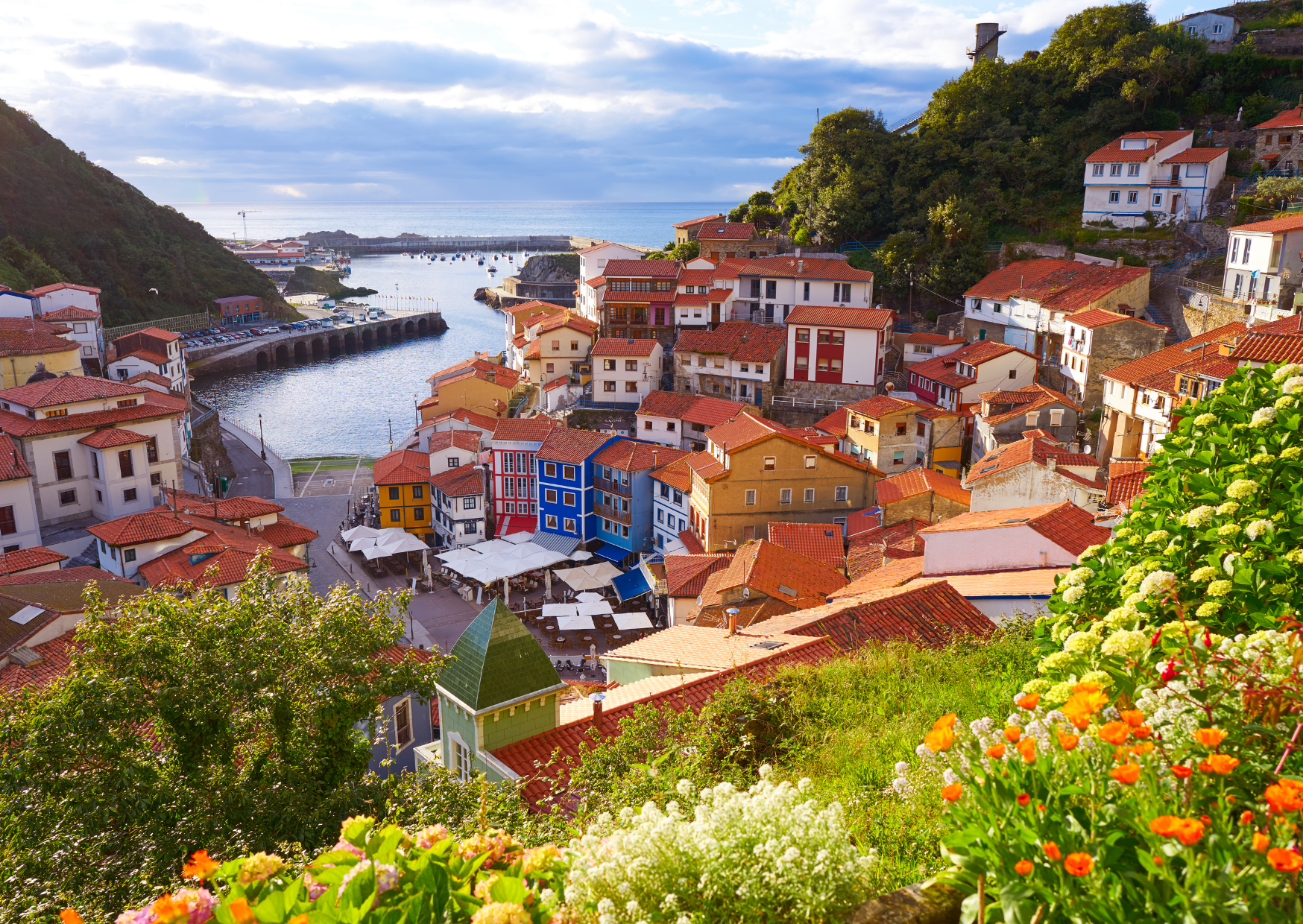
Spanish parents put their kids on a train to the pueblo.
For three weeks, sometimes more, children live in their grandparents’ village. No schedule. No activities. No learning objectives.
They wake when they want. Eat when they’re hungry. Play with whoever’s around. Learn whatever the village teaches.
Maybe they help with chickens. Maybe they swim in the river. Maybe they do absolutely nothing productive for weeks.
American parents would panic. What about screen time limits? What about educational goals? What about college applications?
Spanish parents know something different. Children who spend August in the pueblo come back calmer, browner, speaking better Spanish, understanding where they’re from.
No camp could teach that. No program could structure it. It just happens, slowly, in the heat, for free.
3. Lunch Starts at 3 PM and Ends When It Ends

In August, Spanish meal times stretch even later than usual. Lunch might start at 3 or 4 PM. Dinner rarely begins before 10.
But more importantly, meals have no endpoint.
The food finishes, but no one moves. Plates sit empty. Conversations continue. Wine bottles slowly drain. Children nap on laps or play under tables.
Two hours. Three hours. Four.
Americans would check watches. Calculate productivity lost. Feel guilty about the time.
Spanish families understand that in August, time changes shape. There’s nowhere to be. Nothing more important than this table, these people, this moment extending endlessly in the heat.
The sobremesa in August isn’t just conversation after a meal. It’s a complete rejection of scheduled living.
4. The Beach Day Starts at 6 PM
Americans hit the beach early. Maximize sun exposure. Get their UV dose. Leave by lunch.
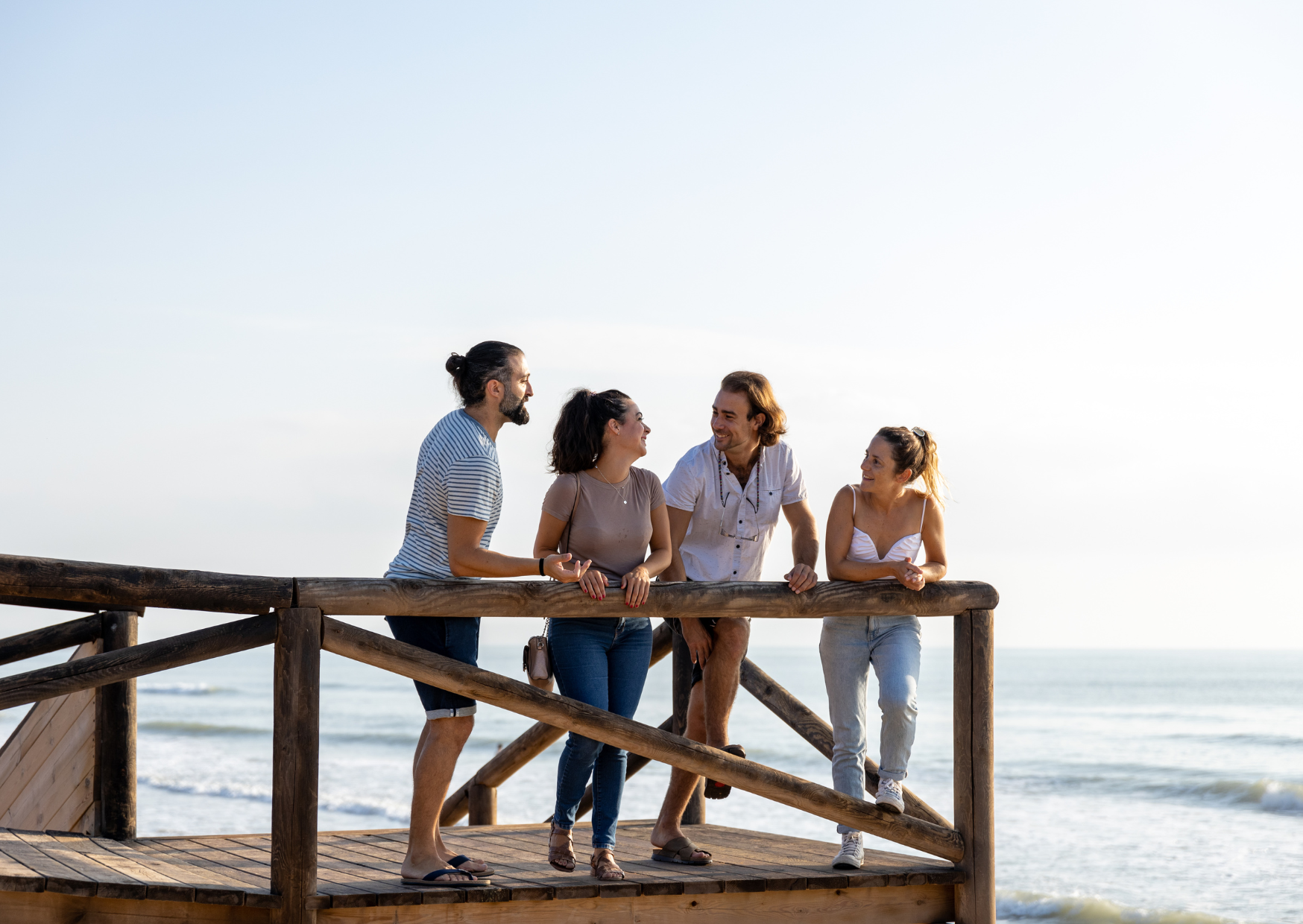
Spanish families arrive when Americans are packing up.
6 PM. 7 PM. Sometimes later.
They bring dinner. Set up elaborate camps. Stay until midnight or beyond.
The sun is softer. The sand cooler. The water perfect. Children play in the dark surf while parents sit in circles, talking by phone light.
This isn’t about tanning. It’s about living.
The beach at night becomes a public living room. Every family claims their spot. Portable grills appear. Watermelons get passed around. Someone always has a guitar.
Americans would worry about safety, schedules, proper bedtimes.
Spanish families know the night beach in August is the most civilized place on earth.
5. No One Answers Email for 22 Days Straight

Set your out-of-office message. Turn off notifications. Disappear completely.
This isn’t just accepted in Spain. It’s expected.
Your colleagues aren’t secretly working, getting ahead while you rest. They’re also gone. Your boss isn’t checking in. She’s on a beach in Galicia with no signal.
The entire professional world agrees to stop existing.
Americans would spiral. What about urgent requests? What about opportunities? What about being seen as uncommitted?
Spanish workers understand something crucial: If it can’t wait three weeks, it wasn’t that important.
And mysteriously, when everyone returns in September, nothing has burned down. The work waited. The world survived.
6. Air Conditioning Is for Tourists and the Weak

August in Spain is brutal. Temperatures soar above 40°C (104°F). The heat becomes a living thing.
Spanish response? Open windows at night. Close shutters during the day. Take a siesta. Drink gazpacho. Suffer together.
Air conditioning exists but using it extensively marks you as soft. Or worse, American.
The heat is part of August. Fighting it too hard means missing the point.
Spanish families adapt to the heat instead of conquering it. They move slower. Sleep in the afternoon. Live outside when the sun drops.
Americans would crank the AC, maintain normal schedules, pretend the heat doesn’t exist.
Spanish wisdom says: August is hot. Accept it. Adapt to it. Don’t waste energy pretending it’s October.
7. Every Night Is a Street Party, But No One Organizes It
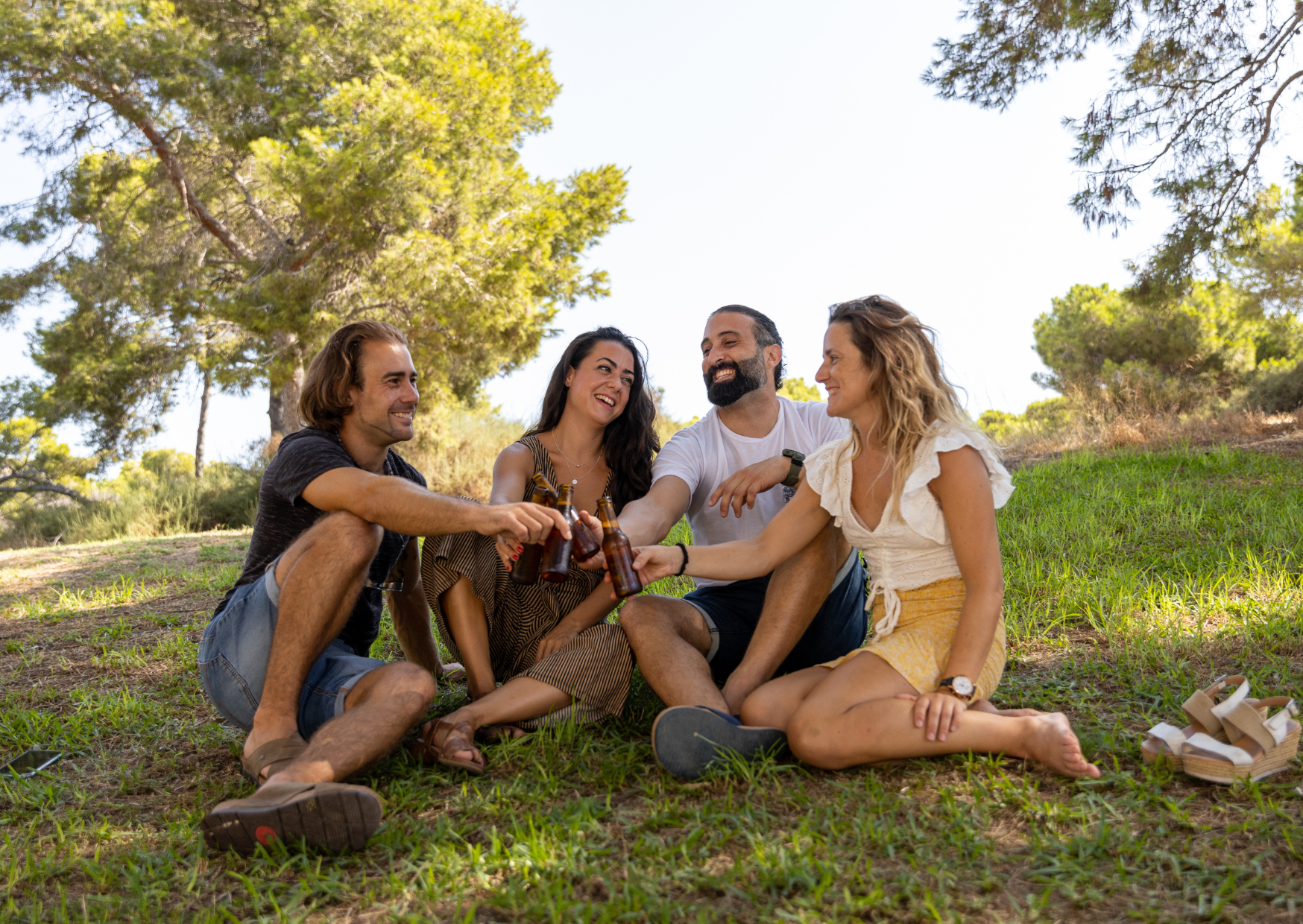
Around 9 PM in August, Spanish neighborhoods transform. Without planning, without organization, without permission, the streets become social spaces.
Chairs appear on sidewalks. Tables materialize from nowhere. Neighbors gather in groups that reform nightly.
Children play until midnight. Adults talk until 2 AM. The elderly watch from balconies, occasionally shouting commentary.
No one planned this. No one needs to. It just happens, every night, all August.
Americans would need permits. Organizing committees. Scheduled end times. Liability insurance.
Spanish streets in August operate on older rules. The kind where public space belongs to the public, and gathering needs no permission slip.
8. You Eat the Same Simple Meals Every Day and Call It Perfect
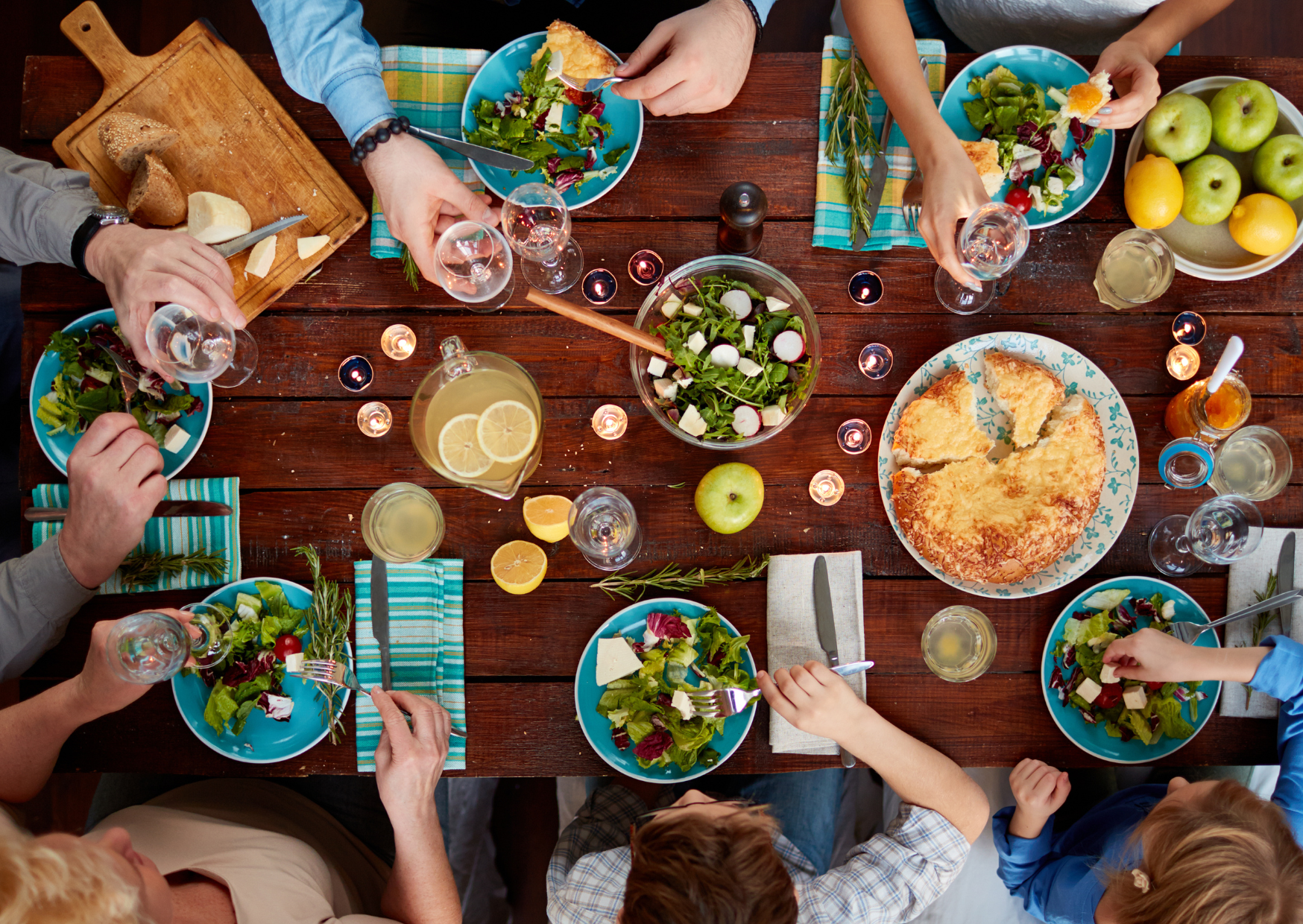
August food in Spain isn’t fancy. It’s repetitive, simple, almost boring by American standards.
Gazpacho every day. Tomatoes with salt. Grilled sardines. Melon. Repeat.
No one complains about variety. No one seeks novelty. The same meal that was perfect yesterday is perfect today.
Americans would need options. Different cuisines. New restaurants to try. Dietary optimization.
Spanish August eating is about something else. When it’s too hot to think, why think about food? When tomatoes are perfect, why complicate them?
The simplicity isn’t laziness. It’s wisdom. In August, the point isn’t to impress with food. It’s to fuel the real activities: sitting, talking, being.
9. September Is the Real New Year

Perhaps the most shocking Spanish August rule: Nothing important happens until September.
No major decisions. No new projects. No life changes. No serious conversations.
August is for pausing, not progressing.
Americans would see wasted opportunity. A whole month without advancement. Without goals. Without growth.
Spanish families see it differently. September arrives with everyone rested. Clear-headed. Ready.
The work gets done faster. Decisions come easier. Relationships feel stronger.
Because everyone took August seriously. Which means not taking anything seriously at all.
They’re Not Lazy. They’re Living.
The American mind rebels against Spanish August. It seems inefficient. Unproductive. Almost irresponsible.
But Spanish families have kept these rules for generations because they work.
Not for the economy. Not for productivity. Not for global competition.
For life.
For the radical idea that humans need rest. That children need unstructured time. That families need weeks together. That communities need shared pause.
That August is not a month to optimize, but to survive.
Spanish August rules horrify Americans because they reveal our own imprisonment. We’ve forgotten that rest is not a reward for productivity.
It’s a requirement for humanity.
Spanish families disappear every August. When they return in September, they’re not behind.
They’re alive.
And they wonder why we look so exhausted all year long.

About the Author: Ruben, co-founder of Gamintraveler.com since 2014, is a seasoned traveler from Spain who has explored over 100 countries since 2009. Known for his extensive travel adventures across South America, Europe, the US, Australia, New Zealand, Asia, and Africa, Ruben combines his passion for adventurous yet sustainable living with his love for cycling, highlighted by his remarkable 5-month bicycle journey from Spain to Norway. He currently resides in Spain, where he continues sharing his travel experiences with his partner, Rachel, and their son, Han.