
And why Italian elegance means embracing the body, not hiding it
Walk through a piazza in Florence, a seaside promenade in Bari, or a narrow Roman street just before aperitivo hour, and you’ll notice it immediately.
The lines. The drape. The tailoring. The comfort.
But look closer, and you’ll also notice something more startling: Italians — especially women — cross a fashion boundary that many Americans would find bold, even unacceptable.
They wear sheer fabrics without apology.
They let visible bra straps show deliberately.
They embrace form-fitting cuts well into their sixties.
They wear white pants without worrying about stains, tight shirts without covering their stomachs, silk camisoles without a jacket.
In other words, they don’t just dress to flatter.
They dress to feel.
And that includes crossing lines Americans still tiptoe around: bodily exposure, aging fashion rules, sensuality in casual settings, and the idea that confidence is more important than modesty.
This isn’t about being provocative. It’s about rejecting the idea that the body should be disguised — that your clothing should apologize for your existence.
Here’s the fashion boundary Italians cross daily, and why Americans so often stop short of following.
Want More Deep Dives into Everyday European Culture?
– Why Europeans Walk Everywhere (And Americans Should Too)
– How Europeans Actually Afford Living in Cities Without Six-Figure Salaries
– 9 ‘Luxury’ Items in America That Europeans Consider Basic Necessities
1. Italians Dress the Body They Have, Not the One They Wish They Had
One of the most noticeable cultural differences is how much body acceptance is built into Italian fashion choices.
American culture tends to link style with body transformation. You hear phrases like:
- “Once I lose ten pounds, I’ll wear that.”
- “I need to hide my arms today.”
- “This shirt makes me look fat.”
In Italy, the equation is reversed. The style follows the body. Not the other way around.
A woman in her fifties might wear a pencil skirt and tucked-in blouse that shows her belly curve. A man with a paunch may still choose slim, tapered trousers that flatter his legs and shoes that shine.
The message is not “look perfect.”
It’s “look like yourself, but well.”
2. Sheer Is Not a Scandal
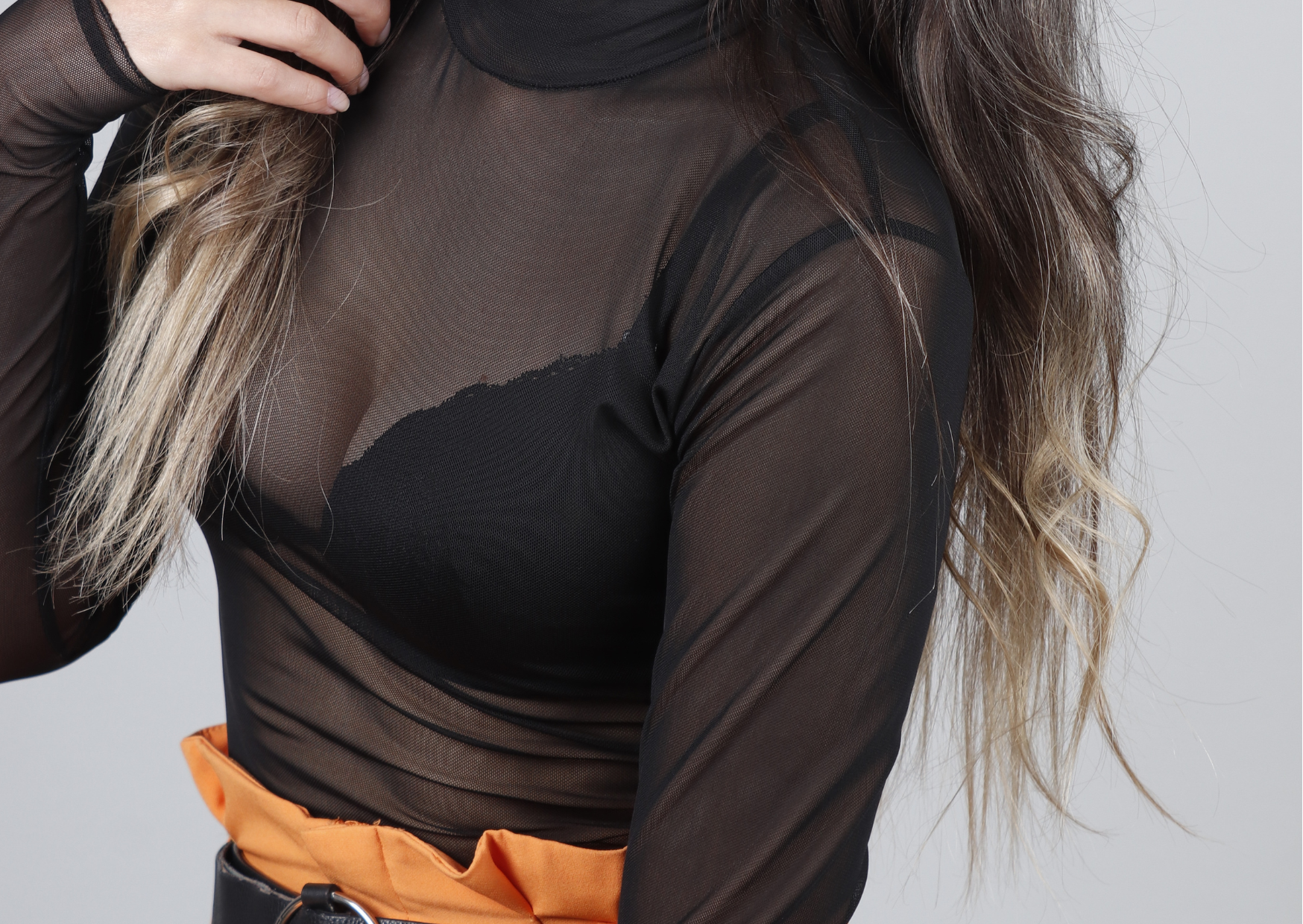
In the United States, sheer fabrics — especially when worn without something layered beneath — are often reserved for edgy fashion shoots, pop stars, or certain nightlife scenes.
In Italy? Sheer is seasonal. Sheer is normal.
Especially in summer, women wear gauzy dresses with visible lingerie, sheer blouses with bandeaus underneath, and skirts that shimmer slightly in the light.
This isn’t a sexual statement. It’s a textural one.
Light fabric in hot weather. Movement. Breathability.
Italians don’t associate transparency with shame. They see it as practical — and even elegant — when done right.
Americans, raised on more modesty-oriented fashion culture, often hesitate to cross this boundary. But in Italy, it’s as common as an espresso.
3. Bra Straps Are Allowed to Exist
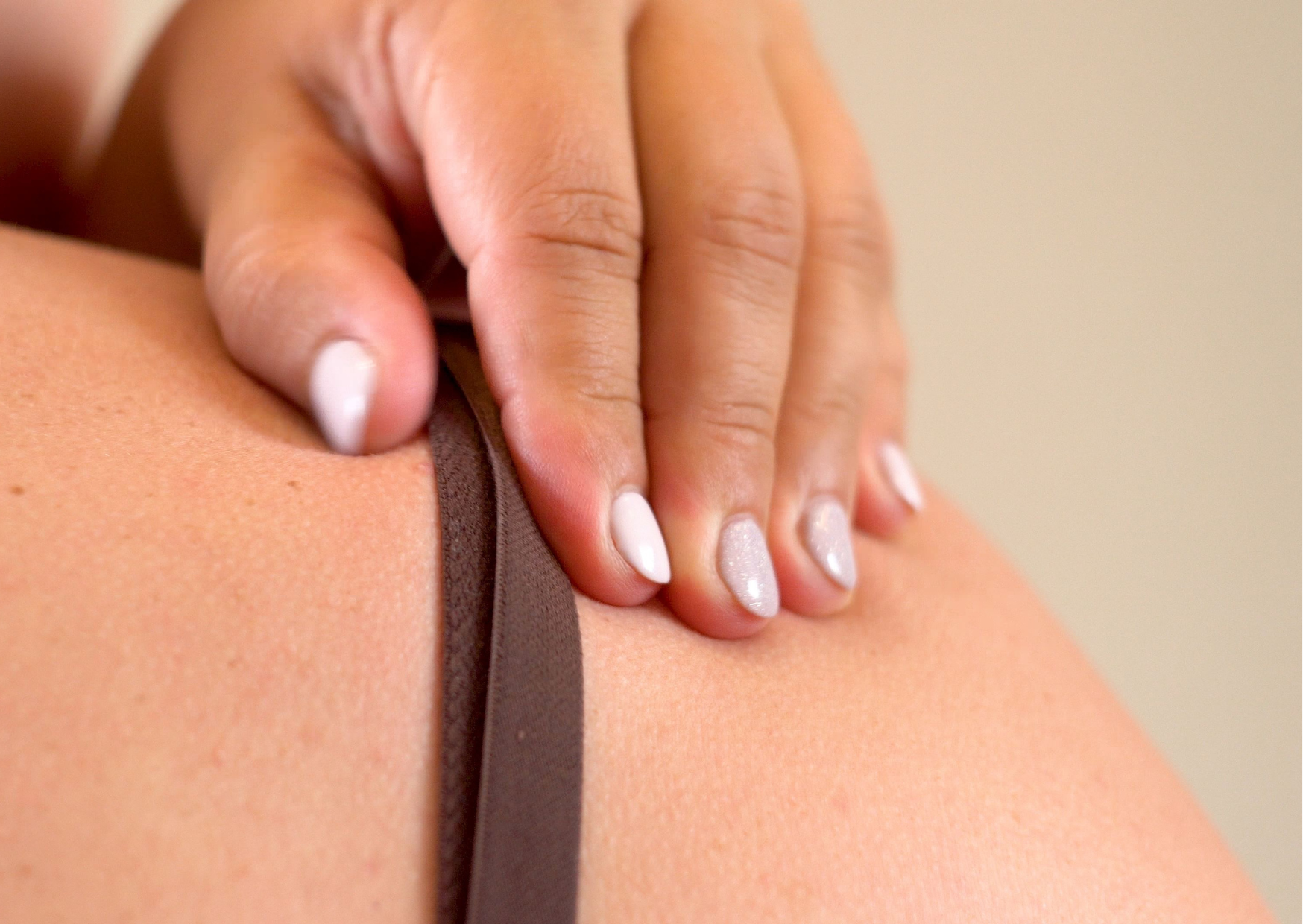
One of the most quietly rebellious style differences? Italians don’t obsess over hiding bra straps.
In the U.S., a visible strap can still prompt whispers, outfit changes, or frantic strap adjustments. But in Italy, a lace strap showing beneath a tank top? A brightly colored strap against a sundress?
It’s intentional. Even chic.
Lingerie is treated as part of the total aesthetic — not a secret to be hidden.
This doesn’t mean bras are worn sloppily. On the contrary, Italian women often invest in beautiful undergarments that coordinate, flatter, and enhance. The visibility is a nod to their elegance, not a wardrobe malfunction.
4. Skin Is Not a Threat — Even in Sophisticated Settings

In American fashion, skin-baring tends to be siloed. Tank tops are casual. Short skirts are for youth. Backless dresses are for nightclubs or red carpets.
In Italy, the rules are far less rigid.
A woman might wear a backless linen dress to a family lunch. A man might wear an open shirt with no undershirt beneath it — in a museum, at a restaurant, on a walk with his parents.
Italians have fewer hang-ups about skin within context. The body is not something to censor or protect others from. It is integrated, expressive, and age-independent.
You won’t see low-cut denim shorts with sports bras in public (as sometimes seen in the U.S.). But you will see shoulders, collarbones, ankles, and silhouettes — with style, not shame.
5. Age Does Not Cancel Style — It Refines It
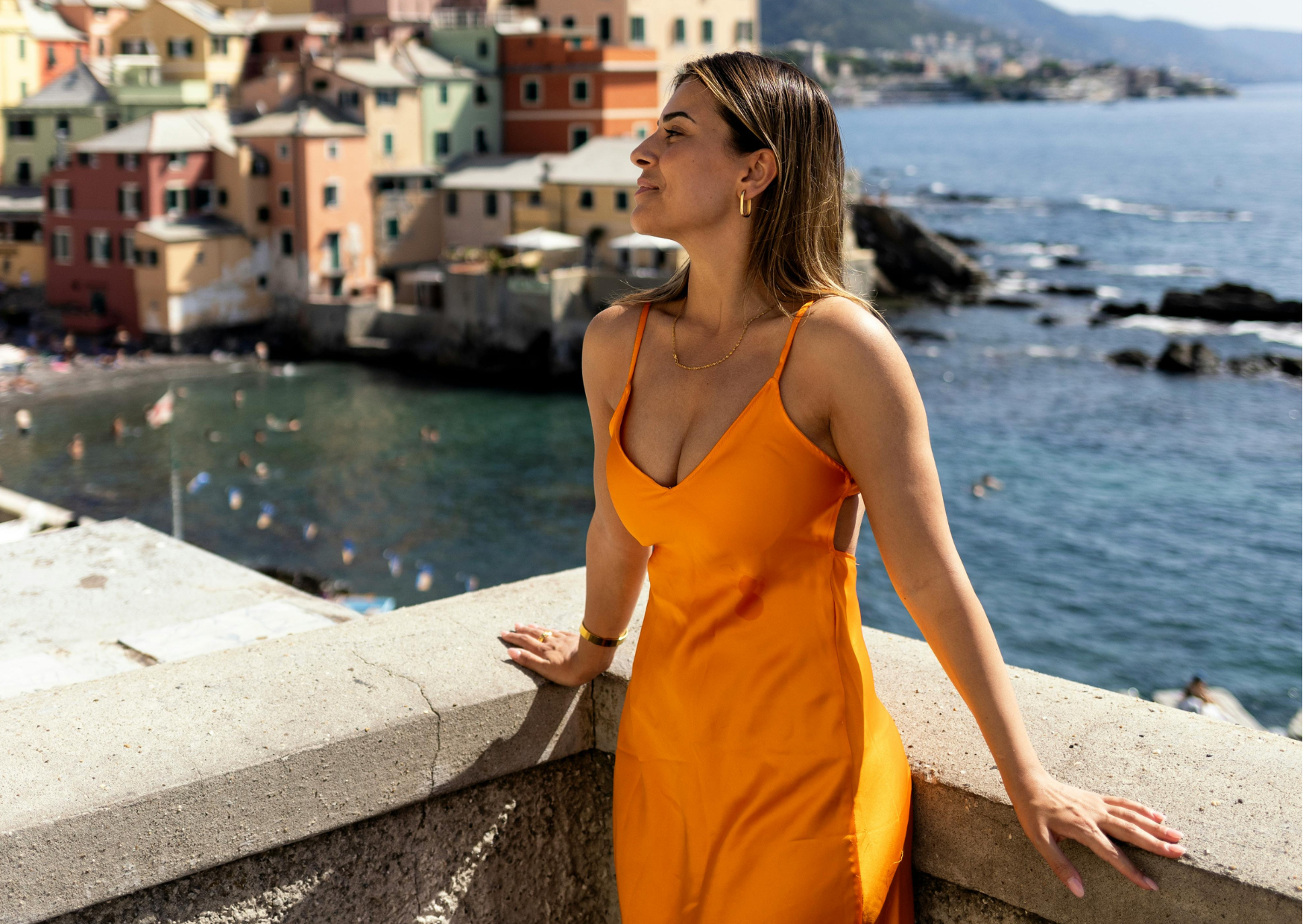
Perhaps the greatest boundary Italians cross is the age-based restriction on certain styles.
In the U.S., many people absorb the idea that after 40, 50, or 60, one must dress more conservatively, “act one’s age,” and cover up.
In Italy, you’ll see women in their seventies wearing fitted trousers, red lipstick, sleeveless dresses, and statement sunglasses.
You’ll see men with salt-and-pepper hair in tailored blazers, crisp white sneakers, and colorful scarves.
Style is a lifelong identity, not a decade-based performance.
The goal is not to look younger. The goal is to look good.
6. “Form-Fitting” Is Not Considered Vulgar
Another line Americans often hesitate to cross: wearing tight clothing outside the gym.
There’s a lingering fear in U.S. fashion that fitted = revealing = inappropriate.
In Italy, a fitted dress on a curvy woman is a celebration, not a risk. A man in slim trousers and a tucked polo shirt is polished, not pretentious.
Tailoring is not just for suits. Italians have mastered the art of clothing that hugs, glides, and frames the body in a flattering — but never strained — way.
The effect is sensual but relaxed.
7. Clothing Is Not About Hiding — It’s About Framing
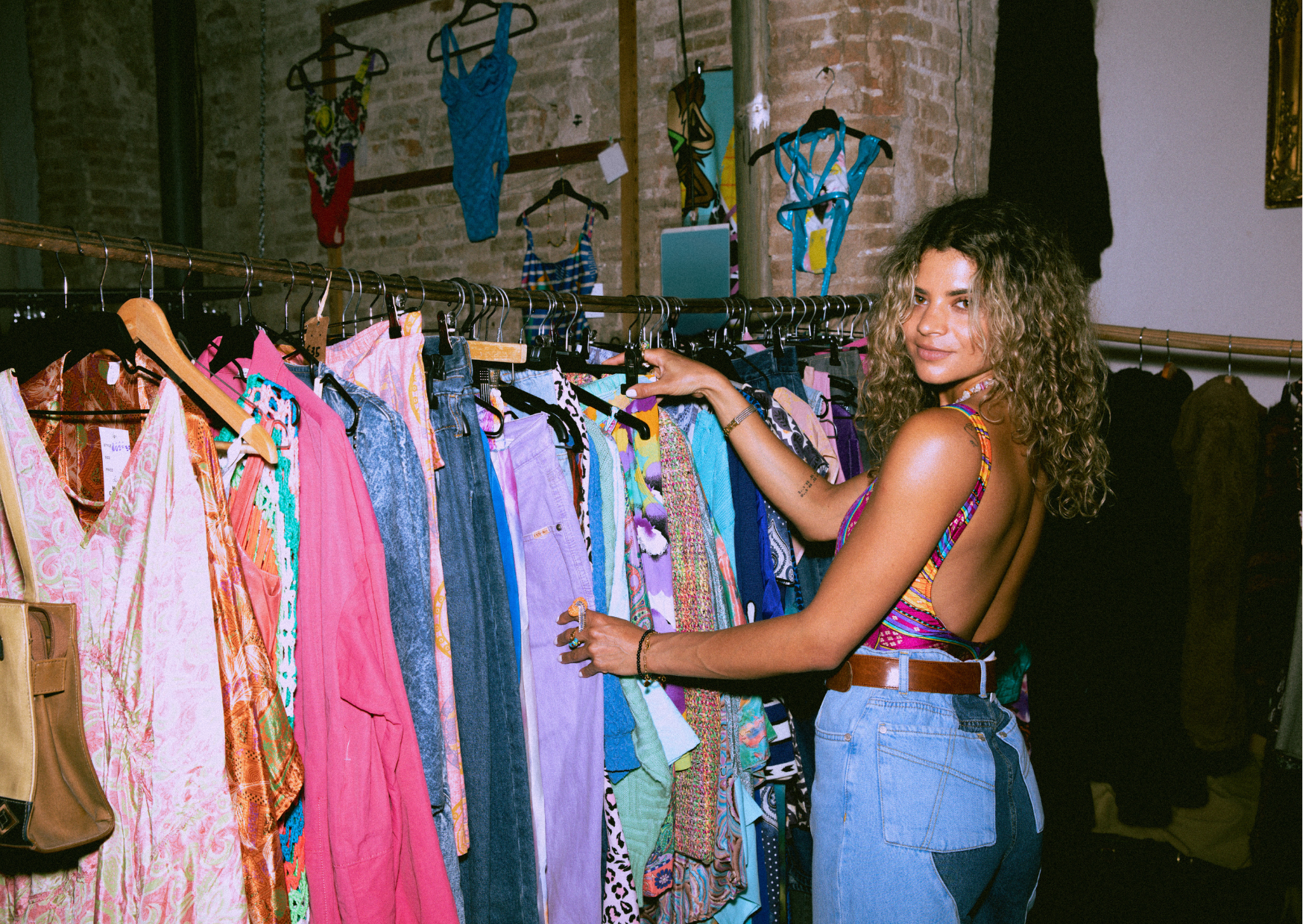
While American style often aims to fix or hide flaws — using oversized layers, color-blocking, and body shapers — Italian fashion takes a different route.
It starts with the assumption that your body is already worthy of being seen.
What you wear should complement your movement. Reflect the weather. Make sense in context.
That’s why tight does not mean vulgar. Sheer does not mean scandalous. Bright does not mean juvenile. And aging does not mean invisible.
Italians build their outfits around the body — not against it.
8. Sensuality Is Not Reserved for Romance

In the U.S., dressing “sexy” is often linked to dating, nightlife, or flirtation.
In Italy, sensuality is built into daily life. A swipe of red lipstick for groceries. Heels with jeans for a morning coffee. A silk top to meet a friend.
This isn’t about attracting someone. It’s about feeling alive in your body, your fabrics, your day.
That level of self-respect is often misinterpreted by American tourists. But for Italians, it’s not self-obsession — it’s cultural rhythm.
You dress well to enjoy yourself — not to impress someone else.
9. Clothing Is a Language — Not Just a Cover
At its core, Italian fashion is not about what’s “too much.” It’s about what makes sense here, now, in this moment.
Clothing speaks to setting, age, mood, season, and movement. It responds to the body — and the environment.
Americans often view outfits as utilitarian or expressive only during special events. Italians understand that every outfit says something — even if that something is, “I feel good walking to the bakery.”
That’s the boundary they cross daily.
And for many American visitors, it’s the first step toward freedom — once you stop fearing what your clothes reveal and start using them to celebrate how you move through the world.

About the Author: Ruben, co-founder of Gamintraveler.com since 2014, is a seasoned traveler from Spain who has explored over 100 countries since 2009. Known for his extensive travel adventures across South America, Europe, the US, Australia, New Zealand, Asia, and Africa, Ruben combines his passion for adventurous yet sustainable living with his love for cycling, highlighted by his remarkable 5-month bicycle journey from Spain to Norway. He currently resides in Spain, where he continues sharing his travel experiences with his partner, Rachel, and their son, Han.