
And what it reveals about pain, control, and a cultural divide in how we define strength
If you ask American women to describe childbirth, words like empowered, supported, and safe often enter the conversation. There’s a growing emphasis on birth plans, pain management choices, comfort preferences, and the right to change one’s mind at any point during labor.
In France, you’ll still hear words like safe — but not always empowered. And rarely comfort-focused.
Because in France, childbirth follows an unspoken cultural rule — a rule that American women, even those with strong stomachs, might find shocking:
Pain relief is expected. And emotional displays are not.
Yes, French women almost universally opt for epidurals. But beyond that, they are encouraged — directly or indirectly — to handle childbirth quietly. Not stoically in an inspirational way. Stoically in a restrained, socially conditioned way. Where expressing pain loudly is considered undignified, and showing fear is seen as disruptive.
This is not a fringe view. It is embedded in hospital protocol, public health messaging, and the training midwives and doctors receive.
To many Americans, it feels cold. Inhumane. Even traumatizing.
But to French women, this rule reflects something deeper — a belief in predictability, medical control, and the quiet maintenance of societal order even during the most personal of life moments.
Here’s what that rule looks like in real life — and why it leaves so many American mothers stunned.
Want More Deep Dives into Everyday European Culture?
– Why Europeans Walk Everywhere (And Americans Should Too)
– How Europeans Actually Afford Living in Cities Without Six-Figure Salaries
– 9 ‘Luxury’ Items in America That Europeans Consider Basic Necessities
1. French Women Rarely Yell During Labor — It’s Considered Uncivilized
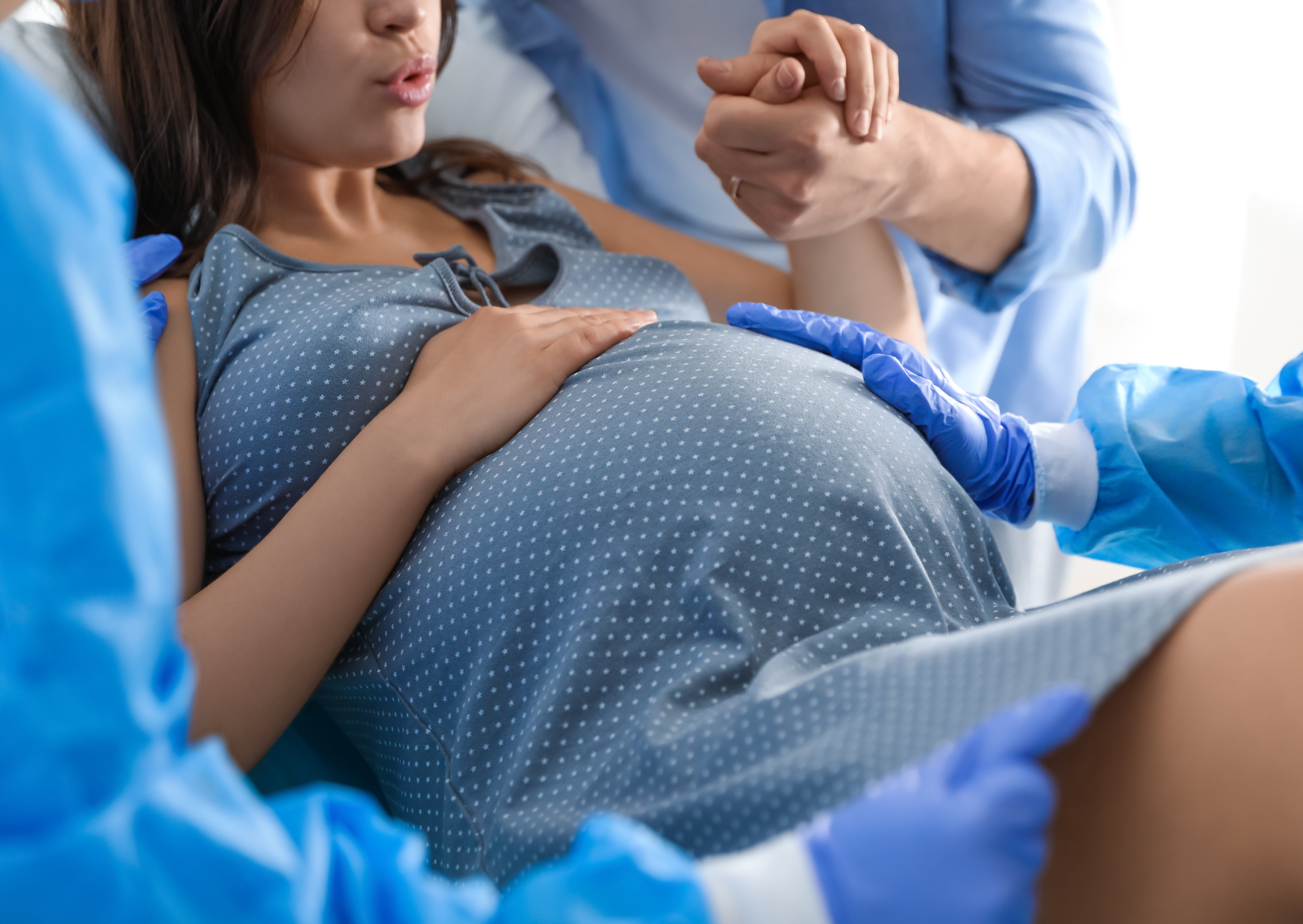
If you picture birth as a dramatic arc of shouting, tears, and coached breathing, you’re thinking of the American model.
In France, the ideal birthing woman is quiet.
That doesn’t mean silent. But loud expressions of pain — moaning, yelling, or swearing — are often met with disapproval, not reassurance.
Midwives may not comfort a woman who is vocalizing. Some may even tell her to “calm down.” Not in cruelty. But because the expectation is that self-control is part of the process.
This isn’t about toughness. It’s about social behavior.
French society places a high value on containment — in speech, emotion, and public behavior. And childbirth, even in its intensity, is not treated as an exception.
2. Epidurals Are Standard — Not Optional
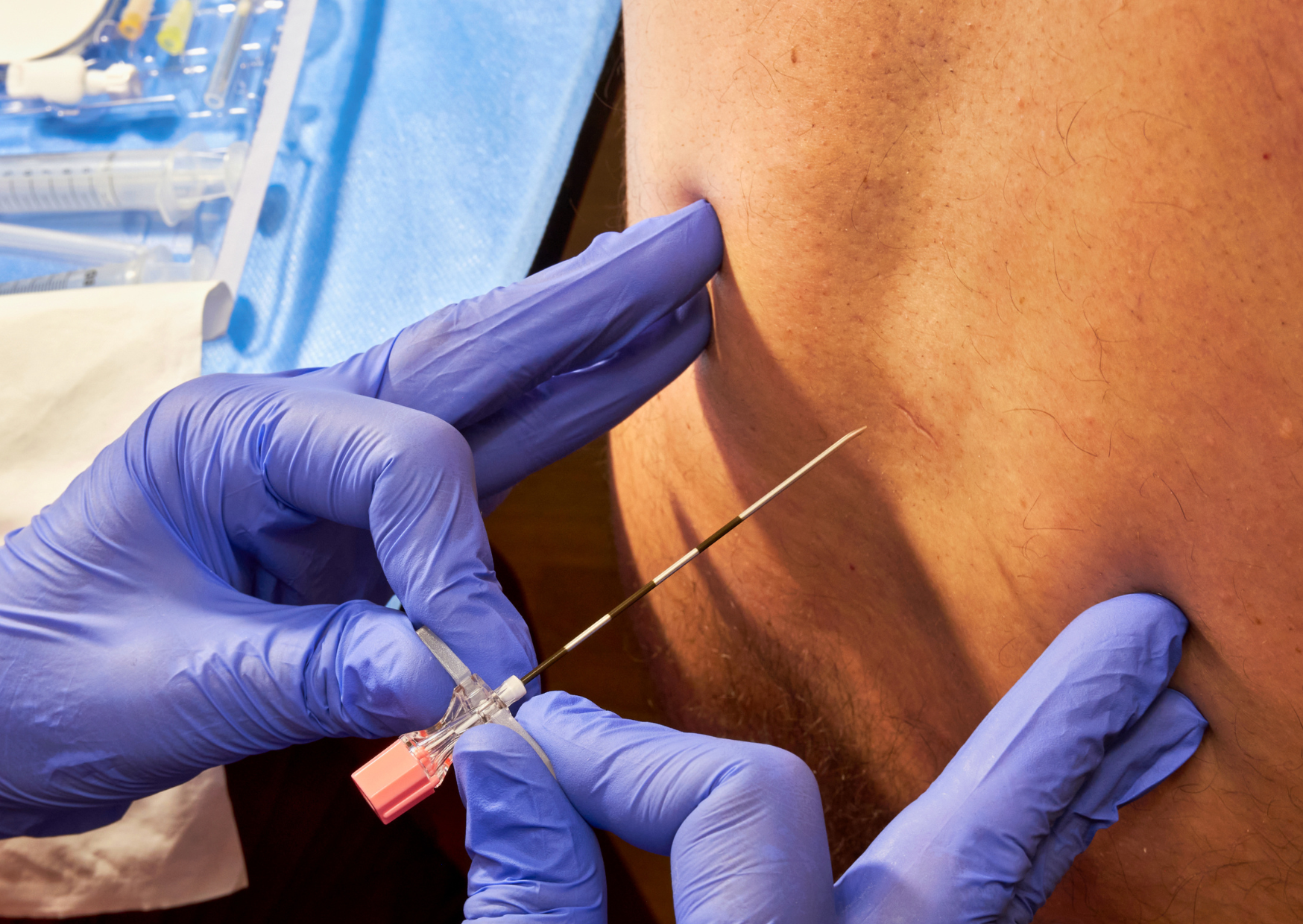
In the U.S., an epidural is one option among many — water birth, natural birth, hypnobirthing, C-sections on demand.
In France, the epidural is the default.
It’s not just offered. It’s actively encouraged — not because women are seen as weak, but because the French medical system values control over variability.
Unmedicated births are rare in French hospitals. Some doctors may not even be trained for them.
Why? Because pain is viewed as unnecessary and chaotic. The goal isn’t for women to prove anything. It’s for the hospital to maintain predictability — and safety — for all parties involved.
To many French women, the idea of refusing an epidural is seen as bizarre. Why suffer when you don’t have to?
3. Childbirth Classes Focus More on Breathing Than Empowerment
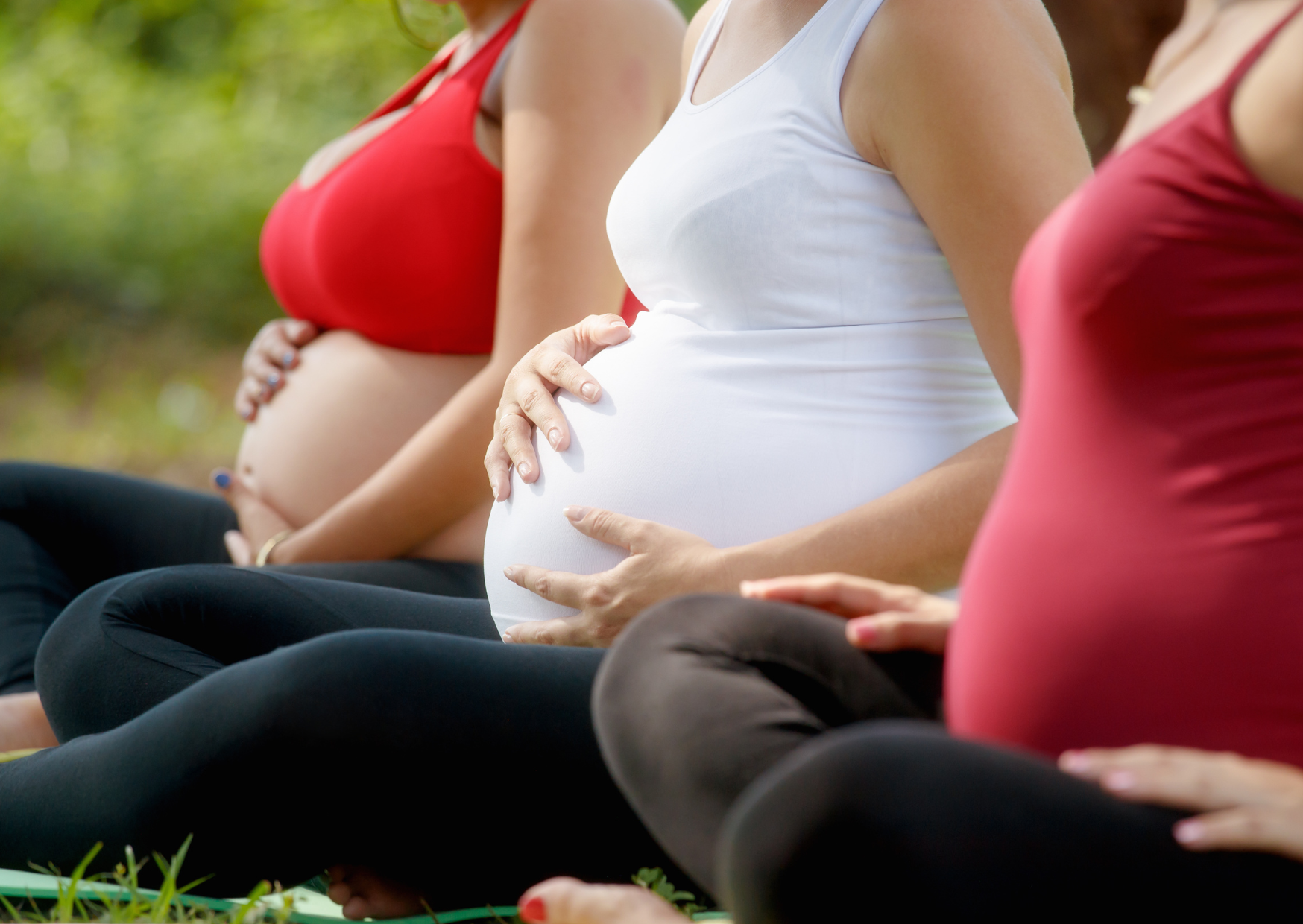
In American prenatal care, classes are designed to support the mother’s personal choices.
You’ll learn about all the birth options, watch videos, hear about delayed cord clamping, listen to real labor stories, and be encouraged to develop your own birth plan.
In France, prenatal classes are shorter, state-funded, and focused on practical breathing and recovery techniques — not emotional empowerment.
You don’t talk much about your feelings. You don’t bring up trauma. You don’t ask to personalize the birth.
You learn how to breathe, when to push, and how to resume pelvic floor function. That’s it.
4. Medical Staff Make the Decisions — Not the Patient
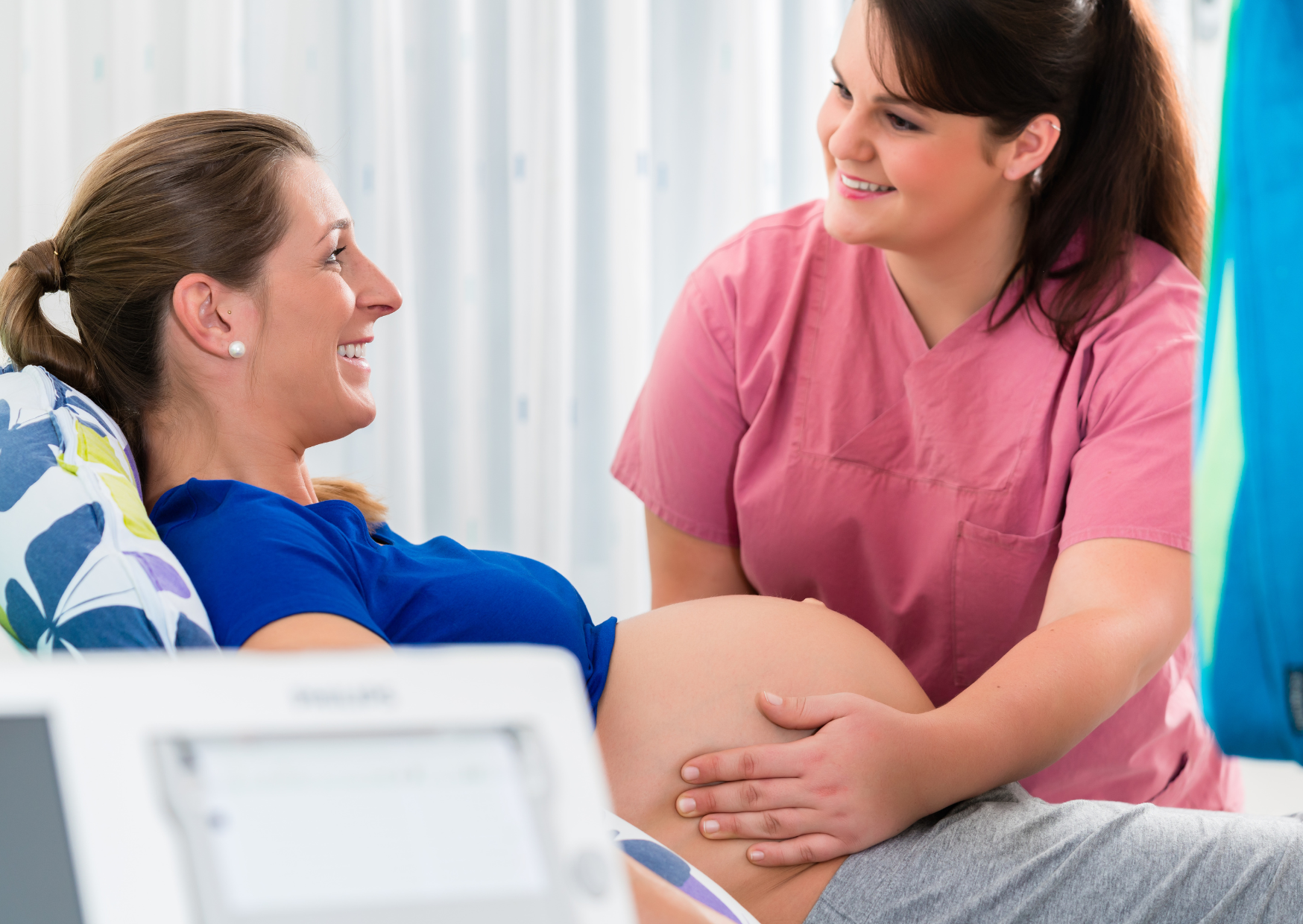
In French hospitals, labor and delivery are highly medicalized. And not in a negative way.
The doctor (usually a male OB/GYN) is in charge. The midwife facilitates. The woman is expected to follow instructions.
Requests to dim the lights, change positions, or bring in essential oils may be dismissed or ignored. The staff isn’t hostile — just structured. The protocol is the same for everyone.
There is very little emphasis on birth as a personal expression. Instead, it’s seen as a standardized medical event with clear stages and routines.
Some women find this comforting. Others feel erased.
5. Fathers Play a Smaller Role in the Room
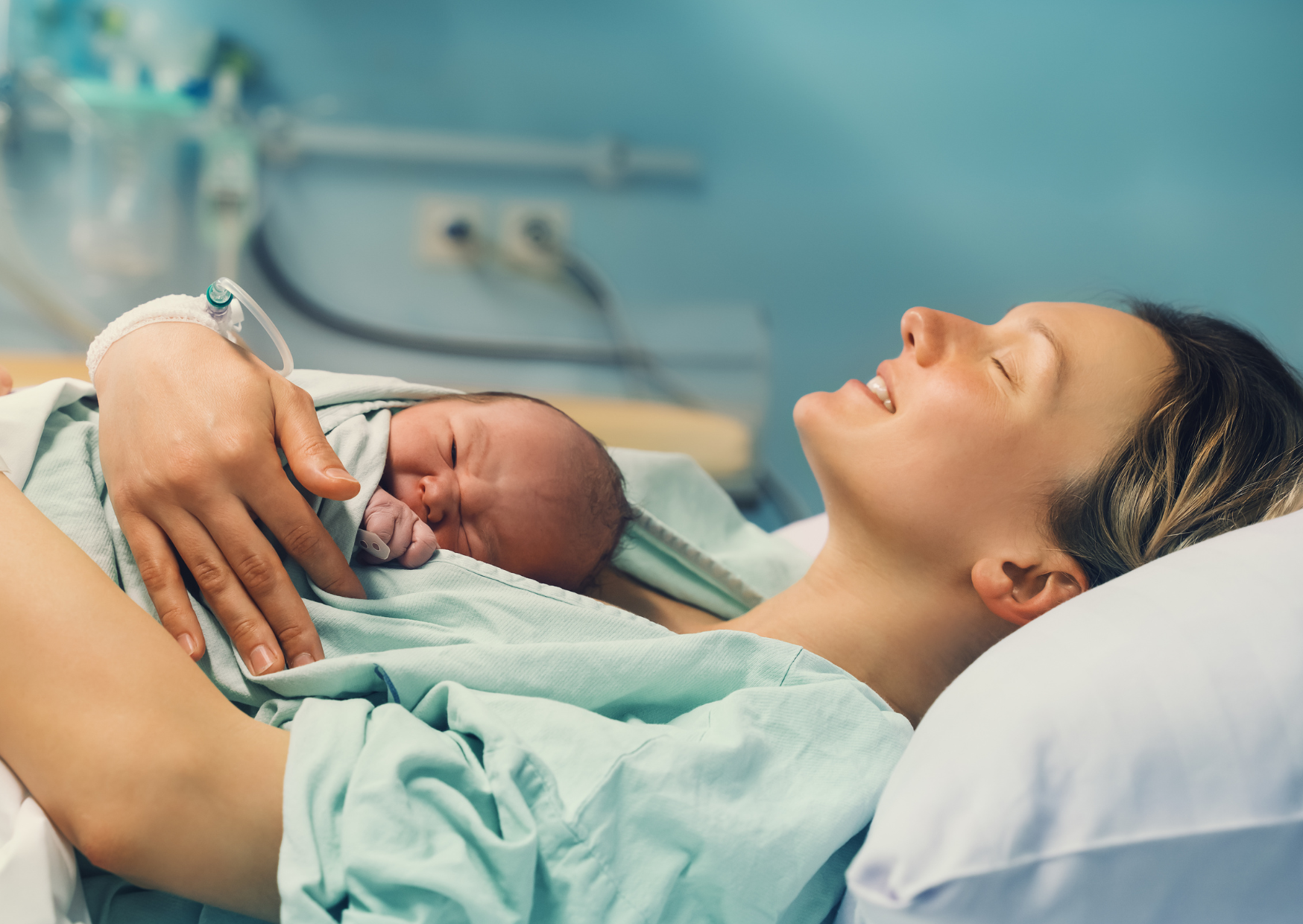
In the United States, fathers are increasingly involved in every part of the birth — timing contractions, holding hands, cutting the cord, and even catching the baby.
In France, their role is peripheral.
Many fathers wait outside until the final moments. Those who do attend are often quiet, not expected to act as emotional support.
The idea of a partner coaching their spouse through birth is rare — and sometimes viewed as unhelpful.
Because again, the assumption is that medical professionals know what they’re doing. Birth isn’t a group event. It’s a clinical process that should be left to trained staff.
6. Postpartum Care Is Physical, Not Emotional
France is known for its generous postpartum support, but it looks different than what Americans might expect.
After giving birth, women receive pelvic floor rehabilitation therapy — a standard part of recovery, funded by the state.
But emotional support is limited. There are fewer checks for postpartum depression. Mental health conversations are still stigmatized.
And since French women are expected to bounce back discreetly, many keep their struggles private.
The focus is on restoring the body. Not processing the birth.
7. C-Sections Are Common — and Not Considered a Failure
In France, around 20–25 percent of births are via C-section — and the cultural attitude toward them is matter-of-fact.
There is no moral weight. No talk of “natural” vs. “unnatural.” No guilt.
If the doctor recommends a C-section, the assumption is that it’s medically correct — and not open for debate.
There’s no “birth trauma” narrative around it. You don’t owe anyone an explanation.
This clinical detachment can feel cold to Americans — but for French women, it’s often liberating.
8. Birth Is Not an Identity Moment
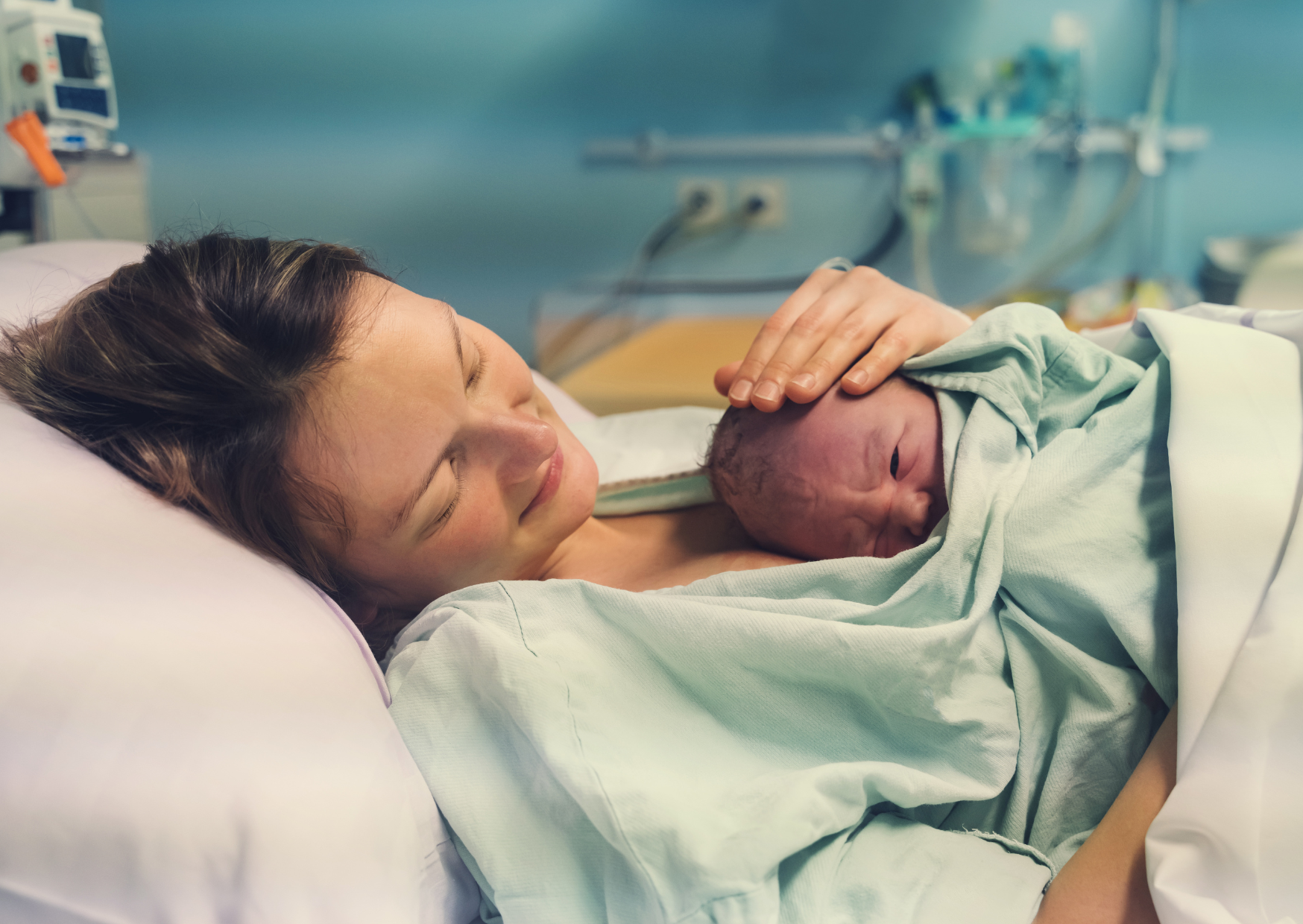
One of the biggest cultural differences is how birth is viewed in the context of personal identity.
In the U.S., birth is often a transformational story. Women document it, share it, define it as a before-and-after moment.
In France, birth is an event, not a narrative. You don’t post about it. You don’t build a persona around it. You move on.
The focus shifts quickly to the child. The mother is expected to return to function — gracefully, quietly, and without fanfare.
Some see this as healthy. Others feel unseen.
9. Dignity Is Prioritized Over Drama
In every French birth story, you’ll hear a variation of the same theme: “Je suis restée digne.” I stayed dignified.
This is not about repression. It’s about presenting strength through composure.
Women are not told they’re warriors. They are not praised for their courage.
They are expected to hold themselves together, for the baby, for the system, and for themselves.
This expectation shapes everything — from how pain is managed to how tears are treated.
It doesn’t make birth easier. But it creates a clear framework.
Americans Are Encouraged to Speak. French Women Are Encouraged to Breathe.
Neither model is perfect.
One honors personal power.
The other honors medical control.
One says, “Your feelings are valid.”
The other says, “Your feelings are not the focus.”
One teaches you to narrate your pain.
The other teaches you to breathe through it — quietly.

About the Author: Ruben, co-founder of Gamintraveler.com since 2014, is a seasoned traveler from Spain who has explored over 100 countries since 2009. Known for his extensive travel adventures across South America, Europe, the US, Australia, New Zealand, Asia, and Africa, Ruben combines his passion for adventurous yet sustainable living with his love for cycling, highlighted by his remarkable 5-month bicycle journey from Spain to Norway. He currently resides in Spain, where he continues sharing his travel experiences with his partner, Rachel, and their son, Han.