
And what it reveals about culture, climate, and a completely different relationship with alcohol
If you’ve ever sat down at a sun-drenched terraza in Madrid or Seville and scanned the drink menu, you may have noticed something strange.
A glass of house wine?
€1.20.
A bottle of still water?
€2.00.
Wait, what?
It’s a detail that shocks many first-time American travelers — and then delights them.
Is this a typo? Is it a mistake?
No. It’s Spain.
And yes, wine really is often cheaper than water. Not just in one city or a quirky bar, but across the country — from grocery stores to casual restaurants.
But this isn’t just about price tags. It’s about history. Climate. Farming. Lifestyle.
And the fundamentally different way Spanish people — and Mediterranean cultures more broadly — treat wine as part of life, not a luxury.
Let’s explore why this phenomenon exists, and what it tells us about how Spain drinks, eats, and lives in a rhythm many Americans still find hard to believe.
Want More Deep Dives into Everyday European Culture?
– Why Europeans Walk Everywhere (And Americans Should Too)
– How Europeans Actually Afford Living in Cities Without Six-Figure Salaries
– 9 ‘Luxury’ Items in America That Europeans Consider Basic Necessities
1. Wine Is a Staple — Not a Luxury Item
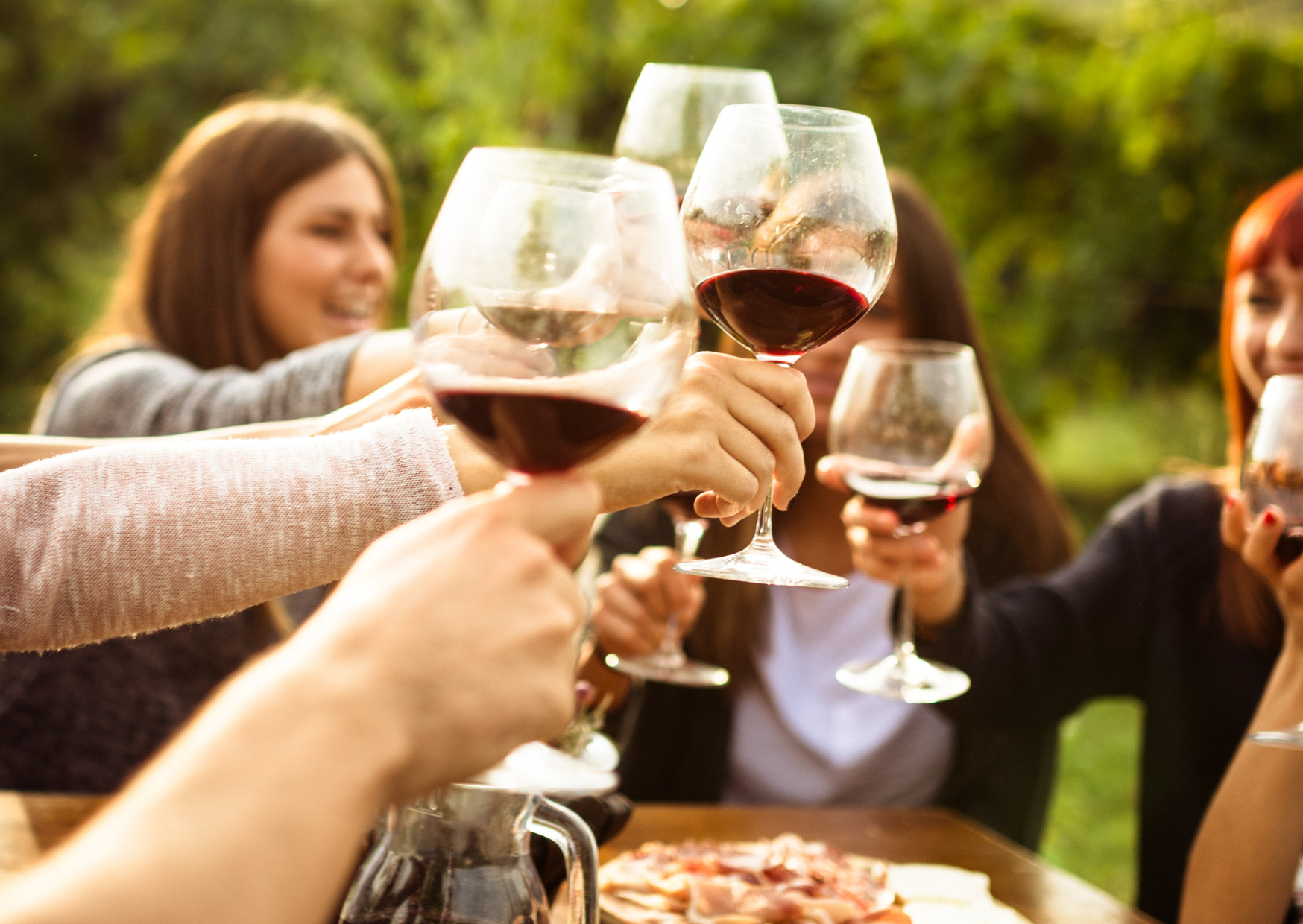
In the U.S., wine is still associated with occasion, mood, and mood lighting.
You order it at dinner. You buy a bottle for a host. You ask for pairing suggestions.
In Spain? Wine is normal. Daily. Casual.
A splash of red with your weekday lunch. A small glass of white with your evening tapa.
No drama. No pretense. No $14 pours.
And because it’s part of the routine, it’s priced accordingly — often the same or lower than soda or water.
2. Wine Is Locally Produced — Water Is Often Bottled and Imported

Spain is the third-largest wine producer in the world, behind Italy and France.
Vineyards stretch across nearly every region. Production is high. Distribution is domestic. Transport costs are low.
Meanwhile, bottled water — particularly the still, mineral-rich varieties preferred in restaurants — is often sourced from springs in the north or the Pyrenees, packaged, and shipped. It’s treated as premium.
So even though water is obviously more essential, it’s treated as more refined in certain settings.
Especially if you’re dining out.
Ironically, the higher cost of bottled water is not tied to scarcity.
Tap water is safe in most of Spain — but ordering tap in a restaurant can still earn you a raised eyebrow.
3. Spanish Restaurants Aren’t Marking Up Wine Like U.S. Ones Do
In American restaurants, wine is where the profits are.
A bottle that costs $8 at retail might be $36 on the menu. Even by the glass, the markups are brutal.
In Spain, markups are minimal — because the wine is often local and cheap to begin with, and because Spanish dining culture isn’t built on massive beverage profits.
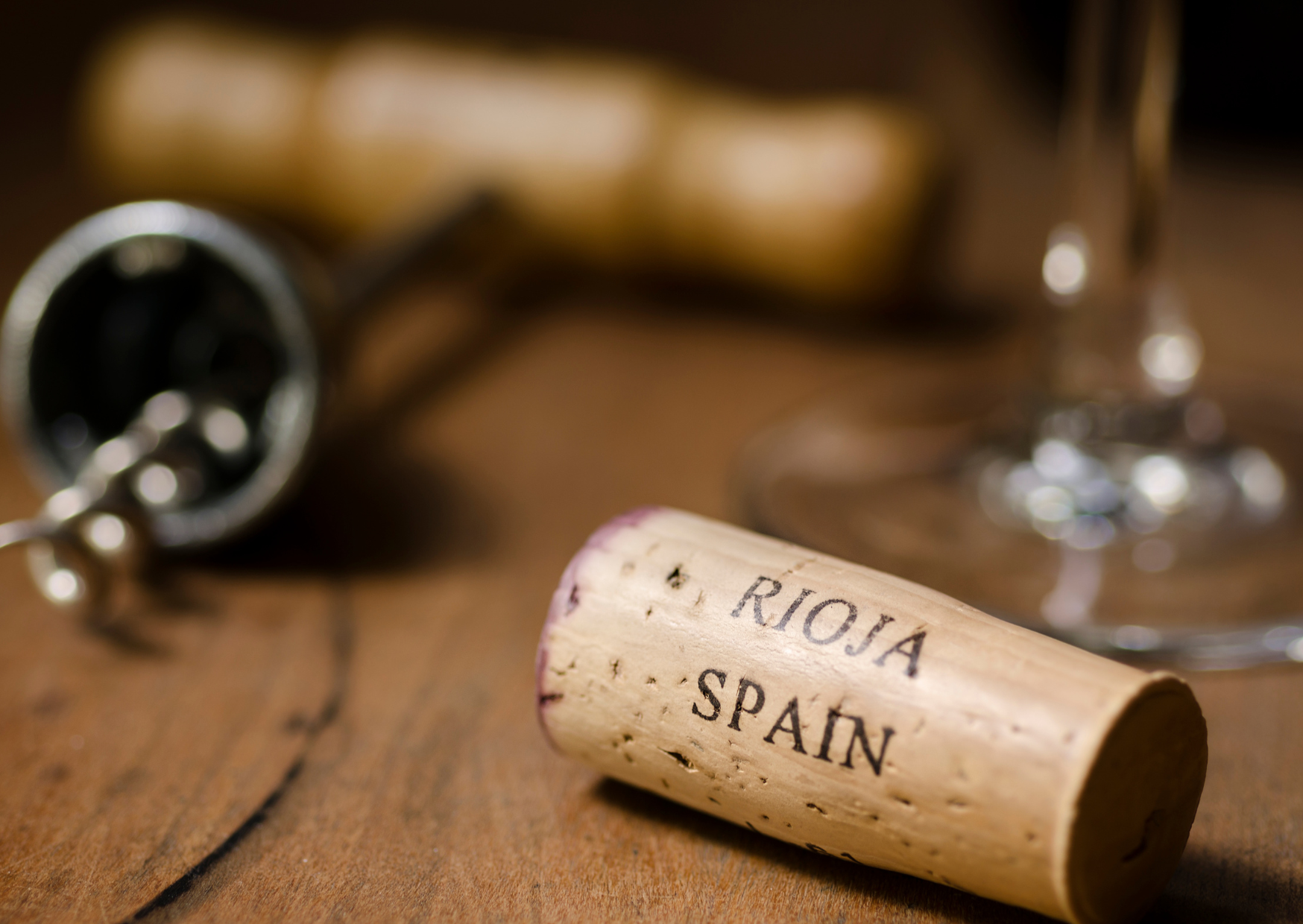
That €1.80 glass of Rioja? It might cost the bar €0.40.
There’s a margin — but it’s not predatory.
And no one’s trying to upsell you to a bottle unless you ask.
4. House Wine Is Standard — And Often Excellent
In the U.S., asking for the “house wine” is often a gamble.
It might be the cheapest bottle available, and taste like it.
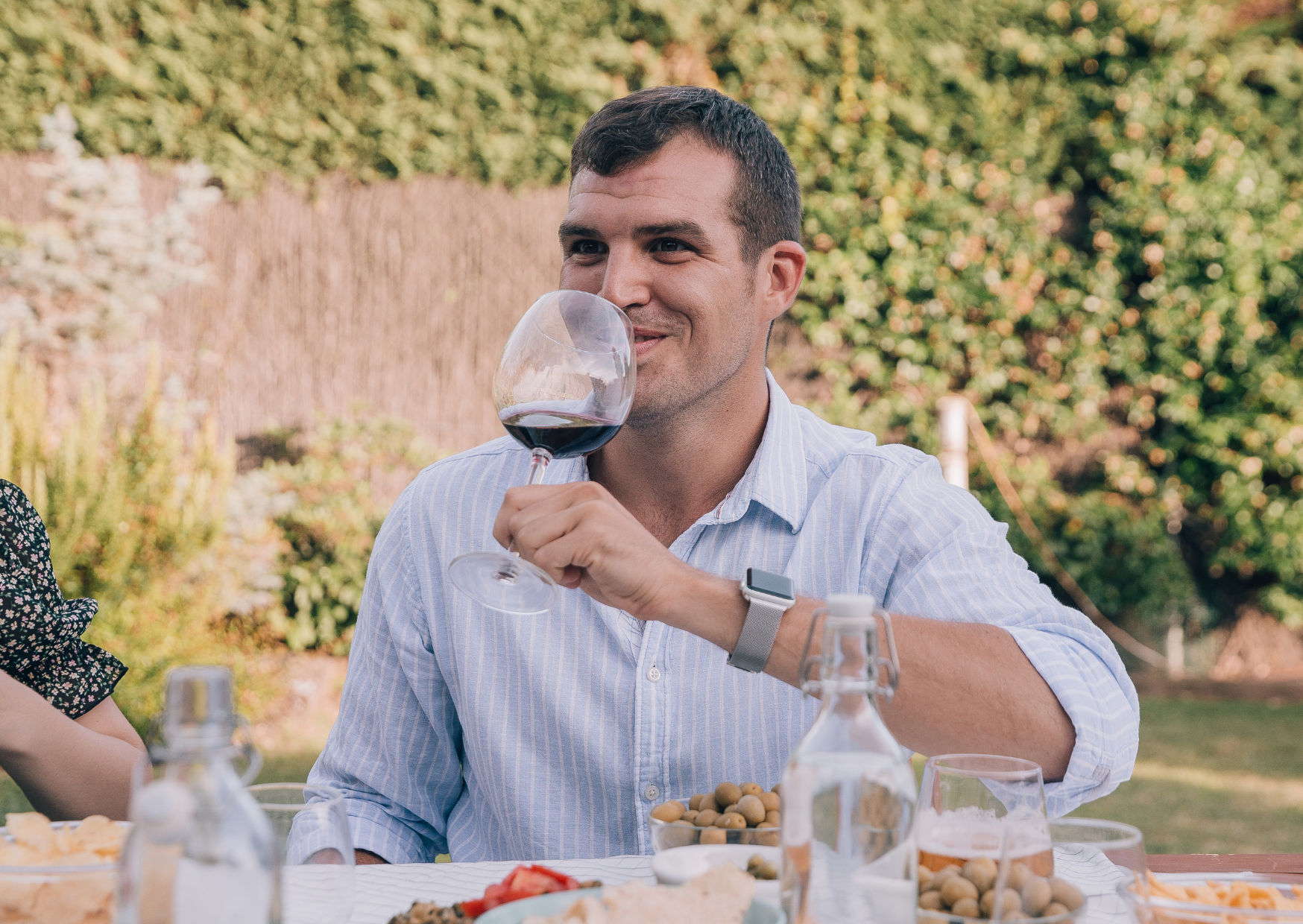
In Spain, vino de la casa is a point of pride.
It’s usually:
- From a nearby region
- Selected by the owner
- Served in good faith, not as an afterthought
You don’t need to know the label. You don’t need a sommelier.
You just ask for red or white, and it arrives, affordable and delicious.
When something is this embedded into the culture, quality becomes embedded too — even at low price points.
5. Portions Are Smaller — And That Keeps Prices Low
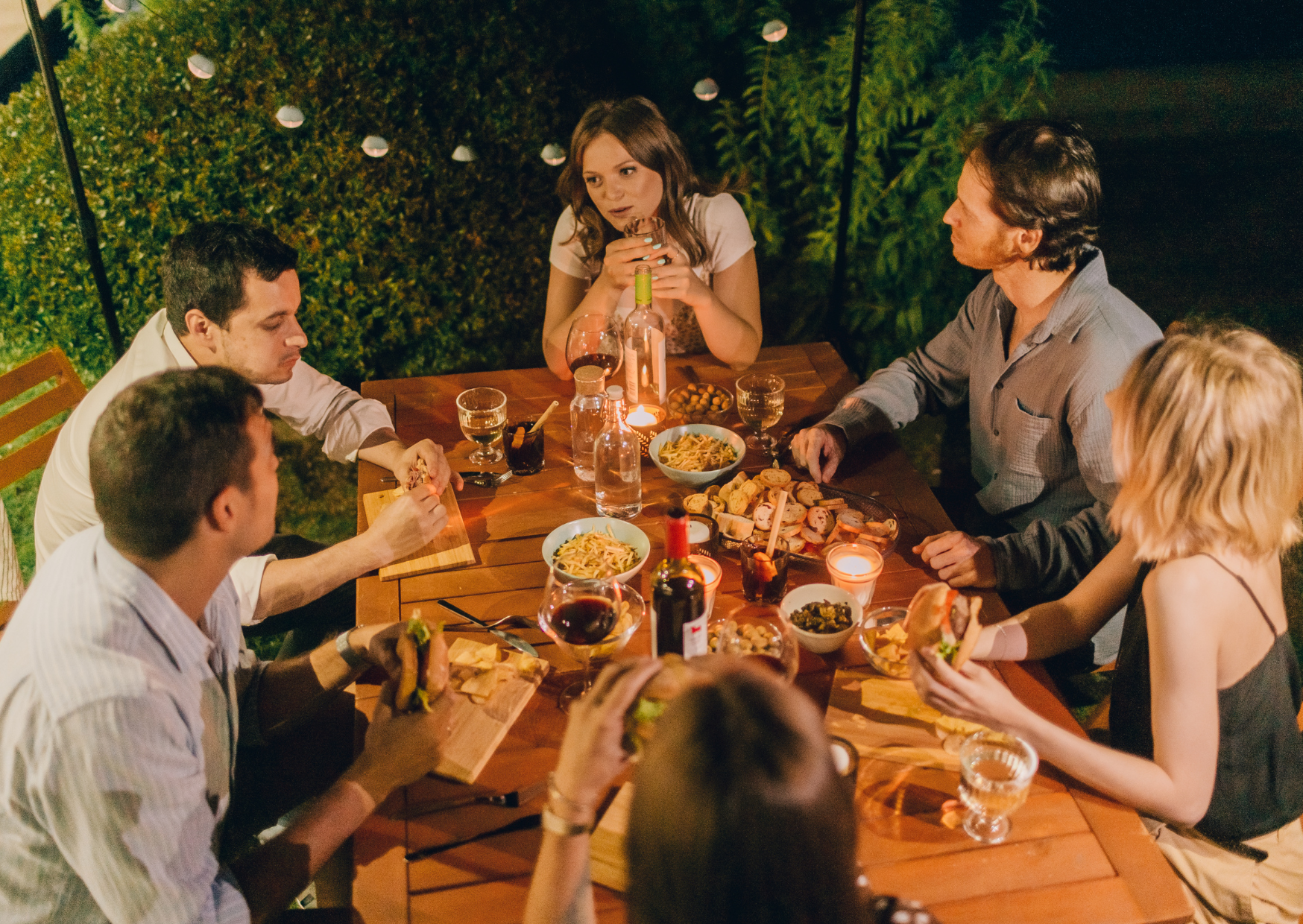
Spanish wine pours are typically smaller than American ones.
You might receive 100–125 ml in a typical glass — roughly half of a large U.S. restaurant pour.
This isn’t stinginess. It’s structure.
- A small glass with a tapa
- Another later, with dinner
- Maybe one more with dessert
You’re not expected to commit to a large pour or full bottle.
So people drink moderately — but more frequently — and costs stay manageable.
Water, on the other hand, is usually sold by the full bottle, often 750 ml or more, which boosts the price.
6. Spain Subsidizes Wine Production in Subtle Ways
While not overtly subsidized at the glass level, Spanish winemaking benefits from:
- EU agricultural policies
- Domestic funding for rural vineyards
- Tax breaks and tourism initiatives in wine regions
This means the wine you’re drinking in a local bar is part of a broader ecosystem — one that encourages low prices, high volume, and local consumption.
Water, while regulated, doesn’t benefit from the same level of price pressure.
And in a restaurant, water has become a premium add-on in an era where alcohol remains a staple.
7. Wine Has Historical Roots — Water Has a History of Caution
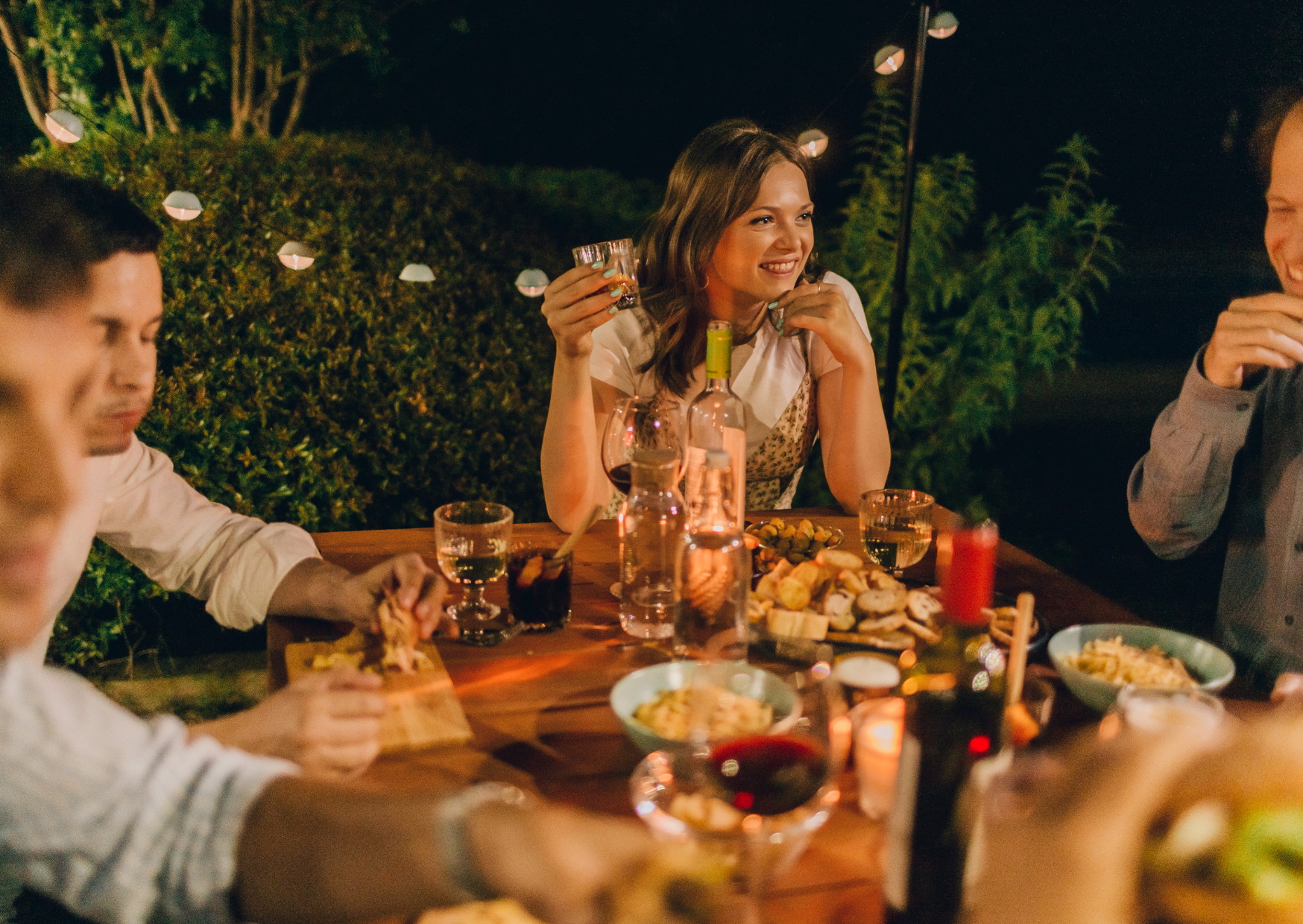
Historically, wine was often safer to drink than water.
In pre-modern Spain, where clean water was unreliable, wine’s fermentation process made it a safer everyday beverage.
Over centuries, that habit remained — even as water quality improved.
Today, Spaniards still default to wine with meals because it’s culturally ingrained.
Not because they distrust water — but because wine feels like the natural pairing.
Americans, with no such legacy, are more likely to think of wine as celebratory — and of water as the responsible choice.
8. The Culture Doesn’t Fear Alcohol — It Respects It
In the U.S., alcohol is wrapped in concern.
Excess. Danger. Binge culture. Legal age restrictions. Moral panic.
In Spain, wine is just another part of the table.
Kids grow up seeing it. Teenagers sip diluted versions at home. Adults don’t sneak it — they normalize it.
So there’s less fear. Less fuss. Less pressure.
And with that, fewer reasons to gatekeep or inflate the price.
It’s not sacred. It’s just part of the meal.
9. Tap Water Isn’t Always Free — But Wine Can Be
In the U.S., asking for tap water is expected. In Spain, it’s not a guaranteed inclusion — especially in mid-range or tourist-zone restaurants.
Some places offer it freely. Others insist on bottled.
And in those places, a bottle of water might cost more than a glass of table wine.
It sounds absurd — but in the local logic, it’s not.
Water has a fixed size and price. Wine is priced flexibly, and often tied to the meal.
Order a full menu del día (fixed-price lunch)? Your wine is likely included.
Order one tapa and a small wine? You might still pay less than someone ordering sparkling water.
10. Grocery Stores Reflect the Same Reality
This isn’t just about bars and restaurants.
Visit any Spanish supermarket, and you’ll see:
- Bottles of decent red for €1.50–€3.00
- Six-packs of mini wine bottles for less than water
- Local cooperatives selling liters of table wine in plastic jugs for even less
Meanwhile, branded water often costs more — especially if it’s imported or trendy.
And yes, tap water is free at home — but it’s not always the preference.
In Spain, wine isn’t just cheaper. It’s everywhere — affordable, approachable, and abundant.
Americans Still Treat Wine Like a Status Symbol. Spaniards Know It’s Food.
Ultimately, the disbelief from American visitors comes from a deeper cultural divide.
In the U.S., wine is:
- Priced emotionally
- Consumed with caution
- Used to signal taste or class
In Spain, wine is:
- Priced practically
- Consumed routinely
- Treated like any other ingredient
It’s not about indulgence. It’s about integration.
That’s why a glass of red costs less than a bottle of Evian — and why no one finds that strange except tourists.
Because for Spaniards, wine isn’t special.
It’s home.

About the Author: Ruben, co-founder of Gamintraveler.com since 2014, is a seasoned traveler from Spain who has explored over 100 countries since 2009. Known for his extensive travel adventures across South America, Europe, the US, Australia, New Zealand, Asia, and Africa, Ruben combines his passion for adventurous yet sustainable living with his love for cycling, highlighted by his remarkable 5-month bicycle journey from Spain to Norway. He currently resides in Spain, where he continues sharing his travel experiences with his partner, Rachel, and their son, Han.