
And why it’s not just about comfort—it’s about culture, cost, and control
In the United States, home temperature is rarely up for debate. If it’s cold outside, the heat comes on. Thermostats climb to 72°F or higher. Bedrooms stay warm. Slippers are optional.
But travel across Italy during the winter months and you’ll quickly notice something: it feels cold inside. Not freezing, not unbearable—but cooler than any American would expect indoors. You might find yourself wearing a sweater and scarf at dinner. You may even sleep with socks and two blankets. And no one else seems to mind.
That’s because in Italy, the standard for home heating is entirely different. Not because they don’t have central heating or modern insulation. But because Italians approach warmth—and discomfort—with a completely different philosophy.
Here’s why Italian homes are kept at temperatures Americans would protest, and what it reveals about the deeper cultural split around comfort, energy, and resilience.
Want More Deep Dives into Everyday European Culture?
– Why Europeans Walk Everywhere (And Americans Should Too)
– How Europeans Actually Afford Living in Cities Without Six-Figure Salaries
– 9 ‘Luxury’ Items in America That Europeans Consider Basic Necessities
1. Heating Is Legally Regulated—Yes, Really
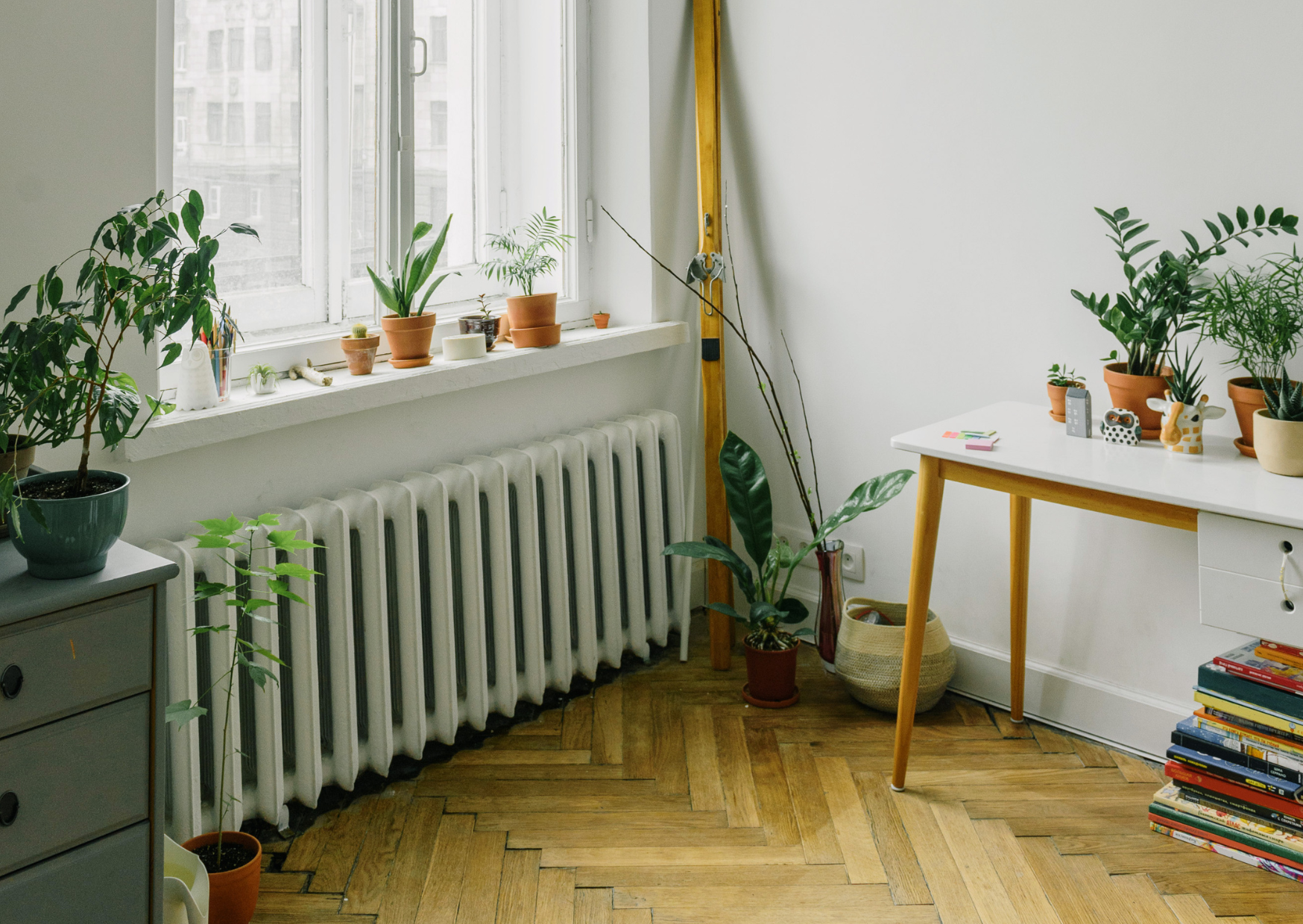
One of the most surprising facts for American visitors is that Italian home heating is legally regulated. Not only are there laws about when heaters can be turned on, but there are limits to how warm homes are allowed to be.
Italy is divided into six climate zones (A to F), and each has official heating calendars. For example, homes in Milan (Zone E) are only allowed to turn on heating from October 22 to April 7. In Rome (Zone D), it’s November 8 to April 7.
Even during these permitted months, heaters can only run for a set number of hours each day—usually between 10 and 14.
And the cap? 19°C, or 66.2°F, is the official maximum for most residences.
That means it is literally illegal to heat your home to the 72°F that many Americans consider “room temperature.” And Italians don’t just accept this. They see it as common sense.
2. Cold Is Normal—So They Dress for It

Ask an American what they wear at home in winter, and the answer might be shorts, T-shirts, or even tank tops. Home is supposed to be a climate-controlled sanctuary.
In Italy, this logic doesn’t apply. If it’s winter, you wear winter clothes—indoors or not.
Wool socks, house slippers, layers, fleece pajamas, and thick robes are all standard in an Italian household once the temperature drops. Children wear undershirts and sweaters even when sitting in the living room. Blankets are always within reach.
Italians don’t try to make the house feel like summer. They simply adjust to winter.
This cultural habit of dressing for the season—rather than engineering it away—reflects a broader Mediterranean philosophy: don’t fight nature, adapt to it.
3. Heating Is a Cost—Not a Right
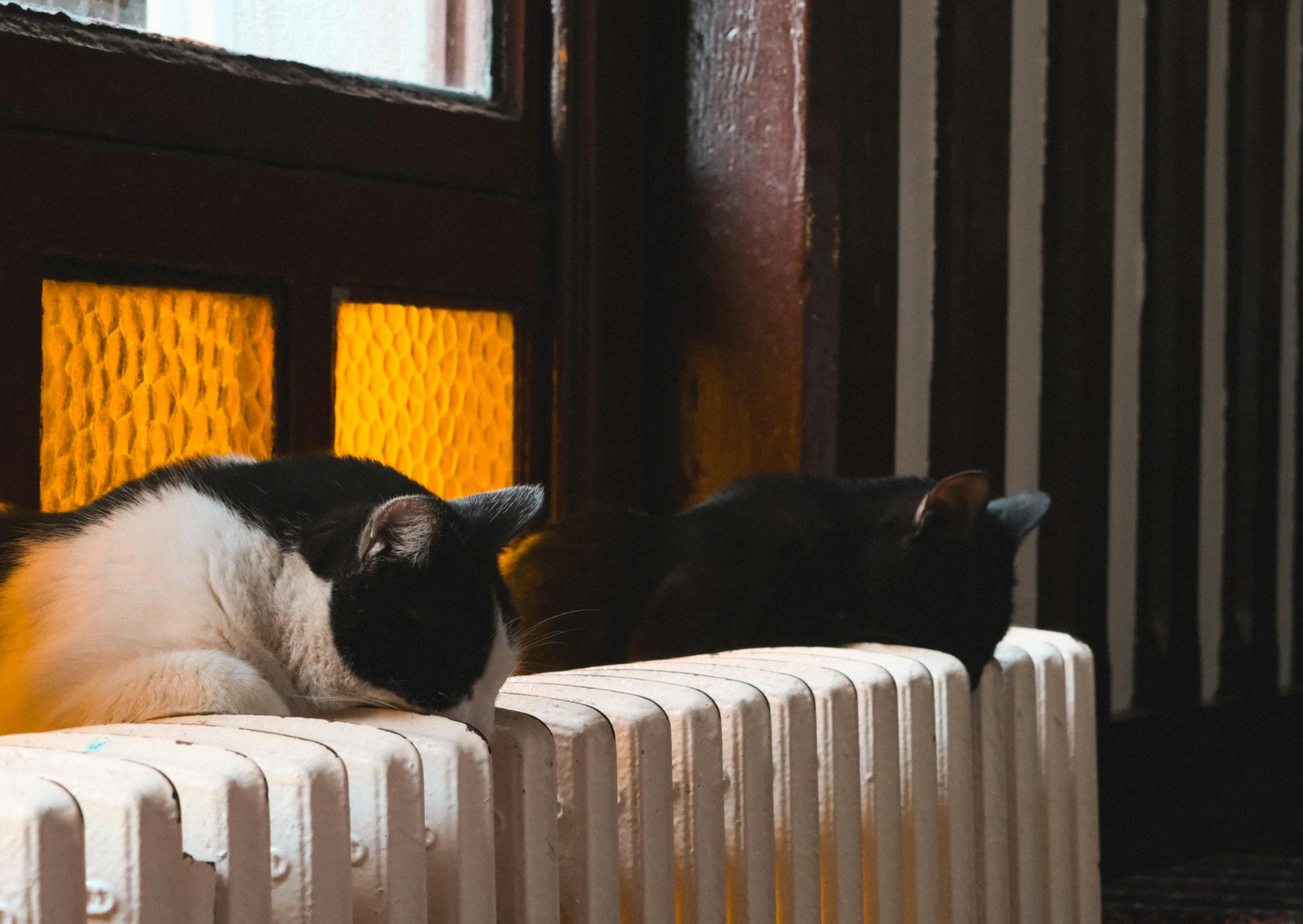
Many Italian families view heating as a significant expense. Especially in older buildings with high ceilings and poor insulation, it’s simply not practical—or affordable—to keep an entire apartment warm.
So what do people do?
They heat selectively.
One room is kept warm during the evening, often the living room or kitchen. Bedrooms remain cool. Doors are kept closed to trap warmth. Electric space heaters are used strategically, but sparingly. And when someone leaves a room, the heat follows them—literally.
Older generations especially see heating as a luxury, not a default setting. They grew up with limited heat, and that mentality still shapes how many households treat the thermostat today.
4. The House Shouldn’t Feel Like Summer in January

There’s also an environmental logic at play. Italians tend to be more energy-conscious in daily life, and heating is no exception.
Many locals would say it’s “unnatural” to walk around your home in shorts when it’s 3°C outside. The idea that your indoor space should be completely disconnected from the outside world feels unnecessary—if not a bit indulgent.
Instead of aiming for artificial comfort, Italians accept a certain amount of chill. They layer up. They drink warm tea. They cook in the oven. They gather in the warmest room. In this way, they bring coziness into winter without trying to erase winter entirely.
5. Cold Bedrooms Are Considered Healthy

Ask an Italian grandmother whether it’s okay to sleep in a cold bedroom and you’ll likely get a look of disbelief. Of course it’s okay. In fact, it’s better.
Sleeping in a chilly room is considered good for circulation, skin health, and general wellness. Heavy blankets, quilts, and hot water bottles are favored tools for warmth—central heating is not.
Italians are often shocked by American homes where bedrooms are kept toasty warm, sometimes even hotter than common areas. To them, this is the opposite of restful. It’s stuffy, dry, and unnecessary.
So if you’re staying in an Italian home during winter, prepare to sleep like they do: cold air on your face, thick blankets wrapped around you, and maybe a small heater turned on for just an hour before bed—then off again for the night.
6. Insulation Isn’t Built for Heat—It’s Built for Summer
Italy’s architecture also plays a major role. Many buildings—especially older ones—are constructed to keep heat out, not in.
Thick stone walls, tile floors, and high ceilings are ideal for Mediterranean summers. But in winter, these same features make heating inefficient.
Even newer buildings often lack American-style insulation. The result is that heat disappears quickly, and the cost of maintaining a warm interior becomes unsustainable.
Rather than fight this, Italians have simply accepted it. They’ve learned to work around it. Which brings us back to layers, blankets, and focused heating.
7. Heating Habits Vary—But the Mentality Is Consistent

Not every Italian keeps their home cold. Of course, wealthier families in modern homes have more freedom. Some install radiant floor heating. Others use pellet stoves, eco-friendly gas systems, or split-unit heat pumps.
But regardless of means, the mentality tends to remain the same:
Don’t waste. Don’t overdo it. Don’t expect your house to feel like springtime during February.
Even in homes with modern comforts, the habit of dressing for the season, heating only when needed, and keeping bedrooms cool persists. The cultural script runs deep.
8. Children Learn Cold Tolerance Early

In American households, kids are often bundled, shielded, and protected from the slightest draft. In Italy, children are taught to tolerate discomfort from a young age.
It’s not unusual to see an Italian child sitting at the breakfast table in a house that’s 63°F, eating toast in a sweater and slippers. Parents don’t apologize for the chill. They encourage resilience.
Blankets are used, but heaters aren’t on full blast. And bedtime often includes a shared ritual: hot tea, flannel pajamas, and maybe a nonna reminding everyone that cold air is good for you.
9. It’s Not Just About Heat—It’s About Self-Control
At its core, the Italian approach to heating speaks to something deeper: a cultural respect for moderation and restraint.
Italians live with limits. Not because they have to, but because they believe in them. Whether it’s how much sugar you put in your coffee or how much heat you pump into your house, the principle is the same: don’t overdo it.
American culture often values maximization. Make it warmer. Bigger. Faster. More comfortable. Italians take a quieter approach: make it sufficient. Make it work.
And in the winter, that means accepting a little cold—because comfort, to them, doesn’t come from a thermostat. It comes from warmth around the table, something hot in your hands, and a home that lives with the seasons, not against them.
One Climate, Two Philosophies
In the end, it’s not about right or wrong. It’s about perspective.
Americans heat for comfort. Italians heat for function.
Americans control their indoor environment. Italians adapt to it.
Americans reach for the dial. Italians reach for a sweater.
And while each approach has its merits, the Italian way might just hold a quiet wisdom: when you live with a little cold, you learn how to find warmth elsewhere. In family. In food. In thick socks and simple rituals that make even the coldest house feel like home.

About the Author: Ruben, co-founder of Gamintraveler.com since 2014, is a seasoned traveler from Spain who has explored over 100 countries since 2009. Known for his extensive travel adventures across South America, Europe, the US, Australia, New Zealand, Asia, and Africa, Ruben combines his passion for adventurous yet sustainable living with his love for cycling, highlighted by his remarkable 5-month bicycle journey from Spain to Norway. He currently resides in Spain, where he continues sharing his travel experiences with his partner, Rachel, and their son, Han.