
If you’ve ever lived abroad or stayed in a European home, you might have noticed something missing in the kitchen. Where an American kitchen has a garbage disposal—that noisy under-sink contraption designed to shred food waste—a European kitchen does not. In fact, most Europeans have never owned or even seen one. To Americans, it’s a staple. To Europeans, it’s unnecessary, environmentally questionable, and frankly a little weird.
So why do Europeans skip the garbage disposal? The answer lies in culture, infrastructure, environmental priorities, and a fundamental difference in how food waste is viewed.
Read Here European Things that terrify Americans and American Habits that make Europeans Cringe
Read here how to pack for Europe and Best eSIM for Europe
BOOK YOUR TRAVEL INSURANCE
Two of our favorite travel insurance: Heymondo Vs Safetwing cheapest travel Insurance. You can get for $135 USD your Heymondo Travel Insurance with Heymondo discount code valid for 90 days. Read our full comparison of Genki vs Safetywing Travel Insurance Review and the comparison Heymondo vs Genki
Mistakes Americans Make
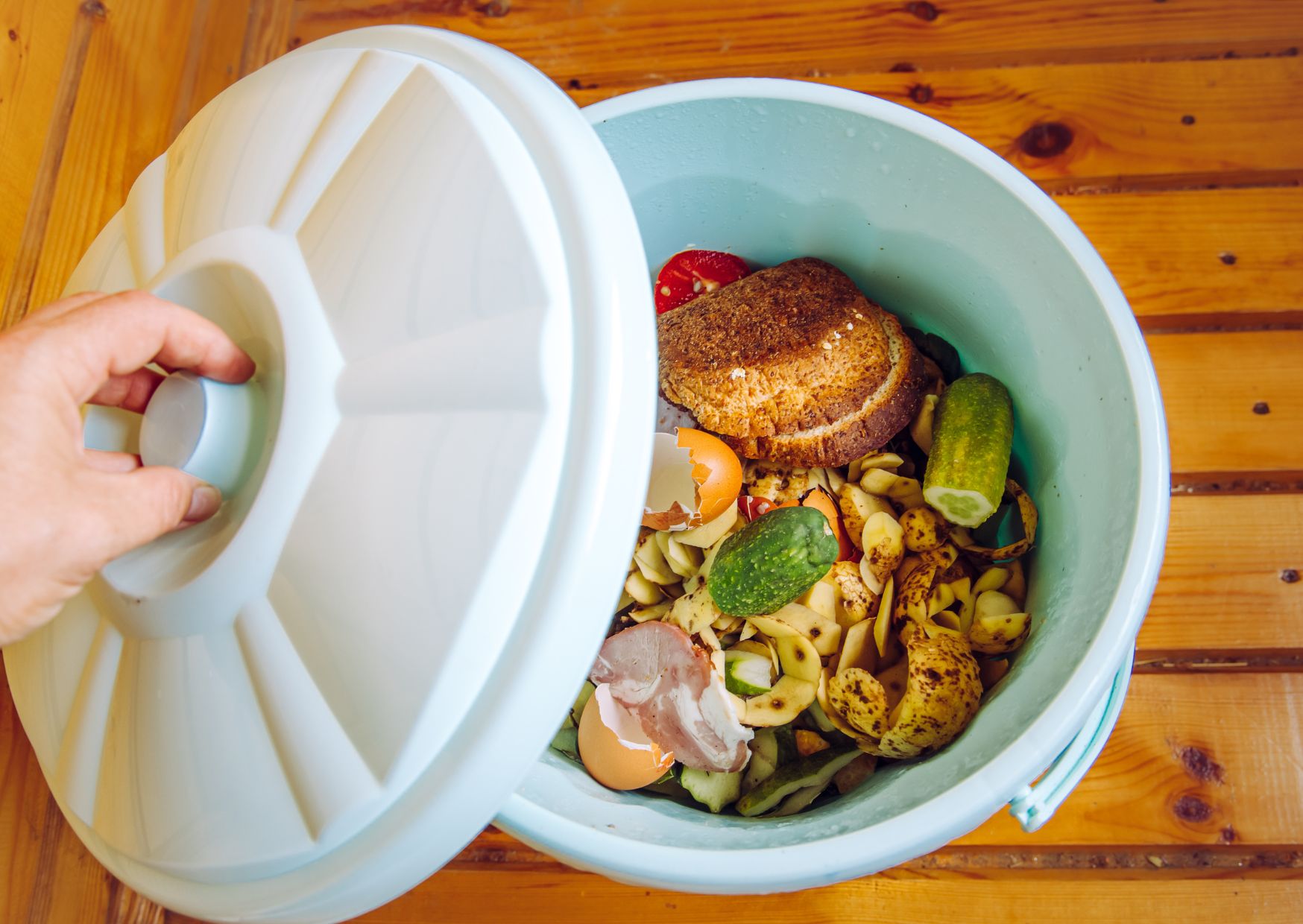
Trying to install a garbage disposal abroad: Many landlords won’t allow it, and the pipes can’t handle it.
Dumping scraps down the sink: Even without a disposal, some Americans send food bits down the drain—bad idea.
Ignoring local compost rules: In many cities, failing to separate waste properly can result in fines.
Tips for Adapting Abroad
Use a compost caddy: Small bins with charcoal filters keep smells in check.
Scrape plates into the trash or organic bin: Don’t rely on the sink.
Ask your host or landlord about local norms: Waste management varies by city and region.
1. Environmental Priorities
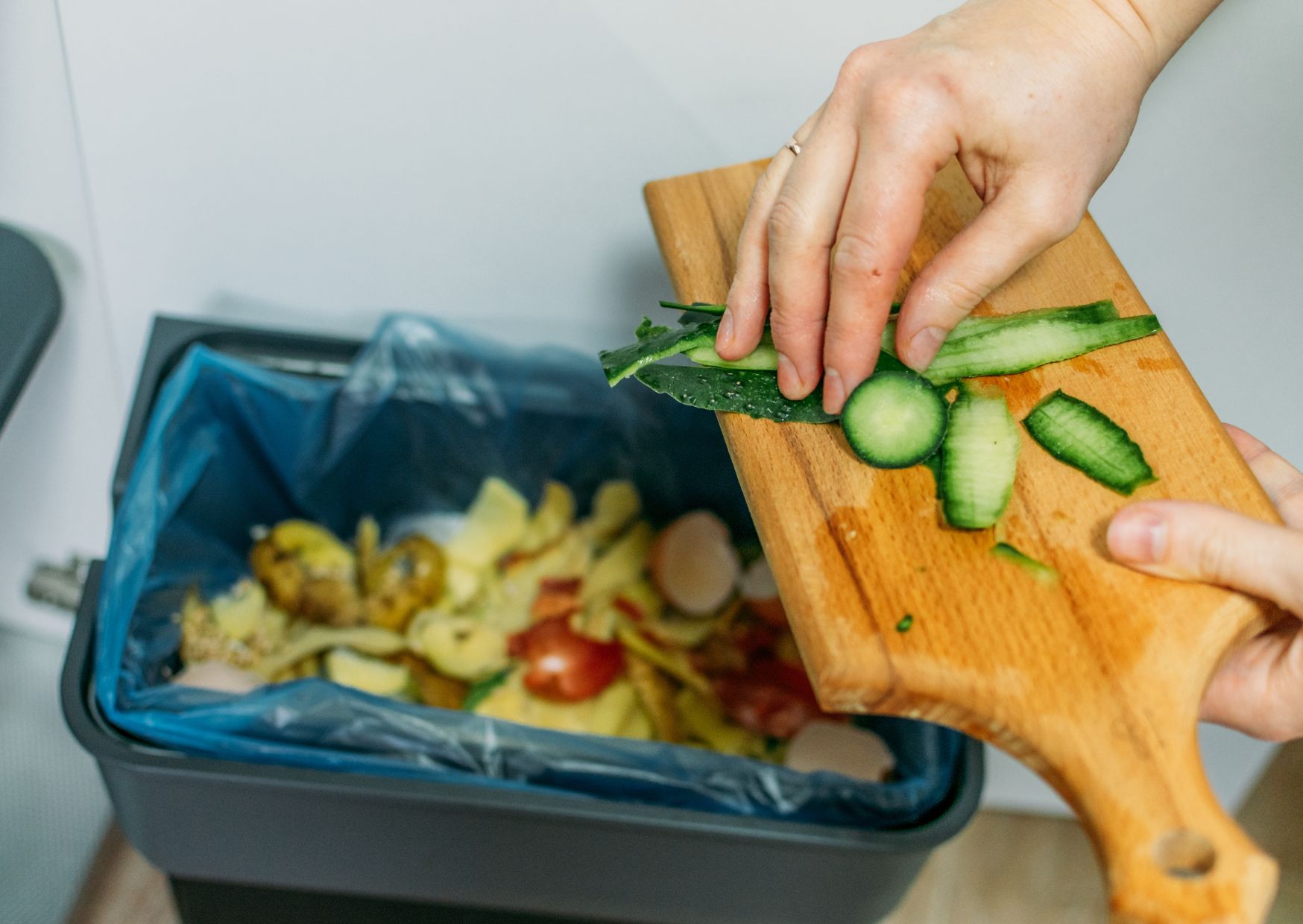
Europeans tend to be more aggressive about separating waste, and that includes food scraps. In countries like Germany, Austria, and the Netherlands, organic waste has its own designated bin. Composting is routine. Municipalities actively promote sorting, and many cities issue fines for failing to do so correctly.
A garbage disposal would send food waste down the drain into the sewer system—which many Europeans view as inefficient or environmentally careless. Why send biodegradable waste into water treatment systems when you can compost it instead?
2. Plumbing Systems Aren’t Built for It
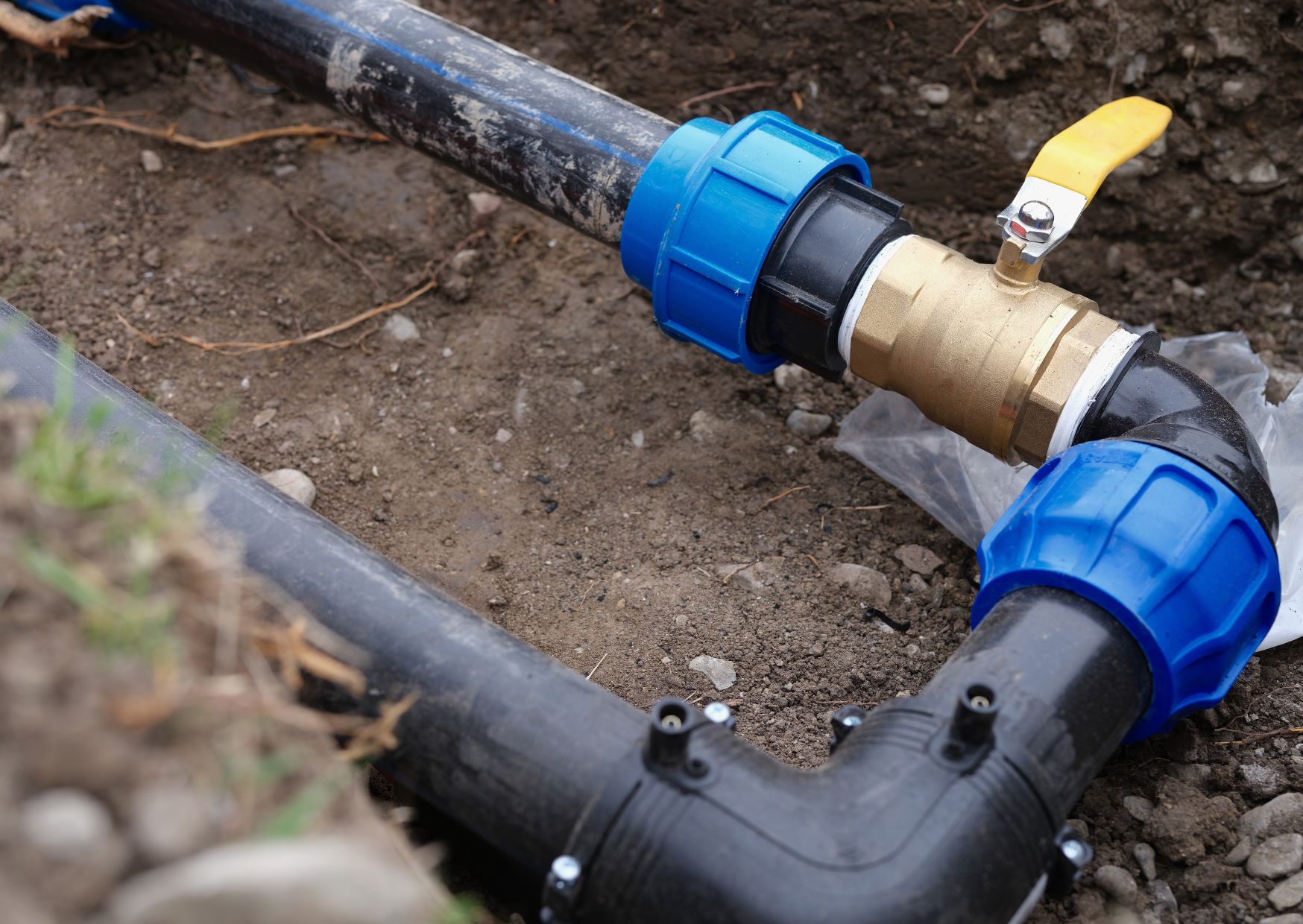
American homes are typically built with wider pipes and plumbing systems that can handle the extra burden of a garbage disposal. In much of Europe, older infrastructure and narrower pipes mean that sending fibrous food waste down the drain could cause serious plumbing issues.
That celery stalk or potato peel? In a European kitchen, it could mean a clogged pipe and a plumber visit. Many building codes even prohibit disposals outright.
3. Cultural Views on Food Waste

Wastefulness is more stigmatized in Europe than in the U.S. Portion sizes are smaller, and leftovers are reused more frequently. Europeans are less likely to scrape a half-eaten plate into the sink—because they’re less likely to have that much leftover in the first place.
This reduces the amount of food waste produced and decreases the perceived need for a disposal. In short: Europeans produce less food waste, so they don’t need a machine to handle it.
4. Space Constraints
European kitchens tend to be smaller than their American counterparts. A garbage disposal takes up precious under-sink space that could be used for cleaning supplies or a recycling bin. When space is at a premium, practicality wins.
To many Europeans, the question isn’t “Why don’t we have this?” It’s “Why would we make room for it?”
5. Focus on Composting and Municipal Systems

Many European cities have established systems for food waste collection. Households are expected to separate organic matter into biodegradable bags, which are collected weekly and turned into compost or biofuel. This decentralized, eco-focused approach makes garbage disposals feel redundant—or even irresponsible.
In some urban apartments, compost bins are located in shared courtyards. In rural areas, many households compost at home. Either way, the goal is sustainability, not convenience.
6. Legal Restrictions
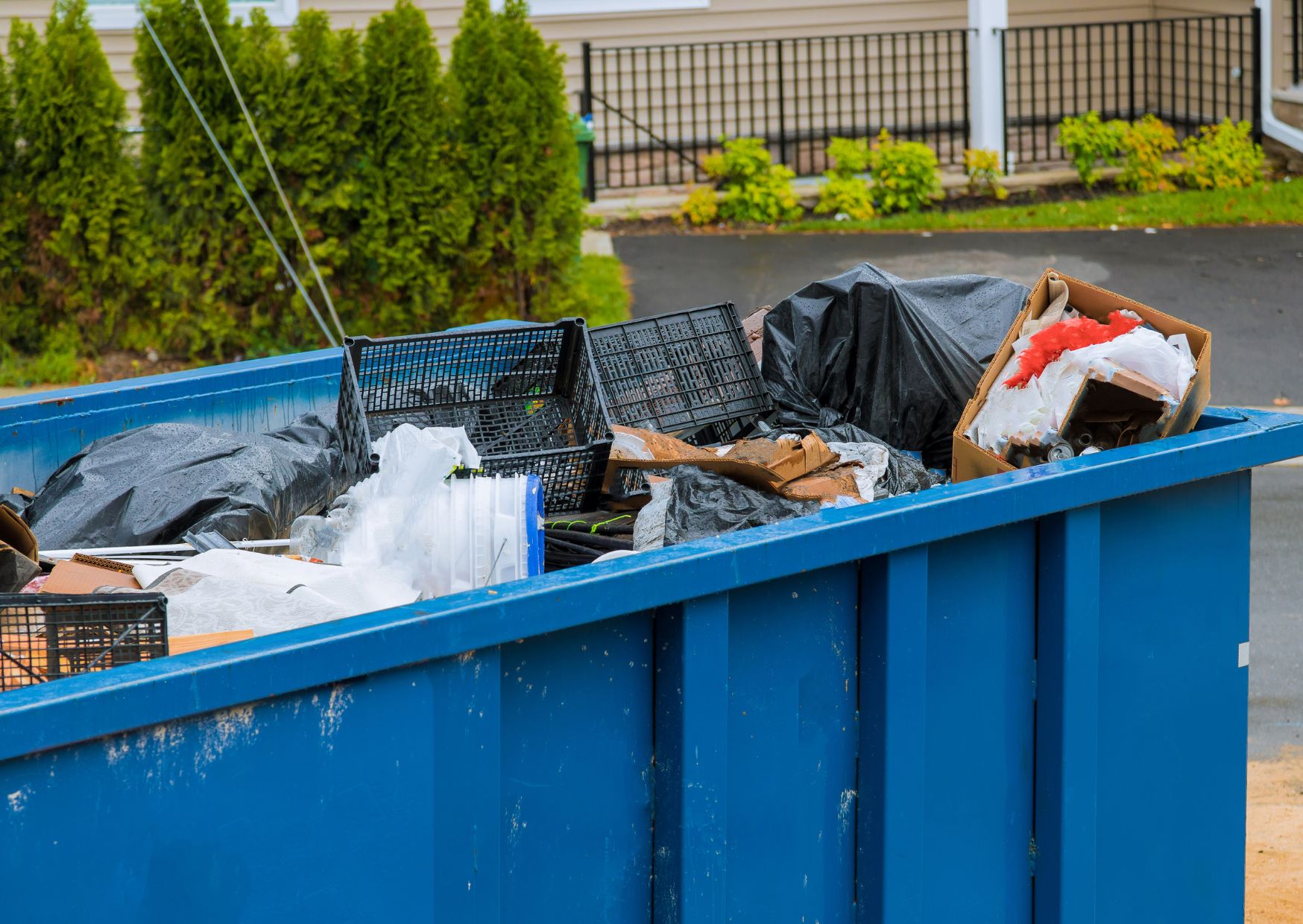
In some European countries, garbage disposals are actually restricted or outright banned. Municipal sewage systems aren’t equipped to process the extra solid waste, and governments see disposals as a burden on wastewater treatment plants.
For example, in Sweden and Norway, food waste is collected separately and sent to biogas facilities. Putting it down the drain defeats the purpose of national sustainability goals.
7. Appliances Are Less Central to the Culture
In the U.S., kitchen appliances are a big deal. From oversized refrigerators to industrial blenders and Instant Pots, American kitchens are loaded with machines designed to save time. In Europe, kitchens are more minimalist. The mindset isn’t “What tool can do this faster?” but “Can I do this more efficiently by hand?”
Garbage disposals simply don’t fit into that framework.
Final Thoughts
To Americans, the absence of a garbage disposal in Europe can feel like a step backward. But to Europeans, it’s just a reflection of different values: sustainability over speed, simplicity over convenience, and long-term infrastructure over short-term fixes.
Once you adjust, you may even find the European way more thoughtful—less noise, less waste, and more intentional living. That’s not just how they handle food scraps. That’s how they approach life.

About the Author: Ruben, co-founder of Gamintraveler.com since 2014, is a seasoned traveler from Spain who has explored over 100 countries since 2009. Known for his extensive travel adventures across South America, Europe, the US, Australia, New Zealand, Asia, and Africa, Ruben combines his passion for adventurous yet sustainable living with his love for cycling, highlighted by his remarkable 5-month bicycle journey from Spain to Norway. He currently resides in Spain, where he continues sharing his travel experiences with his partner, Rachel, and their son, Han.