
And what it reveals about the cultural divide between indulgence, identity, and a nation that believes food is sacred — not engineered
Walk through a French market and you’ll hear a kind of reverence in the way people speak about food. Tomatoes are judged for their scent, not their size. Cheeses are discussed like poetry. Bread is still warm when sold, and every region boasts its own pride in what it grows, bakes, or ages.
Now imagine bringing a bottle of ranch dressing into this scene.
Or tearing open a pack of pre-sliced American cheese.
Or pouring a 44oz fountain soda into a car cup holder.
You’d be met with confusion at best — horror at worst.
Because for all the fascination Americans have with French food, they don’t always realize this: the French don’t just eat differently. They avoid entire categories of food that are considered completely normal, even daily, in the United States.
Here’s why French people never eat certain foods Americans consume constantly — and what it tells us about two vastly different relationships to eating, living, and indulgence.
Want More Deep Dives into Everyday European Culture?
– Why Europeans Walk Everywhere (And Americans Should Too)
– How Europeans Actually Afford Living in Cities Without Six-Figure Salaries
– 9 ‘Luxury’ Items in America That Europeans Consider Basic Necessities
1. Ultra-Processed Snacks
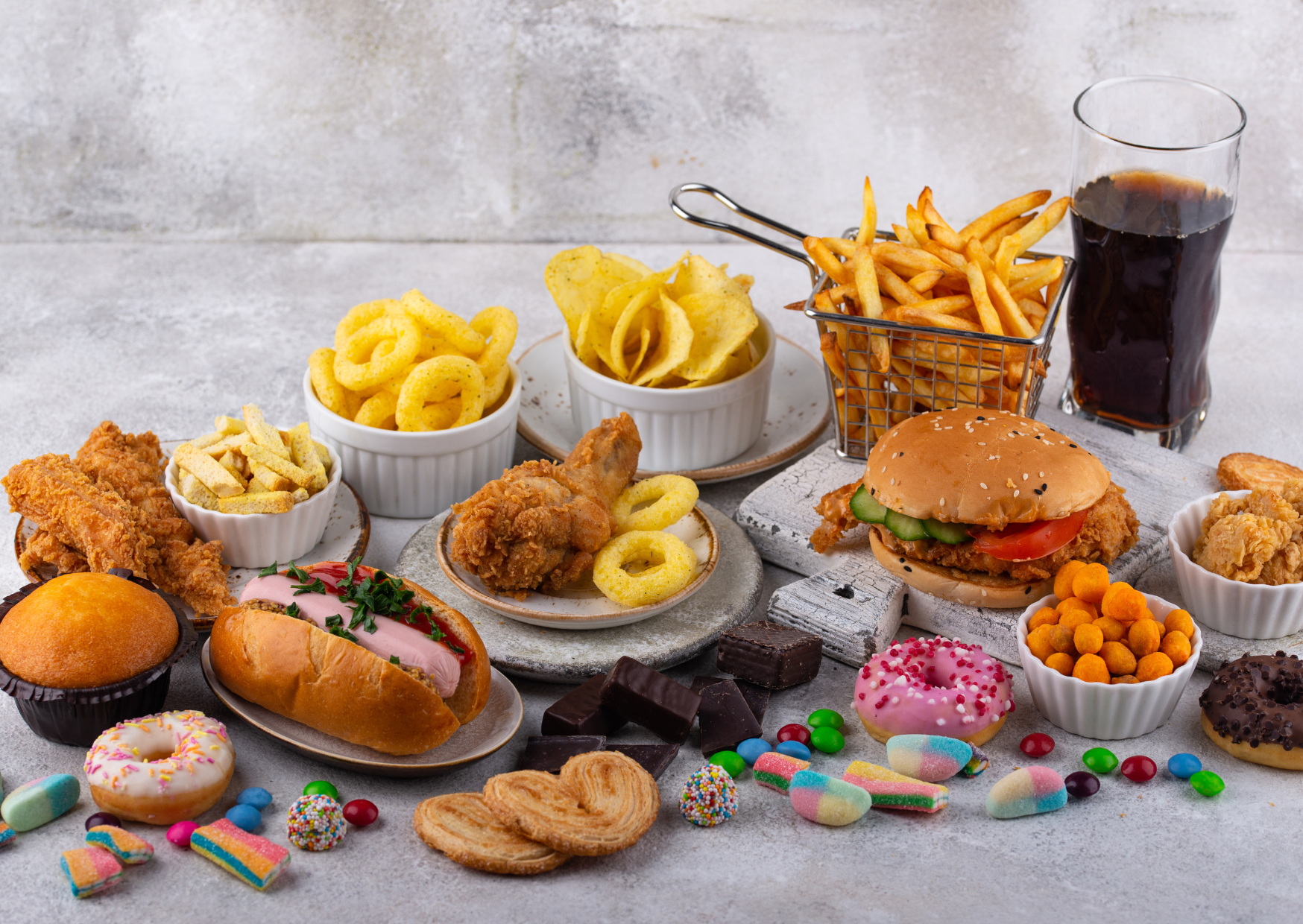
In the U.S., the snack aisle is king. Bright bags of chips, pre-flavored popcorn, sugar-dusted cereal bars, meat sticks, protein puffs — all packaged and ready to eat on the move.
In France, the concept of snacking is limited to very young children and the occasional late-afternoon goûter (a small sweet snack, like a yogurt or piece of bread with chocolate). Adults don’t graze throughout the day. They don’t walk around eating chips. And they certainly don’t consider cheese-flavored crackers a food group.
Instead, they eat full meals — with intention, at set times — and rarely touch food between them.
Ultra-processed snacks are seen as low-grade, indulgent in the worst way, and frankly, unnecessary.
You won’t find entire pantries dedicated to snacks.
And you definitely won’t see adults munching at their desks between calls.
2. Bottled Salad Dressings
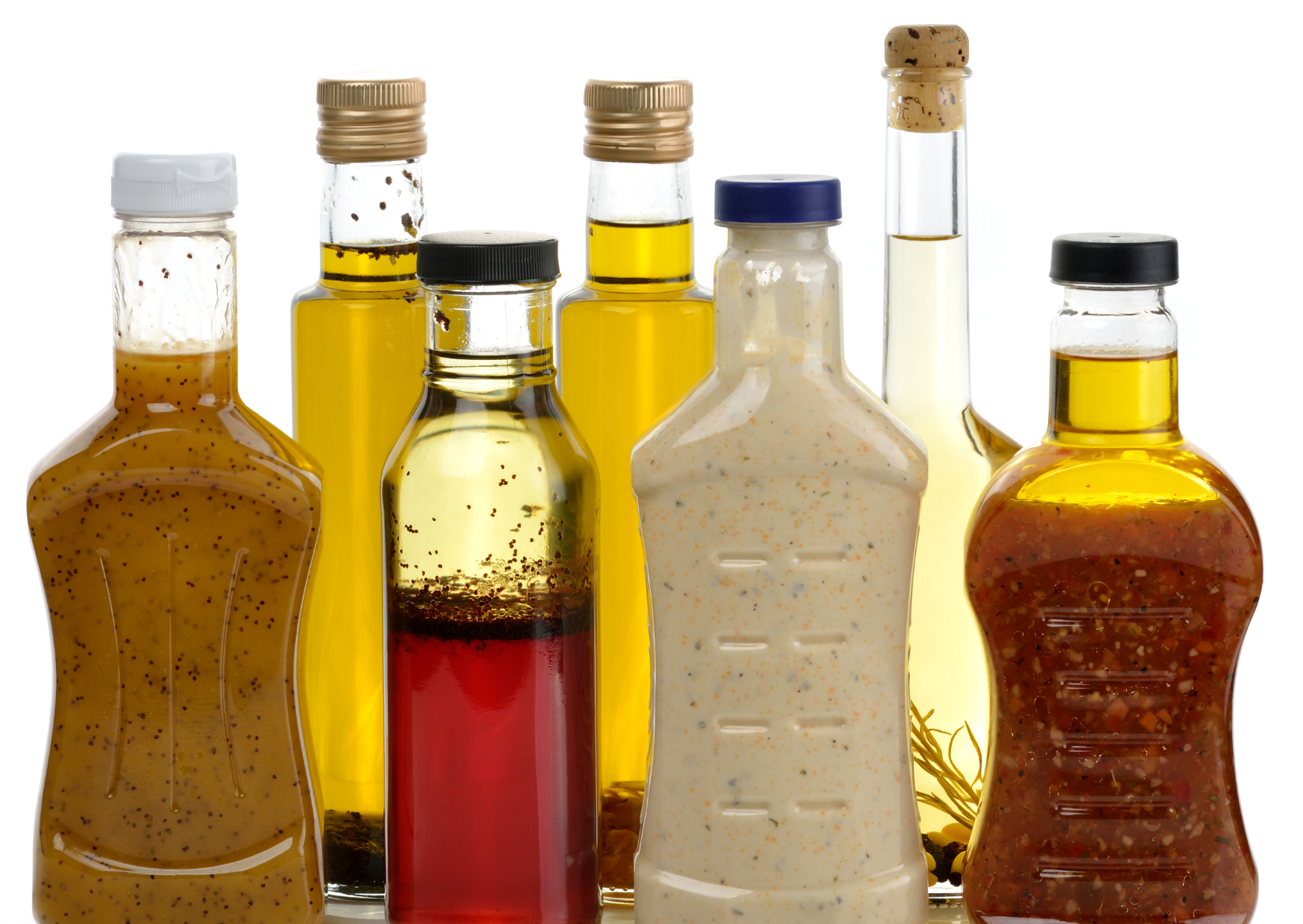
The French salad ritual is something Americans often underestimate. It’s simple, yes — but not casual.
Most French people make their vinaigrette from scratch, often using a family ratio of mustard, vinegar, oil, salt, and pepper. The dressing is made as the salad is tossed. It’s not an afterthought, and it’s never sold in plastic squeeze bottles that live in the fridge for six months.
Creamy ranch? Sweet Catalina? Thousand Island?
These are not just unpopular. They’re almost nonexistent.
Even when international grocery stores attempt to sell them, they rarely get restocked — because no one buys them.
To a French eater, pouring ranch on greens is like microwaving a croissant: offensive, unnecessary, and vaguely sad.
3. Sliced American Cheese
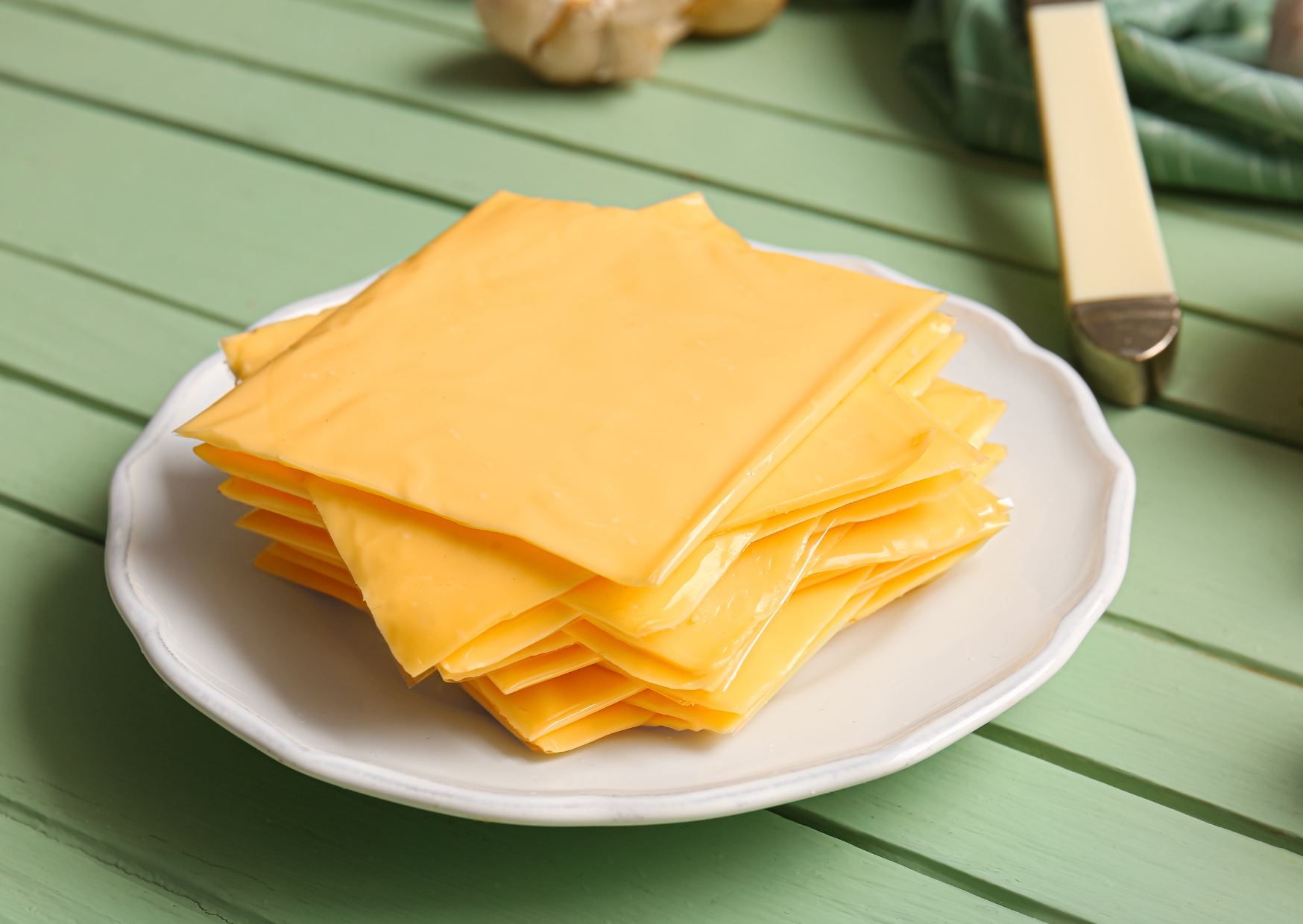
In France, cheese is not just food — it’s a protected category of national pride.
Whether it’s a creamy brie, a pungent Roquefort, or a rustic tomme from the mountains, cheese is regional, aged, and often regulated. It’s eaten slowly, after a meal, never before. It comes in blocks or rounds, never slices.
This is why individually wrapped processed cheese slices are not only unappetizing — they’re unthinkable.
French people understand that what Americans call cheese often isn’t cheese at all.
It’s a “cheese product” — something industrial, distant, and bland.
So they skip it altogether.
They grate fresh cheese by hand.
They slice off hunks from the block.
They seek out depth, not meltability.
4. Sugary Breakfast Cereals
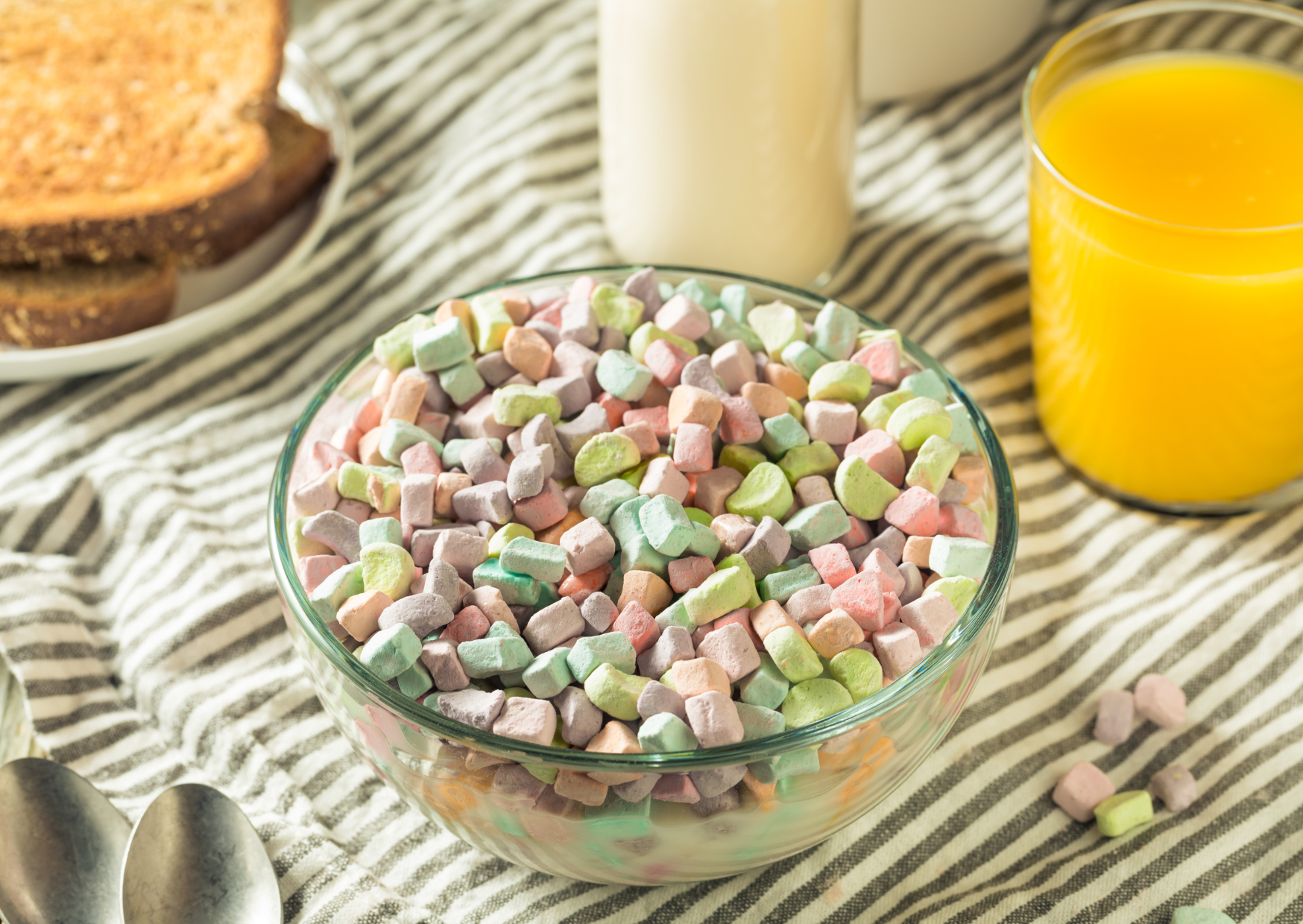
The cereal aisle in an American grocery store looks like a candy store exploded:
Neon boxes, cartoon mascots, chocolate puffs, marshmallow bits, caramel swirls.
In France, breakfast is usually modest — and sugar, though appreciated, is not dumped into bowls by the spoonful.
French children may eat cornflakes or muesli, but cereals marketed like desserts (think: Lucky Charms, Cap’n Crunch, Cinnamon Toast Crunch) are not part of the culture.
Many French families opt for tartines (slices of bread with butter or jam), fruit, or yogurt.
A pain au chocolat or croissant might appear on weekends — but not every morning.
Sugary cereals are viewed as bad habits imported from abroad, tied to childhood obesity and marketing more than nutrition.
You can find them in international sections — but not in regular French homes.
5. Soda with Every Meal
In American fast food culture, a soda is the default drink. It’s offered automatically, super-sized at will, and often refilled without question.
In France, soda is consumed occasionally.
Coca-Cola is the most familiar brand — and even that is treated like a treat, not a staple.
With meals, French people drink water. Period.
At restaurants: a carafe d’eau.
At home: filtered or bottled water, still or sparkling.
At cafés: wine, coffee, or tea — never soda with dinner.
Drinking soda with food, especially in front of children, is sometimes quietly judged as unsophisticated or careless. Not because it’s evil, but because it suggests poor habits and a lack of moderation.
6. Fast Food as a Meal Replacement
Fast food in France exists — and in fact, McDonald’s is surprisingly popular.
But here’s the key difference: it’s not the default.
It’s not lunch every other day.
In the U.S., drive-thru meals are a regular part of busy routines.
In France, they are a rare treat or a teenage indulgence. Not a sustainable lifestyle.
Even when eating fast food, French people tend to do it more slowly. They’ll sit down. They’ll order deliberately. And they’ll often skip the sugary drink or excess sauce.
The idea of grabbing a paper bag of food to eat in the car between errands would strike many French people as a sign that something’s gone off balance — not something to admire for its efficiency.
7. Peanut Butter
Here’s the real shocker: most French people do not eat peanut butter.
It’s not that they hate it — it’s that they never think about it.
French grocery stores carry it in small jars, typically on the bottom shelf of the “American products” section, next to maple syrup and marshmallow fluff.
To Americans, peanut butter is breakfast, lunch, dessert, a protein source, a nostalgic comfort food.
To French people, it’s a bizarrely sticky paste that belongs to childhood lunches in movies.
Nut butters in general are not staples in French households. You’re far more likely to find hazelnut spreads, fruit jams, or plain butter.
8. Flavored Yogurts with Artificial Additives
Yogurt is serious business in France.
From creamy sheep’s milk yogurt to tangy probiotic-rich varieties, the French aisle is filled with high-quality, low-sugar options. Yogurt is eaten with a spoon, at a table, often as dessert.
What you won’t find are hyper-sweet, artificially colored yogurts in cartoon containers.
No “birthday cake flavor.” No chocolate chip cookie swirls.
Even children’s yogurts are modest — often plain or lightly sweetened, sometimes with fruit puree.
The idea of feeding a child a 20g sugar cup labeled “breakfast” would surprise many French parents, who view yogurt as a source of digestion and calcium support, not dessert in disguise.
9. Meal Replacement Bars and Shakes
In the U.S., it’s common to replace meals with protein shakes, energy bars, and fortified drinks. The goal is usually convenience, macros, or weight loss.
In France, this approach to eating is almost entirely rejected.
Food is not fuel. It’s culture. It’s ritual. It’s pleasure.
Replacing a meal with a bar in your car or a shake on the metro would signal — to many French people — a complete disconnection from what eating means.
Even when trying to lose weight, French people eat meals.
They reduce portion size. They skip dessert.
But they still sit down. They still use cutlery.
They still engage with the act of eating.
The idea that time is better spent multitasking with a synthetic bar is not just unfamiliar — it’s alien.
It’s Not About Snobbery, It’s About Meaning
To Americans, these daily foods are normal.
To the French, they’re unnecessary — even offensive to the senses.
And behind every food choice lies a belief:
That time matters.
That effort is part of enjoyment.
That even small meals should feel beautiful.
That eating is not just survival — it’s civilization.
The French aren’t turning up their noses at American food to be elitist.
They simply see food differently.
In the United States, convenience, size, and speed drive consumption.
In France, pleasure, balance, and attention shape the plate.
So when Americans visit and find that the grocery store doesn’t carry their usual cereal, or that peanut butter is hard to find, or that no one snacks at 3PM, they’re not just hitting cultural obstacles — they’re encountering an entire worldview.
One where food is slow.
One where less is more.
One where you sit down, eat well, and talk — without a bottle of soda in sight.

About the Author: Ruben, co-founder of Gamintraveler.com since 2014, is a seasoned traveler from Spain who has explored over 100 countries since 2009. Known for his extensive travel adventures across South America, Europe, the US, Australia, New Zealand, Asia, and Africa, Ruben combines his passion for adventurous yet sustainable living with his love for cycling, highlighted by his remarkable 5-month bicycle journey from Spain to Norway. He currently resides in Spain, where he continues sharing his travel experiences with his partner, Rachel, and their son, Han.