
And what it reveals about cultural appetite, morning rhythm, and the quiet rejection of sugar-loaded starts
Americans are told from a young age that breakfast is the most important meal of the day — and in the U.S., that often means something hot, large, and sweet.
Pancakes with syrup. Cereal with sugar. Creamy coffee in a paper cup. Eggs, bacon, hash browns — maybe with toast on the side and a refill of juice. Even the lighter options (like protein bars or flavored yogurts) come pre-sweetened, branded, and packaged for speed.
So when many Americans travel to Europe and experience their first continental breakfast, they’re taken aback. Some are disappointed. Some are surprised. And a few — especially those used to hearty, savory morning meals — find the experience borderline insulting.
But there’s something even more unsettling to some American travelers than the portion sizes or lack of hot options: the breakfast habit Europeans follow daily that most Americans would call bland, cold, or even disgusting.
So what is it?
Bread. Plain. Sometimes stale. Often cold. Eaten slowly. And with minimal toppings.
In Europe, breakfast isn’t a feast. It’s ritualistic, repetitive, and intentionally modest — and to many Americans, it feels like skipping the meal entirely.
Let’s break down what European breakfast culture actually looks like — and why this habit, though shocking to outsiders, is considered completely normal (even preferable) across much of the continent.
Want More Deep Dives into Everyday European Culture?
– Why Europeans Walk Everywhere (And Americans Should Too)
– How Europeans Actually Afford Living in Cities Without Six-Figure Salaries
– 9 ‘Luxury’ Items in America That Europeans Consider Basic Necessities
1. Breakfast Is Not Treated as a Power Meal
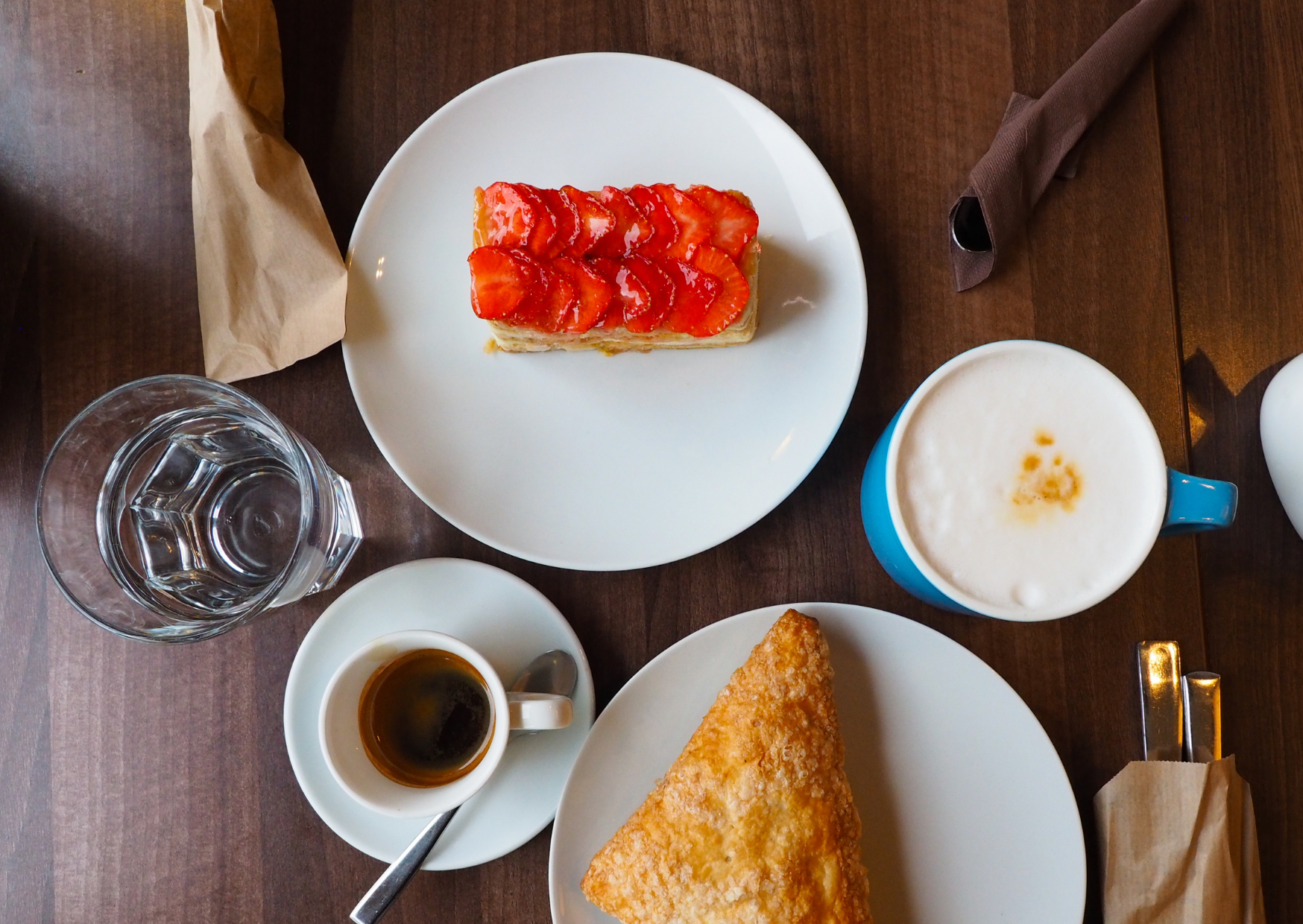
In American culture, breakfast is often marketed as fuel: the launchpad for the day. Cereal boxes advertise energy. Oatmeal claims to power your morning. Protein shakes are “on-the-go nutrition.”
In Europe, breakfast is not a performance.
It’s not built around macros. It’s not meant to impress. It’s quiet.
A typical breakfast might include:
- A piece of bread or toast
- A small serving of butter and jam
- Black coffee or tea
- Maybe a piece of fruit or yogurt
And that’s it.
No protein calculations. No breakfast sandwiches. No syrupy stacks or whipped toppings.
The idea is to start light — not load the digestive system or spike the blood sugar.
To American travelers, it feels like deprivation.
To Europeans, it feels like rhythm.
2. Toast Without Toasting — Bread as Is
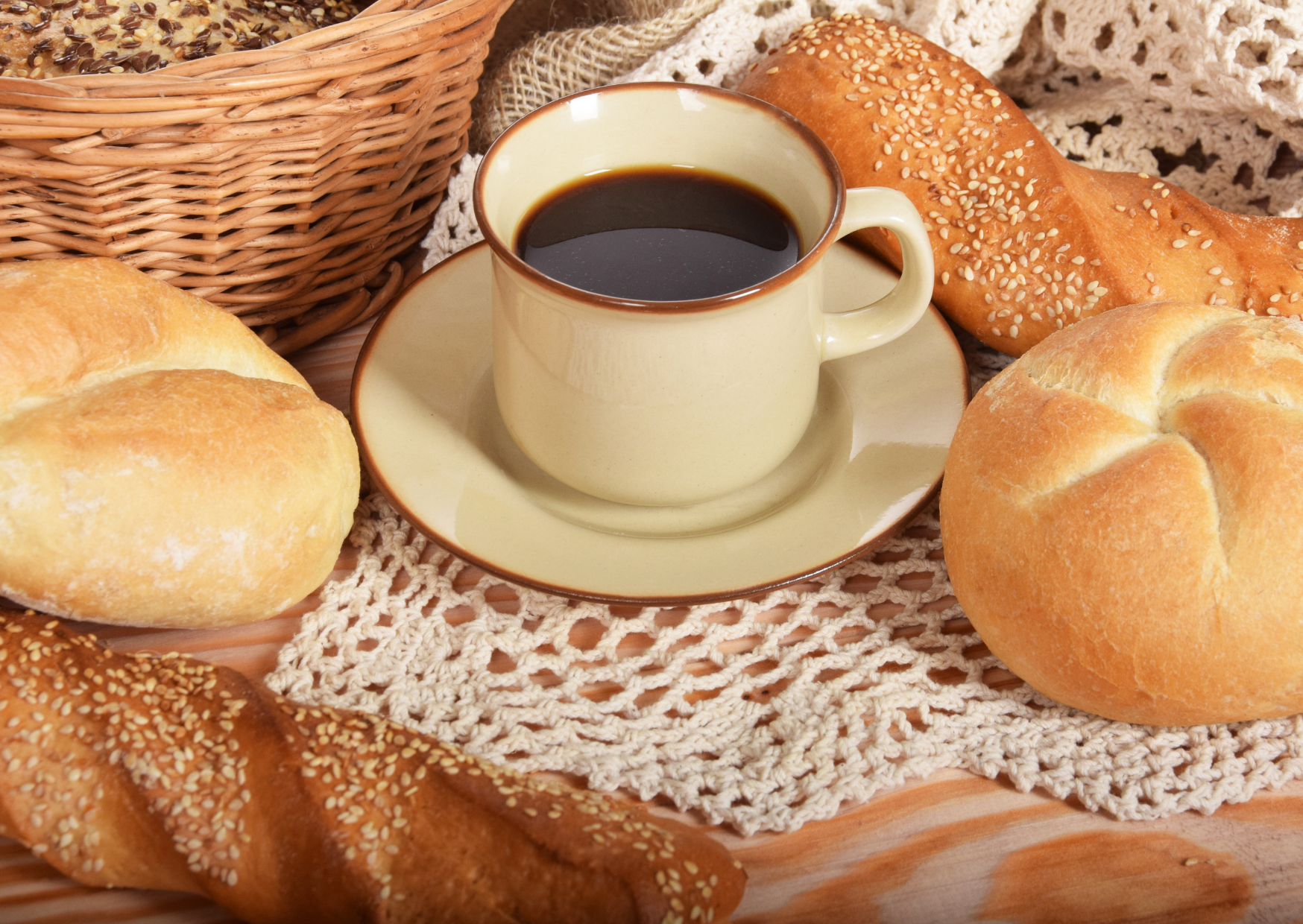
One of the most jarring aspects for many Americans is the use of bread that isn’t toasted. In France, Spain, and Italy, it’s completely normal to serve bread in the morning that is:
- Not fresh from the oven
- Not buttered
- Not warm
- Not toasted
In fact, many homes simply reuse yesterday’s baguette or sourdough, slicing it and spreading it with jam or dipping it in a milky coffee.
To Americans used to warm toast, breakfast bagels, or buttery English muffins, this habit feels lazy or unappetizing — like eating leftovers without trying.
But for Europeans, this is practical, intentional, and tied to an understanding of food waste and moderation.
Bread is eaten daily, not as a treat. It doesn’t need transformation to be valid.
3. Dunking Bread in Coffee or Milk
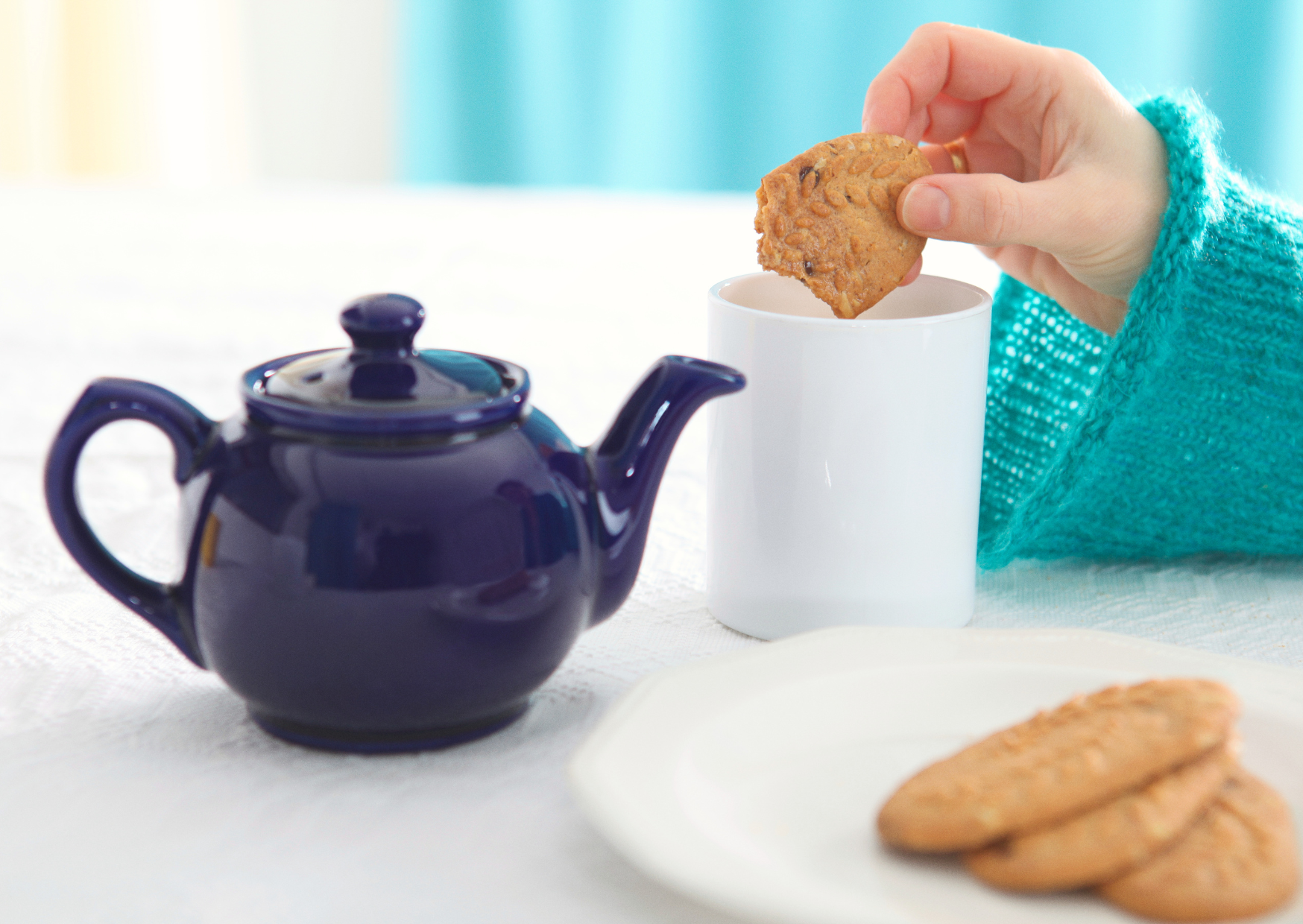
In France, Italy, and even parts of Germany and Portugal, it’s entirely common to see people dunking bread — sometimes buttered, sometimes not — directly into their coffee or milk.
This is especially true for children, who may start their day with a bowl of warm milk (or hot chocolate) and dip slices of pain or brioche right into the bowl.
To Americans, this feels messy and unhygienic. Some even describe it as “gross” — bread soaking in liquid, going soggy, then being eaten with fingers.
But it’s a longstanding habit.
It slows the meal. It stretches the bread. And it turns a minimalist breakfast into a tactile experience.
It’s not meant to be photogenic. It’s meant to feel real, warm, and calming.
4. Cheese or Cold Cuts — But No Eggs or Bacon
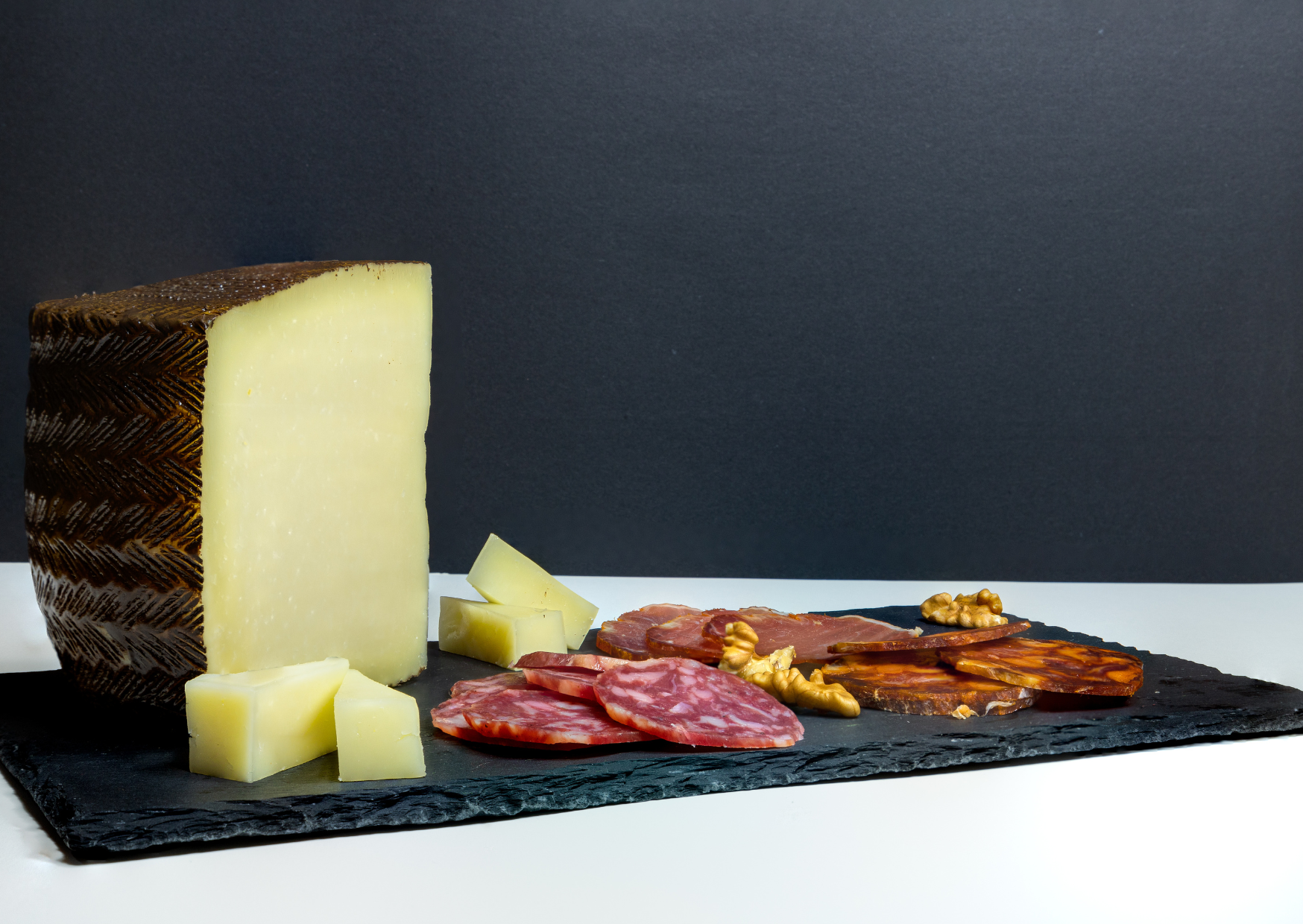
While many Americans associate breakfast with eggs and meat, this isn’t the default across most of Europe.
In countries like Germany, Austria, the Netherlands, and Switzerland, breakfast might include:
- Slices of cheese
- Thinly shaved ham or salami
- A boiled egg (occasionally)
- Dense rye or grain bread
- Mustard or pickles (in some regions)
To Americans, this feels like lunch — or worse, like something left over from a deli tray.
Why cold meat in the morning? Why cheese without crackers? Why no hot food?
Because in many parts of Europe, breakfast is savory, restrained, and based on real food — not engineered meals or sugary shortcuts.
Eggs and bacon are reserved for weekends, brunch, or hotels catering to international guests.
5. No Grab-and-Go Culture
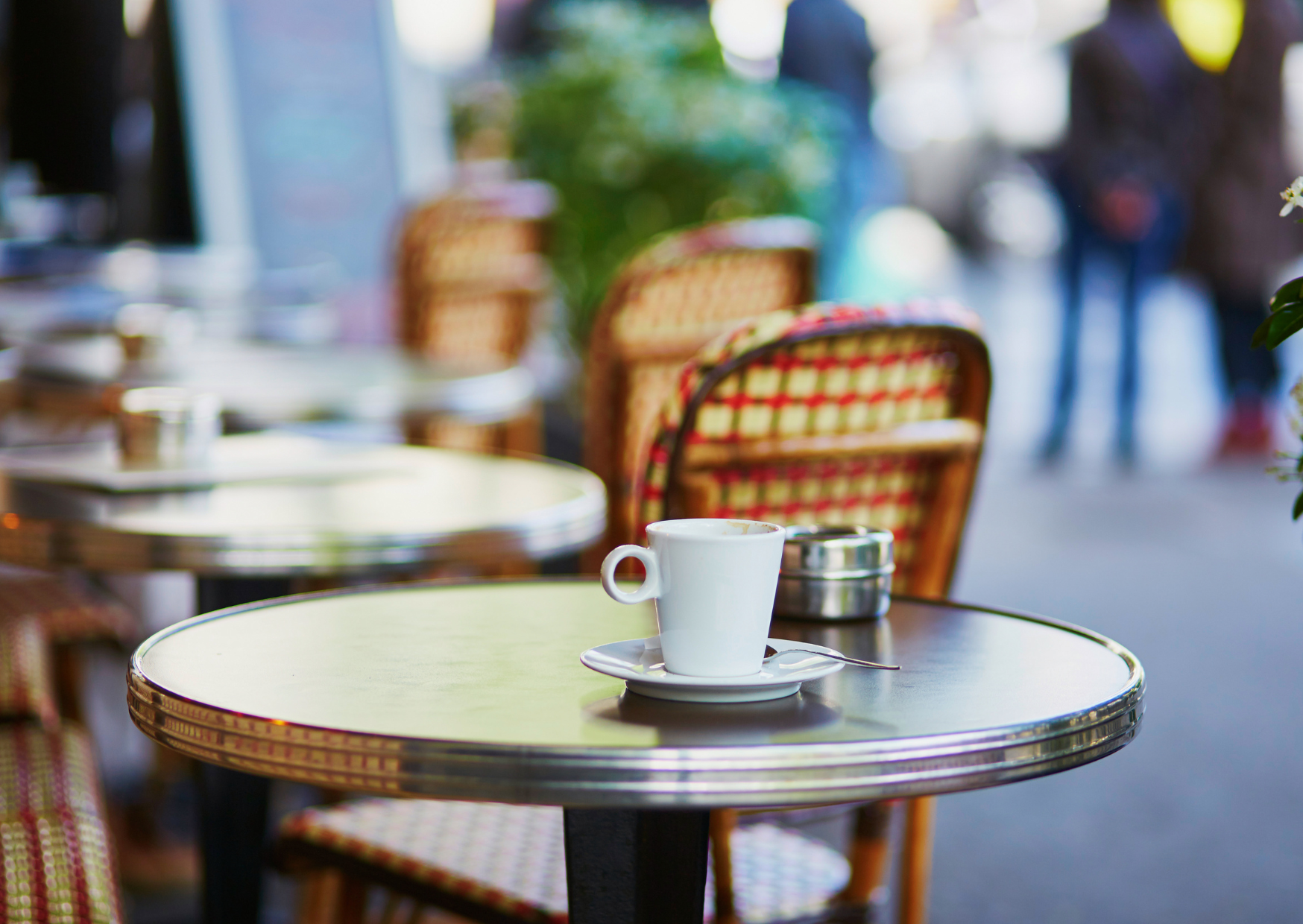
Americans often treat breakfast as mobile fuel.
A smoothie in the car. A bar on the train. Coffee on the go. Something consumed while doing something else.
In Europe, this behavior is frowned upon — or, in some places, not done at all.
Most Europeans do not eat while walking. They don’t sip coffee during a commute. They don’t scarf down meals in front of a laptop in the morning.
Even in cities with excellent public transit, breakfast happens at home, or seated at a café — with time, pause, and minimal fuss.
To Americans used to multitasking, this feels indulgent or unproductive.
To Europeans, this is simply what eating means: being present.
6. Butter, Jam, and That’s It
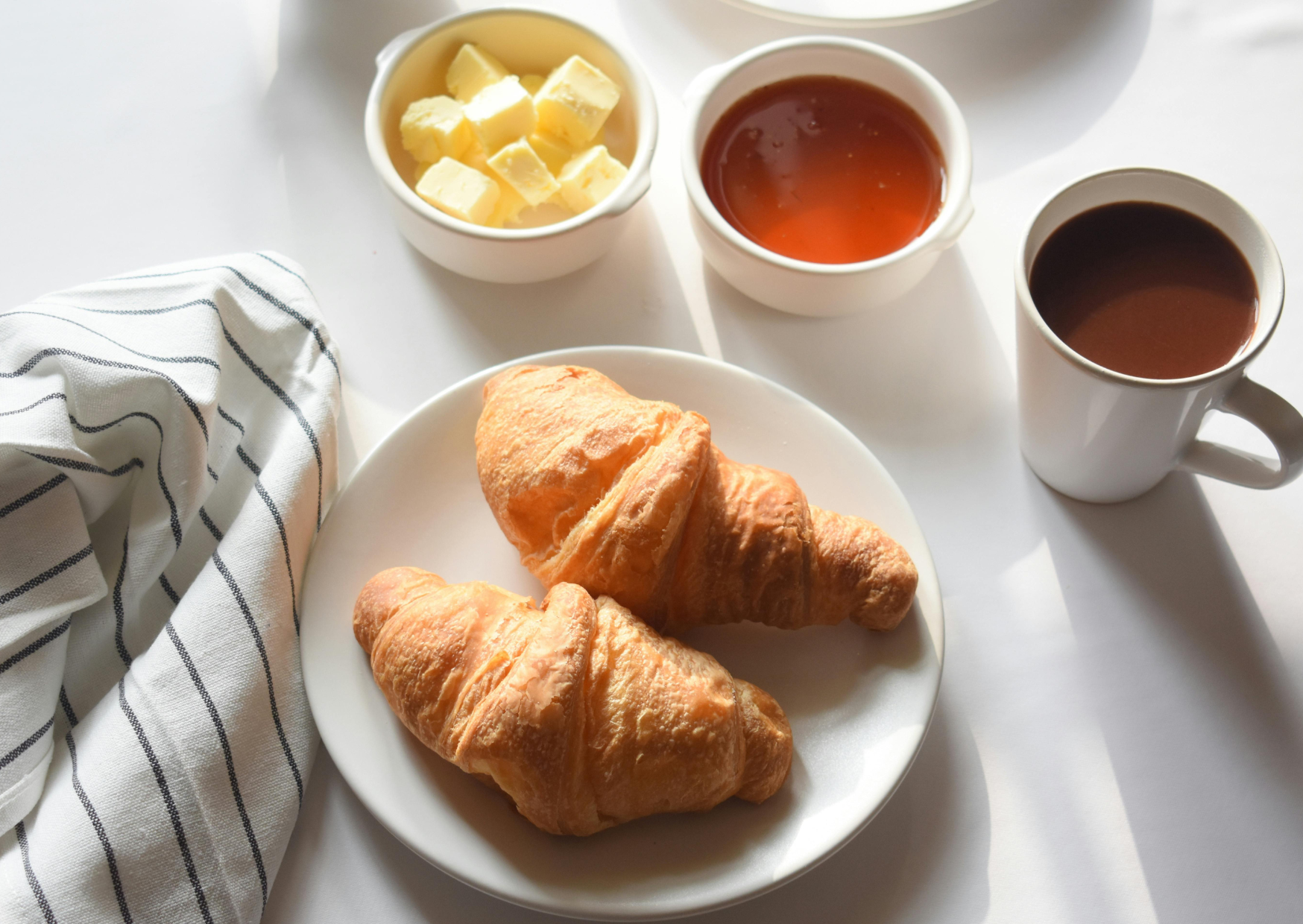
In many French and Spanish households, you’ll see people eat the same thing every morning:
- A slice of bread or toast
- A thin layer of real butter
- A dab of fruit jam or honey
And they do this every day.
No cereal rotation. No switching up the toppings. No pumpkin spice flavor in October and cinnamon apple in December.
The same, consistent, light breakfast — often eaten standing up or with one hand — is normal. It’s not boring. It’s trusted.
It’s also inexpensive and waste-free.
In contrast, many American breakfasts rely on pre-packaged, flavored options, rotated frequently, and built on variety — not necessity.
7. Pastries Exist — But Not Daily
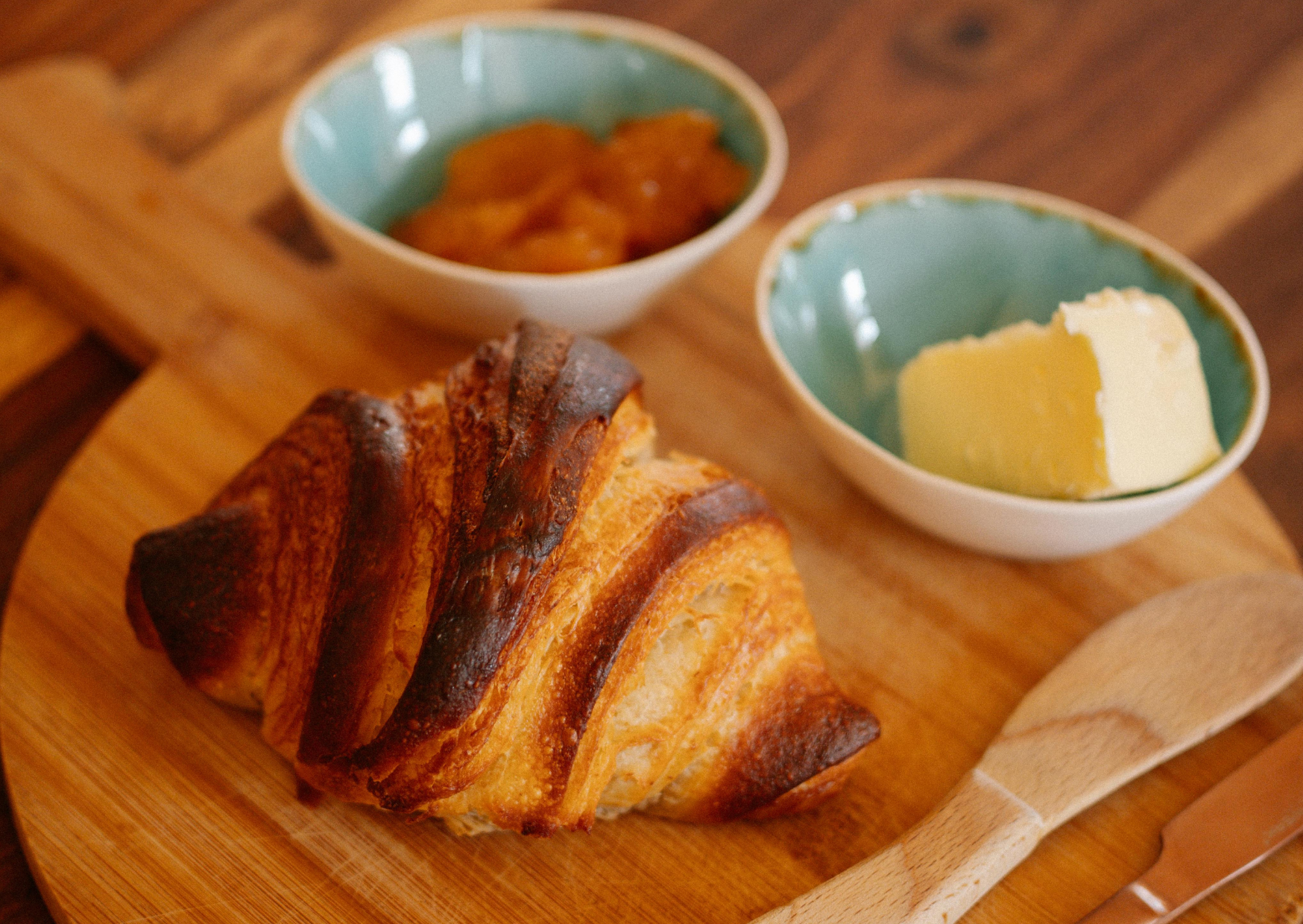
When Americans imagine European breakfast, they often think of croissants and pain au chocolat.
Yes, those pastries are real. But they are not everyday food.
In France, buying a pastry at the bakery is often reserved for Sundays or special mornings. In Italy, a cornetto is often eaten at the bar — but not at home.
Daily breakfast for most people is far more humble: a tartine, a slice of baguette, or some muesli.
Pastries are treats, not habits. They’re tied to café culture or late mornings — not daily sustenance.
To Americans used to muffins, toaster strudels, or daily doughnuts, this distinction is surprising.
8. Plain Yogurt (No Sugar Added)
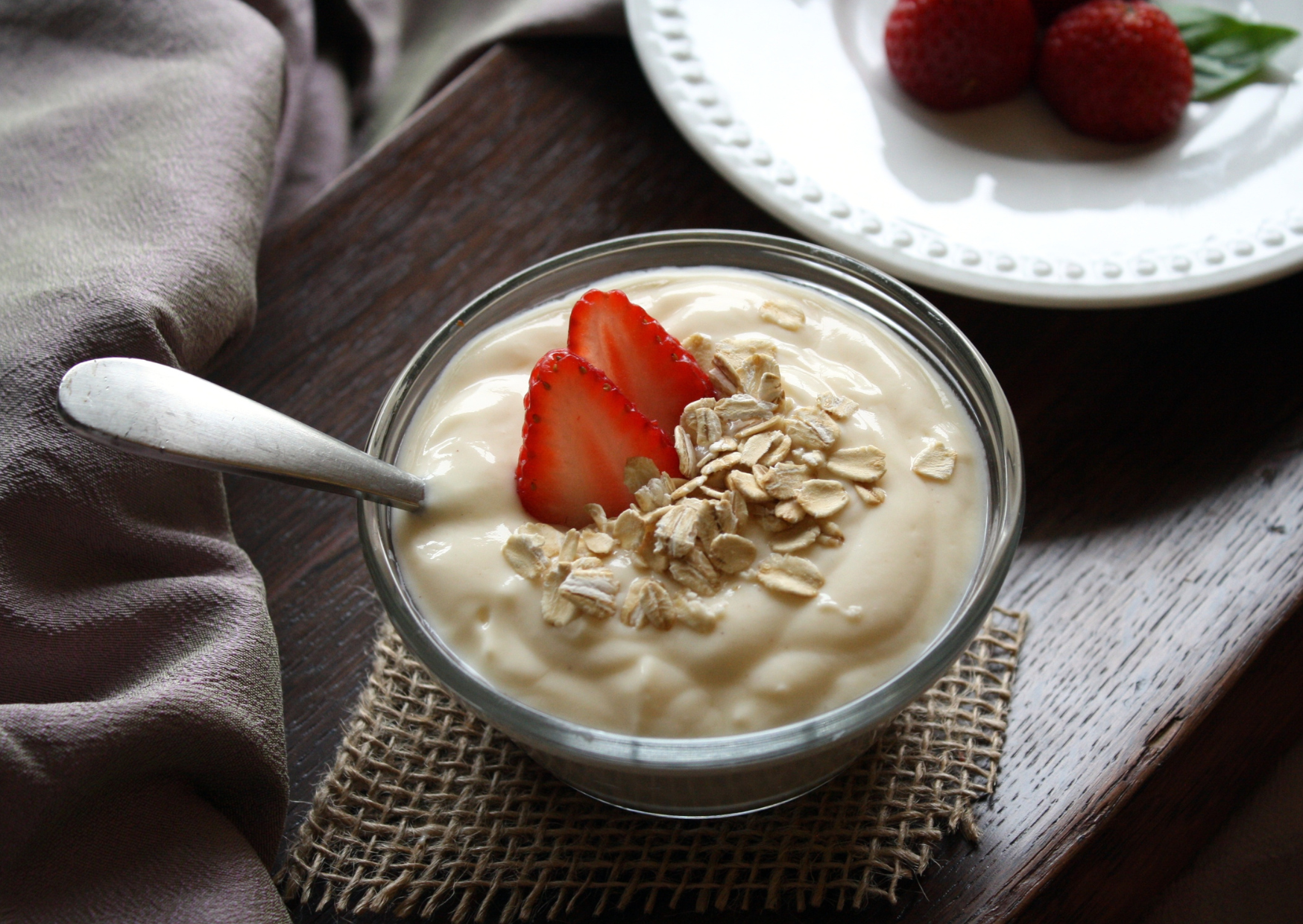
In countries like Greece, France, and the Nordic region, yogurt is eaten often — but not the kind found in American grocery stores.
What Europeans eat is usually:
- Unsweetened
- Full-fat
- Tangy and natural
- Served with fruit, not pre-mixed
Sweet, flavored yogurt with 20g of sugar and candy toppings doesn’t appeal to most Europeans. It’s considered dessert — or worse, marketing disguised as nutrition.
This is why travelers often struggle to find familiar yogurt brands abroad.
Instead, they’re met with small glass jars of tart, creamy yogurt with no sugar and no gimmicks.
To some, it tastes too sour.
To locals, it tastes real.
9. Coffee Is Small — and Served Without Ceremony
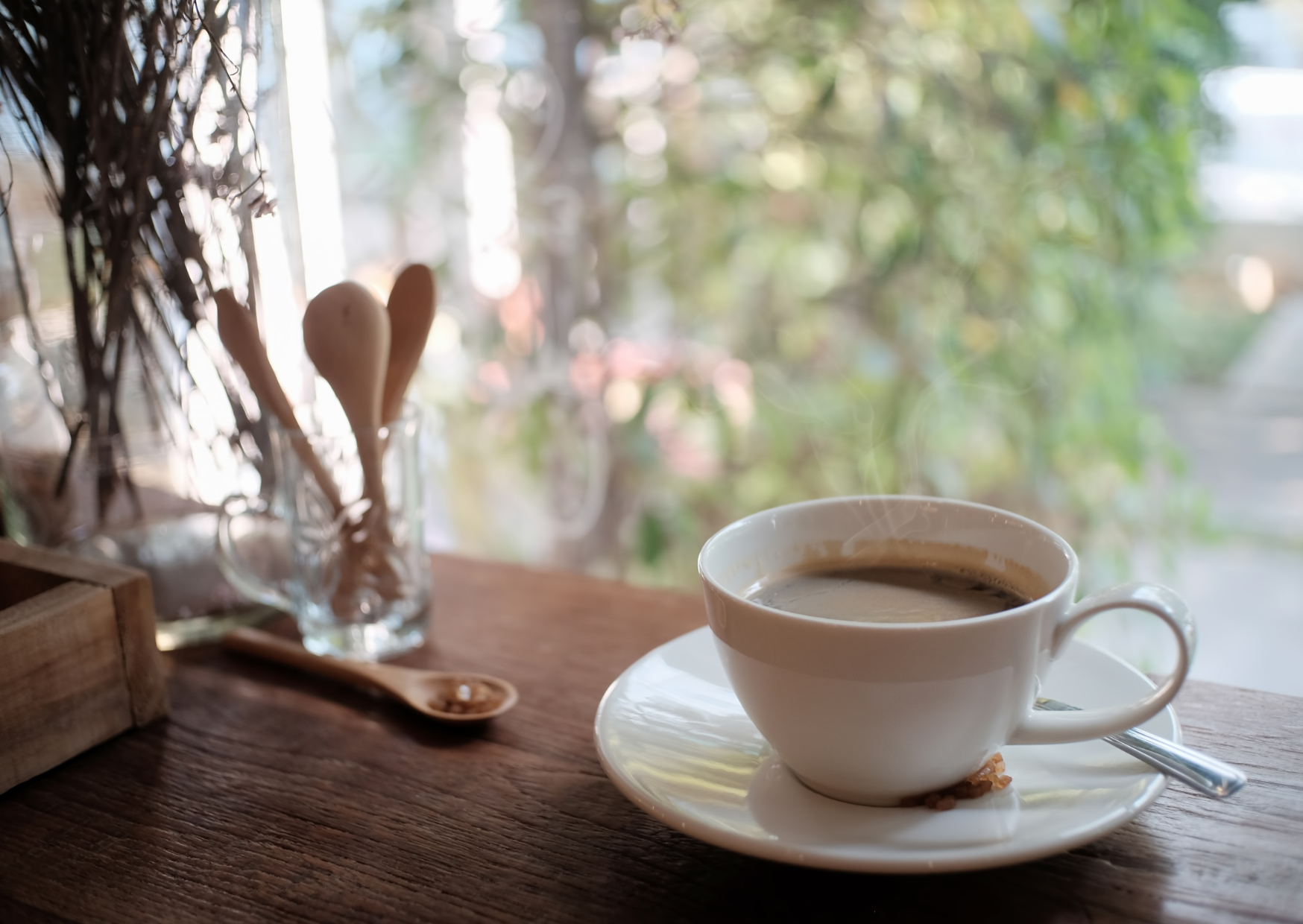
Europeans drink a lot of coffee — but not the kind Americans expect at breakfast.
A tiny espresso in Italy.
A short black coffee in France.
A milder, longer coffee in Spain or Portugal.
And rarely — if ever — with flavored syrups, whipped toppings, or pumpkin notes.
Coffee is not dessert. It’s a habit, often standing at a bar or taken quietly at home. Milk is added lightly, if at all. Sugar is optional. And most importantly — cups are small.
American travelers used to 20oz lattes may find this disappointing. But the French and Italians aren’t measuring value by volume.
Modesty Over Excess
The European breakfast habit isn’t designed to impress. It’s meant to ease into the day, not overwhelm it.
There’s no rush.
No branding.
No piles of food.
No guilt.
Just one piece of bread. One cup of coffee. One moment of peace.
To Americans, it may look meager — even joyless. But to Europeans, it’s a daily ritual of restraint, quiet satisfaction, and a firm rejection of excess.
It may not be glamorous. But it’s consistent, calming, and deeply cultural.

About the Author: Ruben, co-founder of Gamintraveler.com since 2014, is a seasoned traveler from Spain who has explored over 100 countries since 2009. Known for his extensive travel adventures across South America, Europe, the US, Australia, New Zealand, Asia, and Africa, Ruben combines his passion for adventurous yet sustainable living with his love for cycling, highlighted by his remarkable 5-month bicycle journey from Spain to Norway. He currently resides in Spain, where he continues sharing his travel experiences with his partner, Rachel, and their son, Han.