
Last updated on October 7th, 2025 at 05:14 am
(Croissant, Not Casserole—And No, You Can’t Have That Latte at 2 PM)
If you’ve ever wandered into a European café at 8:30 a.m. looking for eggs, bacon, toast, and a massive to-go coffee, you probably walked out confused—and still hungry.
Because when it comes to breakfast, Europe plays by completely different rules. It’s not just about what’s on the plate—it’s how, when, where, and even why it’s eaten.
Americans are used to breakfast being a big, protein-packed, sit-down affair or something fast and on-the-go. In Europe, breakfast is lighter, slower, and often barely a meal at all—but it’s packed with rules that locals follow instinctively, and that visitors break constantly.
Here are 9 morning food rules that sharply separate Europeans from Americans—and a few that might just change how you start your day.
Read Here European Things that terrify Americans and American Habits that make Europeans Cringe
Read here how to pack for Europe and Best eSIM for Europe
BOOK YOUR TRAVEL INSURANCE
Two of our favorite travel insurance: Heymondo Vs Safetwing cheapest travel Insurance. You can get for $135 USD your Heymondo Travel Insurance with Heymondo discount code valid for 90 days. Read our full comparison of Genki vs Safetywing Travel Insurance Review and the comparison Heymondo vs Genki
1. Breakfast Is Sweet—Not Savory
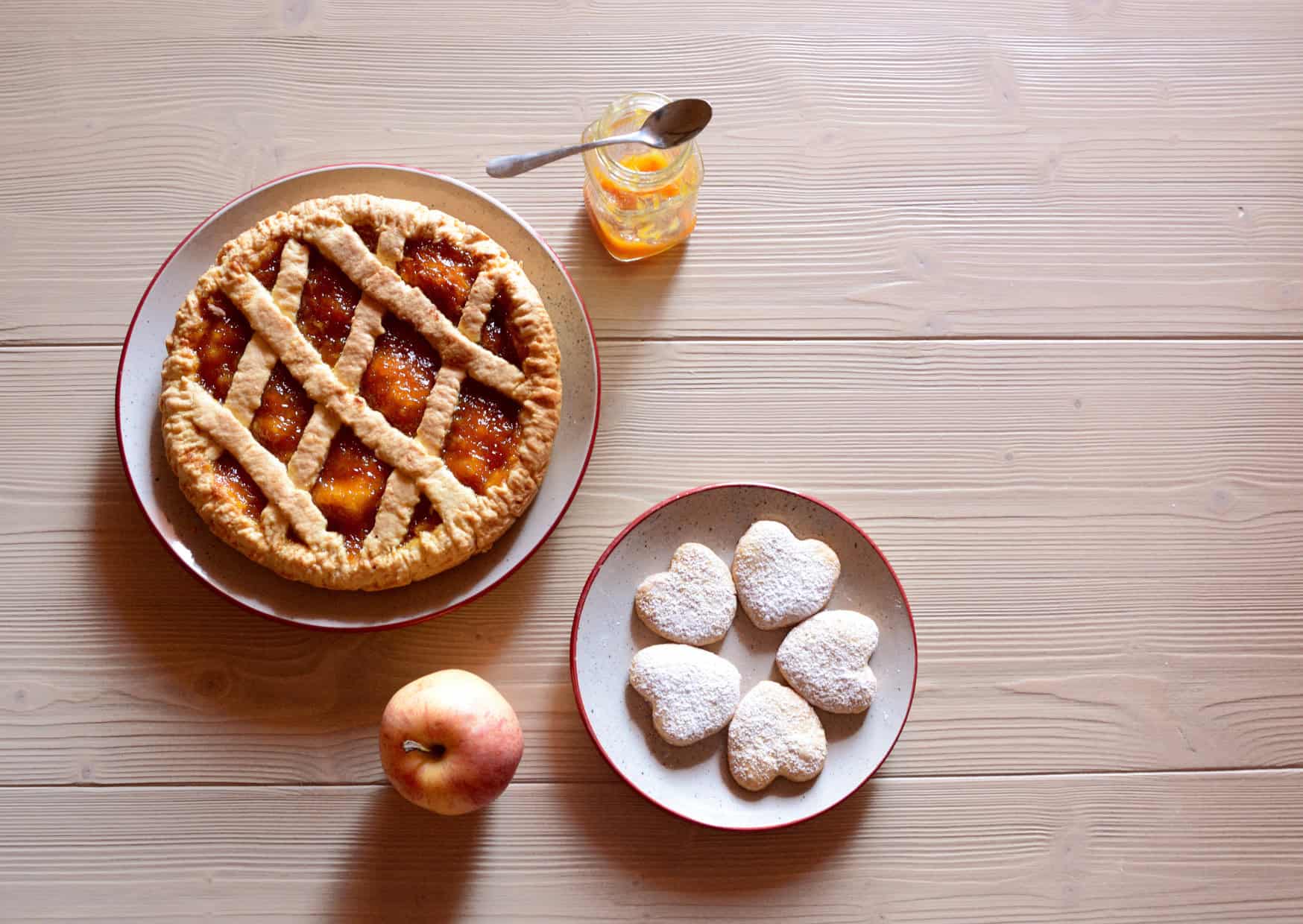
In many European countries, especially in Southern and Western Europe, breakfast is light and sweet—and no, it doesn’t include eggs and bacon.
A typical breakfast might include:
- A croissant (cornetto in Italy, croissant in France, kipferl in Austria)
- A slice of toast with jam or Nutella
- A pastry or biscuit
- Maybe yogurt or a piece of fruit
To many Europeans, a plate of scrambled eggs at 8 a.m. is downright aggressive. They associate that kind of meal with brunch—or even lunch. Breakfast is supposed to ease you into the day, not fill you up for a marathon.
If you ask for a full American-style breakfast, expect confusion—or a very specific tourist menu.
2. Coffee Is Small and Strong—And You Drink It Fast
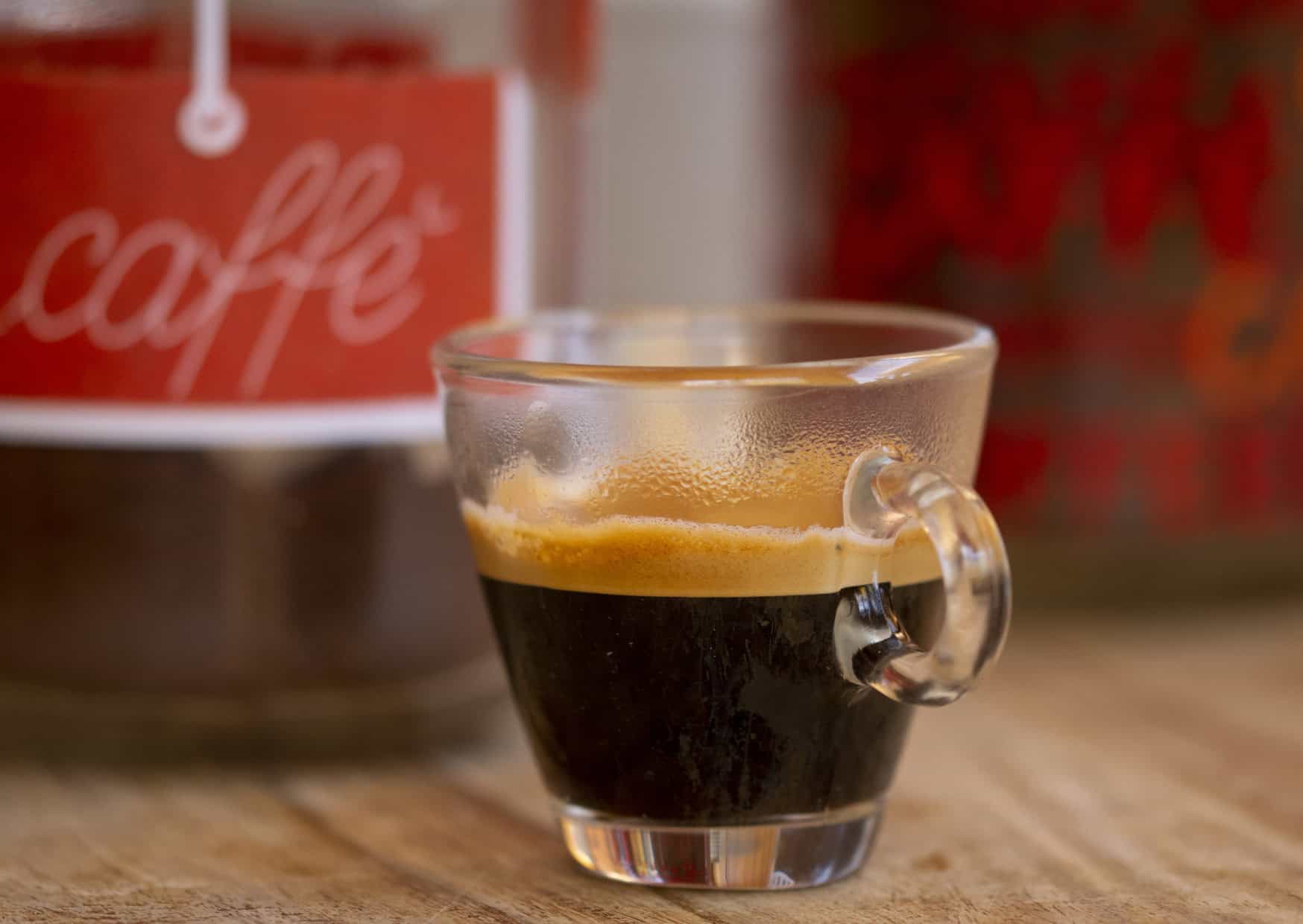
Forget everything you know about 20oz lattes, triple shots, and sipping your coffee during a morning commute.
In Europe:
- Coffee is usually an espresso, served in a tiny porcelain cup
- It’s consumed standing at the bar (especially in Italy and Spain)
- It takes about 30 seconds to drink
- It’s often followed by another one a few hours later
Even in northern countries like Germany or Scandinavia where filter coffee is common, it’s rarely massive. The to-go cup culture is minimal, and locals are more likely to drink coffee at home or sit down at a café to enjoy it slowly.
To-go coffee in a paper cup? That’s how Europeans instantly spot an American.
3. Cappuccino Is a Morning-Only Beverage
In much of Europe—especially Italy—there’s a hard stop on cappuccinos after 11 a.m.
Why? The belief is that milk interferes with digestion, so it’s fine in the morning, but frowned upon after a meal. If you order a cappuccino at 3 p.m., the barista might smile politely—but trust us, they’re silently judging you.
After breakfast hours, espresso is the drink of choice. You’ll see Italians sipping their caffè (espresso) at the bar well into the evening, but never, ever ordering a cappuccino with dessert.
This rule is sacred. Break it at your own risk—or at least with full awareness of your tourist status.
4. No Brunch Culture (Unless You’re in a Trendy Urban Café)
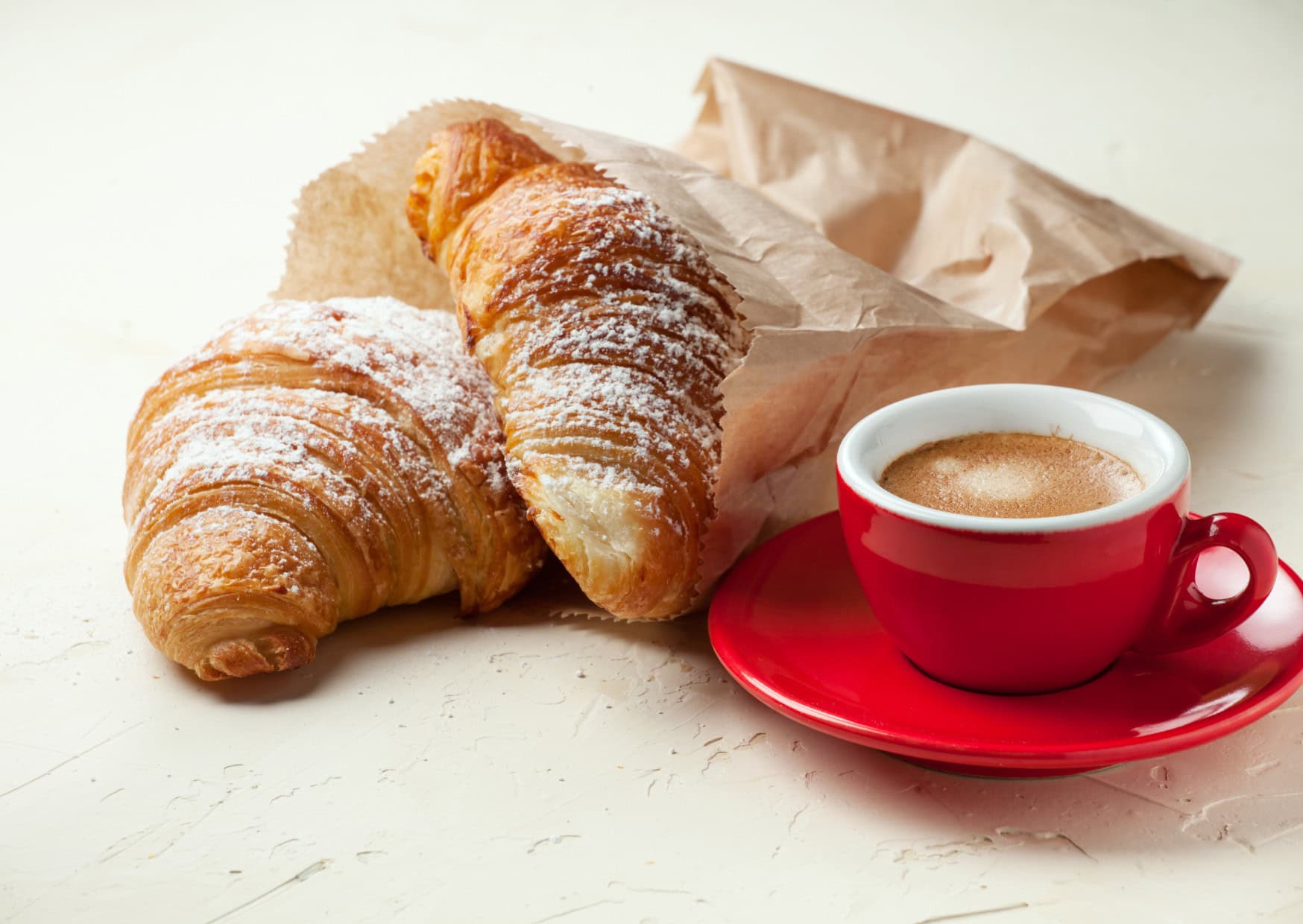
Americans treat brunch like a weekend event. We plan around it. We wait in line for it. We stack pancakes and pour mimosas like it’s our civic duty.
In Europe, the idea of “brunch” is still mostly imported, and often confined to trendy cafés in big cities like Berlin, London, or Paris. For the average local, the idea of eating a massive hybrid meal at 11:30 a.m. just doesn’t register.
Most Europeans:
- Eat a small breakfast around 7–9 a.m.
- Have lunch later (between 12:30 and 2:00)
- Don’t feel the need to invent a meal in between
Brunch is seen more as a weekend indulgence for urbanites than a mainstream cultural event.
5. Eating Breakfast at Home Is Normal—Not Sad
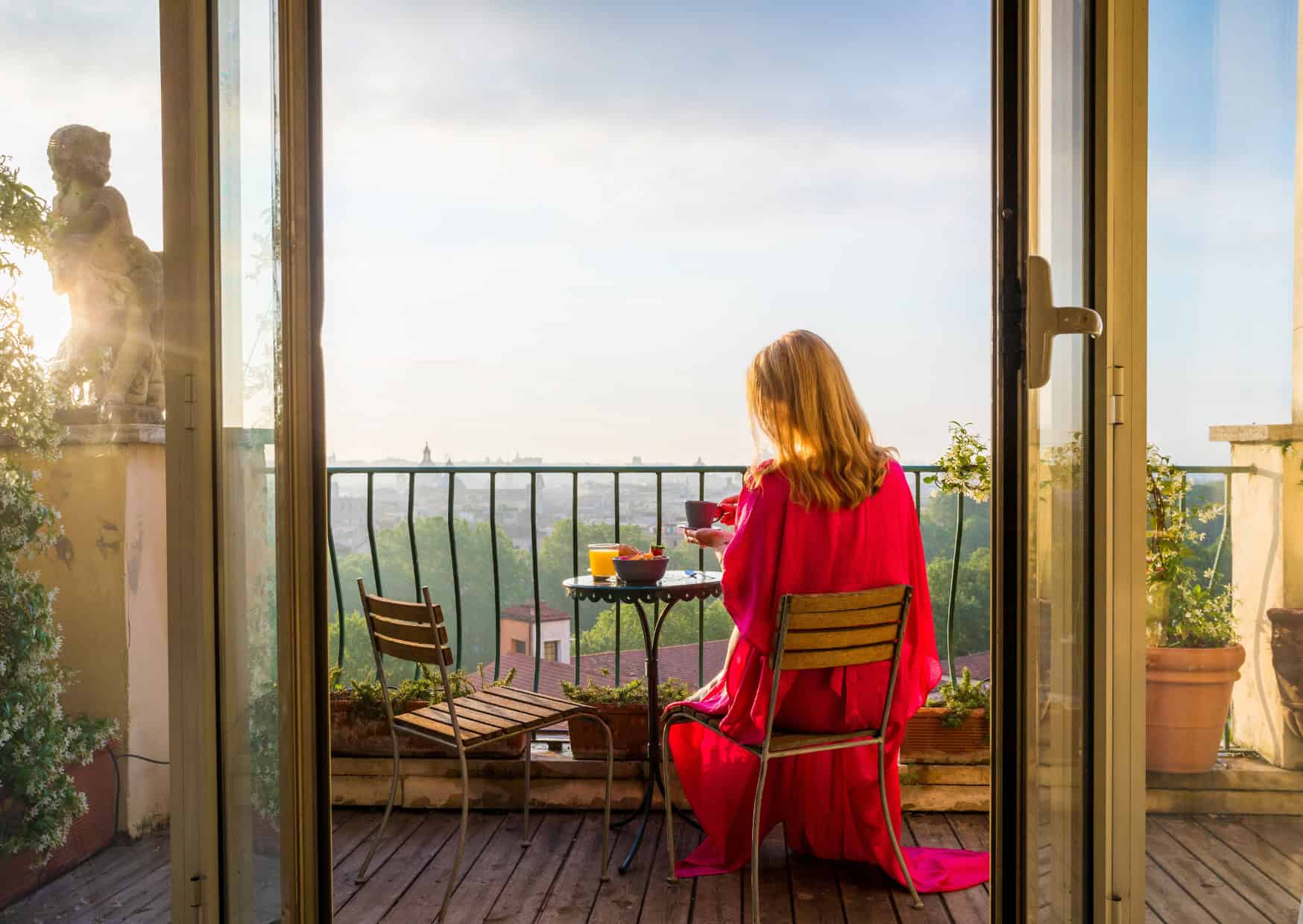
In America, eating breakfast at home can feel rushed or even lonely. We glamorize going out for brunch or grabbing a fancy coffee on the go.
In Europe, however, eating breakfast at home is the norm—and no one thinks it’s sad or boring.
In fact, many Europeans:
- Brew their coffee at home with care
- Eat toast or yogurt slowly before work
- Sit down with family members
- Often don’t eat anything until after their first coffee
It’s not rushed. It’s not performative. It’s just a ritual.
Even students and professionals will start the day with a calm, private breakfast before heading out—no apps, no carpool coffee stops, no $18 smoothie bowls required.
6. Daily Grocery Shopping Affects Breakfast Habits
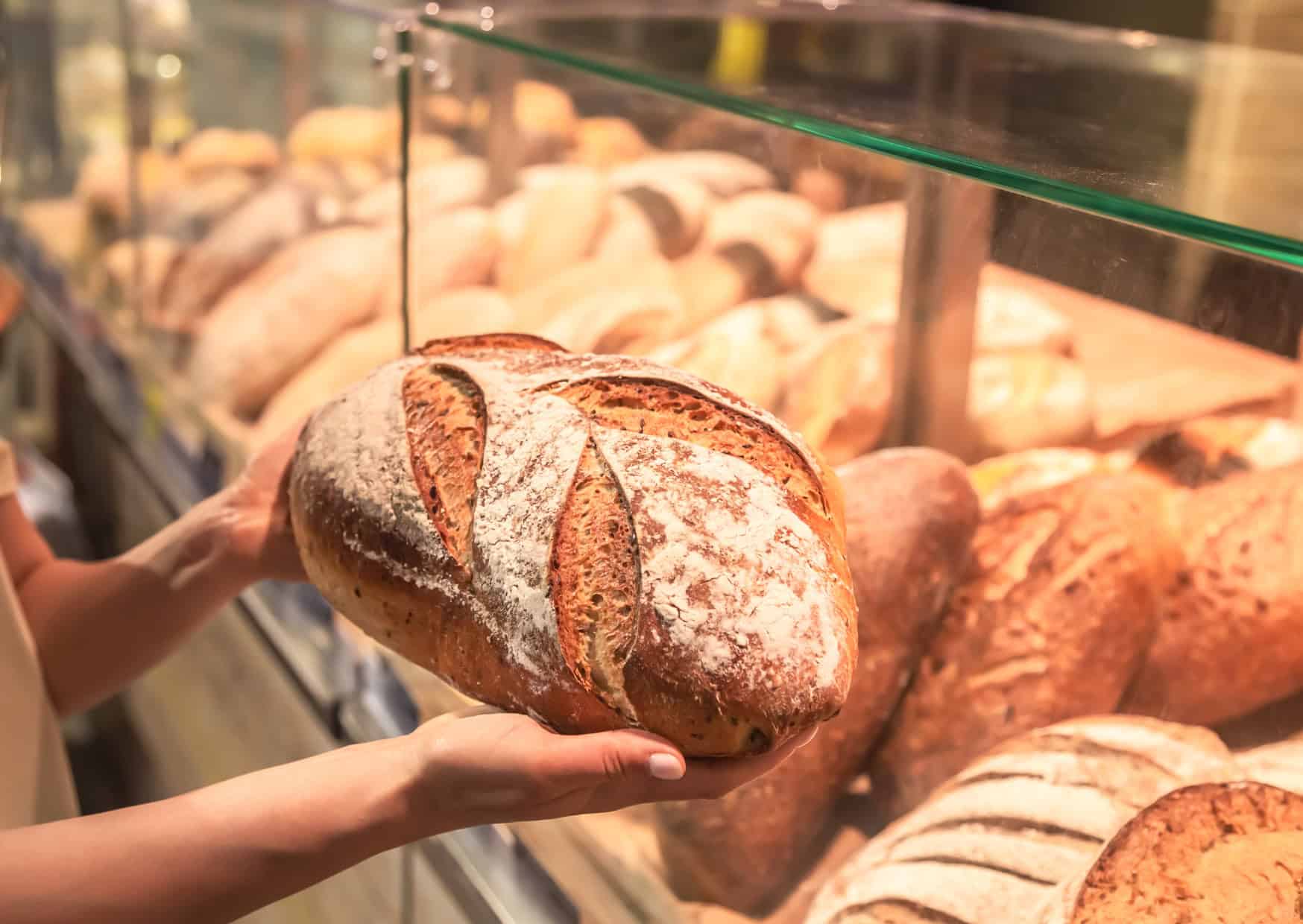
Europeans are more likely to shop for food daily or every few days, rather than once a week. This impacts what they eat in the morning—and how fresh it is.
Because of this habit:
- Bread is always fresh
- Pastries are often picked up that morning
- Milk and yogurt aren’t stockpiled
- Food is consumed closer to its natural state
Contrast that with American pantries stocked with cereal, granola bars, protein shakes, and frozen breakfast sandwiches. In Europe, breakfast is less processed, less packaged, and more tied to what’s locally available that week.
7. No Ice Water, Even at Breakfast
Even at breakfast, you’ll rarely see a European drinking ice water. While Americans start the day with a tall cold glass (sometimes to “jumpstart digestion”), Europeans tend to drink:
- Warm tea
- Room temperature water
- Fresh juice (in very small portions)
- No beverage at all besides coffee
Ice water is considered disruptive to the body’s early rhythm. And in colder countries? It’s just… not appealing. Drinking something cold first thing in the morning is seen as unnecessary or even uncomfortable.
Another reminder that the European body philosophy is about ease, not shock.
8. Protein Is Not the Priority
American breakfast emphasizes protein for energy—eggs, bacon, Greek yogurt, protein shakes, nut butter, and now, high-protein cereal.
In Europe, protein isn’t prioritized in the morning. And most locals don’t feel sluggish or undernourished because of it.
You’re more likely to see:
- Carbs (toast, croissants, pastries)
- A little fat (butter, cheese, Nutella)
- Maybe fruit or dairy
- Possibly a boiled egg in Central or Eastern Europe—but not daily
Many Europeans save protein for lunch or dinner, when meals are heavier and more central to the day. Breakfast, by contrast, is a warm-up—not a workout.
9. Portion Sizes Are Smaller—And Nobody Feels Cheated
This is the golden rule of European breakfast: less is enough.
No one is counting macros or cramming calories. A small pastry and a shot of espresso can be enough to hold someone over until lunch.
What surprises many American visitors is how satisfying a light breakfast can actually be when you’re not used to overeating.
In fact, Europeans often say they feel more energized without a heavy breakfast—and point to their overall wellness, stable weight, and lower rates of obesity as proof.
Final Thoughts: A Different Pace, A Different Plate
European breakfast isn’t just a meal—it’s a philosophy of living. It values calm over chaos, simplicity over excess, ritual over rushing. It doesn’t ask you to “fuel up”—it invites you to ease in.
And while it might feel minimal at first (especially if you’re craving pancakes and bacon), after a few days, you start to feel the shift: lighter, less stressed, more connected to the rhythm of your day.
It’s not about deprivation. It’s about balance and intention.
Pro Tip: When in Europe, don’t search for the hotel buffet or American-style brunch spot. Walk into a local café, order a caffè and cornetto, stand at the bar, and enjoy five minutes of quiet. You’re doing it right.

About the Author: Ruben, co-founder of Gamintraveler.com since 2014, is a seasoned traveler from Spain who has explored over 100 countries since 2009. Known for his extensive travel adventures across South America, Europe, the US, Australia, New Zealand, Asia, and Africa, Ruben combines his passion for adventurous yet sustainable living with his love for cycling, highlighted by his remarkable 5-month bicycle journey from Spain to Norway. He currently resides in Spain, where he continues sharing his travel experiences with his partner, Rachel, and their son, Han.