
Last updated on July 27th, 2025 at 10:51 am
Costa Rica is often sold as a paradise of lush rainforests, laid-back beaches, and pura vida vibes—but beyond the postcard-perfect imagery lies a deeply rooted culture with its own unspoken rules. Tourists often arrive with good intentions but unknowingly violate these invisible norms that shape daily life in this Central American gem. From how you greet someone to how you behave in traffic or even order your coffee, there’s a rhythm to Costa Rican life that isn’t written in any guidebook.
Understanding these subtleties not only shows respect but also enriches your travel experience. The more you blend in, the more you’re welcomed into the local flow—whether you’re navigating a roadside soda (local eatery), joining a family fiesta, or riding a packed public bus. Costa Ricans may be polite, but they’re also incredibly attuned to social cues, and knowing the rules helps you avoid that awkward foreigner spotlight.
These 15 unwritten codes of conduct aren’t just quirks—they’re windows into Costa Rica’s cultural values, which revolve around humility, harmony, and human connection. Knowing what not to do (and why) can mean the difference between being seen as an intruder or a guest. Let’s dive into the habits, manners, and silent expectations that define real Costa Rican life.
Read here Things to know before visiting Costa Rica, 3 Week Costa Rica Itinerary and best Costa Rica Sim card for tourist
BOOK YOUR TRAVEL INSURANCE
Two of our favorite travel insurance: Heymondo Vs Safetwing cheapest travel Insurance. You can get for $135 USD your Heymondo Travel Insurance with Heymondo discount code valid for 90 days. Read our full comparison of Genki vs Safetywing Travel Insurance Review and the comparison Heymondo vs Genki
Tips for Navigating Costa Rican Life
Greet everyone with “buenos días,” even strangers—it’s basic courtesy.
Avoid rushing. Being pushy or overly punctual comes off as rude.
Use “usted” instead of “tú” to show respect, especially with elders.
Never flush toilet paper in public restrooms unless it’s clearly allowed.
When in doubt, follow the locals’ lead—they’re your best cultural compass.
Many visitors romanticize Costa Rica’s “pura vida” lifestyle without understanding that it’s not just a slogan—it’s a cultural identity built on patience, tolerance, and subtle social hierarchy. Tourists who treat the country like a tropical playground may unknowingly disrespect the very things that make it so special. For example, complaining about “slow service” misses the point entirely—life here isn’t about speed; it’s about presence.
Another common disconnect comes from tourists expecting high-end experiences to mirror those in the U.S. or Europe. Costa Ricans pride themselves on simplicity and humility, and ostentatious behavior can feel tone-deaf. Flashy wealth, constant complaints, or aggressive negotiation tactics can alienate locals, who value respect and emotional intelligence over entitlement.
Even eco-tourism—something Costa Rica is globally famous for—has its cultural blind spots. Tourists often applaud the country’s green initiatives while contributing to over-tourism in fragile zones or failing to support truly local businesses. It’s a paradox: enjoying paradise without understanding how locals protect and preserve it daily. Cultural sensitivity goes far beyond snapping a photo of a monkey or sipping organic coffee—it’s about living the values Costa Ricans embody.
Unspoken Rules of Costa Rican Life
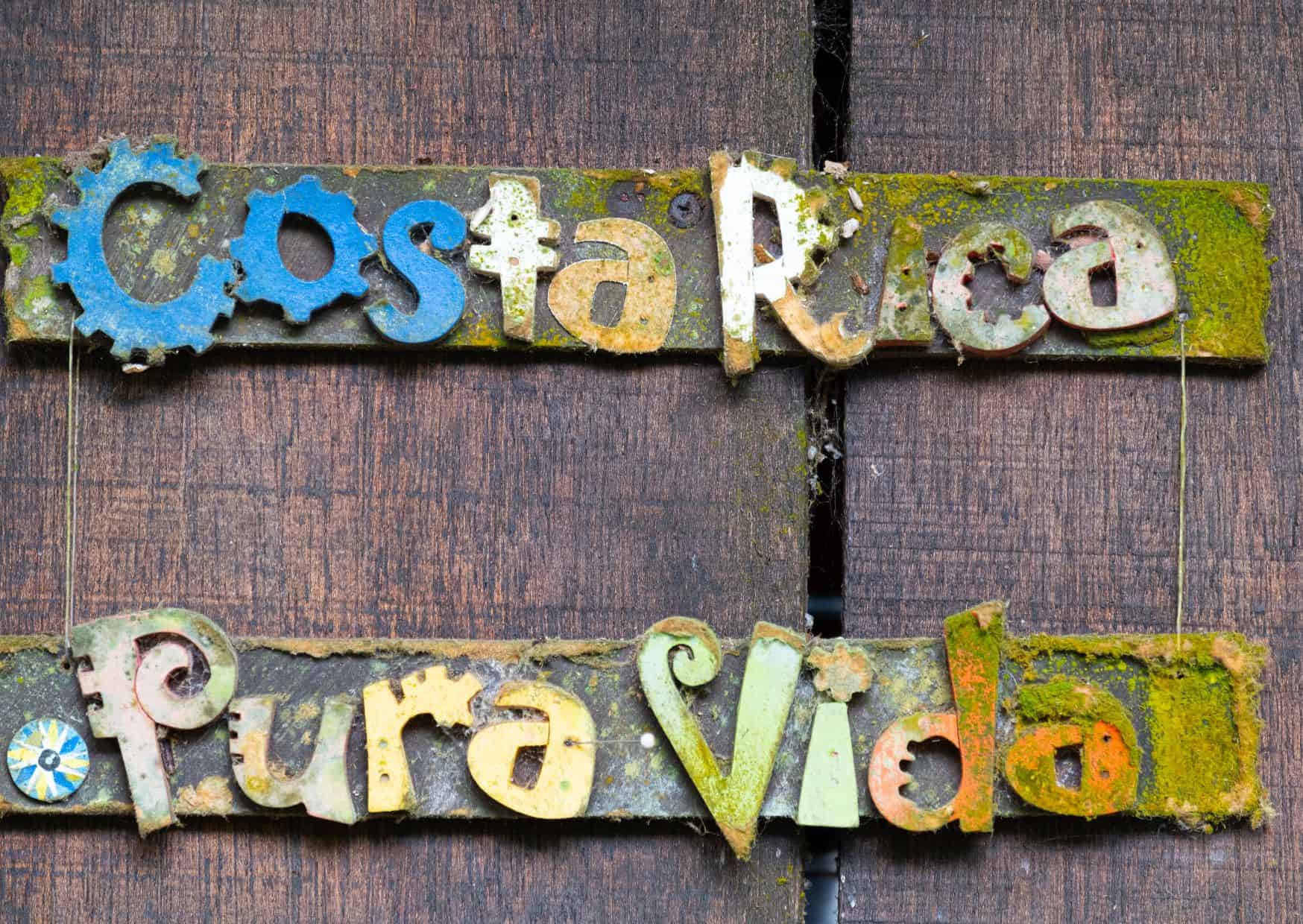
1. Embrace “Pura Vida”
What to Know:
“Pura Vida” is not just a phrase; it’s a way of life. It means “pure life” and is used as a greeting, farewell, or response to “How are you?” It encapsulates the relaxed, positive attitude of Costa Ricans.
Why Tourists Don’t Get It:
Visitors often don’t realize how deeply embedded this phrase is in daily life and may struggle to interpret its many meanings.
2. Time Is Flexible
What to Know:
Punctuality is not a priority in Costa Rica. “Tico Time” means things often happen later than planned, especially for social gatherings.
Why Tourists Don’t Get It:
Tourists used to strict schedules might find the laid-back approach to time frustrating.
3. Respect for Nature Is Essential

What to Know:
Costa Ricans (Ticos) are proud of their country’s biodiversity and go to great lengths to protect it. Littering or harming wildlife is heavily frowned upon.
Why Tourists Don’t Get It:
Some tourists may not realize how important eco-conscious behavior is and might inadvertently offend locals.
4. Greetings Are Polite
What to Know:
A handshake is common for formal introductions, while friends and acquaintances often greet with a kiss on the cheek (for women) or a hug.
Why Tourists Don’t Get It:
Skipping greetings or being overly casual can come across as disrespectful.
5. Small Talk Matters
What to Know:
Before diving into business or a direct question, it’s customary to engage in small talk about family, the weather, or general well-being.
Why Tourists Don’t Get It:
Tourists might seem too blunt or rushed, which can be perceived as rude.
6. Don’t Expect Fast Service
What to Know:
Meals are meant to be enjoyed, and restaurant service can be slow compared to other countries. Relax and enjoy the pace.
Why Tourists Don’t Get It:
Visitors expecting quick service may think they’re being ignored.
7. Tips Are Appreciated but Modest

What to Know:
A 10% service charge is usually included in restaurant bills. Extra tipping is optional but appreciated for excellent service.
Why Tourists Don’t Get It:
Some tourists over-tip, not realizing the service charge already covers gratuity.
8. Avoid Drinking Tap Water Outside Cities
What to Know:
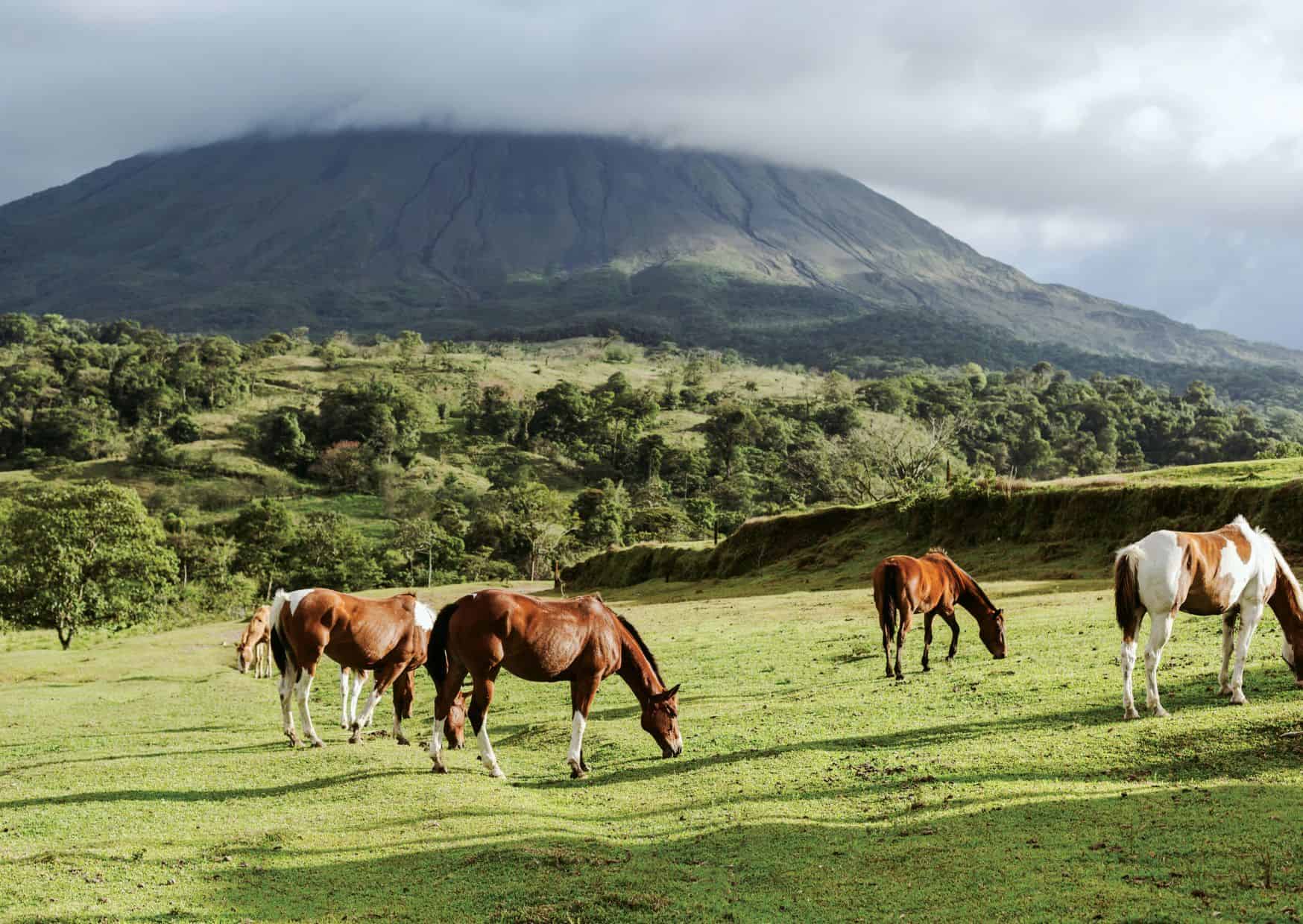
Tap water is safe in most urban areas but may not be reliable in rural or remote regions.
Why Tourists Don’t Get It:
Tourists who assume tap water is universally safe might get sick in rural areas.
9. Respect Quiet Hours
What to Know:
In many neighborhoods, quiet hours are observed, especially in the early afternoon and late at night.
Why Tourists Don’t Get It:
Visitors may unknowingly disturb locals by playing loud music or talking loudly during these times.
10. “Usted” vs. “Tú”
What to Know:
Costa Ricans often use the formal “usted” instead of “tú” when addressing people, even in casual settings.
Why Tourists Don’t Get It:
Tourists who use “tú” too freely might come across as overly familiar.
11. Don’t Expect Addresses to Be Precise
What to Know:
Costa Rican addresses are often based on landmarks rather than street names or numbers (e.g., “200 meters north of the church”).
Why Tourists Don’t Get It:
Visitors relying on exact addresses might get lost without GPS or local help.
12. Dress Modestly

What to Know:
Costa Ricans dress neatly and modestly, even for casual outings. Beachwear is reserved for the beach.
Why Tourists Don’t Get It:
Tourists walking around town in swimsuits or overly casual attire may stand out or seem disrespectful.
13. The Beach Is for Everyone
What to Know:
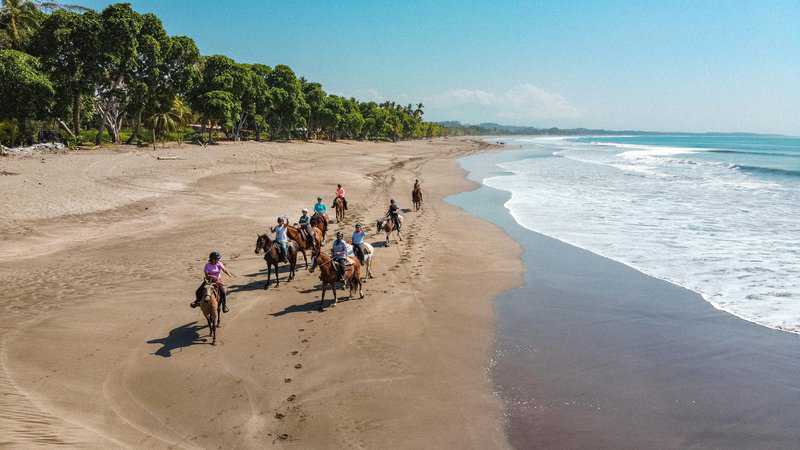
All beaches in Costa Rica are public, and locals take pride in sharing these spaces with everyone.
Why Tourists Don’t Get It:
Tourists expecting private beaches might be surprised by the communal atmosphere.
14. Driving Is an Adventure

What to Know:
Roads can be bumpy, signage inconsistent, and drivers unpredictable. Defensive driving and patience are essential.
Why Tourists Don’t Get It:
Visitors expecting smooth highways might be unprepared for the challenges of rural driving.
15. Family Is Everything
What to Know:
Family is central to Costa Rican life, and large family gatherings are common. Sundays are often reserved for family time.
Why Tourists Don’t Get It:
Tourists might not understand why businesses close early or locals prioritize family over work or social plans.
Final Thoughts
Costa Rica isn’t just a destination; it’s a lifestyle—and one that rewards those who approach it with curiosity and humility. These unspoken rules aren’t meant to intimidate but to invite you into a way of life that values balance, connection, and mutual respect. By tuning into the rhythm of local life, you’ll not only avoid awkward moments—you’ll gain a deeper appreciation for what makes this country tick.
Traveling with cultural awareness transforms your experience from surface-level sightseeing to meaningful interaction. It lets you build genuine connections, get insider tips, and often, receive treatment that tourists rarely access. Locals notice when you care enough to learn the rules.
Ultimately, the beauty of Costa Rica goes beyond its volcanoes and beaches—it’s in the people, the pace, and the silent codes of community that hold it all together. Respect them, and you’ll unlock a version of travel that goes far beyond Instagram stories. You’ll carry the real “pura vida” with you, long after the tan fades.

About the Author: Ruben, co-founder of Gamintraveler.com since 2014, is a seasoned traveler from Spain who has explored over 100 countries since 2009. Known for his extensive travel adventures across South America, Europe, the US, Australia, New Zealand, Asia, and Africa, Ruben combines his passion for adventurous yet sustainable living with his love for cycling, highlighted by his remarkable 5-month bicycle journey from Spain to Norway. He currently resides in Spain, where he continues sharing his travel experiences with his partner, Rachel, and their son, Han.