
Traveling to Europe is an unforgettable experience, but many American tourists unintentionally break cultural norms that can make them stand out—in a bad way. While Europe is diverse, with many countries and customs, there are some common unspoken rules that Americans often get wrong.
If you want to blend in, avoid awkward moments, and be a more respectful traveler, here are the top unspoken rules of visiting Europe that Americans should know.
By understanding these unspoken European etiquette rules, you’ll avoid common mistakes, stand out less as a tourist, and show respect for local cultures.
Europe has rich history, diverse cultures, and beautiful experiences—following these etiquette tips will make your trip even better.
Read Here European Things that terrify Americans and American Habits that make Europeans Cringe
Read here how to pack for Europe and Best eSIM for Europe
BOOK YOUR TRAVEL INSURANCE
Two of our favorite travel insurance: Heymondo Vs Safetwing cheapest travel Insurance. You can get for $135 USD your Heymondo Travel Insurance with Heymondo discount code valid for 90 days. Read our full comparison of Genki vs Safetywing Travel Insurance Review and the comparison Heymondo vs Genki
The Golden Rules for American Travelers in Europe
Be patient with service—restaurants move slower.
Lower your voice—especially in public transport and restaurants.
Learn basic greetings in the local language.
Expect to pay for water, bathrooms, and certain services.
Respect local customs for personal space, public transport, and tipping.
Unspoken Rules of Visiting Europe
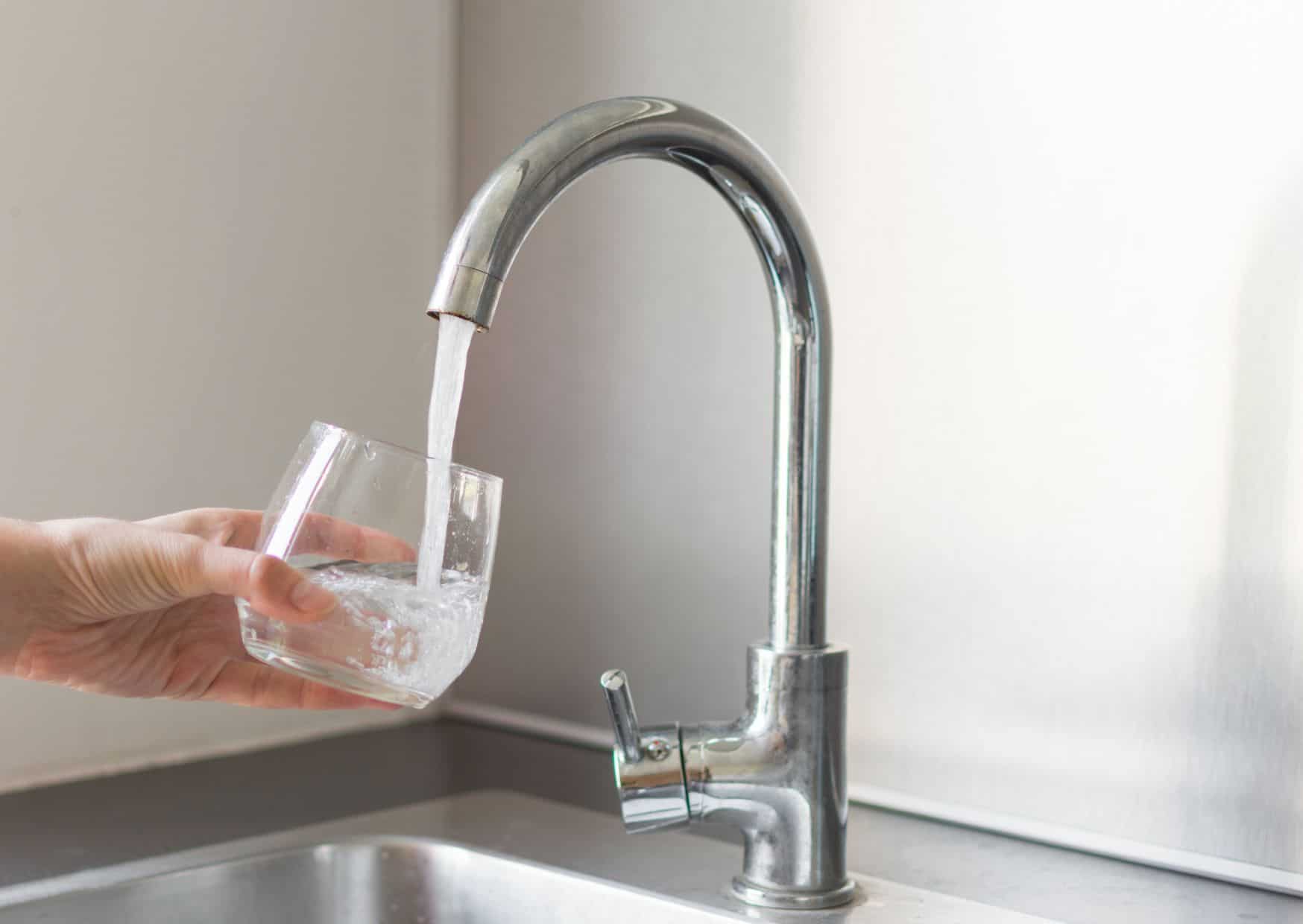
1. Don’t Expect Free Water at Restaurants
Why Americans Get It Wrong:
In the U.S., tap water is always free and refilled automatically at restaurants.
In most of Europe, you must ask for water, and it’s usually bottled—and not free.
What to Do Instead:
If you want free tap water, ask “Can I have tap water, please?” (some restaurants will refuse).
If you order still or sparkling water, be prepared to pay for it.
Avoid:
Assuming free refills—water, soda, and coffee often don’t come with refills.
Getting upset when charged for water—it’s normal.
2. Keep Your Voice Down in Public Places
Why Americans Get It Wrong:
In the U.S., loud conversations in public are normal.
In many European countries, talking loudly—especially in restaurants, on trains, or in public squares—is seen as disruptive.
What to Do Instead:
Speak at a moderate volume to avoid drawing attention.
Observe how locals interact—if they are speaking quietly, do the same.
Avoid:
Yelling across a restaurant or train to get someone’s attention.
Talking loudly on public transport—locals will notice.
3. Don’t Expect Customer Service to Be Like the U.S.
Why Americans Get It Wrong:
In the U.S., customer service is fast, friendly, and highly attentive because employees rely on tips.
In Europe, waiters and cashiers don’t work for tips, so service is more relaxed and efficient—but not overly friendly.
What to Do Instead:
Be patient—waiters won’t check on you constantly, but that doesn’t mean they’re rude.
In many places, you must ask for the check—it won’t be brought automatically.
Avoid:
Snapping fingers or waving to get a waiter’s attention—this is rude.
Expecting small talk or a fake smile—service is professional but not overly warm.
4. Tipping Culture is Very Different
Why Americans Get It Wrong:
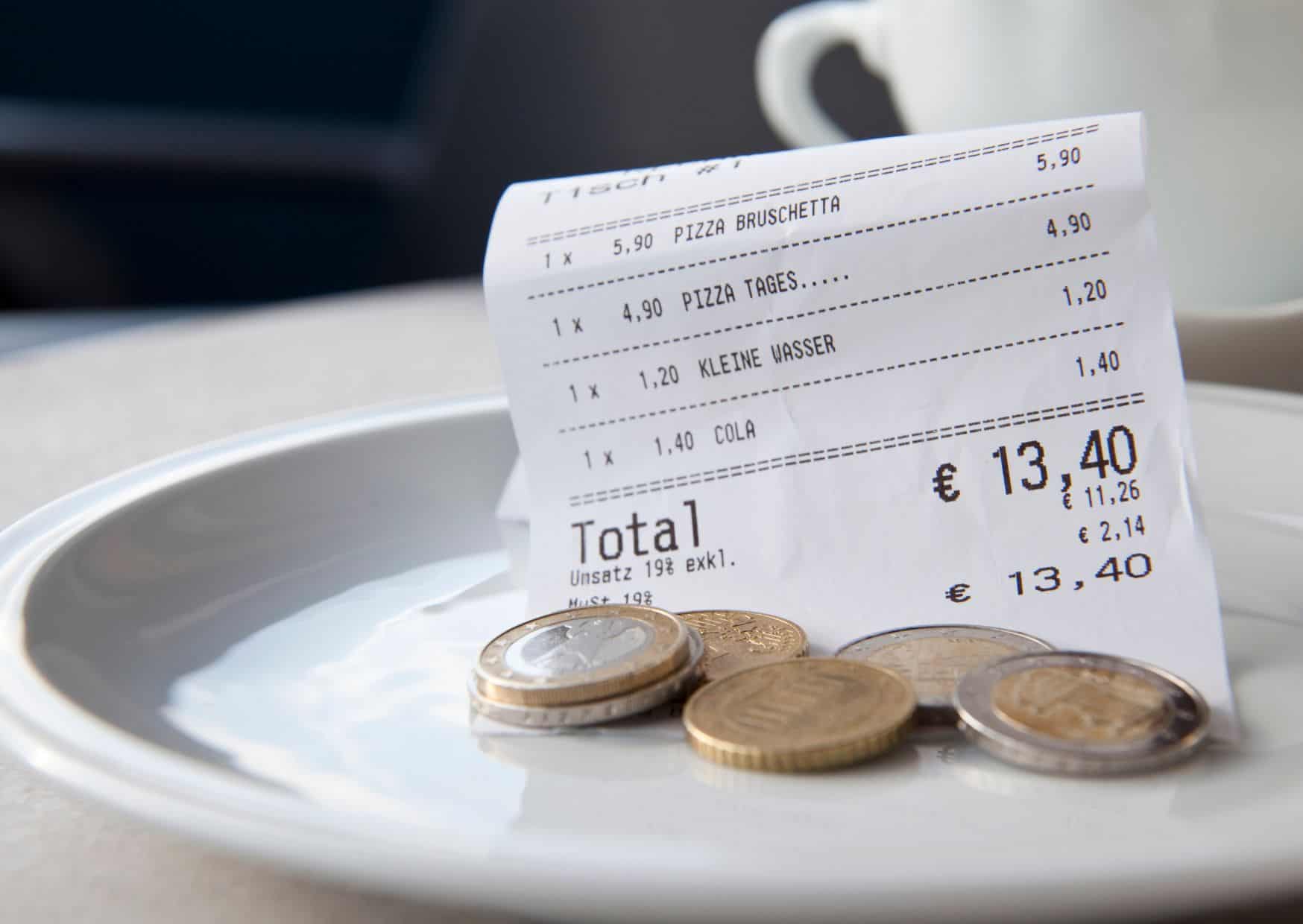
In the U.S., tipping 15-20% is standard, and not tipping is seen as rude.
In most of Europe, service charges are often included in the bill, and tipping is much lower or even unnecessary.
What to Do Instead:
Check the bill—if a service charge (10-15%) is included, you don’t need to tip.
If tipping, round up the bill or leave a small amount (5-10% max).
Avoid:
Leaving a 20% tip—it’s unnecessary and can confuse servers.
Getting upset if a waiter doesn’t act overly grateful for a tip—they don’t rely on them like in the U.S.
5. Learn a Few Local Phrases—English Isn’t Always Enough
Why Americans Get It Wrong:
Many Americans assume everyone speaks English, but in smaller towns or non-touristy areas, this isn’t the case.
Expecting people to switch to English immediately can be seen as arrogant.
What to Do Instead:
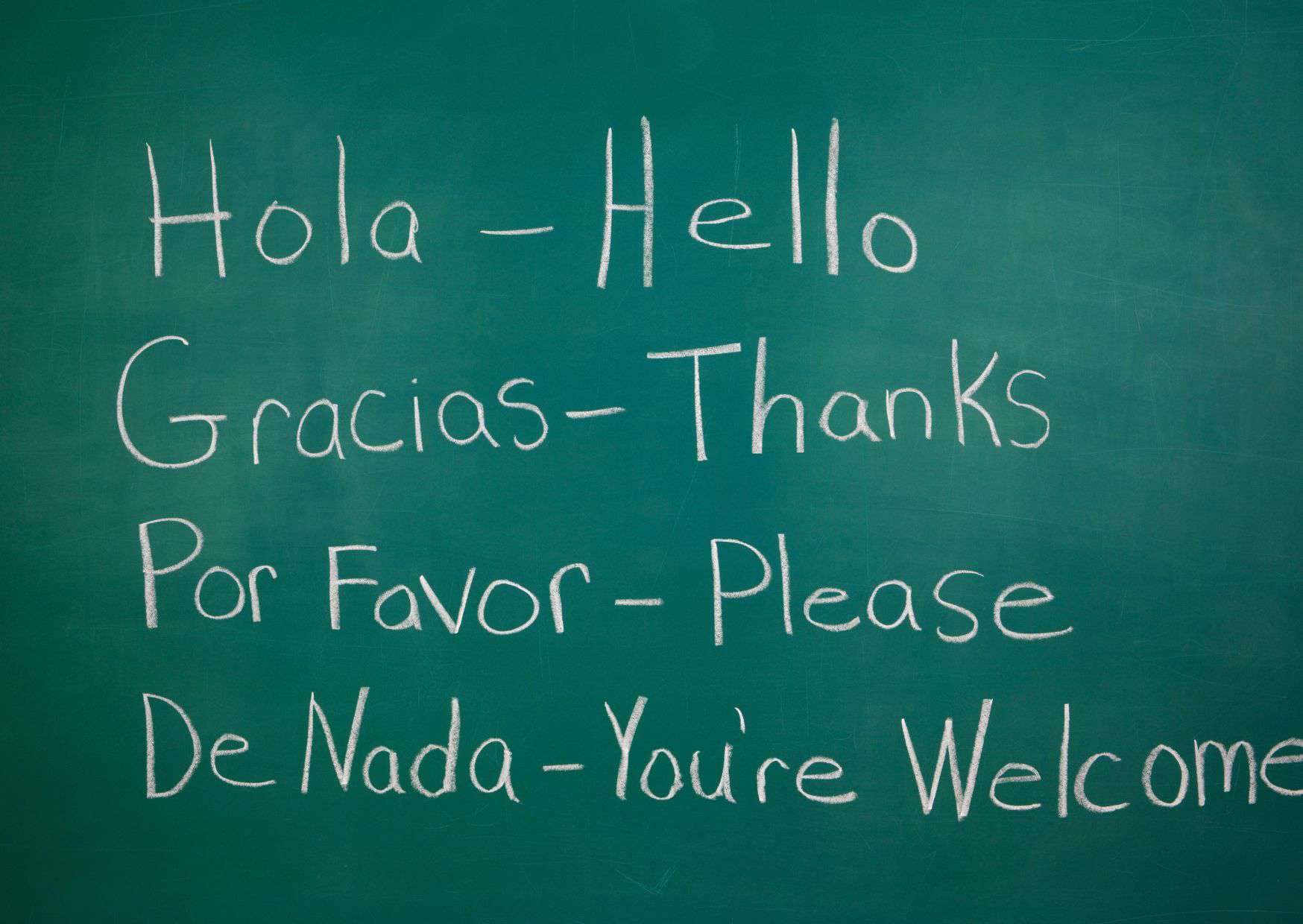
“Bonjour” (France) / “Buongiorno” (Italy) / “Guten Tag” (Germany)
“Thank you” and “please” in the local language.
If you need to ask, start with “Do you speak English?”—this is more polite.
Avoid:
Speaking only in English without trying a local greeting.
Assuming locals will switch to English immediately.
6. Be Mindful of Personal Space
Why Americans Get It Wrong:
In the U.S., people expect a lot of personal space in public.
In many parts of Europe, public spaces are smaller, and standing close to others is normal.
What to Do Instead:
Expect tighter spaces in elevators, trains, and restaurants.
Adapt to local norms—if people stand close in lines, don’t make it awkward.
Avoid:
Giving dirty looks when people stand close—it’s cultural, not rude.
Expecting as much space as in the U.S.—Europe is more compact.
7. Public Bathrooms Often Cost Money

Why Americans Get It Wrong:
In the U.S., public restrooms are usually free in malls, gas stations, and restaurants.
In Europe, many public restrooms require payment (€0.50 to €1.00).
What to Do Instead:
Carry small coins for public restrooms.
If using a café restroom, buy something first—it’s expected.
Avoid:
Complaining about paying for a toilet—it’s normal in Europe.
Expecting every establishment to have a restroom for customers.
8. Walking and Dining Are More Relaxed—Don’t Rush

Why Americans Get It Wrong:
In the U.S., eating quickly and leaving right away is normal.
In Europe, meals are meant to be savored, and walking is a way of life.
What to Do Instead:
Expect to spend longer at meals—servers won’t rush you.
Enjoy walkable cities—many locals walk instead of driving.
Avoid:
Asking for the check immediately—waiters won’t bring it until you ask.
Expecting fast service at restaurants—meals are leisurely.
9. Follow Local Etiquette for Public Transport
Why Americans Get It Wrong:
Public transport is more common in Europe, and each country has its own rules.
In some places, Americans accidentally violate these unspoken rules.
What to Do Instead:
Validate your ticket on buses and trains—some countries fine you if you don’t.
Give up priority seats for elderly or disabled passengers.
On escalators, stand on the right, walk on the left.
Avoid:
Talking loudly on public transport.
Blocking train doors or sitting in priority seats when others need them.
10. Don’t Expect Ice in Drinks
Why Americans Get It Wrong:
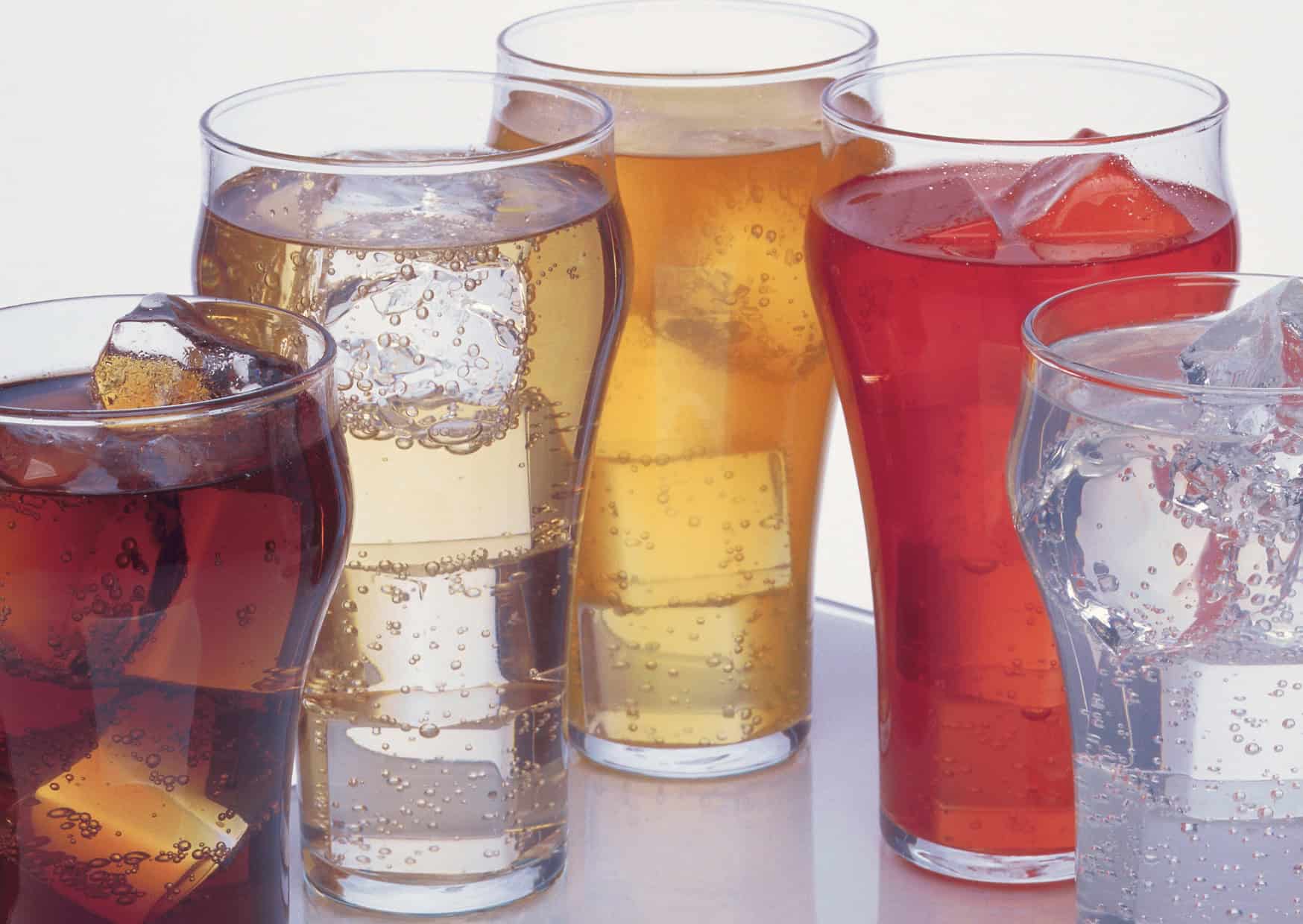
In the U.S., drinks are always served with lots of ice.
In Europe, ice is used sparingly, and many places serve drinks without ice at all.
What to Do Instead:
If you want ice, ask for it—but don’t be surprised if you only get a cube or two.
Accept that cold drinks in Europe aren’t as cold as in the U.S..
Avoid:
Complaining about room-temperature water or soda.
Expecting ice-filled cups like in American restaurants.

About the Author: Ruben, co-founder of Gamintraveler.com since 2014, is a seasoned traveler from Spain who has explored over 100 countries since 2009. Known for his extensive travel adventures across South America, Europe, the US, Australia, New Zealand, Asia, and Africa, Ruben combines his passion for adventurous yet sustainable living with his love for cycling, highlighted by his remarkable 5-month bicycle journey from Spain to Norway. He currently resides in Spain, where he continues sharing his travel experiences with his partner, Rachel, and their son, Han.