
Jet lag can ruin the first few days of your trip, leaving you tired and groggy when you want to be exploring. By avoiding some common mistakes, you can adjust to a new time zone faster and make the most of your trip.
Jet lag doesn’t have to derail your travels. By avoiding these common mistakes—like ignoring your sleep schedule, overloading on caffeine, or failing to stay hydrated—you can minimize the effects of jet lag and adjust quickly to your new destination. Incorporating these tips into your travel routine will help you feel refreshed and ready to explore as soon as you arrive.
Here’s a guide to help you avoid jet lag mistakes and make your travels more enjoyable.
Read here Best eSim for International Travel and Best Travel Insurance Comparison
BOOK YOUR TRAVEL INSURANCE
Two of our favorite travel insurance: Heymondo Vs Safetwing cheapest travel Insurance. You can get for $135 USD your Heymondo Travel Insurance with Heymondo discount code valid for 90 days. Read our full comparison of Genki vs Safetywing Travel Insurance Review and the comparison Heymondo vs Genki
Mistakes To Avoid For Jet Lag
1. Not Adjusting Your Sleep Schedule Before You Travel

Mistake: Many travelers don’t adjust their sleep patterns before flying to a new time zone. This can make the transition to the new schedule more difficult once you arrive.
How to Avoid It:
Gradually adjust your sleep schedule a few days before your trip. If you’re flying east, go to bed and wake up an hour earlier each day. If you’re flying west, stay up later and sleep in.
Use apps like TimeShifter to create a customized jet lag plan based on your flight schedule.
2. Not Staying Hydrated
Mistake: Flying can cause dehydration, and dehydration can worsen the effects of jet lag. Many travelers forget to drink enough water on long-haul flights, especially if they consume caffeine or alcohol.
How to Avoid It:
Drink plenty of water before, during, and after your flight. Bring a refillable water bottle and ask the flight attendants for water if needed.
Avoid excessive alcohol and caffeine, as both can dehydrate you and disrupt your sleep cycle.
3. Sleeping Too Much on the Plane
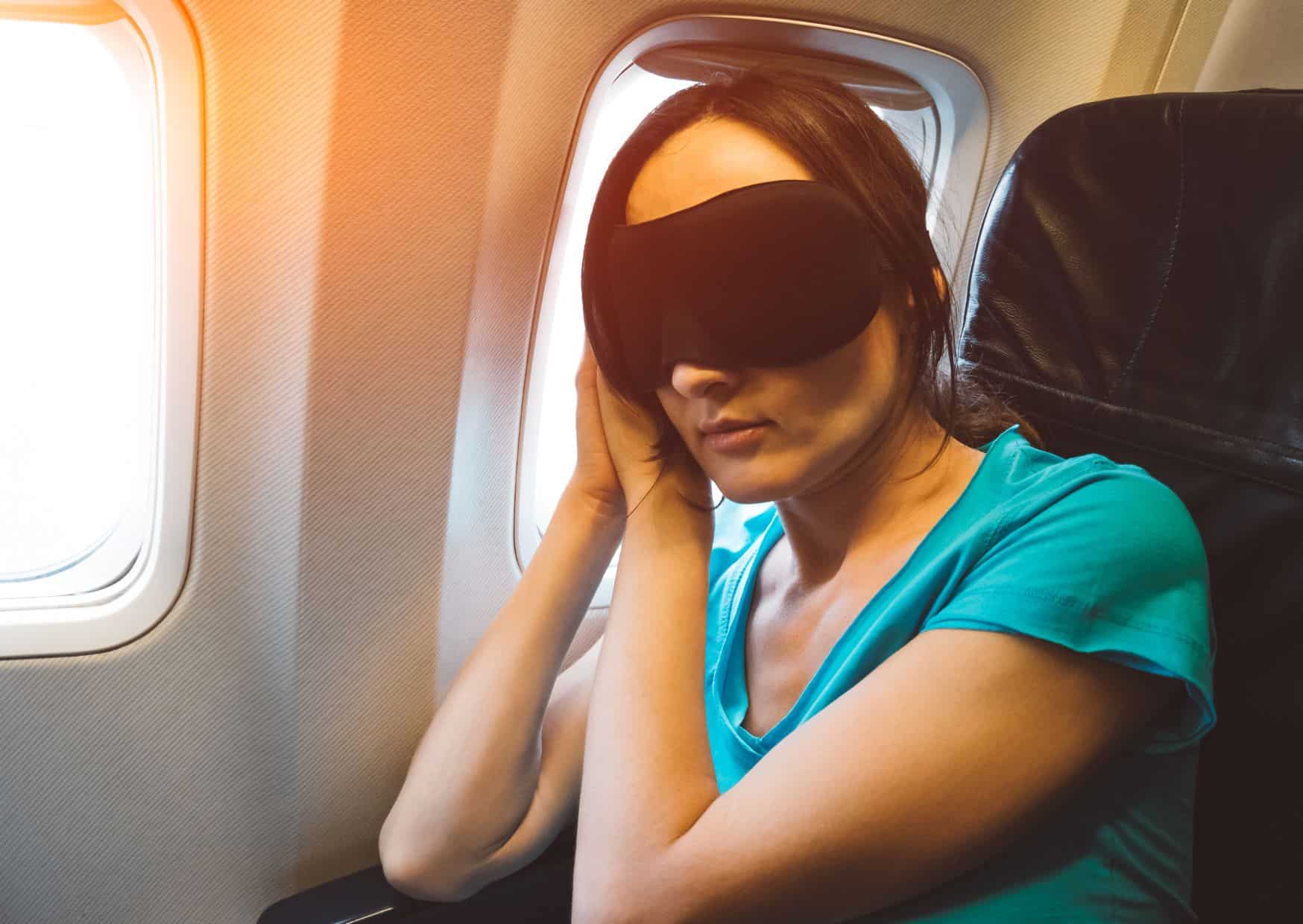
Mistake: Sleeping too much or at the wrong time on the flight can throw off your adjustment to the new time zone, especially if you’re arriving in the morning or afternoon.
How to Avoid It:
Time your sleep based on your destination’s time zone. If you’re flying overnight and landing in the morning, try to sleep on the plane. If you’re arriving at night, stay awake as much as possible during the flight so you’ll be tired when you land.
Use an eye mask, earplugs, and neck pillow to make sleeping on the plane easier if it aligns with your new time zone.
4. Ignoring the Importance of Light Exposure
Mistake: Failing to manage light exposure can prolong jet lag. Your body clock is heavily influenced by light, and staying indoors or using devices can throw it off even more.
How to Avoid It:
Expose yourself to natural light as soon as possible after arriving at your destination, especially in the morning. Sunlight helps regulate your internal clock.
Avoid bright light (especially blue light from screens) at night if you’re adjusting to a new time zone.
5. Not Prioritizing Sleep Hygiene
Mistake: Many travelers don’t take steps to create an ideal sleep environment, making it harder to fall asleep in an unfamiliar place.
How to Avoid It:
Practice good sleep hygiene by making your hotel room or accommodation conducive to sleep. Use blackout curtains, a sleep mask, or earplugs to block out light and noise.
Avoid screens and stimulating activities before bed. Instead, read a book or meditate to relax your mind.
6. Overloading on Caffeine

Mistake: It’s tempting to rely on coffee or energy drinks to power through the day, especially when you’re feeling the effects of jet lag. However, too much caffeine can disrupt your sleep and make adjusting to the new time zone harder.
How to Avoid It:
Limit caffeine consumption to the morning or early afternoon. This allows your body to wind down naturally in the evening.
If you need an energy boost, try taking a short nap (no longer than 20 minutes) to avoid caffeine dependence.
7. Napping for Too Long
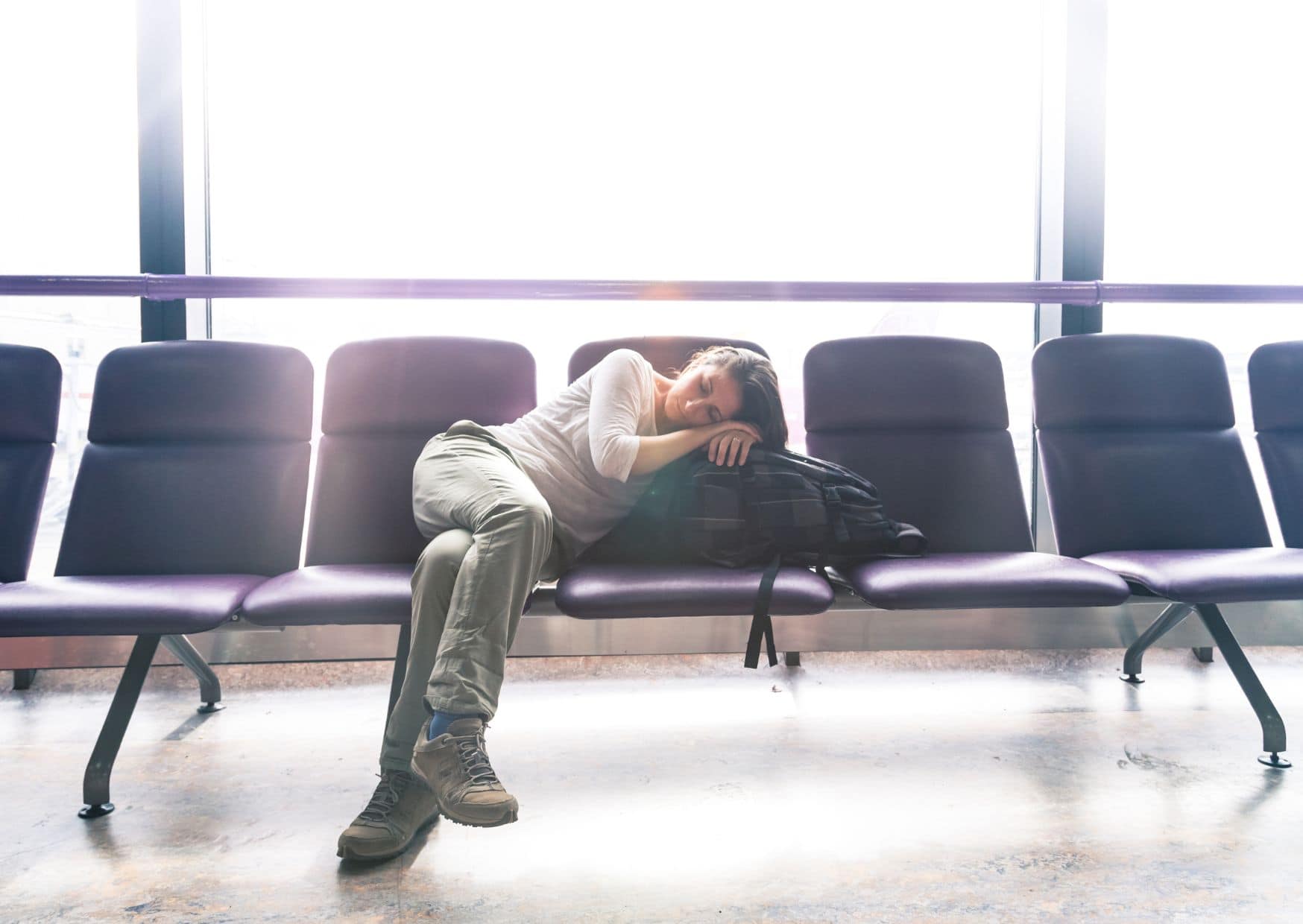
Mistake: Taking long naps during the day can mess with your body clock and make it harder to sleep at night.
How to Avoid It:
If you feel the need to nap, keep it short (20-30 minutes max). Power naps can boost your energy without interfering with your ability to sleep at night.
Avoid napping if possible, especially close to your new bedtime.
8. Eating Heavy Meals at the Wrong Time

Mistake: Eating large meals late at night or right before bed can disrupt your sleep, especially if your body is still adjusting to a new time zone.
How to Avoid It:
Eat meals according to the local time at your destination. This helps your body adjust to the new time zone faster.
Stick to light, healthy meals in the evening, and avoid heavy, rich, or spicy foods right before bed.
9. Not Moving Around on the Flight
Mistake: Sitting still for long periods during a flight can make you feel sluggish, contribute to jet lag, and increase the risk of developing conditions like deep vein thrombosis (DVT).
How to Avoid It:
Get up and walk around the cabin every hour or two during the flight.
Do simple in-seat stretches to improve circulation and reduce muscle stiffness.
Stay active during the day when you arrive at your destination to help fight fatigue.
10. Ignoring the Importance of Time Zone Adjustments
Mistake: Some travelers forget to adjust their watches, devices, and internal clocks to their destination’s time zone, leading to confusion and further disrupting their sleep schedule.
How to Avoid It:
Set your watch and phone to the destination’s time zone as soon as you board the plane to mentally prepare yourself for the new schedule.
Try to follow the local schedule immediately upon arrival, even if you’re tired. This means staying awake until local bedtime or waking up early to align with the time zone.
11. Using Sleep Medications Excessively

Mistake: Over-relying on sleeping pills or medications to adjust your sleep schedule can make it harder for your body to naturally adapt to the new time zone.
How to Avoid It:
Use melatonin supplements or natural sleep aids sparingly to help regulate your sleep. Melatonin can be particularly helpful when crossing multiple time zones.
Avoid using prescription sleeping pills regularly as they can leave you feeling groggy and disrupt your natural sleep cycle.
12. Skipping the First Day’s Adjustment
Mistake: Many travelers give in to their fatigue and go straight to sleep upon arriving at their destination, which can prolong jet lag.
How to Avoid It:
Stay awake and active until the local bedtime, no matter how tired you are. This will help you adjust to the new time zone faster.
Spend time outdoors, explore the city, or take a walk to get your body moving and adjust to the new schedule.

About the Author: Ruben, co-founder of Gamintraveler.com since 2014, is a seasoned traveler from Spain who has explored over 100 countries since 2009. Known for his extensive travel adventures across South America, Europe, the US, Australia, New Zealand, Asia, and Africa, Ruben combines his passion for adventurous yet sustainable living with his love for cycling, highlighted by his remarkable 5-month bicycle journey from Spain to Norway. He currently resides in Spain, where he continues sharing his travel experiences with his partner, Rachel, and their son, Han.