
And why the very things that look risky to outsiders are often what make locals stronger, calmer, and more in tune with their bodies.
In the United States, wellness is often shaped by control. Rules, trackers, supplements, and constant monitoring dominate the health space. Americans love data. They love structure. And they’re quick to label anything unapproved, unquantified, or unstandardized as a threat to health.
But in Mediterranean countries, health is less prescriptive and more intuitive. People move differently. Eat more freely. Sleep when they’re tired. Talk loudly, eat slowly, and walk often.
And they engage in practices that, to many Americans, might seem reckless — or even dangerous.
But dig deeper, and you’ll see that these “bad habits” are tied to longevity, strong social ties, and low rates of chronic illness.
Here are 9 health habits Mediterranean people maintain that Americans often mistrust — and why they might not be so dangerous after all.
Want More Deep Dives into Everyday European Culture?
– Why Europeans Walk Everywhere (And Americans Should Too)
– How Europeans Actually Afford Living in Cities Without Six-Figure Salaries
– 9 ‘Luxury’ Items in America That Europeans Consider Basic Necessities
1. Eating Dinner at 10 P.M.
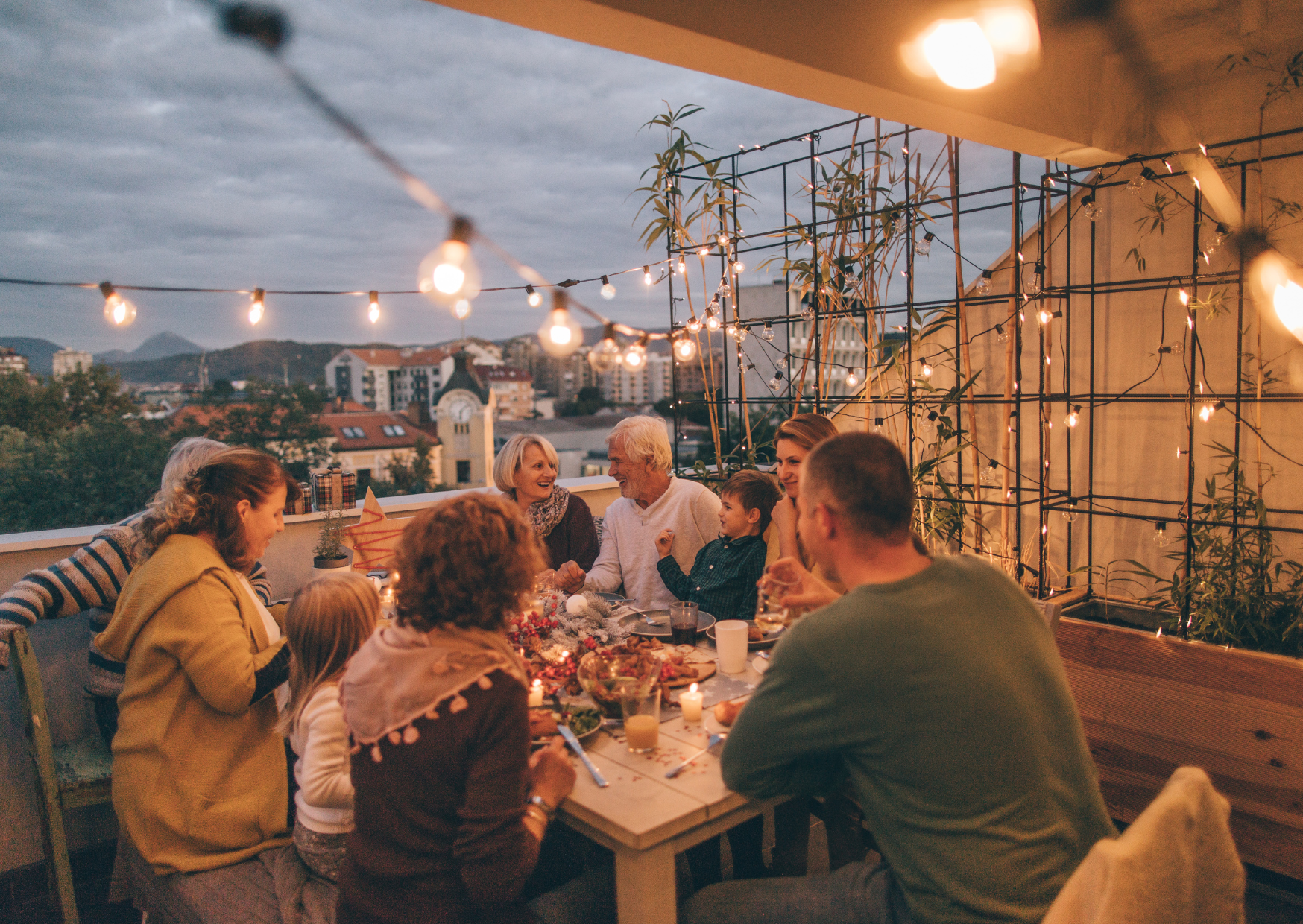
In much of Spain and parts of southern Italy, dinner doesn’t begin until 9 or even 10 p.m. Families sit down together under warm lights, sharing multiple courses and long conversations well into the night.
To many Americans, eating that late seems like a recipe for acid reflux, poor sleep, or weight gain. Conventional advice in the U.S. recommends finishing your last meal at least two hours before bed.
But Mediterranean people often take a late walk after dinner, and their evening meals are lighter and more social — often centered on fresh vegetables, legumes, fish, and fruit.
There’s less snacking, less processed food, and almost no eating in isolation. The structure of meals, even if late, provides rhythm rather than chaos.
The hidden benefit? Late-night eating is offset by portion control, movement, and calm social eating — not frantic grazing under stress.
2. Letting Children Play Barefoot and Shirtless Outdoors

Across Mediterranean coasts and villages, it’s common to see toddlers and young children playing outdoors without shoes, shirts, or hats. They roll in dirt. They nap on beach towels. They get wet, then dry off in the sun.
In the U.S., this would trigger concern: no shoes on pavement? No sun protection? Dirty hands before lunch?
But here, childhood is treated as something earthy, physical, and autonomous. Skin touches soil. Water touches skin. Scrapes happen. And life continues.
Medical studies support the long-term health benefits of moderate microbial exposure. The immune systems of Mediterranean children often benefit from their early, unsanitized connection with nature.
The hidden benefit? A stronger gut microbiome, lower allergy rates, and a more relaxed relationship with nature.
3. Napping in the Middle of the Day
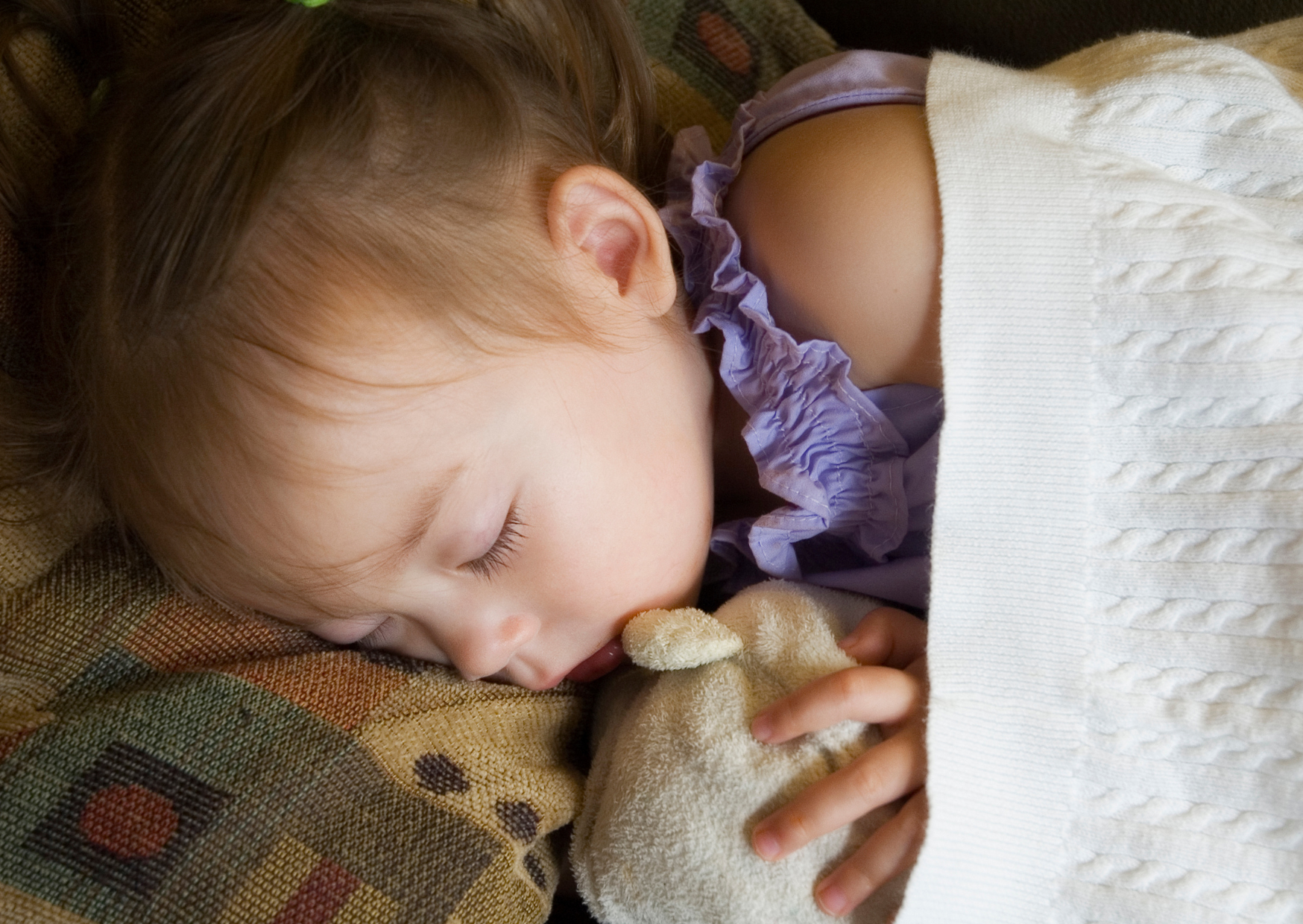
The siesta is more than a stereotype. In rural areas and among older generations, pausing in the middle of the day — especially during the heat — is normal.
Shops close. Curtains are drawn. People sleep.
To Americans, this feels lazy. Or at least inefficient. In a culture that praises hustle and extended work hours, daily naps are often dismissed as indulgent.
But Mediterranean naps are short — often 20–30 minutes — and align with natural circadian rhythms. People rest when the sun is high, then continue their work in the evening with clarity and focus.
Studies consistently show that short naps improve cognitive function, reduce stress, and even support heart health.
The hidden benefit? Increased productivity, reduced burnout, and lower risk of cardiovascular disease.
4. Drinking Alcohol Every Day — With Lunch
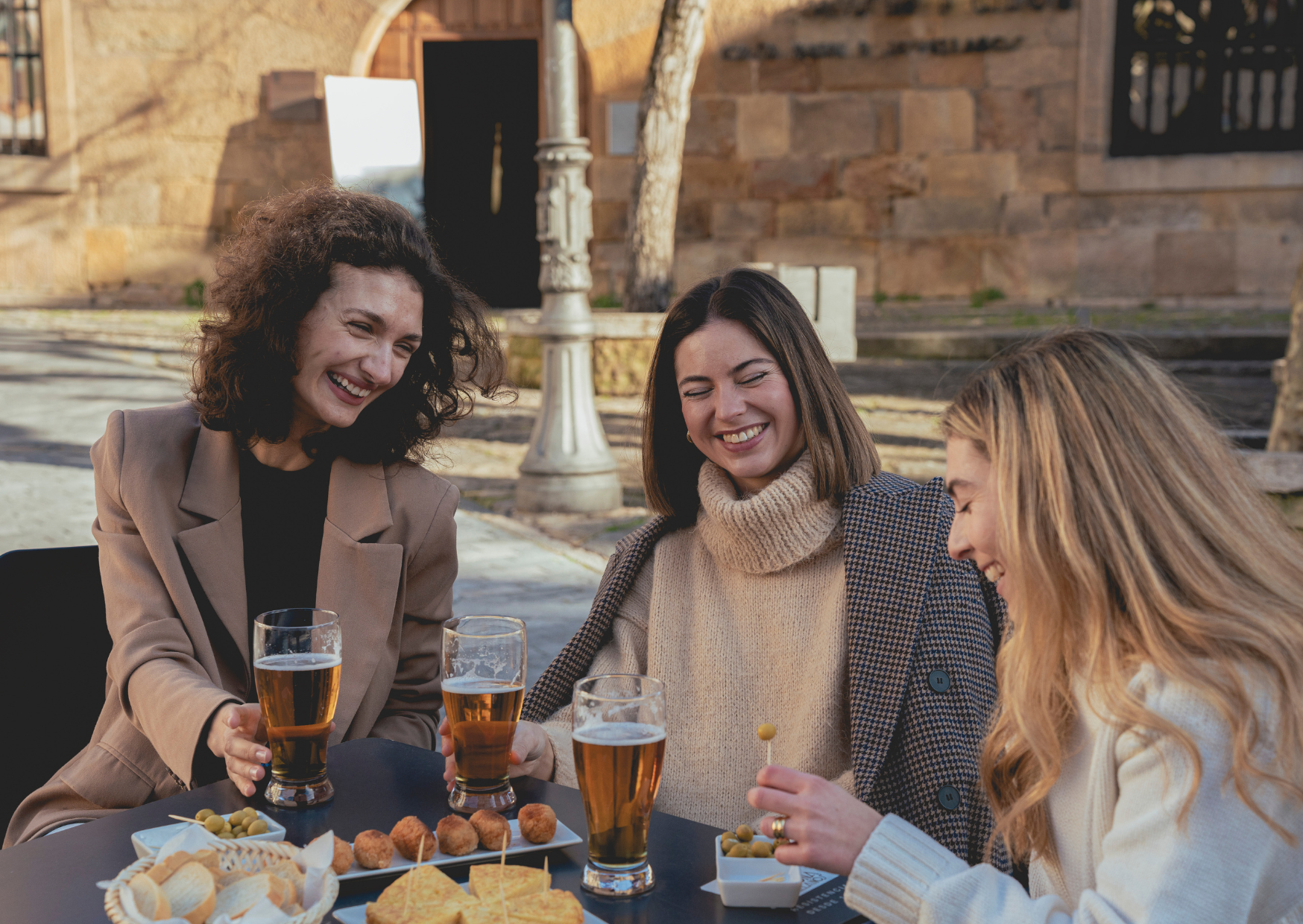
Many Mediterranean adults drink wine or beer daily. Not in excess. Not to escape. But as part of their meals.
Wine is typically served in moderation, often watered down at home, and consumed slowly over food and conversation.
To American public health standards, daily drinking is usually discouraged. Alcohol is framed as a slippery slope, with abstinence as the gold standard.
But context matters. In the Mediterranean, alcohol is demystified early. It’s not tied to rebellion or escape. Children see it consumed responsibly and slowly.
In places like Sardinia or Crete — both Blue Zones with exceptionally high life expectancy — wine is treated as a digestive aid and a social tool, not a vice.
The hidden benefit? Lower stress levels, cardiovascular support from moderate wine intake, and stronger meal-based social cohesion.
5. Eating Full-Fat Dairy and White Bread Daily
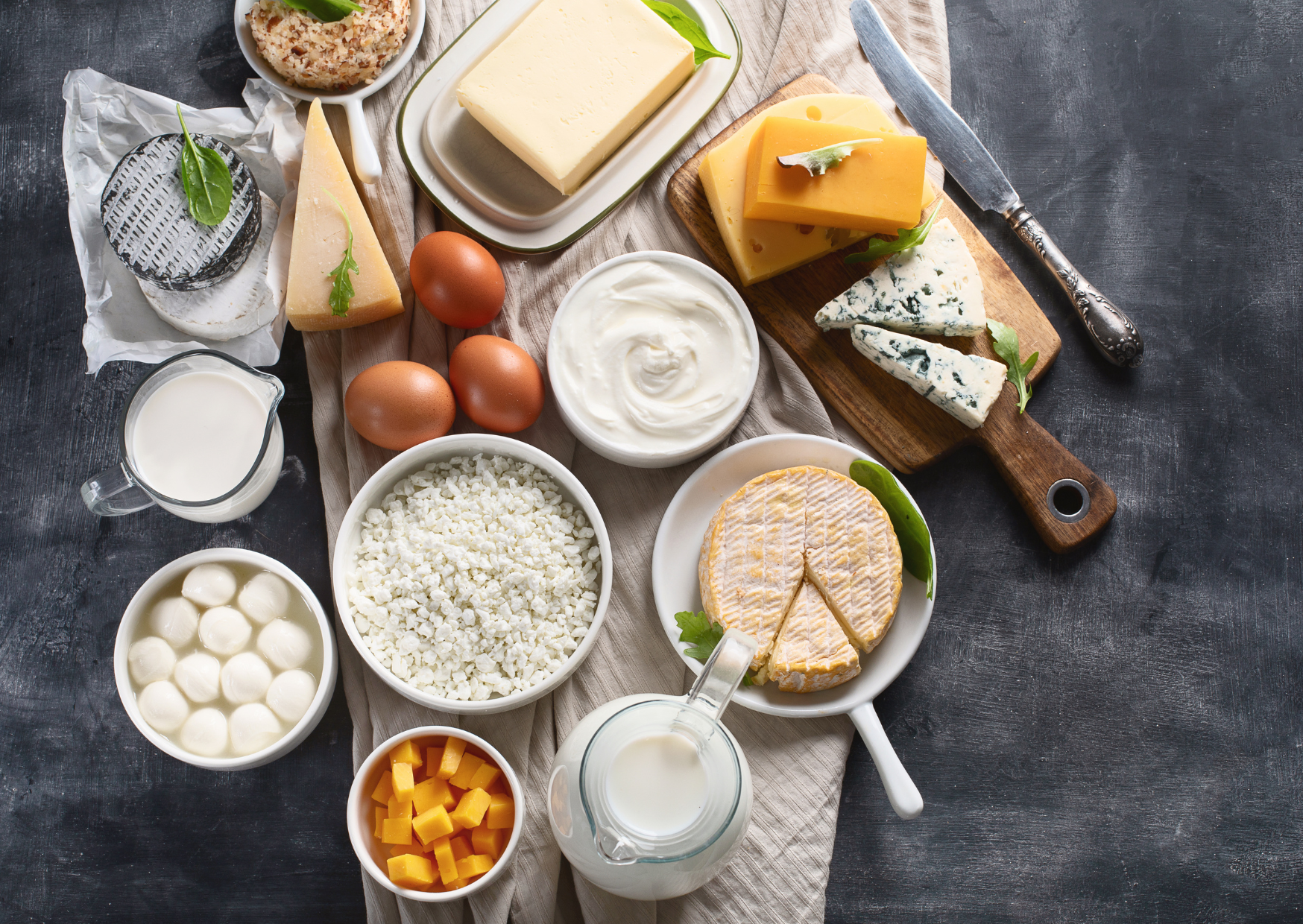
From thick sheep’s milk yogurt in Greece to slices of white crusty bread in Spain, the Mediterranean diet is full of ingredients that American dieters often avoid.
Low-fat? Rarely. Gluten-free? Only if medically necessary. Skim milk? Practically unheard of.
Yet rates of obesity and metabolic syndrome remain significantly lower than in the U.S. Why?
Because what matters more than fat percentage is frequency, variety, and how food is consumed. Full-fat dairy, when eaten with fruit or grains and in moderation, provides healthy fats and satiety. Bread is paired with olive oil, not hidden sugars.
Portions are smaller. Meals are sacred. There’s no eating in traffic or while emailing.
The hidden benefit? Less binge behavior, more nutrient absorption, and greater food satisfaction with fewer calories.
6. Letting the Elderly Stay Independent — Even Alone
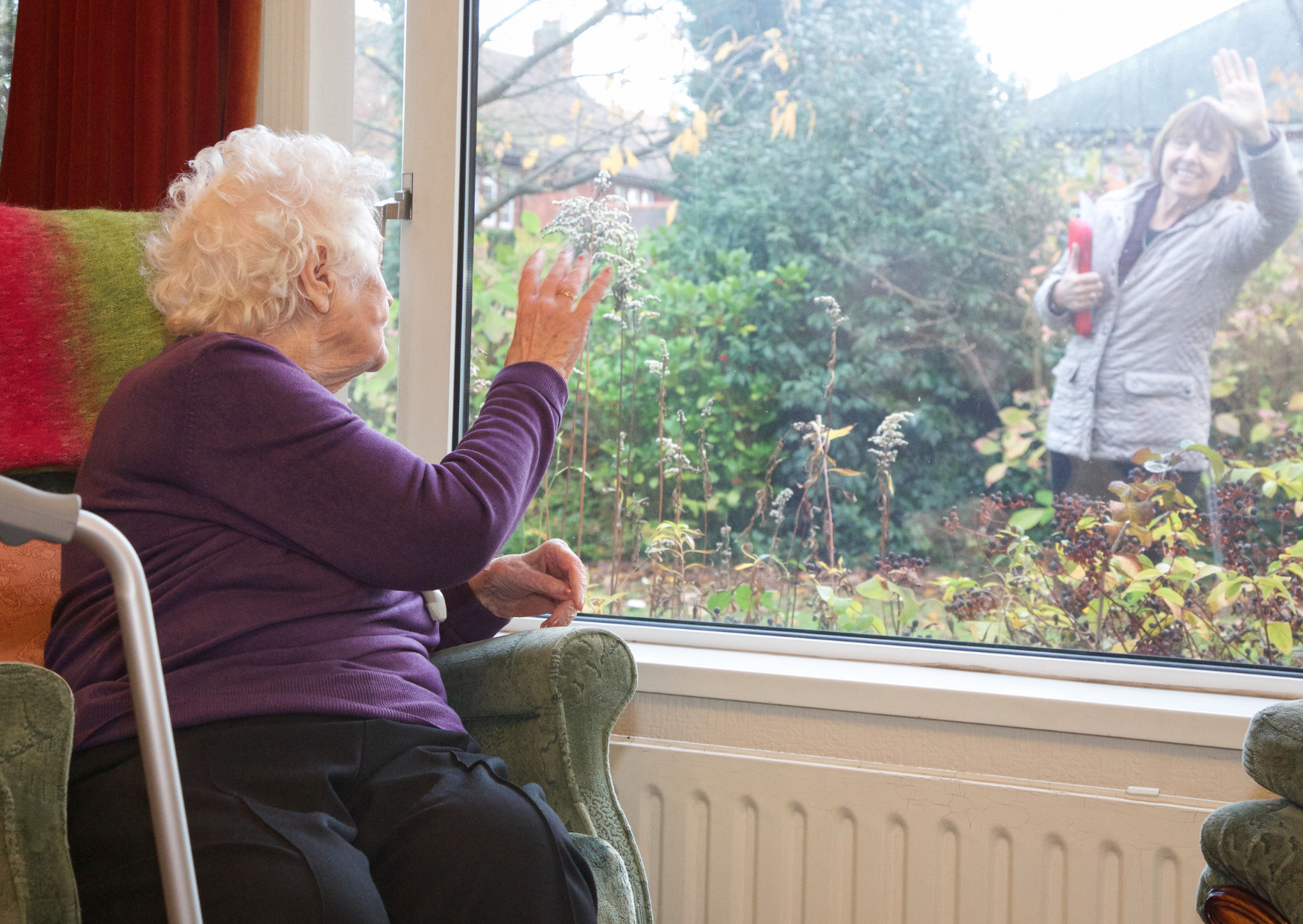
In many Mediterranean towns, you’ll see elderly people walking alone with a cane, carrying groceries, or sitting in town squares unaccompanied.
They live at home, not in retirement facilities. They cook, clean, and make social rounds — without constant oversight.
To many Americans, this seems risky. Shouldn’t there be more supervision? Isn’t it unsafe?
But Mediterranean communities are structured differently. Streets are walkable. Neighbors are involved. Independence is seen as health-supporting, not dangerous.
Keeping the elderly active in daily life — with autonomy and routine — is linked to better mental health, slower cognitive decline, and stronger physical outcomes.
The hidden benefit? Physical activity, purpose, and reduced loneliness — without overmedicalizing age.
7. Letting Children Skip School for Family Life
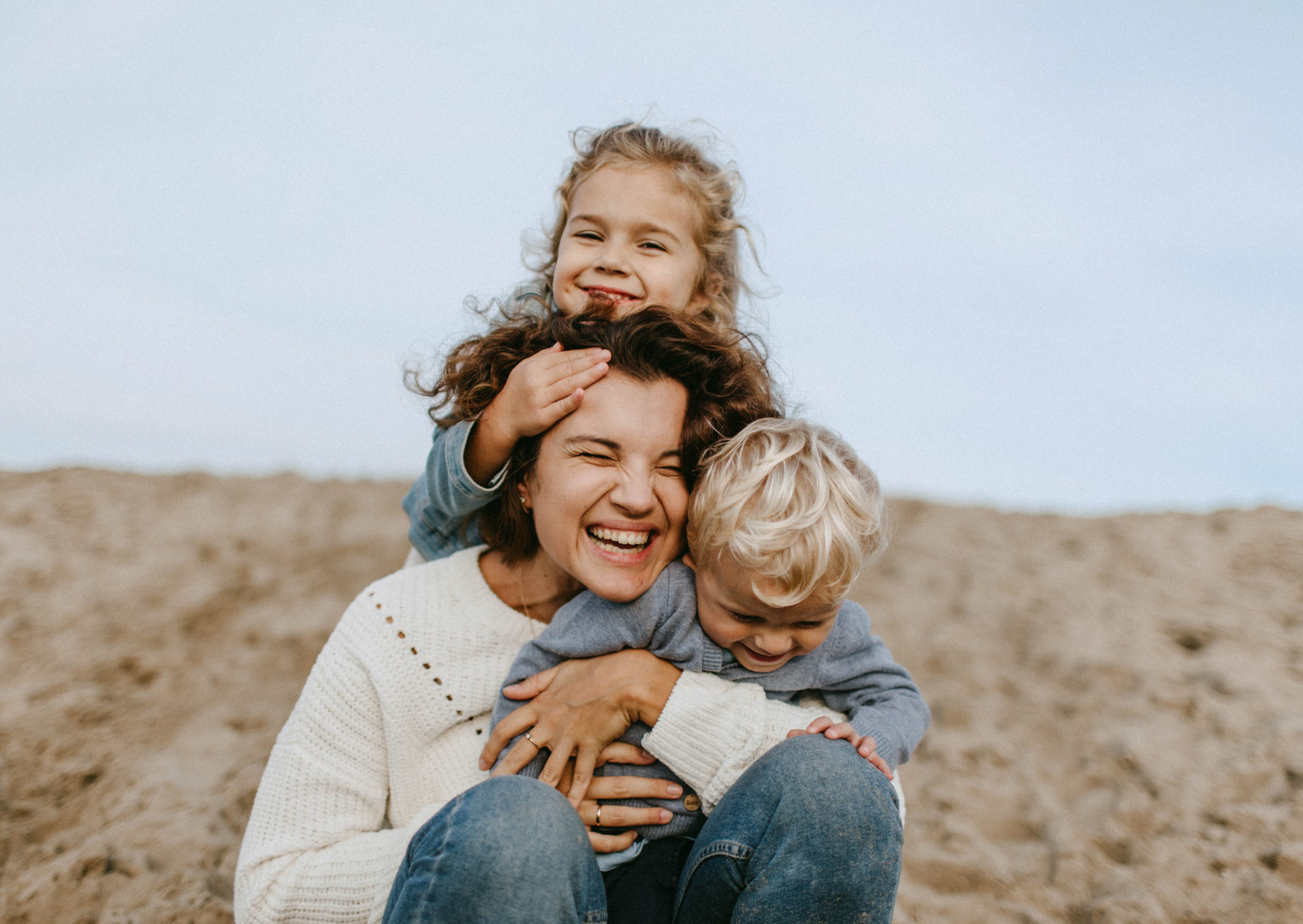
It’s not uncommon in Mediterranean countries for children to miss a day of school for a family celebration, a saint’s feast day, or a seasonal farm task.
In America, school attendance is closely tracked. Missing days can result in formal notices, parent shaming, or administrative intervention.
But here, education is seen holistically. A child who attends a multigenerational lunch, helps make sausages with a grandparent, or travels with their family isn’t considered behind — they’re considered enriched.
This slower rhythm contributes to lower stress levels, stronger family identity, and less rigid pressure to perform.
The hidden benefit? Greater intergenerational learning, emotional intelligence, and a more balanced childhood.
8. Touching, Kissing, and Crowding — Even During Flu Season
Mediterranean people are tactile. Greetings include cheek kisses. Conversations happen close. Tables are shared. Streets are crowded.
Even during flu season — or in years when viruses make headlines — distancing is rare.
To Americans, this feels reckless. Personal space is sacred. Touch is reserved. A sniffle might mean isolation.
But touch is essential to human health. Physical affection is linked to oxytocin release, reduced cortisol levels, and stronger immune function.
Mediterranean cultures build resilience not by isolating at the first sign of illness, but by strengthening immune and emotional ties all year long.
The hidden benefit? Less loneliness, stronger community ties, and physiological responses that promote healing.
9. Ignoring Fitness Trends — and Walking Everywhere Instead
Gyms are far less common in many Mediterranean towns. Fitness classes exist, but most people don’t track steps or count reps.
What they do instead is walk. To the market. To a friend’s house. To school. They sweep courtyards, knead dough, hang laundry, pick herbs.
It’s called non-exercise activity thermogenesis — movement that burns energy without feeling like a workout. And it contributes to the region’s famously healthy, long-lived populations.
To Americans, who are taught to exercise in short, intense bursts between long periods of sitting, this looks unproductive. Where’s the sweat? Where’s the data?
But Mediterranean bodies age slower, retain mobility, and avoid many of the lifestyle diseases tied to inactivity.
The hidden benefit? Sustainable physical health without the pressure to “train.”
One Culture’s Risk Is Another’s Rhythm
The American idea of health is grounded in prevention through restriction — eliminate, avoid, abstain.
The Mediterranean idea of health is rooted in balance through immersion — touch, taste, walk, rest.
This isn’t to say one is universally better. But it’s a reminder that wellness isn’t always found in apps and rules. Sometimes, it’s in the simple, habitual rhythms that don’t look like health trends at all.
Mediterranean people have figured out how to live well, not just survive well.
And maybe that’s the real health revolution Americans haven’t tried yet.

About the Author: Ruben, co-founder of Gamintraveler.com since 2014, is a seasoned traveler from Spain who has explored over 100 countries since 2009. Known for his extensive travel adventures across South America, Europe, the US, Australia, New Zealand, Asia, and Africa, Ruben combines his passion for adventurous yet sustainable living with his love for cycling, highlighted by his remarkable 5-month bicycle journey from Spain to Norway. He currently resides in Spain, where he continues sharing his travel experiences with his partner, Rachel, and their son, Han.