
And What That Reveals About Daily Joy, Social Rituals, and a Different Sense of Value
Americans are often taught to maximize value. Save money where you can. Don’t spend on “non-essentials.” Efficiency is a virtue, and the quickest path to financial success is avoiding frivolity.
In Spain, that logic doesn’t always hold.
From weekday café stops to multi-hour meals, Spanish spending habits can look “wasteful” to Americans who calculate costs with spreadsheets and cost-per-use math. But what looks indulgent or inefficient from the outside often reflects a deeper set of priorities — rooted in community, time, and small-scale pleasure.
Here are nine everyday expenses that many Americans skip or judge, but that Spanish people happily embrace — and why.
1. Daily Café Visits (Even When There’s a Coffee Machine at Home)
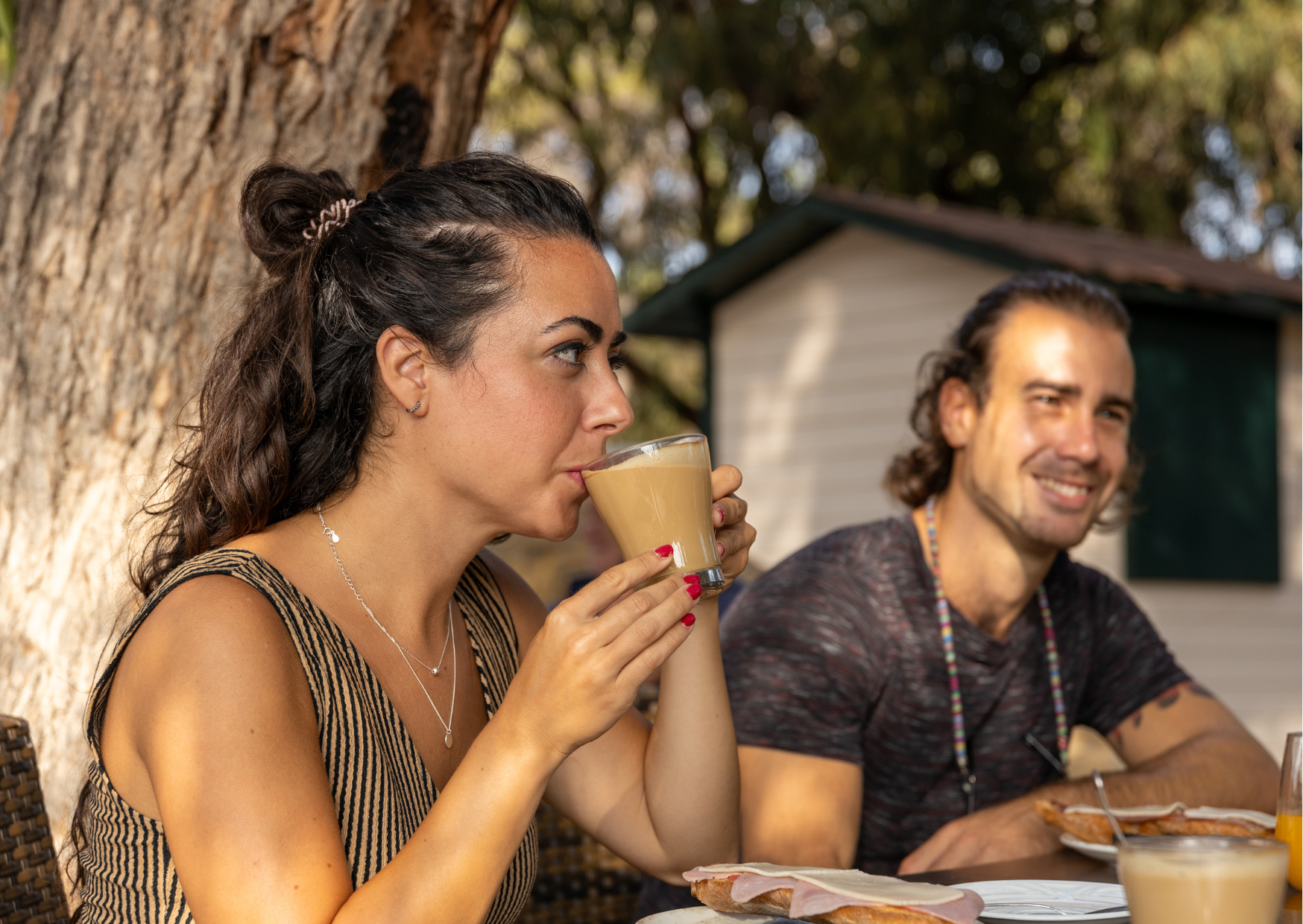
Walk through any Spanish town at 10:30 a.m. and you’ll notice something: cafés are full. Not with tourists, but with locals — retirees reading the paper, office workers on a break, teachers between classes.
The price of a coffee might only be €1.20. But the ritual is priceless.
Americans often see daily café spending as indulgent. Why pay for coffee out when you can brew it at home for cents?
In Spain, the café is less about caffeine and more about rhythm. It’s a pause in the day. A reason to leave the house. A reliable setting for connection or solitude. And it’s remarkably affordable compared to the $5+ lattes that define café culture in the U.S.
What seems like a daily splurge is, in fact, a subtle investment in mental health and community presence.
2. Lunch Menús That Take 90 Minutes (During a Workday)
In the U.S., lunch is often rushed. Eaten at your desk, between meetings, or in your car. The goal is to refuel, not reset.
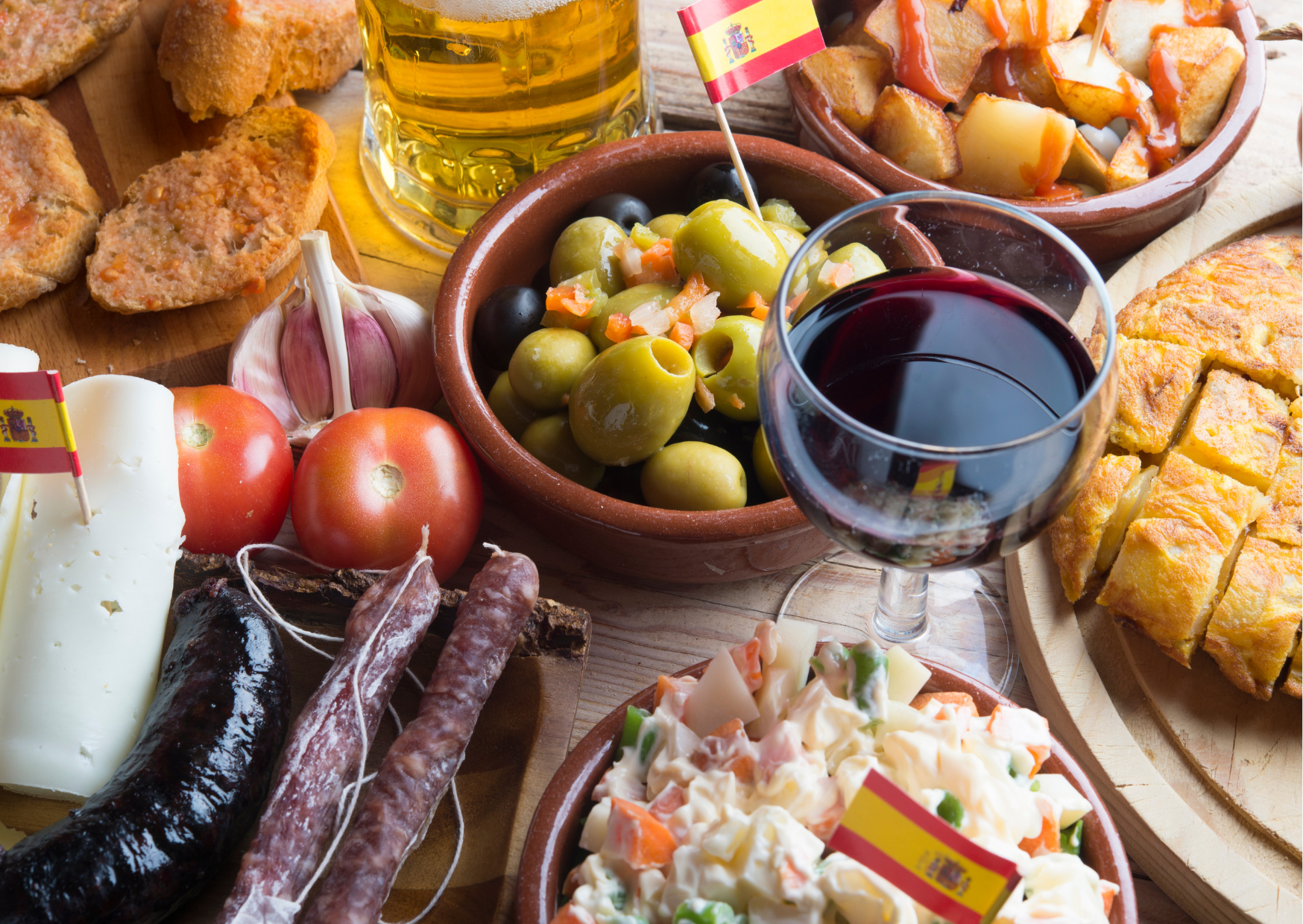
In Spain, even on weekdays, lunch can be a three-course meal served over 90 minutes. The “menú del día” is common in restaurants and includes a starter, main dish, drink (often wine or beer), dessert or coffee — all for €12 to €18.
For Americans, that can feel both excessive and inefficient. But in Spain, lunch is the main meal of the day. It’s also when people decompress, connect with coworkers, or take a real mental break before resuming the afternoon.
What looks wasteful in time and money often delivers long-term productivity through rhythm, digestion, and rest — values that often go ignored in the American work grind.
3. Clothing Repairs and Tailoring
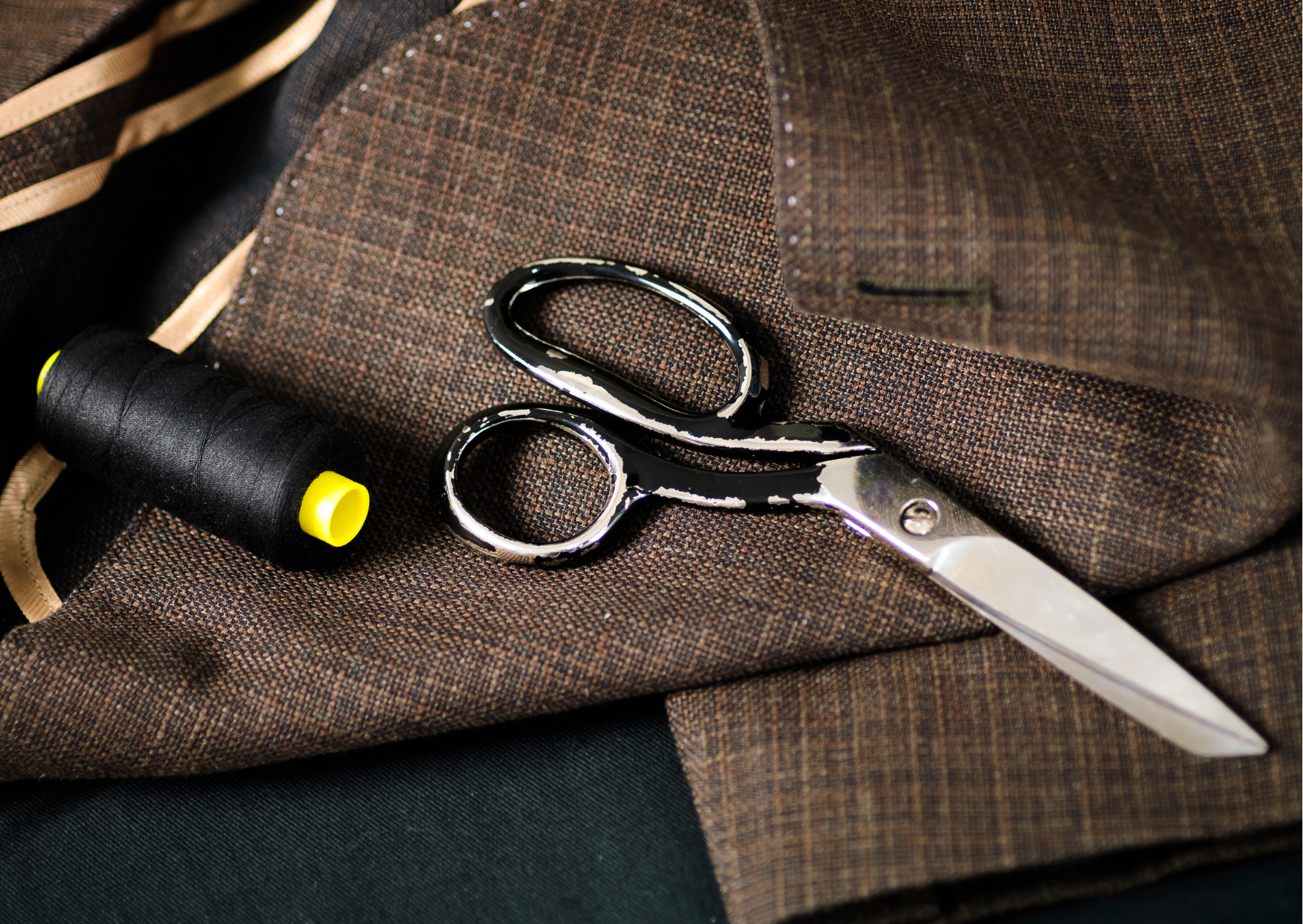
In many Spanish households, a broken zipper or worn-out shoe doesn’t mean it’s time to replace the item. It means it’s time for the local tailor or shoe repair shop.
To Americans accustomed to fast fashion and Amazon returns, this seems outdated. Why fix something when you can replace it — newer, faster, probably cheaper?
But for many Spaniards, repairing clothing is about respect for the item, avoiding waste, and supporting local artisans. A €15 fix is not seen as wasteful, but wise — especially when the item has sentimental or lasting value.
This quiet economy of preservation flies in the face of American convenience culture — and holds the line against disposable habits.
4. Apartment Rentals in the Center (Even if It Means Less Space)

Many American expats are surprised to learn that spacious suburban homes are not always the goal in Spain. In fact, Spanish families often choose smaller apartments in central areas — close to markets, schools, parks, and daily life — even if that means sacrificing square footage.
Why? Because what you gain in accessibility, community, and walkability outweighs what you lose in closet space or backyards.
Americans may see it as wasteful to pay higher rent for “less house.” But to Spaniards, it’s a way to live more freely — with fewer commutes, stronger neighborhood ties, and less dependence on cars.
Time, in this case, is the true luxury.
5. Keeping Two Mobile Plans in the Household

It’s common in Spain for each adult to have their own mobile plan — even retirees. Many households also keep a separate internet plan for the home, plus a landline.
To an American eye, this redundancy feels inefficient. Couldn’t those costs be bundled? Isn’t a landline obsolete?
But in Spain, having distinct personal lines is tied to independence and practicality. Mobile plans are generally inexpensive, and many people resist bundling services from a single provider out of habit — or a desire to avoid getting locked in.
What seems “disorganized” or outdated from the outside often reflects a different tolerance for fragmentation — and a lower cultural obsession with optimization.
6. Paying for Newspapers and Magazines (That Could Be Read Online)
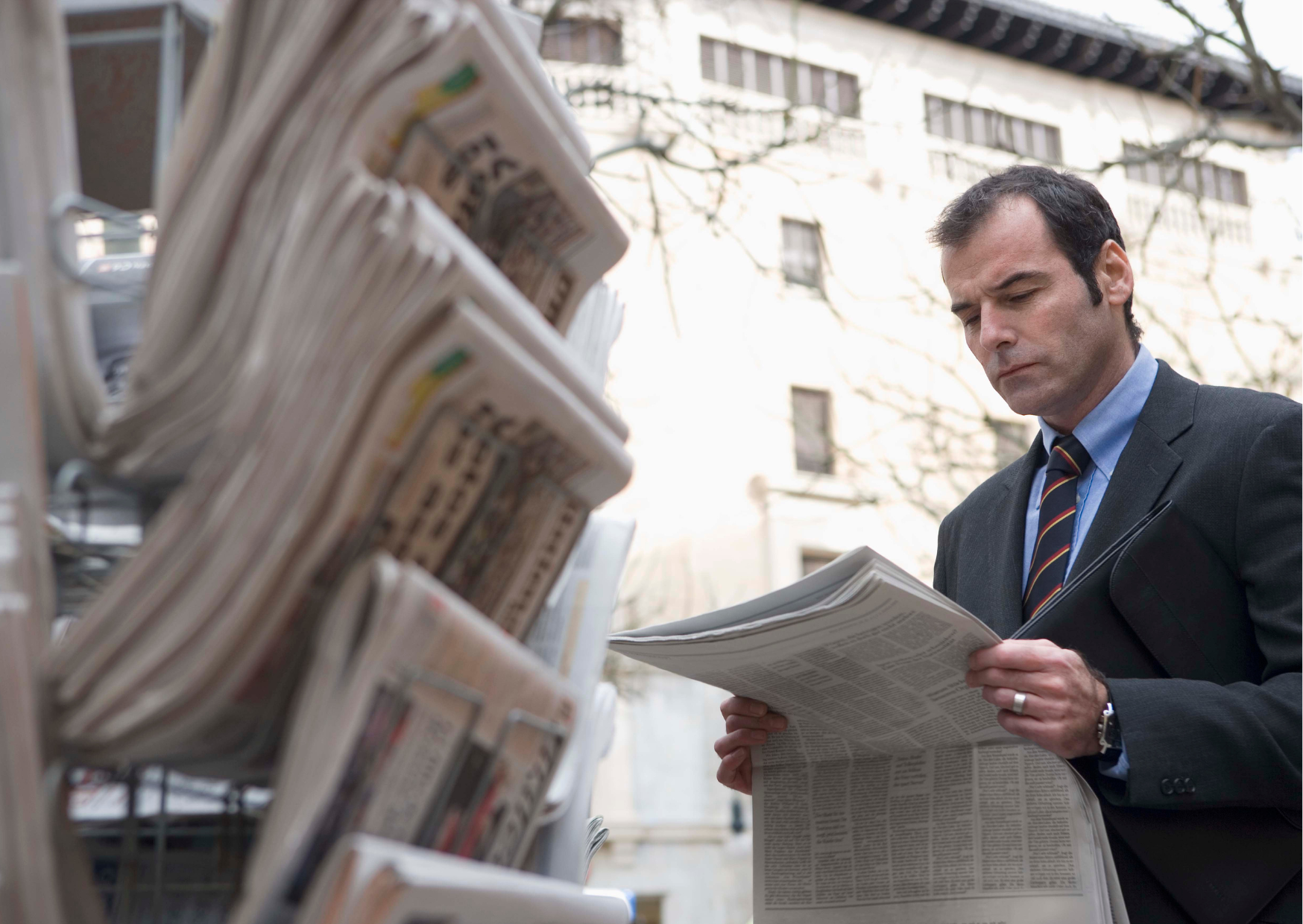
While digital news has taken hold globally, Spanish kiosks still sell printed papers daily — and people still buy them. Whether it’s El País, La Vanguardia, or regional publications, print remains culturally relevant.
To many Americans, paying for a printed paper is a waste when headlines are free online.
But in Spain, the act of reading a newspaper — at a café, in a park, during breakfast — is tied to ritual and identity. Holding the pages, flipping through at your own pace, and being offline for 30 minutes offers a tactile kind of presence many still value.
It’s not just about the news. It’s about how you encounter it.
7. Fresh Bread from the Bakery Every Day
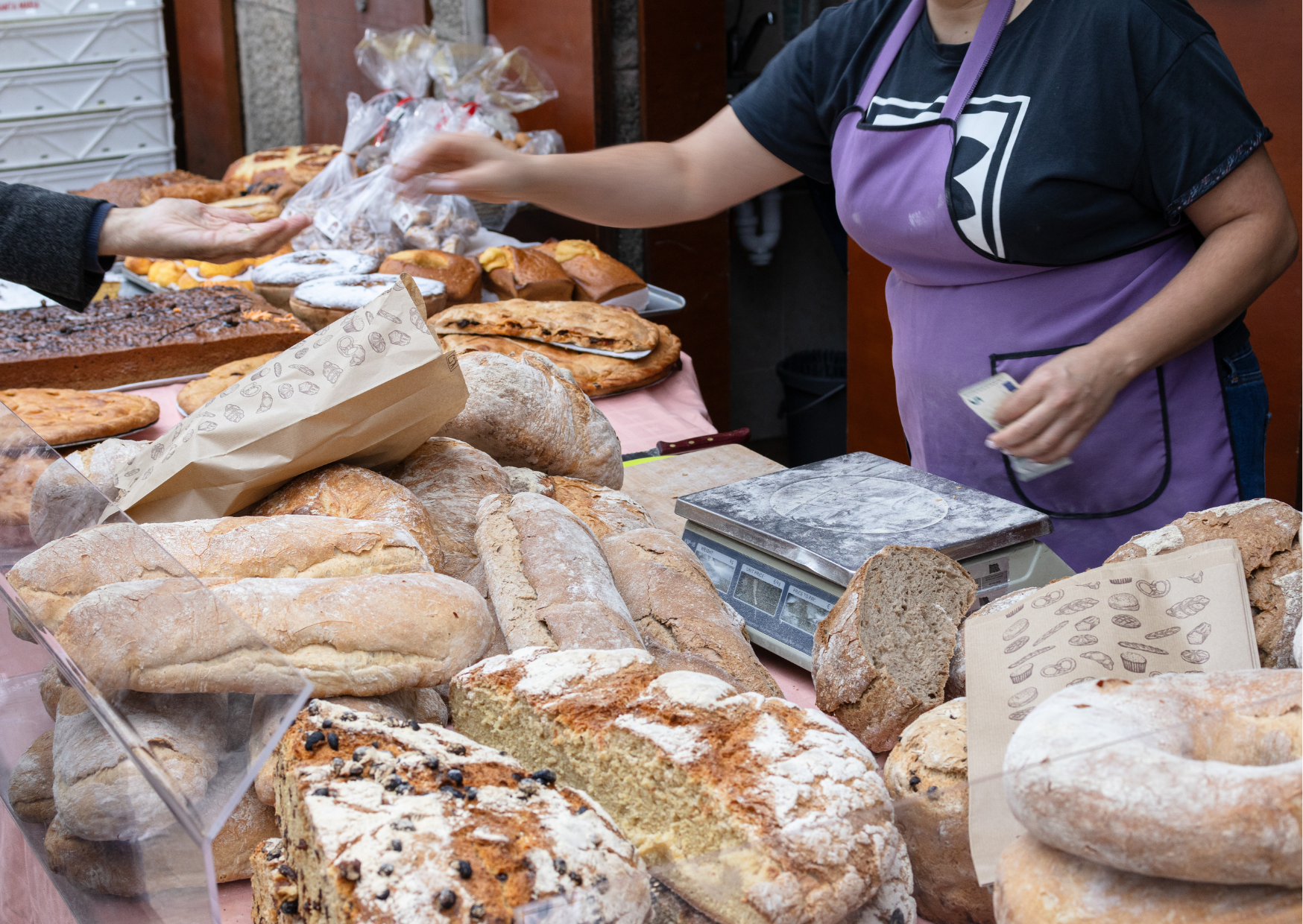
In Spain, the daily stop at the local bakery isn’t optional — it’s routine. Fresh bread, or pan del día, is bought almost daily by families and individuals alike.
To Americans used to stocking up weekly, baking their own, or buying pre-sliced bread that lasts a month, this practice seems excessive. Why spend time and money daily on something so basic?
Because in Spain, bread is not just a side — it’s a sacred part of the meal. It must be fresh, crusty, and warm. Many bakers know their regulars by name. And the cost? Usually less than €1 per loaf.
The act may seem repetitive — but it’s a ritual of quality, not waste.
8. Seasonal and Regional Products — Even If They’re Pricier
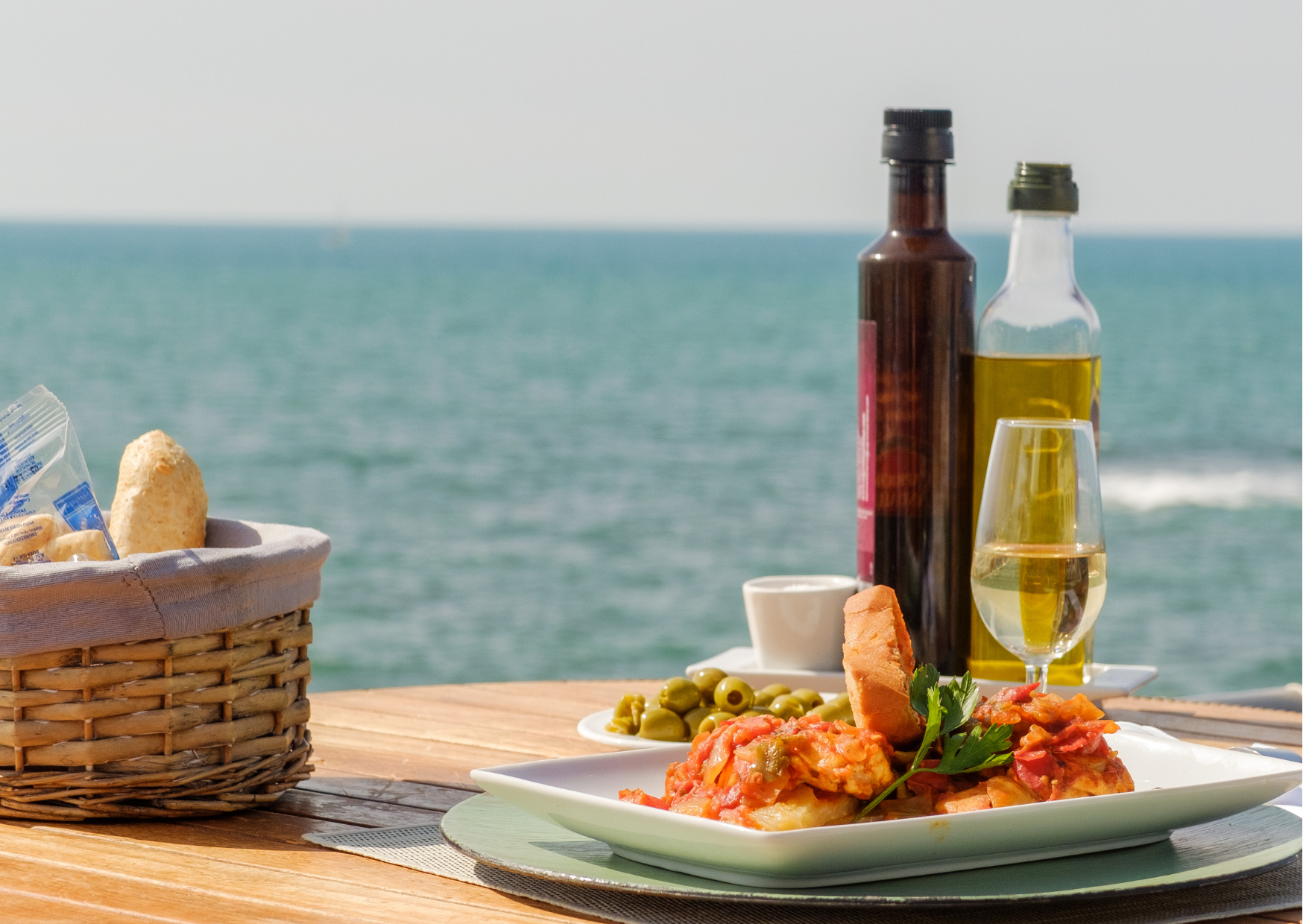
Many Spaniards are loyal to seasonal, regional, and even denomination-protected products — from olive oil to wine to tomatoes. They’ll spend more to buy local over imported, even if the difference isn’t dramatic.
To many Americans, this can seem unnecessary. Why buy a €4 bottle of local olive oil when the €2 imported one tastes similar?
But in Spain, knowing where your food comes from isn’t just a niche concern — it’s mainstream. Regional pride, agricultural identity, and family recipes influence spending choices. You’re not just buying food. You’re supporting your region’s economy and heritage.
The spending isn’t about luxury — it’s about belonging.
9. Traveling Home for Every Holiday (Even Short Ones)
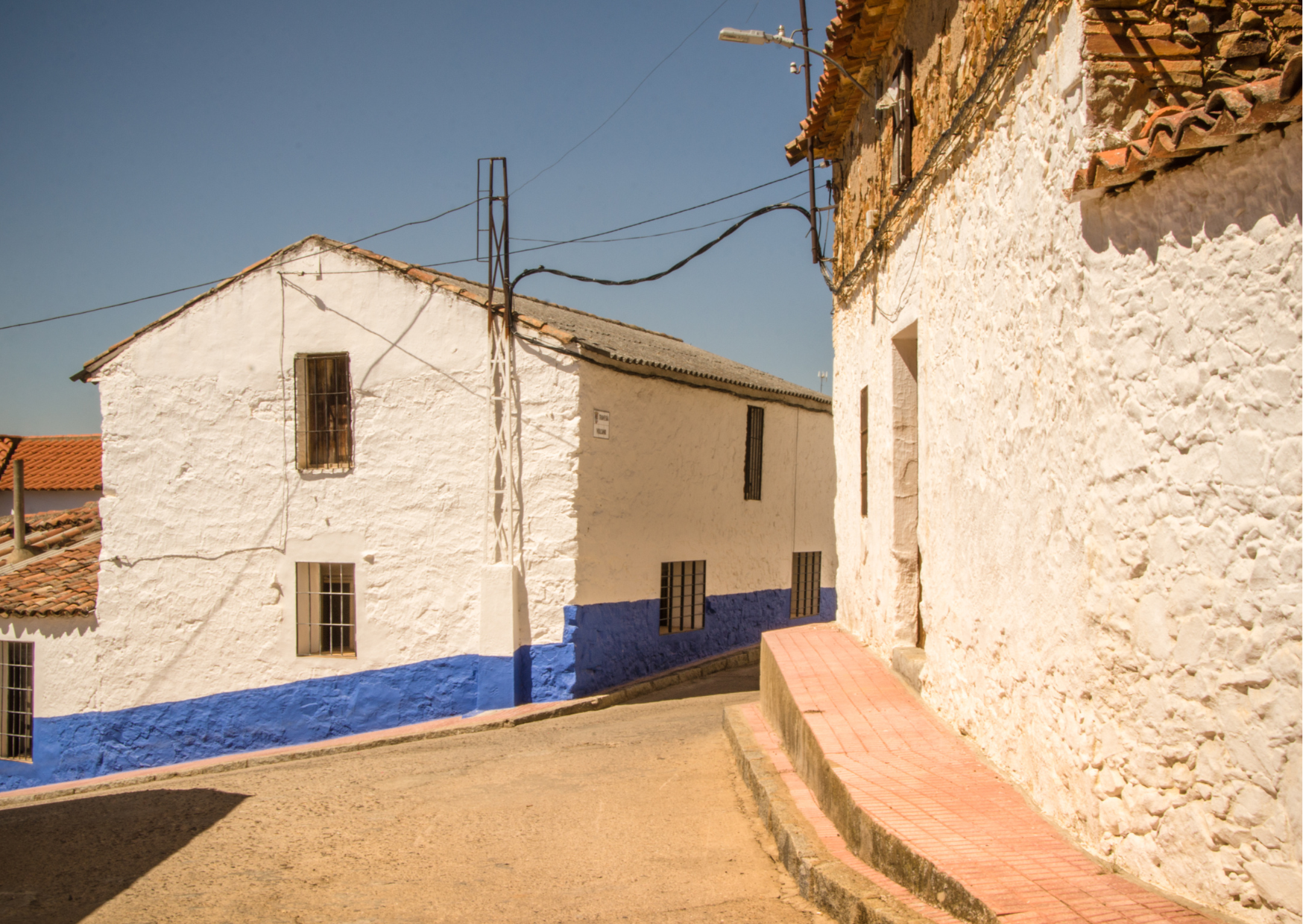
Spanish people are fiercely connected to their hometowns. Even if they’ve lived in Madrid for ten years, many return to their village or region for holidays, festivals, or long weekends — no matter how short the break.
To Americans, who often skip family holidays due to distance or cost, this might seem inefficient or overly sentimental.
But for Spaniards, those return trips reinforce identity, preserve family bonds, and mark time in a way that keeps life grounded. Even if it means spending on tolls, gas, or train fares — the return is non-negotiable.
It’s not about practicality. It’s about presence.
What “Waste” Really Means — And What It Might Cost to Avoid It
From an American lens, many of these habits can feel backward, inefficient, or overly indulgent. But that judgment comes from a specific cultural framing — one where productivity, convenience, and financial minimalism dominate.
In Spain, value is often measured differently.
What looks wasteful on a budget spreadsheet might be essential to rhythm, pleasure, or community. What feels slow or old-fashioned might be exactly what keeps people grounded — in their bodies, in their meals, and in their daily lives.
Not every ritual makes sense on paper. But not everything worth doing is about sense.
Sometimes, it’s about feeling. And Spain has mastered the art of spending with feeling — even if it looks like waste from across the Atlantic.

About the Author: Ruben, co-founder of Gamintraveler.com since 2014, is a seasoned traveler from Spain who has explored over 100 countries since 2009. Known for his extensive travel adventures across South America, Europe, the US, Australia, New Zealand, Asia, and Africa, Ruben combines his passion for adventurous yet sustainable living with his love for cycling, highlighted by his remarkable 5-month bicycle journey from Spain to Norway. He currently resides in Spain, where he continues sharing his travel experiences with his partner, Rachel, and their son, Han.