
And What It Reveals About Body Confidence, Privacy, and a Very Different Understanding of Shame
If you’re visiting Spain from the United States, you might assume you know the cultural rules around nudity. Beaches are public. Changing rooms are private. Nudity is a “sensitive” topic. There’s a time and place for everything.
But spend a summer in Spain, and your assumptions will start to unravel — quickly.
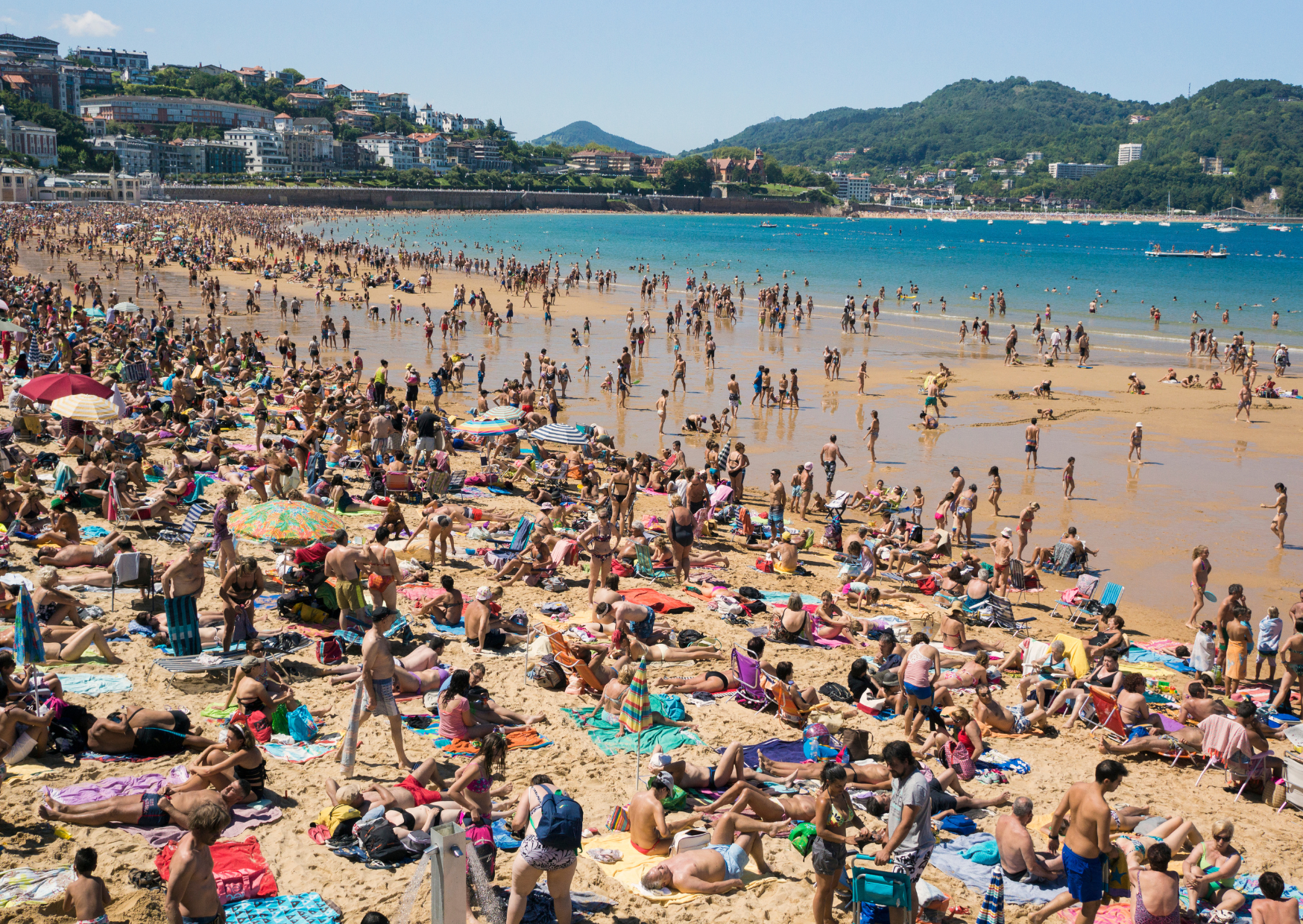
You’ll see topless sunbathers of all ages. Naked toddlers running along the shore. Men changing into swimsuits on the beach without towels or shame. Women of all body types confidently sunning their chests while chatting, laughing, reading.
There are no stares. No catcalls. No one seems to care.
That’s because in Spain, nudity is not inherently sexual. It’s not a taboo. And it’s definitely not a cause for panic.
Here’s why Spanish people’s approach to nudity surprises so many American visitors — and what it reveals about a fundamentally different relationship with the body, space, and modesty.
Looking for More Travel & Culture Reads?
– They Don’t Work 24/7: 5 Vacation Customs in Europe That Drive Americans Crazy
– 7 Dress Code Shocks Americans Face in Italy
– 9 European Beach Habits That Shock First-Time Tourists
Quick Easy Tips
Expect topless sunbathing on many beaches, especially in major cities like Barcelona. It’s completely normal and legal.
If visiting a spa, research the dress code—some traditional saunas or bathhouses may be nude.
Don’t stare or point. Nudity in Spain is not a spectacle; treating it that way marks you instantly as a tourist.
Teach your kids before you go. Family-friendly nudity exists and isn’t considered inappropriate.
Know the difference between nudist beaches and regular ones—but also know that many beaches are mixed and tolerant.
What surprises many Americans isn’t just the nudity it’s how unbothered everyone else seems to be. In the U.S., nudity often comes loaded with shame, discomfort, or sexualization, shaped by decades of puritanical roots and commercial media. In Spain, the body is seen more as a vessel of life than a source of scandal. This creates a cultural collision that can either shock or liberate American travelers.
Some critics argue that Spain’s relaxed attitude promotes immodesty or even encourages inappropriate behavior. But this argument often comes from a place of misunderstanding. Spaniards draw a clear line between nudity and indecency. Context matters and in public, respectful nudity is often more acceptable than loud or disruptive behavior, regardless of what someone’s wearing.
Interestingly, many American visitors who initially feel uncomfortable around nudity report a change in attitude after spending time in Spain. They begin to see that confidence and respect can coexist with minimal clothing and that sometimes, shedding layers goes hand-in-hand with shedding judgment. The controversy, then, lies not in nudity itself, but in what we’ve been taught to feel about it.
1. Topless Sunbathing Isn’t “Optional” — It’s Normal

In the U.S., topless sunbathing is often relegated to niche spots — hidden beaches, private resorts, or intentionally countercultural spaces. Even then, it feels like an act of defiance or liberation.
In Spain, it’s simply standard.
Most coastal beaches in Spain — especially along the Mediterranean and Atlantic — are topless by default. That means you’ll see:
- Women sunbathing bare-chested
- Mothers nursing without covers
- Girls swimming without bikini tops, especially under age 10
And no one pays attention.
It’s not an invitation. It’s not a rebellion. It’s not performative.
It’s just comfortable. And comfort is the goal, not modesty.
2. Beach Nudity Isn’t Segregated — It’s Scattered
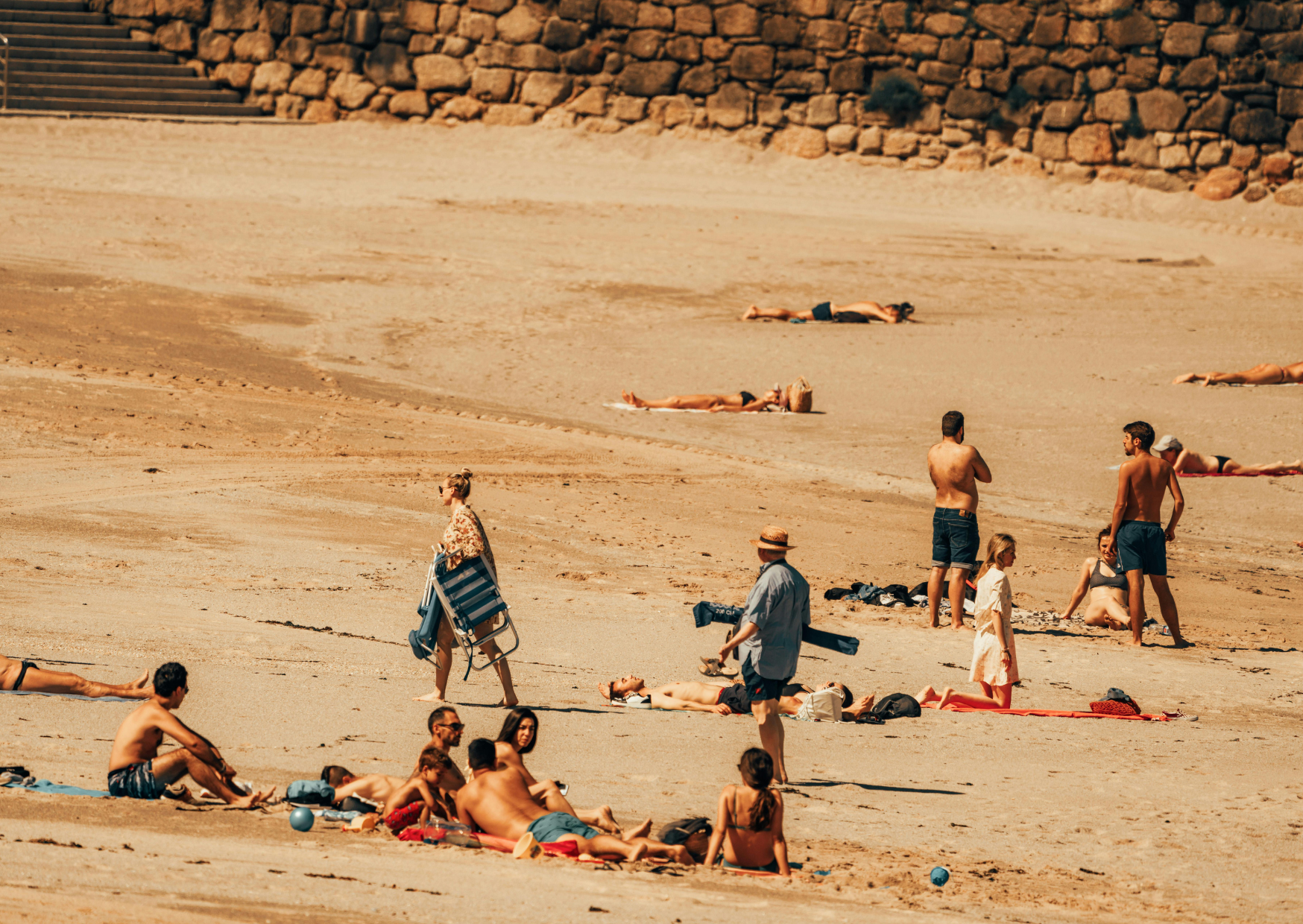
American beach culture tends to create clear zones:
- The “family” beach
- The nude beach
- The dog beach
- The gay beach
- The resort beach
In Spain, the boundaries blur.
You might see full nudity in one area, topless sunbathers in another, and fully clothed families nearby — all coexisting. You choose your comfort level, and no one polices the others.
There are dedicated naturist beaches (like Playa de los Muertos in Almería or Playa del Torn in Tarragona), but nudity often appears casually on regular beaches, too — especially outside urban centers.
To Spanish beachgoers, the sight of a naked body is no more distracting than someone applying sunscreen.
It just is.
3. Children Are Raised Without “Body Shame” Conditioning
In many American households, children are taught from an early age that the body is private, modesty is virtuous, and covering up is a sign of self-respect.
Spanish families often take a more relaxed approach.
It’s common to see:
- Young children running naked at the beach
- Parents rinsing off their kids in public showers without towels
- Families changing swimsuits together without awkwardness
There’s no rush to introduce shame. No urge to label the body as dangerous or embarrassing. Kids grow up comfortable in their skin, and that ease stays with them into adulthood.
4. Changing in Public Isn’t Taboo — It’s Just Life
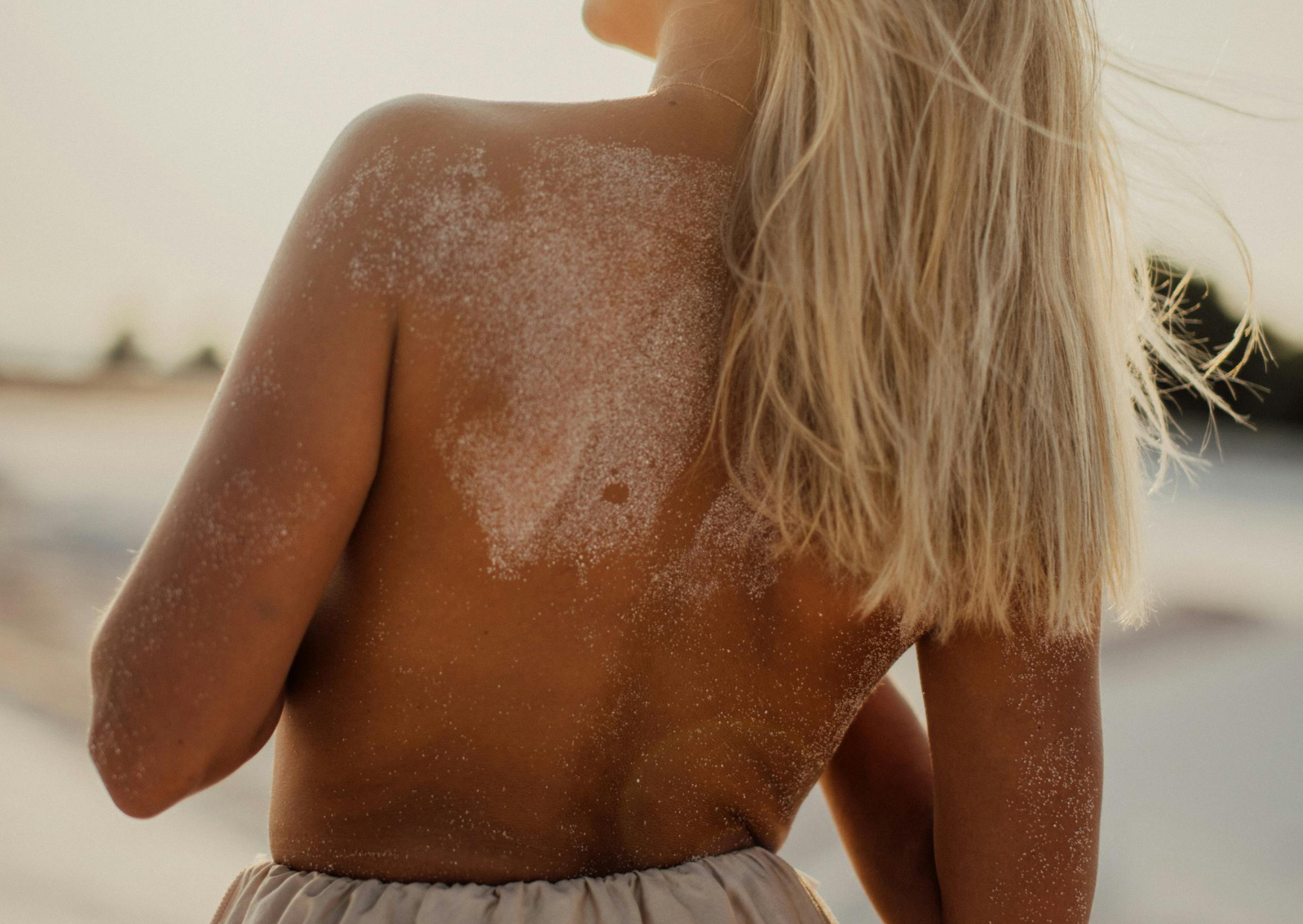
One of the most surprising moments for many American travelers happens not on the beach, but beside it — in the parking lot, or on a boardwalk.
Someone, often without hesitation, will change clothes in plain sight.
A man steps out of a wetsuit and into jeans. A woman slips a dry bikini bottom on under her towel — or without one. No changing tent. No shield of shame.
And no one bats an eye.
It’s not exhibitionism. It’s efficiency. In Spain, changing in public is not an intimate act — it’s just part of the rhythm of the day.
If you try to sneak away to a stall or wait to change at home, you’re the one making it complicated.
5. Nudity in Art, Media, and Advertising Isn’t Censored
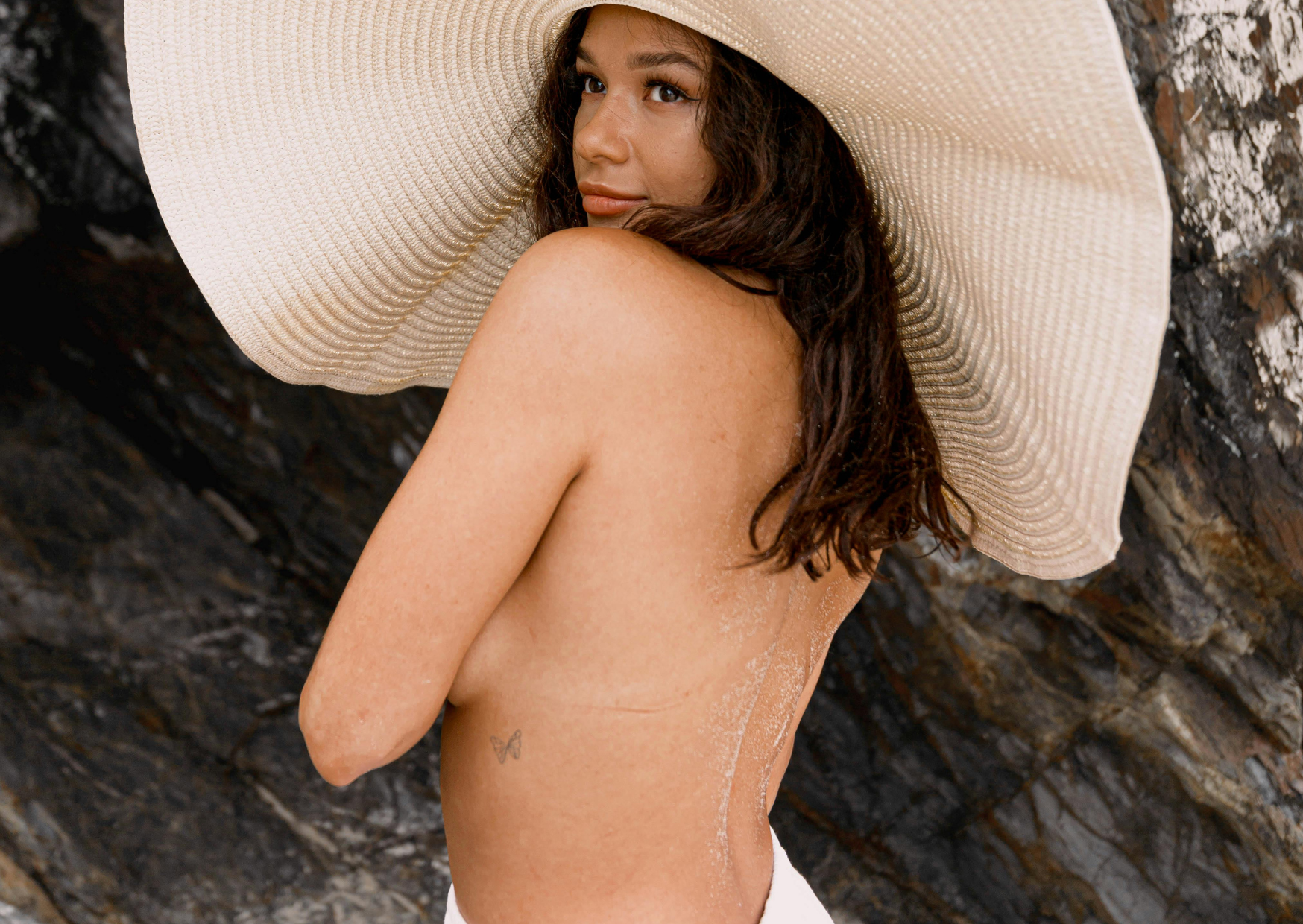
In the U.S., nudity on television, in magazines, or in advertisements is typically regulated, censored, or age-gated. Breasts are blurred. Naked bodies are cropped. Even basic human form is treated as provocative.
In Spain, nudity appears:
- In television shows (day or night)
- In billboards and ads (especially for skincare or health)
- In art museums and public exhibits
And it’s not scandalous.
The human body isn’t automatically seen as pornographic. Context matters. Nudity in a medical or artistic or natural setting is treated differently than nudity for arousal.
That line, while clear in Spain, often doesn’t exist in American media.
6. Modesty Isn’t a Moral Metric
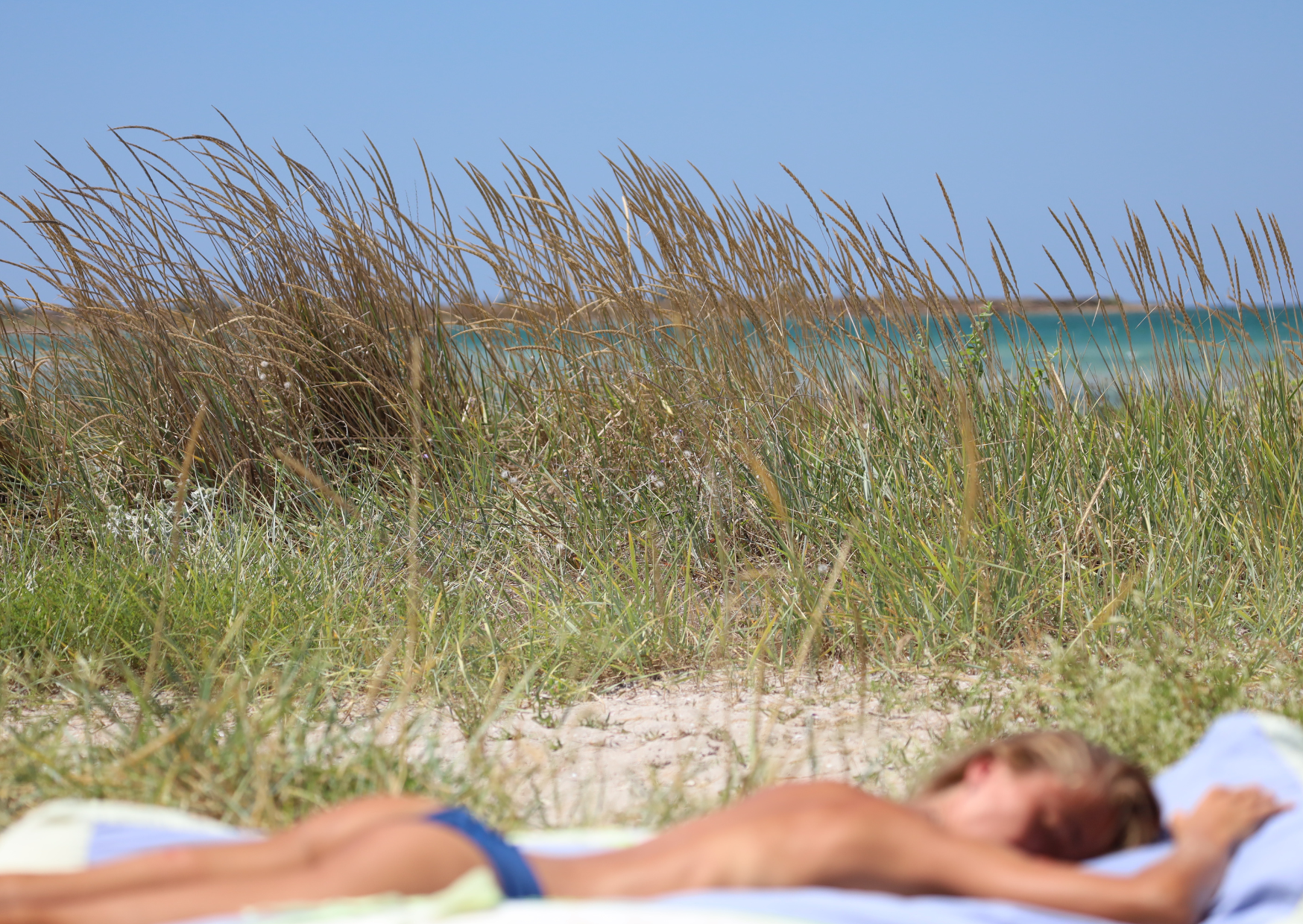
In American culture, being “modest” is often linked to character. Dressing conservatively suggests humility. Showing too much skin is associated with vanity, recklessness, or impropriety — especially for women.
In Spain, modesty is a matter of context — not character.
If you dress topless on the beach, no one assumes anything about your values. If you wear a low-cut top on a hot day, it’s because it’s hot.
There’s no implied morality.
There’s no whisper campaign.
You’re simply dressing — or undressing — in a way that makes sense for the moment.
7. There’s No Social Penalty for Being “Too Comfortable”
In the U.S., confidence in your body often gets misunderstood. Being “too comfortable” with nudity can trigger discomfort in others. It might get you labeled as inappropriate, unprofessional, or attention-seeking.
In Spain, body comfort is neutral — even admired.
Whether you’re older, younger, curvier, thinner, tattooed, or scarred — owning your skin is seen as strength. And because nudity is de-sexualized in most public settings, there’s no panic around it.
You can be 65 and topless on the beach — and no one will smirk.
You can be 25 and go nude — and no one assumes you want attention.
It’s simply part of living near the sea, under the sun, in a culture that doesn’t equate bodies with shame.
8. Public Saunas, Spas, and Locker Rooms Follow the Same Philosophy
Outside the beach, you’ll notice the same relaxed approach to nudity in:
- Gyms and changing rooms
- Thermal baths (balnearios)
- Hotel spa facilities
While towels are often provided, full nudity is not hidden. People shower openly. They change clothes without awkward choreography. And there are few, if any, efforts to shield the body from view.
This extends to same-sex saunas and wellness centers, where nudity is simply part of the routine.
For Americans used to towel dance routines, this can be jarring at first — but soon, it becomes freeing.
9. Tourists Are the Ones Who Notice — Locals Don’t
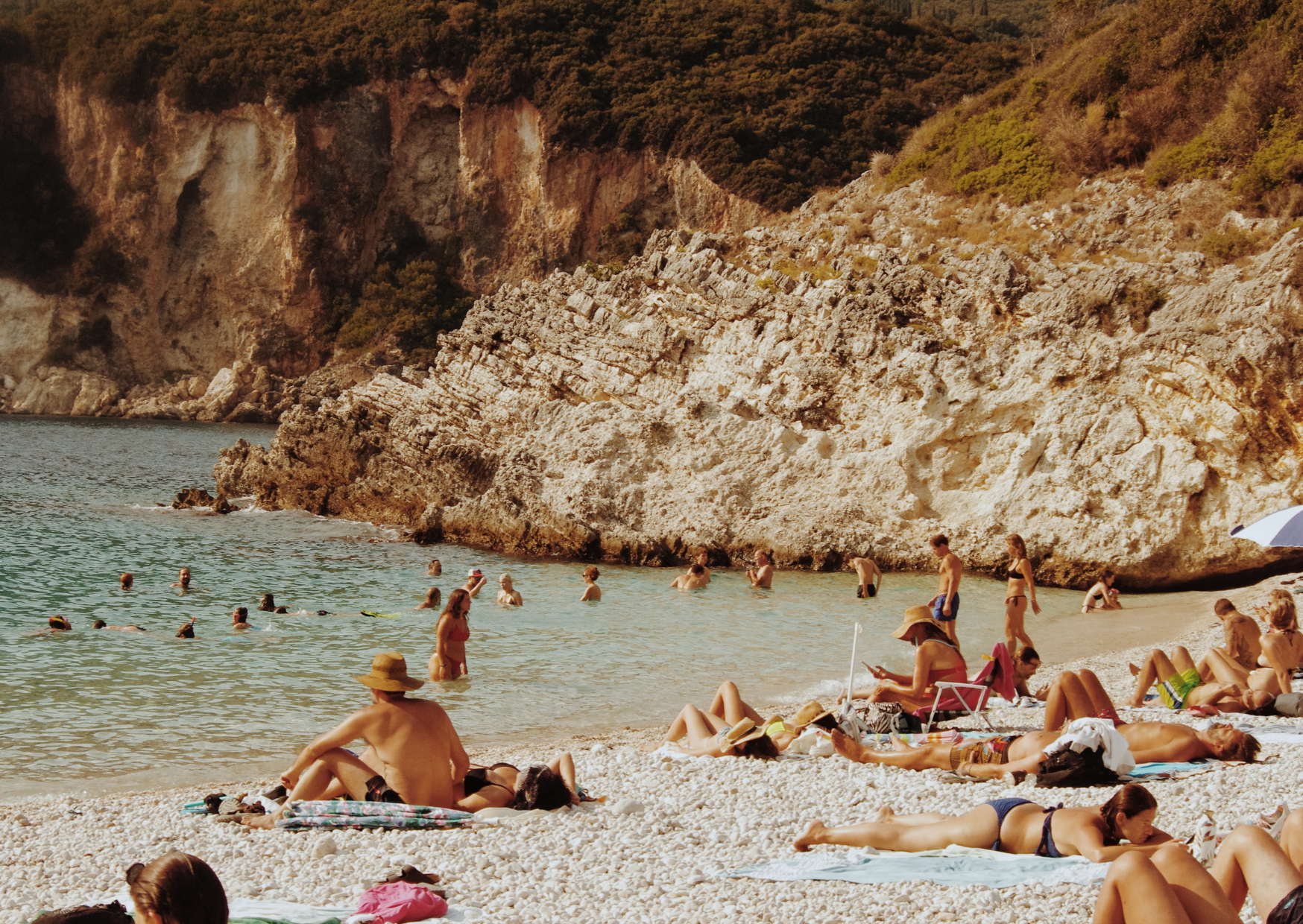
Perhaps the biggest cultural reveal comes from watching who reacts to nudity in Spain — and who doesn’t.
Tourists often:
- Whisper
- Glance sideways
- Adjust their coverups nervously
Locals?
They don’t even blink.
They’ve grown up with this rhythm — this understanding that the body, when unsexualized and unshamed, isn’t threatening. It doesn’t demand attention. It simply exists.
And when nudity becomes neutral, there’s no need to perform your comfort or discomfort. You just coexist.
In the End, It’s Not About Nudity — It’s About Relationship to the Body
To American visitors, Spanish openness about nudity can feel surprising — even shocking.
But that surprise says more about the visitor’s conditioning than about the culture itself.
In Spain, nudity isn’t a statement.
It’s not a protest.
It’s not an invitation.
It’s a tool — for comfort, for confidence, for presence.
A way to live fully in the heat, the sea, the rhythm of everyday life.
And once you stop resisting it, you might notice something unexpected:
- You stop comparing
- You stop checking yourself
- You stop hiding
You become part of the beach. The room. The world — not separate from it.
And in that shift, you realize the Spanish secret isn’t about skin.
It’s about ease.
A kind of freedom American culture still keeps behind a towel.

About the Author: Ruben, co-founder of Gamintraveler.com since 2014, is a seasoned traveler from Spain who has explored over 100 countries since 2009. Known for his extensive travel adventures across South America, Europe, the US, Australia, New Zealand, Asia, and Africa, Ruben combines his passion for adventurous yet sustainable living with his love for cycling, highlighted by his remarkable 5-month bicycle journey from Spain to Norway. He currently resides in Spain, where he continues sharing his travel experiences with his partner, Rachel, and their son, Han.