
And Why Meals in These Cultures Aren’t Just About Food — They’re About Rhythm, Presence, and Knowing When to Stop Talking
Travel through Mediterranean countries like Spain, Italy, or Greece, and you’ll quickly realize something: eating isn’t just a biological necessity. It’s a ritual. A ceremony. A moment carved out of the day that refuses to be rushed, repackaged, or turned into background noise.
But for American visitors — used to speed, convenience, and personal choice — some of these Mediterranean “rules” around meals can feel confusing, even restrictive. Why can’t you get coffee with your lunch? Why is everyone eating at 10 p.m.? Why is that waiter refusing to bring the check?
These aren’t quirks. They’re habits passed down for generations. And they reveal a deeper cultural belief — that how you eat matters just as much as what you eat.
Here are 9 eating rules in Mediterranean countries that often surprise Americans — and what they tell us about how differently these cultures approach food, time, and social life.
Want More Deep Dives into Everyday European Culture?
– Why Europeans Walk Everywhere (And Americans Should Too)
– How Europeans Actually Afford Living in Cities Without Six-Figure Salaries
– 9 ‘Luxury’ Items in America That Europeans Consider Basic Necessities
1. You Never Rush a Meal — Even If You’re in a Hurry
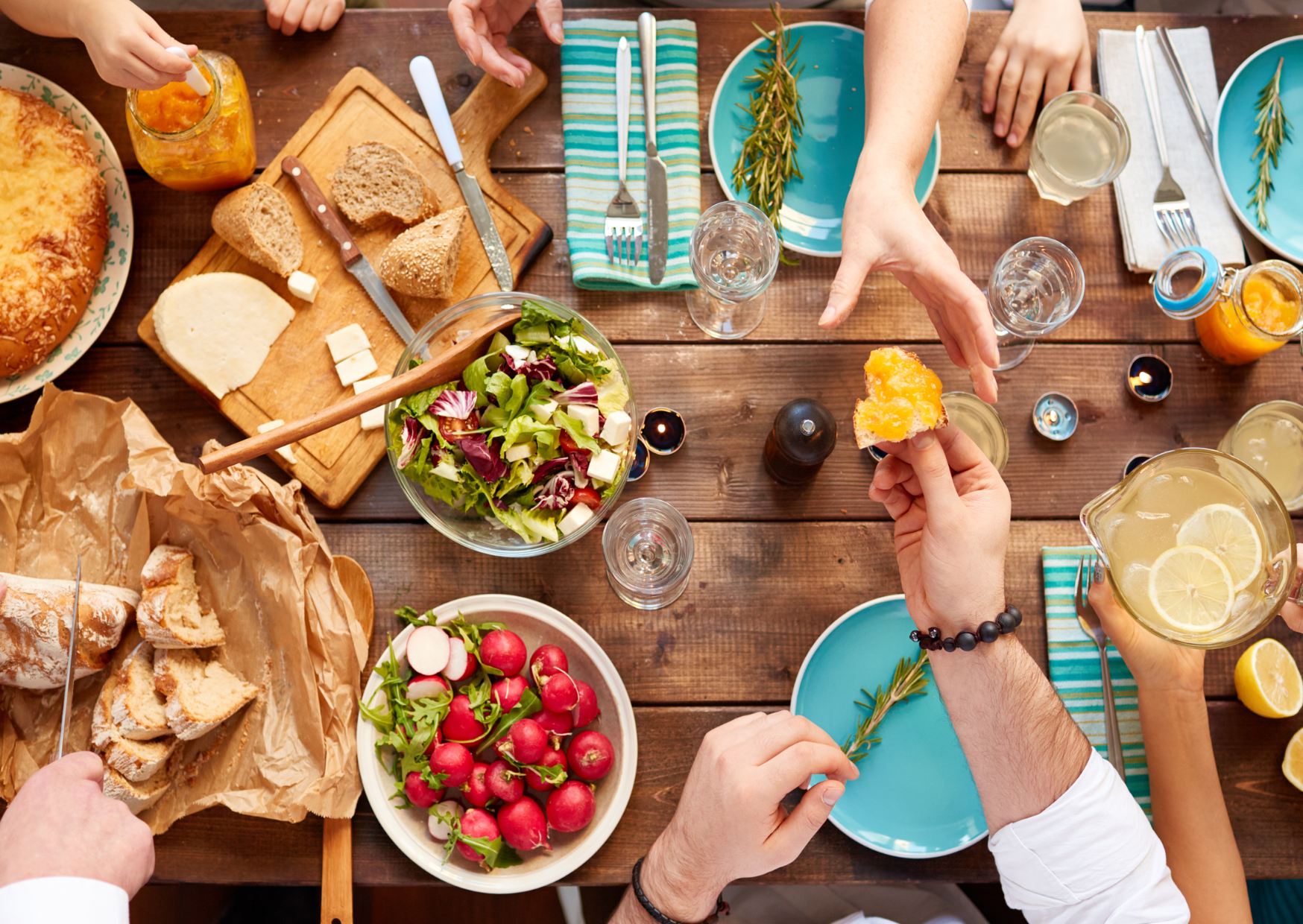
In the U.S., lunch often means something eaten in the car, between meetings, or while answering emails. Time is a constraint, and food is something to manage efficiently.
In Mediterranean countries? Time bends around the meal.
Whether it’s a quick lunch in Naples or a three-hour dinner in Valencia, you don’t rush through food. It’s considered rude — both to your body and your company.
Even casual meals are:
- Served in multiple courses
- Interrupted by stories, not clocks
- Designed to be savored, not inhaled
You don’t get the check when you finish eating.
You get it when you ask for it — politely and at the appropriate moment.
2. You Never Eat With Your Hands — Unless the Food Demands It
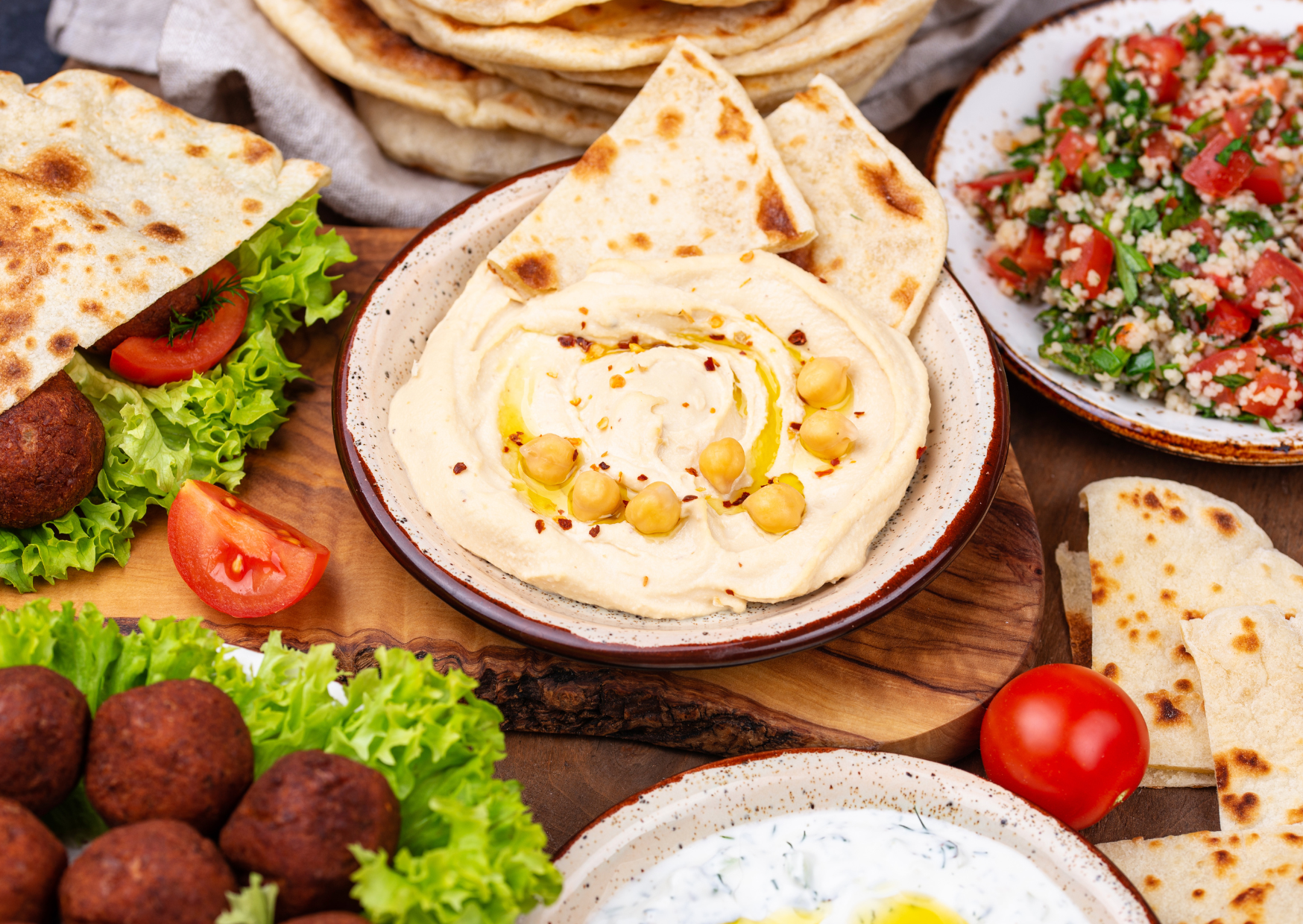
In American casual dining, eating with your hands is often encouraged — burgers, pizza, fries, sandwiches, even chicken wings.
In the Mediterranean? Table manners matter more. And even simple foods are eaten with cutlery and intention.
You’ll see:
- Pizza eaten with fork and knife in many Italian restaurants
- Fries served with a tiny fork in Spain
- Toasted bread topped with tomatoes (pan con tomate) eaten gracefully by hand — but never dripping or sloppy
It’s not about snobbery. It’s about respecting the food — and the people sharing the table.
3. No Coffee With Meals — And Never With Dessert in Italy
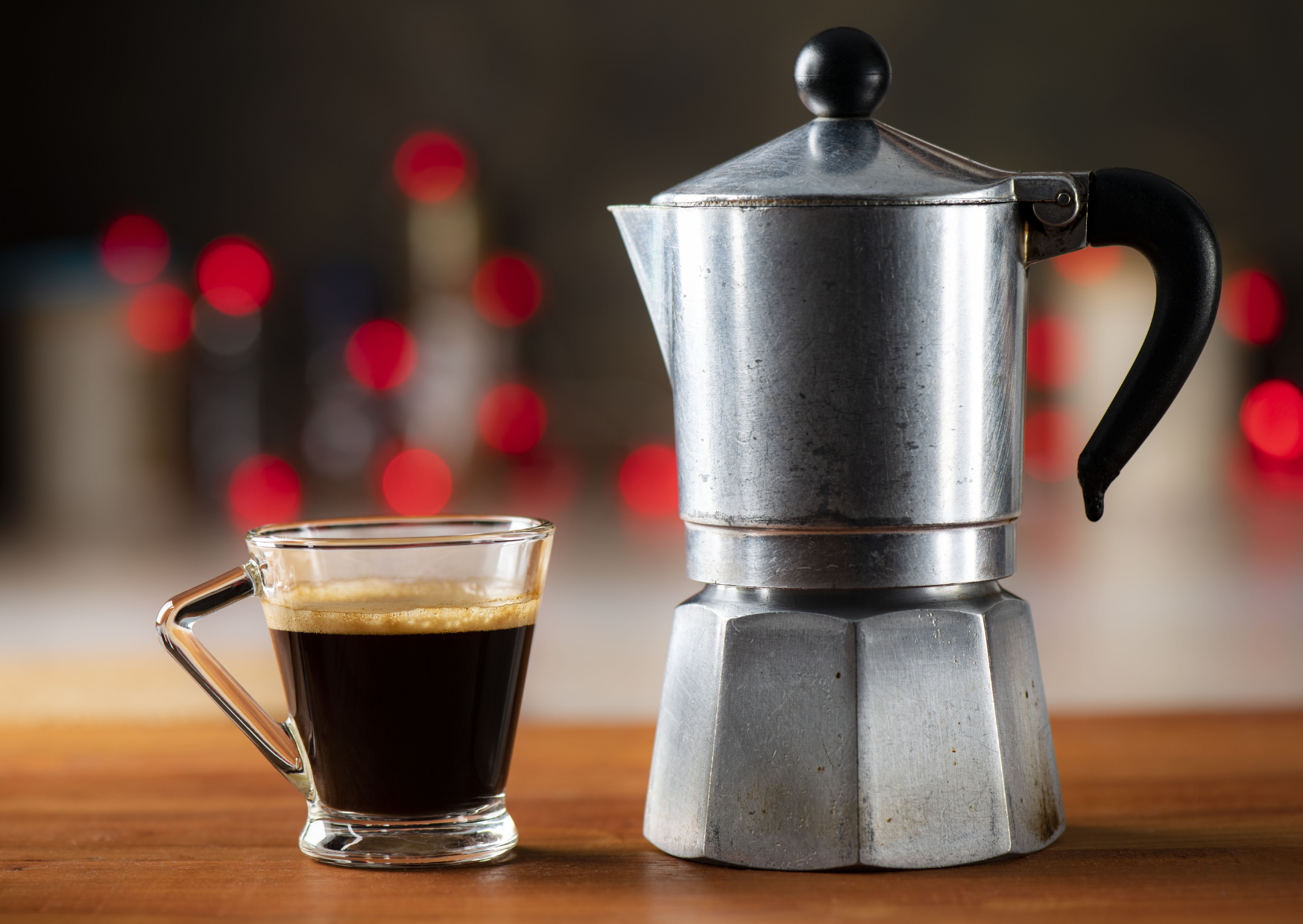
In America, coffee can appear at any point: before the meal, during, after, or with dessert. Refill culture keeps the cup full.
In Mediterranean countries, coffee has a specific place:
- In Italy: after the meal, never during or with dessert
- In Spain: café solo or cortado is common post-lunch
- In Greece: Greek coffee is a separate ritual, not a meal companion
And don’t ask for a cappuccino after dinner in Italy — it’s considered odd, even childish. Milk after meals is thought to interfere with digestion.
Coffee is not a flavor pairing. It’s a digestive punctuation mark.
4. No Substitutions, No Customizing — The Dish Is the Dish
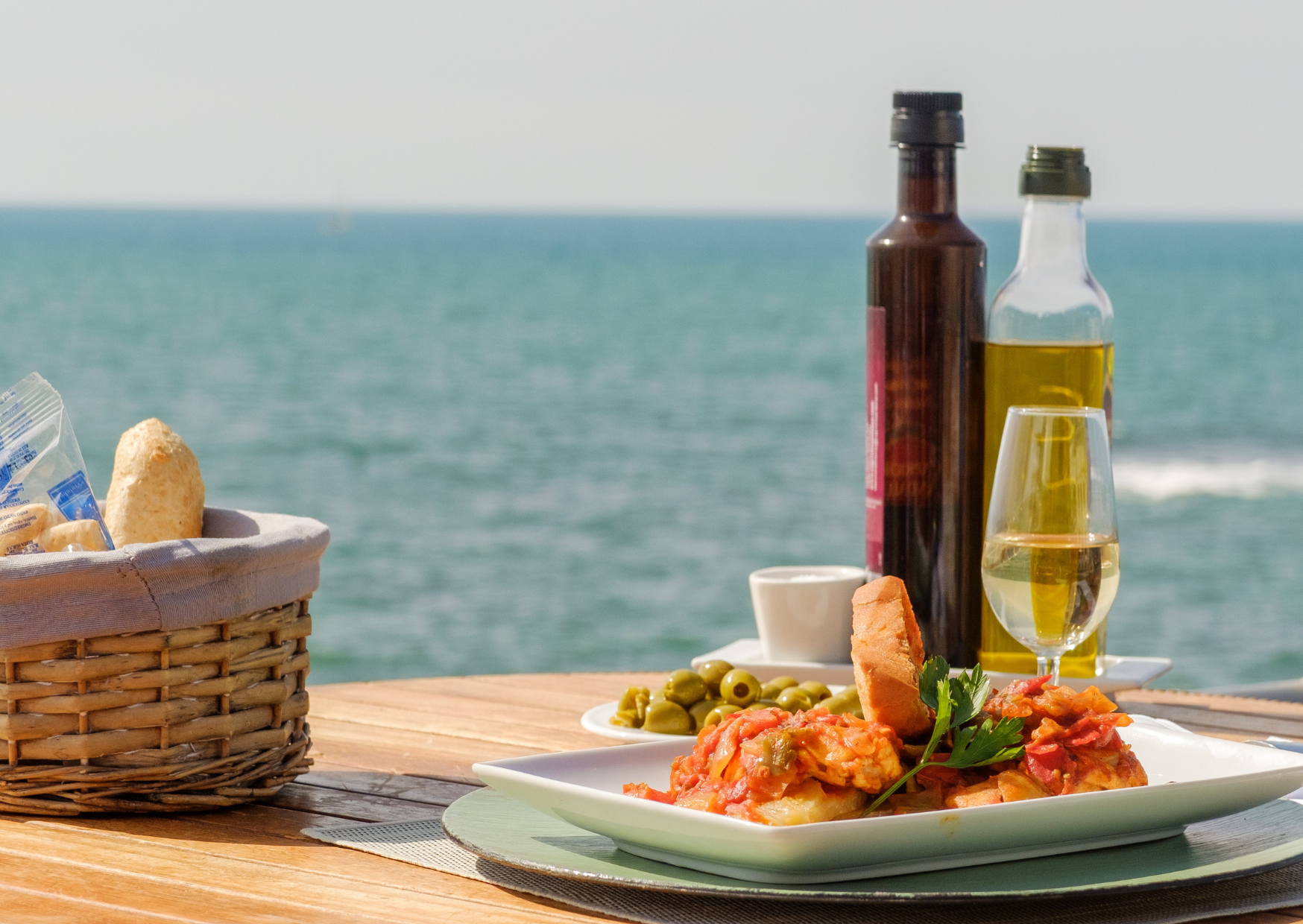
In the U.S., it’s standard to ask:
- “Can I get that without onions?”
- “Can you do the dressing on the side?”
- “Can I swap fries for salad?”
In Mediterranean restaurants, this kind of request is often met with confusion or polite refusal.
The chef — not the diner — is in charge of the dish. You’re ordering what they’ve chosen to prepare, not a customizable base. And modifying it is seen as disrespectful to the recipe and the tradition behind it.
This isn’t about being difficult. It’s about trusting the cook.
5. You Don’t Eat Alone in Public Without Accepting You’ll Be Watched
In the U.S., eating alone is often encouraged — solo tables, laptop-friendly cafés, counter seating.
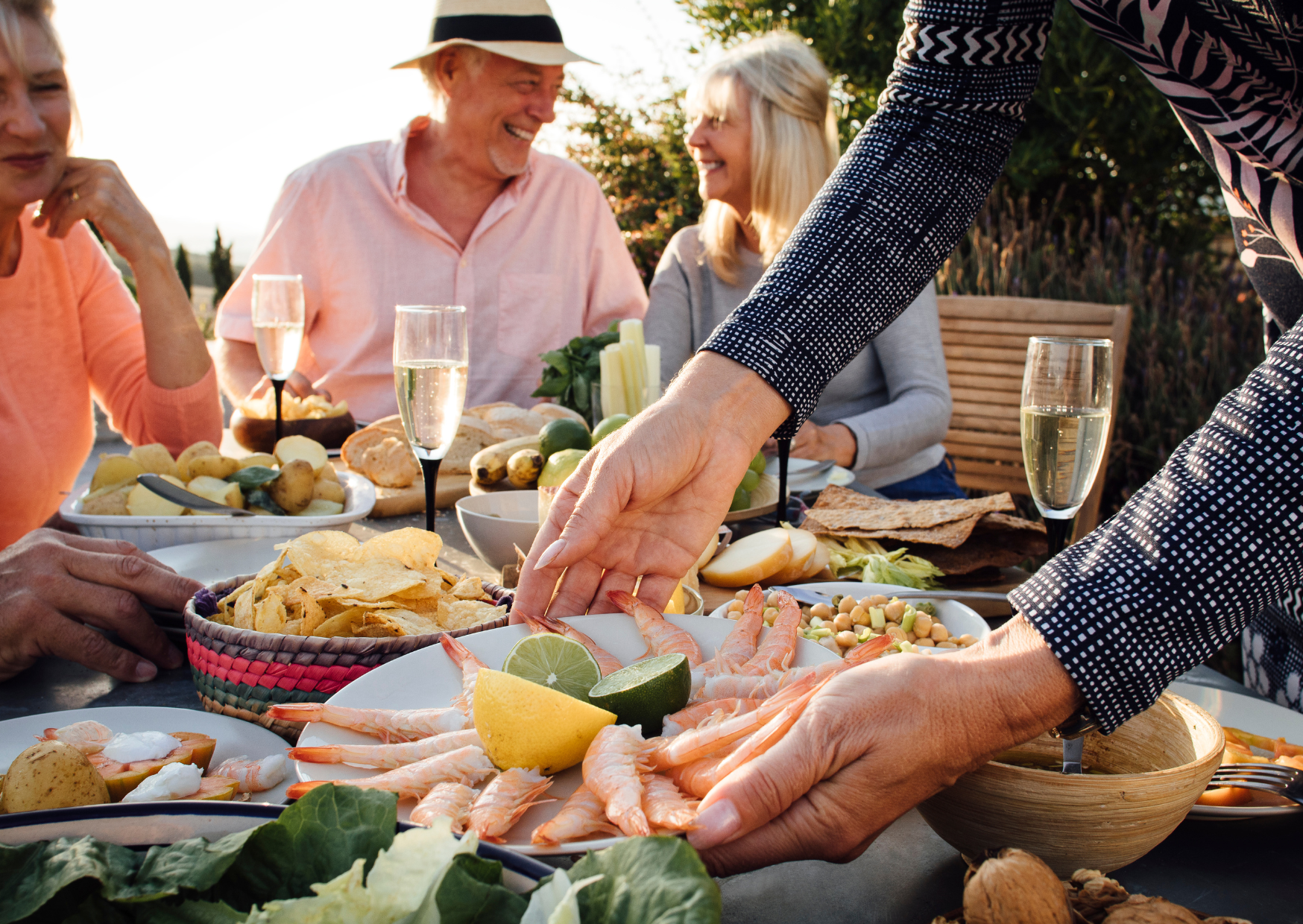
In Mediterranean countries, meals are social by default. And eating alone in a restaurant — especially a nice one — can draw attention, curiosity, or even concern.
It’s not unsafe. It’s not unwelcoming.
But it’s unusual.
Eating is about community and connection. So when someone eats alone, locals often wonder why. Are they traveling? Waiting for someone? Or just choosing solitude?
You can absolutely do it — but expect a few side glances and maybe even a chat from the waiter.
6. You Never Talk Business Over Lunch (Unless You’re American)
In the U.S., the “working lunch” is a productivity badge. You network, pitch, or plan strategy with food in front of you.
In most Mediterranean cultures, that’s inappropriate. Lunch is personal.
It’s for:
- Talking about life, family, politics, or football
- Taking a break from work — not mixing it with your salad
- Resting your brain while feeding your body
Business may happen over coffee afterward. Or wine. Or a cigarette.
But not during the meal.
Trying to pitch something mid-lunch is like answering work emails during a wedding toast. It’s just not done.
7. You Don’t Eat Outside the Meal Window
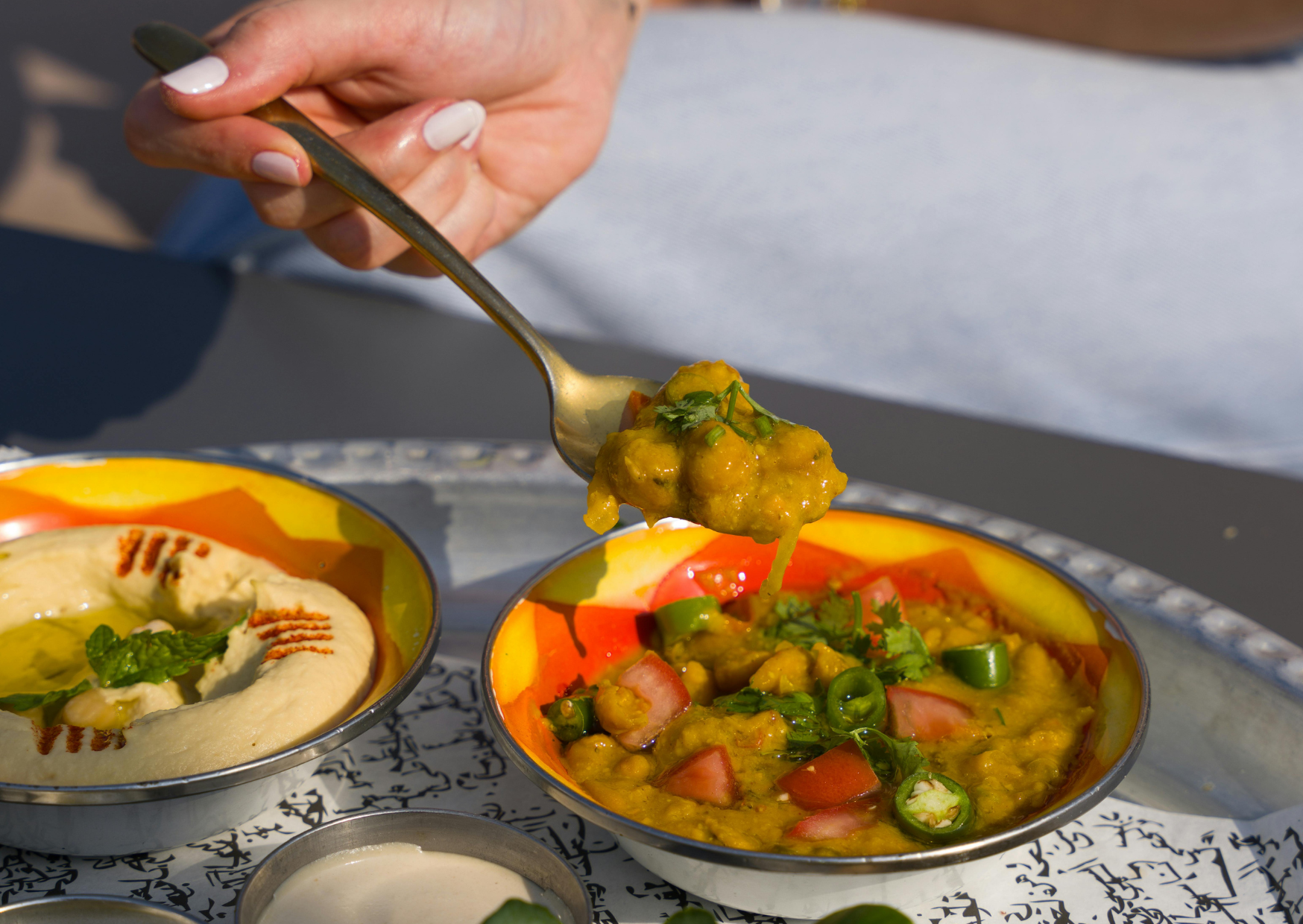
Americans snack freely — chips in the car, smoothies at 4 p.m., midnight cereal.
In the Mediterranean? There’s a time for food, and you stick to it:
- Breakfast: light, often just coffee and a pastry
- Lunch: the main meal of the day, between 1:30 and 3:30 p.m.
- Dinner: much later, often 9 or 10 p.m., and lighter than lunch
Between those windows, most people don’t eat much. Maybe a coffee, a small piece of fruit, or a tapa if you’re lucky.
You won’t find people walking around with protein bars.
Food is a pause, not a prop.
8. The Check Will Never Come Unless You Ask
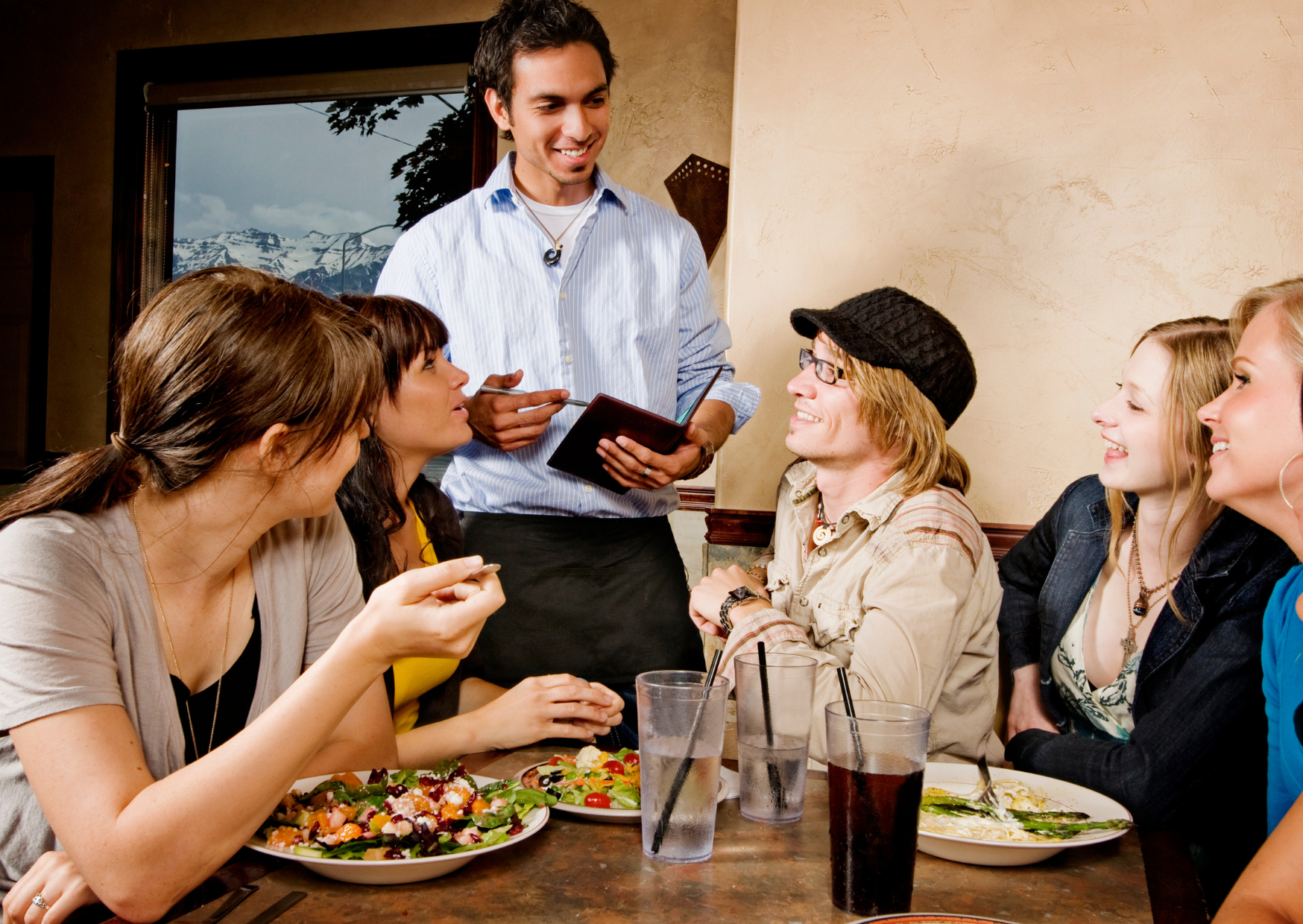
In the U.S., the check often arrives with the last bite of dessert — sometimes earlier. It’s meant to keep things moving, to free up the table.
In Mediterranean restaurants, that would be rude.
You can sit for:
- 90 minutes after a meal
- A full hour with just coffee
- Half a day if you’re sipping wine with friends
The table is yours until you signal you’re done.
And until then, no check will appear. It’s not forgetfulness — it’s respect.
Meals aren’t transactions. They’re invitations to stay.
9. You Don’t Eat in Motion — Ever
In the U.S., food and motion are often combined:
- Eating in the car
- Walking with coffee
- Snacking while shopping
In Mediterranean countries, you stop to eat.
Even street food — gelato in Italy, bocadillos in Spain, souvlaki in Greece — is eaten:
- While standing still
- On a bench
- At a bar
Walking while eating is seen as childish, rushed, or even rude.
You sit. You chew. You talk.
Food deserves stillness.
In the End, It’s Not About Rules — It’s About Respect
To Americans, Mediterranean food culture can feel overly structured.
Why can’t you swap ingredients? Eat when you want? Grab and go?
But to locals, these “rules” aren’t limitations.
They’re anchors — holding meals in place as sacred moments in the day.
They protect the meal from chaos.
They protect the body from neglect.
They protect the culture from forgetting that eating well isn’t just about food — it’s about how you eat it.
So next time you’re in Spain or Italy or Greece, don’t just taste the food.
Watch how it’s eaten.
You’ll learn just as much from the rhythm, the silence, the timing — as from the ingredients on your plate.
And you might return home not just craving the dishes,
but craving the way they were served.
Slowly. Respectfully. As if food — and time — still mattered.

About the Author: Ruben, co-founder of Gamintraveler.com since 2014, is a seasoned traveler from Spain who has explored over 100 countries since 2009. Known for his extensive travel adventures across South America, Europe, the US, Australia, New Zealand, Asia, and Africa, Ruben combines his passion for adventurous yet sustainable living with his love for cycling, highlighted by his remarkable 5-month bicycle journey from Spain to Norway. He currently resides in Spain, where he continues sharing his travel experiences with his partner, Rachel, and their son, Han.