
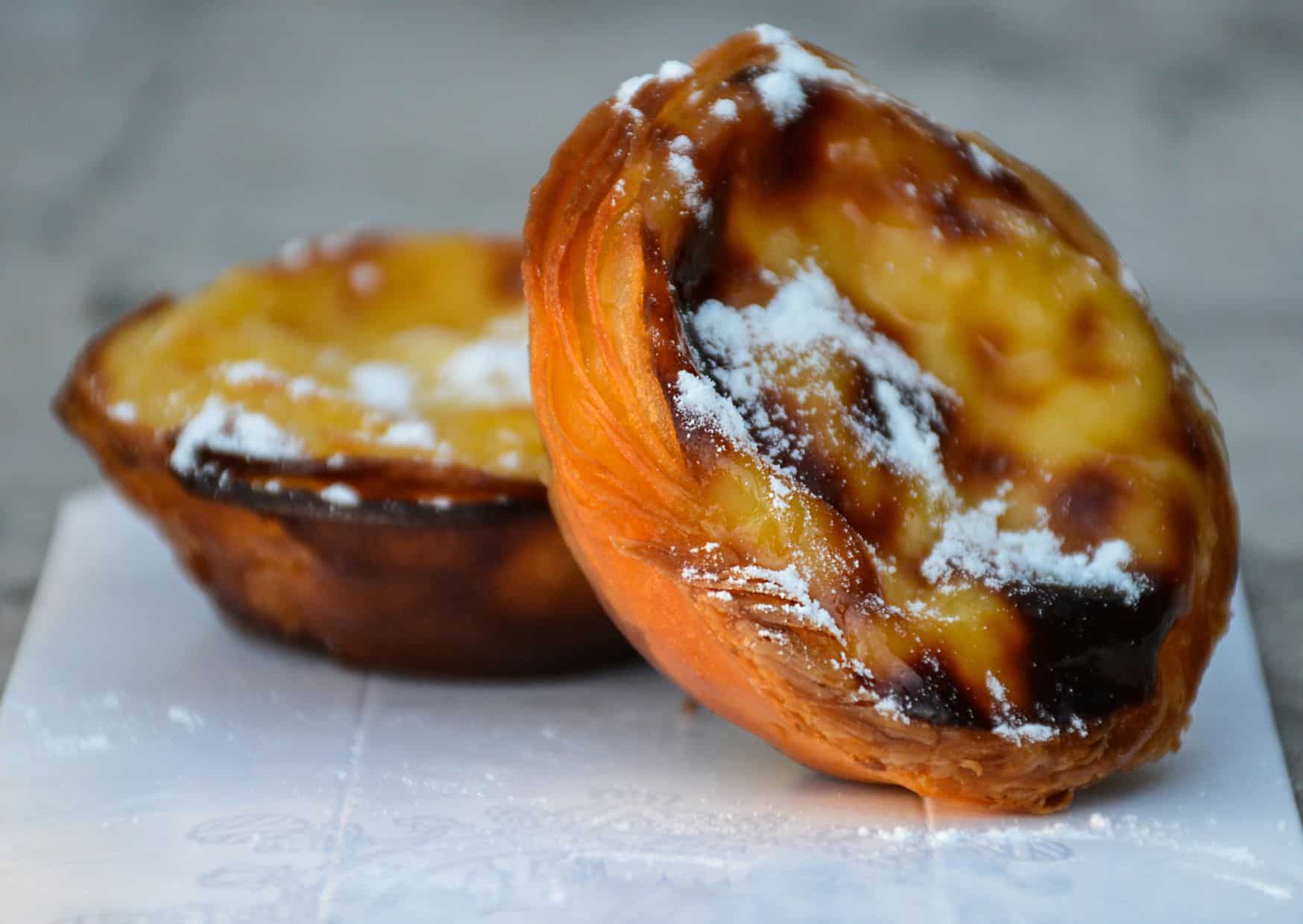
Pastéis de Nata, also known as Portuguese custard tarts, are one of Portugal’s most iconic and beloved pastries, enjoyed by locals and travelers alike. With their crisp, flaky puff pastry shells and rich, creamy egg custard centers caramelized to golden perfection on top, these tarts are the ultimate representation of Portugal’s baking tradition. Originally created by monks at Lisbon’s Jerónimos Monastery in the 18th century, Pastéis de Nata were made to use up surplus egg yolks left over from starching clothes with egg whites. Today, they remain a national treasure, often enjoyed warm with a dusting of cinnamon and powdered sugar.
What makes Pastéis de Nata so irresistible is the contrast between textures: the crispy pastry layers that shatter with each bite and the velvety, sweet custard that melts in your mouth. While they may look intimidating to bake, this recipe guide simplifies the process so you can recreate these bakery-quality treats at home, impressing family and guests with a taste of authentic Portuguese pastry artistry.
In this step-by-step guide, you’ll learn how to prepare traditional Pastéis de Nata with tips on achieving the perfect custard consistency and signature caramelized top. Once mastered, these custard tarts will become your go-to dessert for special brunches, gatherings, or cozy coffee breaks.
Read Here Best Traditional Portuguese Dishes and Best breakfast in Portugal
BOOK YOUR TRAVEL INSURANCE
Two of our favorite travel insurance: Heymondo Vs Safetwing cheapest travel Insurance. You can get for $135 USD your Heymondo Travel Insurance with Heymondo discount code valid for 90 days. Read our full comparison of Genki vs Safetywing Travel Insurance Review and the comparison Heymondo vs Genki
Best Time to Eat and What to Serve It With
Best time to eat:
Pastéis de Nata are traditionally enjoyed as a morning pastry with coffee or as an afternoon snack, but they also make an elegant dessert for dinners and celebrations.
Perfect pairings:
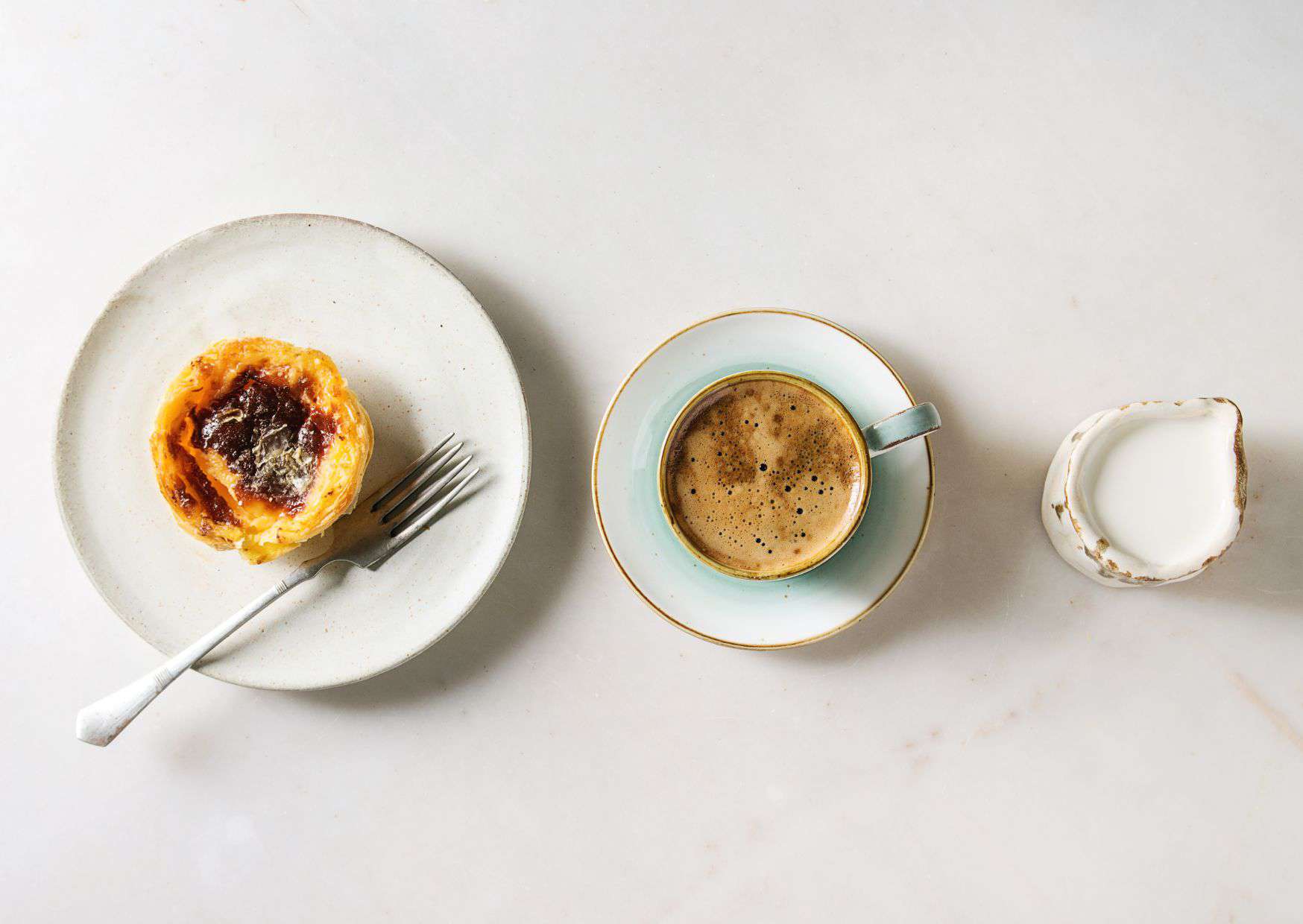
Side: Serve warm with a light dusting of ground cinnamon and powdered sugar for the authentic Portuguese experience.
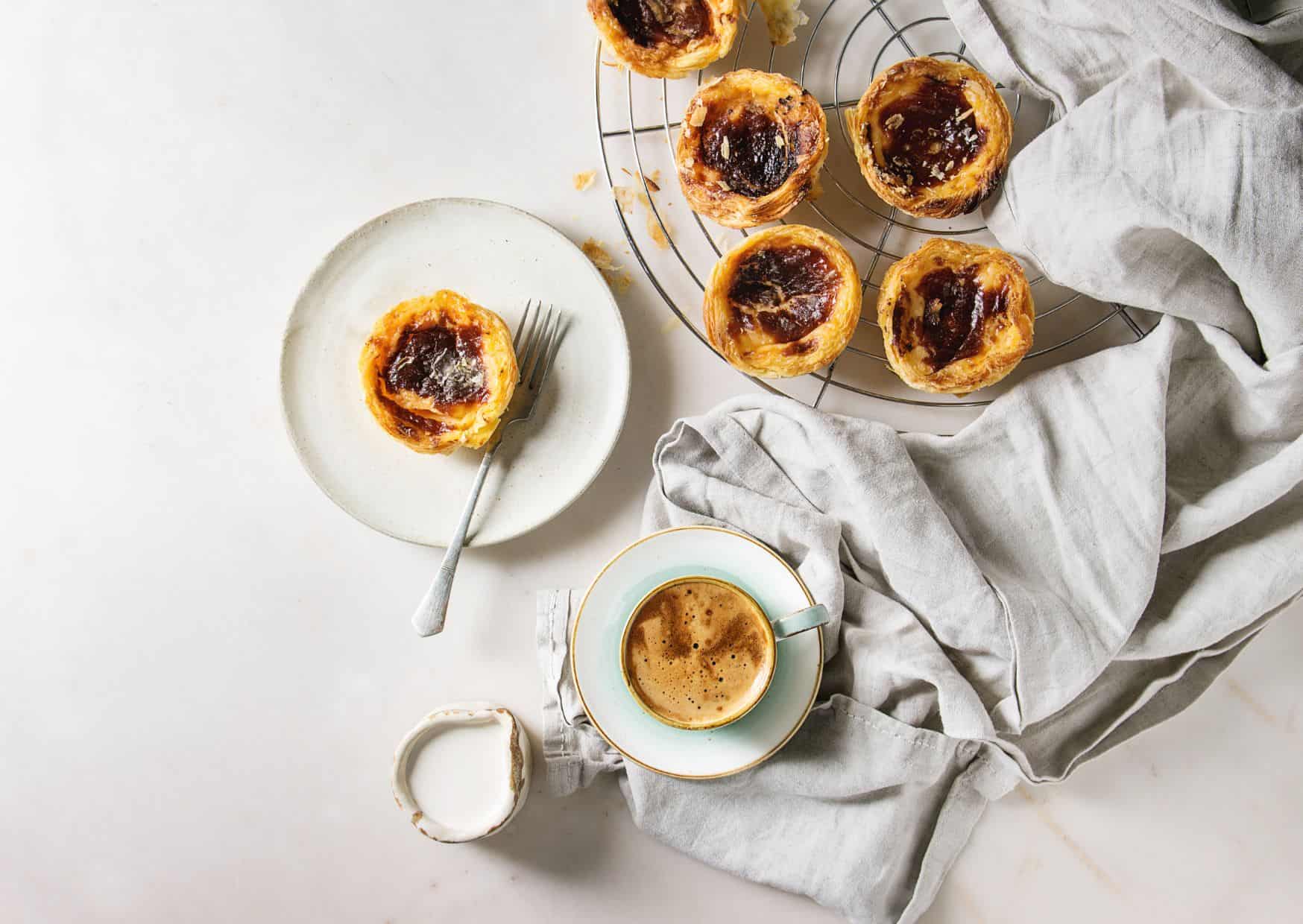
Drink: Pair with a strong espresso or galao (Portuguese milk coffee) in the morning, or with a small glass of Port wine as a dessert pairing.
Dessert course: Complement them with other Portuguese sweets like almond cakes or arroz doce (Portuguese rice pudding) for a complete pastelaria-style dessert spread.
Pastéis de Nata aren’t just pastries—they’re a sweet window into Portugal’s rich culinary heritage, bringing warmth, elegance, and centuries-old tradition to every bite you enjoy.
One of the biggest debates around Pastéis de Nata is about what counts as “authentic.” Purists argue that only the tarts from Lisbon’s Antiga Confeitaria de Belém can truly wear the crown, as they guard their original recipe like a national treasure. Others believe that authenticity is about technique and tradition, not geography.
The growing popularity of these tarts worldwide has also led to a flood of variations—matcha custard, chocolate crusts, or even vegan versions. While creative twists can be delicious, critics say they dilute the cultural identity of the original dessert, turning a heritage recipe into a globalized novelty.
Then there’s the tourism factor. In Lisbon, the massive demand for Pastéis de Nata has created long queues and inflated prices, raising the question of whether commercialization is overshadowing the intimate, artisanal roots of this pastry. Some fear that in chasing fame, the soul of the tart might get lost.
How to Make Pasteis de Nata
Pasteis de Nata Recipe Ingredients
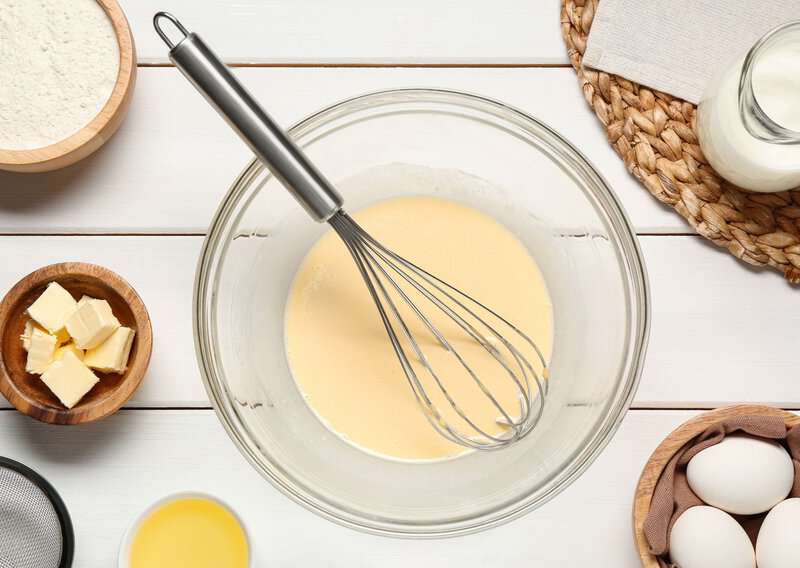
For the Dough:
1 package of puff pastry (store-bought or homemade)
For the Custard:
1 cup heavy cream
1 cup whole milk
3/4 cup granulated sugar
3 tablespoons all-purpose flour
6 large egg yolks
1 teaspoon vanilla extract
Zest of 1 lemon
Cinnamon stick (optional)
Get the best deals for your home and kitchen needs
Step By Step How to Make Pasteis de Nata
Prepare the Dough
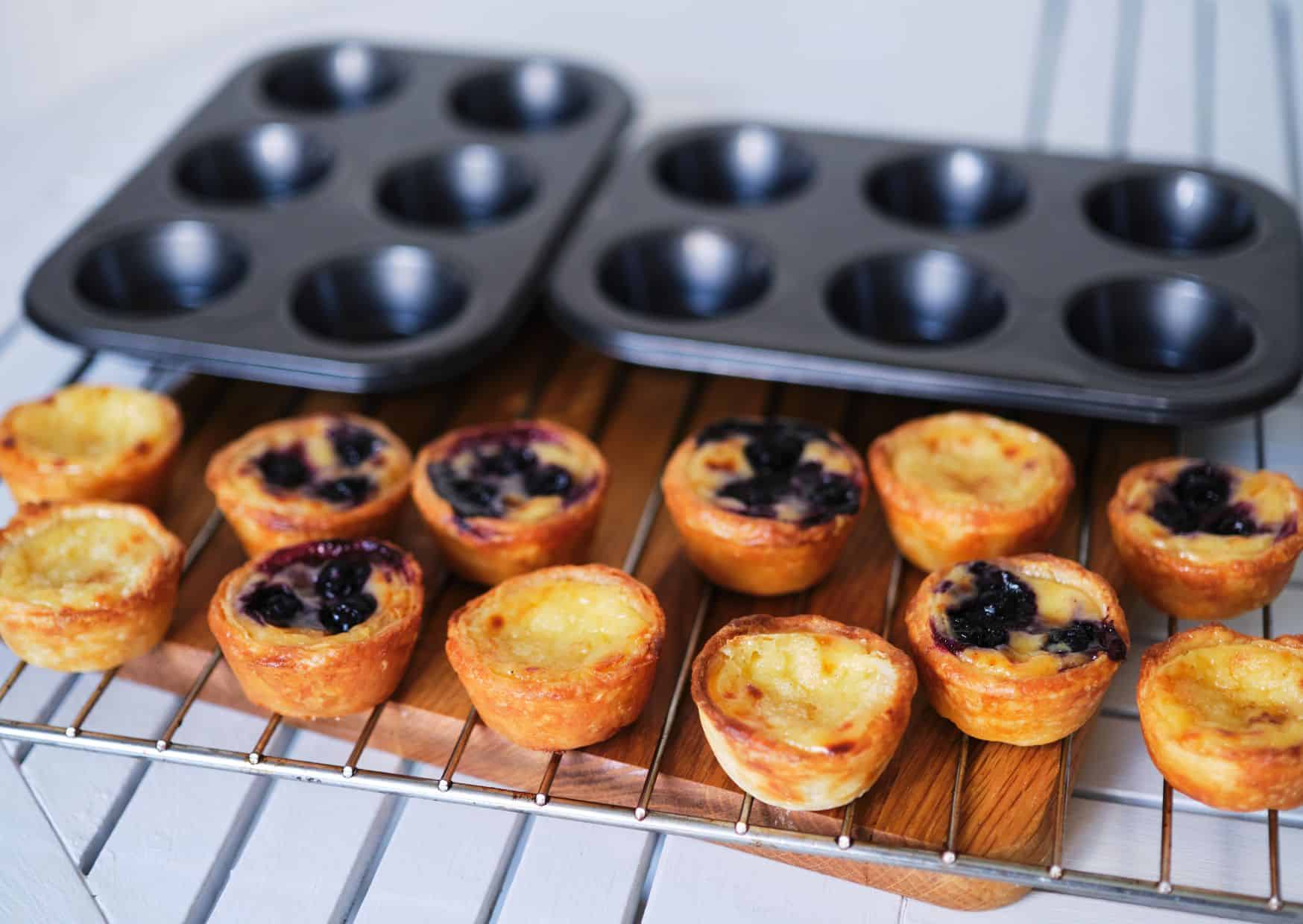
Roll out the puff pastry to a thickness of about 1/8 inch. Cut the pastry into circles slightly larger than your muffin tin wells. Fit the pastry circles into the wells of a greased muffin tin, pressing the dough against the sides.
Make the Custard
In a medium saucepan, combine the heavy cream, milk, and lemon zest. Heat until just below boiling. In a separate bowl, whisk together the sugar and flour. Gradually add the egg yolks, mixing until smooth.
Slowly pour the hot cream mixture into the egg mixture, whisking constantly to avoid curdling. Return the mixture to the saucepan. Add the vanilla extract and cinnamon stick (if using). Cook over medium heat, stirring constantly, until the mixture thickens and coats the back of a spoon.
Assemble and Bake
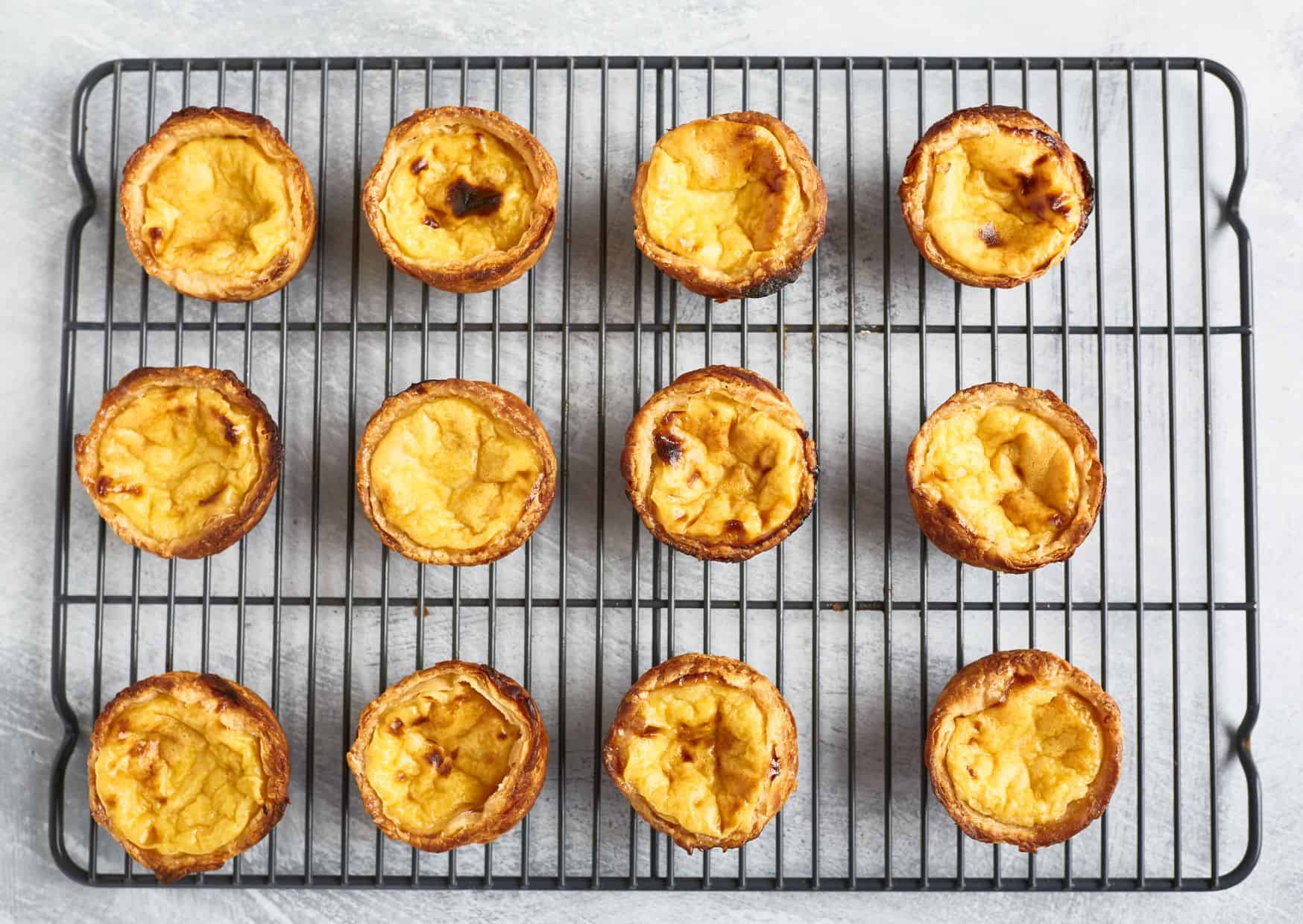
Preheat your oven to 475°F (245°C). Pour the custard into the prepared pastry shells, filling them about three-quarters full. Bake for 12-15 minutes, or until the tops are browned and the pastry is crisp. Allow the tarts to cool in the tin for a few minutes before transferring them to a wire rack to cool completely.
Tips To Make Pasteis de Nata
For the best results, use high-quality puff pastry. If using store-bought, ensure it is fully thawed before rolling out. Make sure to whisk constantly when cooking the custard to prevent lumps and achieve a smooth texture.
Baking at a high temperature helps achieve the characteristic blistered tops of traditional Pastéis de Nata. Allow the tarts to cool slightly in the muffin tin before removing to prevent breaking the pastry.
How Many Calories Have Pasteis de Nata
Calories: 200-250 per tart
Protein: 3-4 grams
Carbohydrates: 20-25 grams
Fat: 12-15 grams
Fiber: 0-1 gram
Origin and History
Pastéis de nata trace their origins back to the 18th century in Lisbon, where monks at the Jerónimos Monastery created the custard tarts as a way to use leftover egg yolks. At the time, egg whites were commonly used for starching clothes, leaving monasteries with an abundance of yolks that needed to be repurposed creatively. What began as a practical solution slowly transformed into one of Portugal’s most beloved pastries.
After the monastery closed in the 19th century, the recipe was sold to a nearby sugar refinery, which later opened the now world-famous Pastéis de Belém bakery. To this day, the original recipe remains a fiercely guarded secret. The combination of a crackly caramelized top, a silky custard center, and shatteringly crisp pastry set these tarts apart from anything you’ll find in a supermarket.
As Portuguese communities spread across the globe, the tart followed. Today, pastéis de nata are synonymous with Portuguese identity, yet many bakeries outside the country fall short of the original flavor. Homemade versions allow for a level of freshness and quality that instantly explains why the traditional recipe became legendary.
Many home bakers assume the secret lies in the custard alone, but Portuguese bakers insist the true soul of a pastel de nata is the pastry. Store-bought versions often rely on shortcuts, freezing techniques, and stabilizers, which change the delicate texture entirely. Purists argue that if the pastry doesn’t break into shards with the first bite, it isn’t a true pastel de nata.
Another controversial point is the caramelized top. Some people avoid browning the custard because they fear it signals burning or overcooking. In Portugal, however, the spotting of deep brown patches is considered a badge of authenticity. It adds a slight bitterness that balances the sweetness and makes the pastry addictive rather than cloying.
There’s also debate over whether cinnamon belongs inside the custard or sprinkled only on top after baking. In Lisbon, the traditional approach keeps the spice out of the custard entirely. Outside Portugal, many people mix it in, creating a different flavor profile. Neither is “wrong,” but if you’re aiming for authenticity, the cinnamon shaker comes after the tart leaves the oven.
How Long You Take to Prepare
Making pastéis de nata from scratch isn’t complicated, but it does reward patience. Preparing the dough can take about 20 minutes, but it needs at least an hour of chilling to achieve the layers that make the pastry so crisp. This step is essential because inadequate chilling results in pastry that puffs unevenly or becomes greasy.
The custard takes roughly 15 minutes to prepare and cools quickly. It’s a simple mixture of cream, sugar, egg yolks, and a touch of flour, but the timing matters. Undercook it, and the filling turns runny; overcook it, and the texture becomes grainy. Aim for a silky consistency that pours smoothly into the pastry shells.
Once assembled, the tarts bake at a very high temperature for 10 to 12 minutes. This blast of heat gives the pastry its signature crispness and caramelizes the top. In total, you’re looking at about 90 minutes of hands-on and resting time before you can pull the first golden batch from the oven.
Serving Suggestions
Pastéis de nata taste best when eaten slightly warm, ideally within an hour of coming out of the oven. The pastry stays crisp, the custard tastes freshly set, and the caramelized top retains its subtle crackle. If you’re serving guests, present them straight from the tray with coffee or black tea to highlight the richness of the custard.
Sprinkling cinnamon or powdered sugar on top is optional but customary. In Portugal, most cafés give you the choice at the table rather than baking the spices into the tart. If you want to mimic the Lisbon café experience, set out small bowls of cinnamon and sugar and let everyone season their own.
For a richer dessert, serve the tarts with fresh berries or a small scoop of vanilla ice cream. Some people even pair them with Port wine, allowing the sweetness of the custard to balance the wine’s bold flavor. However you serve them, pastéis de nata are best enjoyed slowly, in true Portuguese fashion.
Final Thoughts
Homemade pastéis de nata offer a depth of flavor and texture that store-bought versions simply can’t match. When you take the time to prepare the pastry and caramelize the custard correctly, you understand why this humble dessert became a national treasure. It’s a pastry that rewards both precision and indulgence.
Learning the traditional method connects you to centuries of Portuguese culinary history. Every step, from rolling the dough to watching the custard bubble under the heat, reminds you that this recipe survived because it’s simply too good to fade away. And once you master it at home, you’ll understand exactly why locals line up for fresh batches every morning.
If you decide to try it yourself, expect your kitchen to smell like a Lisbon bakery and your guests to ask for the recipe on the spot. Pastéis de nata aren’t just a treat they’re an experience. Once you’ve tasted them straight from your own oven, going back to packaged versions won’t even cross your mind.

About the Author: Ruben, co-founder of Gamintraveler.com since 2014, is a seasoned traveler from Spain who has explored over 100 countries since 2009. Known for his extensive travel adventures across South America, Europe, the US, Australia, New Zealand, Asia, and Africa, Ruben combines his passion for adventurous yet sustainable living with his love for cycling, highlighted by his remarkable 5-month bicycle journey from Spain to Norway. He currently resides in Spain, where he continues sharing his travel experiences with his partner, Rachel, and their son, Han.