
Traveling is one of life’s greatest joys—new cultures, new experiences, and of course, new food. But nothing ruins a trip faster than food poisoning. Whether it’s a bad bowl of street noodles in Bangkok or a questionable buffet in Rome, one contaminated meal can sideline your plans for days.
The good news? You don’t need to give up adventurous eating to stay healthy on the road. With a few smart habits, some local insight, and a bit of gut intuition (pun intended), you can enjoy global cuisines without the stomach trouble.
This complete guide will walk you through how to avoid food poisoning while traveling, including tips for eating safely, common mistakes, and how to enjoy street food without regret.
Read Here European Things that terrify Americans and American Habits that make Europeans Cringe
Read here how to pack for Europe and Best eSIM for Europe
BOOK YOUR TRAVEL INSURANCE
Two of our favorite travel insurance: Heymondo Vs Safetwing cheapest travel Insurance. You can get for $135 USD your Heymondo Travel Insurance with Heymondo discount code valid for 90 days. Read our full comparison of Genki vs Safetywing Travel Insurance Review and the comparison Heymondo vs Genki
What Is Food Poisoning?
Food poisoning is a general term for illness caused by consuming contaminated food or drink. The usual culprits include:
Bacteria: E. coli, Salmonella, Listeria, Campylobacter
Viruses: Norovirus, Hepatitis A
Parasites: Giardia, Cryptosporidium
Symptoms often include:
Diarrhea
Vomiting
Stomach cramps
Fever
Fatigue
Most cases resolve within 24–72 hours, but some require medical attention—especially if dehydration occurs.
Why Travelers Are at Higher Risk

When you travel, you expose yourself to unfamiliar bacteria, different sanitation standards, and new food preparation methods. What’s harmless to locals (who have gut immunity) can wreak havoc on your system.
Travelers are especially vulnerable when:
Eating raw or undercooked foods
Trying unfamiliar dishes or exotic meats
Consuming street food without assessing cleanliness
Drinking contaminated water or ice
Letting their guard down when they’re tired or hungry
How to Eat Safely While Traveling
1. Stick to Food That’s Cooked and Served Hot
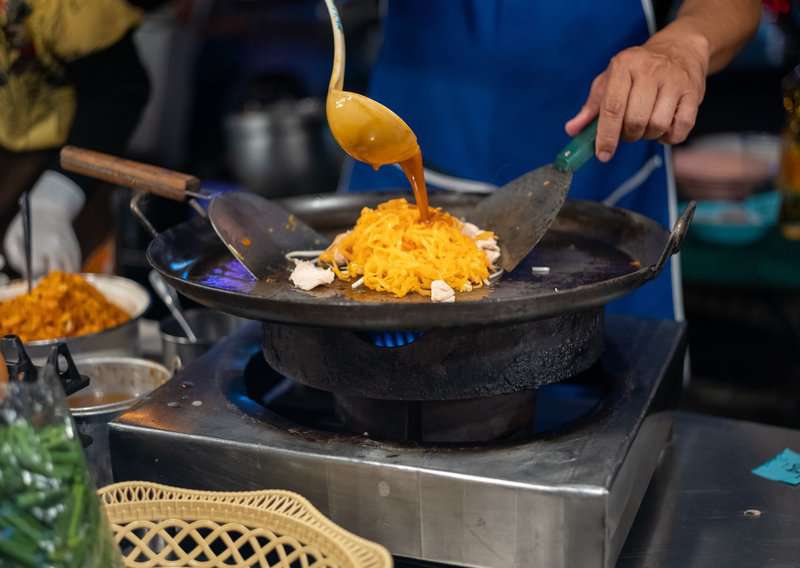
Heat kills most harmful bacteria. Aim for meals that are:
Freshly prepared
Piping hot when served
Cooked in front of you (especially on the street)
Avoid: Food sitting in buffet trays, lukewarm soups, or reheated items from hours earlier.
2. Peel It or Skip It
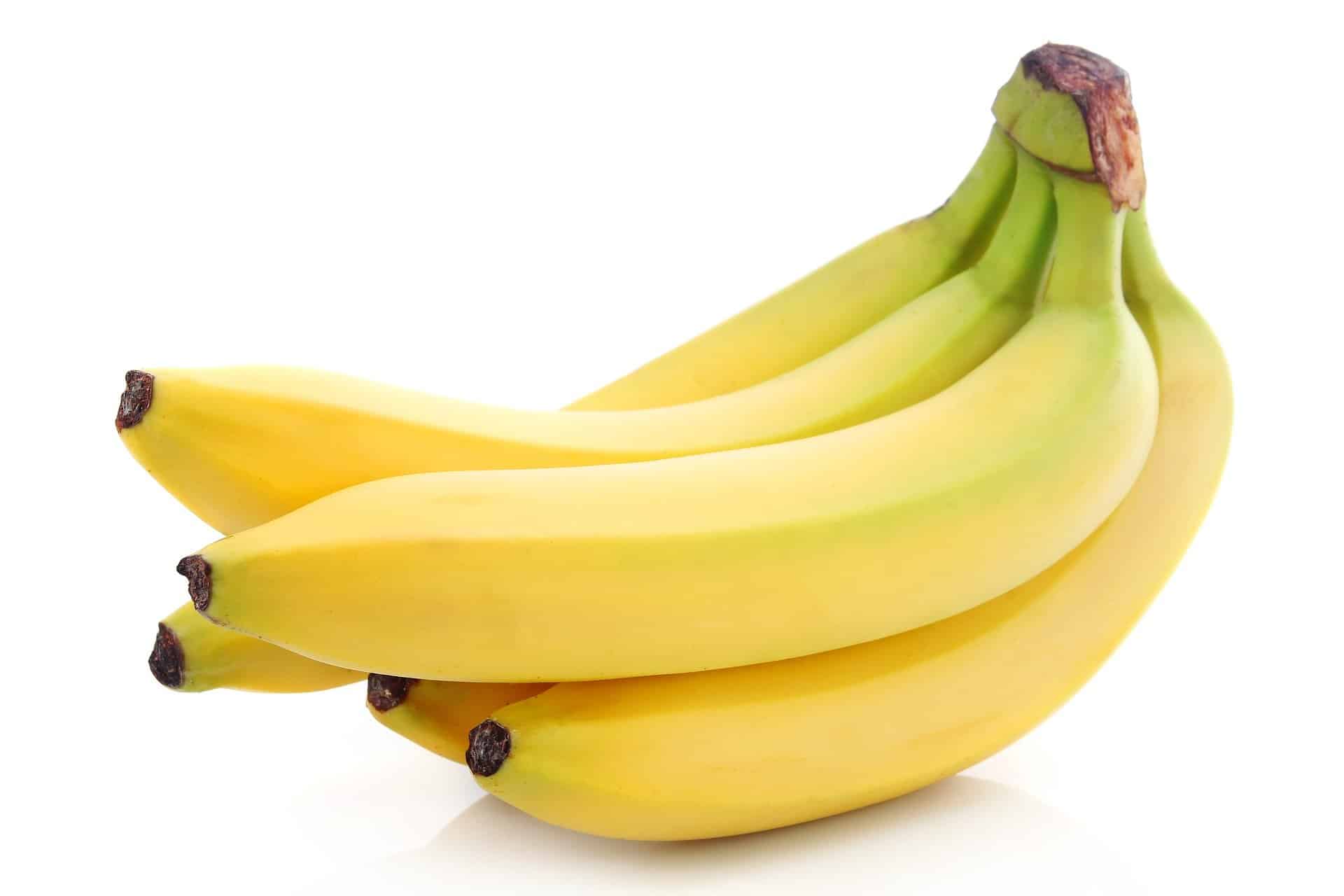
This is an old traveler’s rule that still works—if you can’t peel it, don’t eat it raw.
Safe: Bananas, oranges, avocados
Risky: Pre-cut fruits, raw salads, unwashed berries
Local tap water is often used to wash produce. If you can’t verify how it was cleaned, skip it or wash it yourself with bottled water.
3. Avoid Tap Water (and Ice)
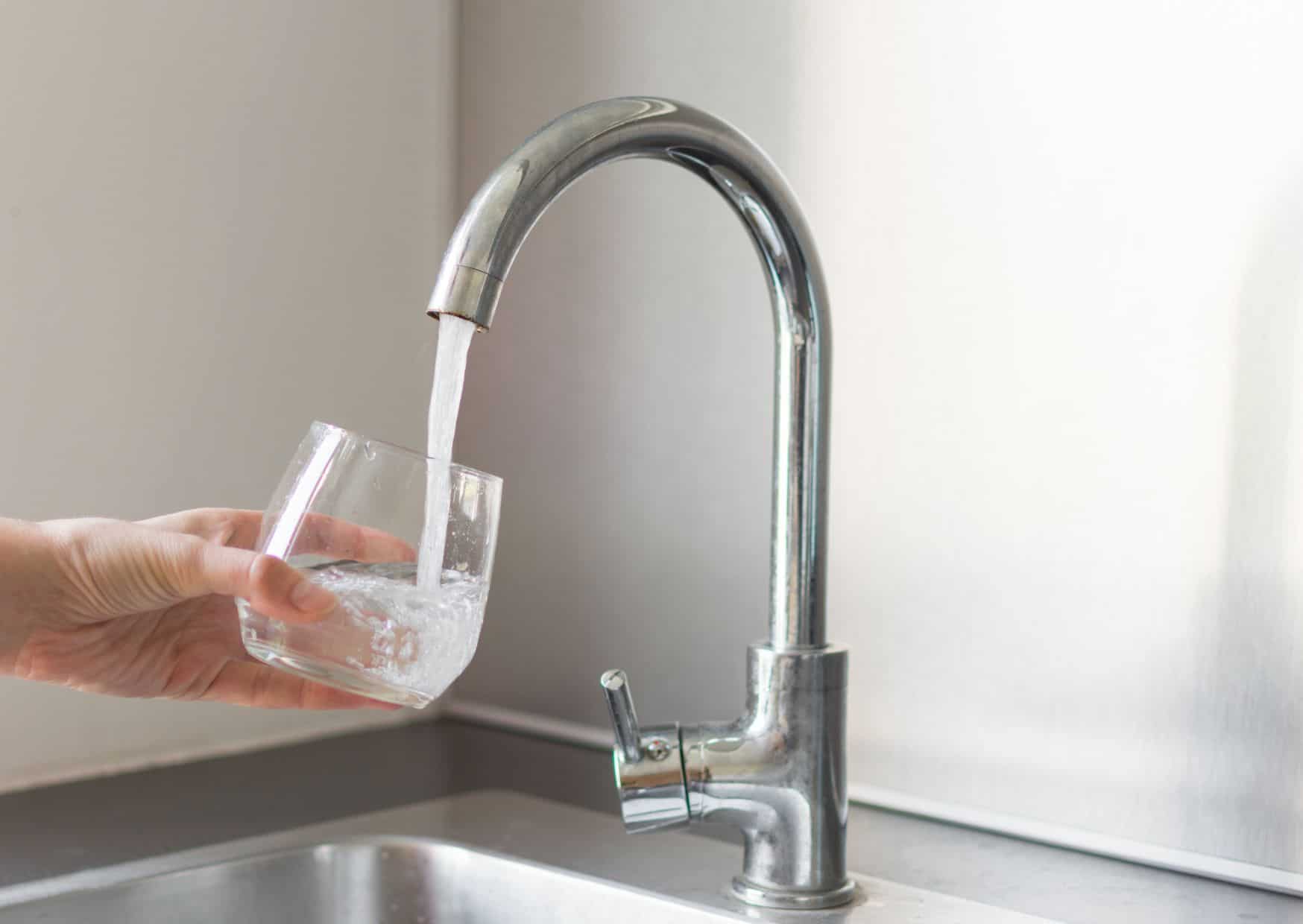
In many countries, tap water is not safe to drink—and that extends to:
Ice cubes
Frozen smoothies
Unsealed bottled water (check the cap seal)
Brushed teeth (use bottled water)
When in doubt, drink sealed bottled water, boiled water, or use a portable water filter (like LifeStraw or SteriPEN).
4. Be Cautious With Street Food (But Don’t Avoid It)
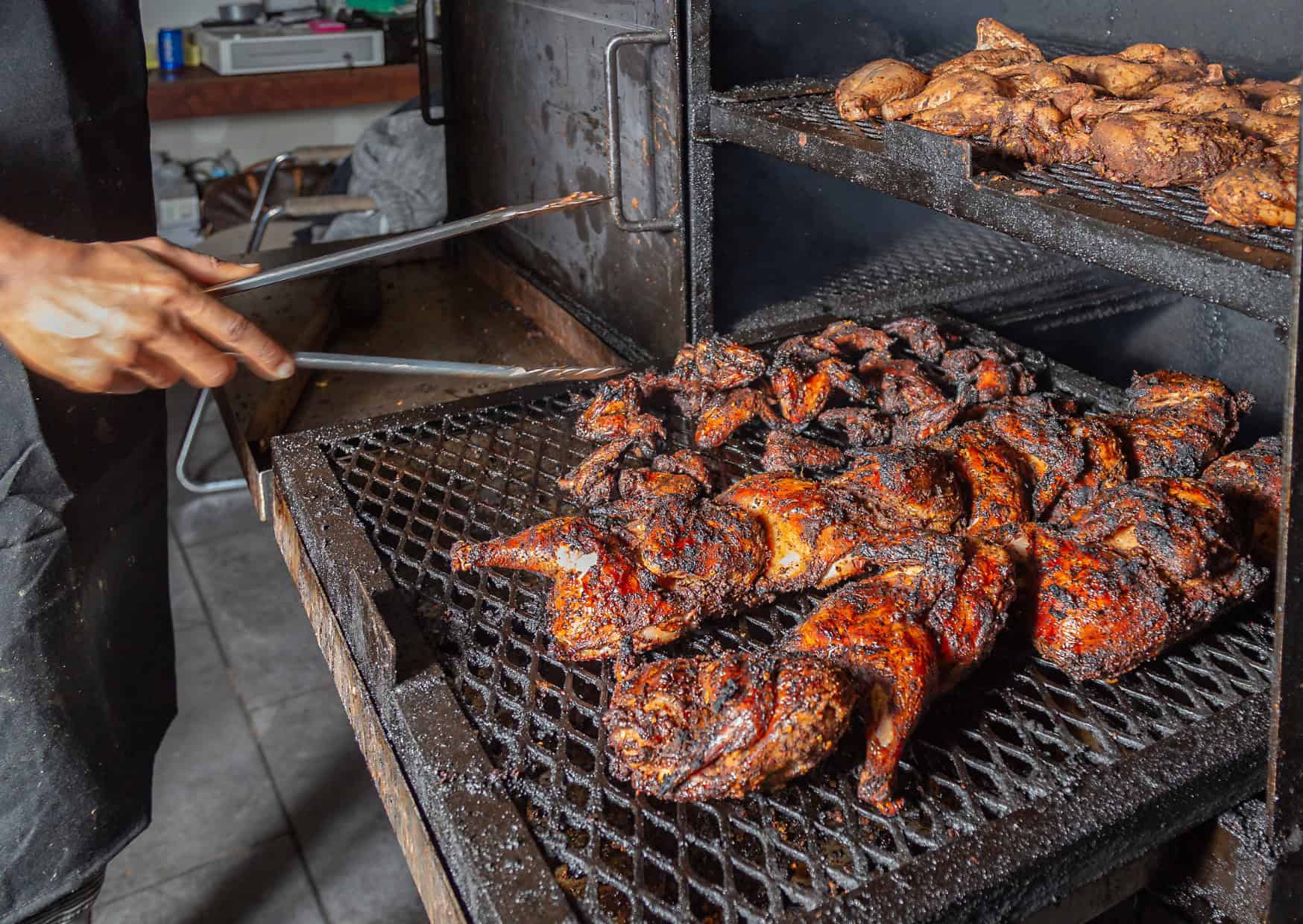
Street food is often delicious and authentic—but not all vendors are equal.
How to choose a safe vendor:
Busy stall with a long line of locals = fresh food turnover
Clean hands, gloves, and utensils
One person handling money, another handling food
Cooked food made to order in front of you
No flies buzzing around the prep area
Avoid: Vendors with no customers, reheated food in trays, dirty oil, or uncovered ingredients in the sun.
5. Trust Your Nose and Eyes
Your senses are your best defense.
If the food smells off, don’t eat it.
If the kitchen looks filthy, walk away.
If the meat is gray or slimy, say no.
When your gut says “this feels sketchy,” it usually is.
6. Be Wary of Buffets
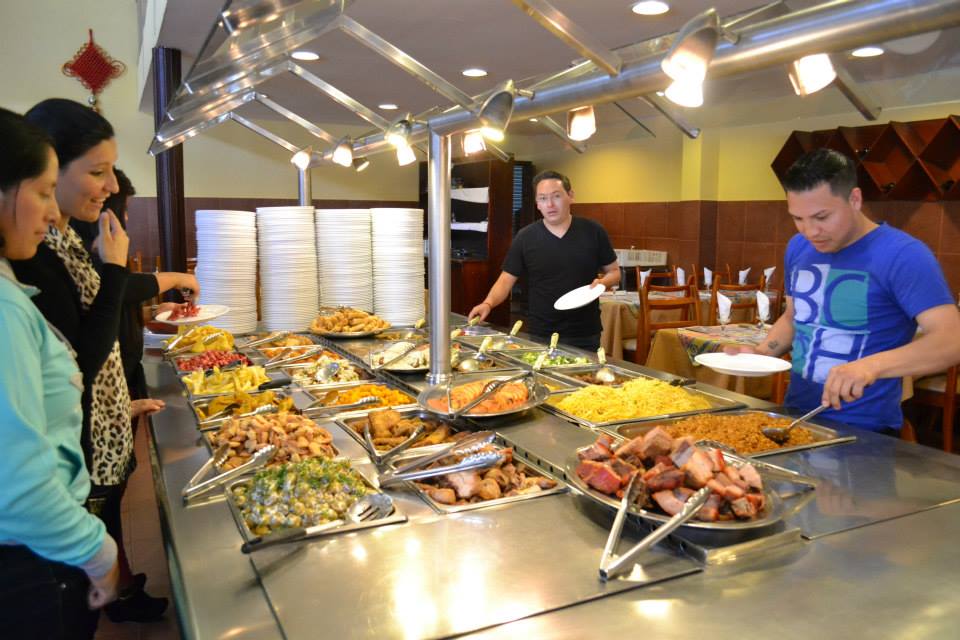
Buffets are prime territory for bacteria to thrive, especially when:
Food is left out for hours
Heat lamps fail to maintain safe temps
Customers handle serving spoons with dirty hands
If you must eat at a buffet:
Arrive early, when food is freshest
Choose items that are still steaming
Avoid cold dishes and dressings unless refrigerated
7. Wash Your Hands (Or Sanitize) Often
Many cases of “food poisoning” are actually due to poor hand hygiene—not the food itself.
Wash hands before eating, especially after touching money or public surfaces
Carry a travel-size hand sanitizer and use it liberally
Avoid eating with your hands unless you’ve just cleaned them
8. Start Slow With Local Foods
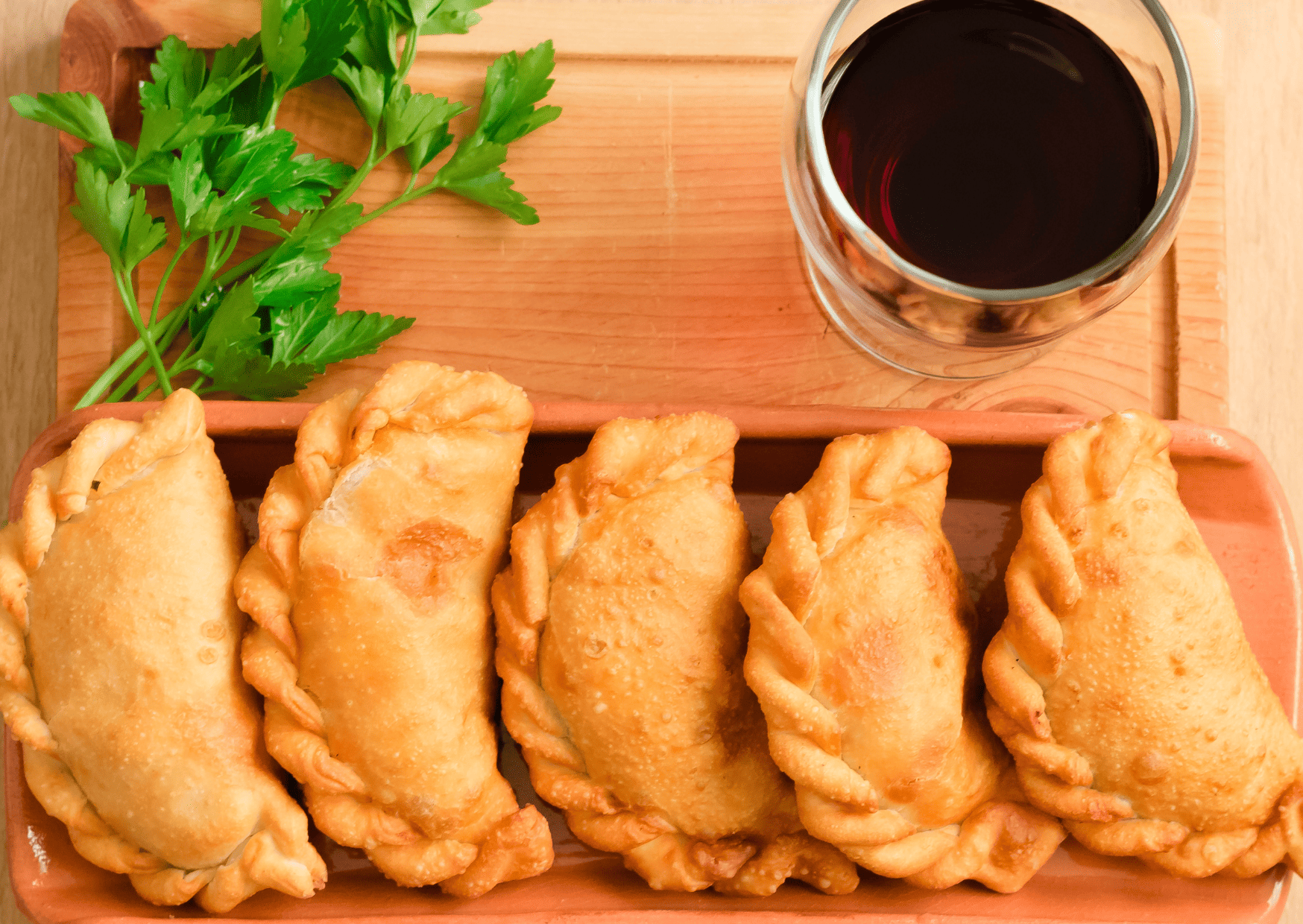
Let your stomach adapt. On your first day in a new country:
Avoid spicy or exotic dishes right away
Try smaller portions of local foods first
Stick with cooked items until you get a feel for what your system tolerates
Common Traveler Mistakes That Lead to Food Poisoning
1. Drinking Fresh Juices From Street Vendors
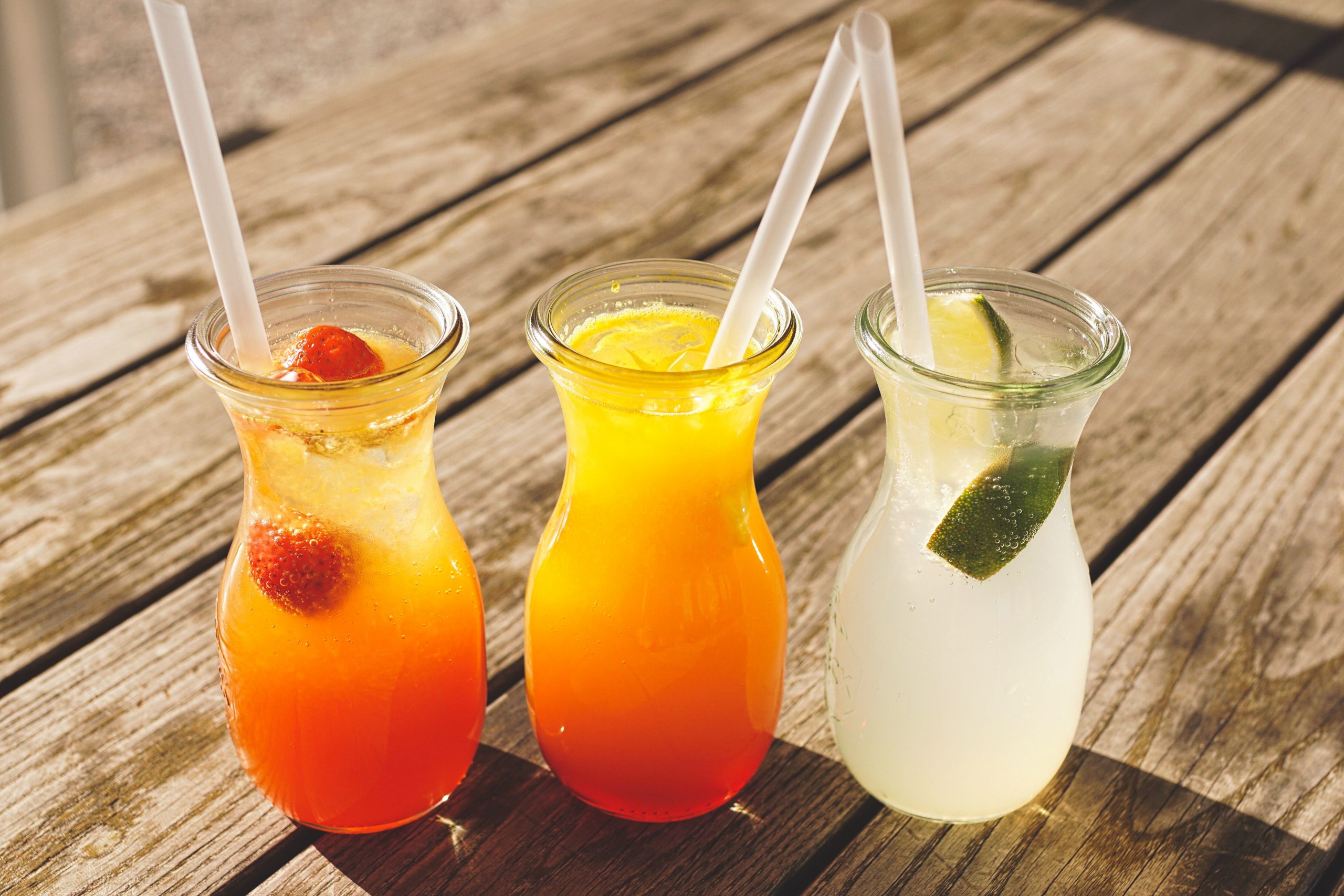
Even if it looks healthy, fresh juice can be risky:
Made with unwashed fruits
Mixed with ice from tap water
Cups may not be properly cleaned
Safer option: Bottled juices or vendors that prep fruit in front of you with clean equipment.
2. Eating Raw Seafood or Undercooked Meat
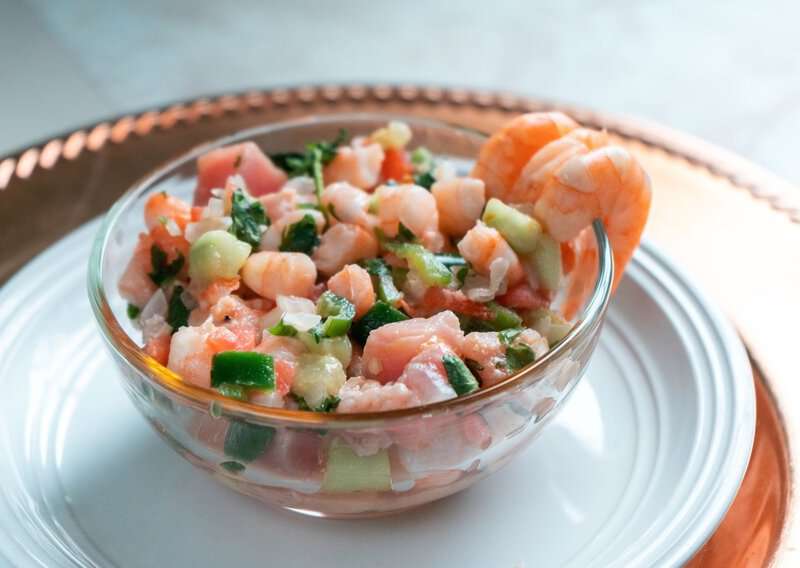
Unless you’re in a high-end, reputable restaurant, skip:
Raw oysters
Undercooked burgers
Ceviche from a roadside shack
Sushi from unknown sources
Raw animal products carry the highest risk of foodborne illness.
3. Trying Dairy in Countries Without Pasteurization Standards
In many parts of the world, dairy is not pasteurized or refrigerated.
Be cautious with:
Soft cheeses
Ice cream from small carts
Milkshakes or yogurt drinks
Stick with sealed, refrigerated dairy products or those cooked into dishes.
4. Forgetting to Rehydrate
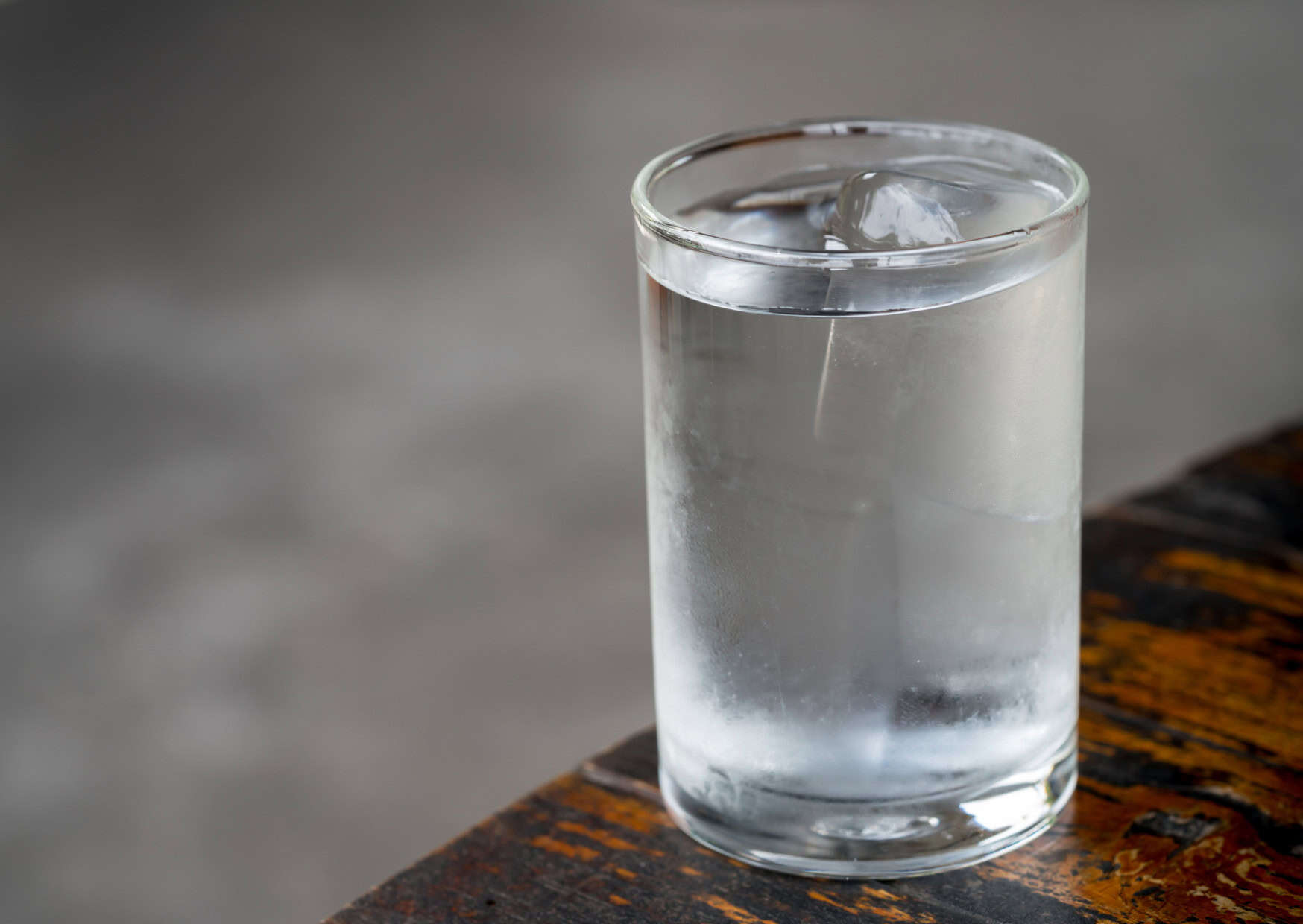
Even mild food poisoning leads to dehydration, especially in hot climates. If you get sick:
Sip oral rehydration salts (ORS) or sports drinks
Avoid caffeine and alcohol
Use activated charcoal or anti-diarrheal meds as needed (check with a doctor)
Essential Items for Food-Safe Travel
Pack these in your travel medical kit:
Hand sanitizer
Oral rehydration salts
Anti-diarrheal meds (like Imodium)
Probiotics (start taking before and during your trip)
Activated charcoal capsules
Portable water filter or purifier
Travel-size soap sheets
Bonus: Download an offline translation app to ask “Is the water filtered?” or “Does this contain raw egg?” in the local language.
If You Do Get Sick: What to Do
Step 1: Hydrate
Use oral rehydration salts or drink electrolyte solutions to replace lost fluids.
Step 2: Rest and Eat Blandly
Stick to:
Rice
Bananas
Toast
Applesauce
Avoid dairy, fatty foods, alcohol, and caffeine until you recover.
Step 3: Know When to Seek Help
Seek medical attention if you experience:
High fever
Bloody diarrhea
Vomiting for more than 24 hours
Signs of dehydration (dry mouth, dizziness, low urine)
Most cities have tourist hospitals or clinics familiar with treating foodborne illnesses in travelers.
Final Thoughts: Be Curious, Not Careless
Traveling is about experiencing culture through food—and yes, sometimes that means eating from a cart in Mexico City or slurping noodles in Hanoi. You don’t need to fear food—you just need to respect it.
By staying observant, trusting your instincts, and avoiding common mistakes, you can taste the world safely and confidently. Food should be a highlight of your trip—not a health hazard.
So go ahead, try that empanada or spice-laced curry. Just wash your hands, watch how it’s made, and keep that hand sanitizer handy.
Bon appétit—and safe travels!

About the Author: Ruben, co-founder of Gamintraveler.com since 2014, is a seasoned traveler from Spain who has explored over 100 countries since 2009. Known for his extensive travel adventures across South America, Europe, the US, Australia, New Zealand, Asia, and Africa, Ruben combines his passion for adventurous yet sustainable living with his love for cycling, highlighted by his remarkable 5-month bicycle journey from Spain to Norway. He currently resides in Spain, where he continues sharing his travel experiences with his partner, Rachel, and their son, Han.