
And What That Reveals About Daily Life, Cultural Values, and a Very Different Idea of “Enough”
Spend a few weeks in France, and you’ll notice something about everyday spending.
It’s not just that prices can be high — they are.
It’s that French people don’t buy things they don’t value.
They have luxuries, yes. Beautiful wine, excellent shoes, long lunches. But not in endless variety. Not in bulk. Not just because something’s on sale.
Where Americans often spend money to save time, accumulate options, or feel prepared for anything, French people tend to spend money slowly — with caution, attention, and the assumption that less is usually enough.
Here are nine everyday things that Americans commonly spend big on — but that the French either avoid, ignore, or approach with a completely different mindset.
Looking for More Travel & Culture Reads?
– They Don’t Work 24/7: 5 Vacation Customs in Europe That Drive Americans Crazy
– 7 Dress Code Shocks Americans Face in Italy
– 9 European Beach Habits That Shock First-Time Tourists
1. Fast Fashion and Endless Clothing Options
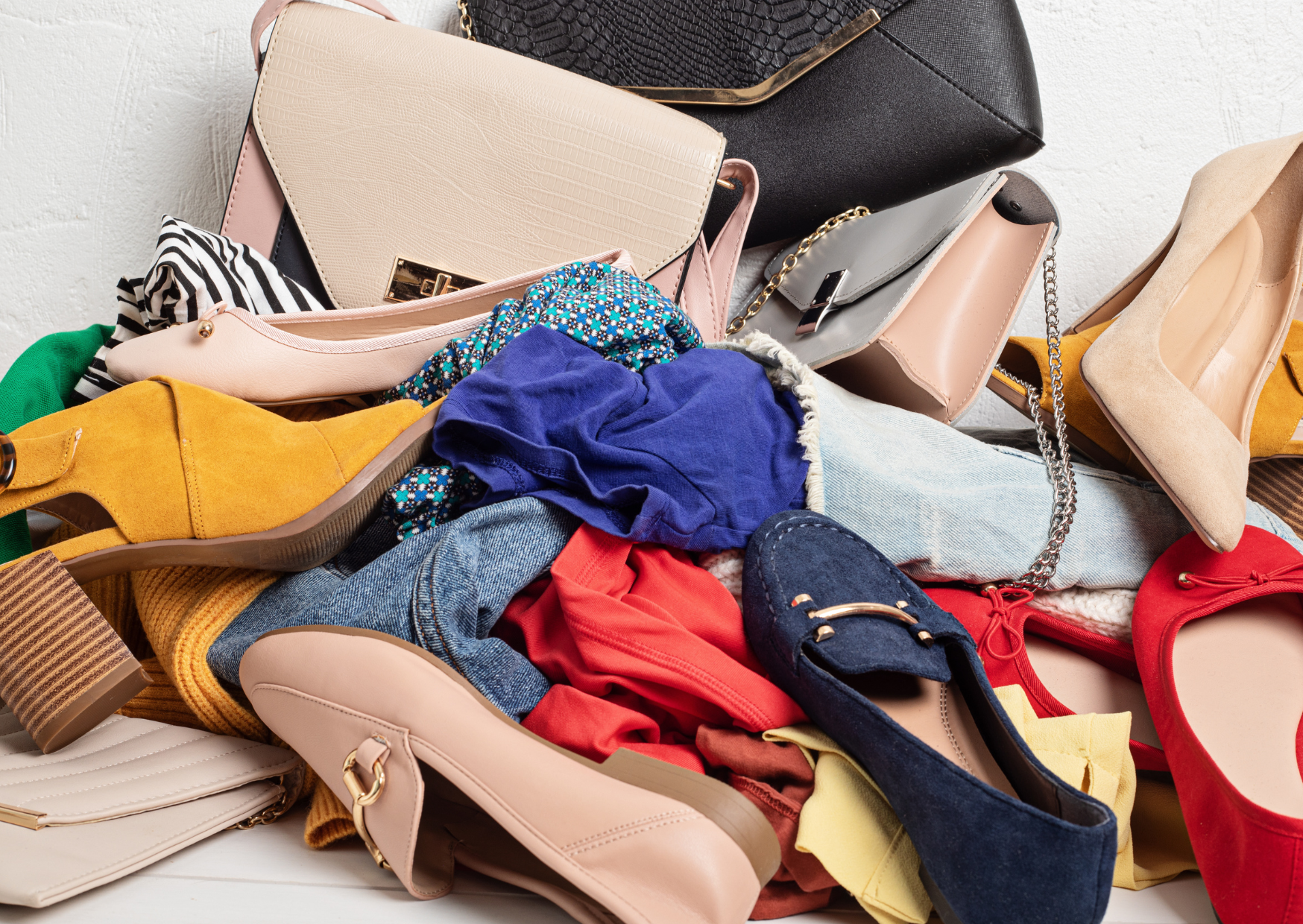
In America, it’s normal to have a closet bursting with clothes: gym wear, office wear, casual Friday wear, summer sandals, fall boots, coats for every temperature. Fast fashion makes it cheap and easy to keep buying.
In France, the idea of buying five new shirts just because they’re on sale feels absurd.
French wardrobes are often small and repeatable. People wear the same high-quality items again and again — and they don’t apologize for it.
A woman might wear the same neutral trench coat for ten years. A man might rotate three shirts and one pair of boots all winter. The key is care and fit, not volume.
There’s no shame in outfit repeating. In fact, it’s respected.
2. Constantly Upgrading Electronics

Americans are used to refreshing their phones every two years, buying the latest smartwatch, or switching laptops because the screen feels “a little slow.” New tech is a routine expense.
The French approach electronics differently.
They often:
- Keep their phones for five years or more
- Repair cracked screens instead of replacing devices
- Use one shared TV for the household
- Avoid smart home gadgets unless necessary
There’s no status tied to owning the latest iPhone. In many French homes, you’ll find an old-but-functional laptop, a tablet used by the kids, and nothing more.
If something works, you don’t replace it.
3. Gym Memberships and Boutique Wellness

Boutique gyms, yoga studios, wellness apps, organic supplements — Americans spend heavily to stay fit and healthy, even when they don’t use half of what they pay for.
The French approach health differently. They walk. They bike. They eat modest portions. And if they need professional health support, they go to the doctor — because healthcare is accessible and not tied to lifestyle brands.
You won’t find many French people paying $200/month to attend a scented pilates class followed by a green juice.
They’re not chasing fitness trends. They’re just moving regularly, eating in balance, and keeping wellness boring — and cheap.
4. Oversized Homes and Storage

Many Americans live in houses with garages, basements, walk-in closets, and entire rooms devoted to stuff they don’t use. The average U.S. home has more than 2,000 square feet. In France, homes are often half that size.
Which means French people simply don’t buy what they can’t store.
They’re not trying to fill walls or decorate every empty surface. If they buy furniture, it’s usually timeless, functional, and expected to last decades — not one season.
The idea of a “seasonal decor refresh” doesn’t exist. A French living room looks like it was set up once, not re-styled every spring.
5. Daily Takeout Coffee and Drive-Thru Culture
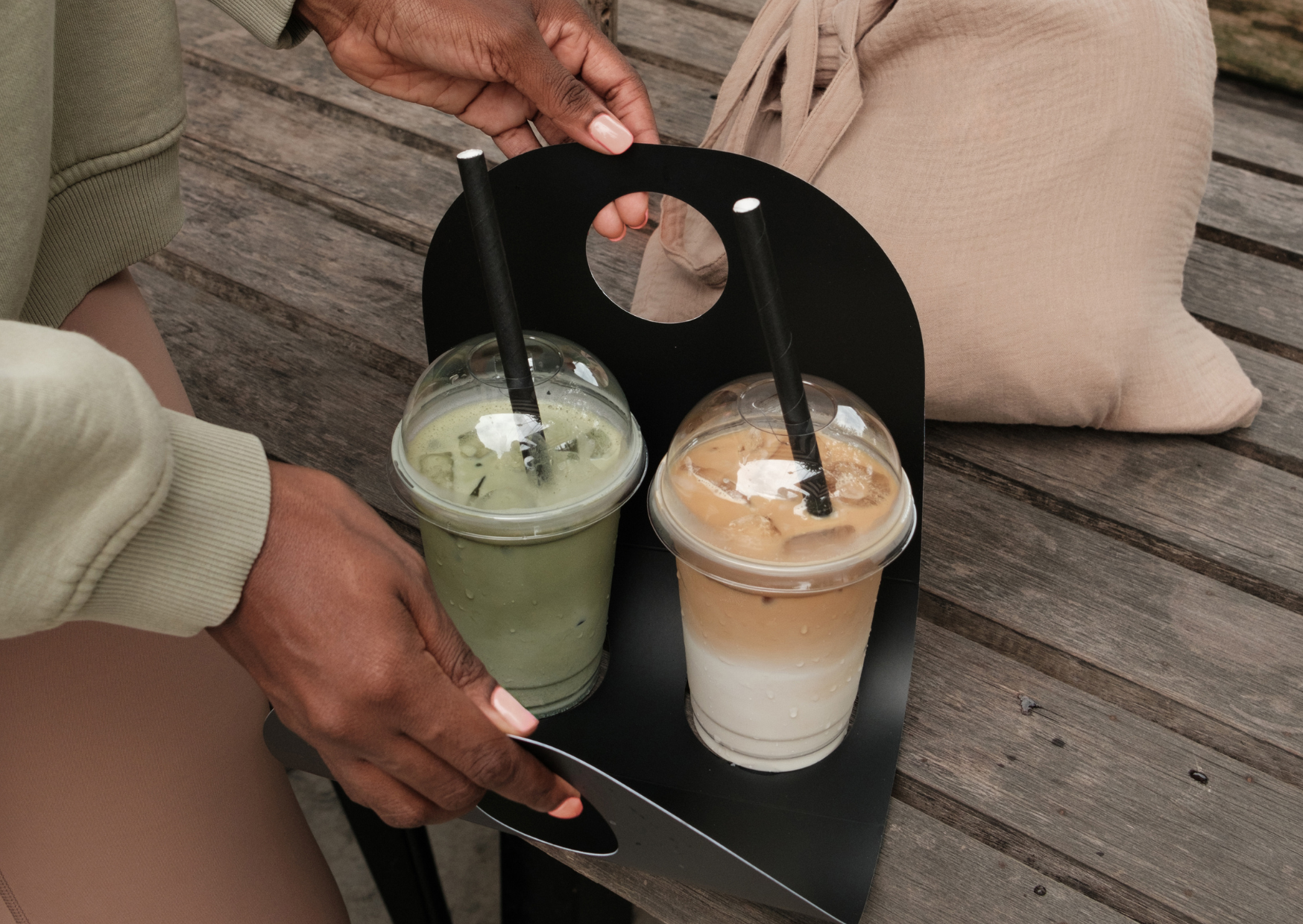
In the U.S., buying coffee on the go is a daily habit. Lattes, cold brews, frappes — each easily $5 or more, often grabbed without much thought.
In France, most people drink coffee at home or at the bar.
At home, it’s a stovetop espresso or filter coffee. At the bar, it’s a single espresso — small, quick, and usually under €2.
There’s no walking around with a giant iced coffee. No drive-thru queues for sugar-laced drinks. No reusable cup discounts to justify the habit.
Coffee is not a personality or a treat. It’s a routine, and it’s cheap.
6. Birthday Parties and Celebration Excess

American birthdays often mean bouncy houses, themed goodie bags, custom cakes, and expensive gifts — even for kids turning six.
In France, birthdays are simpler.
For a child: cake at home, a few friends over, a gift or two. For an adult: a meal, maybe drinks, no giant fuss. You won’t see photo booths or balloon arches unless someone’s really breaking tradition.
French celebrations are about being together. Not about impressing, documenting, or outspending.
Even weddings are often far cheaper than their American counterparts — and no one sees that as a problem.
7. Buying in Bulk and Overconsuming
Costco culture hasn’t quite arrived in France — and not because people aren’t price-conscious.
It’s because most people don’t have space to store 12-packs of mustard, and more importantly, they don’t want 12 packs of mustard.
French shoppers buy small quantities, more often. They visit local markets. They avoid waste. They buy exactly what they’ll eat in the next few days.
Americans often spend to save per unit. The French just buy one good version of something — and that’s it.
8. Gadgets and Kitchen Clutter
From air fryers and waffle makers to smoothie blenders and smart fridges, American kitchens are filled with gadgets — many of which collect dust after the novelty fades.
French kitchens are often smaller and more analog.
You’ll find:
- A stovetop espresso maker
- A good chef’s knife
- A cast-iron pot
- A reliable oven
No Instant Pot. No air fryer. No drawer of specialty devices for every cuisine. Tools are few, but used often.
The goal isn’t to automate everything. It’s to cook well — simply.
9. Multiple Cars and Driving as Default
In the U.S., many households have two or three vehicles — even when public transit is an option. Teens get cars as birthday gifts. Driving is considered essential.
In France, cars are optional — especially in cities.
A family might have one car. Many people don’t own one at all. Trains, metros, bikes, and walking are part of daily life.
A car is seen as a tool. Not an extension of identity. Not a second living room. Not a rolling tech suite.
And certainly not something worth sinking money into if you don’t need it.
The French Art of Spending Less — Without Feeling Deprived
When Americans think about “cutting back,” it often feels like punishment. Deprivation. Going without.
But in France, spending less is part of the rhythm of daily life. It’s built into the systems. It’s expected, even admired.
You don’t need ten outfits to feel stylish. You don’t need a gadget for every kitchen task. You don’t need to mark every celebration with a massive bill.
You need enough — and you need to enjoy what you already have.
That mindset doesn’t come from minimalism trends or financial advice. It comes from culture. And it’s why French people, even in a pricey country, often feel like they’re living well — without overspending.
For Americans looking to cut back in 2025, the French offer a quiet example:
Want less. Use more. Choose carefully.
And let the rest go.

About the Author: Ruben, co-founder of Gamintraveler.com since 2014, is a seasoned traveler from Spain who has explored over 100 countries since 2009. Known for his extensive travel adventures across South America, Europe, the US, Australia, New Zealand, Asia, and Africa, Ruben combines his passion for adventurous yet sustainable living with his love for cycling, highlighted by his remarkable 5-month bicycle journey from Spain to Norway. He currently resides in Spain, where he continues sharing his travel experiences with his partner, Rachel, and their son, Han.