
And What It Reveals About Trust, Autonomy, and a Culture That Raises Adults Before They’re Adults
In the United States, most parents wouldn’t dream of letting their 11- or 12-year-old take public transportation alone.
Too many things could go wrong.
Too many headlines suggest danger.
Too many strangers, too many variables, too much risk.
But in Spain, it’s not just allowed — it’s expected.
By the age of 10 to 12, many Spanish children:
- Walk to school without adult supervision
- Take the metro or city bus on their own
- Run errands with money and instructions
- Navigate their neighborhoods with confidence
To an American parent, this may feel like reckless parenting.
To a Spanish one, it’s a necessary part of growing up — and a clear sign that a child is learning how to be capable, not just safe.
Here’s why Spanish parents let their kids take public transportation so young — and what it says about how independence is cultivated, not feared.
Looking for More Travel & Culture Reads?
– They Don’t Work 24/7: 5 Vacation Customs in Europe That Drive Americans Crazy
– 7 Dress Code Shocks Americans Face in Italy
– 9 European Beach Habits That Shock First-Time Tourists
1. The Infrastructure Is Designed With Children in Mind
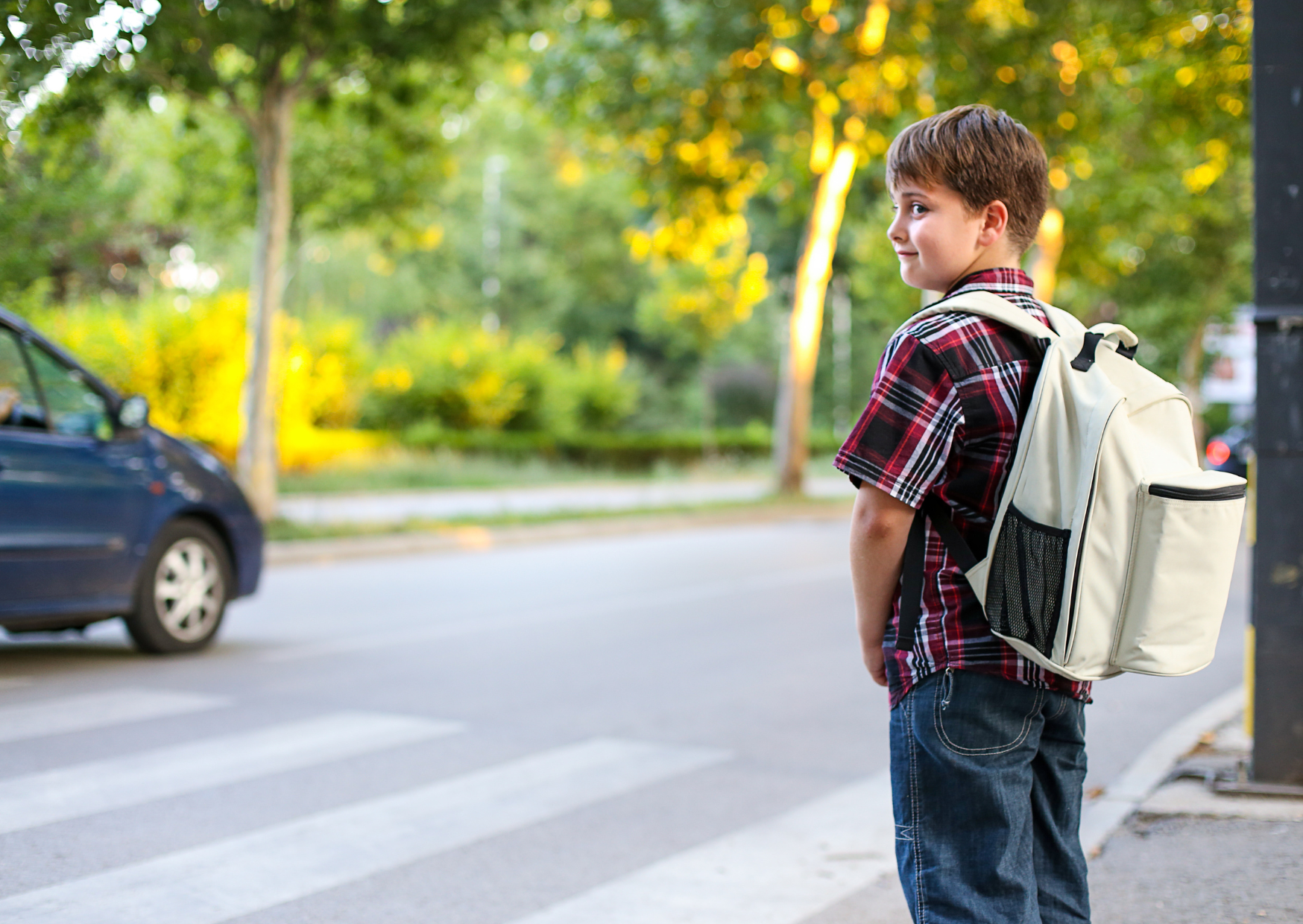
In many Spanish cities and towns:
- Public transportation is frequent, reliable, and safe
- Routes are designed for pedestrians, not just drivers
- Streets are walkable, with wide sidewalks and visible crossings
- School zones are marked and prioritized
Cities like Madrid, Valencia, and Bilbao invest in public systems that:
- Serve all ages
- Keep fares affordable
- Ensure bus and metro stops are well-lit, monitored, and staffed
Kids don’t feel like outsiders on public transport.
They’re seen as regular citizens — and the system reflects that.
In the U.S., public transportation is often underfunded, poorly integrated, or used mainly by adults — making it feel less approachable for young riders.
2. Children Are Raised With Street Smarts — Early

From a young age, Spanish children are taught:
- How to cross streets safely
- Which buses and metros go where
- How to ask for help if needed
- How to use a travel card, read a map, and stay alert
This education doesn’t happen in a single conversation.
It’s modeled daily — by walking with parents, watching older siblings, and absorbing their environment.
By the time they’re 10 or 11, they’ve already:
- Memorized their local bus stop
- Navigated routes with family
- Learned how to manage transitions and delays
They don’t “suddenly” take the bus alone.
They gradually learn how, with layers of real-life experience.
3. There’s Less Helicopter Parenting, and More Community Oversight
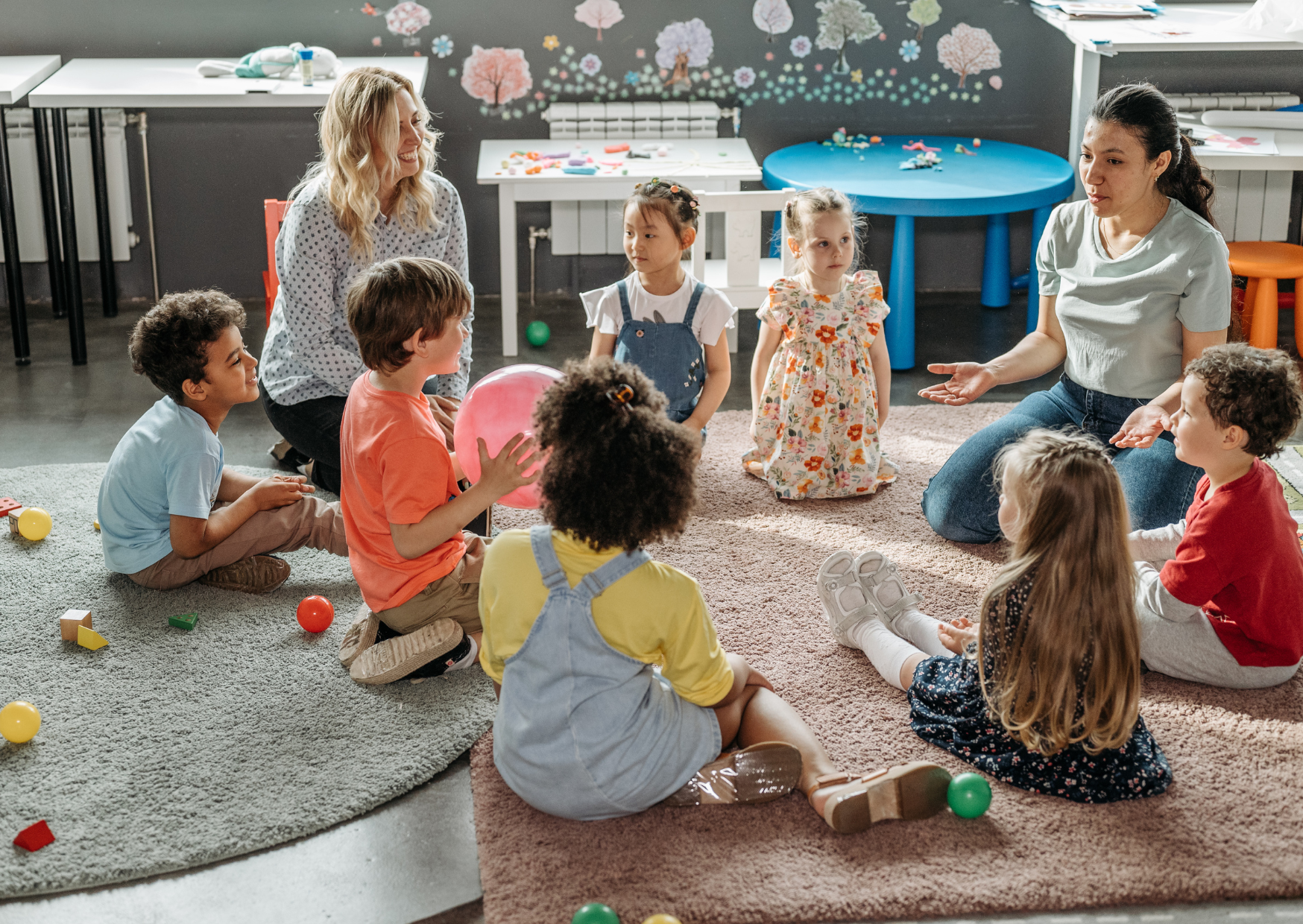
Spanish parenting is less centered on constant supervision.
It leans instead on:
- Community familiarity
- Gradual responsibility
- A belief that children grow through exposure, not sheltering
It’s common for neighbors, shopkeepers, and other adults to:
- Know the kids in their building
- Keep a casual eye out on the street
- Help children if something goes wrong — without panic
Children are rarely alone in the American sense.
They’re unaccompanied by parents, but surrounded by adults who feel responsible for the public space.
This soft web of community support fills the gap where U.S. parents often feel they must be the only line of defense.
4. Independence Is Viewed as a Skill, Not a Risk
In American culture, independence is often postponed:
- Driving at 16
- Moving out at 18
- College as the first taste of freedom
In Spain, independence is introduced in increments, and much earlier.
Letting a child:
- Go to the bakery with money
- Ride the bus two stops alone
- Visit a friend across the neighborhood
…isn’t seen as dangerous.
It’s seen as practice — and the only way to grow capable adults.
By 12, many Spanish kids aren’t just “allowed” to go alone — they’re expected to.
Because not doing so means delaying the confidence that builds from real-world autonomy.
5. The Culture Doesn’t Center Fear the Way American Media Does
In the U.S., media coverage of child abductions, accidents, and worst-case scenarios has led to a national sense that:
- Any moment out of sight equals danger
- Letting kids roam is irresponsible
- Good parenting equals constant presence
In Spain, the tone is different.
News doesn’t sensationalize every incident.
Society doesn’t equate unsupervised children with neglect.
And most people believe the world is not inherently out to harm their children.
The result? Less fear. More trust. And kids who move through the world with confidence, not anxiety.
6. Public Space Is Considered Part of a Child’s Education
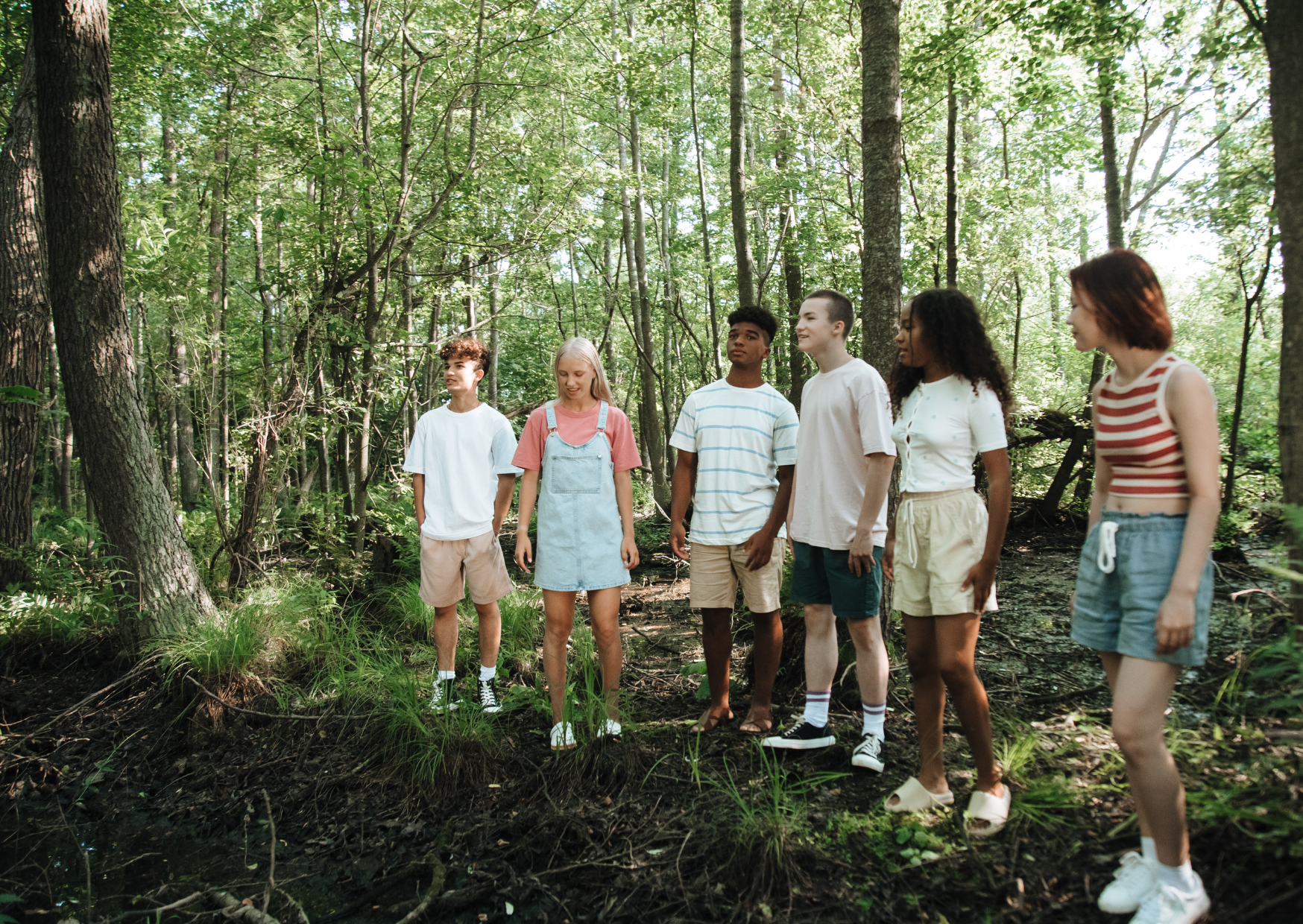
In Spain, childhood isn’t meant to unfold entirely indoors or under supervision.
Public space — the plaza, the sidewalk, the metro — is part of how a child learns:
- To observe
- To adapt
- To be patient
- To speak up when needed
This is especially true in urban areas, where:
- Space is shared
- Daily life happens outside the home
- Movement is normal, not exceptional
Allowing children to use that space is not indulgence — it’s part of raising a competent human being.
7. Parents Start With Micro-Steps, Not Big Leaps
Letting a child take a metro across the city doesn’t happen overnight.
Spanish parents often begin with:
- Short solo errands (e.g., buying bread)
- Small walking routes to school or a friend’s house
- Sending children out with a phone, a buddy, or a specific timeline
There’s constant conversation about:
- What to do if a bus doesn’t arrive
- When to call or check in
- How to react if approached or lost
It’s not neglect. It’s training — slow, layered, and supportive.
By the time a 12-year-old rides public transport alone, they’ve been preparing for years.
8. Teenagers Build Life Skills Early — Without Needing a Driver’s License

In the U.S., independence often hinges on the car.
And with rising costs, delayed licensing, and suburban sprawl, many teens now lack mobility until well into adulthood.
In Spain, the car is optional.
Teens as young as 13 or 14:
- Use public transit daily
- Navigate different parts of the city
- Take weekend trips with friends by train or bus
This shapes a different teenager — one who:
- Plans ahead
- Handles money
- Communicates with transit staff
- Moves confidently without parental help
They don’t need a license to move through the world.
They’ve already learned how to move in it.
9. The Goal Is Adult Readiness, Not Constant Supervision

Ultimately, the Spanish approach is based on this belief:
You don’t prepare a child for adulthood by protecting them from the world.
You prepare them by letting them interact with it — gradually, with support.
Allowing kids to take the bus at 11 or 12:
- Builds judgment
- Creates resilience
- Teaches consequences
- Reduces dependence
It also lightens the load on parents — allowing them to share the responsibility with society, infrastructure, and the child themselves.
One Country, Two Childhoods
To American parents, independence comes with danger.
To Spanish parents, independence comes with dignity.
One culture says: Stay close, just in case.
The other says: Go ahead — you’ve got this.
And in that difference lies the real lesson:
Freedom doesn’t begin at 18.
It begins in small, ordinary moments —
like riding the bus alone, and realizing you know exactly where to get off.

About the Author: Ruben, co-founder of Gamintraveler.com since 2014, is a seasoned traveler from Spain who has explored over 100 countries since 2009. Known for his extensive travel adventures across South America, Europe, the US, Australia, New Zealand, Asia, and Africa, Ruben combines his passion for adventurous yet sustainable living with his love for cycling, highlighted by his remarkable 5-month bicycle journey from Spain to Norway. He currently resides in Spain, where he continues sharing his travel experiences with his partner, Rachel, and their son, Han.