

Our guide on How to Pack for Europe in the Fall and Spring season for your next trip.
Packing for Europe in the fall can be a bit tricky due to the region’s unpredictable weather and varying climates. During this season, the weather can range from mild and sunny to chilly and rainy, depending on the country and time of month. To ensure you’re prepared, it’s best to pack versatile layers, comfortable footwear, and a few essential accessories.
Fall is one of the best times to visit Europe, with fewer crowds and beautiful scenery. By packing smartly and thoughtfully, you can ensure you’re prepared for any weather situation while still looking stylish. Remember to dress in layers, choose versatile clothing, and bring along a few accessories to adapt to Europe’s changing weather.
Packing for Europe during the transitional seasons of fall and spring can be surprisingly tricky. One day it’s sunny and 68°F (20°C), the next it’s raining and chilly. And if you’re traveling across multiple countries—from rainy Paris to sunny Rome—you’ll need a strategy that balances style, practicality, and comfort.
Whether you’re strolling cobbled streets in Amsterdam, wine tasting in Tuscany, or museum hopping in Prague, this complete guide will help you pack light, layer smart, and avoid the classic overpacking mistake.
Here’s a comprehensive guide on what to pack for a trip to Europe in the fall.
Read here how to pack for Europe and Best eSIM for Europe
BOOK YOUR TRAVEL INSURANCE
Two of our favorite travel insurance: Heymondo Vs Safetwing cheapest travel Insurance. You can get for $135 USD your Heymondo Travel Insurance with Heymondo discount code valid for 90 days. Read our full comparison of Genki vs Safetywing Travel Insurance Review and the comparison Heymondo vs Genki
Why Fall and Spring Are the Best (and Most Unpredictable) Seasons
Europe in spring and fall is breathtaking:
Fewer tourists
Lower prices
Colorful foliage or blooming landscapes
Cooler temperatures for walking cities
But it also means layering is essential, and you need to prepare for rain, wind, or unexpected warmth—sometimes all in one day.
Common Packing Mistakes (and How to Avoid Them)
Overpacking “Just in Case” Items
Don’t pack 4 sweaters. You’ll wear 1 or 2 max. If you really need more, buy a chic one in Europe!
Bringing Bulky Winter Gear in Fall/Spring
Unless you’re going to the Alps, leave the snow coat at home. Layering works better and packs smaller.
Packing Heels or New Shoes
You’ll walk miles daily. Choose broken-in, supportive shoes, and never pack heels unless for a very specific occasion.
Skipping Versatile Items
Choose clothes that mix and match easily (e.g., everything goes with black or navy pants).
Ignoring Weather Forecasts
Check the 10-day forecast before you finalize packing. That extra sweater may not be necessary—or you might realize you need waterproof shoes.
How to Pack for Europe in the Fall And Spring Season
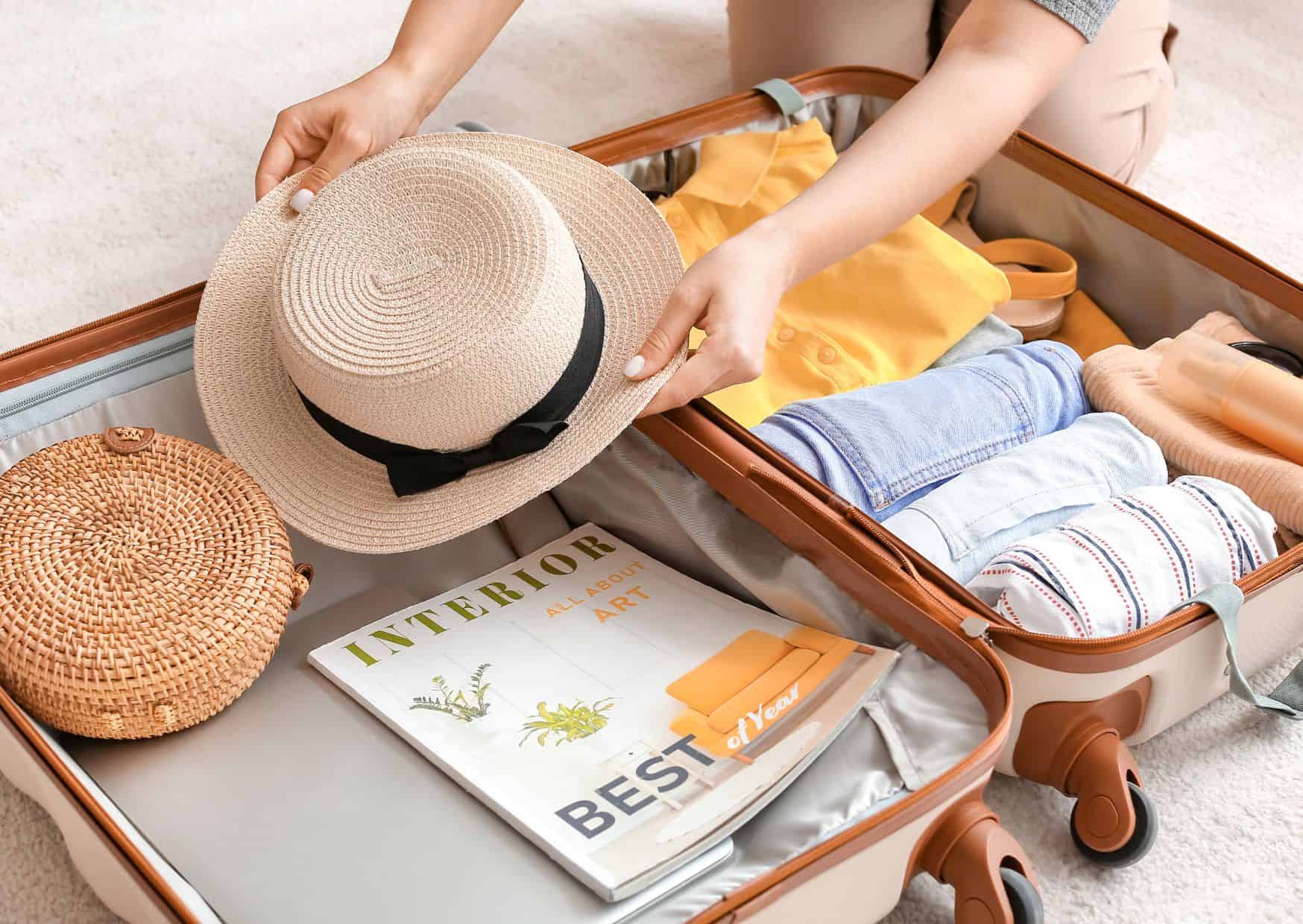
Packing List for a 1-2 Week Fall Trip in Europe
Tops: 4-6 long-sleeved tops (mix of sweaters, blouses, and t-shirts)
Pants/Jeans: 2-3 pairs (include one pair of dark jeans or pants)
Dresses/Skirts: 1-2 dresses or skirts (consider layering with tights)
Jackets: 1 lightweight waterproof jacket, 1 medium-weight coat
Shoes: 1 pair of walking shoes, 1 pair of ankle boots, 1 additional pair (optional)
Accessories: 1-2 scarves, 1 hat, 1 pair of gloves (for colder regions), umbrella, and sunglasses
Undergarments and Sleepwear: Enough for the duration of your trip
Bags: 1 crossbody bag and 1 daypack or tote
Things to Remember When Packing
Pack Light
Fall weather can be unpredictable, so pack layers that you can mix and match. This will help you stay comfortable without overpacking.
Check Baggage Restrictions
European airlines often have stricter baggage restrictions, especially on budget flights. Use packing cubes and compression bags to save space and keep your luggage organized.
Laundry
If you’re traveling for more than a week, consider doing laundry midway through your trip. Pack travel-sized detergent for handwashing smaller items.
Suggested Fall Itinerary Outfits
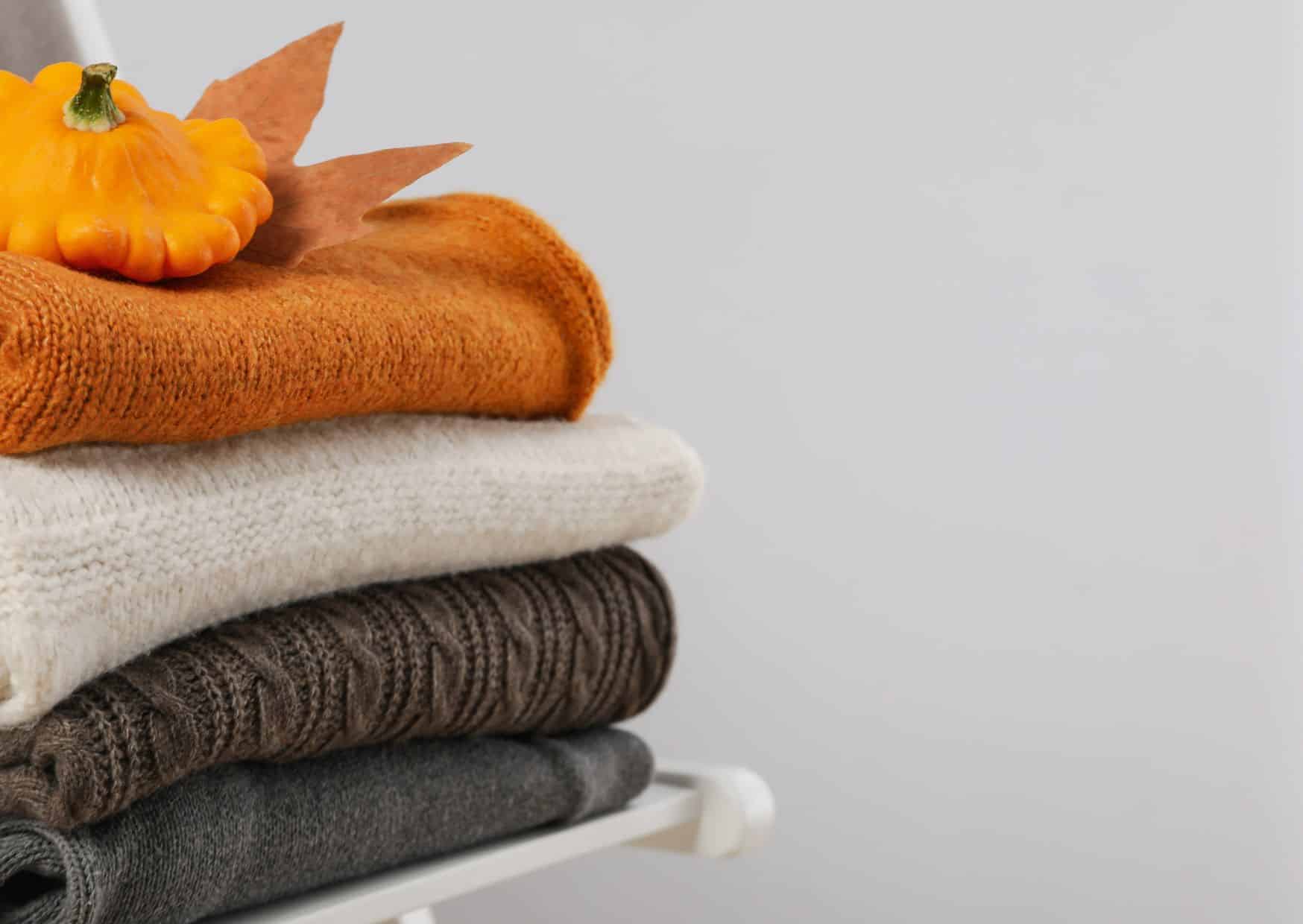
Daytime Sightseeing
Comfortable jeans or leggings, a long-sleeved top, lightweight sweater, and walking shoes. Add a scarf and crossbody bag.
Evening Dinner
Dark pants or a dress with tights, ankle boots, and a stylish jacket or blazer.
Day Trip to the Countryside
Layered top and sweater, medium-weight jacket, waterproof shoes, and a scarf. Bring an umbrella just in case!
Rainy Day
Waterproof jacket, comfortable jeans, long-sleeved top, and waterproof shoes or boots. Carry a small umbrella.
Packing by Region: What to Know
Northern Europe (e.g., Amsterdam, Copenhagen, Berlin)
Weather can be chilly and wet in both spring and fall.
Focus on layers, waterproof shoes, windproof outerwear.
Western Europe (e.g., Paris, London, Brussels)
Expect variable weather: one day of sunshine, next day of drizzle.
Trench coat + layers + chic accessories = perfect combo.
Southern Europe (e.g., Rome, Barcelona, Lisbon)
Spring can be warm and dry by April; fall may stay sunny into November.
You’ll need fewer layers, but always carry a light jacket and umbrella.
Eastern Europe (e.g., Prague, Budapest, Krakow)
Often cooler than western Europe.
Late fall can feel like early winter—pack warmer sweaters and gloves.
How to Pack for Europe in the Fall Season – Key Considerations for Packing

Weather Variability
Fall weather in Europe varies significantly by region. Northern and Central Europe (e.g., Germany, Netherlands, Scandinavia) can get quite chilly and wet, while Southern Europe (e.g., Spain, Italy, Greece) may still have mild and sunny days.
Layering is Essential
The temperature can fluctuate dramatically throughout the day, so pack layers that you can add or remove as needed.
Comfort and Versatility
Bring clothing that can be dressed up or down, allowing you to transition seamlessly from sightseeing during the day to dinner at a nice restaurant.
Rain Preparation
Fall is known for unexpected rain showers. Waterproof outerwear and sturdy footwear are a must.
Clothing Essentials for Fall
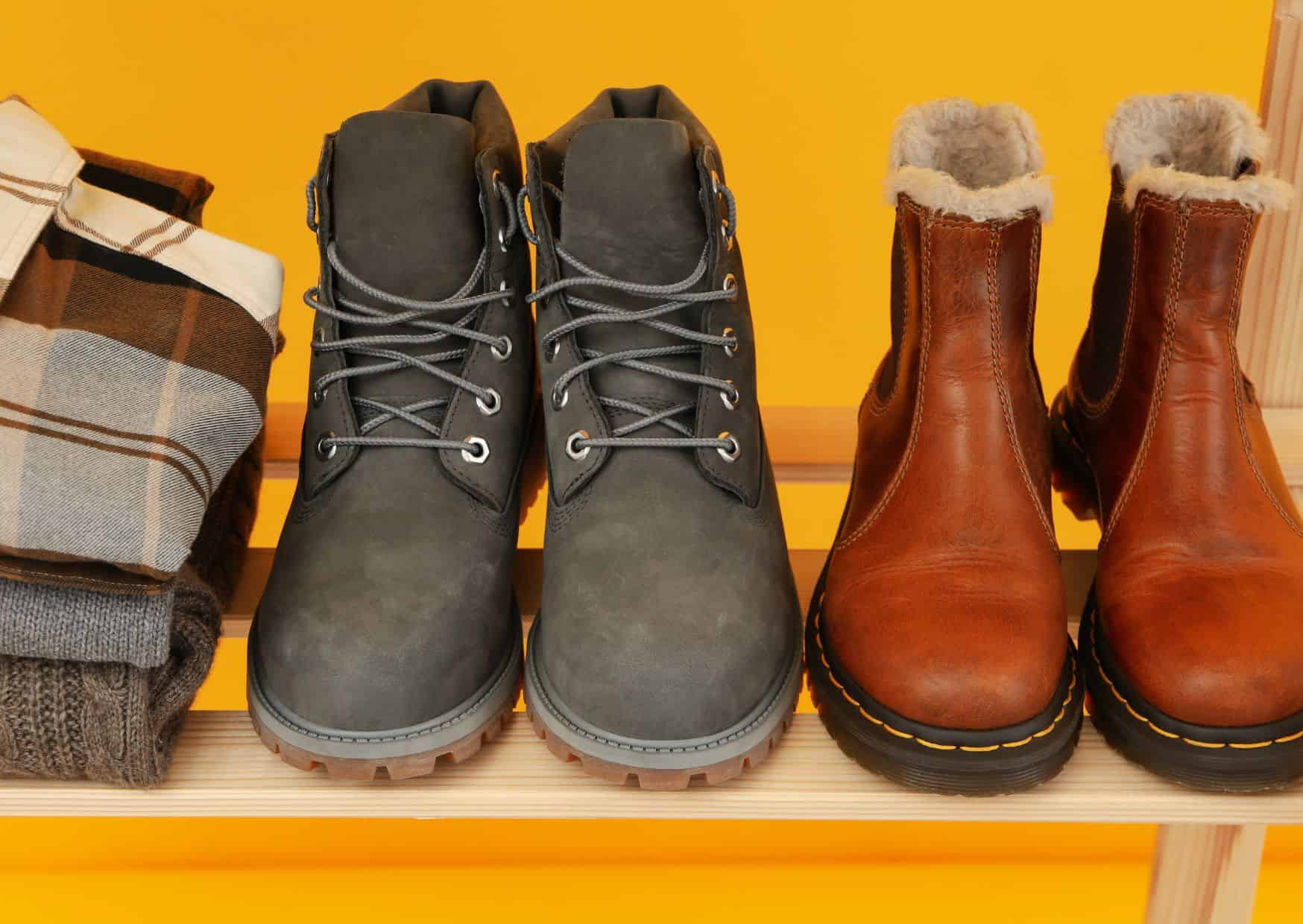
Tops and Sweaters
Lightweight Sweaters and Cardigans: These are perfect for layering over a t-shirt or under a jacket.
Long-Sleeved Tops: Opt for comfortable, versatile long-sleeved tops that can be worn alone or layered under a sweater.
Blouses or Button-Down Shirts: Great for a more polished look, and they pair well with jeans or skirts.
Basic T-Shirts: Choose neutral colors that can easily be mixed and matched.
Bottoms
Comfortable Jeans or Pants: A good pair of jeans is essential for casual wear, while dark-colored pants can be dressed up for evenings out.
Leggings or Tights: Perfect for layering under dresses or skirts on colder days.
Midi or Maxi Skirts: Ideal for a stylish yet comfortable outfit, especially if you prefer not to wear pants all the time.
Outerwear
Lightweight Waterproof Jacket: A packable rain jacket or trench coat is great for rainy days without adding bulk.
Warm Layered Jacket or Coat: Consider a medium-weight jacket or coat, like a wool blend or a down jacket, if traveling to cooler areas.
Blazer or Structured Jacket: If you plan to visit cities with a more sophisticated dress code, like Paris or Milan, a blazer adds a chic touch.
Dresses
Long-Sleeved Dresses or Sweater Dresses: Dresses that can be layered with tights and a cardigan work well in both warmer and cooler weather.
Footwear
Comfortable Walking Shoes: Europe involves a lot of walking, especially on cobblestone streets, so pack sturdy, comfortable shoes like stylish sneakers or supportive flats.
Ankle Boots: A good pair of ankle boots will keep your feet warm, dry, and stylish. Look for a pair with good traction for slippery streets.
Waterproof Shoes: Consider packing a pair of waterproof shoes or boots if you expect a lot of rain.
Accessories
Scarf or Pashmina
A lightweight scarf or a pashmina is perfect for layering and can add a pop of color to your outfits. It’s also useful for keeping warm during chilly mornings and evenings.
Hat and Gloves
If you’re visiting Northern or Central Europe in late fall, pack a lightweight hat and gloves for extra warmth.
Umbrella
A small, collapsible umbrella is a must for unexpected showers. Choose a sturdy one that won’t invert easily in the wind.
Crossbody Bag or Daypack
A secure crossbody bag is great for carrying essentials like a wallet, phone, and passport. If you’re planning long day trips, a small daypack is ideal for snacks, water, and extra layers.
Sunglasses
Even in fall, sunny days are common, so bring a good pair of sunglasses.
Tech and Gadgets
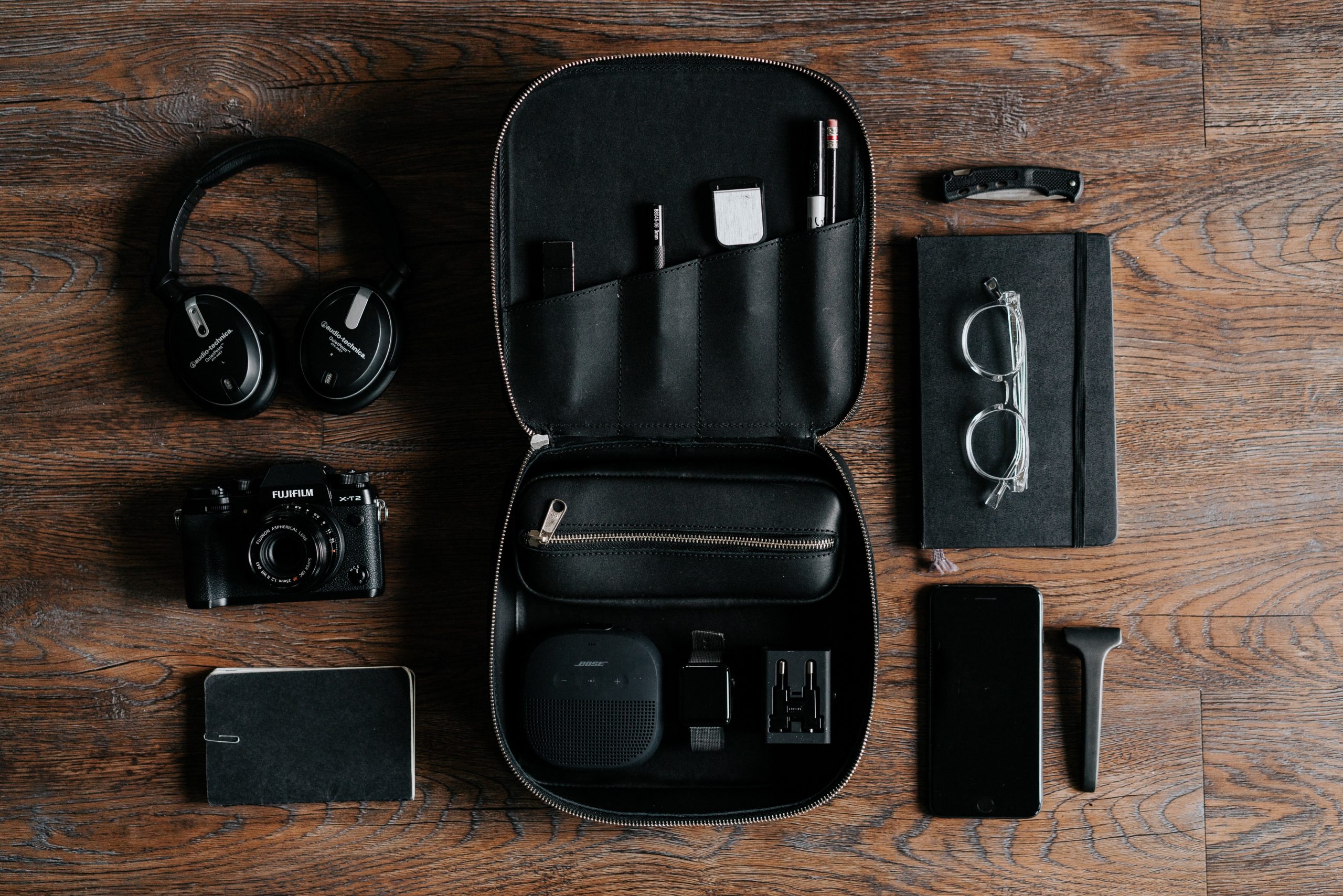
Travel Adapter
Most of Europe uses a two-prong Type C plug, but check the specific plug type for your destination. Consider a universal travel adapter with multiple ports.
Portable Charger
With long days of sightseeing, a portable charger is essential to keep your devices powered.
Camera or Smartphone with a Good Camera
Fall is a beautiful time in Europe with colorful foliage and charming streets—make sure you have a good camera to capture the memories.
Toiletries and Personal Items
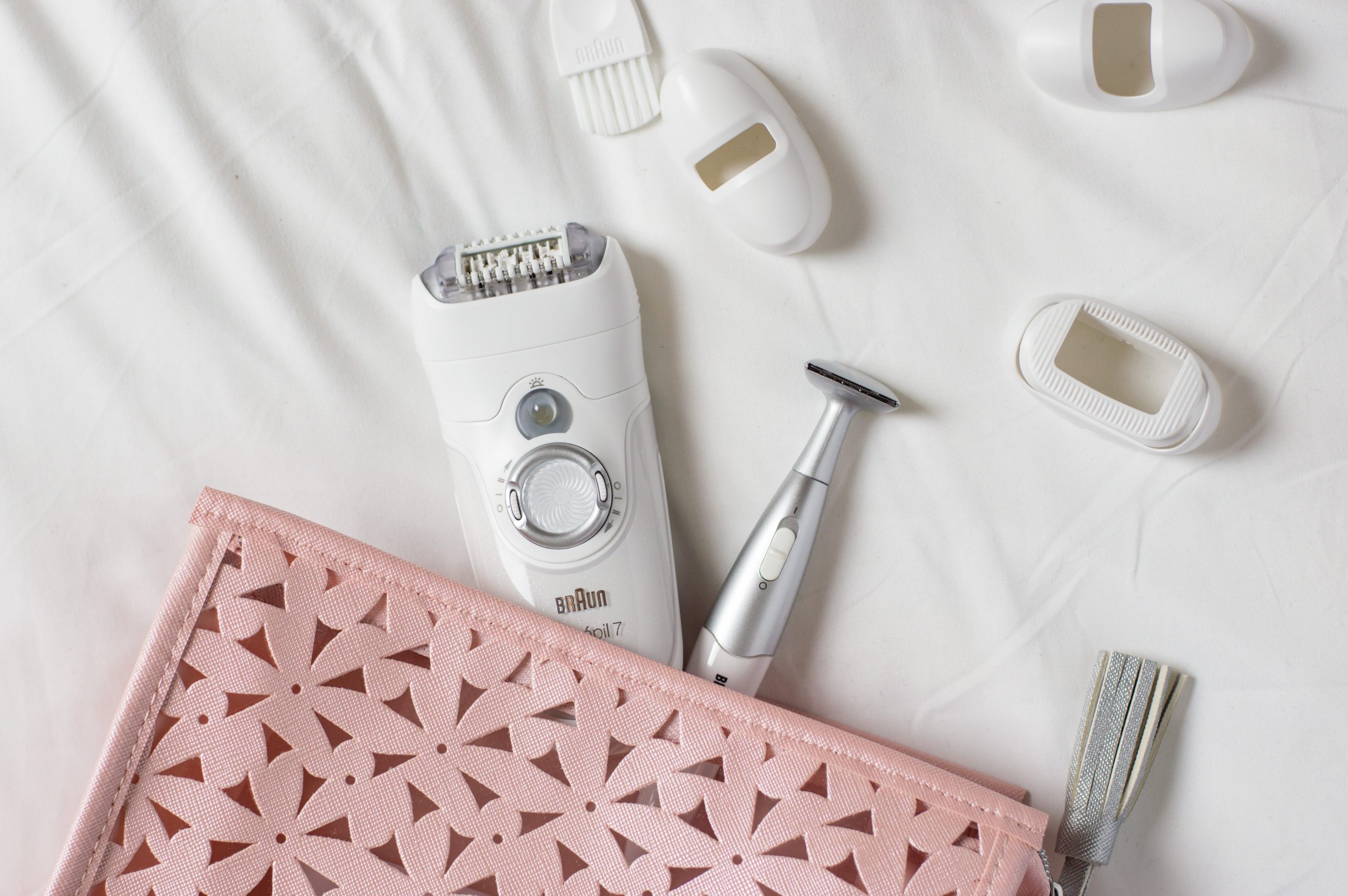
Moisturizer and Lip Balm
Cooler weather can be harsh on the skin, so bring a good moisturizer and lip balm to stay hydrated.
Reusable Water Bottle
Staying hydrated is key, and a reusable water bottle is eco-friendly and cost-effective.
Medication and Prescriptions
Always pack any essential medications and keep them in your carry-on for easy access.

About the Author: Ruben, co-founder of Gamintraveler.com since 2014, is a seasoned traveler from Spain who has explored over 100 countries since 2009. Known for his extensive travel adventures across South America, Europe, the US, Australia, New Zealand, Asia, and Africa, Ruben combines his passion for adventurous yet sustainable living with his love for cycling, highlighted by his remarkable 5-month bicycle journey from Spain to Norway. He currently resides in Spain, where he continues sharing his travel experiences with his partner, Rachel, and their son, Han.