
And What It Reveals About Rest, Rhythm, and a National Refusal to Eat at Their Desk
In many American workplaces, lunch is a rushed affair.
Fifteen minutes at your desk. A sandwich in the car. Something you eat while replying to emails or catching up on spreadsheets.
It’s not really a break. It’s an intermission between tasks — often treated as optional.
But in Spain, that mindset doesn’t exist. Not culturally. Not professionally. Not even in the busiest cities.
Because in Spain, the lunch break is sacred.
Not symbolic. Not theoretical. Not “if you can squeeze it in.”
It’s a real, non-negotiable block of time — one that many American workers would find unthinkable.
Here’s the lunch break rule Spanish workers never break — and why it’s less about food, and more about how a nation has decided to treat time, self-respect, and the human need to pause.
Looking for More Travel & Culture Reads?
– They Don’t Work 24/7: 5 Vacation Customs in Europe That Drive Americans Crazy
– 7 Dress Code Shocks Americans Face in Italy
– 9 European Beach Habits That Shock First-Time Tourists
1. It’s Not a “Quick Bite” — It’s a Full Pause

In most Spanish workplaces, the midday meal isn’t a rushed 30-minute slot.
It’s a one to two-hour pause, often from around 2:00 PM to 4:00 PM.
People:
- Leave the office entirely
- Sit down at a restaurant or go home
- Eat real food — not snacks or energy bars
- Talk, digest, walk, maybe even nap
It’s not indulgence. It’s normal. Expected. Designed into the day.
And it’s the reason shops close, offices go dark, and the streets empty out during early afternoon hours.
To Americans, this feels impossible.
To Spaniards, skipping it feels unnatural.
2. Lunch Is the Main Meal — Not Just Fuel
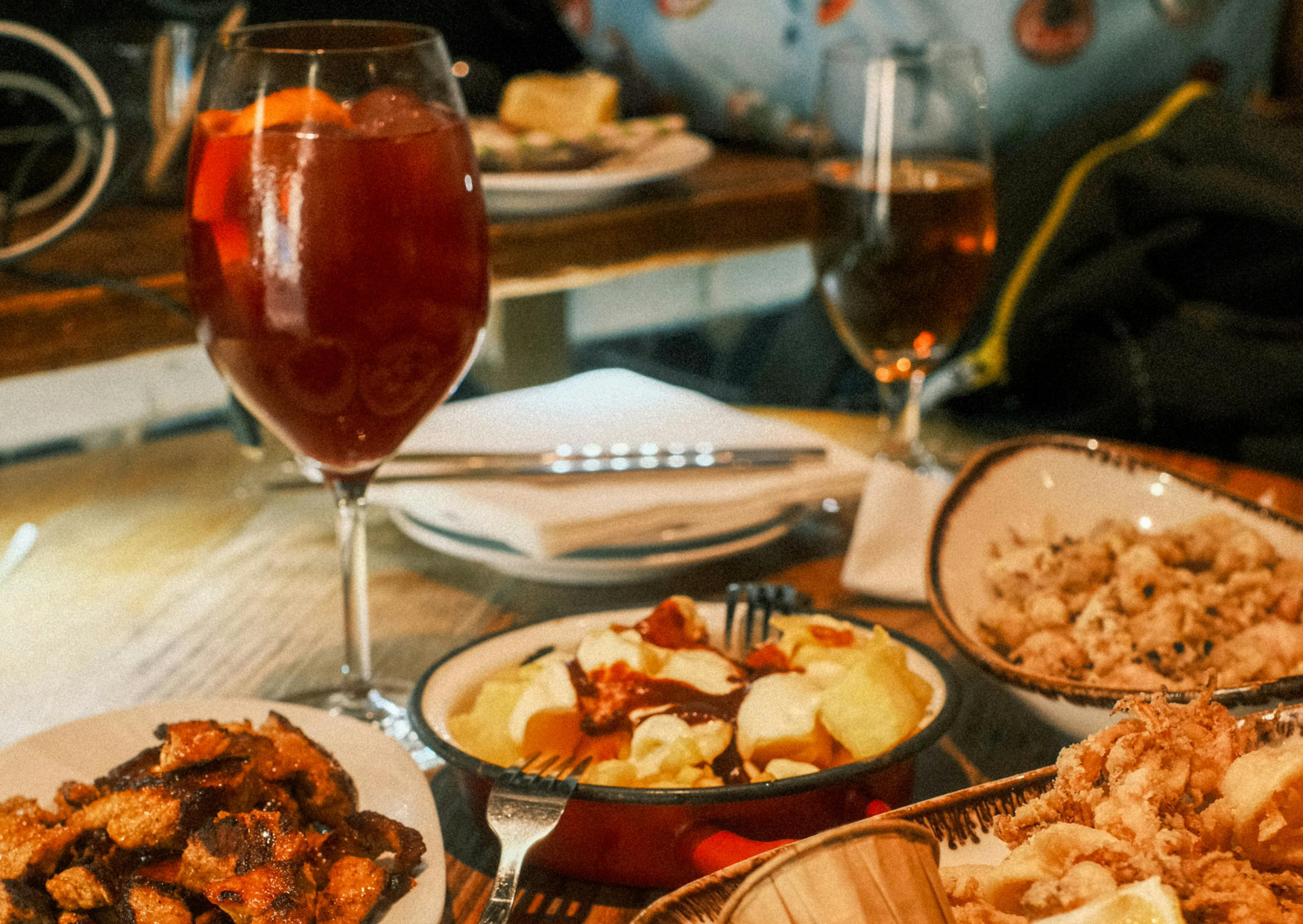
In the U.S., dinner is the primary meal of the day. Lunch is quick — sometimes even skipped.
In Spain, lunch is the largest and most important meal, typically including:
- Two or three courses
- A glass of wine or a beer (yes, at work lunches)
- Coffee or dessert
- Time to eat without pressure
It’s where real food is consumed.
Where people connect with colleagues or family.
Where digestion and conversation happen side by side.
If Americans eat to keep working, Spaniards pause to eat — and then return to work more focused.
3. It’s Built Into the Workday — Not Added to It
In Spain, the long lunch break isn’t something you ask for.
It’s how the workday is structured.
Most full-time jobs include:
- A split shift (jornada partida), with a long break midday
- Morning hours from roughly 9:00 to 2:00
- A second work block from 4:00 to 7:00 or 8:00 PM
This rhythm isn’t universal — some companies now use a continuous schedule — but the cultural norm still favors a real lunch with real time to enjoy it.
The American model — work straight through, leave at 5 — simply doesn’t offer the same mental reset.
4. No One Eats at Their Desk

In Spain, eating lunch at your desk is:
- Unusual
- Slightly sad
- Often discouraged
Even in high-pressure jobs, it’s expected that workers step away to eat — even if it’s just to a break room or café nearby.
Because in Spain, your lunch break isn’t considered “free time” — it’s protected time.
Time to restore your body and mind before continuing the workday.
Eating in front of a screen? That’s not productivity.
That’s disrespecting the meal — and yourself.
5. Restaurants Offer a Menu Just for Workers — and It’s Affordable
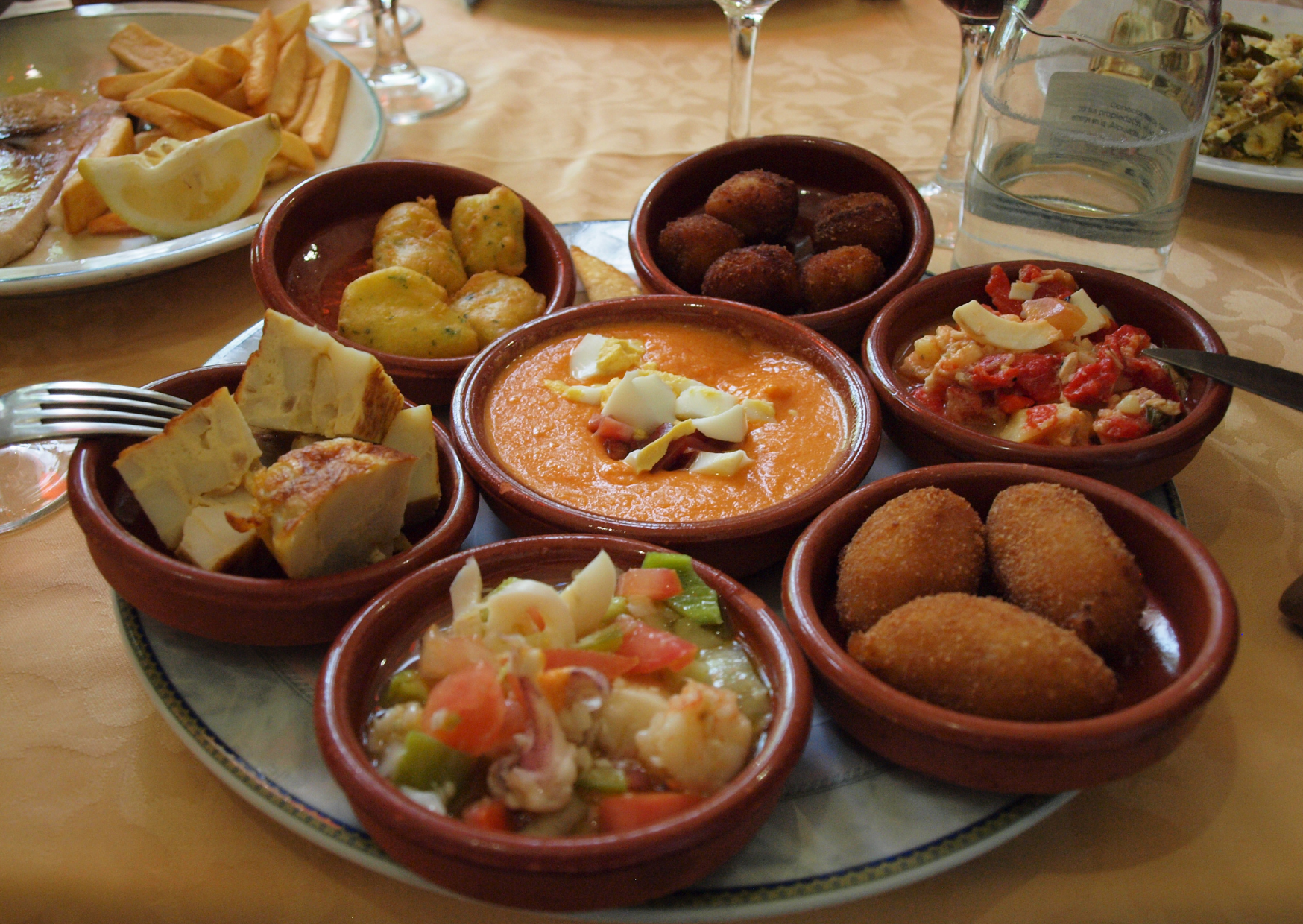
The menú del día is one of Spain’s most beloved institutions.
Available at nearly every bar or restaurant from Monday to Friday, it typically includes:
- A first course (salad, soup, or pasta)
- A second course (meat, fish, or vegetarian dish)
- Bread
- A drink (wine, beer, or water)
- Dessert or coffee
All for around €10–€15.
It’s designed for workers on break — not tourists — and offers:
- Real nutrition
- Sit-down service
- A moment to feel human
In America, lunch out is often rushed and expensive.
In Spain, it’s part of the work culture — and priced accordingly.
6. People Actually Leave the Office
In many countries, especially the U.S., workers “take lunch” without going anywhere.
In Spain, stepping outside is part of the ritual.
Even in offices with cafeterias, workers often prefer to:
- Walk to a neighborhood bar
- Sit on a bench with a friend
- Go home if they live nearby
The physical shift signals a mental reset — something Americans rarely get between Zoom calls and Slack messages.
7. Work Culture Respects the Pause
In Spanish work culture, it’s considered rude to call someone during lunch hours — unless it’s urgent.
Even supervisors or clients avoid messaging during that time.
It’s not laziness. It’s mutual respect.
Lunch is not seen as a break from productivity.
It’s a part of being productive.
And employers understand that when people return, they:
- Focus better
- Make fewer mistakes
- Feel less burned out
The time isn’t “lost.” It’s returned in quality.
8. Yes, Even Schools and Government Offices Do It

This rhythm isn’t just for adults in office jobs. It’s woven into every level of Spanish life.
- Schools often have long lunch breaks, with kids going home or eating full meals on-site
- Government offices close from 2 to 4 — not for the workers’ sake only, but because no one expects to get anything done during that time
- Doctors’ offices and banks shut their doors and resume later in the day
The entire country seems to pause at once — a collective agreement that nothing urgent happens between 2 and 4.
To outsiders, it looks inefficient.
To Spaniards, it’s the moment everything slows down enough to breathe.
9. It’s Not a Luxury — It’s a Line That Doesn’t Get Crossed
In America, skipping lunch is often worn as a badge of honor.
In Spain, it would be a red flag.
If you told a Spanish coworker:
“I’ll just eat later”
or
“I’ll grab something quick and keep working”
…they’d likely frown and say:
“Pero come algo, hombre.” (“At least eat something, man.”)
Because in Spain, not eating properly is seen as a kind of self-neglect.
A person who won’t take time to eat probably isn’t thinking clearly — or taking care of themselves.
The lunch break isn’t seen as an option.
It’s a boundary — and boundaries are not negotiable.
One Meal, Two Cultures
To Americans, lunch is a pause you have to earn.
To Spaniards, lunch is a right you don’t question.
One culture says: Get it over with.
The other says: This is part of the day. Respect it.
And in that difference lies the deeper truth:
The Spanish lunch break isn’t just about food.
It’s about the value of time that doesn’t need to be monetized.
The belief that productivity without pause isn’t strength — it’s strain.
And the quiet refusal to live a life where you’re too busy to eat sitting down.

About the Author: Ruben, co-founder of Gamintraveler.com since 2014, is a seasoned traveler from Spain who has explored over 100 countries since 2009. Known for his extensive travel adventures across South America, Europe, the US, Australia, New Zealand, Asia, and Africa, Ruben combines his passion for adventurous yet sustainable living with his love for cycling, highlighted by his remarkable 5-month bicycle journey from Spain to Norway. He currently resides in Spain, where he continues sharing his travel experiences with his partner, Rachel, and their son, Han.