
And What It Reveals About Rhythm, Ritual, and a Relationship With Place That Isn’t Just for the Weekend
Walk into any Italian city — Rome, Florence, Naples, Bologna — and you’ll see two populations moving in parallel.
The tourists:
Map in hand. Eyes wide. Feet aching. Phones out. A sense of determination, as if the day is a race to be won.
And then the Italians:
Walking slowly, not aimlessly. No map. No rush. Stopping often. Glancing in windows. Chatting with shopkeepers. Slipping through alleys like they’ve lived a hundred lives in this same neighborhood.
They’re not just moving differently.
They’re moving with a completely different understanding of what a city is for.
Because while American tourists often see Italian cities as scenic backdrops for vacation, Italians treat cities as living organisms — layered, intimate, full of rituals that unfold slowly and never fully reveal themselves to the hurried.
Here’s how Italians navigate their cities — and why their approach is less about seeing everything, and more about belonging to where they are.
Looking for More Travel & Culture Reads?
– They Don’t Work 24/7: 5 Vacation Customs in Europe That Drive Americans Crazy
– 7 Dress Code Shocks Americans Face in Italy
– 9 European Beach Habits That Shock First-Time Tourists
1. Italians Walk for Purpose, But Not Always Efficiency
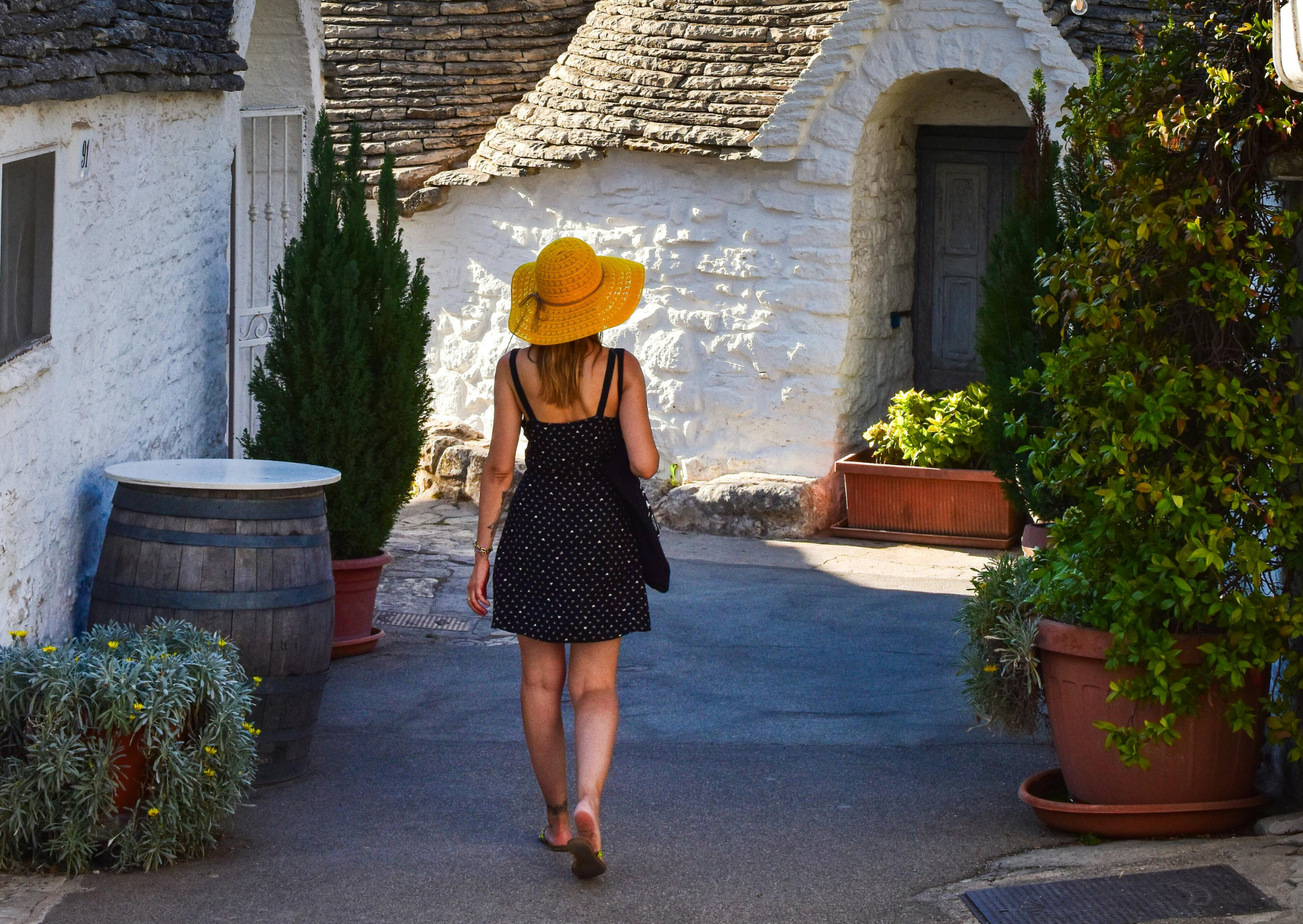
American tourists are often in a hurry — not just to see sights, but to maximize time.
The path is measured in steps. The day is broken into to-do lists. The walk is a means to a destination.
Italians walk a lot — but differently.
They walk to:
- Feel the rhythm of the day
- Greet people they know (and they often know many)
- Stop at the market, then the bakery, then their favorite newsstand
- Adjust plans based on mood, weather, or a conversation with someone they just ran into
To Americans, it may seem inefficient.
To Italians, it’s the fabric of life.
The street isn’t just for movement. It’s for connection.
2. They Don’t Plan a Route — They Move With Familiar Curiosity

Tourists tend to map it all out:
What street to take. Which bridge to cross. Where to stop. What time to arrive.
Italians often leave without a fixed plan — and let the city itself suggest the route.
They may:
- Choose a shady street over a direct one
- Turn down a quieter alley to avoid crowds
- Walk a longer route just to say hello to someone
- Detour for a gelato, or a coffee, or simply because they feel like it
To outsiders, it can seem like drifting.
But in reality, it’s highly informed wandering — guided by memory, mood, and the city’s subtle cues.
3. They Avoid Tourist Zones by Instinct
Italians have a sixth sense for tourist-heavy areas — and they move around them like water around a rock.
While tourists:
- Line up for overhyped restaurants
- Cluster near monuments
- Stop mid-sidewalk to take photos
Italians:
- Duck down side streets
- Use alleys and shortcuts unknown to outsiders
- Time their movements to avoid peak hours
They know where to be — and when — because they’re not sightseeing. They’re living.
Their version of the city exists in the margins of the map.
4. They Trust Their Feet — Not Just GPS
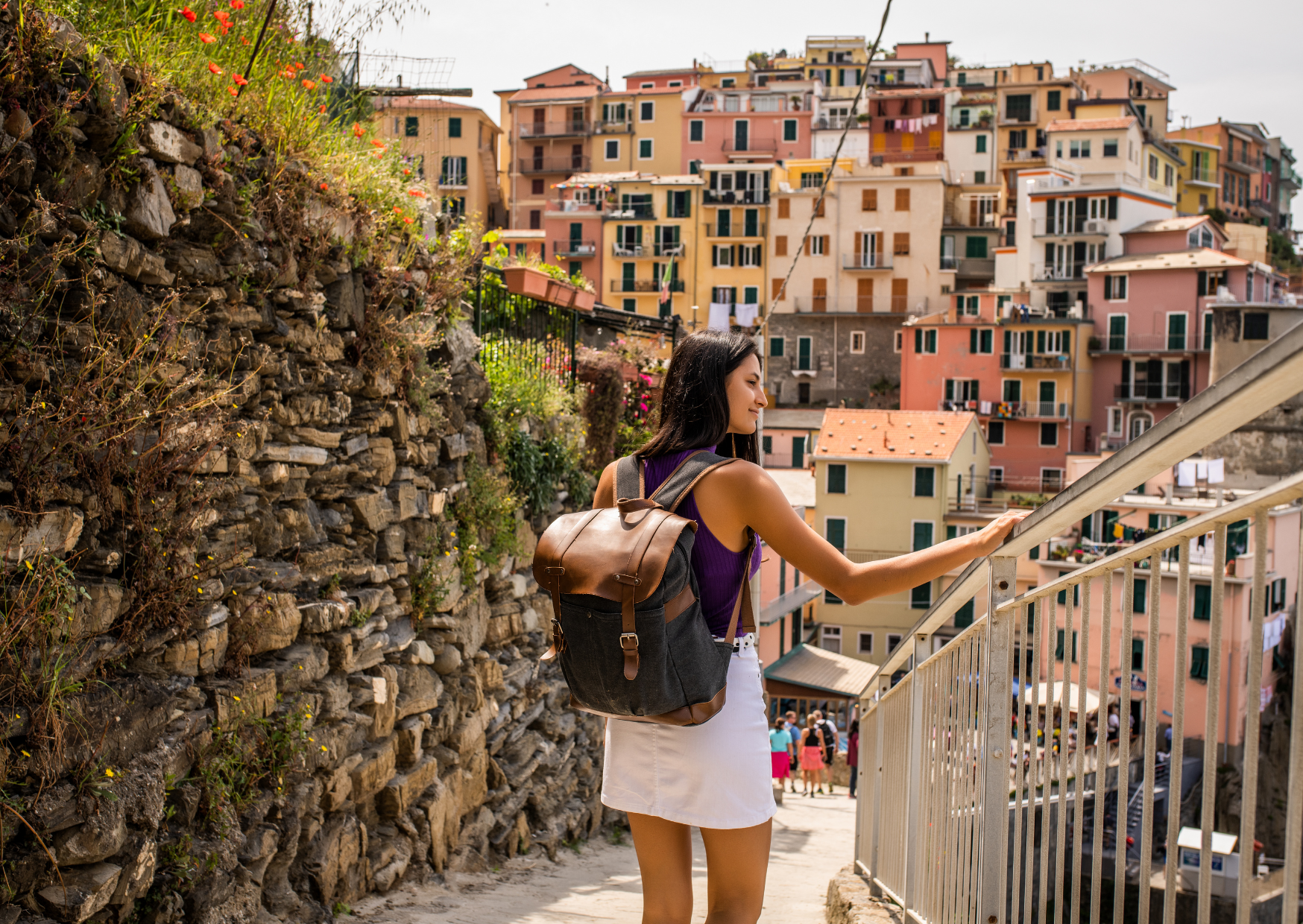
Tourists check their phones constantly. Every turn becomes a confirmation. Every step a decision to verify.
Italians walk by memory, feel, and rhythm.
Even in unfamiliar cities, many will:
- Ask a person instead of checking a map
- Use landmarks, not coordinates
- Let the shape of the city — its smells, slopes, and sounds — lead the way
There’s an underlying trust that they’ll get where they’re going.
And if they don’t? The detour might be better anyway.
5. They Stop Often — But Not to Rest
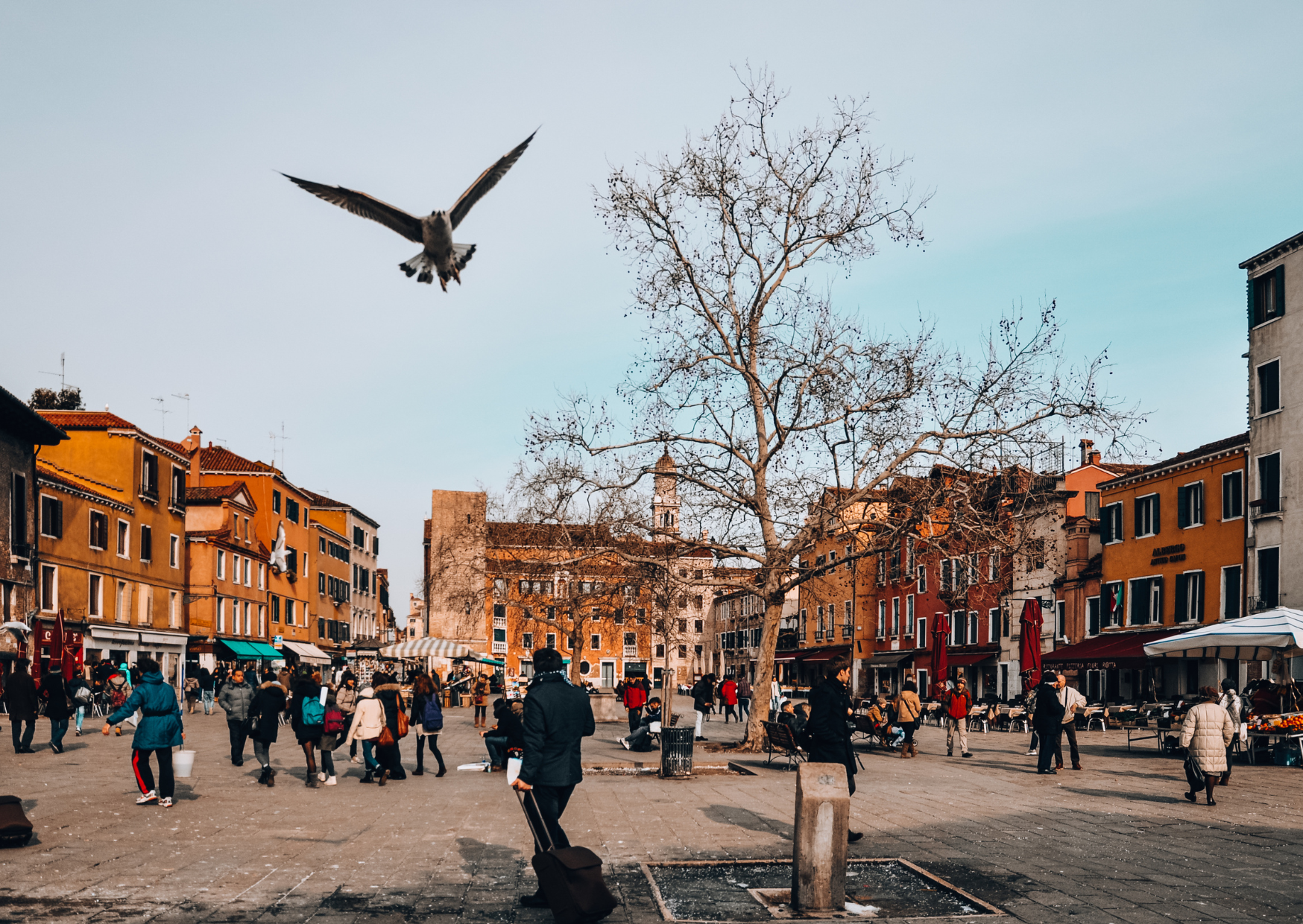
When American tourists stop, it’s often to catch their breath, sit down, consult a map, or check reviews. The stop is utilitarian.
When Italians stop, it’s to engage.
To:
- Talk to a vendor
- Look at fresh produce
- Greet someone they know
- Watch the street unfold
Stopping isn’t failure. It’s participation.
Even if they’re going somewhere, Italians understand that the city itself is part of the experience — not just the restaurant or museum at the end of the walk.
6. They Move Quietly — But Not Anonymously
Tourists often move loudly — not in volume, but in presence.
Group selfies. Commenting on everything. Audible navigation. Tension from unfamiliarity.
Italians move with quiet confidence, but that doesn’t mean they’re invisible.
They’re known. Recognized. Waved at. Called by name.
They nod to the man reading on the bench. They greet the woman sweeping her doorstep. They speak to baristas like old friends — because they often are.
The city is not a stage for their movement. It’s a network of relationships.
7. They Know When the City Belongs to Them — and When It Doesn’t
American tourists often expect access to the city on their schedule — morning, noon, night. If something’s closed, it’s an inconvenience.
Italians respect the city’s rhythm.
They know:
- Mornings are for errands
- Midday is quiet — time to slow down
- Evenings are social, especially in public squares
- August is for escape, and cities empty out
Rather than fighting the flow, they move with it.
If something’s closed, they come back later. If a piazza is loud, they go somewhere quieter.
They don’t demand — they adapt.
8. They Dress for the Day — Not the Miles
Tourists dress for walking. Sneakers. Stretch fabrics. Sun hats. Waist pouches. Function first.
Italians dress for appearance, for the weather, for the tone of the day — not necessarily for comfort in the American sense.
They might walk ten thousand steps in:
- Leather shoes
- Linen shirts
- Dresses or trousers
- A single well-made bag over the shoulder
They move comfortably because they know where they’re going.
And because style, for Italians, isn’t something you sacrifice just because your feet might hurt.
9. They Return to Places — They Don’t Just Tick Them Off
American tourists often operate on a checklist:
See the Trevi Fountain. Snap the photo. Move on.
Italians revisit places over and over.
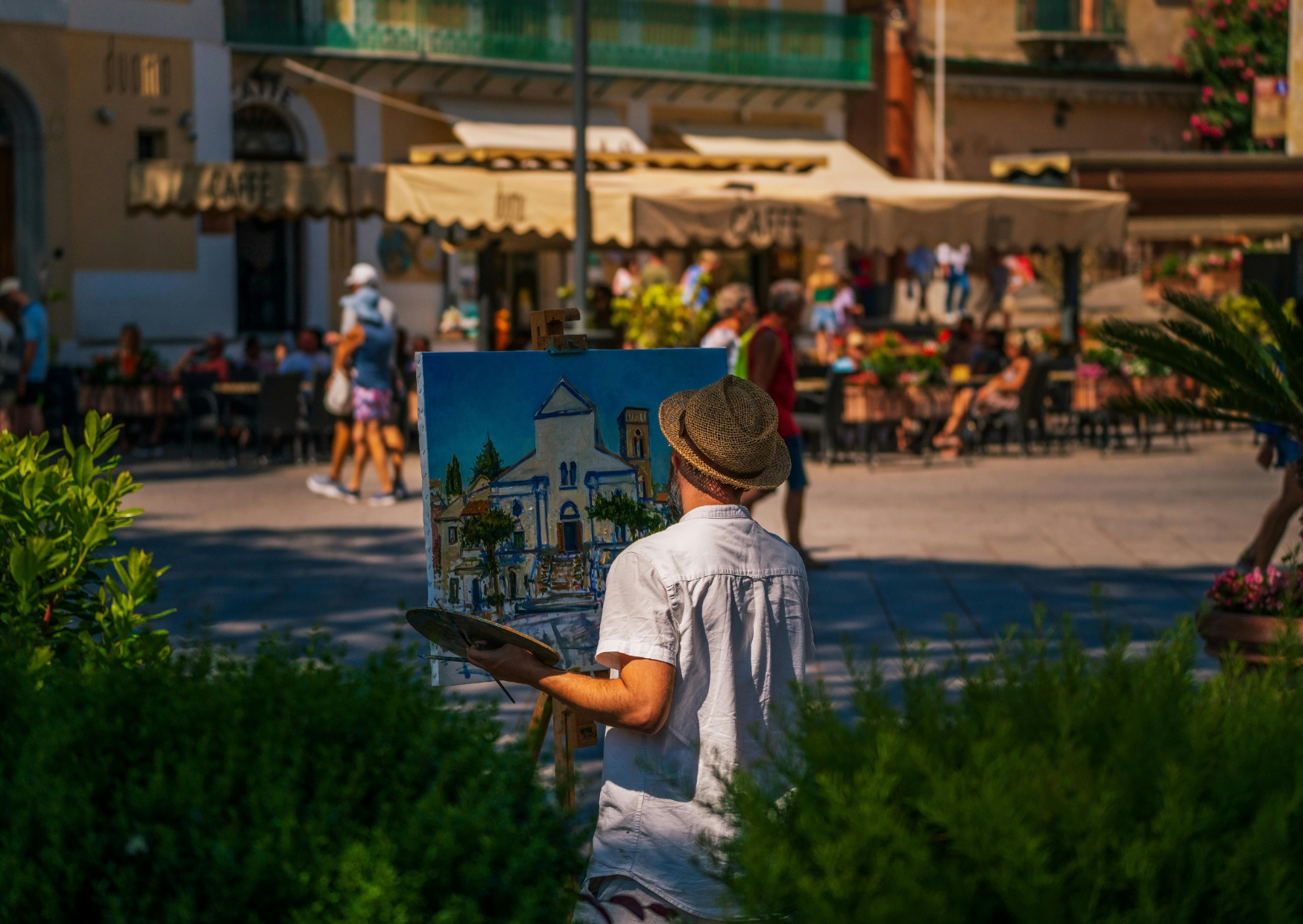
They sit at the same café. They pass the same corners. They say good morning to the same kiosk vendor. The place isn’t conquered. It’s absorbed.
The idea isn’t to collect memories — it’s to inhabit the space more fully each time.
Their version of discovery is deeper, slower, and relational.
Because for Italians, cities aren’t attractions. They’re companions.
One City, Two Experiences
To Americans, cities are destinations.
To Italians, cities are ecosystems.
One culture says: Let’s see it all.
The other says: Let’s be part of it.
And in that difference lies the reason why so many tourists leave exhausted — while locals, even after decades, still walk with curiosity and ease.
Because Italians aren’t trying to master the city.
They’re trying to live with it.

About the Author: Ruben, co-founder of Gamintraveler.com since 2014, is a seasoned traveler from Spain who has explored over 100 countries since 2009. Known for his extensive travel adventures across South America, Europe, the US, Australia, New Zealand, Asia, and Africa, Ruben combines his passion for adventurous yet sustainable living with his love for cycling, highlighted by his remarkable 5-month bicycle journey from Spain to Norway. He currently resides in Spain, where he continues sharing his travel experiences with his partner, Rachel, and their son, Han.