
And What It Reveals About Memory, Ritual, and the Art of Everyday Presence
Walk into an Italian home — rural or urban, humble or luxurious — and you’ll notice something before you see anything.
You’ll smell it.
Maybe it’s garlic and tomatoes simmering on the stove.
Maybe it’s clean linens with a hint of sun and lavender.
Maybe it’s wood smoke, orange peel, espresso, or a lemon-scented floor cleaner.
Whatever it is, it’s warm, distinct, and deeply sensory.
It tells you: someone lives here. Someone loves this space.
Even if it’s messy. Even if it’s quiet.
In Italy, the sense of smell is not an afterthought — it’s part of how a home feels alive.
Meanwhile, in much of the U.S., home design revolves around sight and touch: colors, furniture, finishes, space. Scent is often ignored — or artificially inserted, post-facto, with scented candles and air fresheners.
But in Italy, scent is built in — through food, materials, air, and habit.
Here’s why Italian homes are designed to stimulate this often-overlooked sense — and what that tells us about how differently these two cultures relate to the space they live in.
Want More Deep Dives into Everyday European Culture?
– Why Europeans Walk Everywhere (And Americans Should Too)
– How Europeans Actually Afford Living in Cities Without Six-Figure Salaries
– 9 ‘Luxury’ Items in America That Europeans Consider Basic Necessities
1. The Kitchen Is the Heart — and the Perfume — of the Home
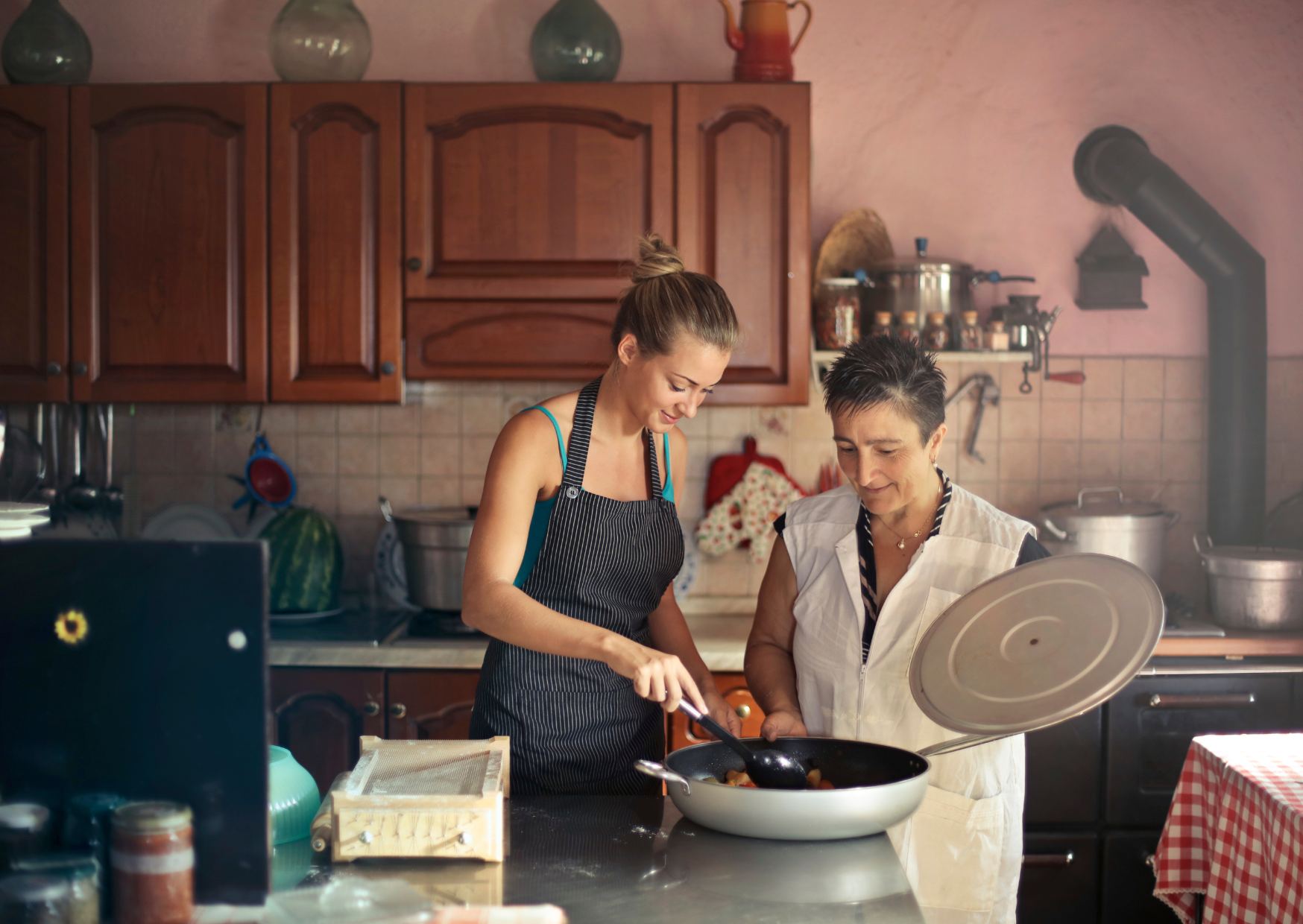
Italian kitchens aren’t just places to cook.
They’re where the home’s olfactory identity begins.
Fresh basil on the counter.
Garlic sizzling in oil.
Tomato sauce simmering for hours.
Espresso brewing with intensity and repetition.
These aren’t incidental. They’re daily anchors — and their scents don’t just stay in the kitchen. They drift down hallways, into bedrooms, onto balconies.
Even if the home is small, the kitchen expands through scent.
It welcomes you long before you see what’s cooking.
In many American homes, open-concept layouts and modern ventilation often minimize cooking odors — treating them as something to remove.
In Italy, scent is part of the experience.
2. Scent Is Memory — and Homes Are Built for Memory
In Italy, the connection between scent and memory is intimate.
Many Italians can instantly recall:
- The smell of their grandmother’s risotto
- The linen water their mother used for ironing
- The wood polish their grandfather wiped across a carved wardrobe
- The dry, mineral scent of summer rain on terracotta tiles
Because these homes weren’t designed to be neutral. They were designed to be lived in — and remembered.
American homes, especially newer builds, often strive for a kind of scent-less cleanliness:
- Unscented cleaning supplies
- Minimal cooking impact
- Air-conditioned air instead of open windows
But in Italy, scent isn’t noise. It’s narrative. It tells you who lived here, what mattered, and when it happened.
3. Natural Materials Aren’t Just Visual — They Smell

Step into an Italian home and take note of what it’s made of:
- Wood (old, polished, and sometimes smoky)
- Clay tiles
- Plaster walls
- Woven fabrics
- Stone countertops
These materials don’t just look beautiful — they smell like something. Especially in hot weather, after rain, or with age.
They absorb aromas. Release them slowly.
They’re not coated with synthetic glosses that block everything out.
In many U.S. homes, materials are engineered to neutralize scent — laminate, plastic composites, chemically sealed floors. The result is visual uniformity, but no sensory depth.
In Italy, the house has a scent because the house has a soul — and the materials remember.
4. Clean Doesn’t Mean Scentless — It Means Familiar
In America, “clean” often smells like nothing. Or maybe like bleach or industrial lemon.
In Italy, clean has layers:
- The floral sharpness of Marseille soap
- The bright scent of vinegar and water on tile
- A hint of citrus floor detergent
- Line-dried laundry with notes of sun and wind
Italians don’t avoid scent when cleaning — they select it. They choose familiar brands or inherited rituals that make the home smell not just clean, but theirs.
Many American homes rely on mass-produced air fresheners or generic sprays that mask — rather than connect. The result often feels sterile, or worse, artificial.
Italian homes smell clean, but never blank.
5. Open Windows Are More Common Than Central Air
In most Italian homes — even in cities — you’ll find windows open wide, especially in the morning.
This simple act does several things:
- It lets in fresh, outdoor scent (trees, coffee shops, rain)
- It airs out cooking smells without erasing them
- It creates scent contrast, which makes the home feel alive
Without artificial climate control running all day, air carries identity. Homes shift their scent slightly with the seasons, the hour, and the meal.
In America, HVAC systems often recirculate filtered, scentless air. Everything is controlled — temperature, humidity, even scent delivery through ducts.
In Italy, the home breathes. And it brings its scent to life.
6. Food Is Meant to Linger — Not Be Contained

In many Mediterranean cultures, meals aren’t rushed — and neither are their aromas.
Lunch might stretch into the afternoon. Dinner prep starts while the sun is still out. Bread, sauce, and oil don’t just feed the stomach — they season the air.
In the U.S., food scents are often treated as something to “get rid of”:
- Range hoods
- Scent-neutralizing sprays
- Immediate dishwasher cycles
But in Italy, that lingering scent is part of home life.
It’s evidence of presence — not something to erase.
And when guests arrive, they expect to smell something good — not walk into a sealed, odorless space that could belong to anyone.
7. Scent Is Seasonal — and That’s the Point

Italian homes change with the weather. And their scent changes, too.
In spring, it might smell like:
- Citrus blossoms outside
- Fresh herbs on the table
- Cool tiles and just-washed sheets
In summer:
- Dried oregano
- Tomato plants
- Sunscreen on towels drying in the corner
In winter:
- Wood smoke
- Simmering broth
- Hot espresso against cold marble
Americans often strive for consistency — the same candle, the same spray, year-round.
But in Italy, seasonal scent is part of emotional grounding. It helps you know where you are — and when.
8. Scent Is a Personal Signature — Not a Product Line
Many Italians have subtle scent habits that define their home:
- A favorite incense
- A pot of rosemary on the stove
- Ironed linens with lavender water
- A soap they’ve used since childhood
These aren’t luxury choices. They’re personal ones. Often inherited. Often inexpensive.
It’s not about impressing guests.
It’s about making the space feel like them.
American households often follow scent trends — buying what’s popular or marketed.
In Italy, the scent of a home is chosen, not sold.
9. The House Should Smell Like the People Who Live There
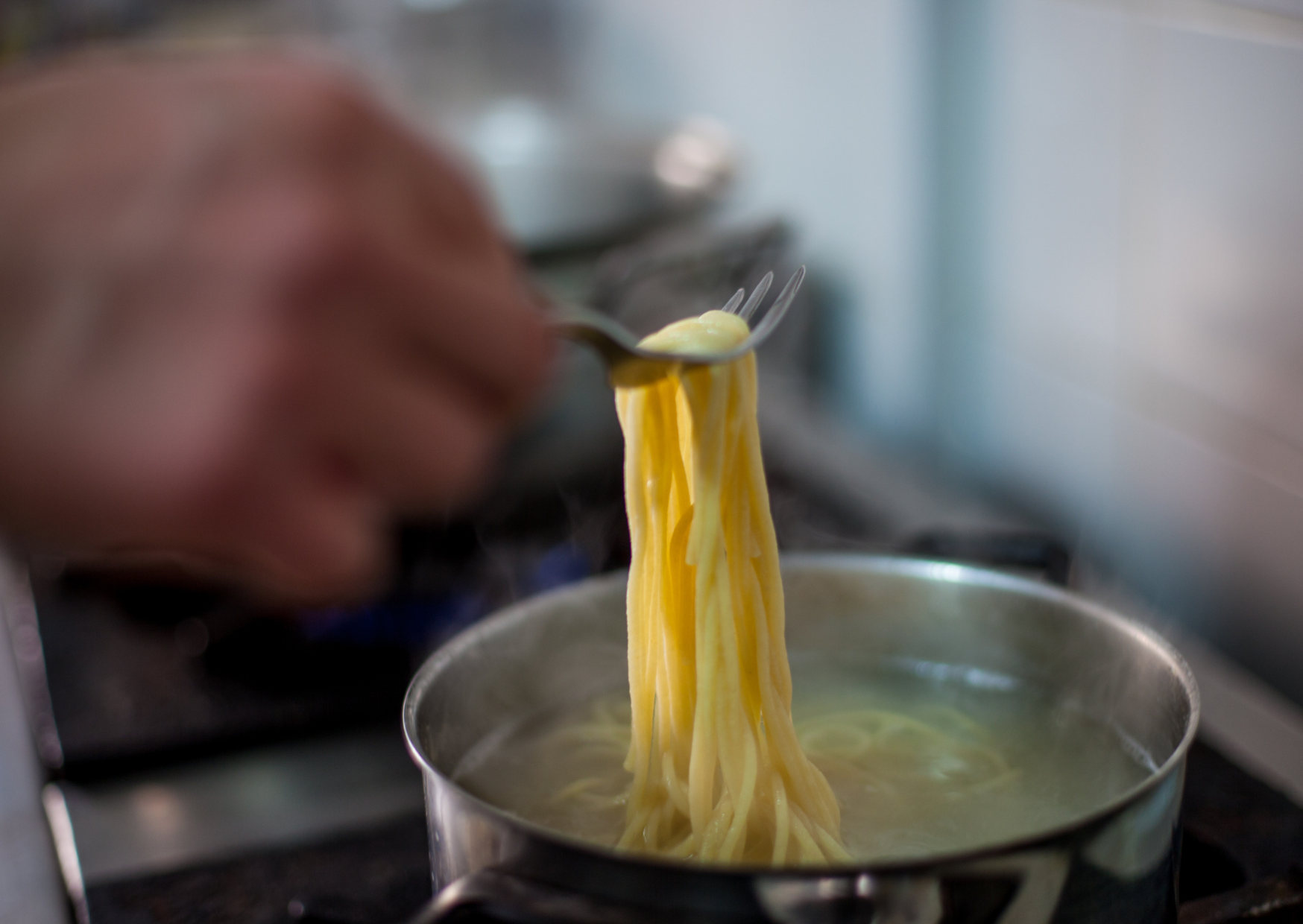
At its core, the Italian philosophy is simple:
A house should smell like life.
Not a store. Not a catalog. Not a scented candle ad.
It should smell like:
- The food you make
- The windows you open
- The sheets you wash
- The habits you repeat
- The people who live there
Scent is not an accessory. It’s a presence — one that enters the memory before the furniture does.
One Home, Two Experiences
To Americans, home scent is often:
- Commercial
- Controlled
- Cosmetic
To Italians, it’s:
- Lived-in
- Layered
- Real
One culture says: Get rid of odors.
The other says: Choose which ones matter most.
And in that difference lies the soul of an Italian home:
A place that greets you nose-first, without apology.
That tells its story through basil, soap, coffee, stone.
That doesn’t mask anything — but lets you know exactly where you are.

About the Author: Ruben, co-founder of Gamintraveler.com since 2014, is a seasoned traveler from Spain who has explored over 100 countries since 2009. Known for his extensive travel adventures across South America, Europe, the US, Australia, New Zealand, Asia, and Africa, Ruben combines his passion for adventurous yet sustainable living with his love for cycling, highlighted by his remarkable 5-month bicycle journey from Spain to Norway. He currently resides in Spain, where he continues sharing his travel experiences with his partner, Rachel, and their son, Han.