
(And What It Reveals About How They Really Cook)
Walk into a typical American kitchen and you’ll likely spot a microwave. It’s standard. Often one of the first appliances people buy when they move out or renovate. From reheating coffee to defrosting chicken, the microwave is considered essential.
But walk into a Mediterranean home—even a modern one—and you might not find one at all.
This isn’t a sign of poverty, outdated design, or stubbornness. In much of Southern Europe, the microwave simply never became part of the everyday kitchen experience. And that choice says a lot about how people in countries like Spain, Italy, and Greece think about food, time, and how a kitchen should work.
Here are nine reasons Mediterranean kitchens often skip the microwave—and why that decision makes more sense than you might think.
Want More Deep Dives into Everyday European Culture?
– Why Europeans Walk Everywhere (And Americans Should Too)
– How Europeans Actually Afford Living in Cities Without Six-Figure Salaries
– 9 ‘Luxury’ Items in America That Europeans Consider Basic Necessities
1. Cooking Is Not About Speed
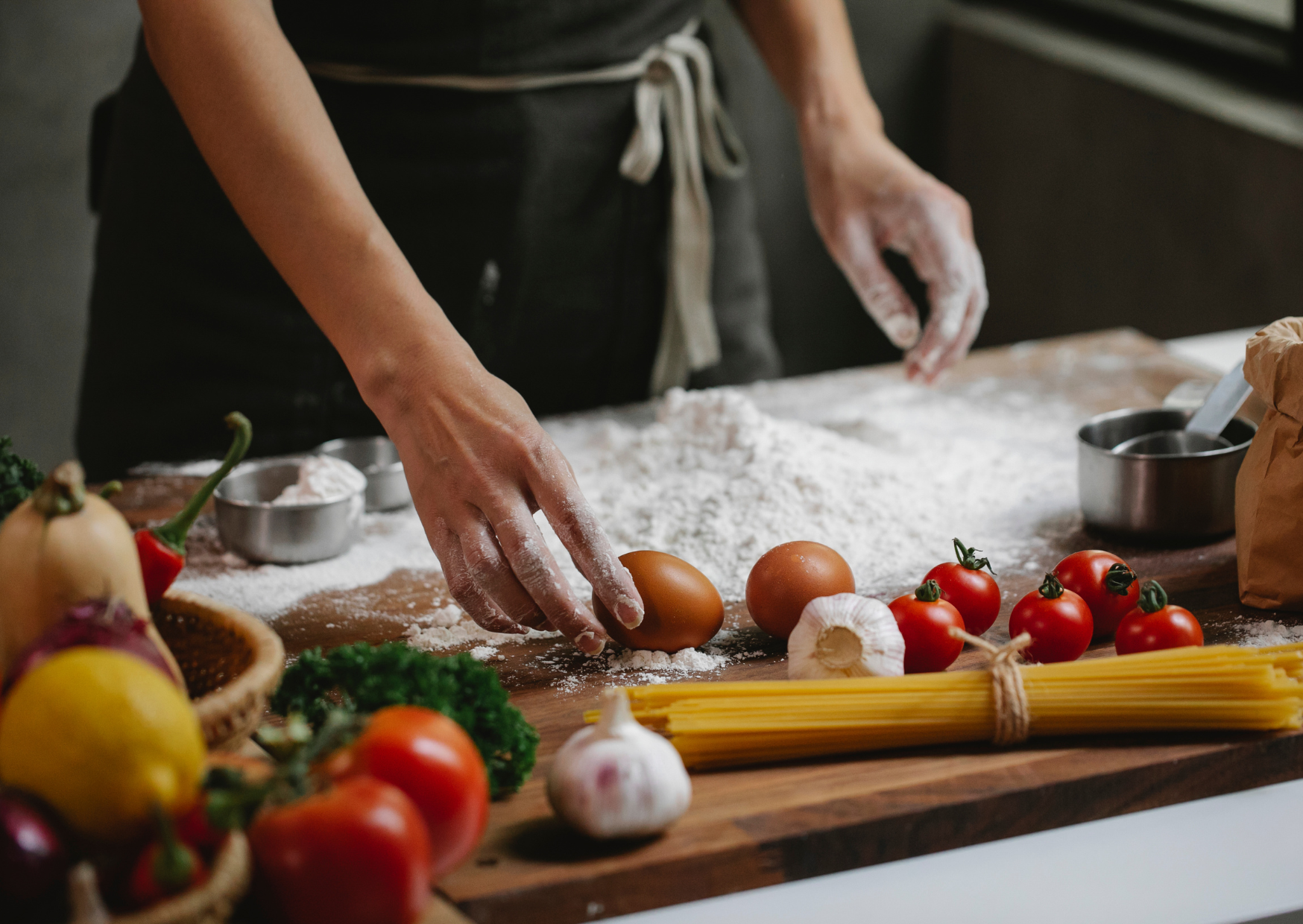
In many American households, the kitchen is built for convenience. Meals need to be fast. Dinner needs to happen in 15 minutes or less. Reheating leftovers, defrosting meat, and melting butter quickly becomes a routine.
In the Mediterranean, cooking is not framed as a race.
- Meals are planned in advance, often with ingredients bought that same day.
- Food is cooked slowly, on the stove or in the oven, with attention to texture and flavor.
- Even leftovers are reheated gently, using a pan or pot, not blasted with microwave radiation.
The goal is not just to eat quickly. The goal is to enjoy the process of making food. A microwave interrupts that rhythm and feels unnecessary.
2. Fresh Food Is the Priority
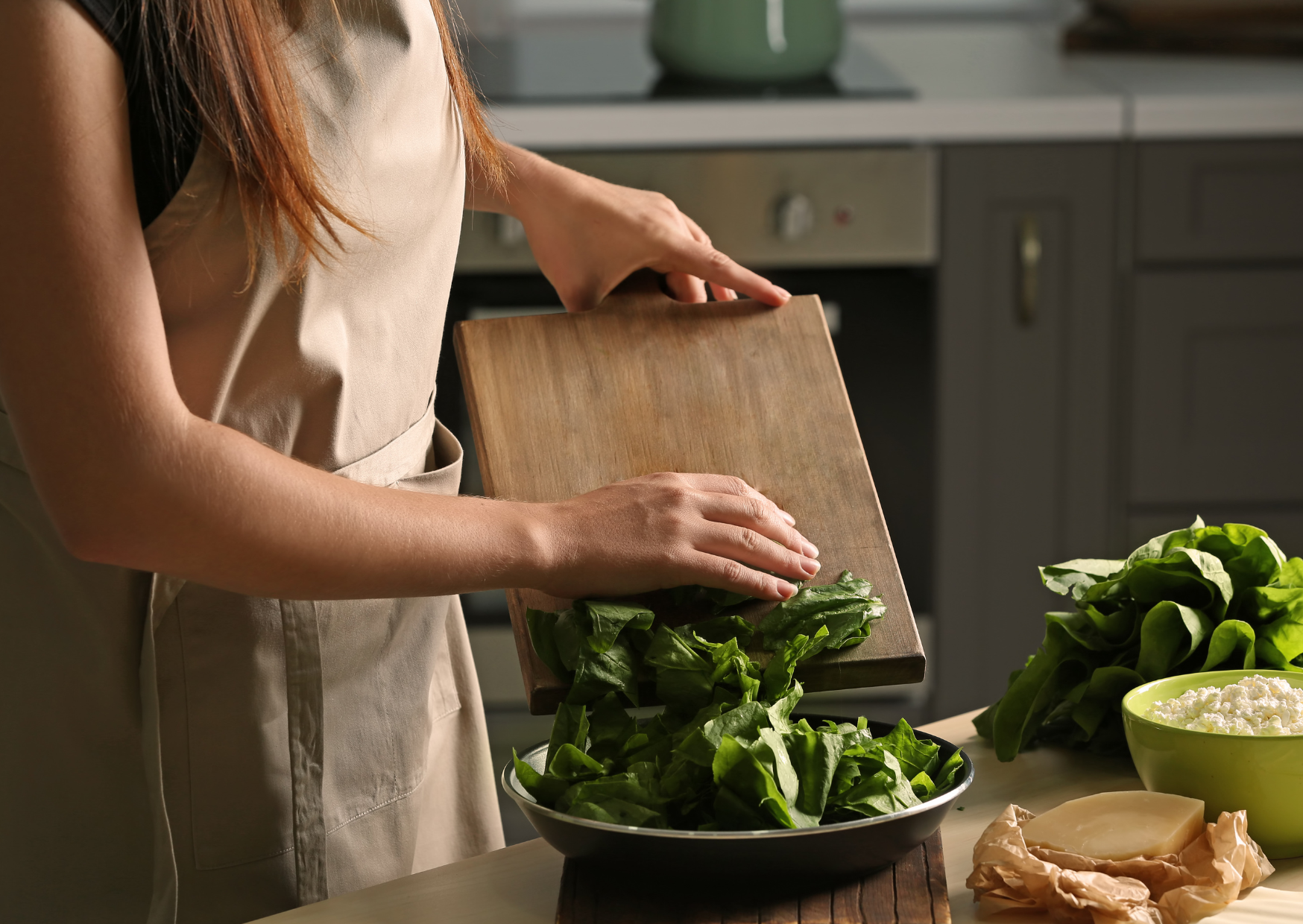
Microwaves are ideal for frozen meals, packaged snacks, and reheated takeout. But Mediterranean diets revolve around fresh, whole foods.
- Produce is bought locally, often from open-air markets.
- Bread is purchased daily, not frozen for weeks.
- Vegetables, legumes, meats, and fish are prepared in portions that are meant to be eaten when they’re made.
When your diet is built around fresh ingredients, there is less need to reheat or defrost anything. The ingredients are already on your counter or in your fridge, not waiting in your freezer for a microwave to bring them back to life.
3. Leftovers Are Reheated Differently
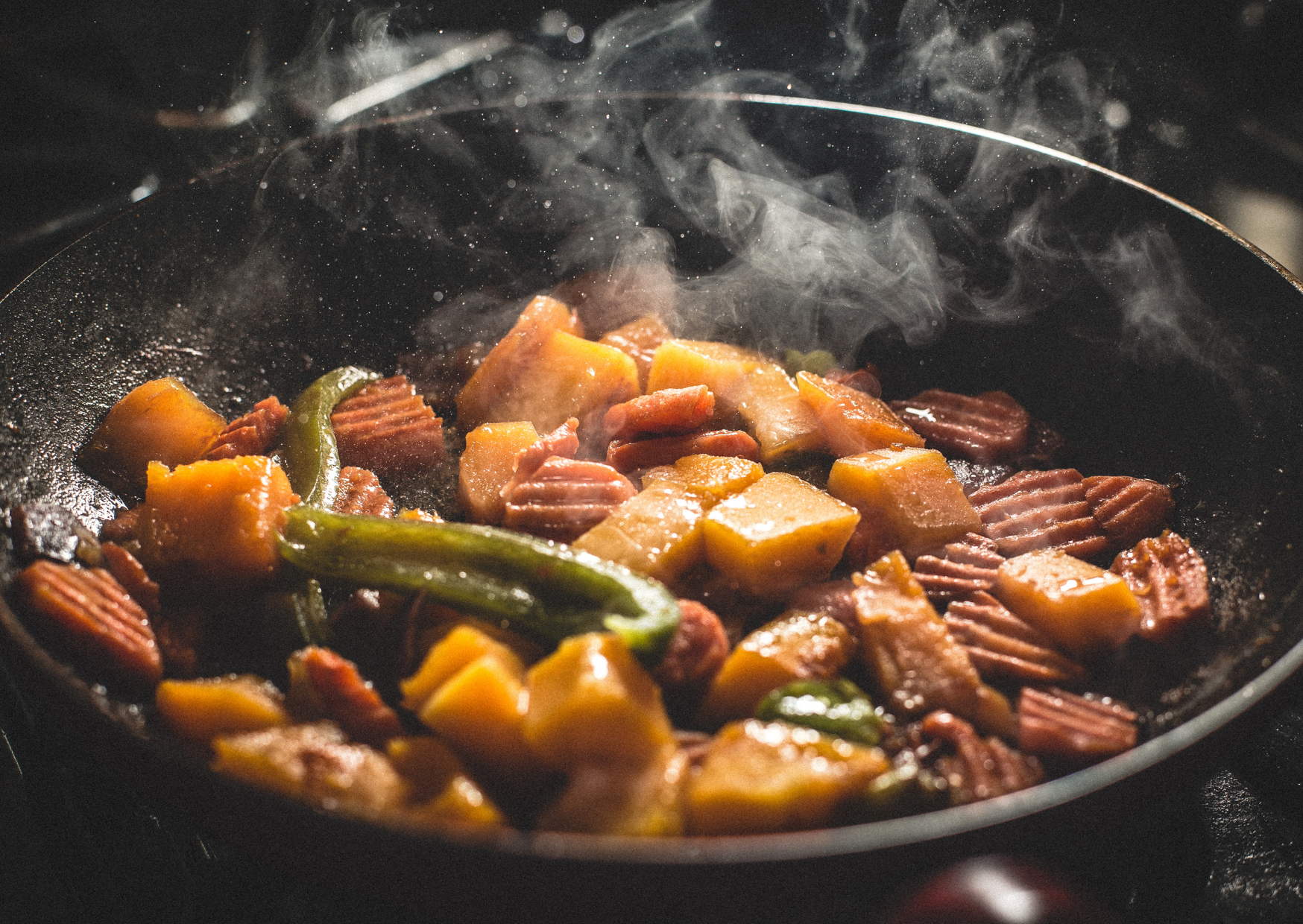
It’s not that Mediterranean families never eat leftovers. They absolutely do. But the way they reheat them is more intentional.
- Soups are reheated slowly in a pot.
- Pasta is tossed back in a pan with olive oil or a splash of water.
- Stews are warmed on the stove, with flavors developing more as they heat.
There’s a belief that food tastes better this way—and it often does. Microwaves can leave dishes unevenly heated or rubbery. Stove-top reheating takes a few more minutes but often restores the original flavor and texture more accurately.
4. Space Is Used Differently in Mediterranean Homes
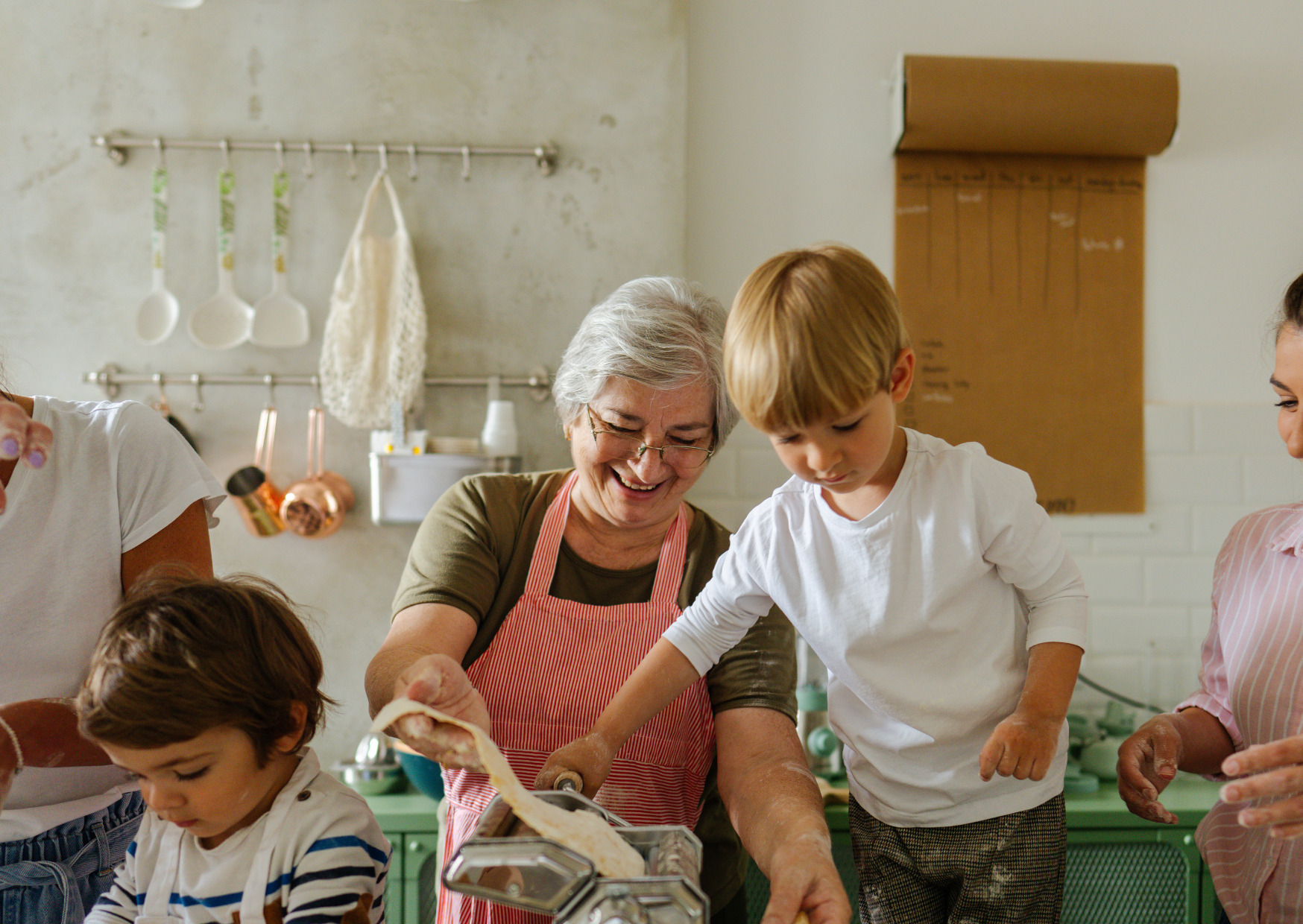
European kitchens are usually smaller than their American counterparts. This is especially true in older apartments and urban homes.
- Counter space is limited and highly functional.
- Every appliance must justify its presence.
- Bulky items like a microwave can take up room that might be better used for food prep or drying herbs.
In this context, the microwave just doesn’t make the cut. A small stovetop or toaster oven often does the job better and more efficiently, without wasting space.
5. Food Culture Doesn’t Revolve Around Snacking
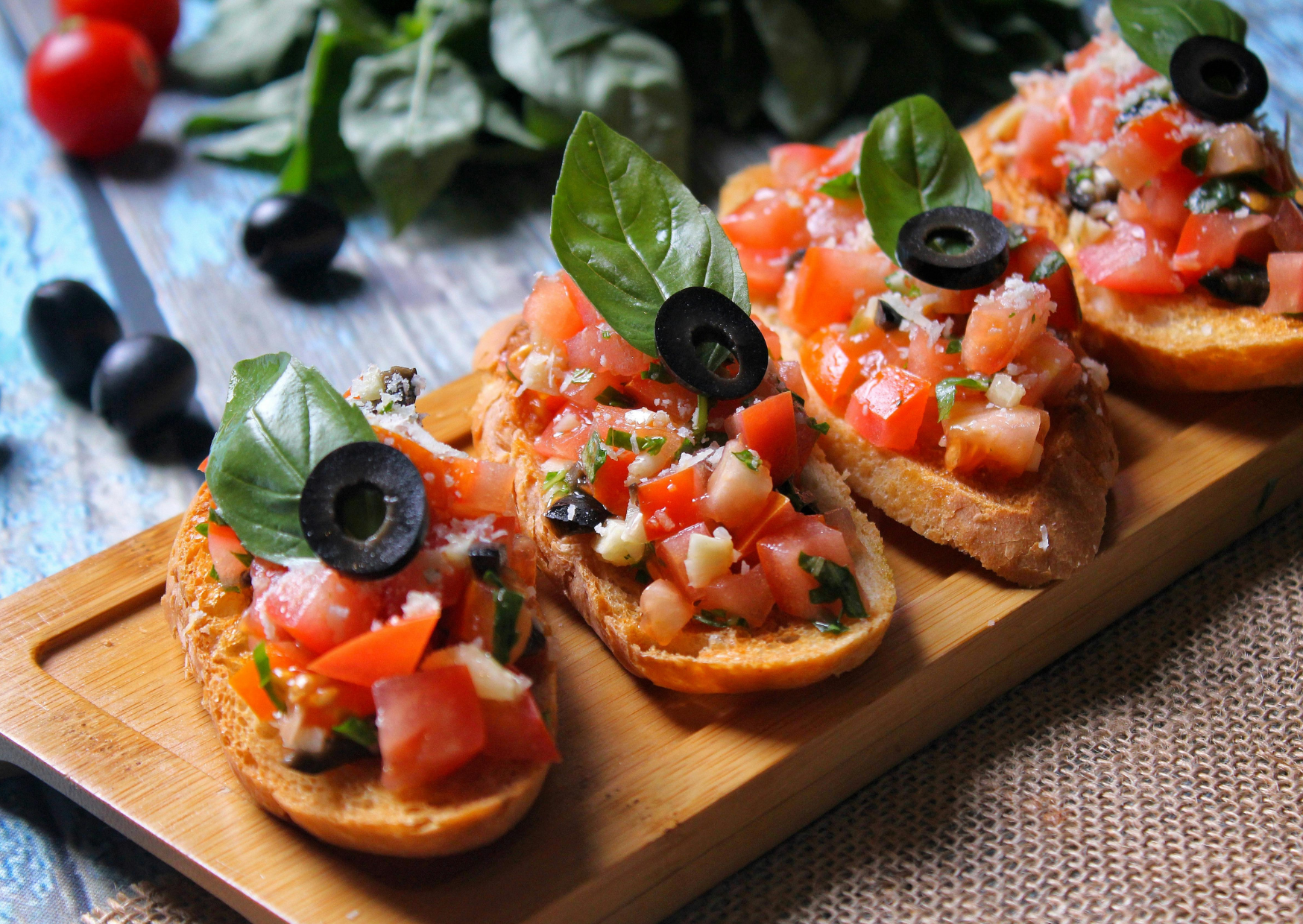
Microwaves are great for heating single portions quickly. Popcorn, cheese melts, or one-serving leftovers all make sense in an environment where people eat alone or on staggered schedules.
In Mediterranean countries, food is communal and structured.
- People eat together, often at set times.
- Meals are large and filling, reducing the need for constant snacking.
- Eating outside of meal times is less common and often discouraged.
Without the cultural need for quick solo snacks, the microwave loses a key part of its value. When everyone eats at the same time, there’s no need to reheat one plate while another person cooks fresh food.
6. Traditional Cooking Methods Are Still Alive
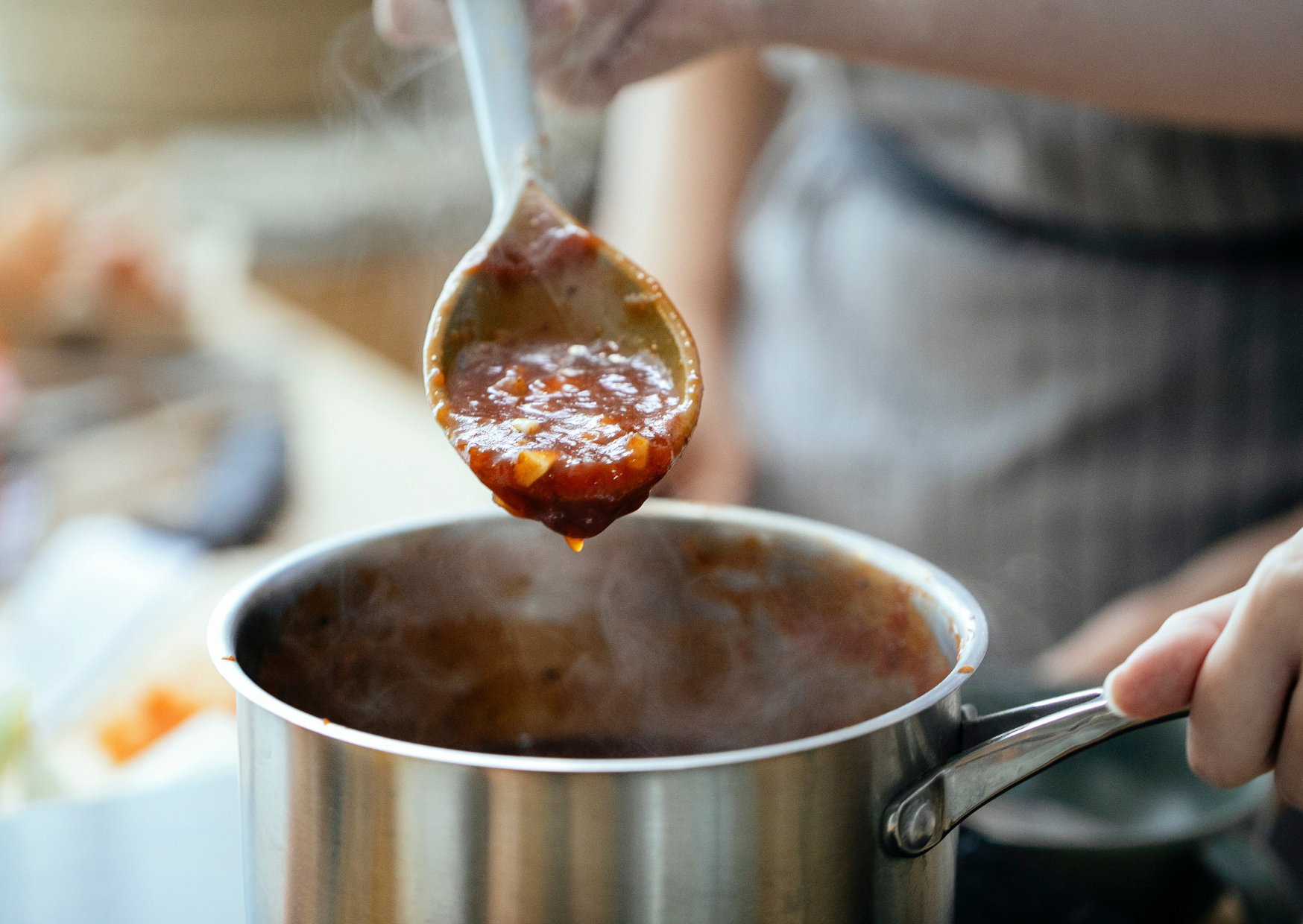
Microwaves are a modern convenience, but in the Mediterranean, many traditional methods still dominate.
- Bread is toasted in the pan, not the microwave.
- Cheese is melted under the broiler, not nuked in a bowl.
- Milk is warmed on the stove, often with lemon peel or cinnamon, not zapped in 30 seconds.
These methods aren’t just about nostalgia. They produce better results. They allow cooks to observe, taste, and adjust. And they connect the act of cooking with skill, memory, and care.
7. The Microwave Is Associated with Low-Quality Food
In American advertising, microwaves are framed as practical and efficient. In the Mediterranean, they are often associated with mass-produced food and a break from traditional values.
- Frozen meals are not popular in most Southern European countries.
- Packaged food is seen as inferior to anything homemade.
- Meals from scratch are the standard, not the exception.
Because of this, the microwave has a bit of an image problem. Using one can feel like cutting corners. It is not seen as wrong, but it is definitely not seen as ideal.
8. Time Spent Cooking Is Not Time Lost
In the U.S., cooking is often squeezed in between work, errands, or school runs. The faster, the better.
In the Mediterranean, cooking is an investment in quality of life.
- It is not unusual to spend an hour or more preparing a meal.
- People cook with others, turning it into a social experience.
- There is satisfaction in stirring, tasting, adjusting, and serving.
When cooking is valued, the idea of skipping that experience with a microwave feels less appealing. It’s not just about what the microwave does. It’s about what you miss when you use it.
9. Heating Food in Plastic Is Widely Avoided
Health awareness around plastics and microwave use has grown worldwide, but it is especially evident in Europe.
- There is skepticism about heating food in plastic containers.
- Regulations on food packaging are often stricter than in the U.S.
- Many people prefer glass, ceramic, or stainless steel for cooking and reheating.
Even if a microwave is present, many Mediterranean families choose not to use it for anything involving plastic. That means fewer meals are prepared in ways that require the microwave at all.
So What Do Mediterranean Kitchens Use Instead?
If you remove the microwave from an American kitchen, it leaves a noticeable gap. But in Mediterranean homes, that gap never existed.
Here are some of the tools and habits that replace it:
- Stovetop pots and pans for reheating and cooking most meals
- Toaster ovens for warming bread, pizza, or casseroles
- Electric kettles or stovetop milk warmers for hot drinks
- A culture of eating fresh instead of saving everything for later
Nothing fancy. Nothing futuristic. Just a different way of thinking about time, temperature, and what it means to cook.
Final Thought
The absence of a microwave in Mediterranean kitchens is not an accident. It is the result of cultural priorities: food made with care, eaten with others, and prepared in real time.
This does not mean people never use convenience tools. But it does mean the microwave never became the standard. It was never needed.
If you’re used to reaching for the microwave every time you need to warm something up, consider trying it the Mediterranean way. Use the stove. Reheat your pasta with olive oil. Warm your soup slowly. Toast your bread with intention.
You might find that those few extra minutes make the meal—and the day—feel completely different.

About the Author: Ruben, co-founder of Gamintraveler.com since 2014, is a seasoned traveler from Spain who has explored over 100 countries since 2009. Known for his extensive travel adventures across South America, Europe, the US, Australia, New Zealand, Asia, and Africa, Ruben combines his passion for adventurous yet sustainable living with his love for cycling, highlighted by his remarkable 5-month bicycle journey from Spain to Norway. He currently resides in Spain, where he continues sharing his travel experiences with his partner, Rachel, and their son, Han.