
Will Americans need to register online and pay a fee to enter in Europe starting November 2026? Yes, starting from November 2026, Americans (as well as citizens of other non-EU countries) will need to go through additional entry procedures when traveling to Europe as part of the European Union’s new entry system called the European Travel Information and Authorization System (ETIAS) and the Entry/Exit System (EES).
These new procedures are part of the EU’s efforts to enhance security and manage border crossings more efficiently. While these changes add a few extra steps to the travel process, they are designed to be straightforward and manageable with proper preparation. If you plan to travel to Europe from November 2026 onwards, be sure to account for these new requirements in your travel planning.
Read here how to pack for Europe and Best eSIM for Europe
BOOK YOUR TRAVEL INSURANCE
Two of our favorite travel insurance: Heymondo Vs Safetwing cheapest travel Insurance. You can get for $135 USD your Heymondo Travel Insurance with Heymondo discount code valid for 90 days. Read our full comparison of Genki vs Safetywing Travel Insurance Review and the comparison Heymondo vs Genki
What It Is: ETIAS is a visa waiver system, not a visa, but it requires travelers from visa-exempt countries (like the U.S.) to obtain authorization before entering the Schengen Area.
How It Works: Travelers will need to apply online for ETIAS authorization, which involves filling out an application, paying a fee, and providing some personal information and travel details. The application process should be relatively quick, typically taking only a few minutes.
Validity: Once approved, the ETIAS authorization will be valid for three years or until the traveler’s passport expires, whichever comes first.
Entry/Exit System (EES)
What It Is: The EES is an automated IT system for registering travelers from third countries, including Americans, each time they cross an external border of the Schengen Area.
How It Works: Upon entry into the Schengen Area, travelers will have to provide biometric data, including fingerprints and a facial image, which will be stored in the EES. The system will record the entry and exit dates, ensuring that travelers adhere to the 90-day limit within a 180-day period allowed under the Schengen visa waiver program.
CLICK HERE TO BOOK YOUR ACCOMMODATION IN EUROPE
Implications for American Travelers
Additional Requirements: Starting November 2026, you will need to complete the ETIAS process and be prepared for biometric data collection (fingerprints and facial image) at the border when entering the Schengen Area.
Preparation: It is important to apply for ETIAS before your trip and ensure that your passport is valid for at least three months beyond your planned departure from the Schengen Area.
Costs: The ETIAS application will come with a small fee (around €7 as of the latest updates), but there is no charge for the EES registration.
How It Works The European Union’s new entry system called the European Travel Information and Authorization System (ETIAS)

The European Travel Information and Authorization System (ETIAS) is a new entry requirement for visa-exempt travelers, including U.S. citizens, who wish to visit countries in the Schengen Area of the European Union. It is similar to the ESTA system used in the United States. ETIAS is being introduced to enhance security and improve the management of the Schengen Area’s borders.
ETIAS is a user-friendly travel authorization system aimed at increasing security within the Schengen Area by screening travelers from visa-exempt countries before they arrive. It’s essential to apply for ETIAS before your trip to ensure you meet the new entry requirements starting in 2026. By submitting a quick online application, travelers can enjoy smooth entry into Europe while contributing to enhanced safety for all.
Here’s how ETIAS works
1. Who Needs ETIAS?
Visa-Exempt Travelers: ETIAS applies to nationals from countries that are not part of the European Union but are allowed to enter the Schengen Area without a visa. This includes countries like the United States, Canada, Australia, Japan, and others. Travelers from these countries will need to apply for ETIAS before entering any of the Schengen countries.
Schengen Area: The Schengen Area includes 26 European countries that have abolished internal borders for free movement. ETIAS will be required for entry into these countries, even for short stays of up to 90 days within a 180-day period for tourism, business, medical, or transit purposes.
2. How to Apply for ETIAS?
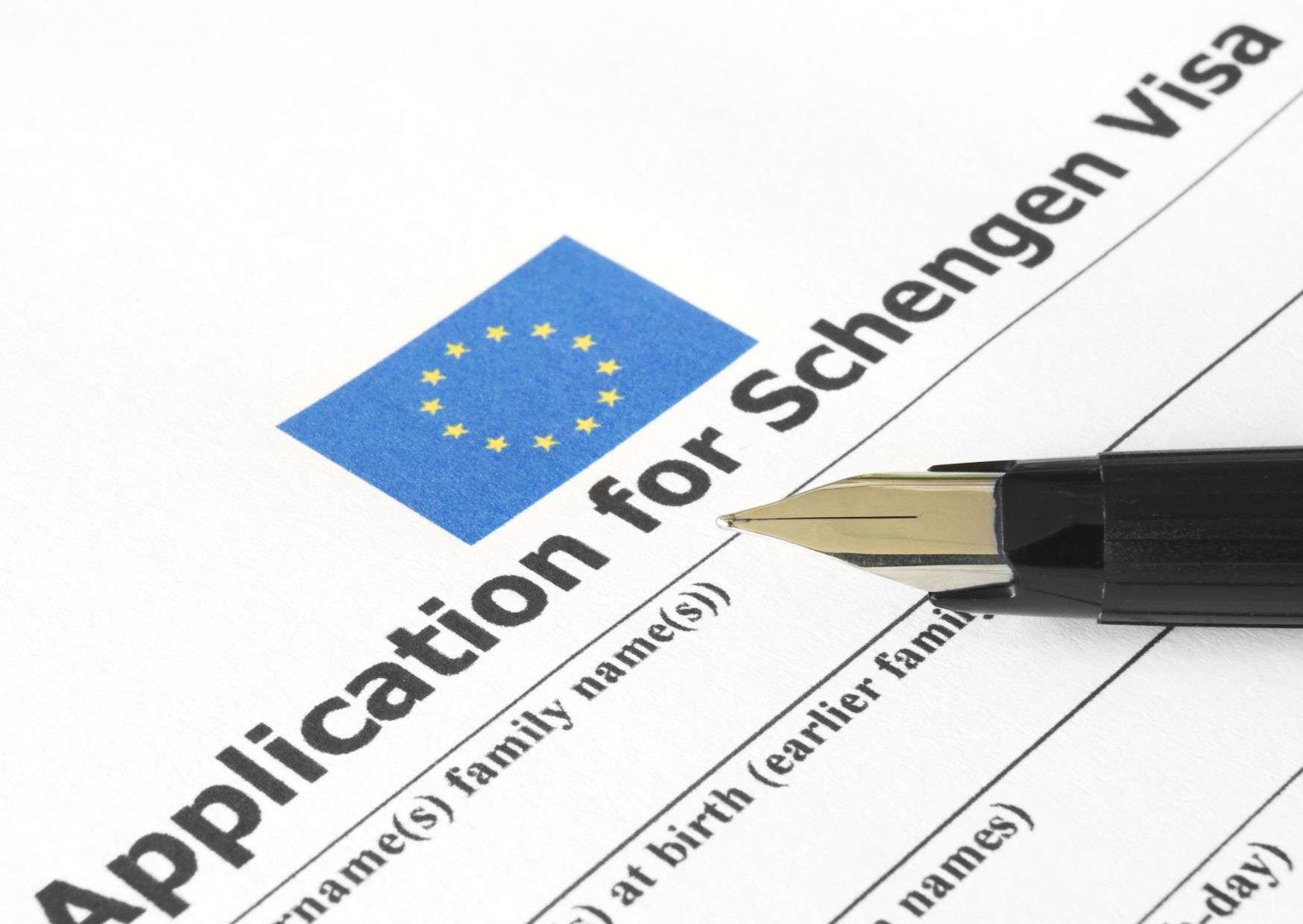
Online Application: Travelers will need to fill out an ETIAS application online. The process is straightforward and is expected to take about 10-20 minutes.
Required Information: Applicants will need to provide personal information, including:
Full name, date of birth, and nationality
Passport information (number, issuance, and expiration dates)
Travel details, including the Schengen country you intend to enter first
Background information related to security, such as criminal records, travel to conflict zones, and any previous refusals of entry into Schengen countries
Fee: There will be a fee for the ETIAS application, expected to be around €7 (approximately $8 USD), which applies to travelers between 18 and 70 years old. Younger or older travelers are expected to be exempt from the fee.
3. How Does the ETIAS Authorization Process Work?
Automated Screening: Once you submit the application, the system will automatically cross-check your data against various EU security databases, including Interpol, Europol, SIS (Schengen Information System), and VIS (Visa Information System), among others.
Approval Time: In most cases, ETIAS approval will be granted within minutes of submitting the application. However, if the system flags any issues or needs further review, the processing time may extend up to four weeks.
Duration of Validity: Once approved, the ETIAS authorization will be valid for three years or until your passport expires, whichever comes first. During this time, you can enter the Schengen Area multiple times, as long as you respect the 90-day limit within a 180-day period.
4. At the Border
Passport and ETIAS Check: When entering a Schengen Area country, border officials will check your passport and ETIAS authorization. While ETIAS does not guarantee entry, it is a pre-screening tool that increases the likelihood of a smooth entry process. Border authorities still have the final say regarding entry.
Multiple Entries: You can travel freely within the Schengen Area during your stay, but each time you enter, your ETIAS status will be checked.
5. ETIAS and Other Visa Requirements
ETIAS is Not a Visa: ETIAS is not the same as a visa. It is an electronic travel authorization, and it applies to travelers who are already allowed to enter the Schengen Area without a visa. If you need a visa to visit the EU, you will not require ETIAS.
Short Stays Only: ETIAS is valid only for short stays of up to 90 days for tourism, business, medical, or transit purposes. For longer stays, such as for work, study, or residency, a different visa is required.
6. Why Was ETIAS Introduced?
Enhanced Security: The primary purpose of ETIAS is to improve security by pre-screening visa-exempt travelers before they enter the Schengen Area. This helps prevent potential security threats, such as individuals involved in terrorism or serious crime, from entering the region.
Streamlining Border Management: ETIAS also aims to improve the management of the Schengen Area’s borders by gathering information about travelers in advance, reducing delays, and allowing smoother border controls.
7. Countries That Require ETIAS
ETIAS will be required for entry into the following 26 Schengen Area countries:
Austria, Belgium, Czech Republic, Denmark, Estonia, Finland, France, Germany, Greece, Hungary, Iceland, Italy, Latvia, Liechtenstein, Lithuania, Luxembourg, Malta, Netherlands, Norway, Poland, Portugal, Slovakia, Slovenia, Spain, Sweden, and Switzerland.
Additionally, non-Schengen countries such as Bulgaria, Croatia, Cyprus, and Romania plan to implement ETIAS in the future.
Quick Easy Tips
Plan extra time at border control: In Europe, U.S. travelers will have to provide fingerprints and a facial photo on their first entry at external borders starting October 2025 under the Entry‑Exit System (EES). Expect longer lines, especially at busy entry points like Rome, Paris, or Barcelona.
Ensure your passport is biometric-compliant and valid: Your passport must support biometric data and be valid for at least the duration of your stay. The new EES system will link your biometric entry to ETIAS permissions once that begins.
Apply early for ETIAS: From late 2026, U.S. citizens will need to obtain ETIAS authorization before arriving in Europe—similar to the U.S. ESTA. The €7 fee is minimal, but start your application weeks before your departure to avoid issues.
Use airports with kiosks or e-gates: Some major airports will have self-service kiosks allowing you to register biometrics before passport control—seek those to speed up the process.
Keep proof of ETIAS and full audit trail: Since EES tracks your entry and exit for up to three years, carry proof of ETIAS approval and retain immigration stamps to avoid overstaying under the 90‑in‑180‑day Schengen rule.
It’s not just about security—it’s surveillance: Although EES and ETIAS are pitched as modernization and safety improvements, many argue they mark an escalation in biometric surveillance, tracking travelers in centralized EU databases rather than relying on one-time passport stamps.
Delays are almost inevitable—and underreported: Despite official statements that new systems will streamline border crossing, reports from the UK and EU suggest significant bottlenecks—especially at major airports and ferry terminals—raising concerns that travelers might face chaos during the transition.
Privacy vs. convenience: Europe touts EES as “safer and quicker,” but critics warn that linking biometric data with travel authorizations could lead to misuse. As more tourists navigate this system, questions over data privacy, government access, and long-term storage remain hotly debated .

About the Author: Ruben, co-founder of Gamintraveler.com since 2014, is a seasoned traveler from Spain who has explored over 100 countries since 2009. Known for his extensive travel adventures across South America, Europe, the US, Australia, New Zealand, Asia, and Africa, Ruben combines his passion for adventurous yet sustainable living with his love for cycling, highlighted by his remarkable 5-month bicycle journey from Spain to Norway. He currently resides in Spain, where he continues sharing his travel experiences with his partner, Rachel, and their son, Han.