
Why Bother Knowing This?
Whether you’re traveling through Europe for a few weeks or relocating for work or study, there’s a good chance you’ll spend time in grocery stores, pharmacies, boutiques, and street markets. What might surprise you is that some of your everyday shopping habits—ones you never thought twice about—could be seen as odd or even rude by locals. While no one’s going to kick you out of the store for these quirks, you might notice a few raised eyebrows or a politely puzzled smile.
Read on for eight habits that Americans (and some other travelers) might bring overseas, only to find they clash with Europe’s shopping culture. The good news? A little awareness can go a long way toward blending in and making your experience more pleasant—for you and the folks around you.
Looking for More Travel & Culture Reads?
– They Don’t Work 24/7: 5 Vacation Customs in Europe That Drive Americans Crazy
– 7 Dress Code Shocks Americans Face in Italy
– 9 European Beach Habits That Shock First-Time Tourists
1. Expecting 24/7 Convenience

Why Americans Do It
In the U.S.—especially in big cities—24-hour supermarkets, late-night drugstores, and convenience shops that never close are quite common. Need ice cream at 2 a.m.? No problem. Feel like grabbing a phone charger or a loaf of bread at midnight? Easy.
Why Europeans Judge It
In many European countries, shops have more limited operating hours. Sunday closures are common for supermarkets and many retailers. Even in major cities, you’ll find a significant number of stores shutting down early on weekends. Some smaller towns practically become ghost towns after 7 or 8 p.m. on weekdays.
Etiquette Tip
- Plan Ahead: Don’t assume you’ll be able to dash out for last-minute ingredients after 9 p.m. Check store hours in advance and do your grocery run earlier in the day.
- Embrace “Quiet Sundays”: Many Europeans see Sunday as a day for family, rest, or leisure activities rather than shopping sprees. Use this time to explore local parks, museums, or cafés.
Bottom Line
Yes, your 24/7 mentality might be perfectly normal back home, but in much of Europe, expecting stores to be open around the clock can seem demanding or impractical.
2. Over-Relying on Plastic Bags (and Not Bringing Your Own)

Why Americans Do It
In many American grocery stores, plastic bags are handed out like candy at Halloween. Some places even double-bag by default. While eco-awareness is growing in the U.S., convenience often still wins, leading many shoppers to collect a mountain of single-use bags each week.
Why Europeans Judge It
European countries have, for the most part, embraced the bring-your-own-bag concept. Supermarkets and department stores often charge extra for each plastic or paper bag. Many locals carry reusable cloth totes or sturdy baskets. Turning down a bag you don’t need is seen as a small but important way to reduce waste.
Etiquette Tip
- Bring a Tote: Keep a lightweight reusable bag in your backpack or purse.
- Expect Bag Charges: Don’t be shocked if a store charges you 10 to 30 cents per bag—it’s standard in many EU countries.
Bottom Line
Yes, Americans may casually accept plastic bags. But in Europe, that can come across as wasteful. Bringing your own tote signals respect for local eco-friendly habits.
3. Shopping in Bulk as If You’re Stocking a Bunker

Why Americans Do It
“Buy in bulk and save” is almost a national motto in the States. Giant carts, family-size everything, and warehouse clubs like Costco encourage stocking up for weeks—if not months—at a time.
Why Europeans Judge It
In many parts of Europe, fridges are smaller, kitchen storage is limited, and daily or near-daily grocery runs are common. Locals prefer fresher produce and smaller quantities. Hauling an enormous cart filled to the brim often makes you stand out—and can slow down the checkout line.
Etiquette Tip
- Go Smaller, Go Fresher: Try the European approach—shop more frequently, buy only what you need for a few days. You’ll find fresher ingredients and discover local specialty shops, like bakeries and produce stands.
- Avoid Rush-Hour Carts: If you do need a big haul, consider going at off-peak times so you don’t clog the queue at 6 p.m. on a weekday.
Bottom Line
Yes, Americans may buy a month’s supply in one trip. In Europe, people might think you’re prepping for the apocalypse—or simply question why you’d want stale bread when you can get it fresh every morning.
4. Handling Produce Without Gloves (or Not Weighing It First)

Why Americans Do It
In many U.S. grocery stores, you pick up fruits and veggies, maybe give them a gentle squeeze to test ripeness, then bag them up. If there’s a scale, it’s usually at the checkout, where the cashier weighs everything for you.
Why Europeans Judge It
In some European countries, especially in places like Germany or parts of Italy, you’re expected to use provided gloves or plastic sleeves when touching produce. Additionally, many stores require you to weigh your own produce at a separate station and print out a price sticker before heading to the cashier. Failing to do so can irritate the cashier—and the people waiting behind you.
Etiquette Tip
- Look for the Glove Dispenser: They’re often near the produce section. Use them if you see them; locals will appreciate the hygienic courtesy.
- Check for Scales: If you spot a self-weighing machine, weigh and tag your items before getting in line.
Bottom Line
Yes, Americans assume the cashier weighs produce. But in Europe, skipping the self-weigh step or handling fruits barehanded can lead to exasperated stares from locals—especially in crowded stores.
5. Returning Items Too Casually

Why Americans Do It
Return policies in the U.S. can be incredibly lenient. From clothing to electronics, it’s common to bring items back weeks later—sometimes even without a receipt—and expect a refund or store credit. Some shoppers treat buying and returning like a personal at-home trial service.
Why Europeans Judge It
In many European countries, return policies aren’t nearly as flexible. Stores might allow returns only if the item is genuinely defective, or they may have a very short window (like 7–14 days) with strict conditions (unworn, tags attached, receipt mandatory). Constantly returning items can be viewed as wasteful or manipulative.
Etiquette Tip
- Check Store Policy: Don’t assume you can waltz in and get a full refund weeks after purchase. Read the fine print or simply ask before buying.
- Buy More Consciously: Because returns aren’t a given, be sure you really want or need an item before you purchase it.
Bottom Line
Yes, Americans might see returns as no big deal. In Europe, frequent returns can raise eyebrows and strain your relationship with local shopkeepers, who might see it as abuse of their (often limited) policy.
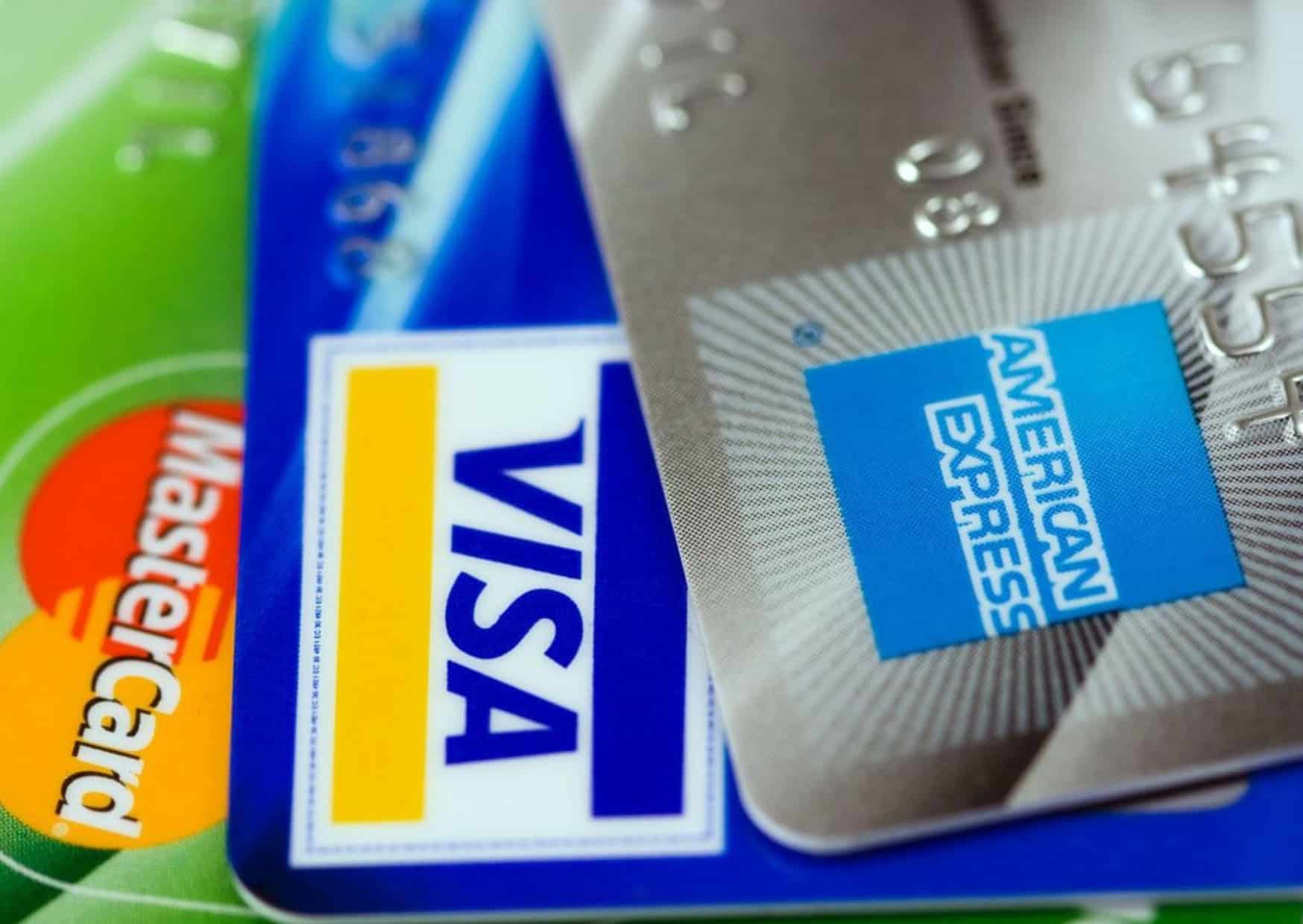
6. Excessive Credit Card Use (Especially for Tiny Purchases)
Why Americans Do It
America’s card culture runs deep: people swipe or tap for a $1.50 coffee, a $2 pack of gum, anything. Cashless payments are increasingly the norm, and many shops have no minimum purchase amount for card payments.
Why Europeans Judge It
While card usage is growing in Europe—especially with contactless payments—many smaller shops, bakeries, or cafés still prefer cash or have a minimum of €5 or €10 for card transactions. Some local markets might be cash-only. Whipping out a credit card for a €1 croissant can appear impractical or even disrespectful of the merchant’s costs (transaction fees can be high for small purchases).
Etiquette Tip
- Carry Some Cash: Especially when shopping at neighborhood stores or smaller towns.
- Check the Minimum: If you see signs like “Carte à partir de 5 €” (France) or “Mindesumsatz 10 €” (Germany), respect it.
- Use Contactless for Speed: If the store accepts contactless, it’s often much faster and more accepted than rummaging for small coins.
Bottom Line
Yes, Americans are used to plastic for everything. In Europe, especially in smaller shops, paying €1 or €2 by card can come across as mildly annoying to both staff and customers. Keep some small bills on hand for those quick transactions.
7. Ignoring (or Misreading) Market Haggling Customs

Why Americans Do It
Americans might assume there’s no negotiation in a standard retail setting—prices are fixed. Conversely, in certain international trips, some assume everything is up for haggling (especially if they’ve traveled to places like parts of Asia or North Africa).
Why Europeans Judge It
In most European countries, mainstream stores and markets have fixed prices, and haggling can be seen as rude. That said, some flea markets or antiques fairs do allow gentle bargaining, but only if done politely and with a sense of mutual respect. Hard-sell tactics or a brazen “I want 50% off” approach can leave a sour taste.
Etiquette Tip
- Observe Before Attempting: If you’re at a flea market or artisan stall, watch how locals interact. If haggling seems common, approach it lightly (e.g., “Could you do a little better on this price?”).
- Never in Chain Stores: Haggling in big retail chains—like Zara or Carrefour—will just earn you puzzled looks.
Bottom Line
Yes, Americans might be used to straightforward transactions. But in Europe’s specialty markets, a polite, discreet approach may be okay, while everyday shops have zero interest in price negotiations.
8. Dressing Too Casually for Shopping
Why Americans Do It
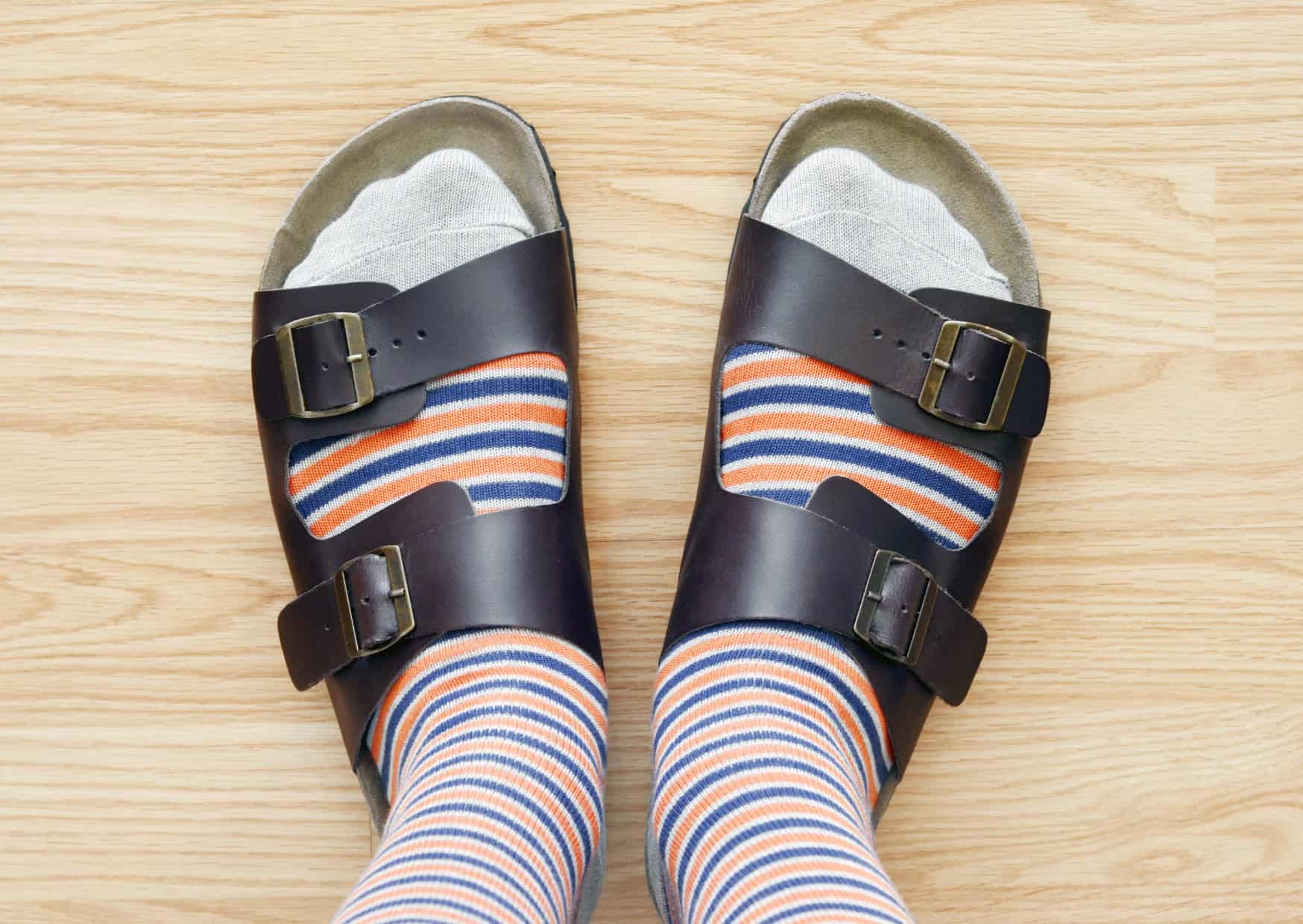
Running errands in sweats, pajamas, or workout clothes is completely normal in many parts of the U.S. Grab coffee in your jogging pants, pick up groceries in a hoodie—no big deal. Comfort often takes precedence over formality.
Why Europeans Judge It
While not all Europeans dress to the nines just to buy bread, there’s generally a greater emphasis on looking presentable in public spaces. In cities like Paris, Milan, or Vienna, you’ll see fewer locals wearing baggy sweatpants and flip-flops in grocery stores or shopping malls.
Etiquette Tip
- Aim for “Smart Casual”: Jeans, a decent shirt, and comfortable but stylish shoes can help you blend in better.
- No Need to Overdo It: You don’t have to don formal attire, but avoiding overly sloppy or pajama-like outfits shows respect for local norms.
Bottom Line
Yes, Americans often shop in ultra-casual outfits. In many European cities, you’ll get fewer stares if you dress with a touch more polish—even for everyday errands.
Conclusion: A Little Cultural Awareness Goes a Long Way
Traveling or living abroad is all about learning—learning the language, the food, the history, and yes, the shopping customs. While none of these eight habits will land you in trouble (at worst, you’ll get a polite sigh or a side-eye), being aware of them helps you navigate local stores with more confidence and respect.
- Check Store Hours before you head out late.
- Bring a Reusable Bag and limit single-use plastic.
- Buy Fresh, Buy Often if you can, to adapt to smaller-scale shopping.
- Follow Local Produce Practices, including self-weighing and wearing gloves if required.
- Don’t Assume U.S.-Style Return Policies—in many places, you buy it, you keep it.
- Carry Cash for small purchases.
- Know When (and Where) to Haggle—and when not to.
- Dress Up a Notch—looking presentable is appreciated.
Embracing local norms doesn’t mean forsaking your own habits entirely. But blending your approach with the local way of doing things can open up friendlier interactions, prompt more helpful service, and generally enrich your experience of daily life in Europe. You might even find yourself preferring some of these more measured, eco-friendly, or respectful shopping traditions. After all, cultural exchange goes both ways.
Pro Tip: When in doubt, observe! Look around at how the locals act, from the queue at the checkout to the way they bag their groceries. That quick scan can reveal what’s customary—and help you avoid a few embarrassing moments in the aisles. Happy shopping!

About the Author: Ruben, co-founder of Gamintraveler.com since 2014, is a seasoned traveler from Spain who has explored over 100 countries since 2009. Known for his extensive travel adventures across South America, Europe, the US, Australia, New Zealand, Asia, and Africa, Ruben combines his passion for adventurous yet sustainable living with his love for cycling, highlighted by his remarkable 5-month bicycle journey from Spain to Norway. He currently resides in Spain, where he continues sharing his travel experiences with his partner, Rachel, and their son, Han.