
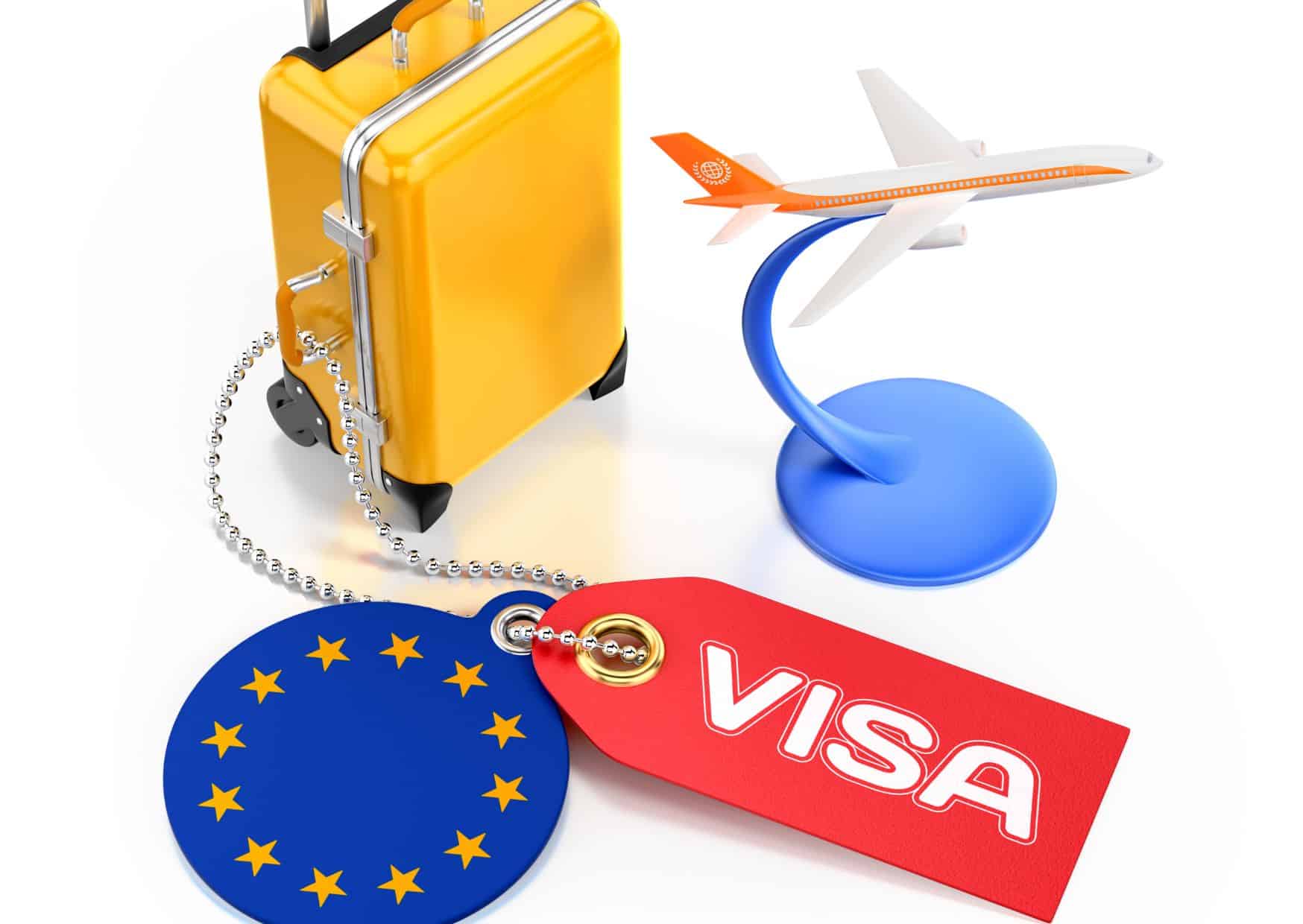
Our guide on the best things to know before visiting Europe for your next trips.
Europe is a diverse continent with a rich history, vibrant cultures, and incredible destinations. Whether it’s your first time visiting or you’re a seasoned traveler, there are a few essential tips and guidelines to ensure your trip is smooth, enjoyable, and memorable.
Europe offers something for every traveler, whether it’s history, art, nature, or gastronomy. By being well-prepared, respecting local customs, and staying flexible, you’ll have an unforgettable journey.
Read here how to pack for Europe and Best eSIM for Europe
BOOK YOUR TRAVEL INSURANCE
Two of our favorite travel insurance: Heymondo Vs Safetwing cheapest travel Insurance. You can get for $135 USD your Heymondo Travel Insurance with Heymondo discount code valid for 90 days. Read our full comparison of Genki vs Safetywing Travel Insurance Review and the comparison Heymondo vs Genki
Mistakes to Avoid
Overpacking Your Itinerary: Focus on a few destinations to avoid travel burnout.
Ignoring Local Customs: Research each destination’s traditions to show respect.
Relying Solely on Credit Cards: Always carry some cash, as smaller establishments may not accept cards.
Not Checking Local Emergency Numbers: Save local emergency contacts (112 is the EU-wide emergency number).
Things to Know Before Visiting Europe
1. Prepare for Visa and Entry Requirements

What to Know:
U.S. citizens can currently travel to most European countries for up to 90 days within a 180-day period without a visa.
Starting 2025, many European countries will require an ETIAS authorization for visa-free travel.
Tips:
Check the specific entry requirements for your destination.
Ensure your passport is valid for at least six months beyond your intended stay.
2. Pack Smart for the Weather

What to Know:
Europe’s climate varies greatly by region and season:
Northern Europe: Cold winters, mild summers.
Southern Europe: Mild winters, hot summers.
Central Europe: Four distinct seasons.
Tips:
Pack layers, as weather can change quickly. Bring comfortable shoes for walking on cobblestone streets.
3. Currency and Payment Methods
What to Know:
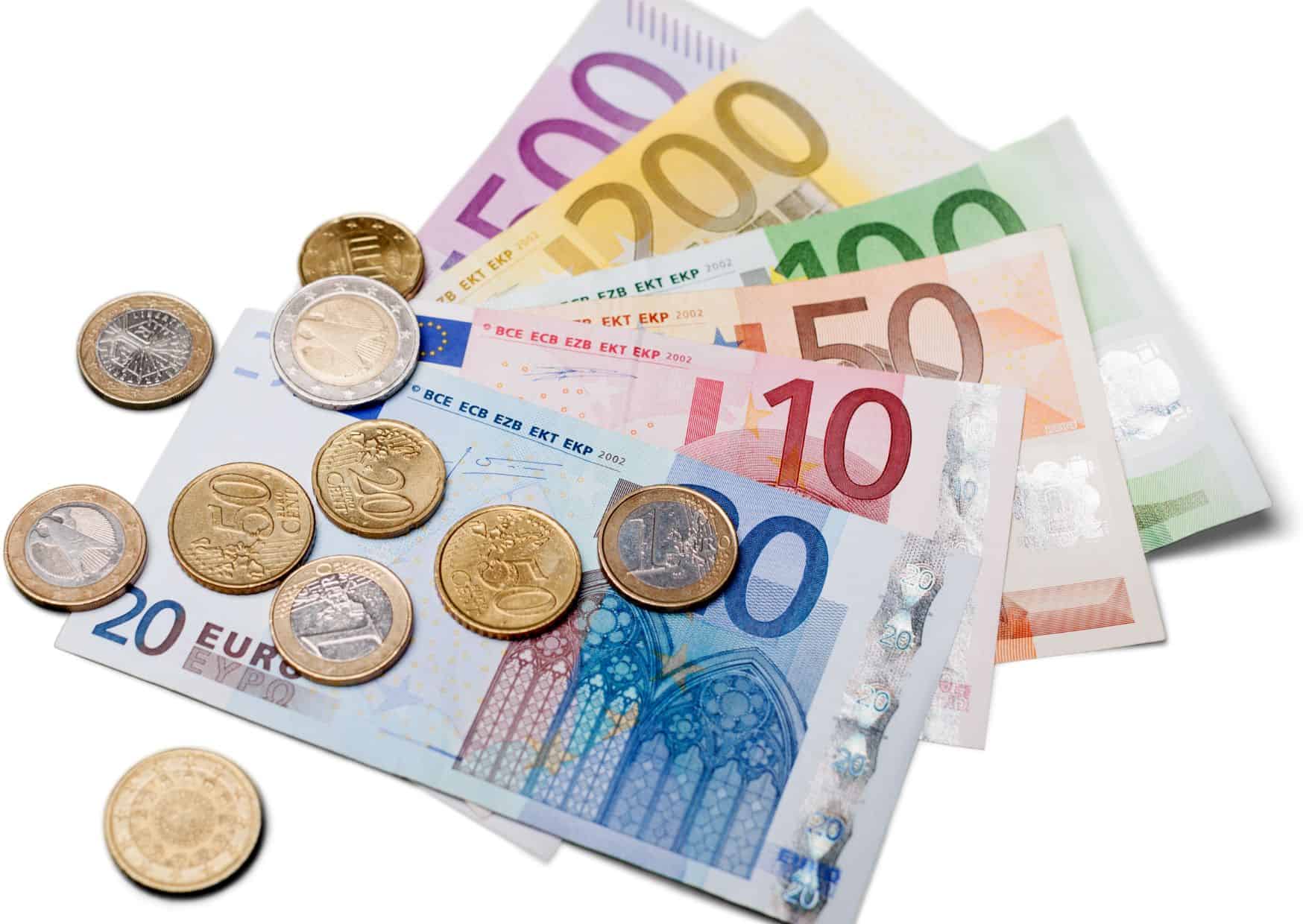
Most European countries use the Euro (€), but some, like the UK (Pound Sterling) and Switzerland (Swiss Franc), use different currencies.
Credit cards are widely accepted, but smaller shops and markets may prefer cash.
Tips:
Inform your bank of your travel plans to avoid card blocks. Use ATMs for local currency, as exchange rates at airports can be unfavorable.
4. Embrace Public Transportation
What to Know:
Europe’s public transportation is efficient, reliable, and cost-effective.
High-speed trains like the Eurostar, TGV, and ICE connect major cities.
Tips:
Book train tickets in advance for cheaper rates.
Download transportation apps like Citymapper or Google Maps to navigate cities.
5. Language Barriers and Communication
What to Know:
English is widely spoken in tourist areas, but knowing a few phrases in the local language can go a long way.
Tips:
Learn basic phrases like “hello,” “thank you,” and “where is the restroom?” in the local language. Use translation apps like Google Translate for quick assistance.
6. Tipping Etiquette
What to Know:
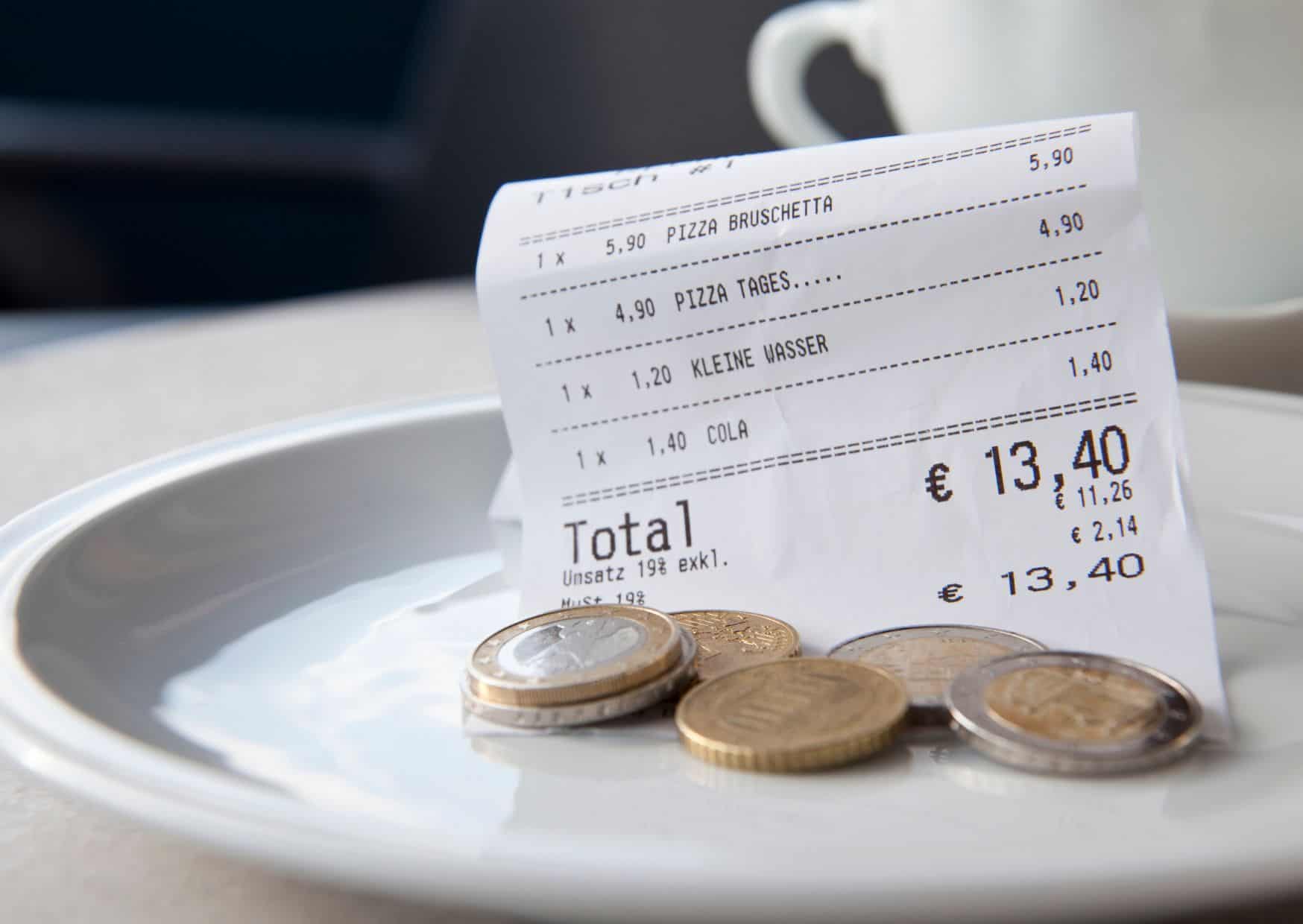
Tipping customs vary across Europe:
France/Italy/Spain: Round up the bill or leave 5–10%.
Germany/Austria: Leave 5–10% directly with the server.
Scandinavia: Tipping is minimal or not expected.
Tips:
Check the bill to see if a service charge is included.
Carry small change for tipping where appropriate.
7. Stay Connected with Mobile and Wi-Fi
What to Know:
European cities offer free Wi-Fi in many cafes and public spaces.
EU roaming regulations make it easier for travelers with EU SIM cards to stay connected across member countries.
Tips:
Buy a local SIM card or use an international roaming plan.
Download offline maps for areas with limited coverage.
8. Dining Customs

What to Know:
Dining is an experience in Europe, with longer meal times and a focus on savoring food.
Many restaurants close between lunch and dinner.
Tips:
Avoid eating at tourist-heavy spots near major attractions; look for restaurants frequented by locals. Try local specialties unique to the region.
9. Cultural Etiquette
What to Know:
Social norms differ widely:
France: Always greet with “bonjour” before asking for help.
Italy: Dress modestly when visiting churches.
Germany: Punctuality is highly valued.
Tips:
Research cultural norms for each destination to avoid unintentional offenses.
Be respectful of quiet zones like trains or public transport in Northern Europe.
10. Safety and Scams
What to Know:
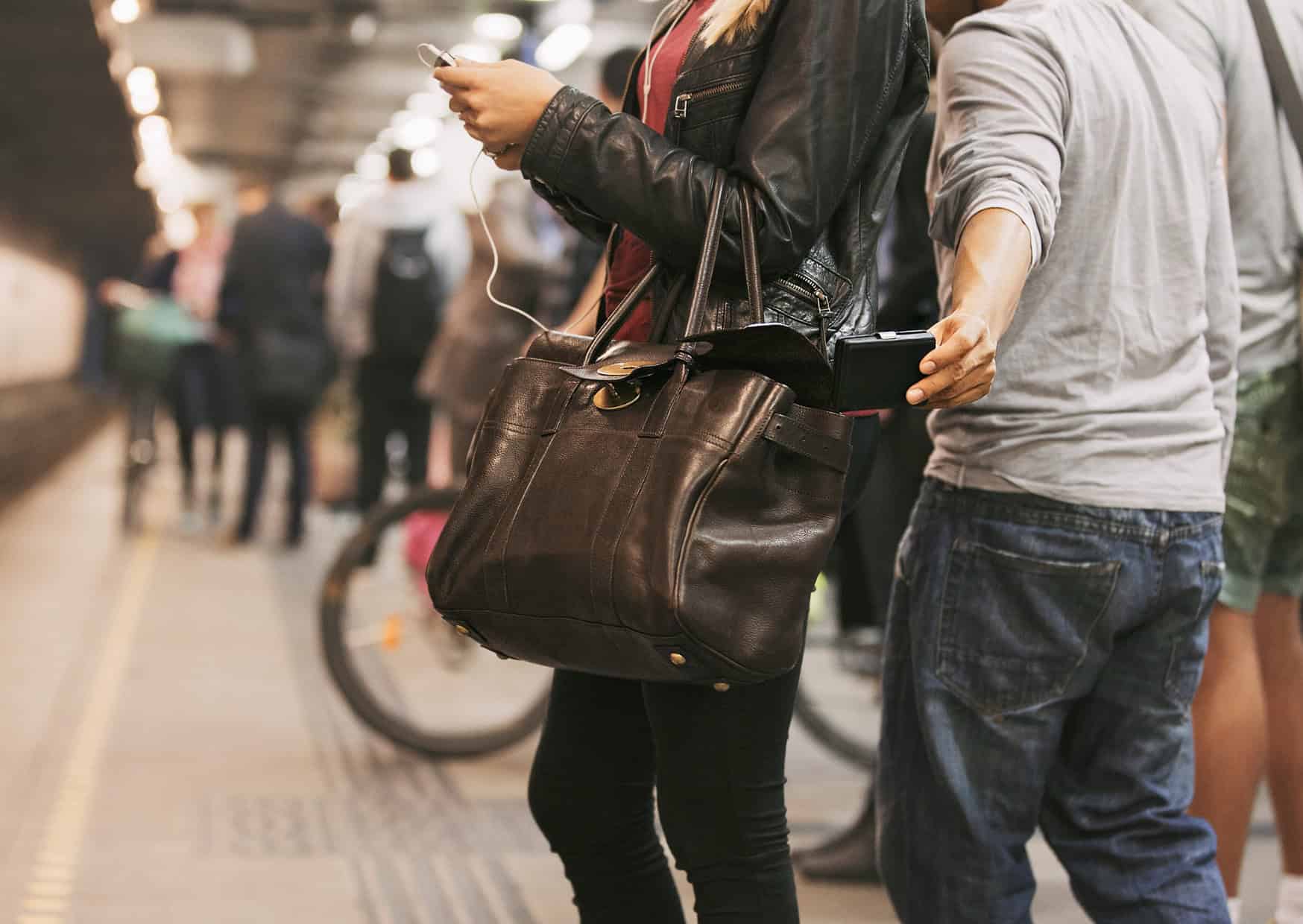
Europe is generally safe, but pickpocketing can occur in tourist-heavy areas.
Scams like overpriced taxis or “helpful” strangers offering directions are common.
Tips:
Keep your valuables secure in anti-theft bags.
Use licensed taxis or ride-hailing apps like Uber (available in some European cities).
11. Know About Sundays and Holidays
What to Know:
Many businesses and shops close on Sundays and public holidays, especially in smaller towns.
Tips:
Plan your activities and shopping around these closures.
Check for local festivals or holidays that might impact opening hours.
12. Use City and Museum Passes

What to Know:
Many European cities offer city passes that include public transport and discounted entry to major attractions.
Tips:
Research if a city pass aligns with your itinerary to save money.
Pre-book tickets to popular attractions like the Eiffel Tower or Colosseum to skip the lines.
13. Healthcare and Travel Insurance
What to Know:
EU countries provide high-quality healthcare, and tourists can access services at a cost.
Tips:
Purchase travel insurance that covers medical emergencies.
Carry a list of emergency contact numbers and the nearest embassy or consulate.
14. Electrical Outlets
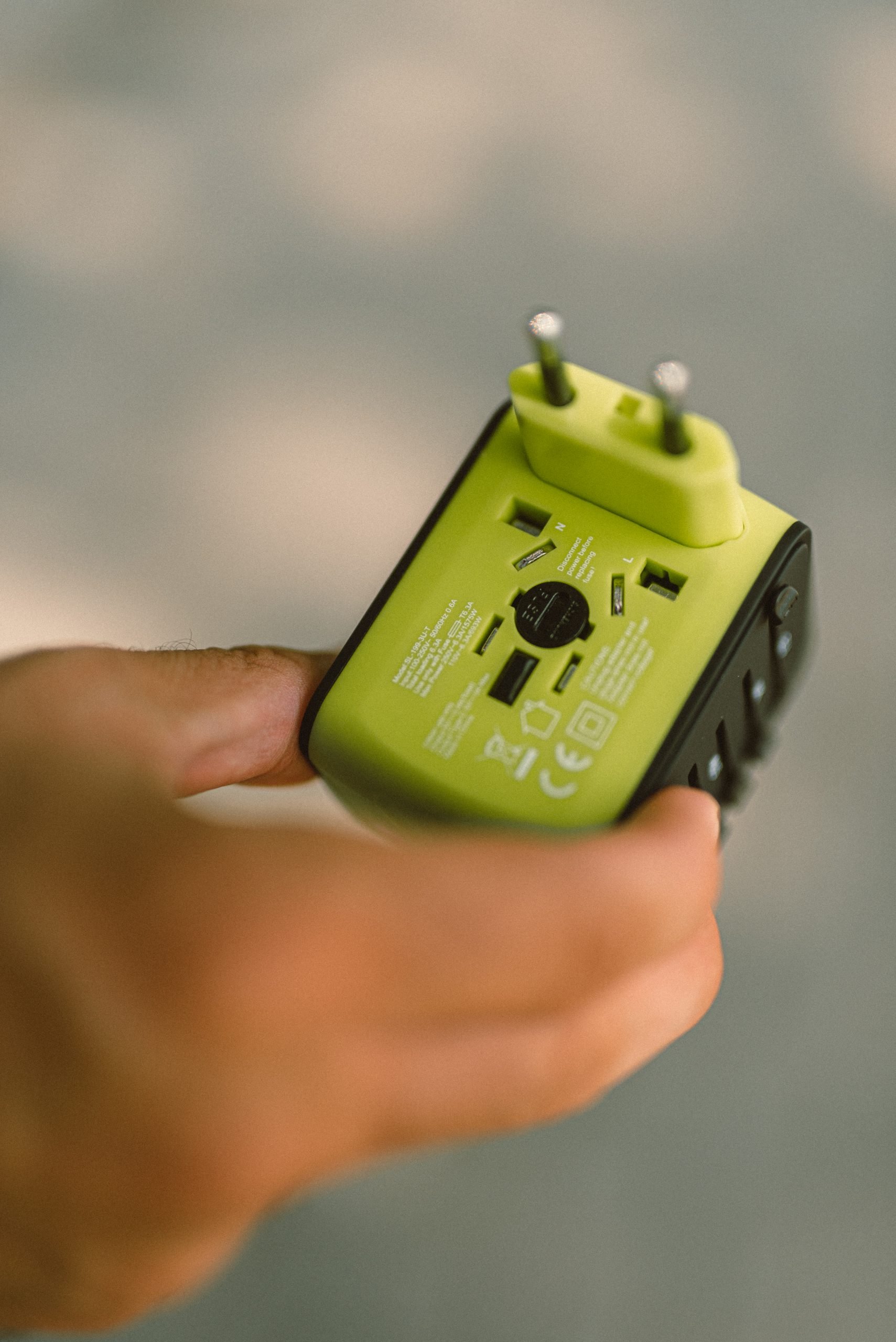
What to Know:
Europe uses Type C or Type F plugs with 220–240V.
Tips:
Bring a universal power adapter.
Check if your electronics support dual voltage to avoid damage.
15. Travel Light

What to Know:
Cobblestone streets, small cars, and public transport make large luggage inconvenient.
Tips:
Pack only what’s necessary, focusing on versatile clothing.
Opt for carry-on luggage to save time and hassle.

About the Author: Ruben, co-founder of Gamintraveler.com since 2014, is a seasoned traveler from Spain who has explored over 100 countries since 2009. Known for his extensive travel adventures across South America, Europe, the US, Australia, New Zealand, Asia, and Africa, Ruben combines his passion for adventurous yet sustainable living with his love for cycling, highlighted by his remarkable 5-month bicycle journey from Spain to Norway. He currently resides in Spain, where he continues sharing his travel experiences with his partner, Rachel, and their son, Han.
Kumar
Saturday 14th of December 2024
I would add: never use a EuroNet atm. The fees are outrageous and the rates are awful. Also never accept the conversion when prompted on an ATM. It will still allow you to proceed with withdrawal but at a better rate than the conversion first offers you. EuroNet is garbage but there ATMs are everywhere.