
And What It Reveals About Taste, Tradition, and the Art of Preserving Flavor
In American kitchens, convenience is king.
You open the fridge and find vegetables, fruit, sauces, cheese, herbs—all crammed together in the same drawer. On the counter, bananas share space with garlic, and tomatoes are stored beside onions in a decorative basket.
It seems harmless. Efficient, even.
But walk into a Mediterranean home—from Crete to Catalonia—and you’ll notice something quietly different:
Certain foods are never stored together.
Not out of superstition. Not because of culinary snobbery.
But because doing so would destroy their flavor, texture, or aroma.
Here’s why Mediterranean people keep a strict mental map of what never goes side-by-side in their kitchens—and what this reveals about their deep, sensory understanding of food.
Want More Deep Dives into Other Cultures?
– Why Europeans Walk Everywhere (And Americans Should Too)
– How Europeans Actually Afford Living in Cities Without Six-Figure Salaries
– 9 ‘Luxury’ Items in America That Europeans Consider Basic Necessities
1. Tomatoes and Cucumbers Are Never Stored Together
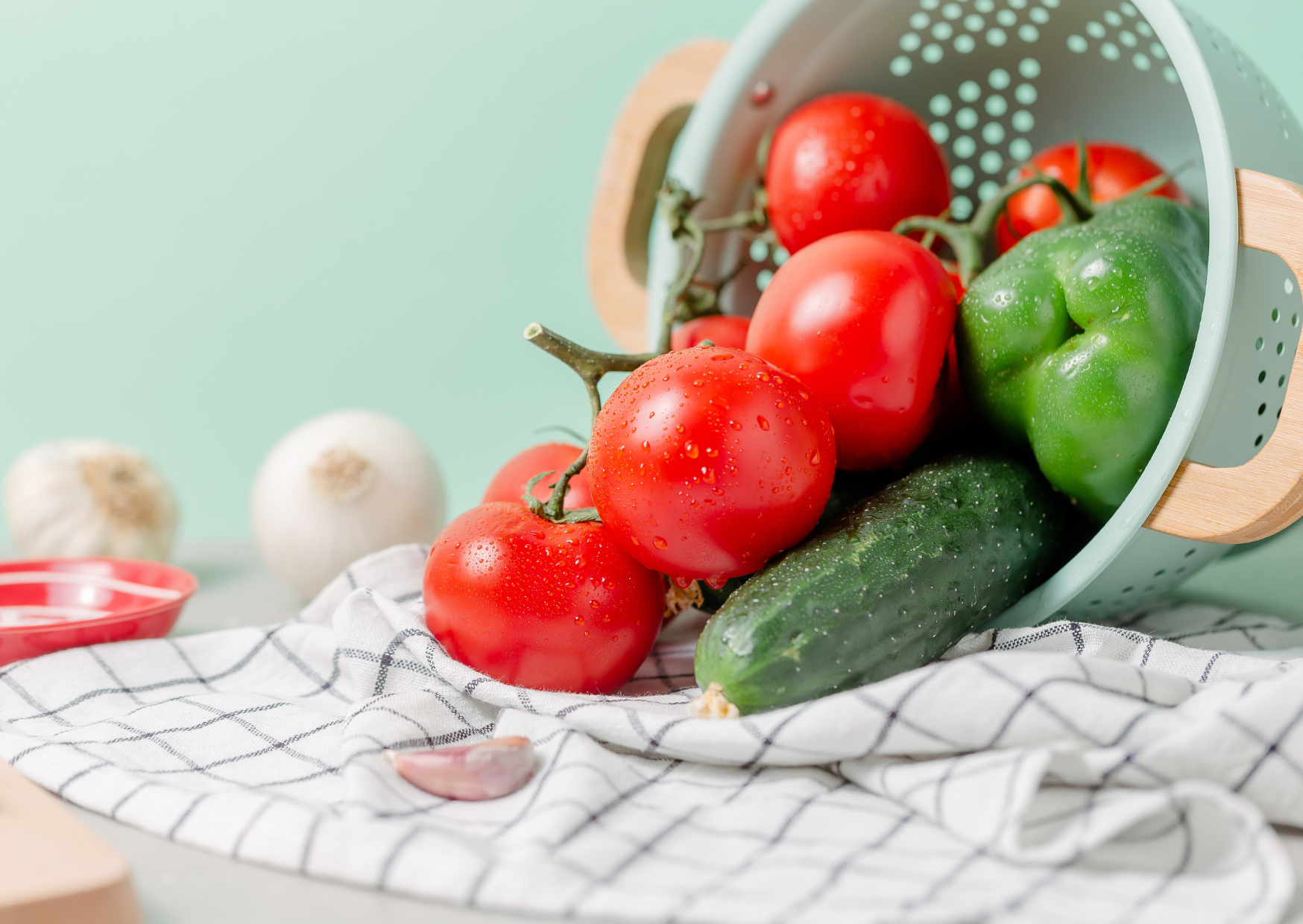
It sounds counterintuitive. After all, tomatoes and cucumbers often appear side by side in Mediterranean salads.
But when it comes to storage, they’re kept far apart.
Why? Because cucumbers are highly sensitive to ethylene, the natural gas that tomatoes release as they ripen.
If stored together—even in the fridge—cucumbers will:
- Soften prematurely
- Develop watery spots
- Lose their crispness in just a couple days
Mediterranean home cooks know that the freshness of a cucumber is non-negotiable.
So even if both are in the same salad, they’re kept on separate shelves—or one on the counter and one in the fridge, depending on climate.
2. Bread and Fruit Never Share the Same Basket
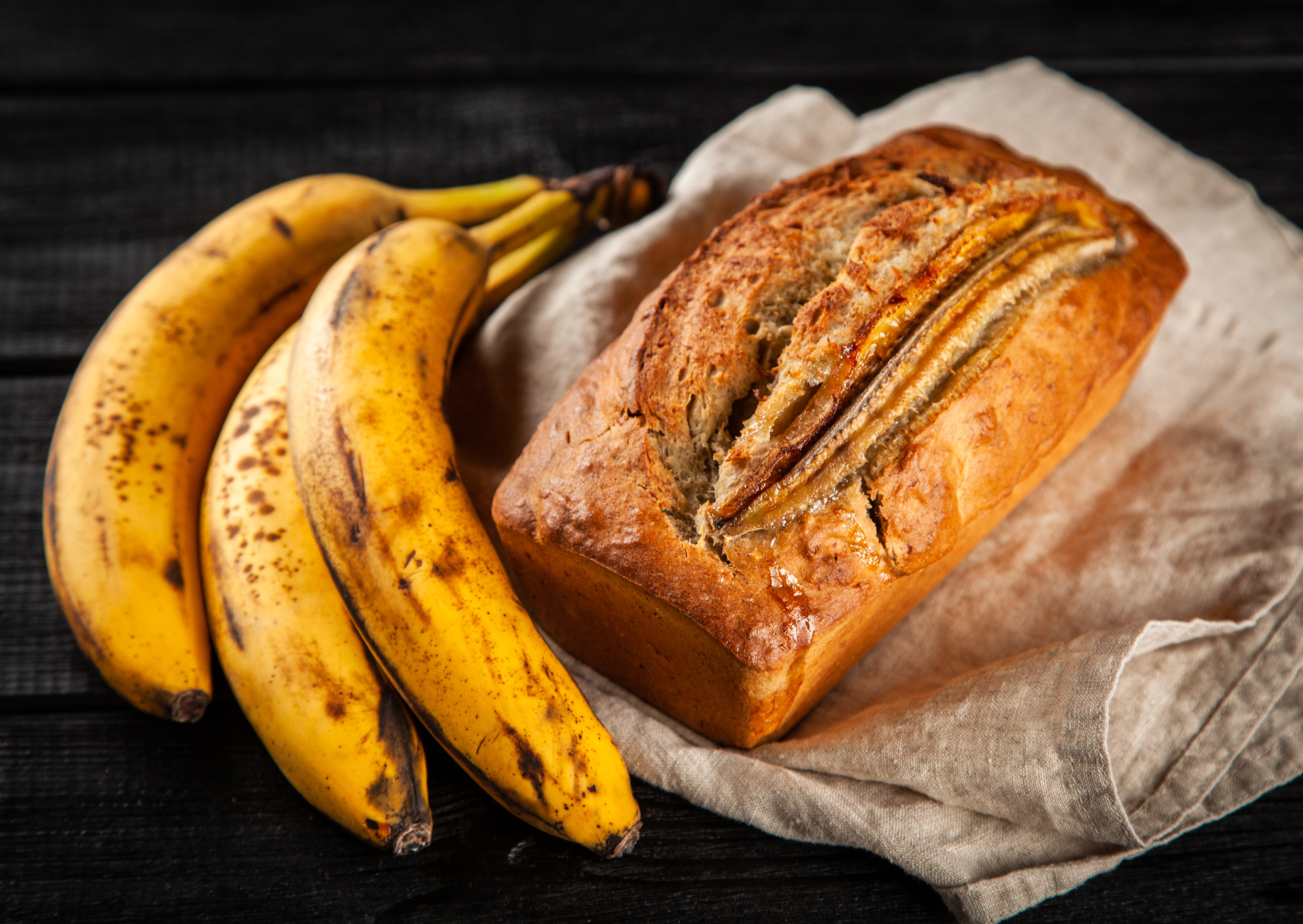
In many American kitchens, a large fruit-and-bread basket is the centerpiece of the counter.
But in the Mediterranean, this is avoided for one simple reason:
Fruit accelerates staleness.
The ethylene that ripening fruit gives off doesn’t just soften nearby vegetables—it also dries out starches, like bread and baked goods.
Place a fresh loaf of crusty sourdough next to a banana or peach, and within 24 hours, it will:
- Lose its crunch
- Taste faintly fruity
- Harden unevenly
Mediterranean kitchens often feature a cloth-wrapped loaf in a dedicated bread drawer or ceramic cloche, separate from fruit bowls entirely.
The goal? Preserve texture—and dignity.
3. Olive Oil Is Never Stored Next to Spices
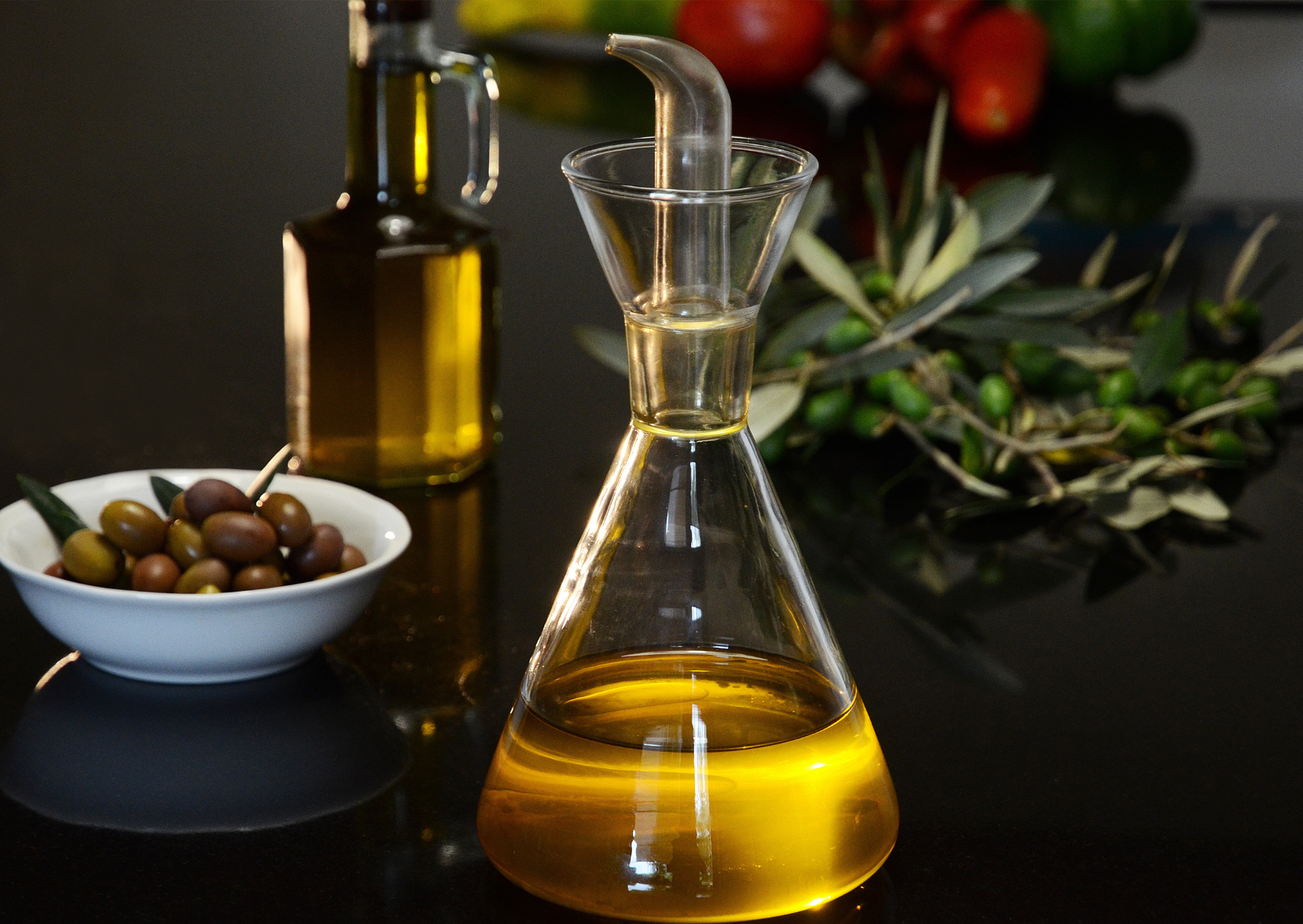
This one’s more about aroma than chemistry.
In American kitchens, it’s common to group all cooking essentials—oil, vinegar, salt, spices—on a shelf or lazy Susan. But in the Mediterranean, olive oil is kept away from strong-smelling spices.
Why? Because:
- Olive oil is porous—it can absorb odors from the air
- Strong spices like cumin, curry, or paprika can subtly taint its fragrance over time
- Heat and light accelerate these shifts
In many Mediterranean kitchens, olive oil is stored:
- In a dark glass bottle
- Inside a cabinet
- Away from any open jars of spices
It’s not just oil. It’s liquid gold—and treated accordingly.
4. Potatoes and Onions Are Stored Separately—Always
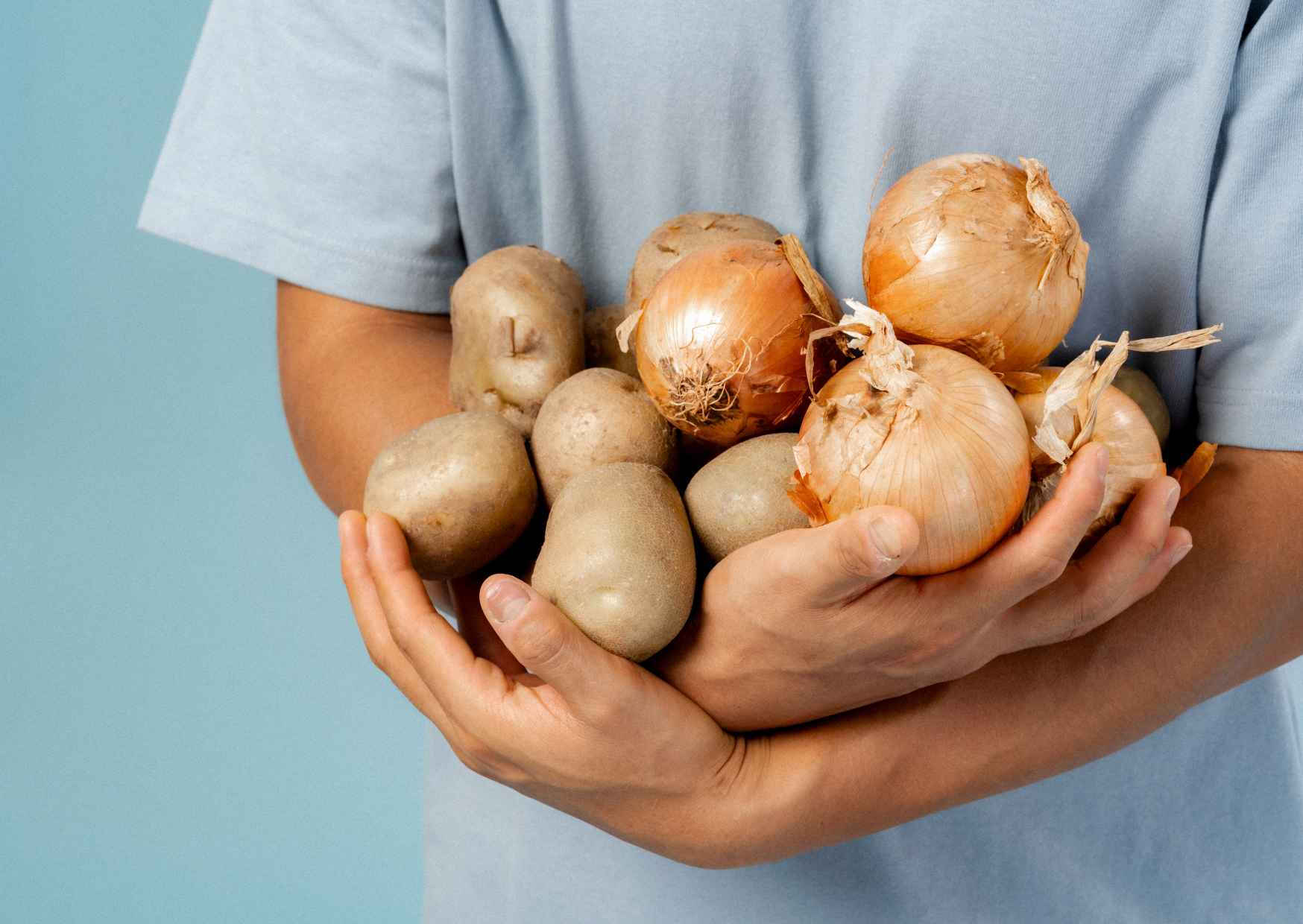
In American pantries, potatoes and onions are often tossed into the same basket or bin. They’re both hardy, dry vegetables, right?
Wrong—at least according to Mediterranean logic.
When stored together:
- Onions release gases that cause potatoes to sprout
- Potatoes emit moisture that makes onions rot faster
It’s a culinary clash with consequences:
Sprouted potatoes taste bitter. Rotting onions smell like surrender.
That’s why Mediterranean kitchens always store:
- Potatoes in a cool, dark drawer or bin
- Onions in a well-ventilated hanging basket, away from the spuds
It’s not just about neatness. It’s about keeping your ingredients alive and well.
5. Fresh Herbs Never Live With Citrus
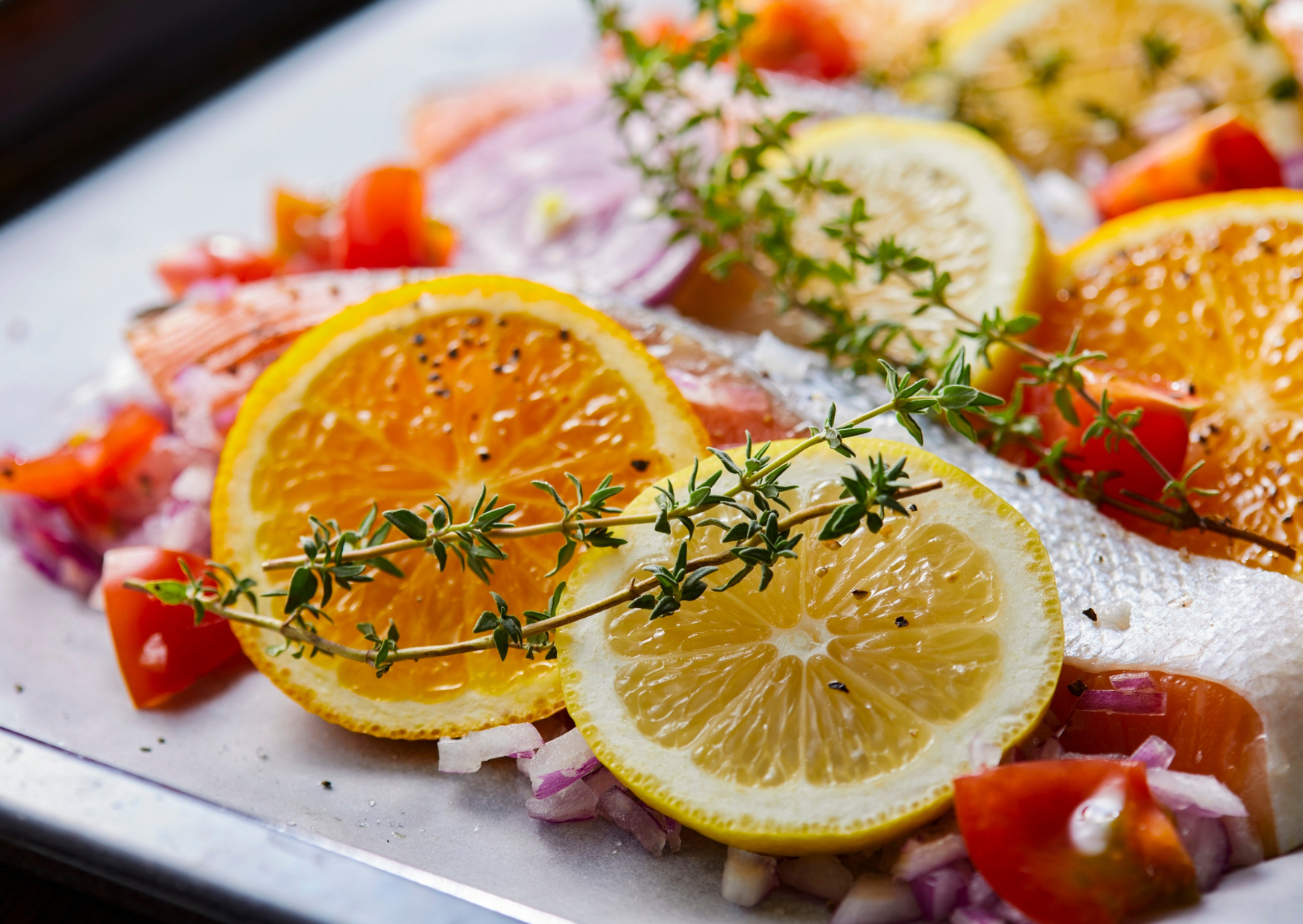
Mediterranean homes often grow their own herbs—on balconies, windowsills, or in ceramic pots on the counter.
But one thing you’ll never see?
A bunch of parsley tossed into a bowl with lemons or oranges.
Why? Because:
- Citrus fruit emits moisture and ethylene
- Herbs are fragile, with tender leaves that wilt and rot quickly near fruit
- Even in the fridge, close storage can shorten a herb’s life span from 5 days to 2
Instead, herbs are:
- Kept upright in water like a bouquet
- Wrapped in a damp towel and stored in the fridge
- Or dried intentionally, not passively spoiled by citrus
It’s a matter of respecting freshness—and understanding how each item behaves.
6. Garlic Never Lives in the Fridge—And Especially Not Near Butter or Cheese
Garlic is powerful. Not just in flavor, but in olfactory dominance.
In many American kitchens, garlic cloves are thrown into the fridge, often unwrapped or inside a loose bag with dairy.
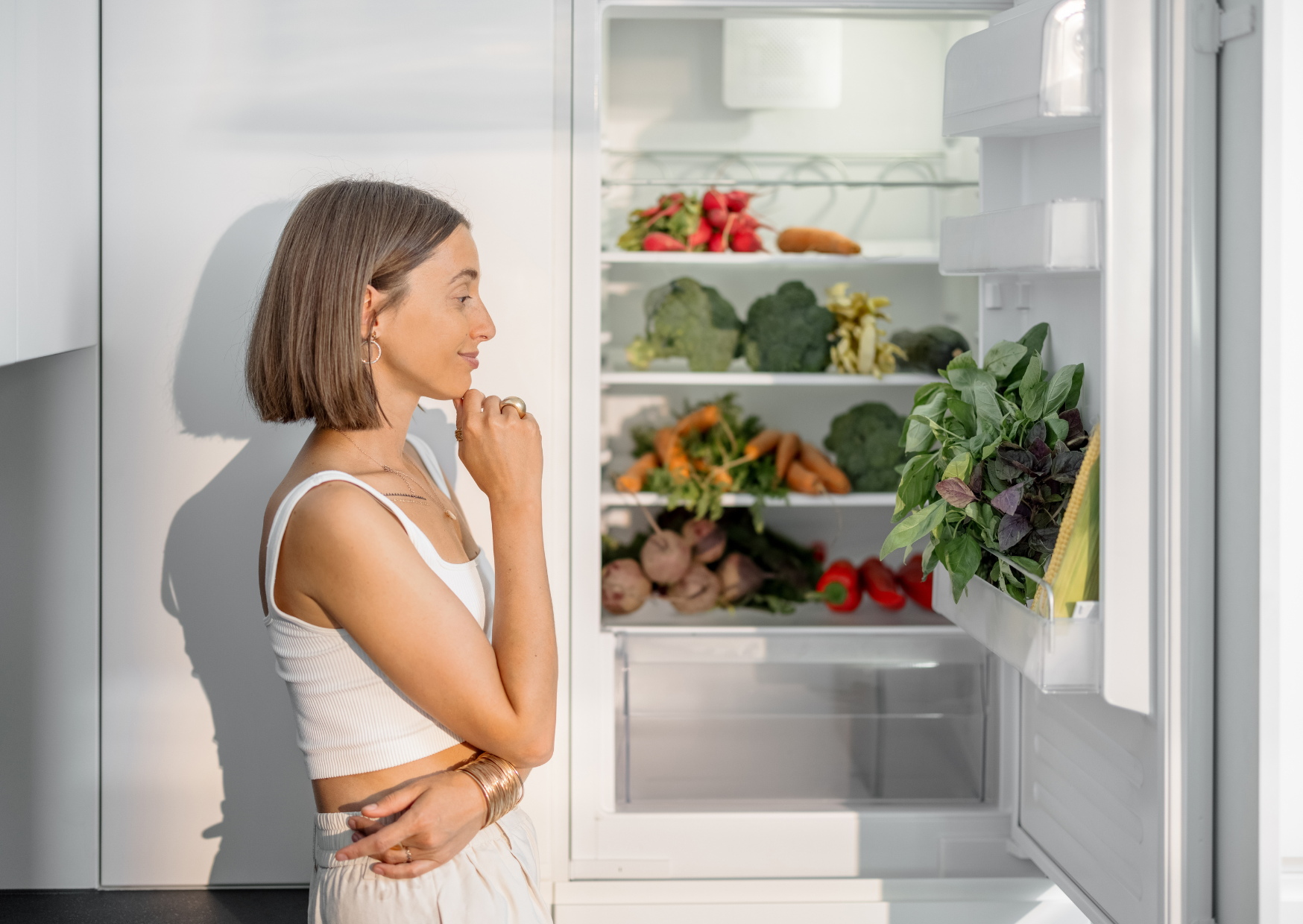
In Mediterranean kitchens, that’s a recipe for disaster.
Refrigerated garlic:
- Loses flavor
- Becomes rubbery
- Can begin to sprout from excess humidity
Worse, it can taint nearby ingredients—especially butter, soft cheeses, and eggs, which absorb odor easily.
Instead, garlic is stored:
- In ceramic or clay garlic keepers
- At room temperature
- In a dry, ventilated corner of the kitchen
It doesn’t need chilling. It needs air and space.
7. Tomatoes Are Never Refrigerated—Especially Not Near Pickles or Yogurt
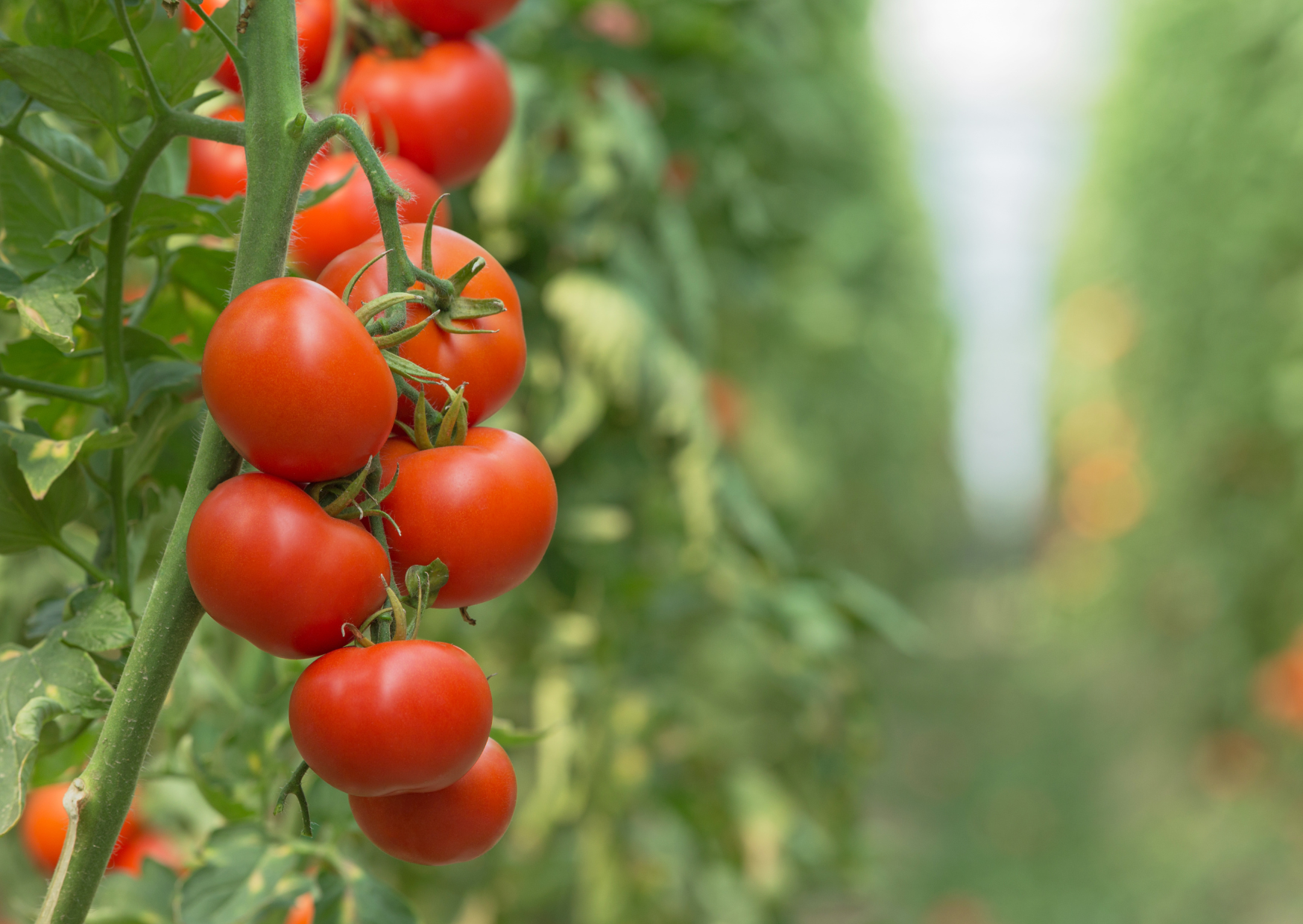
This is one of the most fiercely defended Mediterranean kitchen rules.
Never put tomatoes in the fridge.
Especially not near fermented foods like:
- Pickles
- Yogurt
- Sauerkraut
- Leftover vinaigrettes
Why? Because cold dulls tomato flavor—and their porous skins absorb surrounding smells, especially acidic or sour ones.
Refrigerated tomatoes:
- Lose their sweetness
- Develop mealy texture
- Start to smell faintly of whatever was nearby
Mediterranean cooks store tomatoes at room temperature on a shaded counter. Not in direct sun, not near the stove, and certainly not next to anything pickled.
8. Vinegar and Baking Powder Are Never Stored Together
This one isn’t widely known in American kitchens—but it matters if you bake.
Vinegar and baking powder, when stored in close proximity—especially in warm spaces—can activate prematurely. The acetic acid in vinegar, even as vapor, can interact with baking agents over time.
The result?
- Baking powder that clumps or weakens
- A slight off-smell
- Flattened pastries or failed dough
In Mediterranean kitchens, vinegar is usually kept with condiments or cleaning items, while baking supplies are grouped in a cool, dry drawer.
It’s not superstition. It’s chemistry.
9. Wine Is Kept Away From Fruit—Especially Apples and Bananas
In American homes, a bottle of wine may sit openly near a fruit bowl or on the countertop next to ripening produce.
But in Europe, especially in wine-producing regions, that’s unthinkable.
Why?
- Apples and bananas emit ethylene
- Ethylene can subtly alter the aroma of wine, even through a cork
- Warmer environments intensify this exchange
Mediterranean households know that wine is sensitive to its surroundings—not just light and heat, but scent molecules in the air.
That’s why even table wine is stored:
- In a cool, shaded place
- Away from fresh produce
- Upright, and often in a cupboard rather than a rack near the stove
Wine is food. And food needs a calm, neutral neighbor.
One Kitchen, Two Philosophies
In American kitchens, storage is often about space and speed.
Put like with like. Maximize the drawer. Group by type. Stack for efficiency.
In Mediterranean kitchens, storage is about preservation, interaction, and taste.
What’s stored next to what matters—not because it looks better, but because it behaves better.
- Fruit releases gas
- Herbs wilt in moisture
- Garlic spreads its scent
- Tomatoes resent the cold
- Bread dries near bananas
- Wine doesn’t like apples
This isn’t just food knowledge. It’s generational kitchen intuition.
The result? Ingredients last longer. Flavors stay true. Waste goes down. And meals taste like they’re supposed to taste.
It’s not about fussy rules. It’s about treating food like something alive.

About the Author: Ruben, co-founder of Gamintraveler.com since 2014, is a seasoned traveler from Spain who has explored over 100 countries since 2009. Known for his extensive travel adventures across South America, Europe, the US, Australia, New Zealand, Asia, and Africa, Ruben combines his passion for adventurous yet sustainable living with his love for cycling, highlighted by his remarkable 5-month bicycle journey from Spain to Norway. He currently resides in Spain, where he continues sharing his travel experiences with his partner, Rachel, and their son, Han.