
Don’t get stranded at the checkout—here’s how to pay like a local, anywhere in the world.
You’ve booked the flights, packed your bags, and landed in a dream destination—only to have your U.S. credit card declined at a restaurant or train station. For many American travelers, this isn’t just an inconvenience—it’s a trip-disrupting nightmare that can leave you scrambling for alternatives.
The reality is that credit card systems aren’t universal, and what works flawlessly at home can run into unexpected barriers abroad. From outdated magnetic stripe technology to fraud prevention systems that overreact, there are multiple reasons your card might fail just when you need it most.
The good news? With a little preparation, you can avoid those awkward moments at the checkout counter. Understanding why your card may fail—and knowing the workarounds—can mean the difference between a smooth trip and a financial headache.
Read Here European Things that terrify Americans and American Habits that make Europeans Cringe
Read here how to pack for Europe and Best eSIM for Europe
BOOK YOUR TRAVEL INSURANCE
Two of our favorite travel insurance: Heymondo Vs Safetwing cheapest travel Insurance. You can get for $135 USD your Heymondo Travel Insurance with Heymondo discount code valid for 90 days. Read our full comparison of Genki vs Safetywing Travel Insurance Review and the comparison Heymondo vs Genki
Tips Before You Travel
Call your card issuer and set a travel alert
Set up or confirm your 4-digit PIN
Know your daily withdrawal limits
Take a backup card in case one gets lost or blocked
Snap photos of your cards (front + back) and store securely (e.g. in an encrypted file or password manager)
Some U.S. banks are slow to adopt global payment standards. While chip-and-signature is common in America, many countries use chip-and-PIN exclusively, making U.S. cards feel outdated and inconvenient. Critics argue this reluctance stems from cost-cutting and resistance to change.
There’s also the issue of overzealous fraud prevention systems. While banks claim they’re protecting consumers, the frequent freezing of accounts abroad can feel more like a lack of trust in customers’ travel patterns. Some travelers even suspect that banks prefer these restrictions because they push more expensive “travel-friendly” card products.
Finally, there’s a cultural factor—many Americans assume card acceptance is universal because it is at home. In reality, some destinations favor cash or mobile payment systems like Alipay or M-Pesa, and failing to adapt can leave travelers unprepared. It’s a reminder that financial habits don’t always translate across borders.
Common Reasons Your U.S. Credit Card Might Fail
1. It’s Not a Chip-and-PIN Card
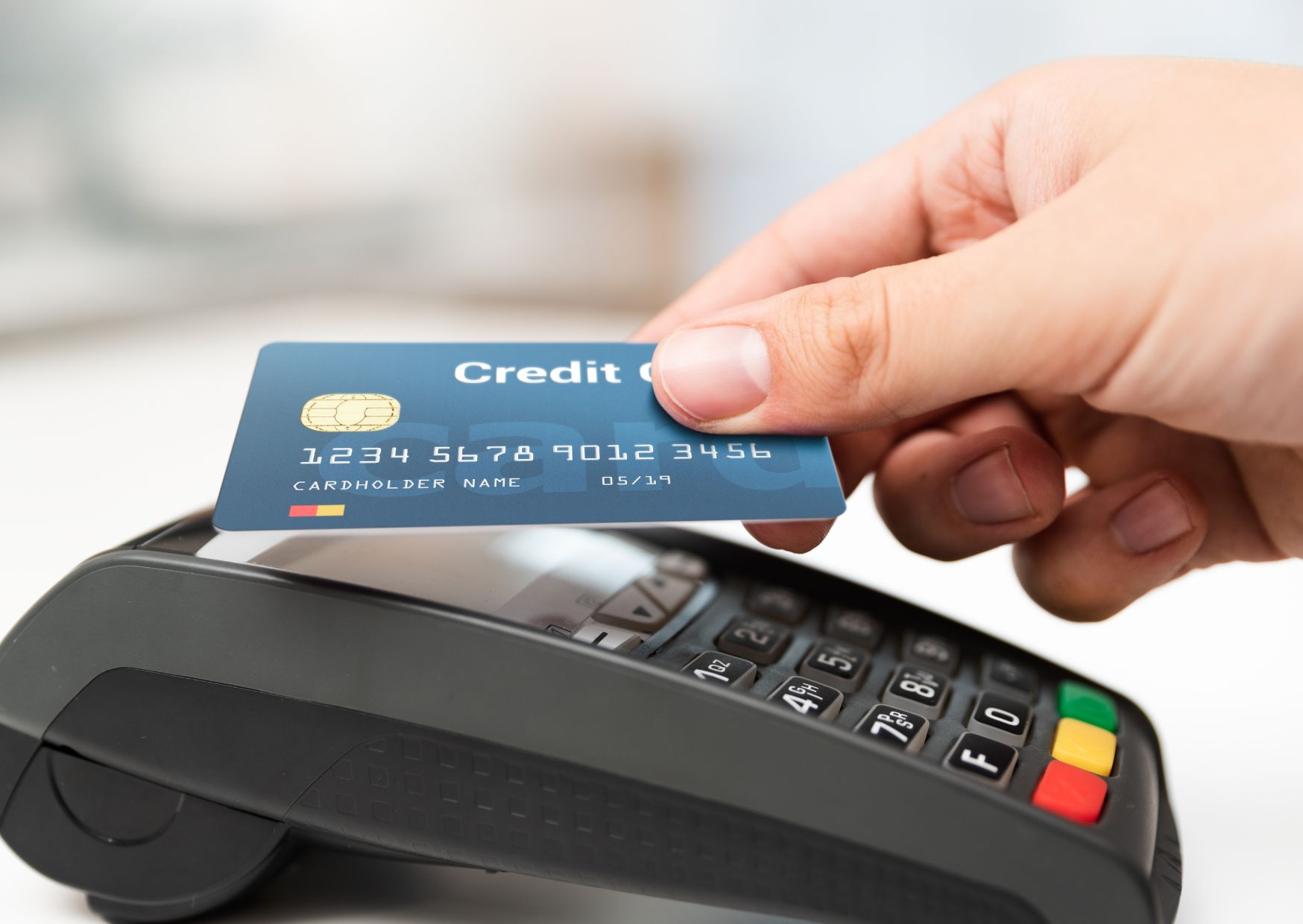
Many countries (especially in Europe) use chip-and-PIN systems at unattended kiosks—like train ticket machines or gas stations.
Most U.S. cards use chip-and-signature, which won’t always work.
2. No Contactless Feature
Contactless (tap-to-pay) is now the standard across Europe, Asia, and Australia. If your card doesn’t have it, you may be out of luck in some shops or public transit systems.
3, Your Bank Blocked the Transaction
If you didn’t notify your bank about your international travel, they might flag a purchase as suspicious and decline it.
4. Merchant Doesn’t Accept American Cards (Especially AMEX)
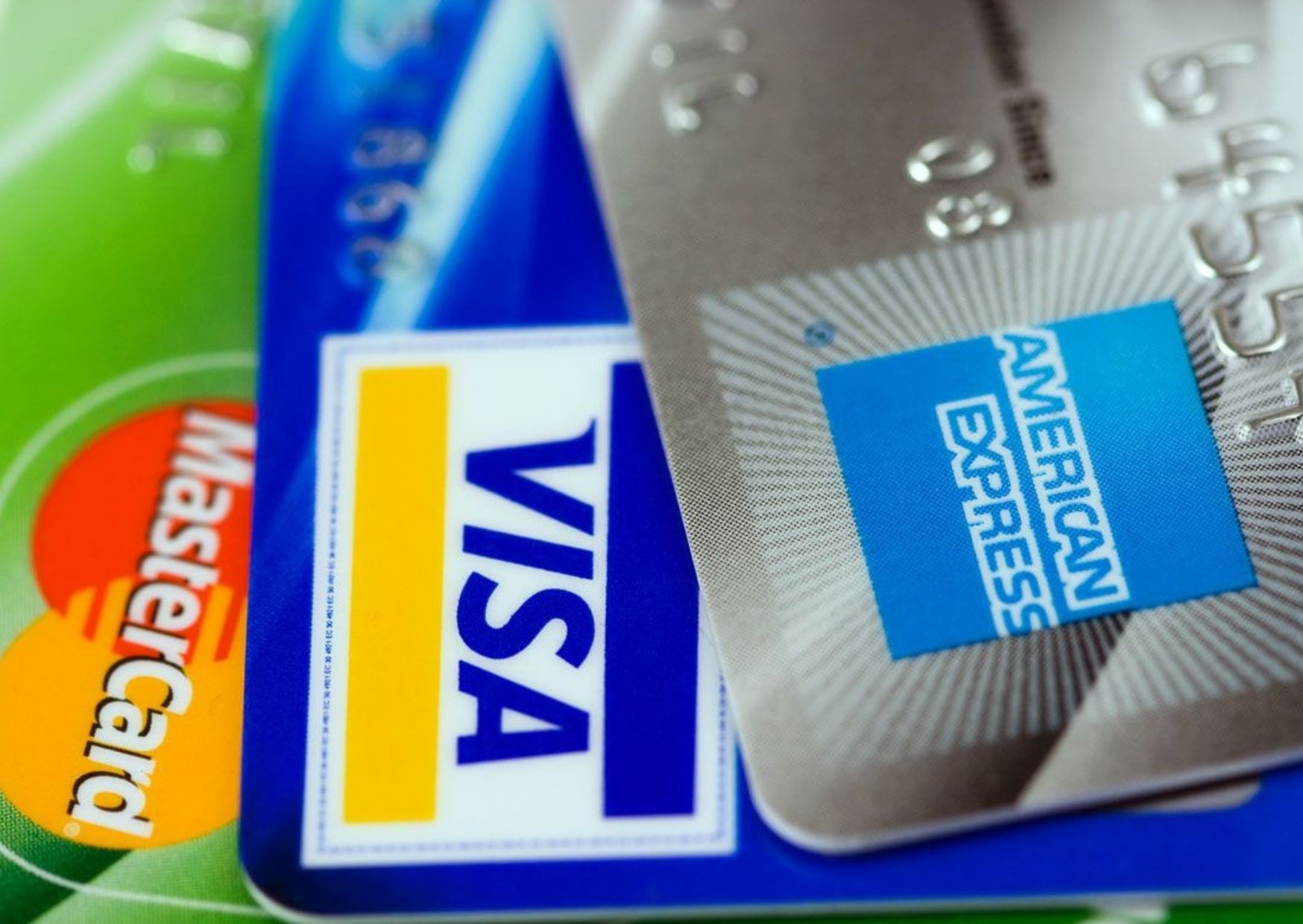
Some small businesses, taxis, and local restaurants don’t accept Visa, Mastercard, or American Express due to higher fees.
AMEX, in particular, is less widely accepted outside the U.S.
5. It Requires Signature in a PIN-Only Environment
Even if your card has a chip, some terminals won’t let you sign—they expect a PIN, and the transaction fails if you don’t have one set.
What to Do Instead: Smart Payment Solutions
1. Bring a True Chip-and-PIN Card
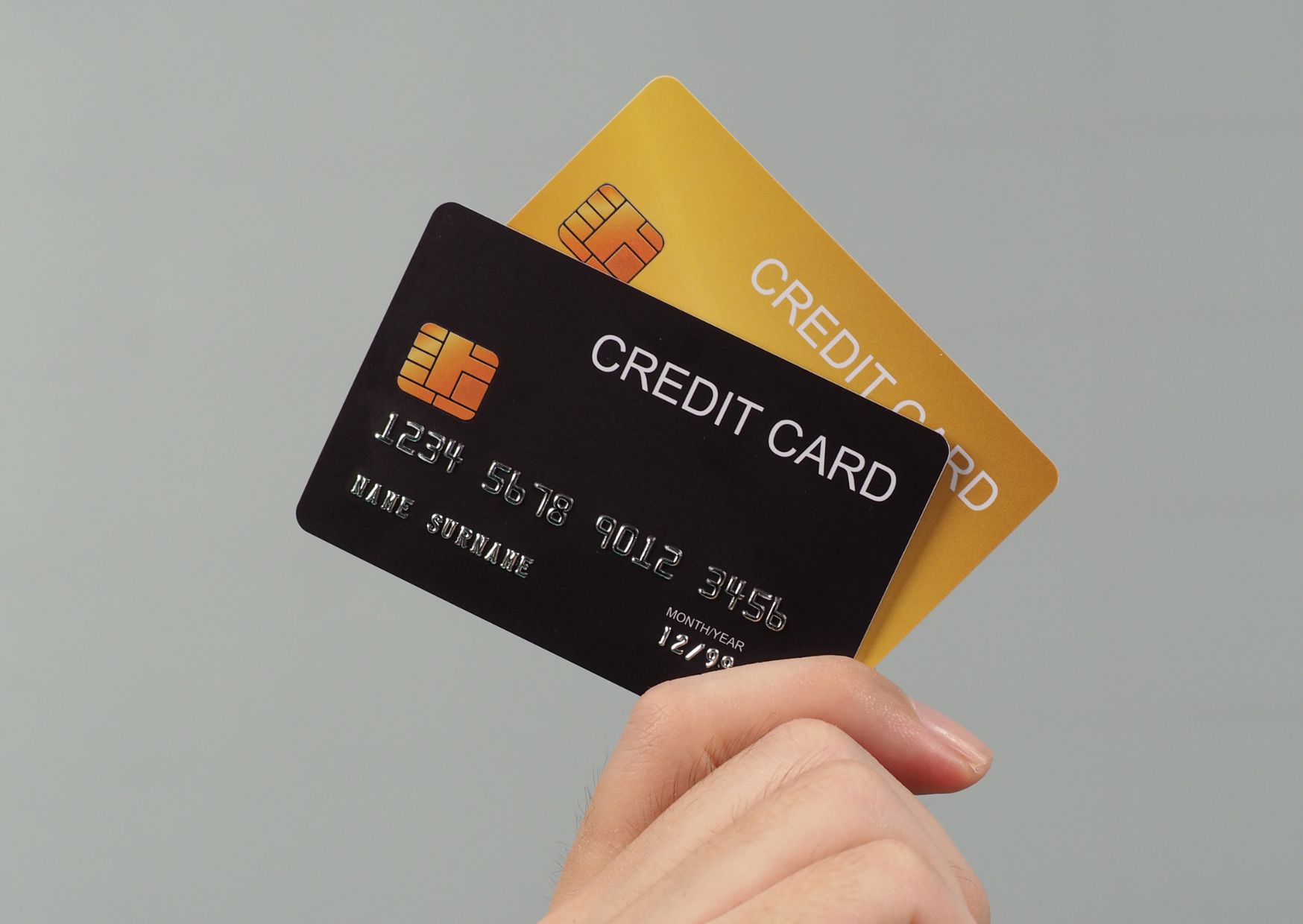
Some U.S. banks now offer chip-and-PIN credit or debit cards (not just chip-and-signature). Check with your issuer or request one before you go.
Ask: “Can I set up a PIN for my credit card for overseas use?”
2. Carry a Debit Card with No Foreign Transaction Fees
If all else fails, use your debit card to withdraw local currency from an ATM (with minimal fees).
Charles Schwab, Capital One 360, and Fidelity offer global fee reimbursements.
3. Use a Travel-Friendly Card
Pick a card with:
No foreign transaction fees
Chip + contactless technology
Global support if it’s lost or stolen
Popular picks: Chase Sapphire Preferred, Capital One Venture, American Express Platinum (with backup card!)
4. Set Up Mobile Payments (Apple Pay / Google Pay)
In many countries, contactless mobile payments are more common than cards—especially in Scandinavia, Australia, and Asia.
Just make sure your U.S. card is linked and works in the region you’re traveling to.
5. Always Have Some Cash—Just in Case

In rural areas, markets, and taxis, cash is still king. Withdraw local currency when you land, or exchange a small amount at the airport if needed.
Avoid carrying large amounts—just enough for the day.
Final Thoughts
Travel is meant to be exciting, not stressful, and a little planning goes a long way in preventing card-related mishaps. Understanding how payment systems differ internationally is one of the easiest ways to make your trip smoother.
By equipping yourself with the right tools—a chip-and-PIN card, backup options, and some local cash—you’ll have multiple safety nets in place. That means more time enjoying your trip and less time on the phone with your bank.
In the end, traveling smart isn’t just about where you go, but how prepared you are to handle the unexpected. When it comes to money, preparation isn’t optional—it’s essential.

About the Author: Ruben, co-founder of Gamintraveler.com since 2014, is a seasoned traveler from Spain who has explored over 100 countries since 2009. Known for his extensive travel adventures across South America, Europe, the US, Australia, New Zealand, Asia, and Africa, Ruben combines his passion for adventurous yet sustainable living with his love for cycling, highlighted by his remarkable 5-month bicycle journey from Spain to Norway. He currently resides in Spain, where he continues sharing his travel experiences with his partner, Rachel, and their son, Han.