
(And Why It Has Nothing to Do With Personal Space)In Southern Europe, daily social life is built around closeness. People walk arm in arm. They lean in when they speak. They kiss each other on the cheek. They casually rest a hand on your shoulder as they talk. This isn’t romantic, and it’s not accidental—it’s cultural.
For Americans visiting Italy, Spain, Portugal, or Greece, it can be deeply disorienting. What feels “intimate” in the United States might be simply “normal” in the Mediterranean.
In particular, one social ritual involving casual touch confuses—and often shocks—American visitors: the gentle, persistent, and spontaneous use of touch in conversation, greeting, and interaction with friends, acquaintances, and even strangers.
It is not a handshake. It is not a hug. It is something softer and more fluid—and it changes the tone of daily life in ways that Americans often misunderstand.
Here are nine places and situations where Southern Europeans engage in physical contact that Americans don’t expect—and what that contact really means.
Want More Deep Dives into Other Cultures?
– Why Europeans Walk Everywhere (And Americans Should Too)
– How Europeans Actually Afford Living in Cities Without Six-Figure Salaries
– 9 ‘Luxury’ Items in America That Europeans Consider Basic Necessities
1. Cheek Kissing as a Standard Greeting
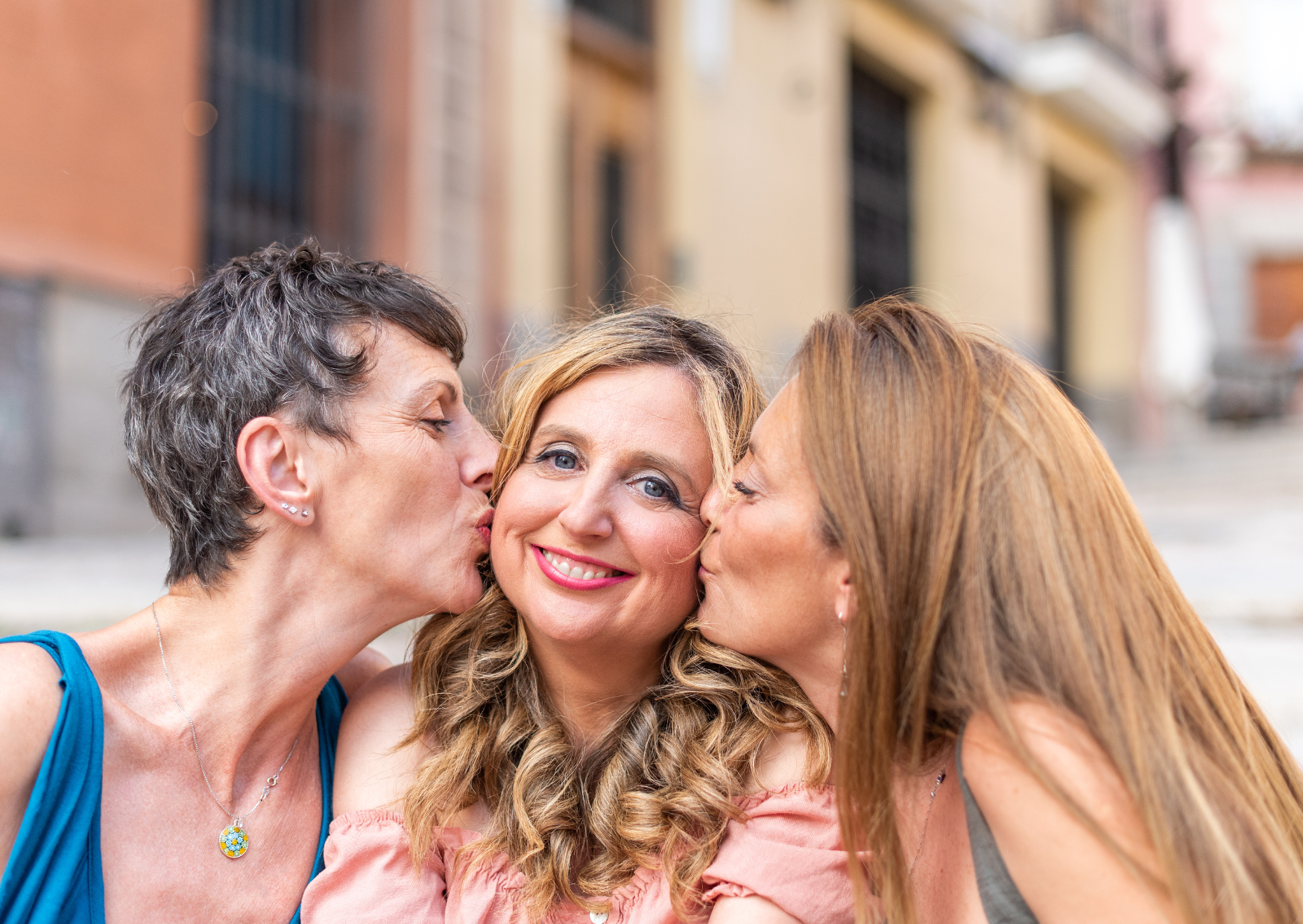
It is impossible to talk about Southern European touch without starting here.
- In Spain, it’s usually two kisses, one on each cheek.
- In Italy, it may be two or sometimes three kisses, depending on the region.
- In Greece and Portugal, cheek kissing is also common among friends, family, and even colleagues.
This greeting happens between men and women, women and women, and sometimes even men and men (especially in more traditional communities).
To Americans used to firm handshakes or distant waves, being pulled into a cheek kiss feels intense. But for Southern Europeans, it is not romantic or invasive—it is an essential part of warmth and belonging.
2. Hands and Arms Are Active During Conversations
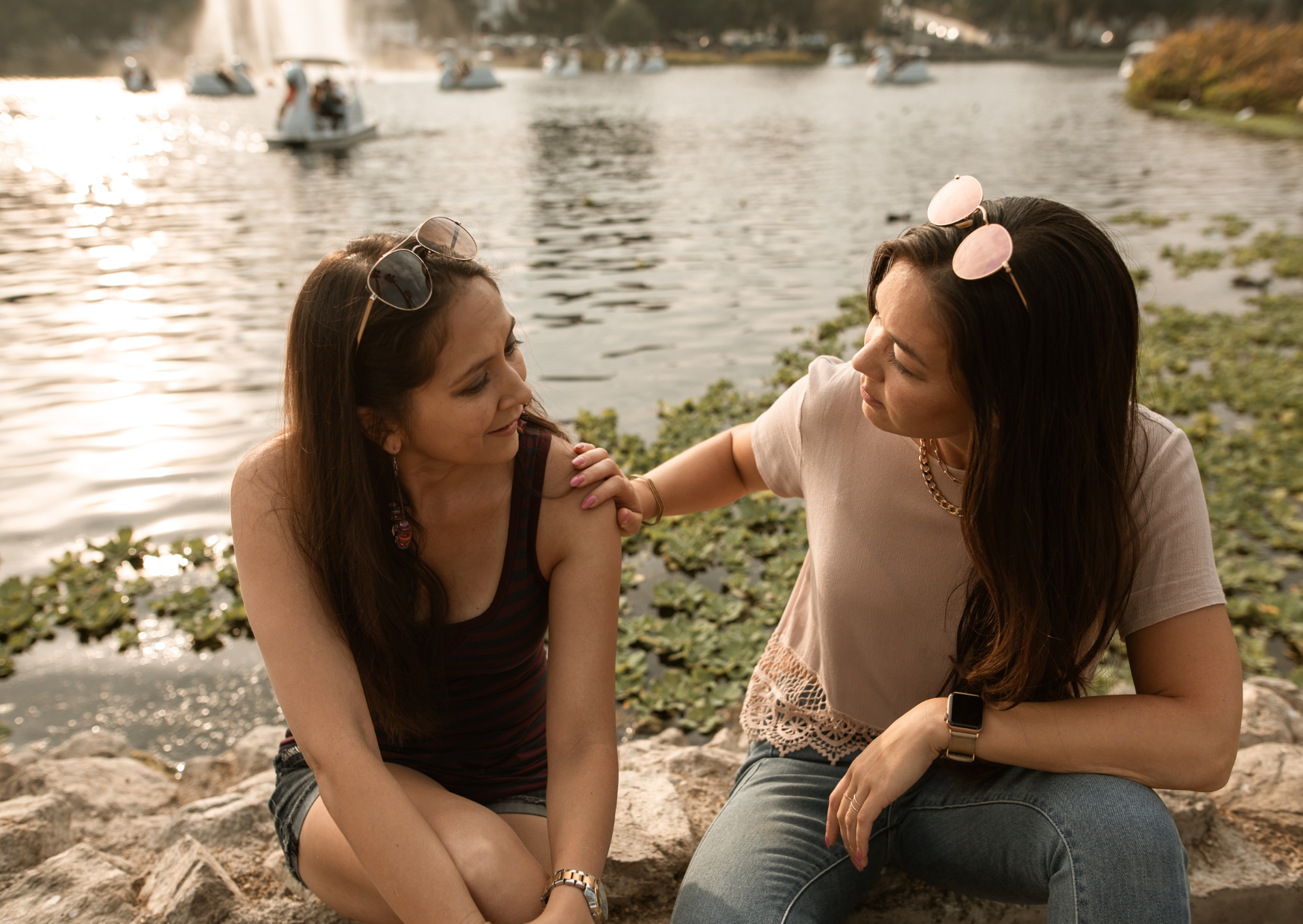
Southern Europeans use their hands constantly while speaking, but they also use them on other people.
- A friend might gently touch your elbow as they laugh.
- Someone might place a hand on your back as you talk.
- Gestures that involve proximity are used to emphasize a point or show genuine interest.
In Mediterranean cultures, the body is part of language. Touch is not reserved for intimacy; it is woven into everyday communication.
Americans, who are often taught to keep their hands to themselves in polite conversation, might see this as intrusive. In Southern Europe, touch is a sign of presence and attentiveness, not overstepping.
3. Sitting Close, Even When Space Is Available

Whether on a park bench, at a café, or in a living room, you will often find people in Mediterranean countries sitting closer than expected.
- Friends may sit shoulder to shoulder, even if the rest of the bench is empty.
- Conversations often involve leaning in, knees brushing, or arms occasionally overlapping.
- This applies to both men and women, and to older generations especially.
The lack of distance can feel jarring to an American used to preserving personal space as a form of respect. In Southern Europe, proximity is not invasive—it signals trust.
4. Touch Between Men Is Normal and Frequent

In the U.S., physical contact between men is often limited to handshakes or high-fives. Anything more can be interpreted as awkward or overly emotional.
In contrast, Southern European men will often greet with a kiss on the cheek, a hug, or a firm pat on the back. They may link arms while walking or rest a hand on a friend’s shoulder during conversation.
This expression of closeness does not carry romantic implication. It is cultural, familial, and deeply human. It shows loyalty and affection without needing words.
5. Physical Affection Between Generations Happens Publicly

In Mediterranean countries, it is very normal to see:
- Grown adults walking arm in arm with their elderly parents
- Grandmothers hugging their grown sons or kissing their faces
- Parents casually touching their teenage children as they talk
This kind of cross-generational affection is visible everywhere—in parks, markets, cafés. It is not private or hidden away.
In the U.S., physical touch between adults and their parents can become more limited with age. In Southern Europe, it often deepens and becomes a visible sign of respect and connection.
6. Touch in Group Social Settings Builds Inclusion

At family dinners or birthday parties, Southern Europeans use casual touch to include and affirm others.
- A hand placed briefly on your arm when serving food
- A shoulder squeeze as someone passes behind you
- A kiss on the head for a child or a gentle nudge during a joke
These small touches accumulate into a feeling of social connection that words alone often cannot create.
Americans may misinterpret these gestures as intrusive. But in Mediterranean settings, they are cues of inclusion—saying “you are one of us” without having to say it aloud.
7. Touch Persists in Public and Formal Spaces
In the United States, public spaces tend to dial down personal interaction. But in Mediterranean countries, casual touch continues even in formal or semi-formal contexts.
- You might see a teacher squeeze a student’s hand gently to congratulate them.
- Two shopkeepers might embrace or kiss each other hello during a morning delivery.
- Even government officials or clergy might greet each other with familiar physical warmth.
There is less policing of touch by context. While boundaries exist and consent is always valued, Southern Europeans allow their warmth to show even in public roles.
8. Hospitality Involves Physical Closeness
When you enter a Mediterranean home, touch becomes part of the welcome.
- A kiss on each cheek
- A guiding hand on your shoulder as you’re shown to your seat
- Hugs before and after the meal
Touch is part of extending hospitality. It grounds the moment in emotion, in generosity, in presence.
American guests sometimes freeze up at this. But refusing to participate can come off as distant or cold—even if unintentionally.
9. Touch Is a Language of Emotion, Not a Violation of Space

Here lies the biggest misunderstanding between Southern European and American cultural norms.
In the U.S., touch is often seen as something private, controlled, and limited. It happens in romantic settings or as a therapeutic gesture. Touching someone casually can feel like a breach.
But in Mediterranean cultures, touch is a form of emotion made visible. It is how people express empathy, friendship, respect, humor, and affection. It is not always about intimacy—it is about connection.
When Americans interpret these touches as personal invasions, they miss the point. The person placing a hand on your arm as they speak is not crossing a line. They are inviting you into their presence.
What If Touch Meant Trust?
When Americans describe Southern Europeans as “touchy,” they often mean it with confusion. But once you’ve spent time immersed in this rhythm, it becomes hard to go back.
The small daily touches—a cheek kiss, a shoulder squeeze, a hand lightly resting on yours—are not about closeness in a romantic sense. They are about closeness in a human sense. They say, “I see you, I’m with you, I’m not holding you at a distance.”
In a world where isolation is a rising epidemic, perhaps the Mediterranean has something to teach: not just how to eat or relax, but how to be physically present for each other in small, daily, wordless ways.

About the Author: Ruben, co-founder of Gamintraveler.com since 2014, is a seasoned traveler from Spain who has explored over 100 countries since 2009. Known for his extensive travel adventures across South America, Europe, the US, Australia, New Zealand, Asia, and Africa, Ruben combines his passion for adventurous yet sustainable living with his love for cycling, highlighted by his remarkable 5-month bicycle journey from Spain to Norway. He currently resides in Spain, where he continues sharing his travel experiences with his partner, Rachel, and their son, Han.