
Last updated on August 4th, 2025 at 11:42 am

Moving to Spain as an expat is a dream for many—sun-drenched coastlines, relaxed daily rhythms, and delicious tapas on every corner. But living in Spain full-time is very different from a vacation. It’s a cultural shift that requires more than just a suitcase and Google Translate. Success in Spain means understanding what doesn’t get mentioned in the glossy brochures.
From navigating the bureaucracy to understanding the deeply rooted social norms, life in Spain requires patience, flexibility, and a willingness to slow down. Whether you’re relocating for work, love, or retirement, the biggest challenge isn’t getting there—it’s adapting once you arrive.
This guide offers 10 essential tips that go beyond the typical expat checklist. These are the hard-earned lessons that will help you integrate, avoid burnout, and actually enjoy the vida española instead of feeling constantly frustrated by it.
Quick Easy Tips
Embrace the siesta schedule. Many shops close in the afternoon—plan errands in the morning or evening.
Get comfortable with bureaucracy. Make appointments (citas previas) online and bring multiple copies of everything.
Learn basic Spanish. Even in major cities, English isn’t guaranteed, especially in public offices.
Build relationships. Saying “hello” to neighbors or chatting at the market matters more than you think.
Be patient with timing. Things move slower in Spain, especially paperwork and customer service.
Many Americans and Northern Europeans arrive in Spain expecting efficiency, punctuality, and clear-cut processes. They’re often shocked by what feels like disorganization and delay. But Spain doesn’t see it that way. What outsiders label “inefficient,” locals see as life-centered—less about speed, more about balance.
Another point of friction is work-life expectations. Expats used to hustle culture may struggle with Spain’s emphasis on rest, socializing, and time off. Trying to push a fast-paced mindset often backfires—it makes you seem rude or impatient. In Spain, people work to live, not the other way around.
Lastly, some expats romanticize Spain while staying inside expat bubbles. They seek “authenticity” without actually engaging with local culture or language. This can breed resentment among locals and lead to a shallow experience. Integration doesn’t happen at English-speaking pubs—it happens at the neighborhood bar, over a caña and some olives.
Tips For Living As an Expat in Spain
1. Learn the Language
While many Spaniards speak English, particularly in larger cities and tourist areas, knowing Spanish will vastly improve your day-to-day life, including interactions in shops, with neighbors, and in dealing with bureaucracy.
You can consider taking Spanish classes if you are not already fluent. Many cities offer language courses for foreigners, which are also great places to meet people and make friends.
2. Embrace the Local Culture
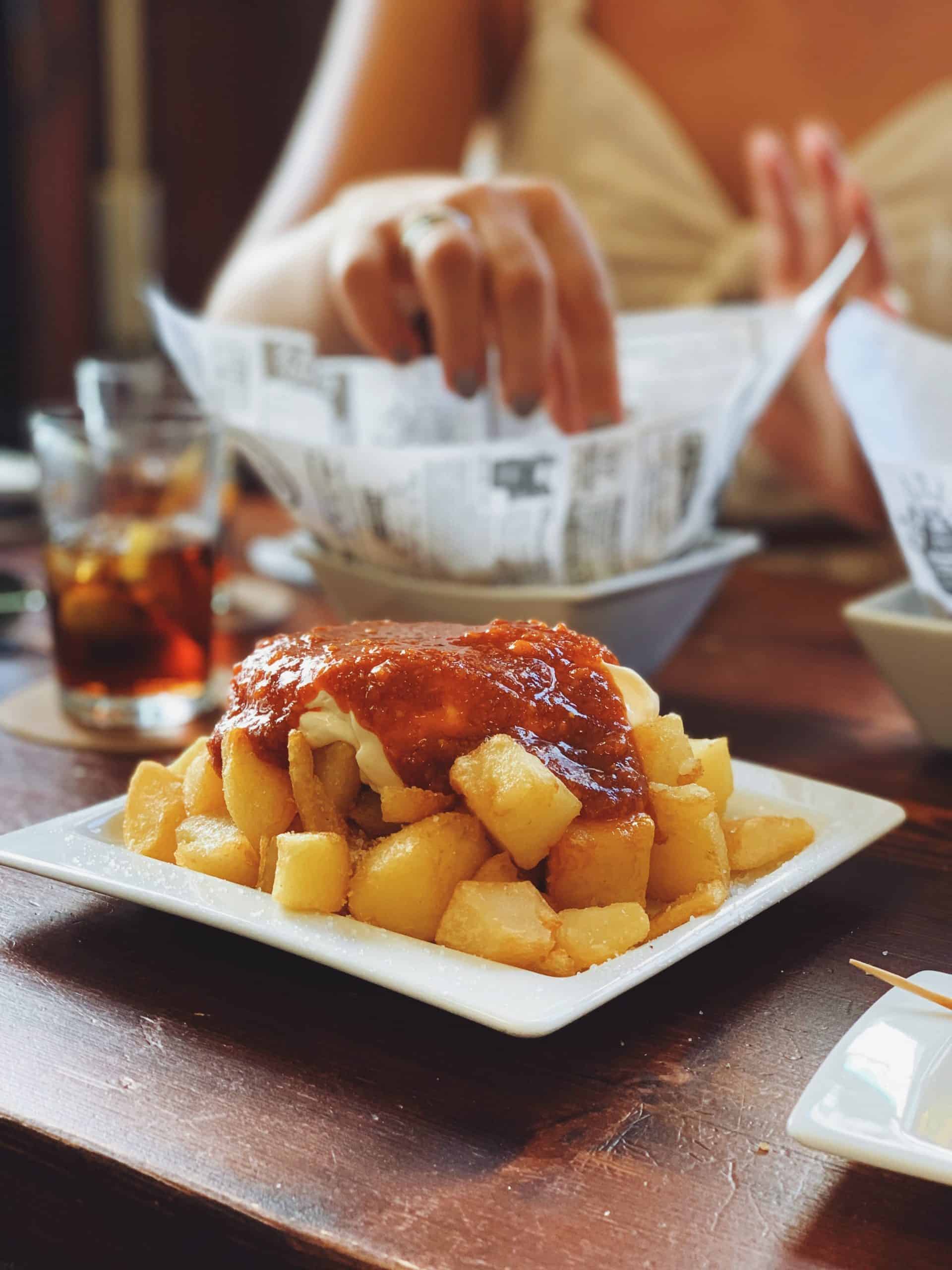
Engage with the local culture by participating in festivals, trying out local cuisines, and understanding local customs and holidays.
Spaniards are generally very friendly and social. Engaging in local activities and social groups can help you integrate more quickly. Join a gym, going for tapas or coffee and outdoor activities is perfect for this.
Read Here Biggest Mistakes when moving to Spain and best 30 things you should know before visiting Spain
3. Understand the Bureaucracy
You’ll need a ‘Número de Identificación de Extranjero’ (NIE), which is your identification number in Spain. It’s essential for everything from opening a bank account to setting up utility services.
Patience and organization are key. Sometimes, hiring a gestor (administrative assistant) can help navigate the more complex processes. ut yu can do on your own too and for us it took 4 months to get it.
4. Cost of Living

Depending on where you live in Spain, the cost of living can vary significantly. Cities like Madrid and Barcelona are generally more expensive than smaller towns or rural areas.
Open a local bank account as soon as you can. This will make managing your finances easier, including paying bills, having access to the rent and receiving any local payments.
5. Healthcare
If you are employed in Spain, you’ll typically be covered by the national health system. Otherwise, you might need private health insurance. Familiarize yourself with the medical facilities available in your area.
Make sure you get Insurance until you establish yourself in Spain with the residency or when having a job in Spain. As it happened to us, you will not get covered by the system until you have the NIE and ask to join thru a job, self-employed or a family member.
Two of our favorite travel insurance: Heymondo Vs Safetwing cheapest travel Insurance. You can get for $135 USD your HeymondoTravel Insurance with Heymondo discount code valid for 90 days. Read our full comparison of Genki vs Safetywing Travel Insurance Review and the comparison Heymondo vs Genki
6. Finding A Place

In cities, apartments are common, while houses are more typical in rural areas. Websites and local agents can help find suitable accommodation.
You will have to understand your rental agreement and be aware of your rights and obligations as a tenant. Deposits and contract terms can vary from 1 to 3 months deposit and 6-12 months staying, so read carefully before signing anything.
CLICK HERE TO BOOK YOUR ACCOMMODATION
7. Getting Around By Public Transportation
Public transportation in Spain is generally excellent. Take advantage of the extensive network of buses, trains, and the metro to explore and commute.
8. Networking with Expats
Connect with other expats through social media groups, expat clubs, and international meet-ups. These can provide you with support and advice apart from finding new friends.
9. Work and Employment
If you plan to find local employment in some areas, particularly in southern Spain it can be challenging. You can do Self-Employment if you work as a freelancer or start your own businesses, especially in sectors like teaching English, IT, or services geared towards other expats.
10. Adjusting to the Lifestyle
Adapt to the local schedule. the Lunch is typically eaten late around 2 pm and many businesses close in the afternoon for siesta. Dinners are also later than in many other countries around 9-10 pm.
Read here best Spanish food and best breakfast in Spain
Final Thoughts
Living in Spain can be one of the most rewarding decisions of your life—if you come with the right mindset. Success doesn’t come from forcing your old routines into a new country, but by embracing the Spanish pace and priorities.
What starts as culture shock becomes second nature with time. You’ll come to love the long lunches, the buzzing plazas at midnight, and even the bureaucratic quirks that once drove you mad. Spain teaches you to live with less stress and more presence.
So before you pack up and move, understand that Spain won’t change for you—and it shouldn’t. The magic lies in adapting, not resisting. And once you do, you may never want to leave.

About the Author: Ruben, co-founder of Gamintraveler.com since 2014, is a seasoned traveler from Spain who has explored over 100 countries since 2009. Known for his extensive travel adventures across South America, Europe, the US, Australia, New Zealand, Asia, and Africa, Ruben combines his passion for adventurous yet sustainable living with his love for cycling, highlighted by his remarkable 5-month bicycle journey from Spain to Norway. He currently resides in Spain, where he continues sharing his travel experiences with his partner, Rachel, and their son, Han.