
Picture this: You’re proudly rocking your new swimsuit on a Mediterranean beach, feeling like you’ve mastered the European vacation vibe. But those subtle smiles from locals?
They’re noticing some distinctly American habits that stick out like a tourist selfie stick. From treating beach time like a military operation to packing enough snacks to survive a small apocalypse, here’s what makes Mediterranean locals chuckle at their American visitors.
From dress codes to how people behave in the sun, beach culture in the Mediterranean follows an unspoken set of social norms rooted in centuries of tradition and a more relaxed lifestyle. Americans, used to different customs and social expectations, often arrive with habits that seem perfectly acceptable back home but look out of place on European shores. These differences offer a fascinating look at how cultural norms shape even the simplest activities, like a day at the beach.
In this post, we’ll explore the American beach behaviors that Mediterranean locals often find strange from how we dress to how we claim our spots on the sand. Understanding these differences not only helps avoid awkward moments but also opens the door to experiencing beach life like a local.
Want more travel insights?
- Unspoken Rules of Mediterranean Life Americans Never Get Right
- 7 Ways You’re Insulting Europeans Without Even Realizing It
- 9 Euro Customs That Are Total Tourist Traps
Quick & Easy Tips for Blending in on Mediterranean Beaches
Skip Oversized Beach Gear — Massive coolers, folding chairs, and large tents are often seen as excessive or disruptive.
Embrace Modest or Minimal Swimwear — Mediterranean beaches have a relaxed attitude toward swimwear, often favoring simple, stylish options over flashy or overly modest attire.
Don’t Claim Large Spaces — Spreading out with lots of personal space is uncommon; be mindful of sharing limited beach areas.
Limit Loud Behavior — Keeping noise levels low is part of the local beach etiquette; avoid loud music or rowdy games.
Respect Local Customs on Sunbathing and Nudity — In some places, topless sunbathing is normal; in others, it’s frowned upon — know before you go.
One major misconception is that beaches are the same everywhere and beach behavior doesn’t really matter. In reality, beach etiquette in the Mediterranean is shaped by a deep respect for shared public spaces and community norms. What Americans may see as harmless fun can come across as inconsiderate or disruptive in a culture where subtlety and coexistence are valued.
Another controversial point is the belief that Americans are more modest or conservative when it comes to beach attire and behavior, while Europeans are always relaxed and open. The truth is, Mediterranean beachgoers often follow an unspoken code of understated style and behavior that emphasizes elegance over exposure it’s less about being uninhibited and more about fitting in quietly with the crowd.
Perhaps most surprising is the idea that Mediterranean locals are too serious or judgmental about beach behavior. In reality, they simply have different cultural expectations shaped by their history and environment. Their beach habits reflect a broader cultural approach to leisure one that values simplicity, respect for others, and enjoying the moment without drawing unnecessary attention.
1. The “Clock-Watching” Beach Sprint

What Americans Do: Arrive at 10 AM sharp, armed with a rigid schedule: “Two hours of sun, lunch at exactly noon, then we’re hitting three more beaches before dinner!” They treat beach time like a military operation, complete with planned bathroom breaks and designated swimming slots.
Why Locals Find It Strange: The Mediterranean beach isn’t a theme park with scheduled shows. Locals might arrive late morning, take a two-hour lunch break, nap under an umbrella, and stay until sunset. You’ll see entire families spending 8-10 hours at the beach, treating it as their second living room. The beach is a lifestyle, not a to-do list item.
Inside Tip: Try this instead: Pick one beach, bring a book, and let time fade away. Those local families who’ve been there all day? They know all the best beach bars, when the water is calmest, and where to find natural shade. You might find yourself sharing snacks with them as the sun sets, getting insider tips about hidden coves nearby.
2. The Great Cooler Migration

What Americans Do: Haul a cooler the size of a small car, packed with enough pre-made sandwiches and snacks to feed a small army. Bonus points if it has wheels, a stereo system, and enough ice packs to start a small ice age. They’ll spend more time packing and unpacking than actually enjoying the beach.
Why Locals Find It Strange: Mediterranean beach-goers typically bring fresh ingredients for impromptu meals or walk to nearby cafes. That massive cooler screams “I’m planning a beach invasion” when locals are having casual picnics with fresh bread, local cheese, and seasonal fruit. In places like Greece or Spain, you’ll see families bringing simple containers of home-cooked meals that they’ll share with neighbors.
Inside Tip: Swap your mega-cooler for a small bag with some fruit and water. Join the locals in their afternoon walks to beach bars or nearby markets. Your shoulders will thank you, and you’ll discover the joy of fresh seafood at that tiny chiringuito (beach bar) that’s been serving the same families for generations.
3. The Towel Ballet

What Americans Do: Perform elaborate changing routines under towels, looking like they’re auditioning for a circus act while trying to switch into dry clothes. The hopping, the towel-juggling, the occasional near-falls – it’s better entertainment than street performers.
Why Locals Find It Strange: Mediterranean beach culture is more relaxed about bodies. Locals simply change quickly without the towel gymnastics, or use the basic changing areas available. In many places, especially in Spain and France, they’ve mastered the art of the subtle switch – no performance required.
Inside Tip: Use the changing rooms if you’re uncomfortable, or wear your swimsuit under light clothes. If you must change on the beach, do it quickly and confidently – nobody’s paying as much attention to you as you think. Those local grandmas have seen it all before.
4. The Empty Beach Quest
What Americans Do: Drive hours searching for a “secret, empty beach,” treating crowded shores like they’re somehow wrong or inauthentic. They’ll skip beautiful, lively beaches because “there are too many people,” missing out on the heart of Mediterranean beach culture.
Why Locals Find It Strange: Mediterranean beach culture is social. A busy beach means it’s good – that’s where the energy is, where families gather, and where the best facilities are usually found. In Italy and Greece, packed beaches are a sign of quality, not a reason to leave. Local families have been coming to the same spot for generations, creating a community atmosphere that tourists often mistake for overcrowding.
Inside Tip: Embrace the lively atmosphere of a popular beach. Some of your best memories might come from chatting with the local family under the next umbrella, or joining an impromptu beach volleyball game. Those “overcrowded” beaches often have the best swimming conditions and cleanest sand – that’s why they’re popular.
5. The Instagram Photo Shoot
What Americans Do: Spend half an hour getting the perfect jumping-in-the-waves shot or staging elaborate poses with their beach accessories. They’ll rearrange their entire setup for better lighting, ask strangers to take multiple shots, and spend more time editing photos than swimming.
Why Locals Find It Strange: While locals aren’t immune to taking photos, they’re more focused on living the moment than documenting it. That extensive photo shoot is like wearing a sign saying “tourist.” Mediterranean beach-goers might take a quick family photo or sunset shot, but they’re more interested in actually enjoying the beach than proving they were there.
Inside Tip: Snap a few quick photos, then put the phone away. Try experiencing the beach through your senses rather than your screen. Notice how locals rarely take photos during the day – they save it for the golden hour when the lighting is perfect and they’re already looking their best.
6. The Personal Space Bubble
What Americans Do: Try to maintain a 10-foot radius around their umbrella, getting visibly uncomfortable when others set up nearby. They’ll build elaborate barriers with bags and towels, marking their territory like they’re claiming new land.
Why Locals Find It Strange: Mediterranean beaches are social spaces. Setting up close to others is normal and often leads to friendly conversations, shared snacks, or kids playing together. In Italy, you might find three generations of families practically sharing umbrellas, all chatting and passing around homemade focaccia.
Inside Tip: Think of the beach as a neighborhood block party rather than your private backyard. Some of the best cultural exchanges happen in these close quarters. Let your kids play with local children – they’ll learn more Italian or Greek in one afternoon than from any app.
7. The Snack Attack
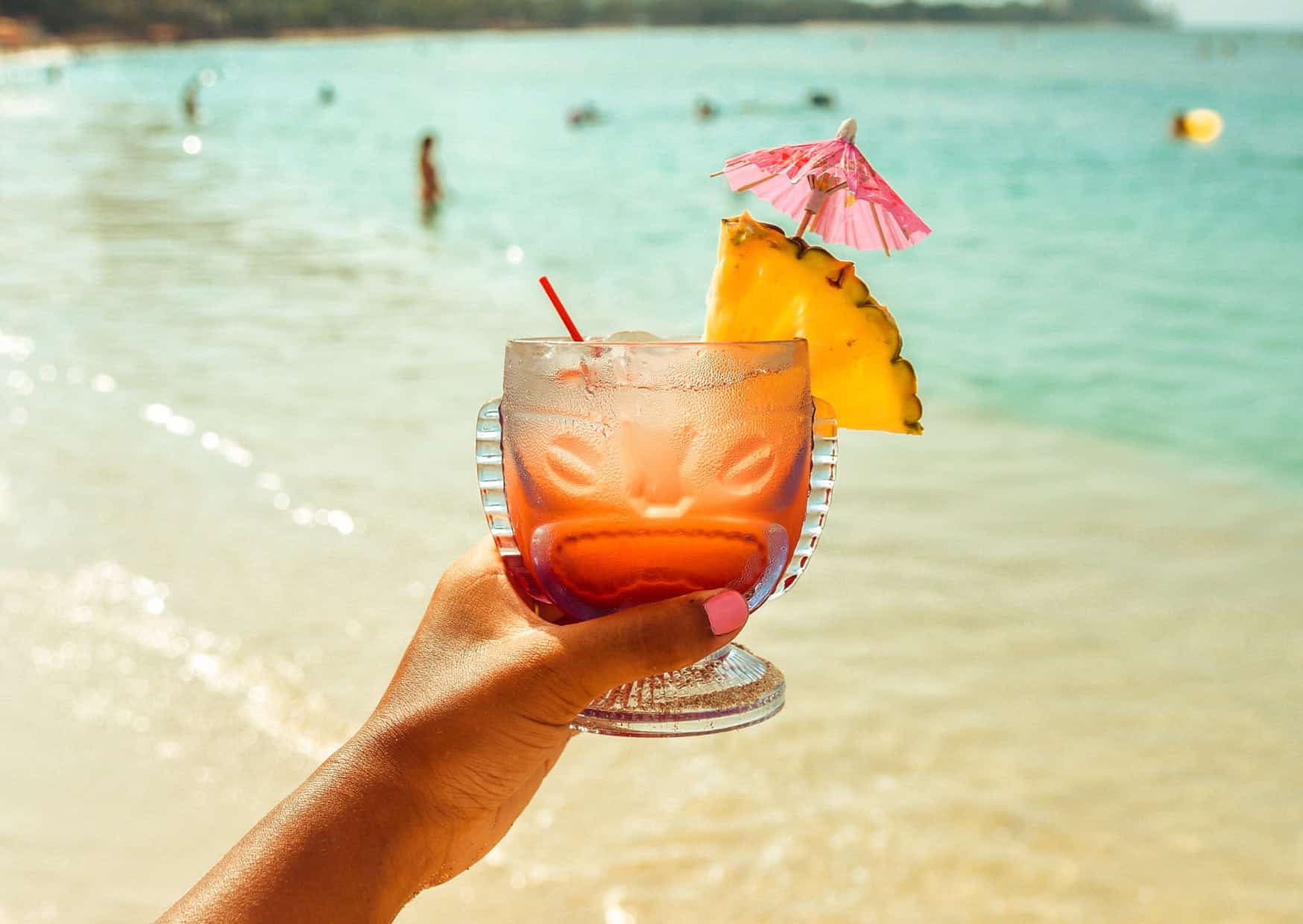
What Americans Do: Survive on protein bars, trail mix, and other quick bites, eating hunched over their towels between activities. They’ll pack enough processed snacks to stock a convenience store but miss out on the local beach food culture entirely.
Why Locals Find It Strange: Beach meals are social events. Locals often pack proper lunches or visit beach restaurants, treating meals as a central part of the beach experience, not just fuel. In Spain, you’ll see families setting up proper lunch spreads, complete with tortilla española and gazpacho. Greek beaches come alive at lunch when the smell of souvlaki wafts from nearby tavernas.
Inside Tip: Try bringing a simple but proper lunch, or join locals at beach bars. Food is a crucial part of Mediterranean culture – embrace it! Watch how local families eat together, often sharing dishes and taking their time over lunch. You might even get invited to try someone’s homemade specialties.
The Bottom Line
These American beach habits aren’t wrong they’re just different from the Mediterranean way. What seems efficient or practical to Americans often misses the point of Mediterranean beach culture: slowing down, being social, and treating the beach as a way of life rather than an activity to complete.
Pro Tip: Next time you’re at a Mediterranean beach, try this: Arrive without a schedule, bring a simple snack, set up wherever there’s space, and let the day unfold naturally. You might find yourself sharing stories with locals, discovering a hidden beach bar, or finally understanding why Europeans think American beach habits are amusing. After all, isn’t experiencing a different culture what travel is all about?

About the Author: Ruben, co-founder of Gamintraveler.com since 2014, is a seasoned traveler from Spain who has explored over 100 countries since 2009. Known for his extensive travel adventures across South America, Europe, the US, Australia, New Zealand, Asia, and Africa, Ruben combines his passion for adventurous yet sustainable living with his love for cycling, highlighted by his remarkable 5-month bicycle journey from Spain to Norway. He currently resides in Spain, where he continues sharing his travel experiences with his partner, Rachel, and their son, Han.