
Last updated on February 25th, 2026 at 04:30 pm
So you’re planning your first trip to Italy and looking for the top tourist mistakes in Italy to avoid them effectively. Friend, we’ve got you covered.
Italy is a fantastic country to visit, and it’s filled with art, culture, and delicious food. However, missing out on some of the best experiences can be easy if you’re not informed about the local customs. But don’t worry, we are here to help! By booking your attractions in advance, creating a well-planned itinerary, and understanding dining etiquette, you’ll be able to blend in with the locals and make the most of your trip.
Avoiding common tourist pitfalls and gaining insight into local norms will ensure a smooth and enjoyable trip to Italy. So, let’s get ready to experience the magic of Italy!
✦ Additional Travel Reads for Your Italian Trip Planning:
– Get a travel insurance. We firmly believe that any type of travel needs one.
– See our list of top Italian Foods To Try and Best Italian Breakfasts
– For connectivity and to avoid roaming costs while in Italy, be sure to get our recommended sim card in Italy
Quick Easy Tips
Always validate regional train tickets when required. This small step prevents one of the most common and avoidable fines visitors encounter.
Learn basic café and restaurant timing. Coffee culture, meal hours, and table service norms operate differently than in many other countries.
Carry some cash in addition to cards. While digital payments are widespread, smaller businesses and older establishments sometimes still prefer cash.
Dress neatly when visiting churches or historic sites. Simple adjustments such as covered shoulders and appropriate footwear help you avoid being turned away.
One of the biggest debates in Italy travel advice is how strict etiquette really is. Some guides portray Italian norms as rigid, while many locals take a more relaxed view. In reality, expectations vary widely depending on the city and setting.
Another point of tension involves restaurant behavior. Tourists sometimes feel rushed or confused by Italian dining rhythms, while locals see the system as straightforward. Much of the friction comes from mismatched expectations rather than intentional rudeness on either side.
There is also disagreement about how much Italian language knowledge is necessary. While learning basic phrases is appreciated, many major tourist areas function comfortably in English. The importance of language effort often depends on where you travel.
Finally, online travel lists sometimes exaggerate the consequences of small mistakes. While fines and etiquette slip-ups do happen, most visits proceed smoothly. Context and common sense usually matter more than strict rule-following.
Mistake No. 1: Not Planning An Efficient Italy Itinerary

When planning your trip to Italy, it’s essential to plan your itinerary to enhance your experience and balance sightseeing with relaxation. Italy is best experienced with a mix of sightseeing and actually integrating yourself into the culture (and we believe that about any country you should visit).
Start by listing must-see attractions and allocating time to appreciate each one.
- Major Attractions: Book tickets in advance for places like the Vatican or the Colosseum in Rome to avoid disappointment.
- Local Times: Research opening and closing times of establishments to avoid unforeseen closures.
- Cash and Cards: Carrying cash and cards is still very useful in Italy. While Italy is modern, some vendors prefer cash.
Efficient Itinerary Planning
- Day 1-3: Rome’s ancient sites and vibrant neighborhoods
- Day 4-5: Florence’s art galleries and historical landmarks
- Day 6: A day trip to the Tuscan countryside
- Day 7: Venice’s canals and architecture
Travel Rhythm
Don’t hurry all the time when in Italy. Italy’s charm often lies in its quiet piazzas and leisurely meals.
Immersive Experiences
- Evening Espresso: Embrace the local custom of sipping espresso after dinner.
- Stay Local: Consider smaller towns for a genuine taste of Italian culture.
Remember, Italy is more than a checklist of tourist spots; it’s a journey through history, cuisine, and art. Plan thoughtfully, allowing spontaneity to guide some days, ensuring a memorable adventure in this beautiful country.
Tourist Mistakes in Italy No. 2: Not Avoiding Long Lines at Major Attractions
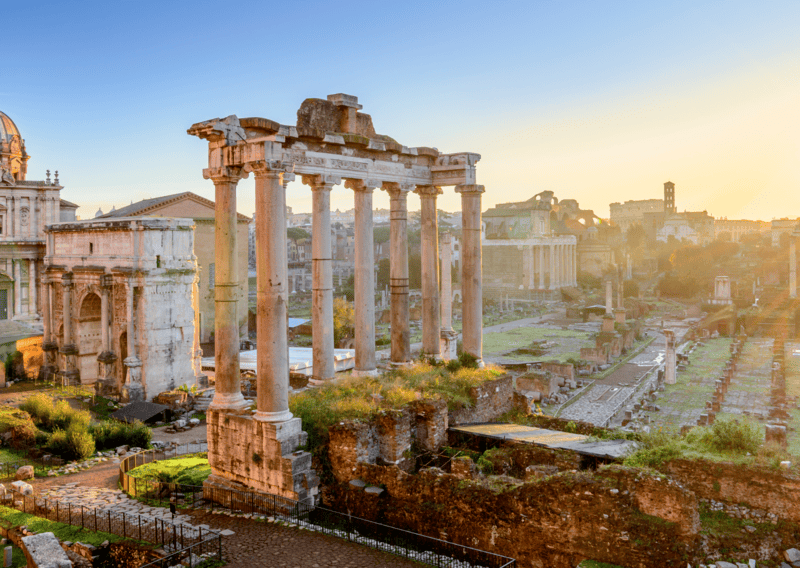
Managing your time efficiently at major attractions, especially in Rome, Florence, and Milan, is vital when visiting Italy.
Avoiding Long Lines at Major Attractions
*See all links below for all the skip-the-line tickets to these attractions.
You’ll encounter some of the world’s most iconic landmarks in cities bustling with history and art, like Rome and Florence. Planning ahead is crucial to avoid spending hours in lines at the Vatican Museums, Colosseum, or Uffizi Gallery. Purchase skip-the-line tickets online for seamless entry. For instance, viewing The Last Supper in Milan requires booking tickets well in advance due to limited daily entry.
- Rome: Vatican Museums and Sistine Chapel – Book online up to 60 days in advance.
- Florence: Uffizi Gallery – Reserve your visit early, especially during peak season.
- Milan: Santa Maria delle Grazie – Secure your spot early to avoid missing Leonardo’s masterpiece.
Exploring Beyond the Beaten Path
Diversify your Italian journey by visiting less crowded but equally enthralling attractions. Explore the quaint regional churches or artwork in lesser-known museums in Venice. Venturing into Naples and beyond to Pompeii provides a glimpse into ancient history without the overwhelming crowds. Although less frequented in Rome than the Vatican, the Borghese Gallery houses a stunning art collection.
- Venice: Churches & Museums – Seek out hidden gems like the Ca’ d’Oro palazzo.
- Naples: Regional Sites – A day trip to Pompeii can be quieter than the city’s hotspots.
- Rome: Borghese Gallery – Enjoy masterpieces without the rush found at larger venues.
Mistake No. 3: Not Understanding Typical Italian Dining Etiquette
When you sit down to dine in Italy, you’re not just eating but embracing a cornerstone of Italian culture. Remember to observe proper dining etiquette and immerse yourself fully in the rich tapestry of Italian food traditions.
Understanding Italian Dining Etiquette
Italian dining etiquette is essential to experiencing authentic Italian cuisine. When at a restaurant, it’s important to understand the concept of a ‘coperto,’ a small cover charge for the bread and table setting typically included in the bill. Tipping is not mandatory in Italy, as the service charge is often included, but it is appreciated for exceptional service.
Dining times in Italy may differ from what you’re used to. The nominal time for lunch in Italy is from 1:00 to 2:30 PM. Italian dinners are typically served from 7:30 PM onwards. It’s advisable to make dinner reservations, especially in high-end establishments.
Regarding Italian coffee culture, ordering a cappuccino after 11 AM is frowned upon, as Italians believe milk disrupts digestion. Instead, opt for an espresso, usually consumed at the bar, for a quick caffeine fix.
Savoring Local Italian Specialties
Italian food is all about simplicity and high-quality ingredients, so take the opportunity to savor local specialties. Each region boasts its own unique dishes, which are a must-try:
- Pizza: True Neapolitan pizza has a thin crust, fresh tomato sauce, and mozzarella cooked in a wood-fired oven.
- Pasta: Indulge in fresh, handmade pasta like tortellini in Bologna or Pici in Tuscany.
- Bistecca alla Fiorentina: Thick steak traditionally sourced from the Chianina cattle breed, cooked over a wood flame.
- Risotto: A comforting rice dish, often made with seasonal ingredients, found in many regions, especially Lombardy.
One fun piece of advice is to end your meal with an artisanal gelato. Italian gelato is made with less air and more flavor intensity than regular ice cream.
In addition to food, Italy is renowned for its wines. A local wine pairing can enhance your meal significantly, be it a red Chianti or a crisp Pinot Grigio.
Don’t Make sure to have a variety of cheese, as cheese-making is a revered craft in Italy. Each region has cheeses that reflect its culinary soul, from creamy Gorgonzola to sharp Pecorino.
By knowing dining nuances, you’ll have your Italian gastronomic journey and enjoy the flavors of Italy as the locals do.
Mistake No. 4: Not Taking Cultural Insights and Etiquette in Consideration
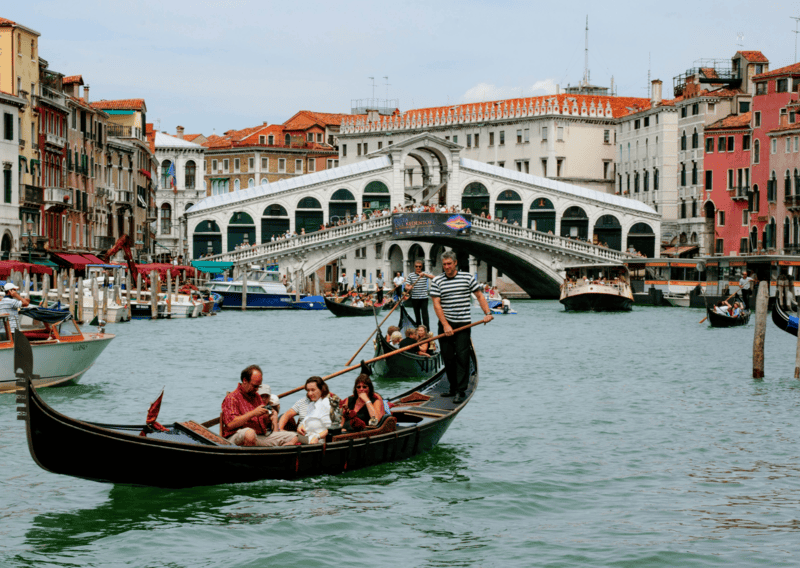
Exploring Italy requires a keen awareness of local customs to appreciate and respect Italian culture fully. Be mindful of the unspoken rules and adapt to the etiquette integral to any traveler’s guide. Respectfully visit religious sites.
Adhering to a conservative dress code is crucial. Ensure your knees and shoulders are covered when visiting religious sites to show respect.
The Italian culture values preserving sanctity in sacred spaces. This applies to both genders, so packing a scarf or shawl would be wise when you need an extra layer.
Mistake No. 5: Communicating Only in English
While English is widely understood in tourist areas, making an effort to communicate in the local language is highly appreciated. Essential Italian phrases can enrich your interaction and reflect your respect for Italian culture. Don’t hesitate ton’t a language guide or app to help with translations—it’ll enhance your connection with the locals.
Mistake No. 6: Not Bringing Cash in Italy
Travel Practicalities in Italy
Navigating Italy’s landscapes and historic cities is an adventure, but handling the practicalities of travel, like money management and transportation, can make or break your trip.
Dealing with Money and Payments
In Italy, cash is still king in many places, especially in small cafes or markets. It’s a good idea to keep some on hand for small purchases. However, credit cards are widely accepted, especially Visa and Mastercard. Keep in mind that American Express may be less commonly taken.
TIt must be familiar with the term service charge (“coperto”), which “can app” is on your restaurant bill; this is not a tip but a charge for the service and bread provided.
To avoid any inconvenience, ensure your credit cards are notified about your travel to prevent security blocks on foreign transactions.
Mistake No. 7: Not Understanding Transportation Options
Italy’s transportation network is extensive, offering various options to get around.
- Trains: The train network is efficient and cost-effective, especially if you book train tickets in advance. Remember to avoid fines and validate your ticket in the small validation machines before boarding.
- Leonardo Express: Traveling from Rome’s Fiumicino Rome to the city center is made easy with the Leonardo Express train, a direct service.
- Weather and Transportation: Be aware of how the weather could impact your travel; for example, train delays are possible in extreme conditions.
- Tours: Booking guided tours may include transportation, which can be a hassle-free way to explore. Some tours offer skip-the-line benefits at popular attractions.
Constantly monitor your belongings while using public transportation, as tourist areas can be targets for pickpockets. Bringing a weather-appropriate wardrobe will ensure you’re comfortable during your explorations, whether waiting at a train station or wandering through a new city.
Mistake No. 8: Not Avoiding Tourist Traps and Scams
When you find yourself in Italy, a dream destination for many, being cautious of tourist traps and scams will help preserve the magic of your experience. This beautiful country offers abundant, authentic experiences, but it’s wise to avoid pitfalls when exploring popular sites.
Identifying Tourist Traps:
- Restaurants: Look for eateries filled with locals and explore menus not translated into multiple languages.
- Souvenirs: Avoid buying fake souvenirs that are often overpriced and poor quality. Opt for local artisan shops instead.
Here’s a quick here’s tips to sidestep common faux pas:
Common Scenario Tips
- Overpriced goods. Always double-check prices and bargain if it feels appropriate.
- Crowded landmarks. Visit attractions during off-peak hours or find alternatives to the beaten path.
- Persistent vendors. Politely declined offers from pushy street sellers.
- Fixed taxi fares. Confirm the ride cost before entering a taxi to prevent overcharging.
Being aware of typical scams can protect you:
- Friendship bracelets or rose selling: Politely refuse and walk away.
- Pickpocketing: Keep your valuables secure and vigilant, especially in crowded areas.
By following these insights, you’ll be able to explore Italy’s bustling scene with a bit more peace of mind. Enjoy the rich history and culture, indulge in genuine Italian cuisine, and create memories that are as authentic as the destinations themselves.
Italy is one of the most visited countries in the world, yet many travelers arrive with expectations shaped more by movies than by daily reality. Most tourist mistakes are small cultural mismatches rather than serious missteps, but they can still affect how smoothly your trip unfolds. A little awareness goes a long way.
What surprises many visitors is how regional Italy can feel. Customs in Rome may differ from those in Florence or smaller towns, and what feels normal in heavily touristed areas may stand out elsewhere. Flexibility and observation often matter more than memorizing rigid rules.
It is also important to remember that Italians are generally accustomed to international visitors. Minor errors made politely are rarely a problem. The goal of learning common mistakes is not to create stress but to help you move more confidently and comfortably.
In the end, thoughtful travel improves the experience on both sides. When visitors understand basic local rhythms especially around dining, transportation, and etiquette Italy tends to feel more welcoming and far less confusing.
Why You Should Learn These Common Italy Mistakes
Understanding common tourist errors can make your trip noticeably smoother. Small adjustments—such as knowing when to order coffee or how to handle train tickets—remove many of the minor stresses first-time visitors experience.
Preparation also helps protect your budget. Avoidable fines, tourist pricing misunderstandings, and last-minute booking problems often stem from simple inexperience rather than bad luck.
There is a cultural benefit as well. Visitors who show awareness of local customs often receive warmer service and more positive interactions in restaurants, shops, and hotels.
Learning what to expect also saves time. When you understand how things typically work, you spend less energy troubleshooting and more time enjoying Italy’s food, history, and scenery.
Most importantly, informed travelers feel more relaxed. Confidence in the basics allows you to move through busy destinations like Rome, Venice, and Florence with far less friction.
Why You Shouldn’t Overstress About Doing Everything Perfectly
At the same time, it is important not to approach Italy with excessive worry. Millions of tourists visit successfully each year, and most small mistakes are easily forgiven when handled politely.
There is also significant regional variation. What matters in a small town may be less important in heavily touristed city centers. Treat guidelines as helpful context rather than strict universal rules.
Overplanning can sometimes reduce spontaneity. Italy is best enjoyed with a degree of flexibility, especially when it comes to wandering neighborhoods, discovering cafés, and adjusting daily plans.
Many common errors are quickly corrected in the moment. Italians are generally patient with respectful visitors who are clearly making an effort.
In the end, the best approach combines preparation with ease. Learn the basics, stay observant, and remain adaptable. With that balance, most travelers find Italy both welcoming and remarkably easy to enjoy.
FAQs: Tourist Mistakes in Italy
How should I plan my itinerary for a trip to Italy?
Planning an efficient itinerary is crucial for a fulfilling experience in Italy. Start by listing must-see attractions and allocate time for each. It’s recommended that you book tickets in advance for major attractions like the Vatican or the Colosseum to avoid long lines. Researching establishments’ opening and closing times is also essential to avoid unforeseen closures. Consider incorporating a mix of sightseeing and relaxation into your itinerary to immerse yourself in Italian culture truly.
How can I avoid long lines at major attractions in Italy?
Planning ahead is crucial to avoid spending hours in lines at iconic landmarks like the Vatican Museums or the Uffizi Gallery. Purchase skip-the-line tickets online for seamless entry. Additionally, consider exploring lesser-known but equally enthralling attractions to diversify your Italian journey and avoid crowds.
What dining etiquette should I be aware of when dining in Italy?
Observing proper dining etiquette is essential in Italy. Understand the concept of “coperto,” a small cover charge typically included in the bread and table set bill. Tipping is not mandatory but is appreciated for exceptional service. Be mindful of dining times, with lunch typically served from 1:00 to 2:30 PM and dinner from 7:30 PM onwards. Avoid ordering a cappuccino after 11 AM, as Italians believe milk disrupts digestion. Embrace local specialties like pizza, pasta, and gelato, and consider a wine pairing to enhance your meal.
What cultural insights should I consider when visiting Italy?
Respecting local customs and cultural norms is essential when exploring Italy. When visiting religious sites, adhere to a conservative dress code, ensuring your knees and shoulders are covered. Making an effort to communicate in Italian, even basic phrases, is highly appreciated. Be aware of potential tourist traps and scams, such as overpriced goods or pickpocketing, and take necessary precautions to safeguard yourself.
What are the recommended transportation options in Italy?
Italy’s transportation network offers various options, including trains, buses, and tours. Trains are efficient and cost-effective, especially if tickets are booked in advance. The Leonardo Express provides a direct service from Rome’s Fiumicino Airport to the city center. Consider booking guided tours that include transportation for a hassle-free exploration experience. Always monitor your belongings, especially in tourist areas prone to pickpocketing, and dress appropriately for the weather.

About the Author: Ruben, co-founder of Gamintraveler.com since 2014, is a seasoned traveler from Spain who has explored over 100 countries since 2009. Known for his extensive travel adventures across South America, Europe, the US, Australia, New Zealand, Asia, and Africa, Ruben combines his passion for adventurous yet sustainable living with his love for cycling, highlighted by his remarkable 5-month bicycle journey from Spain to Norway. He currently resides in Spain, where he continues sharing his travel experiences with his partner, Rachel, and their son, Han.