
Last updated on July 16th, 2025 at 11:43 am
(And Why It Starts Long Before Bedtime)
In the Mediterranean, you will often see people stepping onto balconies at sunrise, walking to a bakery before breakfast, or quietly sitting near a window as the first light hits the walls. It may look like a small habit, even romantic to the outsider, but it holds a biological power that sleep scientists have been talking about for years.
Morning light exposure—especially natural light in the first hours of the day—has been linked to better sleep cycles, improved mood, and stronger circadian rhythm regulation. And the way many Mediterranean people naturally live still supports this practice, even if they are not calling it a health hack.
While Americans increasingly turn to melatonin supplements, blackout curtains, or blue light blockers to manage their sleep, Mediterranean routines start with something simpler: stepping into the day gently, and letting the body synchronize with the natural world.
Here are nine ways Mediterranean people use morning light to regulate their sleep cycles, often without realizing it.
Want More Deep Dives into Everyday European Culture?
– Why Europeans Walk Everywhere (And Americans Should Too)
– How Europeans Actually Afford Living in Cities Without Six-Figure Salaries
– 9 ‘Luxury’ Items in America That Europeans Consider Basic Necessities
1. Opening Shutters to Let the Day In
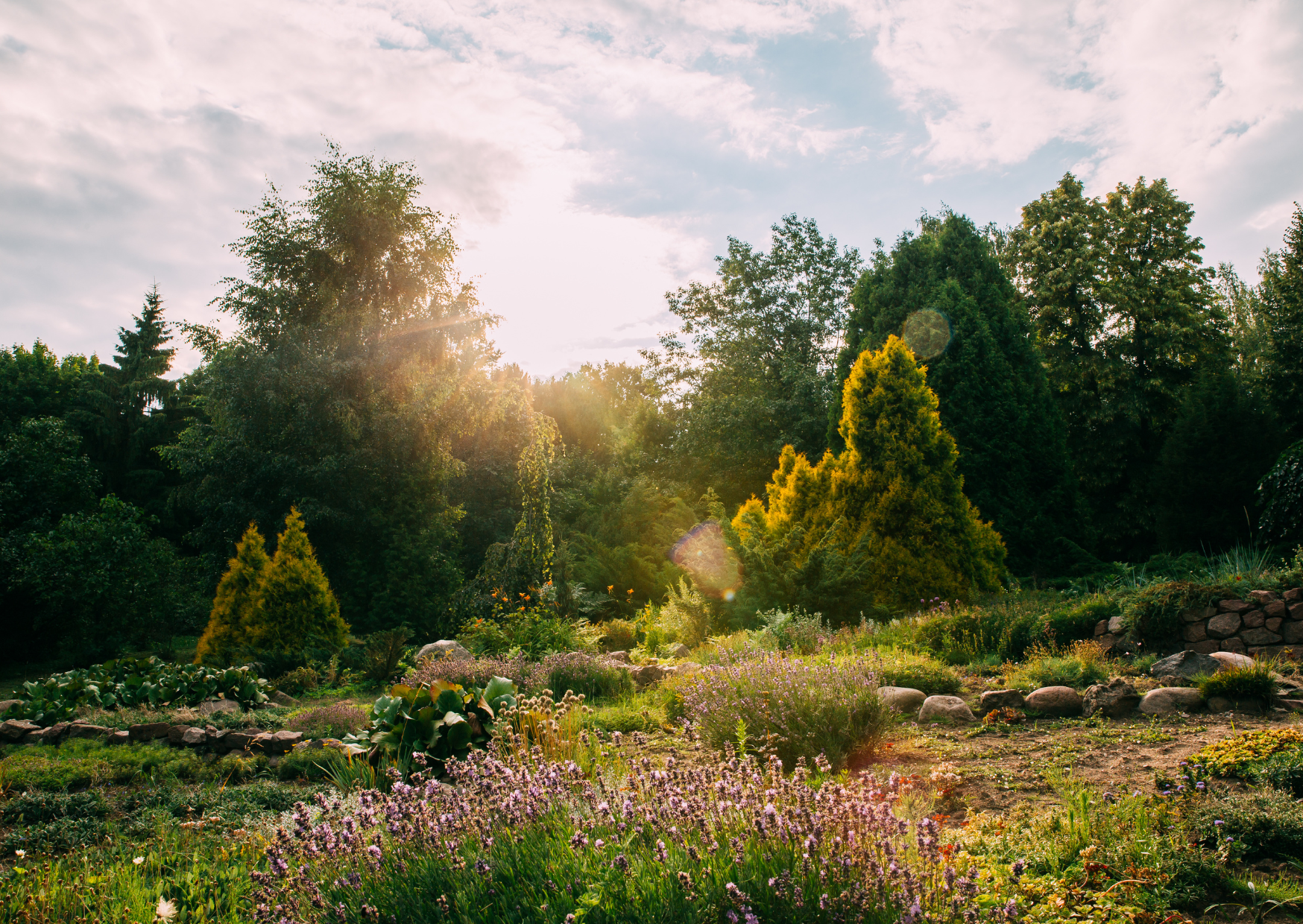
One of the most enduring Mediterranean rituals is the daily rhythm of opening and closing shutters.
- In the morning, shutters are thrown open to let in fresh air and bright sun.
- Sunlight floods the home naturally, bouncing off whitewashed walls or tiled floors.
- In the evening, shutters are closed to block out heat and noise, creating an enclosed space for winding down.
This isn’t just about home aesthetics. It is about rhythm. The body responds to that sudden brightness, especially in the morning. It activates your internal clock and helps shift your sleep-wake cycle into alignment with the real world.
In contrast, many Americans keep blinds closed all day, preferring artificial lighting, which can delay sleep pressure and dull the morning signal your brain needs to feel alert.
2. Spending Time Outside Before Breakfast
In Italy, Greece, Spain, and southern France, many people still step outside first thing in the morning, especially in spring, summer, and fall.
- A walk to the bakery
- Watering plants on a terrace
- Sitting outdoors with a small breakfast
- A short stroll around the neighborhood
These rituals expose the eyes to natural daylight during the most influential time of the day for circadian signaling. Morning sunlight suppresses melatonin, your body’s natural sleep hormone, and promotes the rise of cortisol—the hormone that helps you feel awake and focused.
This natural cortisol rhythm sets the stage for better melatonin production later in the evening, creating a clearer boundary between wake and sleep.
3. Avoiding Overhead Lights in Early Hours
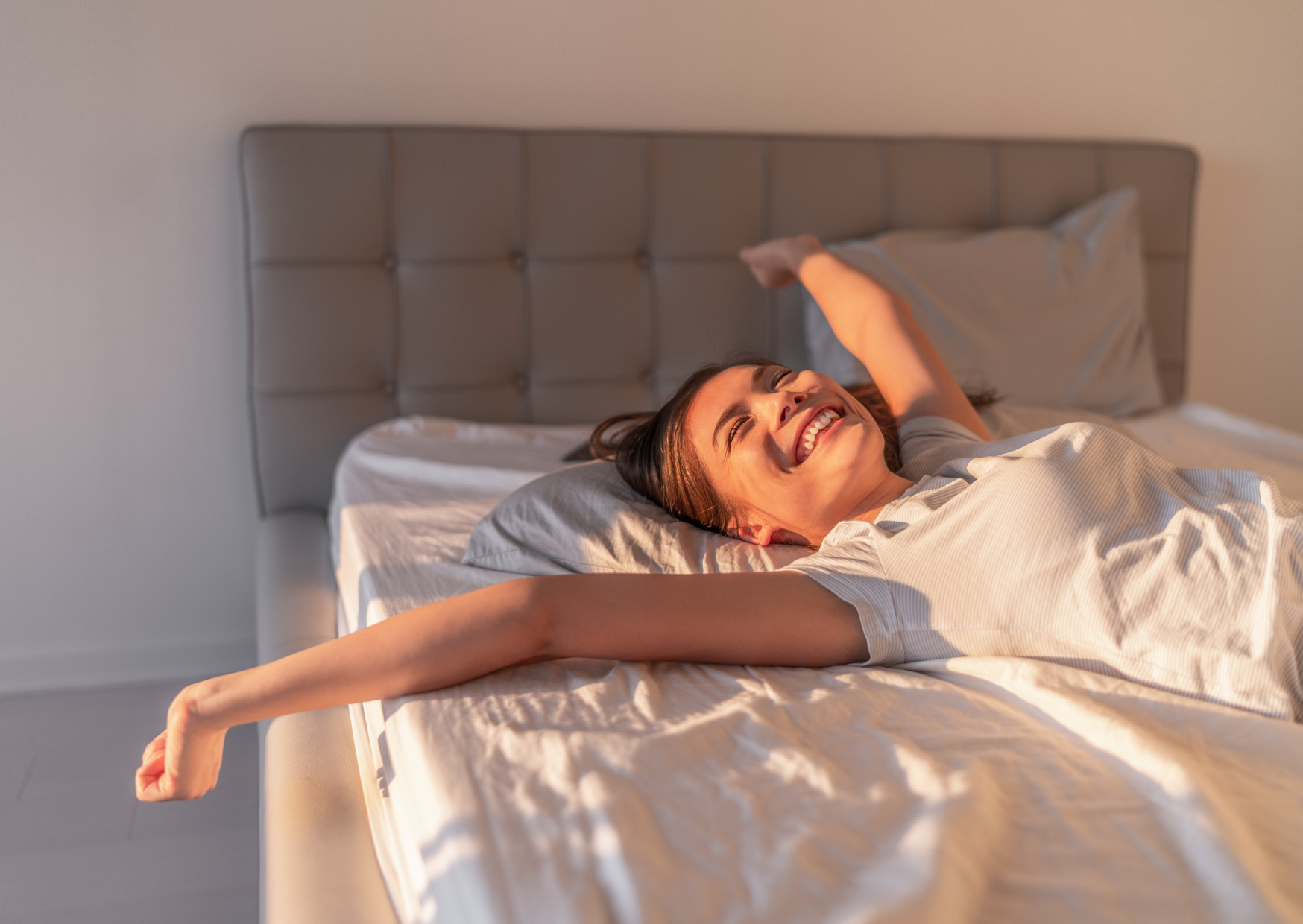
Mediterranean homes tend to rely on soft, directional light indoors, especially in the early morning. Instead of flipping on every overhead fixture, many families light just one lamp or let in daylight slowly.
- This avoids shocking the system with too much blue light early on
- It allows the body to wake up gradually, matching the pace of the sunrise
- It encourages a quiet, calm start to the day
In American homes, bright artificial lighting can dominate the morning, especially in kitchens and bathrooms. While this helps with visibility, it may actually confuse the body’s internal clock, especially if there’s no exposure to actual daylight.
4. Walking or Commuting Without a Car
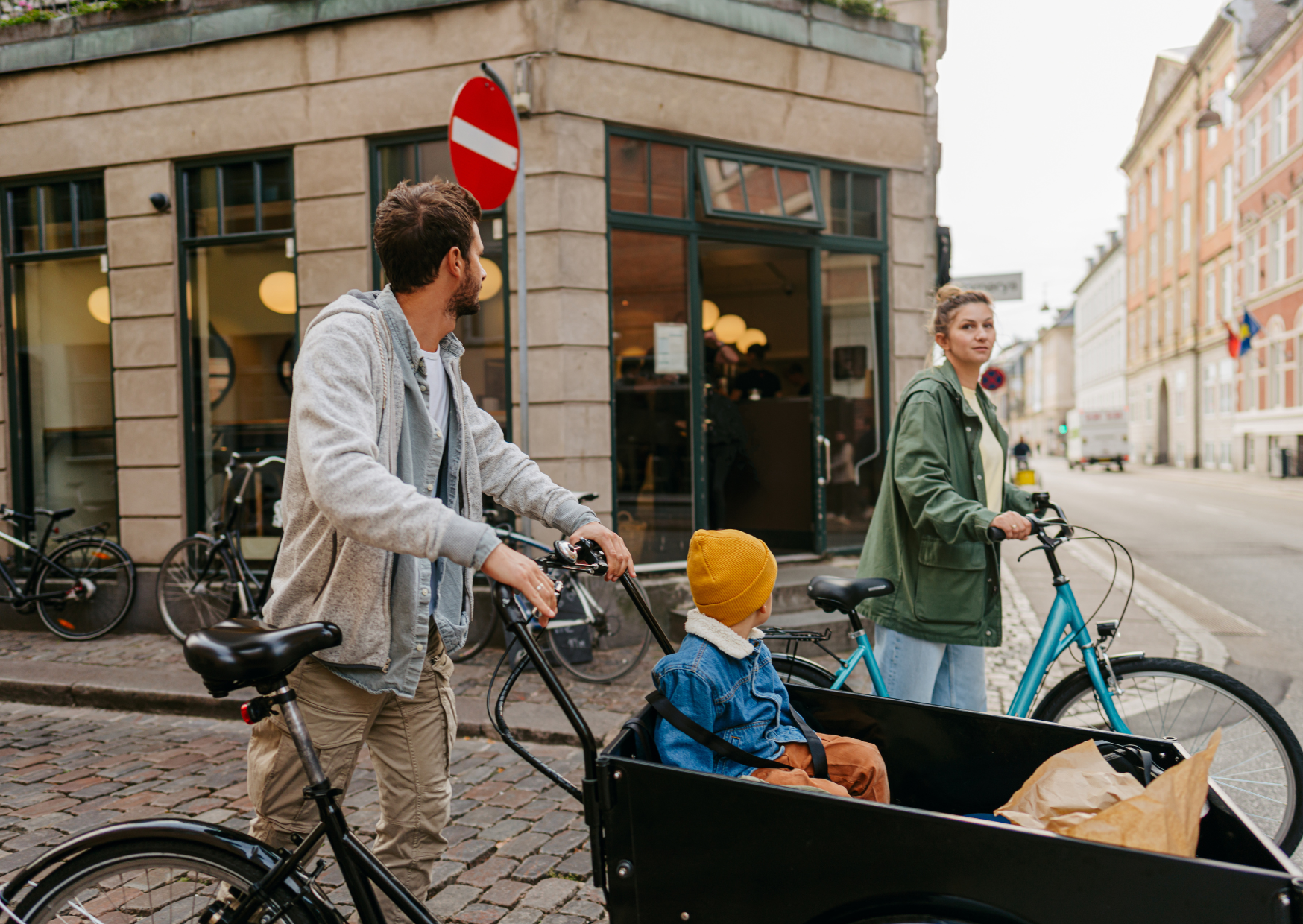
Cities in the Mediterranean region are often walkable by design. Many people begin their day walking to work, school, or the local café.
- These morning walks provide full-spectrum daylight exposure
- They reinforce a natural wake-up cue through movement and visual engagement
- The habit helps reduce morning grogginess and aligns biological sleep pressure
In American cities and suburbs, where the car is king, people often go from house to garage to indoor office—missing that critical dose of daylight that tells the brain it’s time to be alive.
5. Waking Up With the Sun, Not Against It
In Mediterranean countries, schedules tend to align more closely with the light-dark cycle, especially in rural or traditional areas.
- People wake around sunrise and take advantage of daylight hours before afternoon heat
- Midday rest or slowdowns are built into the rhythm of the day
- Evening activity doesn’t prevent them from starting the day with light, even if they go to bed late
This natural exposure reinforces the body’s 24-hour rhythm. In the U.S., reliance on alarm clocks and screen use late into the night can disrupt this cycle, causing the body to feel misaligned—even if sleep duration is technically sufficient.
6. Using Outdoor Time to Support Mood and Energy

Mediterranean people are more likely to begin the day with outdoor interaction, even casually:
- Speaking to a neighbor
- Sitting on a bench
- Observing street life while sipping a morning drink
This kind of gentle stimulation paired with light exposure can reduce depressive symptoms, boost focus, and support melatonin production later on.
Morning light triggers serotonin, which not only improves mood but also acts as a precursor to melatonin. This makes those early outdoor moments even more valuable for mental and physical well-being.
7. Relying on Daylight, Not Screens, to Set the Day’s Pace
While smartphones are common in Europe, morning routines still include stretches of time without immediate screen exposure.
- It is normal to read a physical newspaper or talk over breakfast
- Many people resist checking email or social media first thing
- Cafés often encourage conversation or quiet observation, not scrolling
Screens emit blue light that may mimic daylight but confuse timing. The artificial light tricks your body into delaying melatonin production. Starting the day with natural light and human contact, as many Mediterraneans still do, preserves the brain’s ability to distinguish day from night.
8. Minimal Use of Sunglasses in the Morning
Sunglasses are common in southern Europe, especially by midday, but many people avoid wearing them in the early hours.
- Allowing the eyes to take in direct (but low-angle) morning sunlight is key
- This unfiltered exposure signals the suprachiasmatic nucleus, the brain’s master clock
- Light through the eyes is the most powerful way to reset circadian rhythms
By contrast, Americans often wear sunglasses year-round from the moment they step outdoors, sometimes limiting this beneficial signal—especially in the hours when the sun is weakest but the impact is strongest.
9. Living by the Sun, Not Just the Clock
In Mediterranean cultures, people often organize their days with a stronger sense of sunlight awareness than time precision.
- Open shops at 9:30 AM, not 8 sharp
- Morning errands done before the sun is too strong
- Social activities shift with the lengthening or shortening of days
This natural responsiveness to sunlight keeps people in sync with the seasons. It allows the body to adjust gently to changing day lengths, which can help avoid the chronic fatigue or restlessness that comes from ignoring solar cues altogether.
Final Thought: Light is the Original Sleep Aid
The best way to sleep better may not come from a pill, an app, or an expensive mattress. It may begin with something far simpler: stepping into the light as the day begins.
Mediterranean people, whether consciously or not, build their mornings around exposure to the world—its rhythm, its brightness, its air. And that habit carries through to better sleep, more stable energy, and a more grounded relationship to time.
You don’t need to live on a Greek island to try it. Just five to ten minutes outside in the early part of the day, without sunglasses or screens, can begin to rewire your sleep schedule and mood in ways that last.

About the Author: Ruben, co-founder of Gamintraveler.com since 2014, is a seasoned traveler from Spain who has explored over 100 countries since 2009. Known for his extensive travel adventures across South America, Europe, the US, Australia, New Zealand, Asia, and Africa, Ruben combines his passion for adventurous yet sustainable living with his love for cycling, highlighted by his remarkable 5-month bicycle journey from Spain to Norway. He currently resides in Spain, where he continues sharing his travel experiences with his partner, Rachel, and their son, Han.