
From ancient traditions to modern movements, here’s how the planet is honored across borders and belief systems.
While Earth Day on April 22 is now a globally recognized event, the idea of honoring nature isn’t new. Many cultures have been celebrating the Earth for centuries—through rituals, festivals, and everyday practices that reflect deep respect for the natural world.
As climate awareness grows, countries around the globe are putting their own unique cultural spin on Earth Day and environmental celebration. Here’s a journey through how different societies celebrate, protect, and reconnect with nature—both on Earth Day and throughout the year.
Read here how to pack for Europe and Best eSIM for Europe
BOOK YOUR TRAVEL INSURANCE
Two of our favorite travel insurance: Heymondo Vs Safetwing cheapest travel Insurance. You can get for $135 USD your Heymondo Travel Insurance with Heymondo discount code valid for 90 days. Read our full comparison of Genki vs Safetywing Travel Insurance Review and the comparison Heymondo vs Genki
United States: Earth Day’s Birthplace
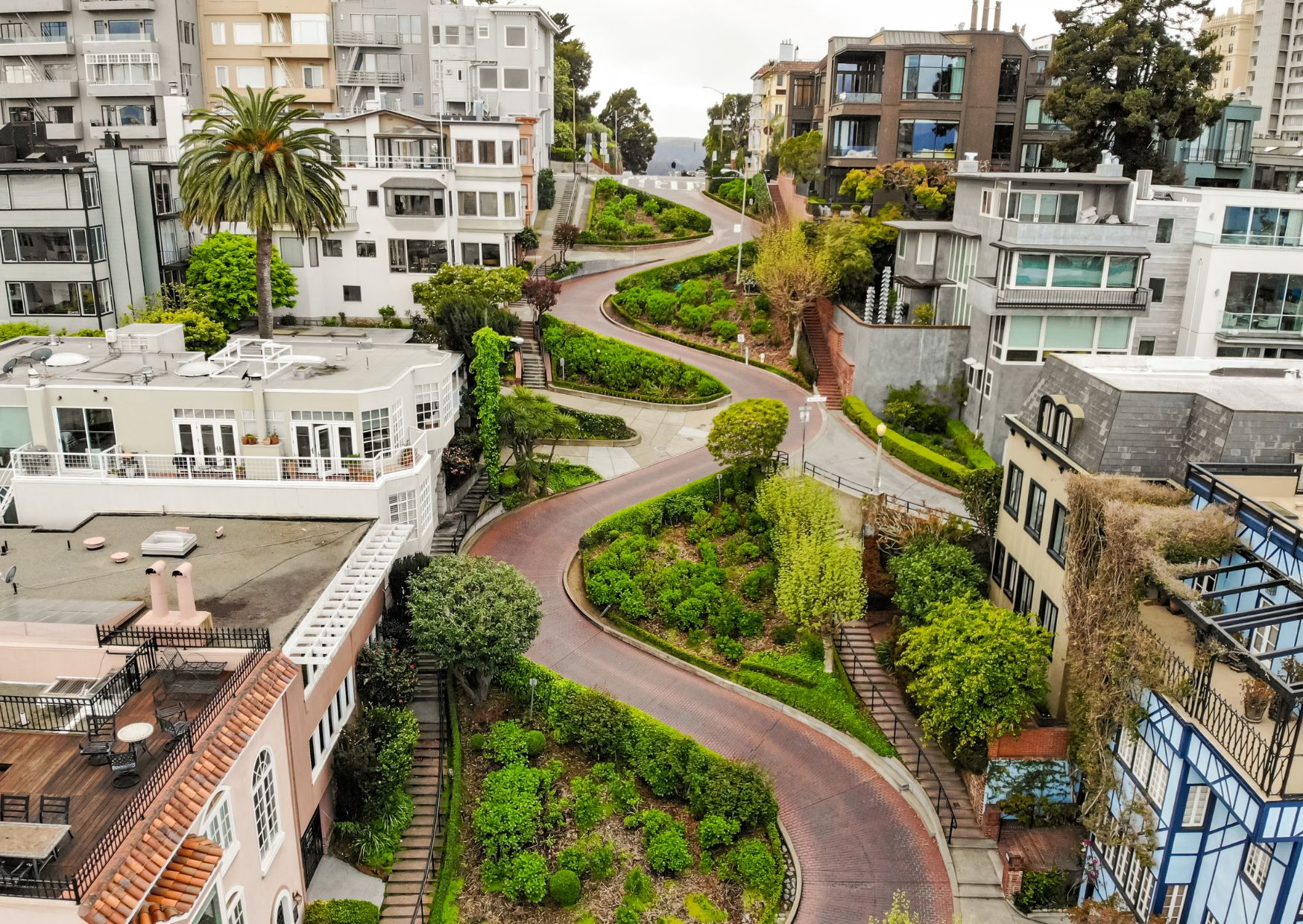
How it started:
Earth Day began in 1970 in the U.S. as a grassroots environmental movement, sparked by rising concerns about pollution, oil spills, and the state of the planet.
How it’s celebrated:
Tree plantings, cleanups, and sustainability fairs
Climate marches and environmental education in schools
Cities like San Francisco and Seattle host zero-waste festivals
Focus: Activism, education, and youth engagement
India: Where Nature is Sacred
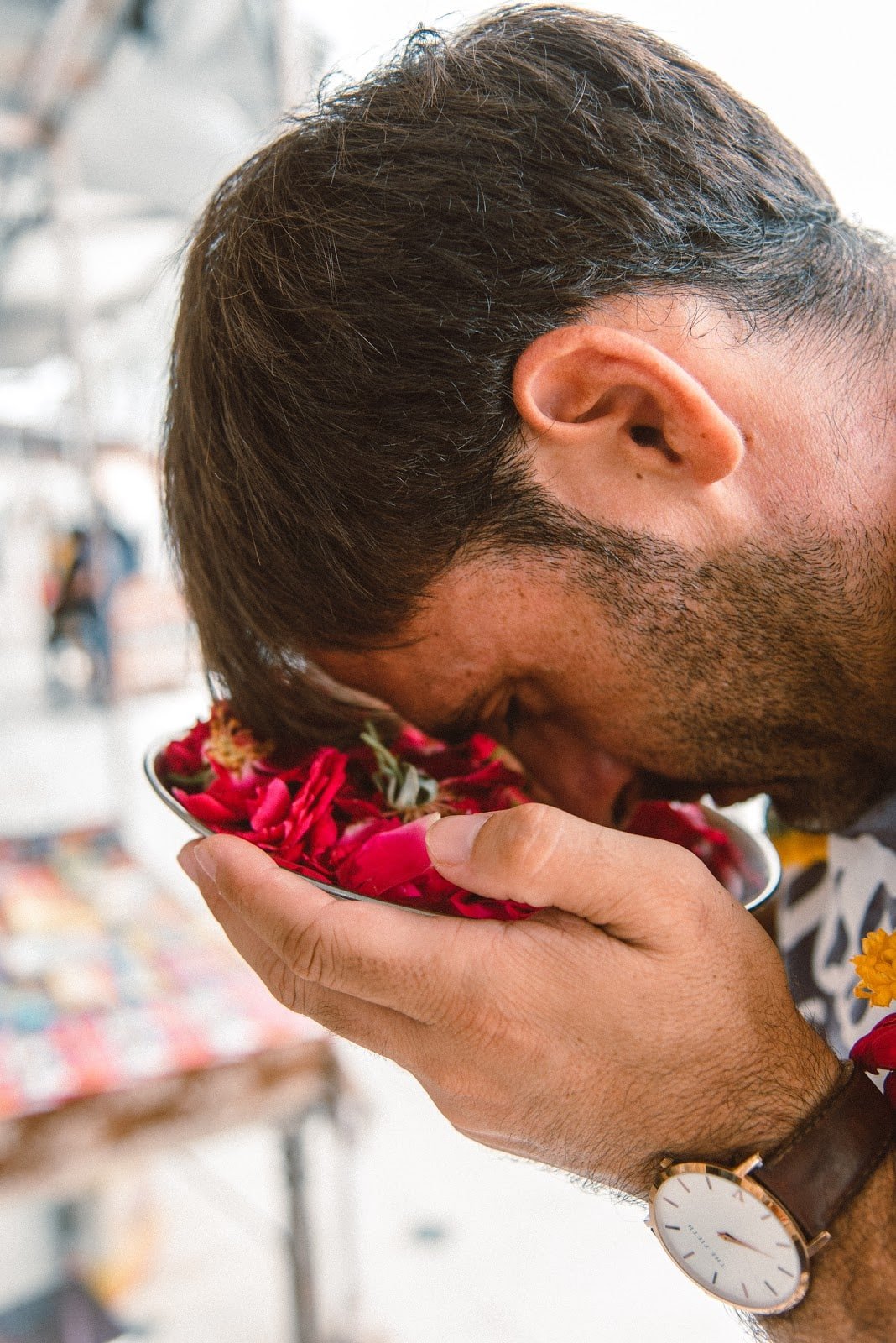
Ancient connection:
India’s relationship with the Earth is deeply spiritual—rivers, mountains, trees, and animals are revered in Hinduism, Jainism, Buddhism, and tribal traditions.
Earth Day today:
Schools and universities hold environmental rallies and workshops
Rural villages often combine Earth Day with community cleanups and water conservation efforts
Cities like Delhi and Bangalore organize eco-themed events
Focus: Blending tradition with modern eco-awareness
China: From Arbor Day to Eco-Cities
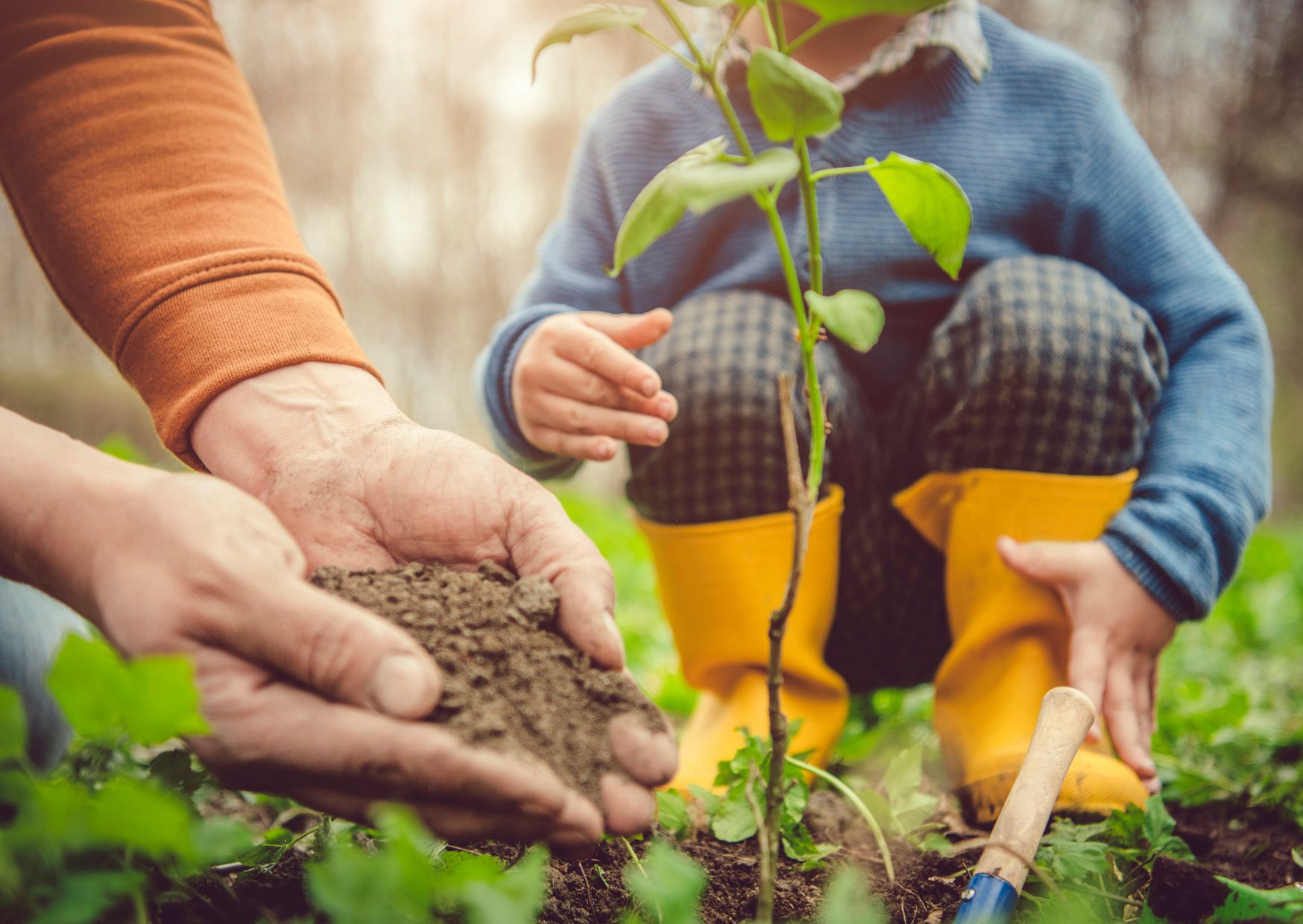
Cultural roots:
China celebrates Arbor Day (March 12) by planting millions of trees—part of a long-term government goal to fight desertification and restore forests.
Earth Day now:
Major cities hold public lectures and environmental exhibitions
National media promotes “ecological civilization” as part of China’s green development plan
Youth are increasingly active in climate change campaigns and sustainability startups
Focus: Urban greening, renewable energy, and eco-tech
Japan: Respect for Nature in Daily Life
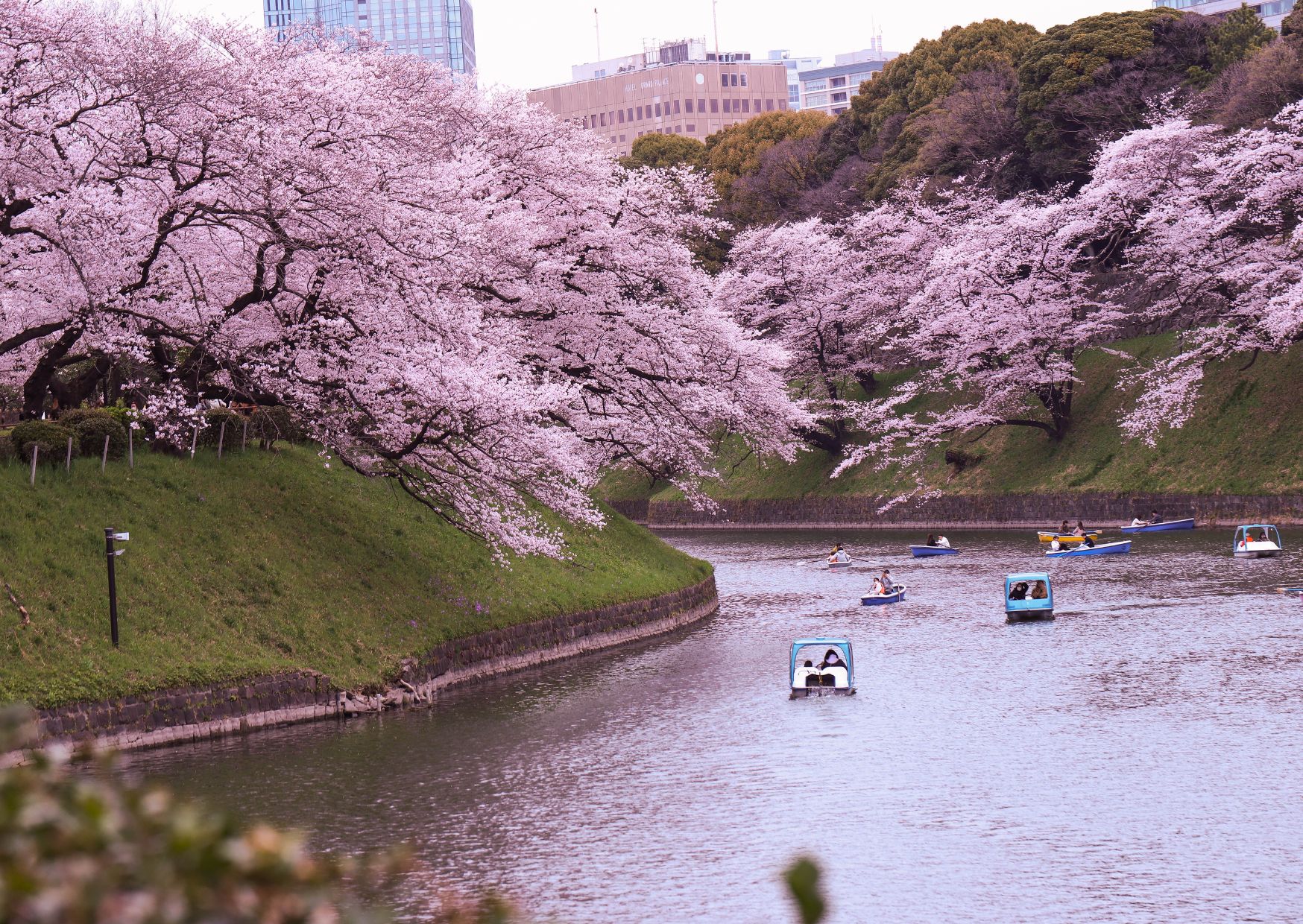
Cultural foundation:
Shintoism, Japan’s indigenous religion, teaches that spirits (kami) live in trees, rocks, and rivers. This reverence for nature is deeply ingrained.
Earth Day in Japan:
Celebrated as “Earth Day Tokyo”, with massive eco-festivals in Yoyogi Park
Features music, organic food markets, talks, and sustainable product showcases
Focus on zero-waste culture, recycling, and green tech
Focus: Harmony with nature through minimalism and mindfulness
Brazil: Fighting for the Amazon

Cultural and ecological hotspot:
As home to the Amazon rainforest, Brazil plays a crucial role in the Earth’s climate system—and its Indigenous tribes have long been stewards of biodiversity.
Earth Day efforts:
NGOs and Indigenous leaders use Earth Day to highlight deforestation and land rights
Schools and cities promote tree-planting, wildlife conservation, and river cleanups
Activists hold marches and digital campaigns to protect natural resources
Focus: Environmental justice and Indigenous leadership
Kenya: Planting Trees, Growing Awareness
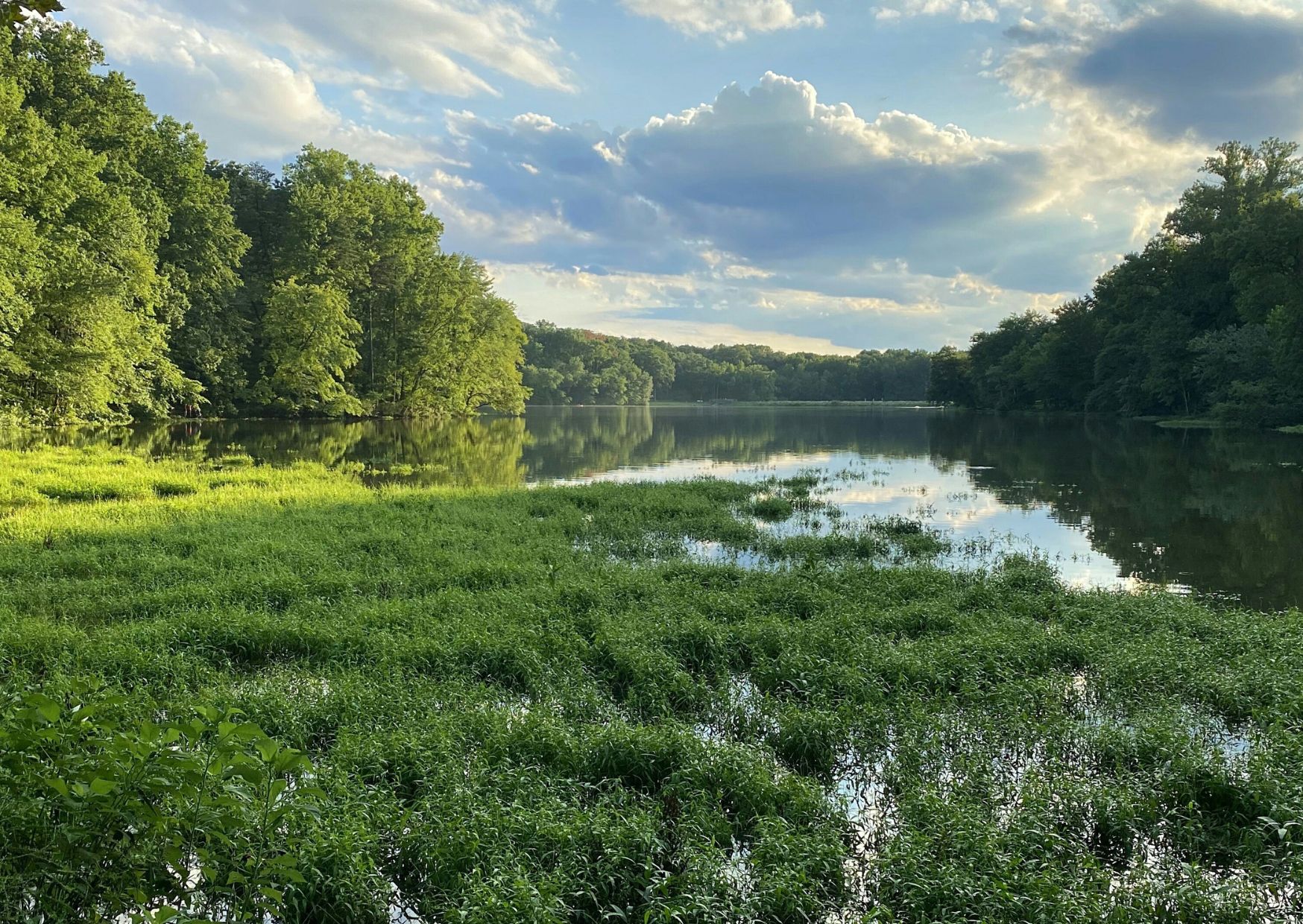
Legacy of Wangari Maathai:
Kenya’s Earth Day is influenced by the late Nobel Laureate and founder of the Green Belt Movement, which planted over 50 million trees and empowered women.
Earth Day in Kenya:
Massive tree-planting drives across the country
Community education on climate resilience and reforestation
Schools and NGOs organize eco-clubs and waste-reduction workshops
Focus: Reforestation and grassroots environmental empowerment
New Zealand: Maori Values Meet Modern Sustainability
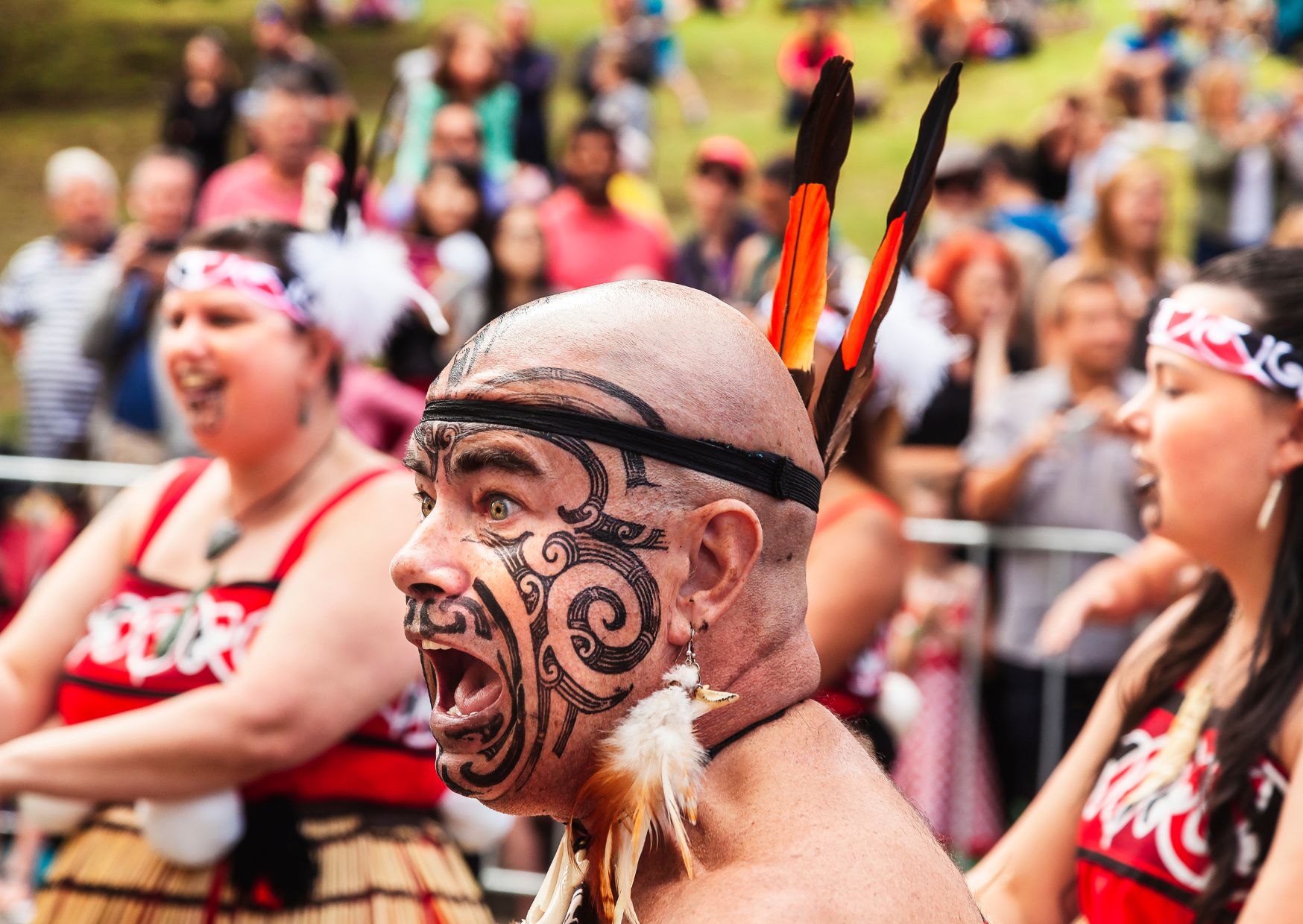
Indigenous wisdom:
The Maori concept of kaitiakitanga (guardianship of nature) inspires how many New Zealanders approach the environment.
Earth Day & beyond:
Events focus on clean rivers, native plant restoration, and ocean protection
Cultural celebrations integrate Maori practices and traditional knowledge
Eco-tourism operators highlight low-impact travel and biodiversity education
Focus: Blending Indigenous knowledge with contemporary conservation
Canada: Land, Forest, and Water Conservation

Deep connection to nature:
With vast wilderness and protected parks, many Canadians see nature as central to national identity.
Earth Day celebrations:
Public clean-up events, rewilding campaigns, and Earth Hour observances
Indigenous-led groups promote land restoration and decolonized climate solutions
Municipalities encourage urban greening, biking, and native gardens
Focus: Land stewardship, climate education, and Indigenous collaboration
Germany: Eco-Policy Meets Public Action

Green innovation:
Germany leads Europe in renewable energy and recycling systems, with strong support from citizens and government alike.
Earth Day traditions:
Eco-markets, bike tours, and “car-free days” in cities like Berlin
Activist groups (like Fridays for Future) host climate strikes and teach-ins
Schools emphasize climate science and sustainability projects
Focus: Systems-level solutions with citizen participation
Philippines: Climate Resilience and Community Action
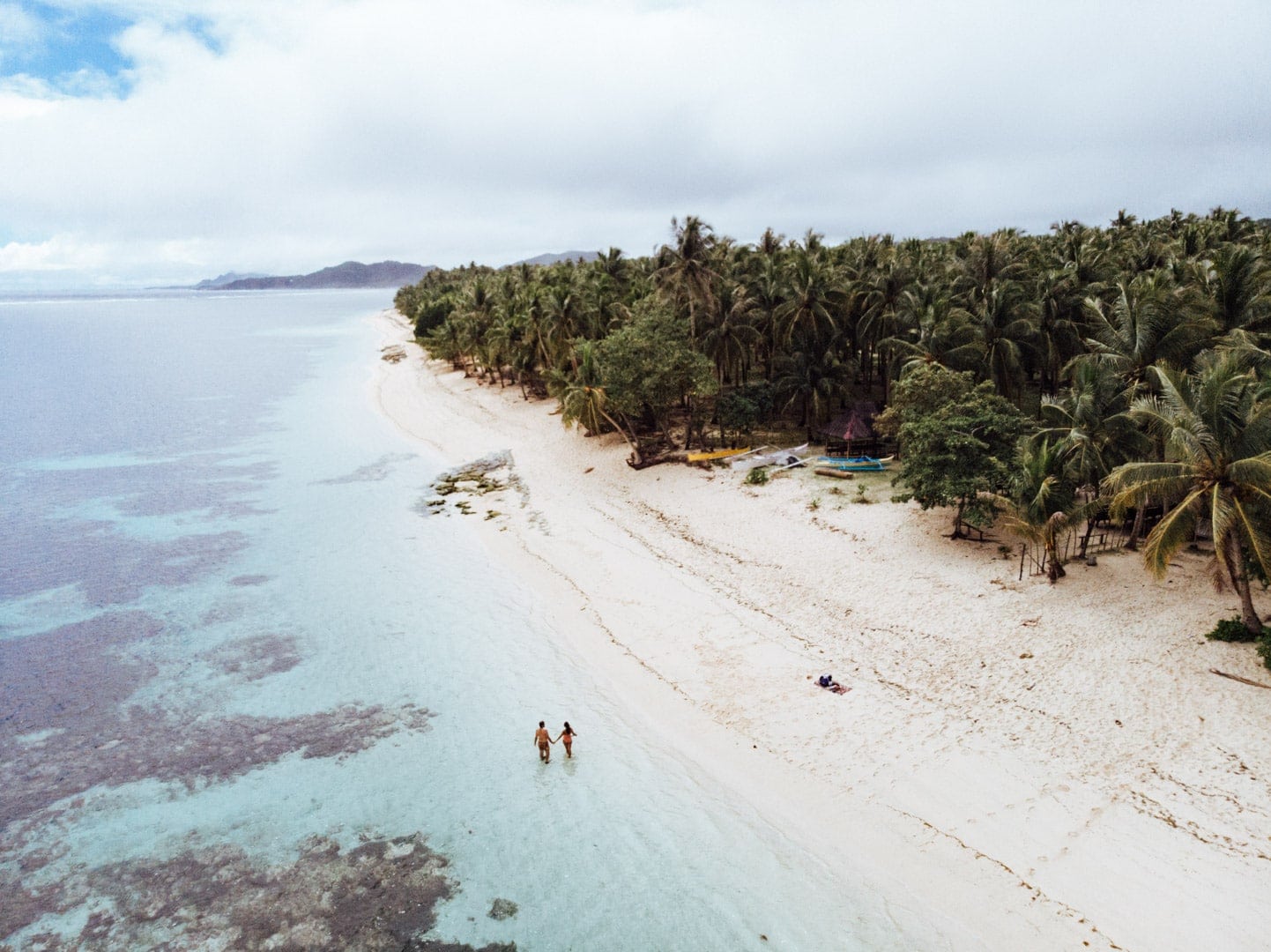
Vulnerability meets activism:
As one of the countries most affected by typhoons and rising seas, the Philippines has a powerful grassroots movement for climate justice.
Earth Day events:
Coastal cleanups, mangrove planting, and youth-led environmental forums
Local governments highlight disaster preparedness and waste reduction
Faith-based groups organize creation care activities linked to Earth Day
Focus: Climate adaptation, youth leadership, and coastal conservation
Final Thoughts: Earth Day Is Global—But Also Deeply Local
No two cultures celebrate Earth Day exactly the same—but they all share one message: this planet is precious, and protecting it is part of who we are. Whether through ancient rituals, modern policy, or community cleanups, the global effort to care for the Earth is more than just a trend—it’s a reflection of shared humanity.
Ways You Can Celebrate, Wherever You Are
Join or organize a local clean-up or tree planting
Support Indigenous land defenders and environmental NGOs
Reduce your footprint—travel light, eat local, waste less
Learn from another culture’s approach to environmental care
Simply spend time in nature and give back to it
Because Earth Day isn’t about perfection—it’s about participation.

About the Author: Ruben, co-founder of Gamintraveler.com since 2014, is a seasoned traveler from Spain who has explored over 100 countries since 2009. Known for his extensive travel adventures across South America, Europe, the US, Australia, New Zealand, Asia, and Africa, Ruben combines his passion for adventurous yet sustainable living with his love for cycling, highlighted by his remarkable 5-month bicycle journey from Spain to Norway. He currently resides in Spain, where he continues sharing his travel experiences with his partner, Rachel, and their son, Han.