
(And Why It’s the Cornerstone of a Diet Americans Still Misunderstand)
In the United States, the word “fat” is still treated like a warning sign. Grocery store labels scream “low-fat,” “fat-free,” or “reduced fat.” And many well-meaning diets still encourage people to cut out oils, butter, and full-fat ingredients in the name of heart health and weight loss.
But walk into a doctor’s office in Greece, Italy, or Spain, and you might be told something different something that would surprise most Americans.
Eat more olive oil.
Every day.
Sometimes by the spoonful.
It sounds reckless to anyone raised on 90s diet culture. But across the Mediterranean, this so-called “unhealthy” food is prescribed not just by tradition, but by physicians.
Here’s why Mediterranean doctors continue to recommend olive oil daily—and what Americans often misunderstand about fat, food, and health.
Want More Deep Dives into Everyday European Culture?
– Why Europeans Walk Everywhere (And Americans Should Too)
– How Europeans Actually Afford Living in Cities Without Six-Figure Salaries
– 9 ‘Luxury’ Items in America That Europeans Consider Basic Necessities
Quick & Easy Tips for Enjoying Mediterranean “Unhealthy” Foods Wisely
Use High-Quality Ingredients When indulging in items like cured meats, aged cheeses, or extra virgin olive oil, quality makes a big difference.
Keep Portions Modest — Mediterranean diets are all about moderation, so a little goes a long way.
Pair Rich Foods with Fresh, Plant-Based Dishes — Balance heavier ingredients with vegetables, legumes, or salads for a well-rounded meal.
Eat Slowly and Socially — Sharing meals and savoring food helps reduce overconsumption and enhances satisfaction.
Focus on Whole, Minimally Processed Foods — Even indulgent items are healthier when they’re natural and unprocessed.
One common misconception is that foods high in fat, salt, or calories should be avoided completely. Mediterranean doctors often encourage the inclusion of these foods in small amounts, emphasizing balance over elimination especially when they come from traditional sources like olives, nuts, or naturally cured meats.
Another debated belief is that modern diet rules are universally healthier than traditional eating habits. Mediterranean cultures show us that eating patterns sustained over centuries like moderate consumption of cheeses, olive oil, or even wine often lead to better health outcomes than trendy, restrictive diets.
Perhaps most surprising is the assumption that indulgent foods automatically harm your health. Mediterranean doctors recognize that small amounts of rich, flavorful foods can enhance well-being, promote heart health, and even contribute to mental wellness when enjoyed as part of a balanced, mindful diet.
1. It’s Not Just Allowed. It’s Essential.
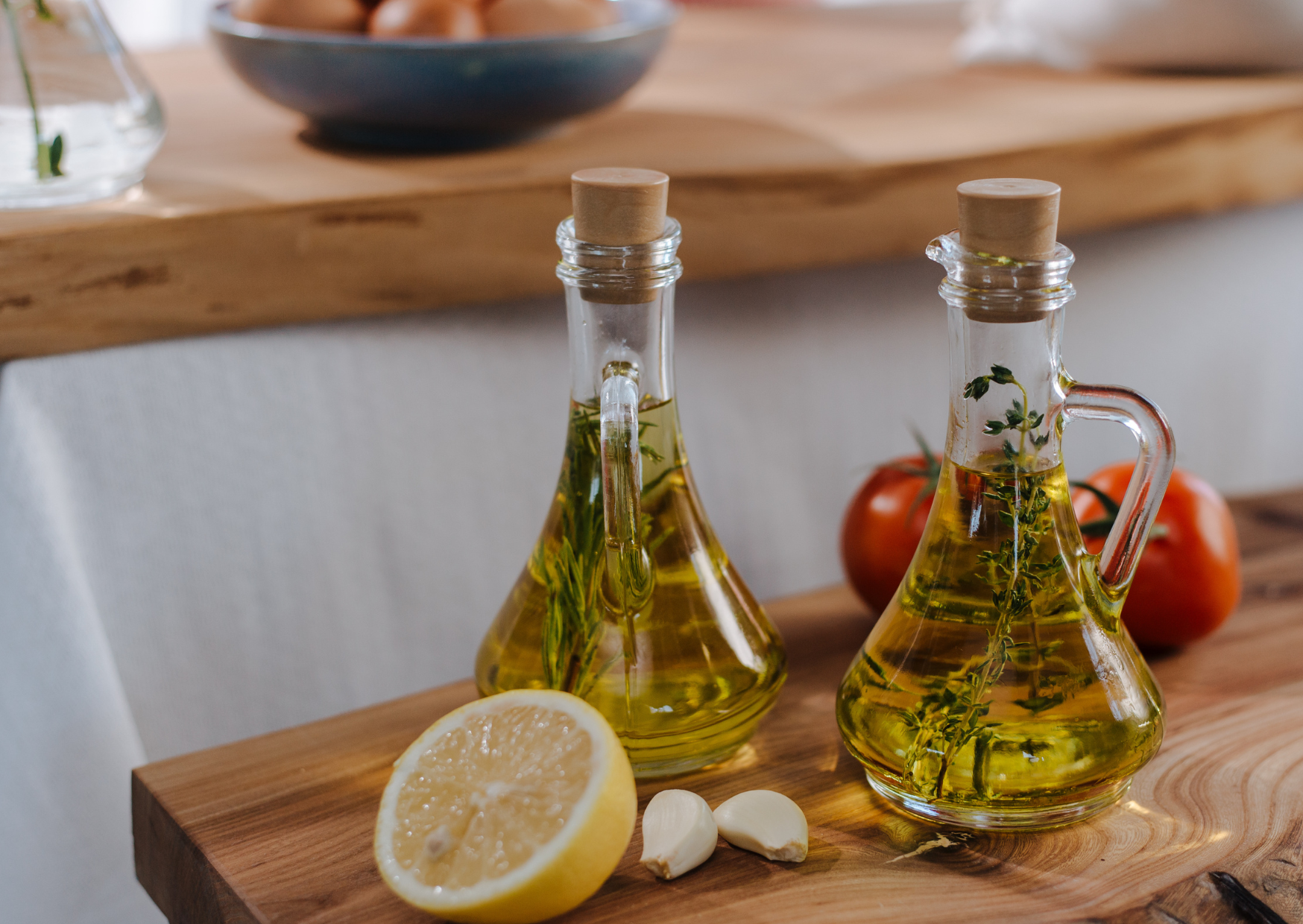
In much of the United States, olive oil is treated as a specialty product. It is used sparingly. A drizzle here, a touch there. It is something you “add,” not something you build meals around.
In Mediterranean countries, olive oil is not a condiment. It is the foundation.
- It is used in cooking, dressing, marinating, and finishing.
- It is consumed at nearly every meal.
- It is not measured by the teaspoon. It is poured generously.
Doctors and dietitians in the region rarely discourage this. In fact, many actively suggest increasing olive oil intake, especially as people age or manage inflammatory conditions.
2. It Supports Heart Health—Contrary to What Many Americans Were Told
One reason American doctors historically warned against fat is because it was believed to raise cholesterol and lead to heart disease. This logic lumped all fats together, without considering the difference between processed trans fats and natural unsaturated fats.
Olive oil is primarily made up of monounsaturated fats, which have been repeatedly shown to:
- Reduce LDL (bad) cholesterol
- Raise HDL (good) cholesterol
- Support healthy blood pressure
- Lower inflammation throughout the body
Mediterranean doctors point to these benefits with confidence. The science backs up what traditional diets have demonstrated for generations.
3. It’s Anti-Inflammatory—And Natural
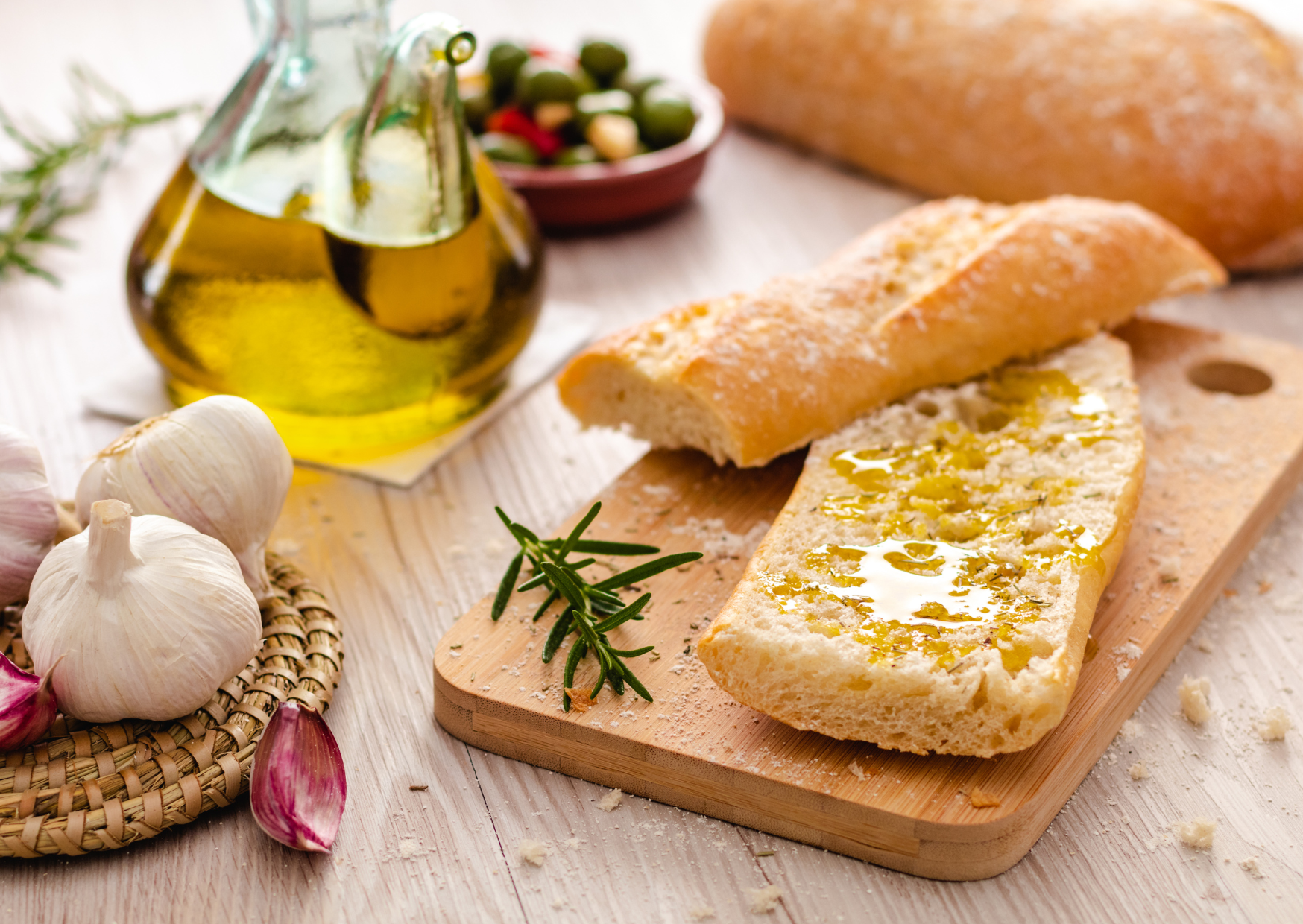
Many Americans reach for supplements and pills to combat chronic inflammation. Mediterranean cultures reach for olive oil.
- The polyphenols and antioxidants in extra virgin olive oil help reduce inflammation.
- It supports joint health, digestion, and immune response.
- It is used as both food and preventative care.
This is not seen as alternative medicine. It is considered basic, nutritional common sense. A tablespoon of good olive oil on your salad is viewed as far more beneficial than a low-fat dressing loaded with sugar and preservatives.
4. It Keeps You Full Without Weighing You Down
Fat is satiating. When you eat meals with enough natural fat, you stay full longer. Your blood sugar stays stable. You’re less likely to reach for snacks an hour later.
Mediterranean doctors understand this and encourage it.
- Olive oil helps regulate appetite in a natural way.
- Meals with healthy fats feel complete and deeply satisfying.
- People are less likely to overeat or binge later on.
This is in contrast to many American diets, which focus on cutting calories and fat but often backfire by creating constant hunger.
5. It Supports Cognitive Health Over Time
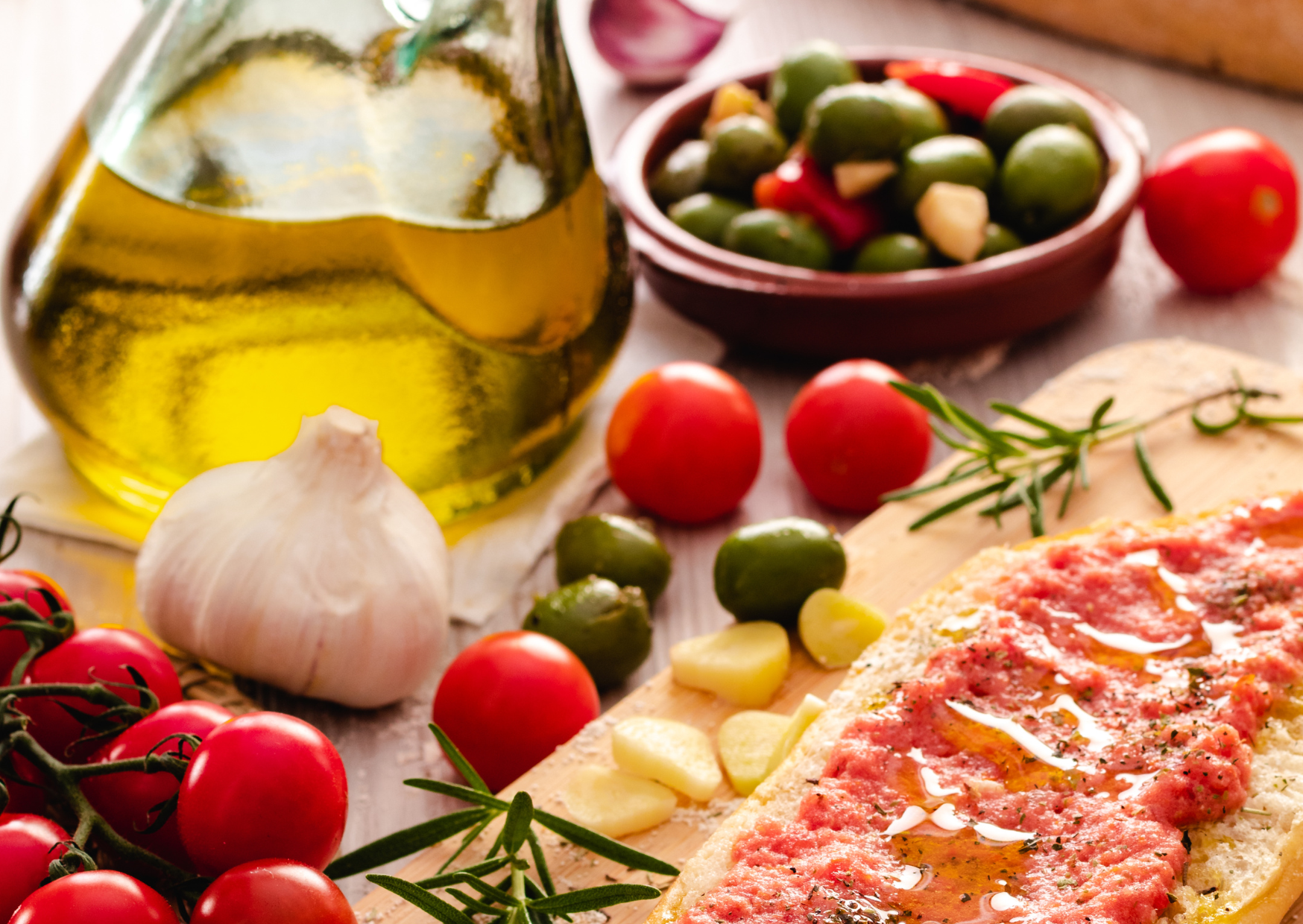
Emerging research continues to explore how olive oil affects brain function. Early findings are promising.
- The healthy fats and polyphenols in olive oil may help protect against age-related decline.
- It is now being studied for its potential role in lowering risk for Alzheimer’s and other neurodegenerative diseases.
- In cultures with high olive oil consumption, cognitive decline rates are lower.
Mediterranean doctors are already aware of this connection. They’ve been recommending it long before the studies began. Experience told them what research is only now beginning to confirm.
6. It Replaces More Harmful Cooking Fats
In the U.S., many people still cook with seed oils, margarine, or refined vegetable oils. These are often cheaper and widely available, but they’re also more processed and oxidize easily under heat.
In Mediterranean homes, olive oil is used for nearly everything.
- Sautéing vegetables
- Frying eggs
- Roasting meats
- Dressing pasta and salads
The result? A diet low in harmful trans fats and high in protective natural fats. No one is measuring tablespoons. They just use it like water.
7. It Connects People to Food, Not Labels
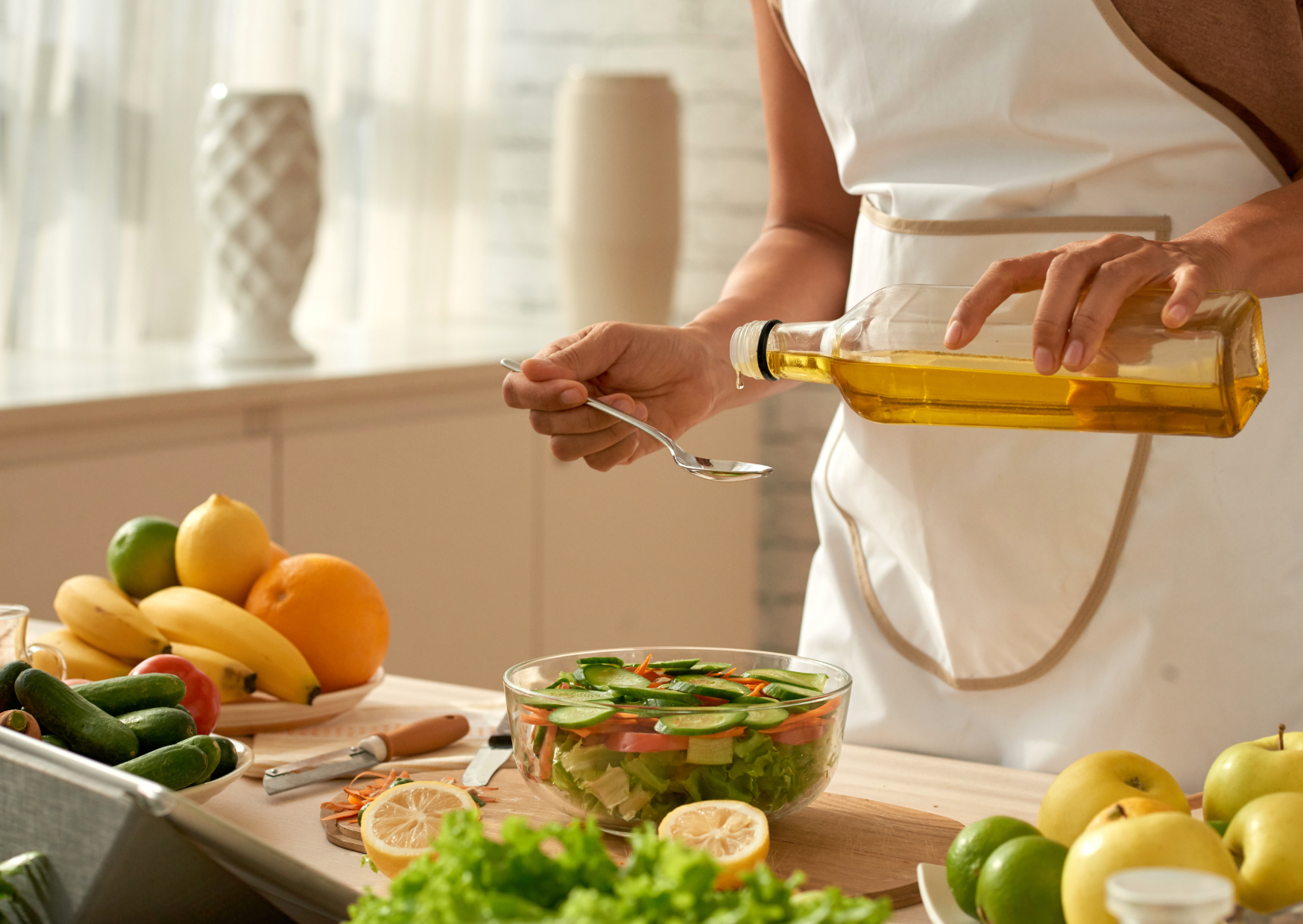
Americans often fixate on numbers—grams, percentages, points, macros. Eating becomes a performance of control.
Mediterranean cultures are less concerned with breaking down a food’s components and more focused on how that food makes them feel.
- Olive oil is not judged by its calorie content.
- It is judged by taste, aroma, origin, and freshness.
- People trust their bodies to tell them when they’ve had enough.
Doctors reinforce this. Food is something to be lived with, not obsessed over. Olive oil is not tracked. It is enjoyed—and respected for the health it brings.
8. It’s Usually Local and High Quality
In the Mediterranean, many people still know where their olive oil comes from. It might be from their region, their neighbor’s trees, or even their own family’s land.
That closeness matters.
- Extra virgin olive oil is freshest when consumed soon after pressing.
- It retains more of its antioxidants, flavor, and texture.
- It is seen not just as food, but as medicine from the land.
In contrast, many American store-bought olive oils are old, blended, or heat-treated—stripped of the very qualities that make them healthy in the first place.
Mediterranean doctors often stress this point. Not all olive oils are equal. The kind they recommend is real, raw, and rich.
9. It’s Part of a Bigger Picture of Health
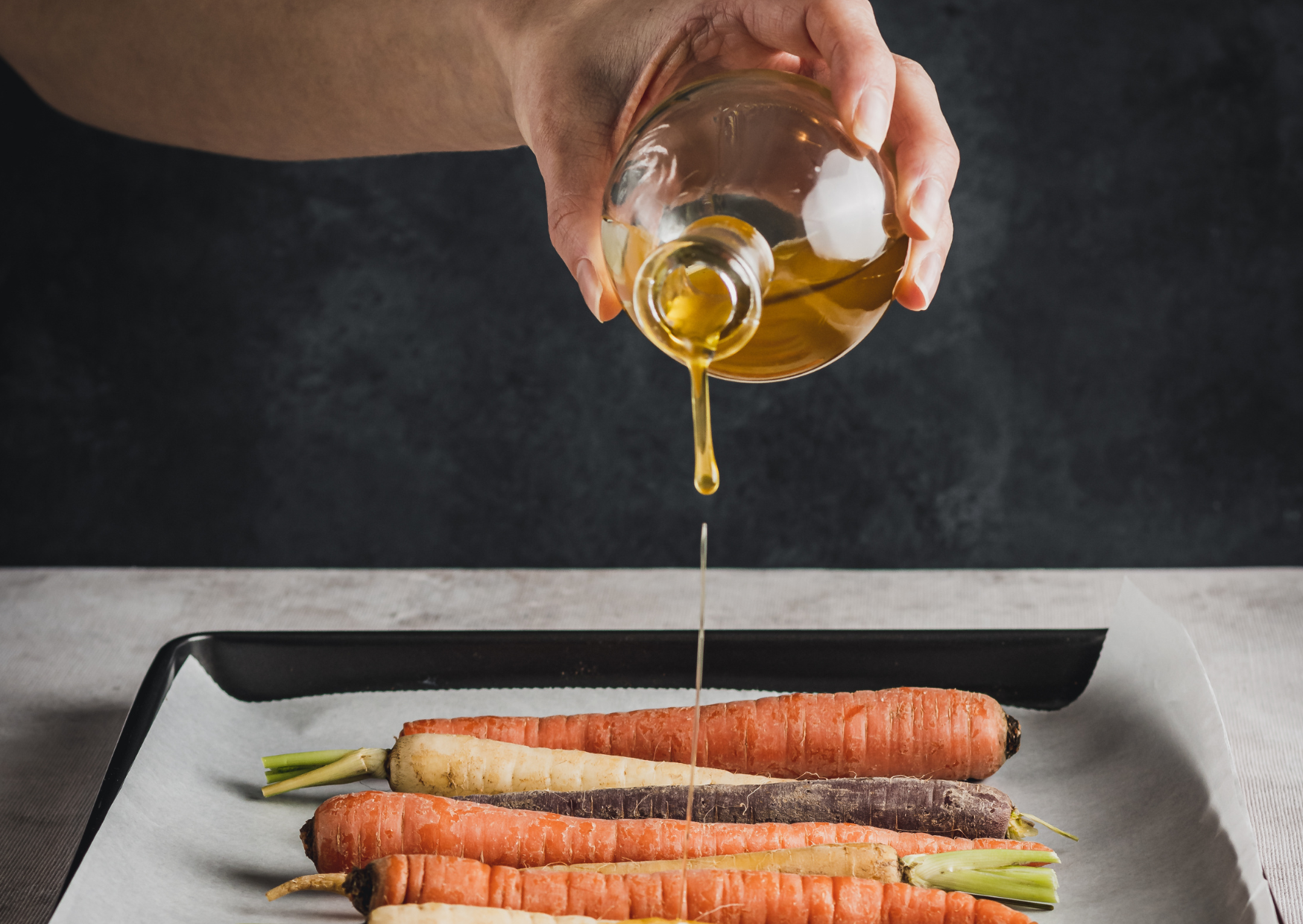
Mediterranean doctors do not isolate olive oil as a cure-all. They recommend it as part of a lifestyle—one that includes:
- Meals eaten slowly and socially
- Vegetables, legumes, and whole grains
- Moderate dairy, fresh herbs, and seasonal fruit
- Little processed food or sugar
- Daily walking and light movement
Olive oil is powerful, but it works best in the context of how the rest of the diet and daily rhythm supports it.
In short, it is not just what you eat. It is how you eat it.
Rethinking What Healthy Means
To many Americans, olive oil still triggers a feeling of hesitation. It is fat. It is rich. It is liquid calories. But in Mediterranean homes and hospitals, it is a daily staple recommended by nutritionists and doctors who have seen its benefits firsthand for generations.
It is time to rethink what “unhealthy” really means. Maybe it is not about fat content. Maybe it is about what that food does in your body, how it fits into your day, and how it helps you feel afterward.
The Mediterranean approach is not about avoiding fat. It is about choosing the right one, using it well, and letting it bring depth and nourishment to every bite.
So if you are still skipping olive oil in favor of something “lighter,” maybe it is time to borrow from the world’s healthiest diet and pour a little more of it into your daily life. No guilt. No measuring. Just a return to what people have known for centuries some things are rich for a reason.

About the Author: Ruben, co-founder of Gamintraveler.com since 2014, is a seasoned traveler from Spain who has explored over 100 countries since 2009. Known for his extensive travel adventures across South America, Europe, the US, Australia, New Zealand, Asia, and Africa, Ruben combines his passion for adventurous yet sustainable living with his love for cycling, highlighted by his remarkable 5-month bicycle journey from Spain to Norway. He currently resides in Spain, where he continues sharing his travel experiences with his partner, Rachel, and their son, Han.