
There is lasagna, and then there is Nonna’s lasagna. Anyone who has been lucky enough to grow up with an Italian grandmother knows the difference. Her lasagna is not just layers of pasta, sauce, and cheese; it is layers of love, patience, and tradition, each bite carrying memories of Sunday family lunches and kitchen tables filled with flour-dusted laughter.
While many think of lasagna as a heavy restaurant dish drenched in ricotta and mozzarella, traditional homemade lasagna, especially in Northern Italy, is a carefully balanced masterpiece. Fresh pasta sheets are layered with slow-cooked ragù, creamy béchamel, and grated Parmigiano-Reggiano, baked until golden and bubbling. The smell alone is enough to transport you to an Italian kitchen filled with warmth, stories, and anticipation.
In this recipe guide, you’ll learn how to make Nonna’s classic lasagna, with tips passed down through generations to achieve the perfect balance of sauce, pasta, and cheese. Whether you’re cooking for a holiday feast or just want to recreate the magic of Italy at home, this recipe will become a cherished part of your kitchen traditions.
Read here the best Italian food, vegetarian food in Italy, best drinks in Italy and best breakfast in Italy
Why Lasagna is the Heart of an Italian Kitchen
In Italy, food isn’t just nourishment—it’s a ritual, a family story, a legacy. Lasagna, perhaps more than any other dish, symbolizes gathering, celebration, and the warmth of home. For many Italians, the memory of a grandmother (Nonna) in the kitchen, rolling pasta by hand and simmering sauce for hours, is at the core of family life.
Each region (and each Nonna!) has her version. In Emilia-Romagna, it’s rich with ragù alla Bolognese and béchamel. In Naples, you might find meatballs, ricotta, and hard-boiled eggs between the layers. What’s constant? It’s homemade. It’s hearty. And it’s full of soul.
Best Time to Eat and How to Partner
Lasagna is traditionally enjoyed as a Sunday lunch or festive dinner, especially during family gatherings, Christmas, or Easter celebrations. It is served as a primo piatto (first course) before meat or fish, though in many Italian-American homes it stands proudly as the main event.
To partner lasagna authentically, serve it with a simple mixed green salad tossed in olive oil and lemon juice, warm crusty bread or garlic focaccia, and a glass of full-bodied Italian red wine like Chianti Classico or Barbera d’Alba. Finish the meal with a light dessert such as lemon sorbet or espresso with amaretti biscuits to refresh the palate after this rich and satisfying dish.
One controversial truth about lasagna is the difference between Italian and Italian-American versions. In Italy, especially in Emilia-Romagna, ricotta and mozzarella are rarely used. Instead, the dish is layered with ragù and béchamel for creaminess, while in America, heavy layers of ricotta and mozzarella create a wetter, cheesier lasagna that is considered unbalanced by Italian cooks.
Another often misunderstood aspect is the pasta itself. Many home cooks use boxed dried lasagna noodles without realizing that fresh egg pasta sheets are essential for authentic lasagna. Fresh sheets absorb the sauce and bake into tender, melt-in-your-mouth layers, while dried noodles often remain too firm or become mushy when overcooked.
Finally, while lasagna is now seen globally as an indulgent comfort food, in Italy it is also a dish of patience, skill, and respect. Rushing ragù, skipping béchamel, or buying pre-made sauces is almost sacrilegious to Nonnas, who know that great lasagna requires hours of slow preparation. It is not just dinner; it is an act of love, time, and family tradition passed from one generation to the next.
Lasagna Ingredients (Serves 6–8 generously)
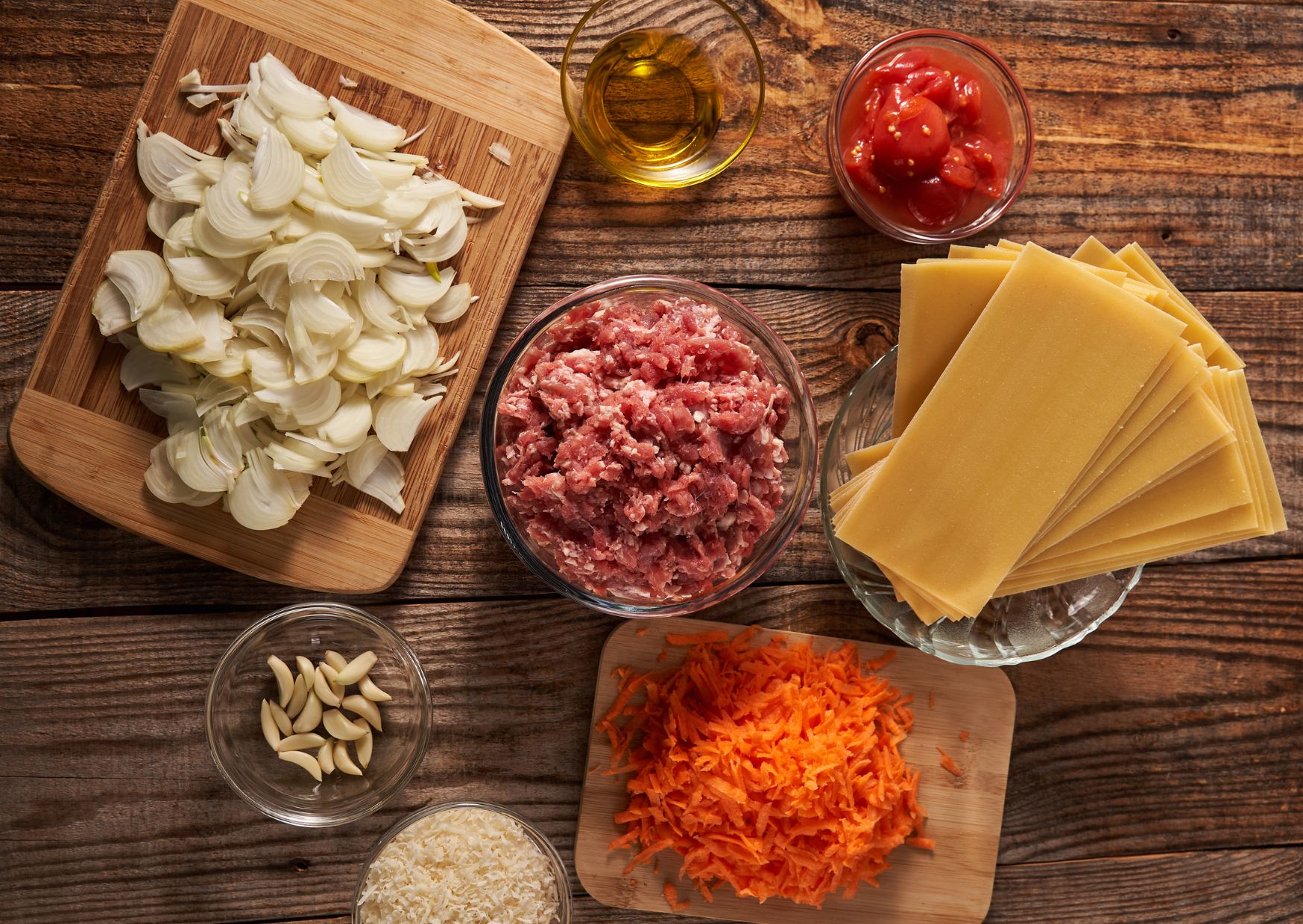
For the Ragù alla Bolognese:
2 tablespoons olive oil
1 medium onion, finely chopped
1 carrot, finely chopped
1 celery stalk, finely chopped
2 cloves garlic, minced
1 lb ground beef (or mix of beef and pork)
1/2 cup red wine
2 tablespoons tomato paste
1 (28 oz) can crushed tomatoes
Salt, pepper, and a pinch of nutmeg
Optional: 1/4 cup whole milk or cream (added at the end for richness)
For the Béchamel Sauce:
4 tablespoons unsalted butter
4 tablespoons all-purpose flour
3 ½ cups whole milk, warmed
Salt, white pepper, pinch of nutmeg
For the Pasta & Assembly:
9–12 lasagna sheets (fresh or dried, boiled until al dente if not no-boil)
2 cups grated mozzarella
1 cup freshly grated Parmigiano-Reggiano
Optional: ricotta for a creamier Southern-style version
Extra butter for dotting on top
Lasagna Step-by-Step Instructions (Nonna Style)
Make the Ragù
Heat oil in a large pot. Sauté onion, carrot, and celery (the soffritto) until soft.
Add garlic, then meat. Brown until fully cooked.
Deglaze with wine, simmer until mostly evaporated.
Stir in tomato paste and crushed tomatoes. Season.
Simmer gently for 1.5–2 hours, stirring occasionally. Add milk at the end for smoothness.
Nonna’s Tip: “The sauce must pippiare—barely bubble—for the best flavor.”
Prepare the Béchamel
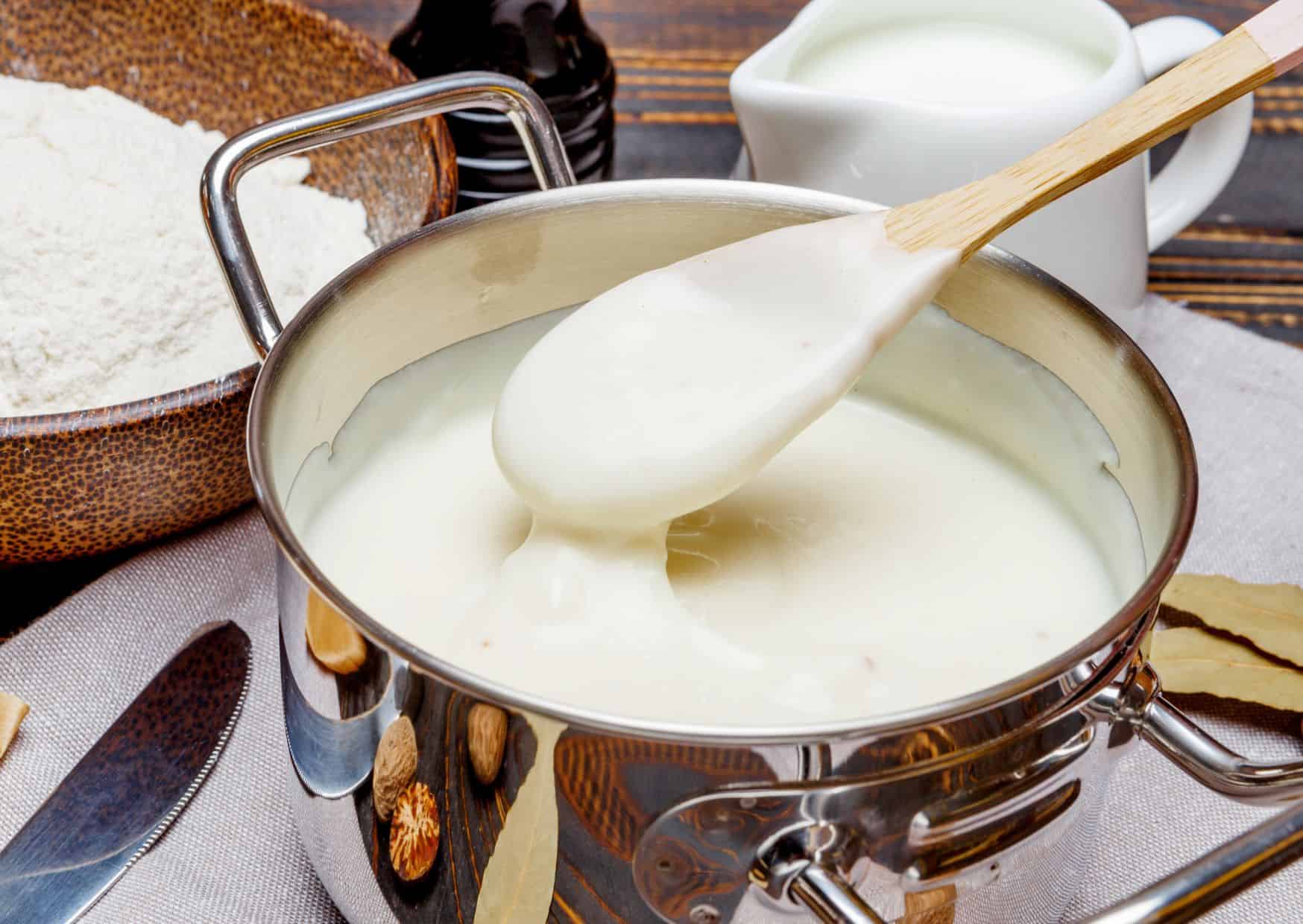
Melt butter in a saucepan. Whisk in flour and cook 1–2 minutes.
Slowly whisk in warm milk. Cook until thickened.
Season with salt, white pepper, and a pinch of nutmeg. Set aside.
Nonna’s Tip: “Stir constantly. No lumps. A smooth béchamel is the key to elegance.”
Cook the Pasta (if needed)
Boil lasagna sheets in salted water until al dente.
Lay flat on towels or parchment paper to prevent sticking.
Layer the Lasagna
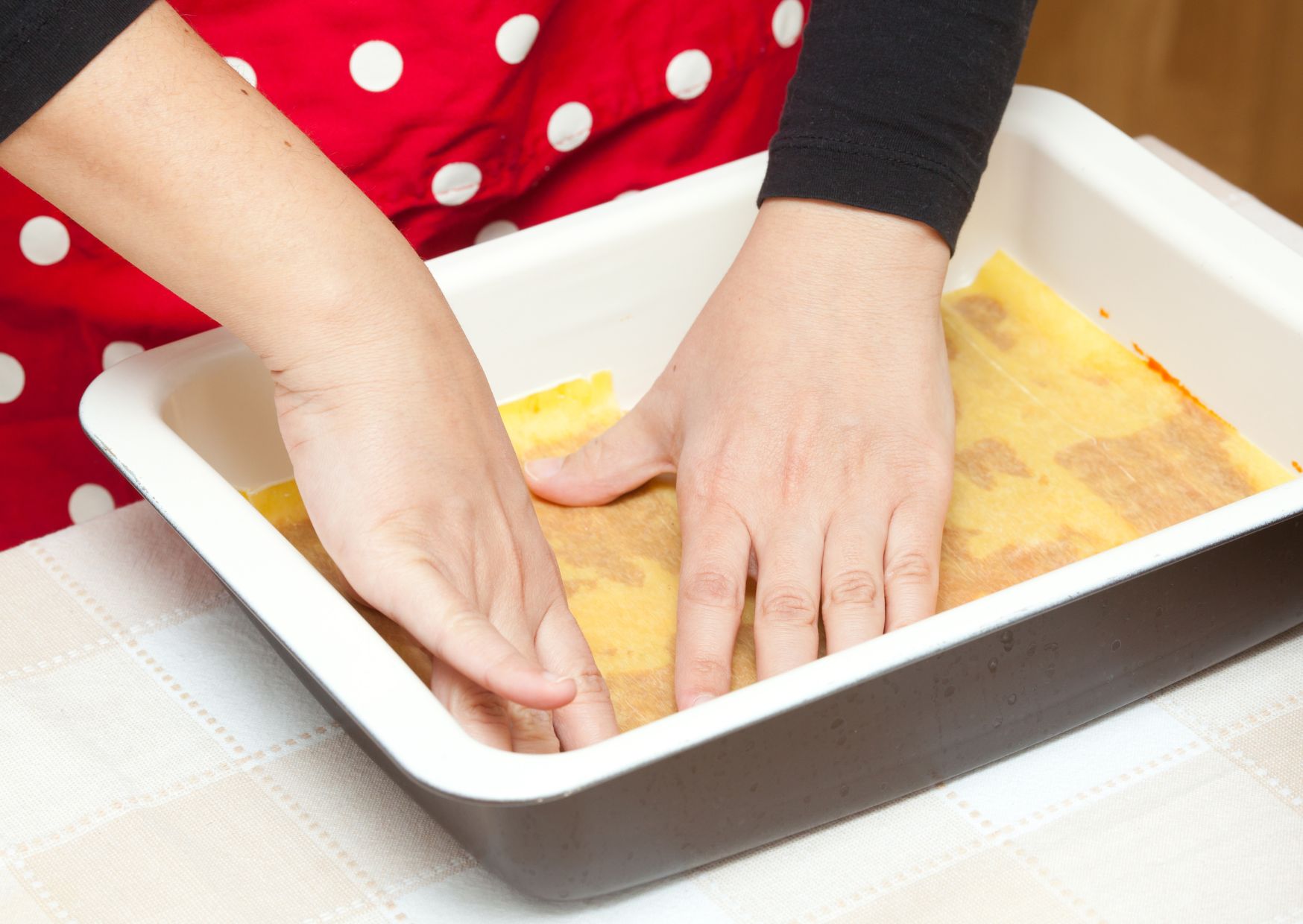
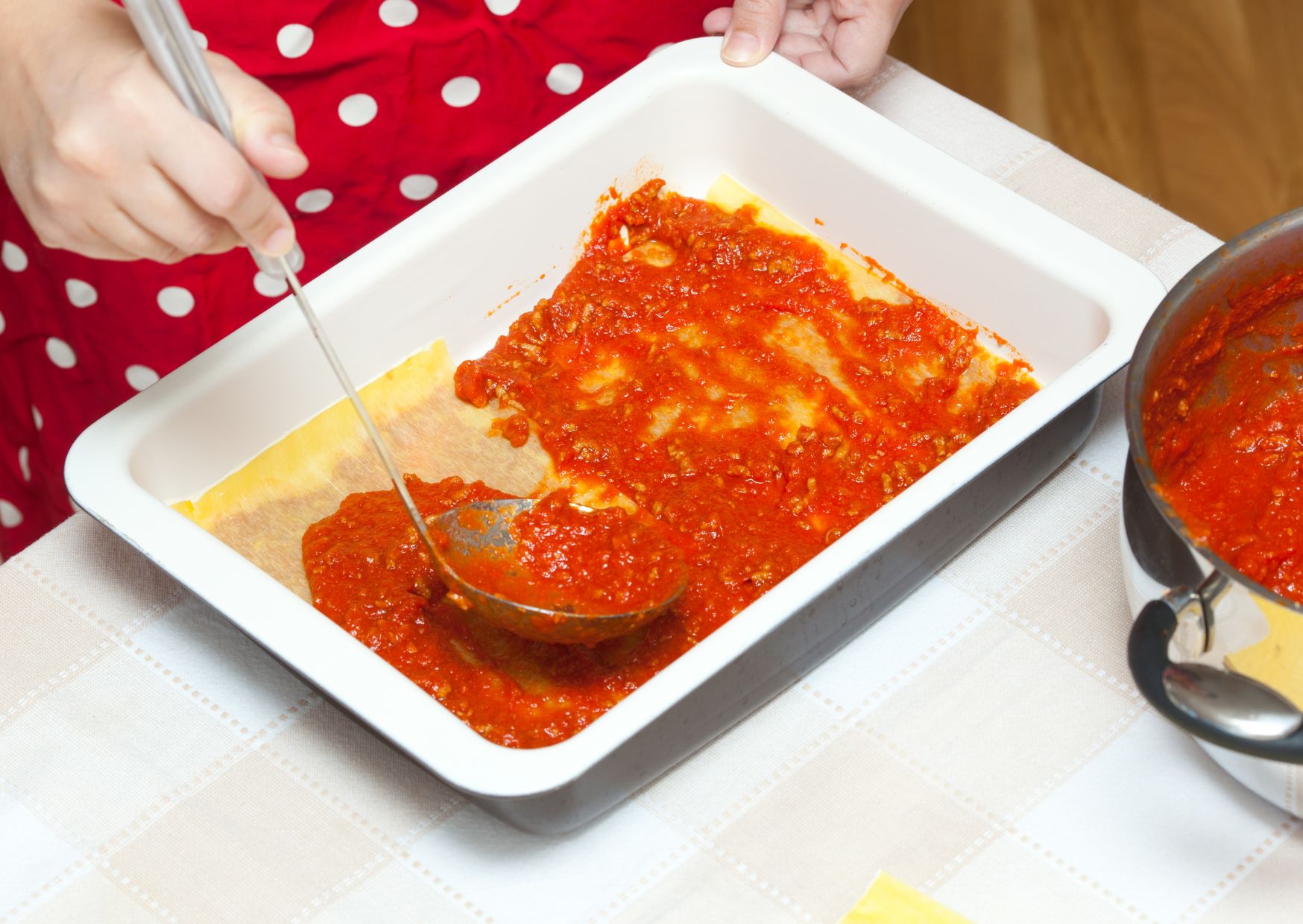
In a buttered 9×13” baking dish:
Thin layer of ragù
Lasagna sheets
Spoonfuls of ragù + béchamel
Sprinkle mozzarella & Parmesan
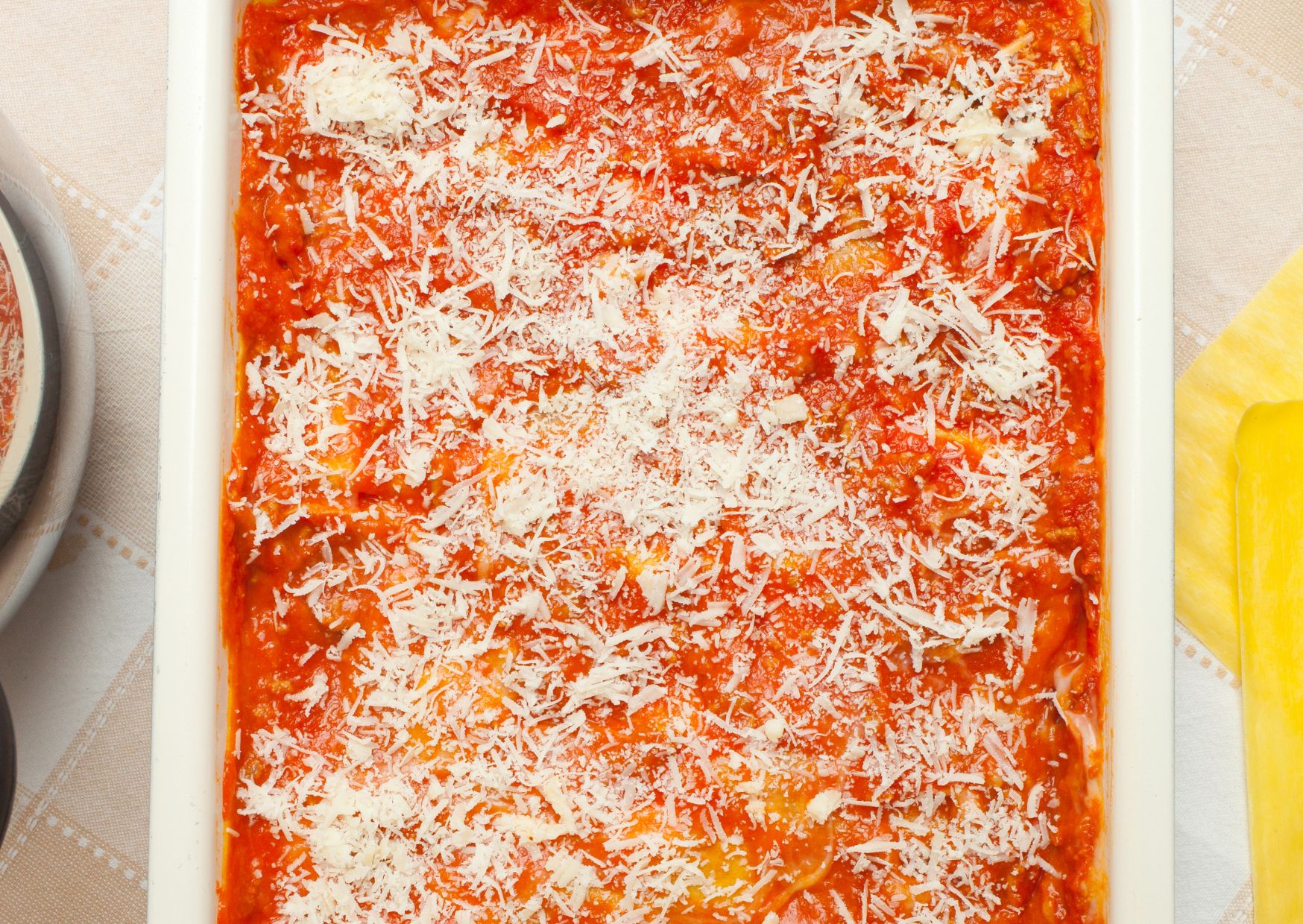
Repeat 3–4 layers, finishing with béchamel and cheese
Nonna’s Tip: “End with béchamel and Parmigiano—it makes a golden top.”
Bake
Cover loosely with foil. Bake at 375°F (190°C) for 25 minutes.
Uncover and bake 15–20 more minutes, until bubbling and golden.
Let rest 15 minutes before slicing.
What to Serve With It
Simple green salad with lemon-olive oil dressing
A glass of Chianti or Barbera
Crusty Italian bread for scooping every last bit
Nonna’s Favorite Variations
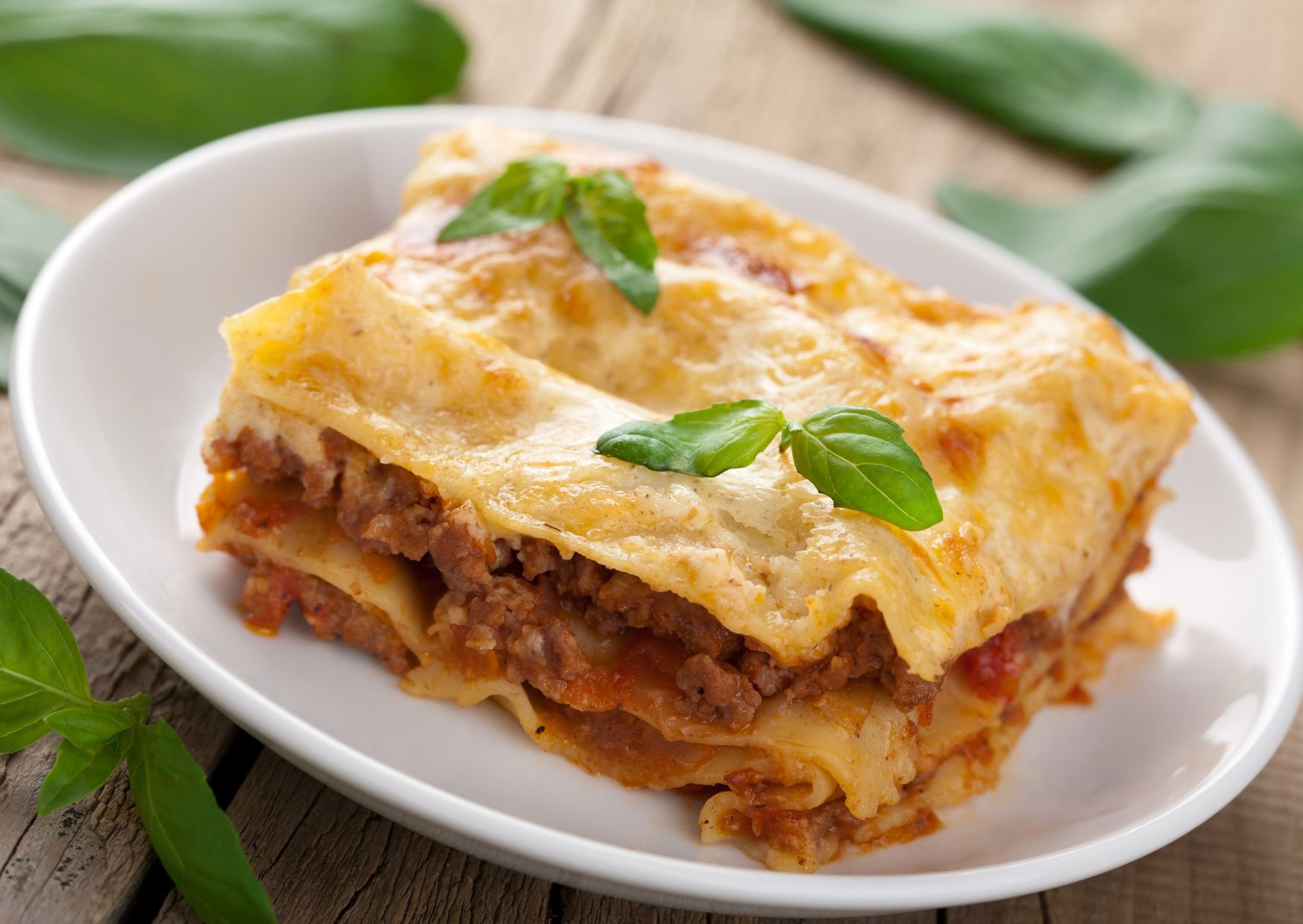
With Spinach Pasta: Use green spinach lasagna sheets (common in Bologna).
With Ricotta: Add dollops of seasoned ricotta between layers (popular in Southern Italy).
Meatless: Use mushroom ragù or roasted vegetables for a vegetarian version.
Nutrition Info (Per Serving – Approx. 1/8 of tray):
Calories: ~480
Protein: 25g
Fat: 28g
Carbs: 30g
Sodium: ~580mg
Origin and History
Lasagna traces its origins to ancient Roman cooking traditions, where layered dishes of pasta sheets and fillings appeared in early texts describing banquets and noble feasts. The name is believed to come from “lasanum,” a Latin word for cooking pot, which passed through Greek influence before becoming part of Italian culinary language. Over centuries, the simple layered concept evolved through regional preferences, local ingredients, and kitchen techniques carried from one generation to the next. Each area shaped its own version based on what was available and what the climate allowed.
By the Middle Ages, lasagna became deeply rooted in Italian home cooking. Bologna popularized the rich combination of meat ragù, béchamel sauce, and freshly rolled pasta, creating the foundation most people recognize today. Unlike restaurant variations, the dish remained a household ritual, with each step completed by hand: kneading the dough, simmering the ragù for hours, and layering ingredients with measured precision. As families preserved these methods inside the home rather than in commercial settings, lasagna developed a reputation as a dish defined by patience rather than speed.
The tradition of Nonna’s lasagna grew during the twentieth century as migration carried Italian cooking abroad. Families who left Italy brought recipes that represented their heritage, adapting them to local ingredients while defending their authenticity. While restaurants attempted to recreate the dish through larger batches and faster techniques, the home version retained its quality through small-scale preparation. The recipe became a symbol of family identity, handed down from grandmother to grandchild, often without written measurements. In that transfer, lasagna remained a cultural treasure shaped by memory, not manufacturing.
One of the strongest controversies surrounding lasagna is the debate between homemade and restaurant preparation. Many Italians believe that no restaurant can compete because the dish does not scale easily. Long simmering times, fresh pasta sheets, and layered resting create textures that commercial kitchens struggle to replicate under time constraints. Critics argue that restaurants rely on shortcuts, such as pre-cooked pasta or mass-prepared sauces, which change the character of the dish. Supporters of restaurant versions claim modern kitchens can produce equal quality through advanced tools, though purists disagree.
Another dispute concerns ingredients. Traditionalists insist that authentic lasagna requires specific components: hand-rolled egg pasta, slowly cooked ragù, and real Parmigiano Reggiano. Some cooks abroad use mozzarella, short cooking times, or alternative cheeses to save time or cost. Italian families often view these substitutions as compromises that strip the dish of its original identity. Others argue that adaptation is part of culinary evolution, especially outside Italy where certain ingredients may not be available. The debate reflects values tied to heritage preservation and culinary creativity.
The idea of a “secret recipe” also creates controversy. Many Nonnas do not follow written instructions, relying instead on instinct developed through repetition. This makes it difficult for restaurants to reproduce the dish with exact consistency, especially when each family’s version differs slightly. Some argue that this secrecy keeps lasagna culturally exclusive, while others see it as a form of culinary intimacy: preserving tradition through personal teaching rather than public publication. The disagreement highlights how Italian cooking blends emotion, memory, and technique.
How Long It Takes to Prepare
Making lasagna in the style of an Italian Nonna typically requires a full day, though much of the time is spent waiting rather than working. The ragù alone can take three to four hours to simmer, developing depth and softness that cannot be achieved quickly. During this time, the sauce matures, the flavors blend, and the meat becomes tender enough to integrate into layers without resistance. Nonna’s method views time as an ingredient rather than an inconvenience, embracing slow cooking as part of the dish’s soul.
Preparing the pasta dough adds another layer of commitment. Mixing flour and eggs, kneading until elastic, and resting the dough for thirty minutes ensures proper texture. Rolling by hand requires patience to achieve thin, even sheets. Some families use small machines to assist, but the principle remains the same: the pasta must support the sauce without overwhelming it. Once the sheets are prepared, they are briefly blanched and dried, ready to be layered with ragù and béchamel.
Assembly and baking demand attention to detail. The layers must be balanced so no single component dominates. After baking, a resting period of forty minutes allows the lasagna to settle, creating clean slices. This final stage is often ignored in restaurant settings, where dishes are served immediately. At home, the rest is respected because it defines structure and texture. From start to finish, a classic lasagna can take six to eight hours, though some Nonnas prepare components the day before to ease the workload.
Serving Suggestions
Nonna’s lasagna is served simply, without heavy side dishes. In many Italian households, it appears as the centerpiece of a weekend lunch, accompanied by a small salad of seasonal greens dressed with oil and vinegar. Wine is chosen with restraint, often a medium-bodied red that matches the richness of the ragù. The principle is to let the flavors of the lasagna speak for themselves rather than overwhelm them with additional dishes. Hospitality is expressed through quality, not abundance.
Leftovers are treated as a gift rather than an afterthought. Lasagna improves with time as the flavors settle further overnight. Families often enjoy it the next day either warmed in an oven or served at room temperature. This quality reflects the careful balance that comes from slow cooking and patient assembly. The dish becomes part of the household rhythm across multiple meals rather than a single event.
For gatherings, lasagna pairs well with traditional accompaniments: roasted vegetables, crusty bread, or antipasti prepared earlier in the day. Serving the dish in wide slices rather than thin portions reflects its role as a centerpiece rather than a complement. The atmosphere around the table emphasizes conversation, family stories, and unhurried enjoyment. Lasagna is not fast food—it is a shared moment defined by time and connection.
Final Thoughts
Nonna’s lasagna stands apart from restaurant versions because it represents more than a recipe. It carries inherited knowledge, personal adaptation, and emotional meaning built over decades. The dish does not rely on secret ingredients so much as practiced intuition, where small details are adjusted by taste and touch rather than timers. This approach makes it difficult for professional kitchens to recreate the same experience, no matter how skilled the chef may be. The difference comes from intention, not only technique.
The controversy between homemade and restaurant lasagna reveals differing philosophies in cooking. Restaurants seek consistency and speed, while Italian homes embrace variation and patience. One approach values efficiency; the other values legacy. Neither is inferior, but they produce different results. The home kitchen keeps traditions alive through repetition anchored in family identity. That makes Nonna’s lasagna more than a dish—it is a living memory attached to people and places.
Ultimately, the reason no restaurant can compete with Nonna’s lasagna is that restaurants cannot replicate the environment where the dish was born. A family kitchen carries stories, habits, and a sense of belonging that becomes part of the food itself. When a Nonna cooks, she is not following instructions; she is sharing history. The flavors express a lifetime of learning rather than a recipe printed on a menu. That is why each bite feels richer: it is shaped by heritage, patience, and love woven into every layer.

About the Author: Ruben, co-founder of Gamintraveler.com since 2014, is a seasoned traveler from Spain who has explored over 100 countries since 2009. Known for his extensive travel adventures across South America, Europe, the US, Australia, New Zealand, Asia, and Africa, Ruben combines his passion for adventurous yet sustainable living with his love for cycling, highlighted by his remarkable 5-month bicycle journey from Spain to Norway. He currently resides in Spain, where he continues sharing his travel experiences with his partner, Rachel, and their son, Han.