
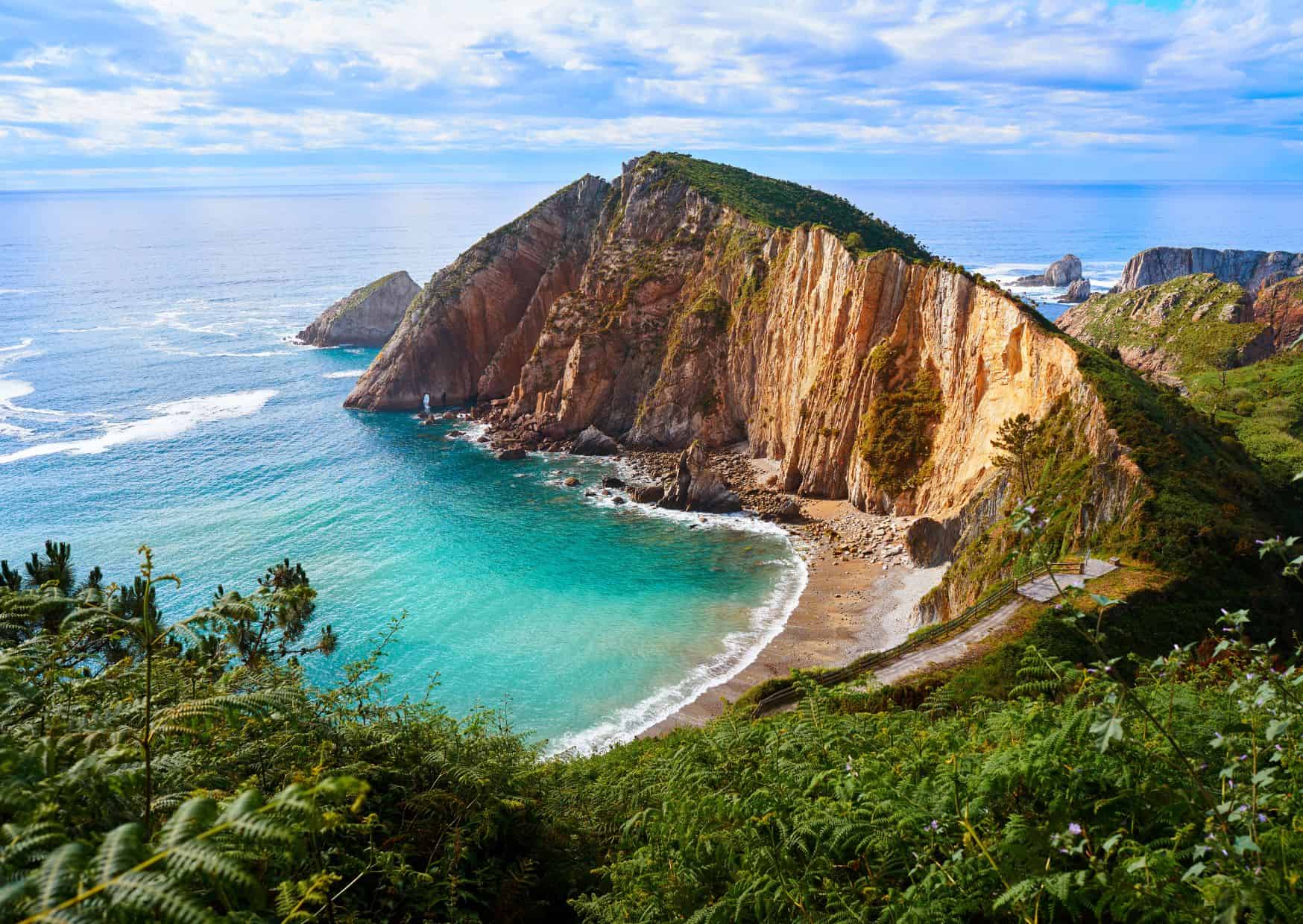
Our guide on North Spain Vs South Spain which one is better for traveling and eating comparing prices.
Traveling through North and South Spain can differ significantly in terms of costs, depending on several factors like the time of year, specific destinations, and the type of experiences you’re looking for. Let’s break down some of the cost differences you might encounter regarding travel and food in both regions.
Deciding whether North or South Spain is a better travel destination depends greatly on your interests, preferences, and what you aim to get out of your travels. Both regions have distinct cultural identities, landscapes, and attractions. Let’s explore the unique aspects of each to help you determine which might be the better choice for your next trip.
Read here best things to know before visiting Spain, Planning an Itinerary in Spain: 3 Days Madrid Itinerary and 4 Days Barcelona Itinerary
BOOK YOUR TRAVEL INSURANCE
Two of our favorite travel insurance: Heymondo Vs Safetwing cheapest travel Insurance. You can get for $135 USD your Heymondo Travel Insurance with Heymondo discount code valid for 90 days. Read our full comparison of Genki vs Safetywing Travel Insurance Review and the comparison Heymondo vs Genki
Quick & Easy Tips
Visit the north in summer for mild weather and fewer crowds.
Head south in winter to enjoy warm sunshine and outdoor dining.
Try regional specialties—pintxos in the north, tapas in the south.
Balance city and countryside—Spain’s rural landscapes are just as stunning as its urban gems.
Plan for festivals—San Fermín in the north, Feria de Abril in the south.
Some argue that northern Spain is “real Spain” because it’s less touristy, more traditional, and better preserved, while others see this as an unfair dismissal of the south’s rich cultural and historical contributions.
There’s also the ongoing debate among Spaniards themselves—many believe their region’s cuisine is superior, with northerners championing seafood and cured meats while southerners boast about their olive oil–driven, sun-soaked flavors.
Finally, tourism marketing often amplifies these differences, sometimes pitting the regions against each other instead of promoting the idea that Spain’s beauty lies in its diversity. For travelers, the controversy just adds another layer of intrigue to the decision.
North Spain
Characteristics
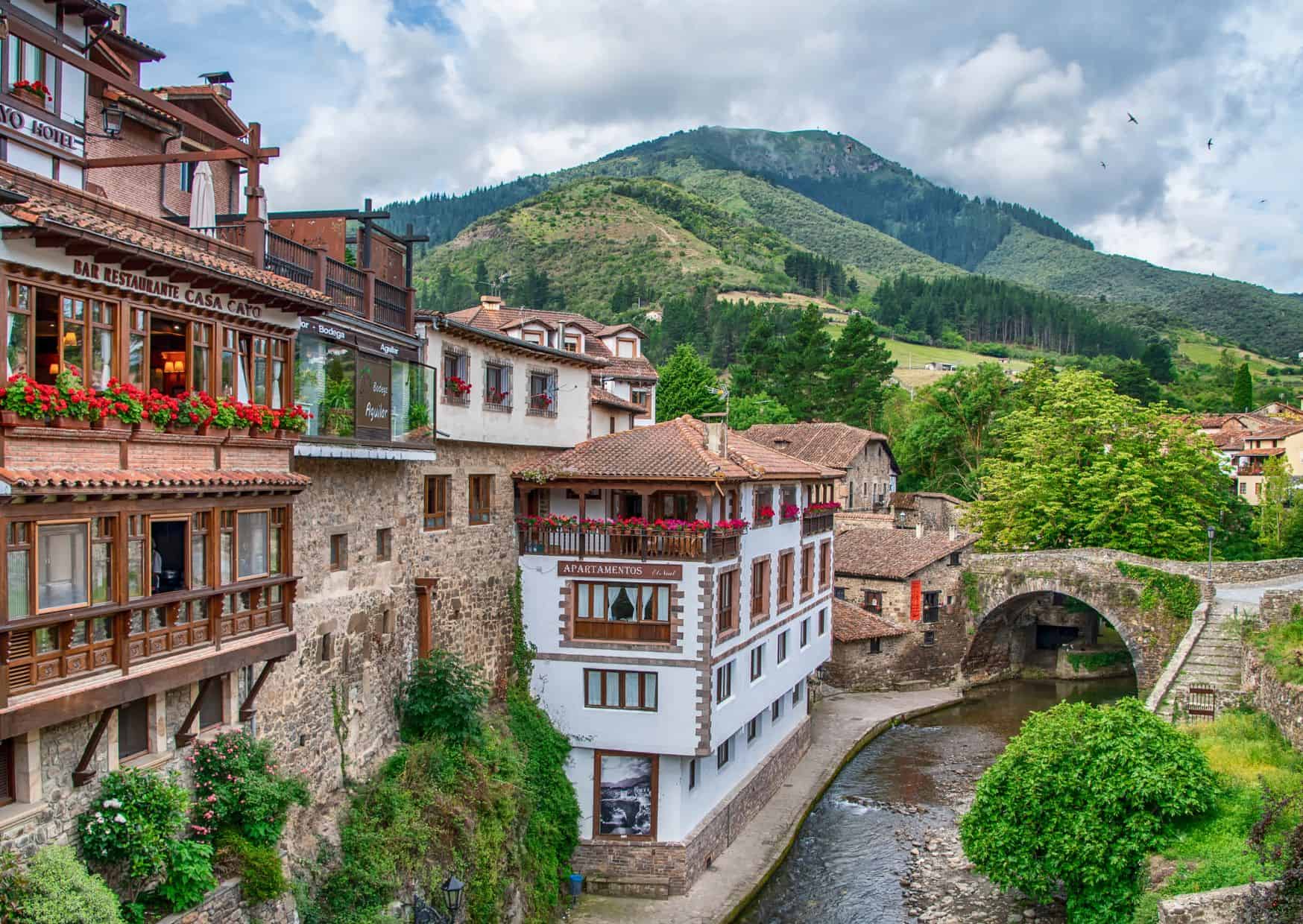
Geography: The northern part of Spain, including regions like Galicia, Asturias, Cantabria, Basque Country, and Navarre, features a rugged coastline, the dramatic peaks of the Pyrenees, and lush greenery, much different from the stereotypical arid Spanish landscape.
Climate: Generally cooler and rainier than the south, this area’s climate contributes to its lush landscapes and is ideal for those who prefer milder temperatures.
Cultural Highlights: Known for its rich history, the north boasts stunning medieval architecture, the famous Camino de Santiago pilgrimage route, and distinct languages and traditions, including the Basque culture.
Cuisine: The northern regions are famed for their culinary traditions, which include seafood, Basque tapas (pintxos), and hearty stews. The area is also renowned for producing some of Spain’s finest wines, like the Rioja.
Top Attractions
San Sebastián: Renowned for its beautiful beaches and world-class restaurants.
Bilbao: Famous for the Guggenheim Museum.
Asturias and Cantabria: For natural landscapes and prehistoric caves.
South Spain
Characteristics
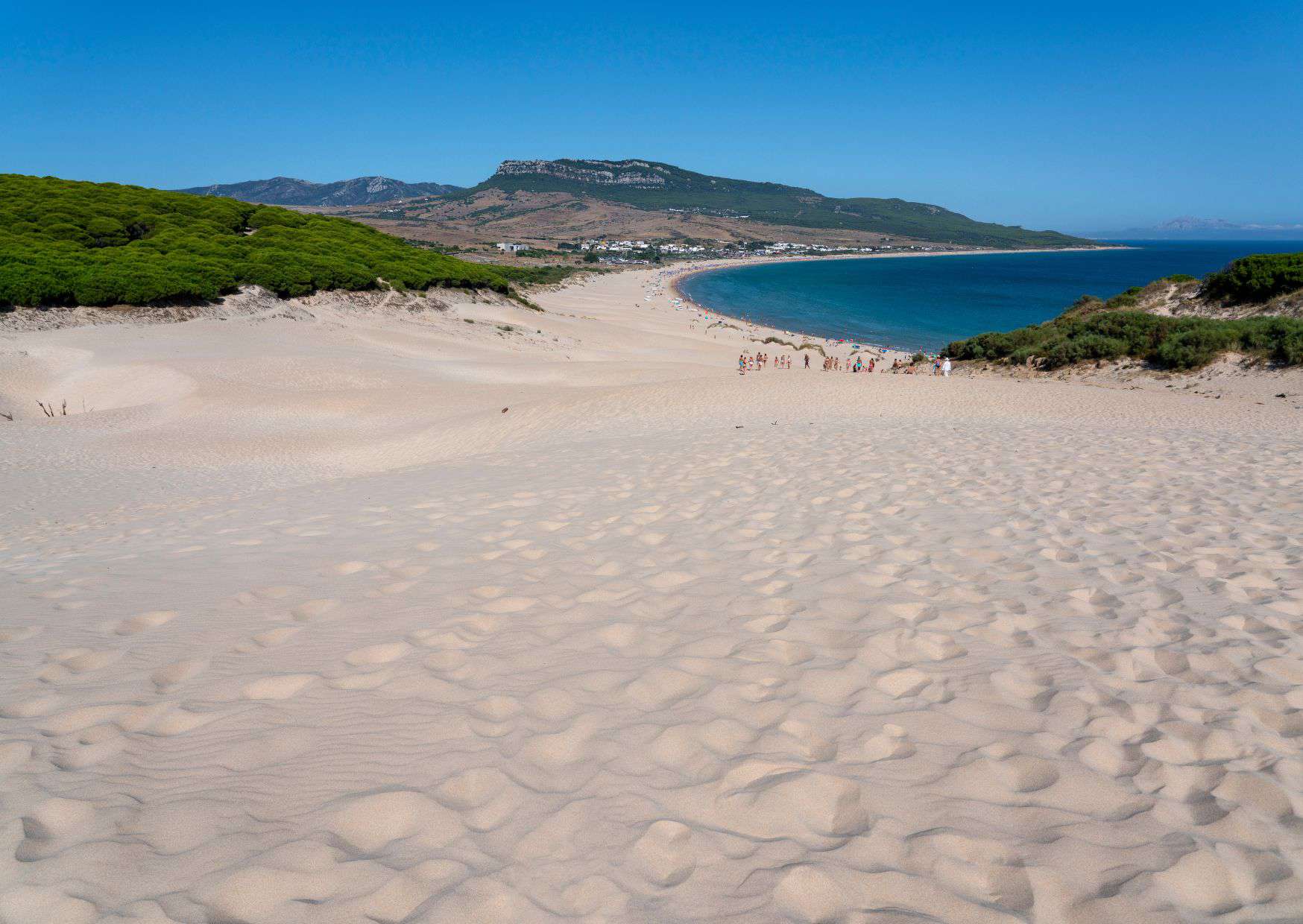
Geography: Southern Spain, including Andalusia, features everything from the snowy peaks of Sierra Nevada to the sun-soaked beaches of the Costa del Sol.
Climate: Characterized by hot, dry summers and mild winters, making it a popular destination for sun-seekers.
Cultural Highlights: Rich Moorish heritage, visible in the world-famous Alhambra in Granada, the Mezquita of Córdoba, and the Royal Alcázar of Seville. Flamenco music and dance, bullfighting, and vibrant festivals like the Feria de Abril in Seville and Semana Santa processions are integral to the region’s identity.
Cuisine: Southern cuisine includes staples like tapas, gazpacho, and fried seafood. The region is also famous for sherry wines from Jerez.
Top Attractions
Seville: Known for its historic architecture and vibrant culture.
Granada: Home to the Alhambra Palace.
Córdoba and Málaga: Rich in history and culture with beautiful old towns and beaches.
Travel Costs North Spain
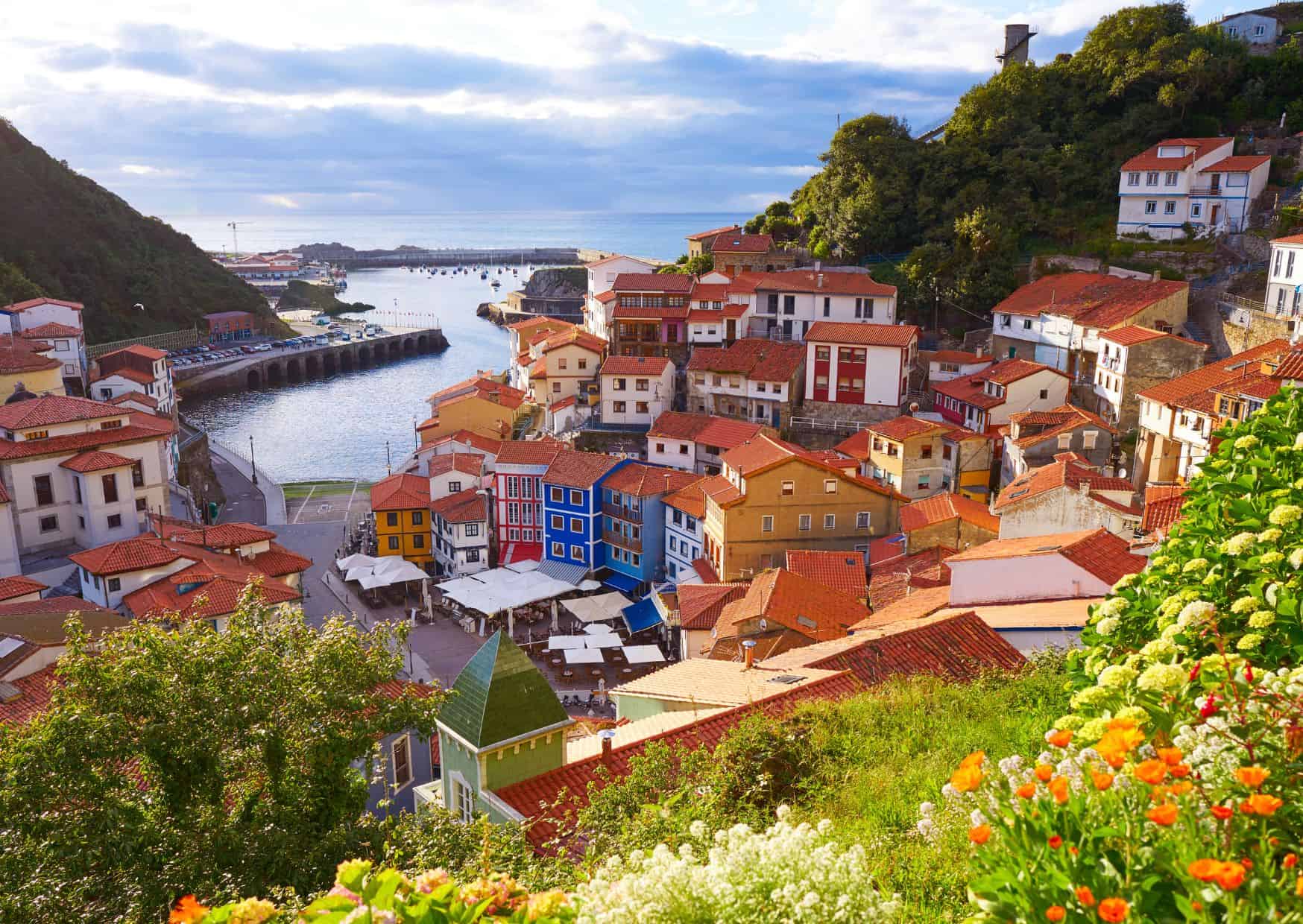
Accommodation: Generally, the North of Spain, except for popular cities like Bilbao and San Sebastián, tends to have more affordable accommodation options. For instance, you can find good quality hostels and guesthouses starting at around €20-30 per night, while mid-range hotel prices might range from €50 to €100 per night.
CLICK HERE TO BOOK YOUR ACCOMMODATION
Transportation: The North benefits from excellent bus and train connections, particularly in the Basque Country. Costs can be moderate, with train and bus fares from cities like Bilbao to San Sebastián around €10-20 one way.
Daily Budget: On average, a budget traveler might spend around €50-70 per day, considering basic hostel accommodation, public transport, and self-catered meals. A more comfortable mid-range budget would be around €100-150 per day.
South Spain

Accommodation: In Southern Spain, especially in tourist-heavy areas like Costa del Sol and cities like Seville or Granada, accommodation costs can be higher. Expect to pay from €30-50 for hostels and anywhere from €60 to over €100 for hotels per night.
Transportation: Transportation in the South can be slightly more expensive, especially if traveling between major cities or tourist destinations. Train and bus fares between cities like Seville and Granada typically range from €20-30.
Daily Budget: For budget travelers, daily expenses could start from €60-80, including basic accommodations, meals, and transport. Mid-range travelers might spend about €120-180 per day.
Food Costs North Spain
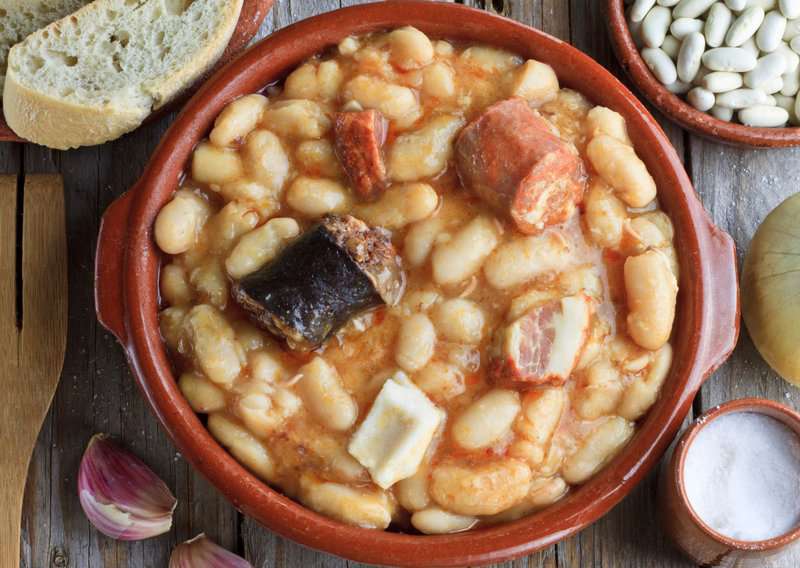
Typical Food: Famous for its seafood and hearty dishes like fabada asturiana (bean stew), the North offers relatively affordable dining options. A meal in an inexpensive restaurant might cost around €10-15, while a three-course meal at a mid-range restaurant could range from €20 to €30.
Specialties: Don’t miss trying pintxos (small snacks) in places like San Sebastián, which are usually priced at €2-5 each.
South Spain
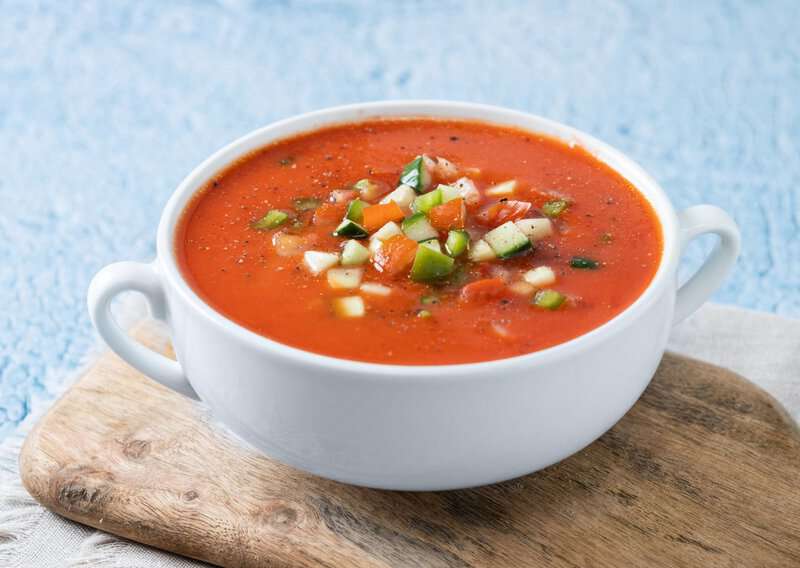
Typical Food: The cuisine in the South includes tapas, gazpacho, and various fried fish dishes. Prices in touristy areas can be a bit high but finding economical dining in smaller towns or less tourist-centric neighborhoods is still possible.
Specialties: Tapas in cities like Granada are often free with a drink, with drinks priced around €2-3. For a sit-down meal in a restaurant, expect to pay about €15-25 per person for a meal with several tapas dishes.
North Spain Cuisine Characteristics
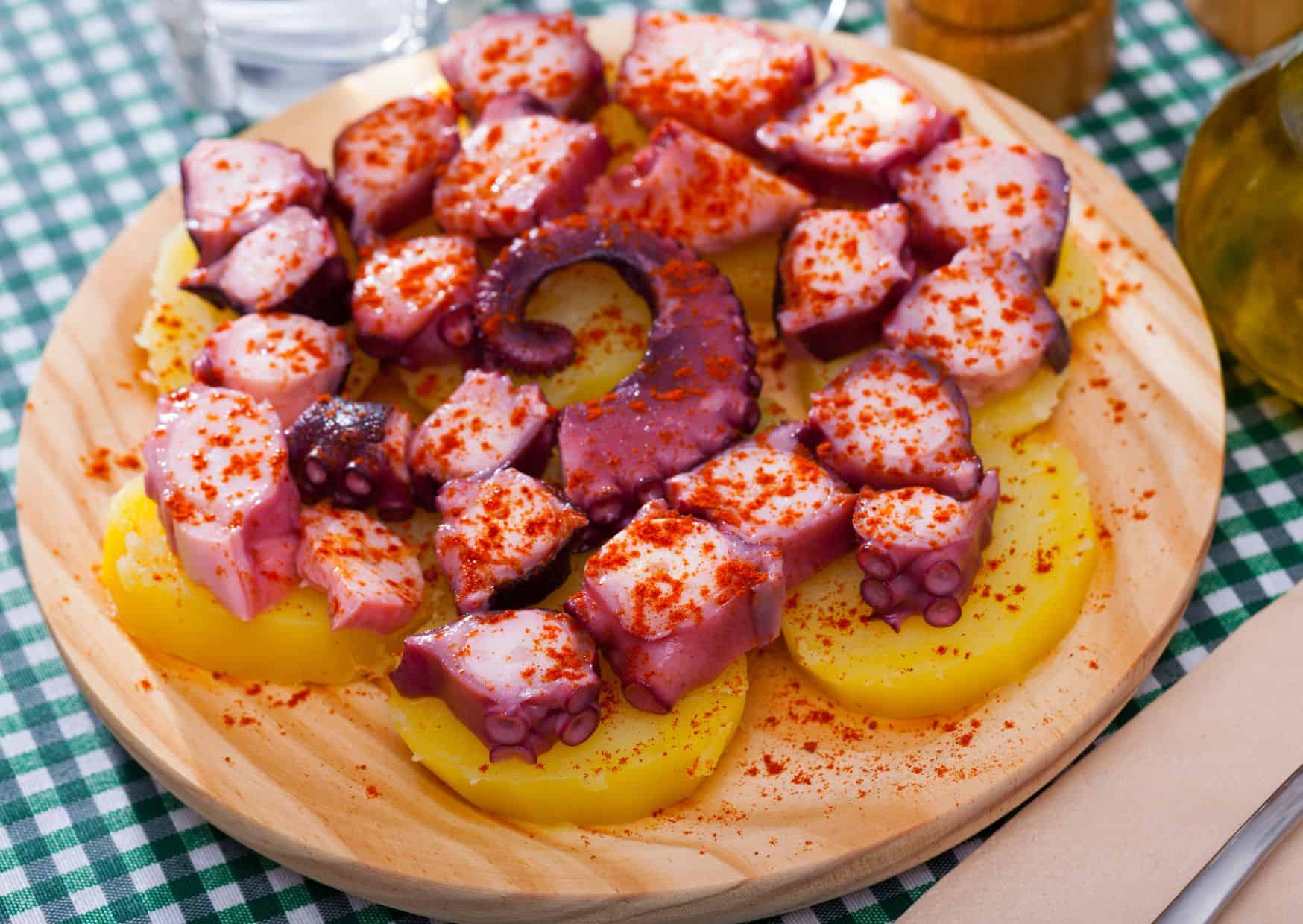
The North of Spain, encompassing regions like Galicia, Asturias, Cantabria, the Basque Country, and Navarre, features a cuisine heavily influenced by its geography, which includes lush green landscapes and a vast coastline. The food here is known for its emphasis on seafood, hearty meats, and fresh dairy products.
Typical Dishes
Seafood: The northern coast is renowned for its seafood, including dishes like mariscada (seafood platter), and pulpo a la gallega (Galician-style octopus).
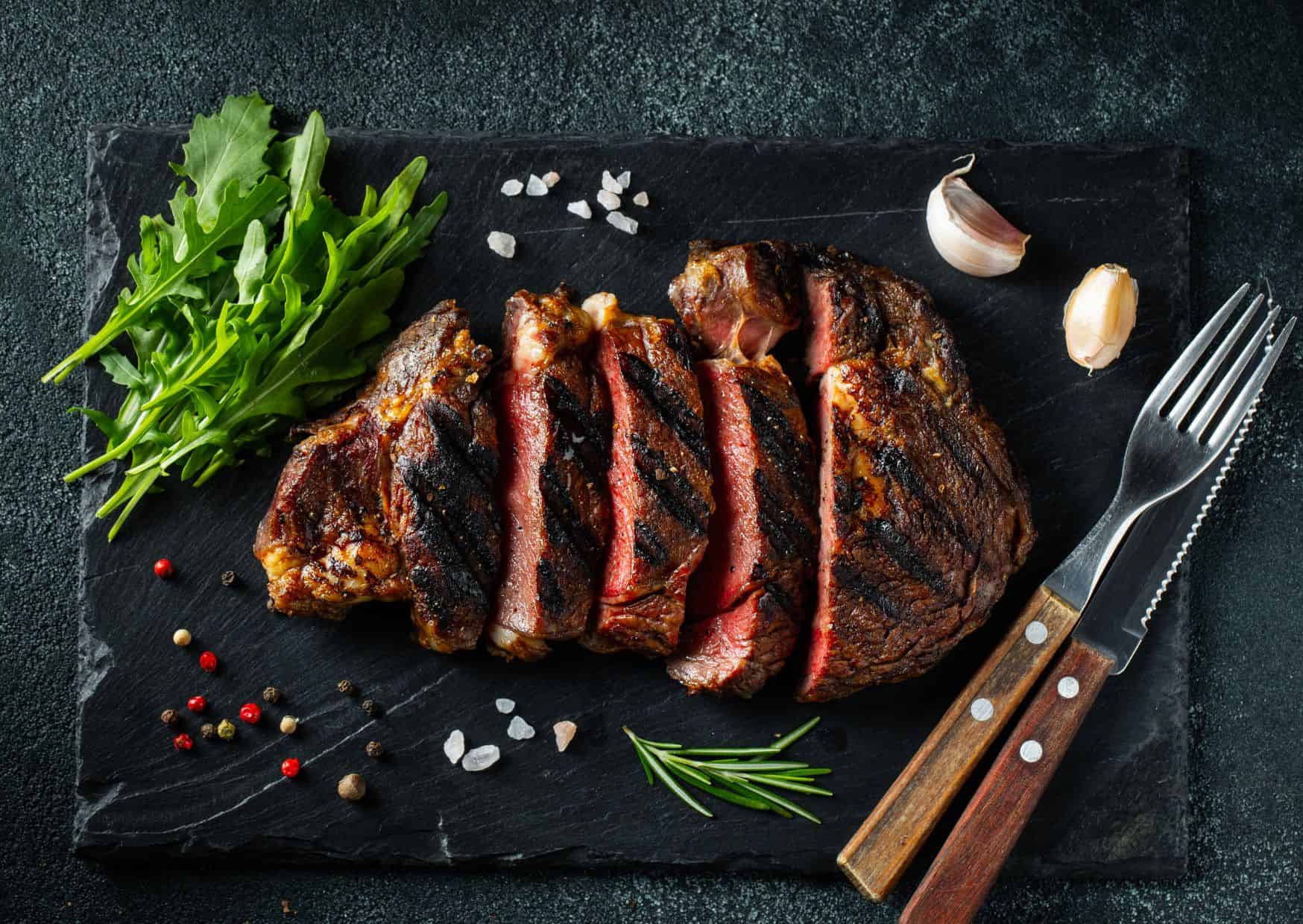
Txuleton (Beef Steak): Particularly in the Basque Country, this thick-cut steak is grilled over hot coals and is a celebrated dish.
Fabada Asturiana: A hearty bean stew from Asturias, made with faba beans, chorizo, morcilla (blood sausage), and pork.
Pintxos: Similar to tapas, these small snacks are typical in Basque Country, often served on a small slice of bread and held together with a skewer.
Queso de Cabrales: A strong, blue cheese made in the Asturias region from cow, goat, and sheep’s milk.
South Spain Cuisine Characteristics
Southern Spain, particularly Andalusia, is influenced by a history of Moorish occupation, which brought spices and new cooking techniques to the region. The cuisine features a lot of olive oil, spices, and fresh local produce, reflecting the warm climate and agricultural bounty.
Typical Dishes
Gazpacho: A cold tomato-based soup that is blended with peppers, cucumbers, onions, garlic, and bread, perfect for hot climates.
Paella Valenciana: Though paella is more native to Valencia (which can be considered Eastern Spain), its popularity across the southern coast is undeniable. The traditional version includes rice, saffron, chicken, rabbit, and sometimes snails.
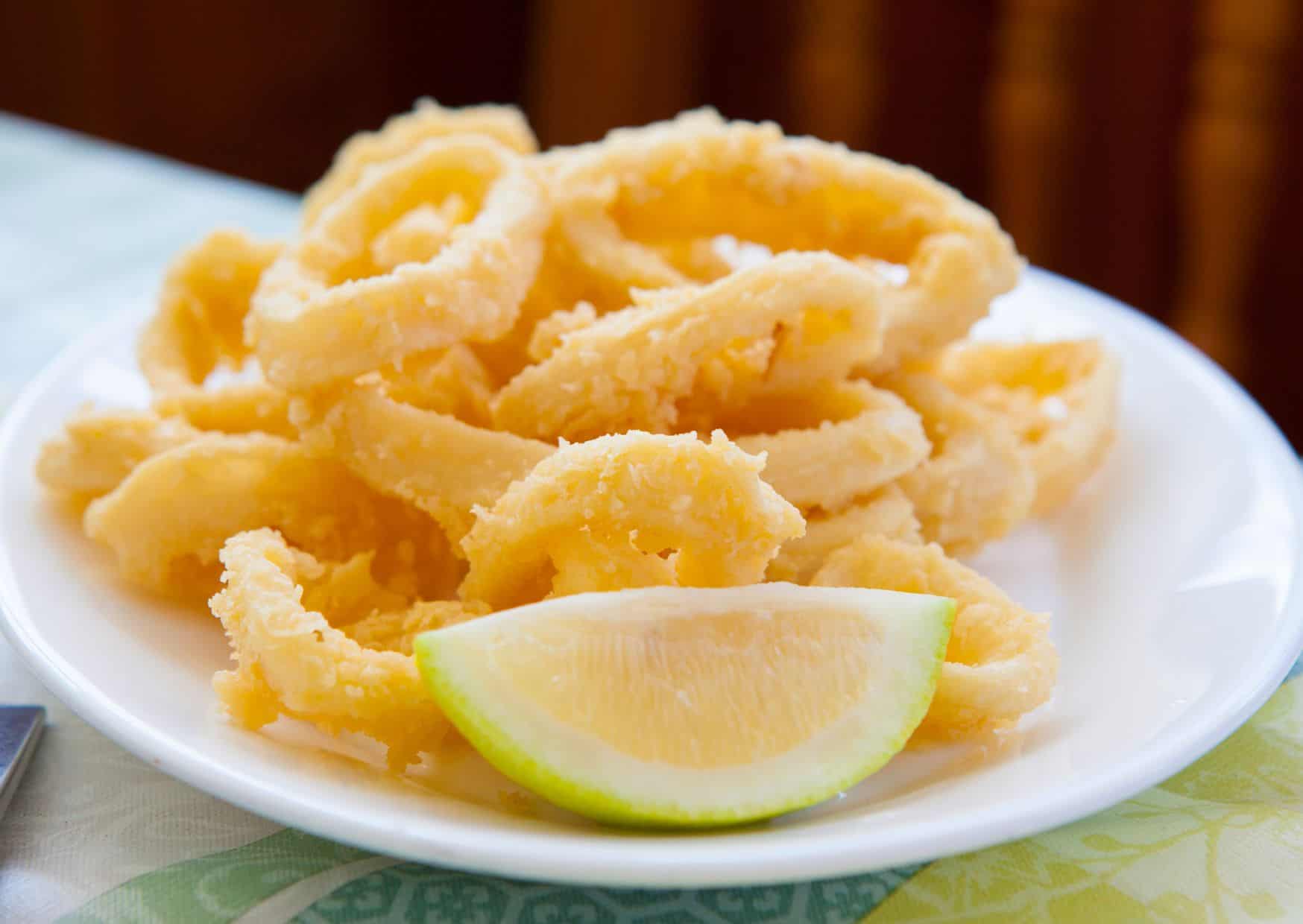
Tapas: Small dishes of various foods like olives, fried squid, and chorizo. Notably, in many bars in Andalusia, tapas are served free with drinks.
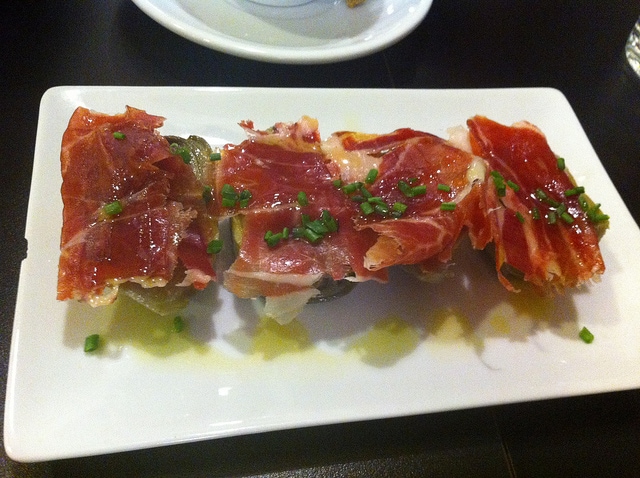
Jamón Ibérico: High-quality cured ham produced mainly in Andalusia and Extremadura.
Pescado Frito: Various types of fish, including anchovies and squid, fried in olive oil. This dish is especially popular along the southern coast.
Comparison Food North Spain Vs South Spain
Diversity of Ingredients: Northern Spain leans more towards dairy and seafood, reflecting its cooler, oceanic climate and pastoral landscapes. Southern Spain, with its hotter, drier climate, utilizes more fruits and vegetables, along with cold dishes suited to its weather.
Cooking Techniques: Northern Spain often features baking and stewing (such as in the preparation of fabada and seafood stews), while Southern Spain features a lot of frying and grilling, suitable for quick, flavorful meals in a warm climate.
Cultural Influences: The North is influenced by Celtic and French culinary traditions, visible in its use of butter and complex sauces. The South reflects Moorish and Roman influences, with a noticeable use of spices like saffron and cumin.
Both regions offer rich culinary experiences that are integral to understanding Spain’s diverse food landscape. Whether you prefer the hearty, rustic dishes of the North or the spicy, vibrant flavors of the South, Spanish cuisine has something to offer every palate.
Which to Choose North Spain Vs South Spain?
Consider North Spain if you:
Enjoy cooler climates and lush landscapes. If you are interested in exploring unique cultural identities like the Basque and Galician traditions. If you prefer culinary experiences that focus on seafood and wines.
Consider South Spain if you:
Seek sunny, warm weather perfect for beach vacations. If you are fascinated by the historic influences of Moorish architecture and Islamic art. Enjoy vibrant local traditions, flamenco dancing, and bustling festivals.
Both North and South Spain offer rich, yet distinctly different experiences. The north provides a more laid-back, gastronomic, and natural setting, while the south offers a vibrant, historic, and sunny ambiance. Your choice should align with the type of vacation you envision, whether it’s exploring green landscapes and rugged coastlines or soaking up the sun and delving into a rich historical tapestry.
While both regions offer a range of prices, the North might generally be slightly more affordable in terms of accommodation and some food options, particularly outside of high-tourism areas like Bilbao and San Sebastián. The South, while potentially more expensive, especially in peak tourist seasons, offers the cultural appeal of free tapas and a vibrant dining scene, which can also be budget-friendly if navigated wisely.
Ultimately, the choice between North and South will depend on what kind of cultural experiences, climate, and scenery you are looking to enjoy, as well as how you manage your travel budget between accommodations, food, and transport options.

About the Author: Ruben, co-founder of Gamintraveler.com since 2014, is a seasoned traveler from Spain who has explored over 100 countries since 2009. Known for his extensive travel adventures across South America, Europe, the US, Australia, New Zealand, Asia, and Africa, Ruben combines his passion for adventurous yet sustainable living with his love for cycling, highlighted by his remarkable 5-month bicycle journey from Spain to Norway. He currently resides in Spain, where he continues sharing his travel experiences with his partner, Rachel, and their son, Han.