
(And What These Differences Reveal About Everyday Life)
Walk into a grocery store in Madrid or Rome and head to the cleaning aisle. You’ll see products that feel totally unfamiliar to the average American—strange pastes, vinegar-based everything, lavender-scented ammonia, and packaging that looks more like medicine than household cleaner.
Do the same in the U.S., and a European might be just as confused. Why are there ten different bleach sprays? Why is everything neon blue or orange? Why are people wiping their floors with disposable pads?
The truth is, everyday cleaning products say a lot about how people live. What’s considered essential in one country may be unheard of in another. Some products reflect habits that go back generations. Others reveal deeper cultural attitudes toward hygiene, scent, and what it means to keep a home clean.
Let’s take a look at nine popular cleaning products Europeans use that most Americans won’t recognize—and vice versa.
Want More Deep Dives into Everyday European Culture?
– Why Europeans Walk Everywhere (And Americans Should Too)
– How Europeans Actually Afford Living in Cities Without Six-Figure Salaries
– 9 ‘Luxury’ Items in America That Europeans Consider Basic Necessities
1. Savon de Marseille (France)
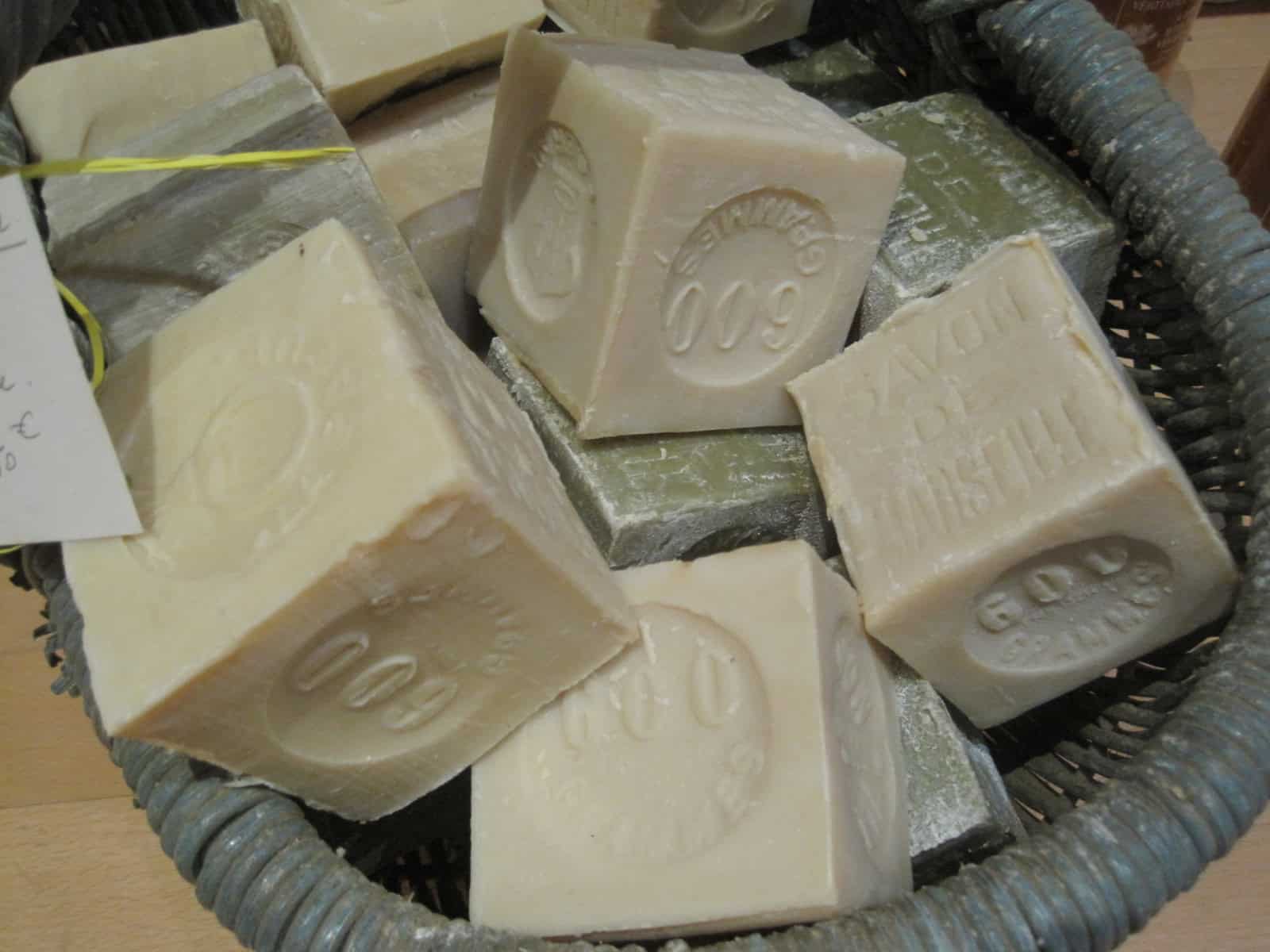
This iconic hard soap is more than just a regional favorite—it’s a full-on cleaning staple in many European homes.
- Made from natural ingredients like olive oil, salt, and ash
- Comes in large green or beige blocks that can last for months
- Used to clean everything from laundry to dishes to countertops
It’s unscented, biodegradable, and incredibly versatile. American homes tend to favor specific products for each cleaning task. In contrast, Savon de Marseille is a general-purpose solution passed down through generations.
Most Americans have never used—or even seen—a bar of soap like this for cleaning their house. But in France, it’s a symbol of old-school practicality.
2. Ammonia with Scent (Spain, Italy, Portugal)
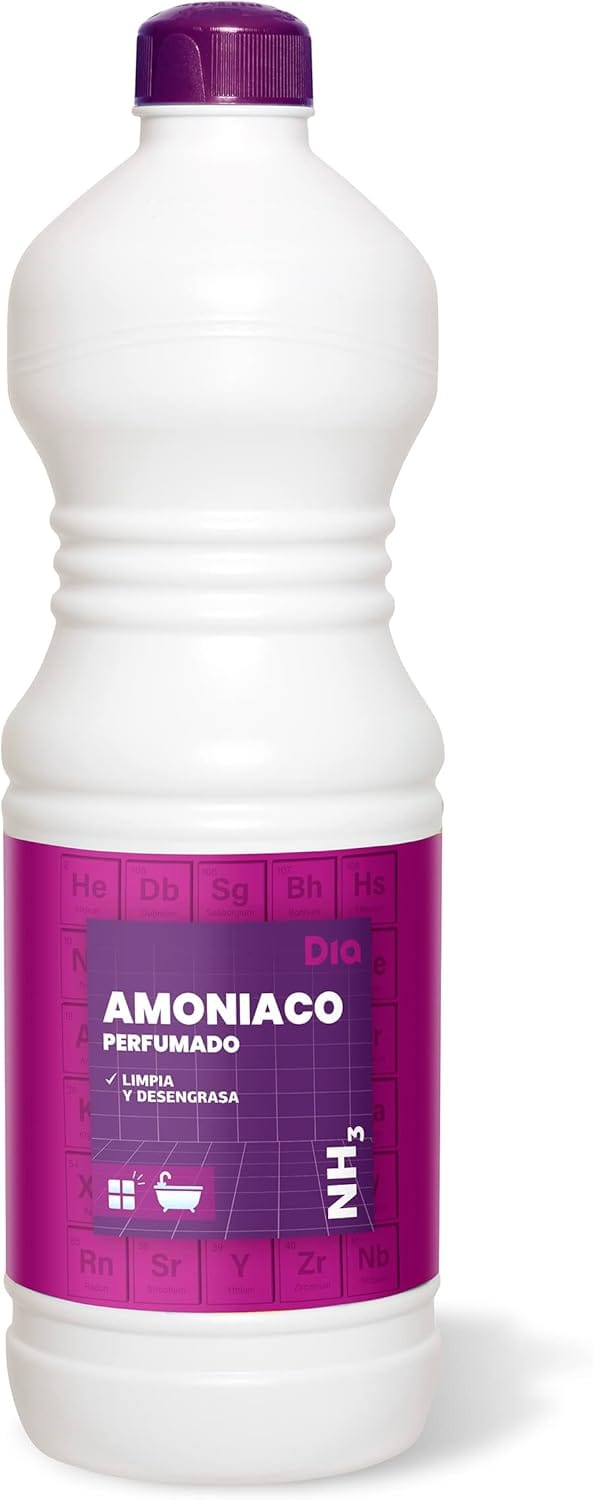
In the U.S., ammonia is mostly associated with harsh smells and heavy-duty jobs. But in the Mediterranean, it’s been domesticated.
- Often sold with lemon, pine, or lavender scent
- Used for mopping floors, scrubbing tiles, and cleaning windows
- Considered a basic household staple, not a hazardous chemical
In Spain, a bottle of “amoniaco perfumado” is found under nearly every sink. It’s cheap, powerful, and leaves homes smelling unmistakably clean.
Americans are more likely to avoid ammonia due to the chemical smell and perceived danger. But in Mediterranean countries, it’s embraced as an efficient and affordable classic.
3. Bicarbonate of Soda as a Cleaning Agent (Italy, France, Germany)
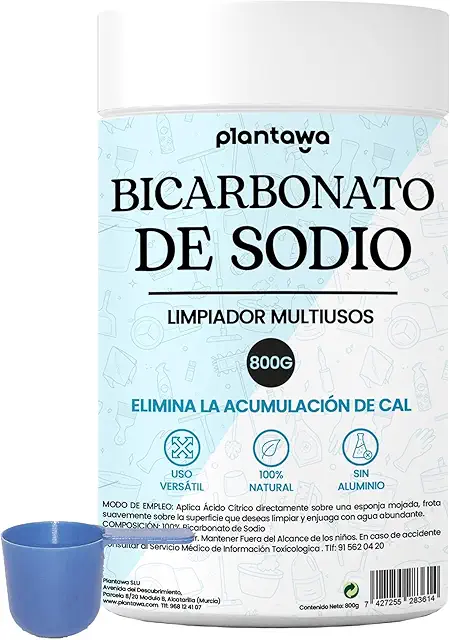
Yes, baking soda exists in the U.S., but it’s mostly used in the kitchen or for deodorizing the fridge. In Europe, bicarbonate of soda is a workhorse.
- Used to scrub sinks, tubs, and stovetops
- Mixed with vinegar for drain cleaning or mold removal
- Applied with a damp cloth for gentle abrasion
European households often lean toward minimalism when it comes to cleaning supplies. Rather than buying ten different products, they rely on a few natural ones that multitask.
In American homes, these solutions are catching on as part of the “green cleaning” trend, but in Europe, they’ve been around for decades.
4. Vim or Cif Cream Cleanser (UK, France, Netherlands)
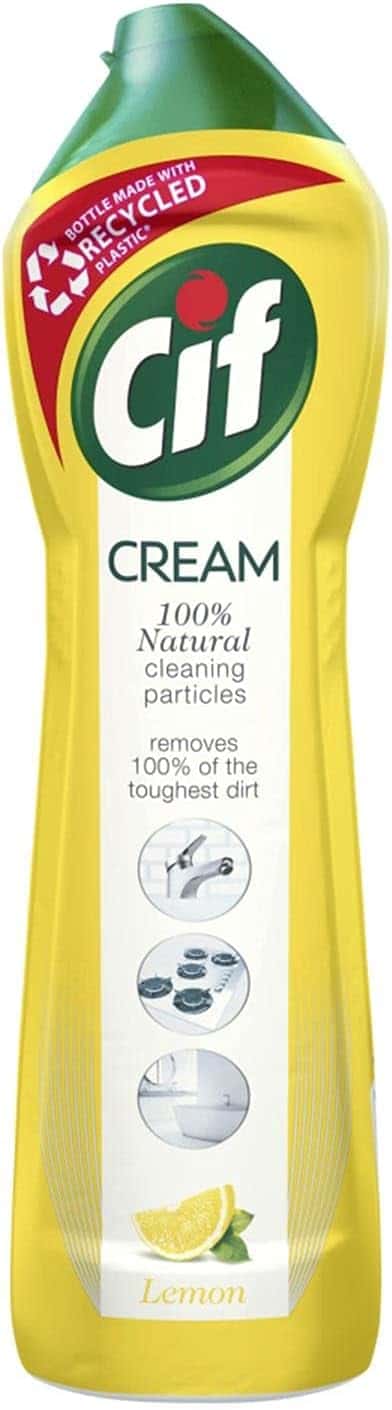
This thick, gritty white paste in a yellow bottle has cleaned millions of European sinks. Known under different brand names depending on the country, it is:
- Mildly abrasive without scratching surfaces
- Ideal for bathtubs, enamel, and ceramic
- Used with a cloth or sponge, no gloves needed
There’s no exact American equivalent to this product. Some U.S. homes use soft scrubbers or powdered cleansers like Comet, but they’re often harsher or bleach-based.
Cif (or Vim) is gentler, smells cleaner, and has an almost retro appeal. If you’ve ever stayed in a European Airbnb and admired the spotless sink, this might have been the secret.
5. Floor Cloth and Bucket (Southern Europe)
In the U.S., the go-to floor cleaning method often involves Swiffers or mop systems with disposable pads. In much of Southern Europe, the method is different—and far more old school.
- A reusable cotton floor cloth (called a “bayeta” in Spain or “straccio” in Italy)
- Paired with a bucket and diluted ammonia or vinegar
- The cloth is wrapped around a mop base or just pushed along the floor with a broomstick
It requires more manual labor, but it’s eco-friendly and effective. Floors are cleaned with real soap and water, not synthetic cleaners sprayed in mist.
For Europeans, this method is routine. For Americans, it might feel outdated. But it leaves floors spotless and doesn’t rely on single-use plastic.
6. German-Style Microfiber Cloths
Germany is famous for precision, and that extends to cleaning.
- Microfiber cloths are color-coded by task: blue for glass, red for bathroom, green for kitchen
- Used dry or damp, with little to no cleaner
- Machine-washable and reused for years
Many Americans use microfiber casually, but Germans treat them like tools. You’ll find them folded neatly under sinks, never mixed between rooms, and used with specific hand motions for maximum efficiency.
In contrast, American homes often rely on paper towels or cleaning wipes, which are more disposable but less sustainable.
7. Ironing Water (France, Spain, Italy)
Yes, ironing water is a thing. Sold in big bottles at most European supermarkets, it’s not a cleaner in the traditional sense, but it’s part of household care.
- Scented water added to the iron to make clothes smell fresh and feel smoother
- Often lavender or citrus scented
- Used even for everyday clothes like shirts and bedsheets
American households rarely iron daily, and if they do, they use plain tap water or a steam setting.
But in Europe, where wrinkle-free clothing is part of social presentation, ironing water is part of the ritual. It’s not essential, but it adds an extra layer of care that reflects cultural values around grooming and appearance.
8. White Vinegar for Everything (Especially France and Germany)
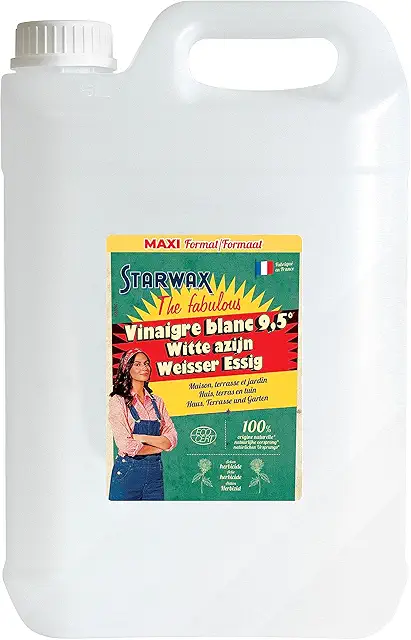
In Europe, white vinegar is not just for salad dressing. It is a major household cleaner.
- Used for descaling kettles, cleaning mirrors, wiping down appliances
- Paired with baking soda for cleaning tile grout or freshening drains
- Considered safe, cheap, and versatile
While white vinegar is available in the U.S., it’s often thought of as an alternative or DIY method, not a mainstream solution.
In Europe, especially in environmentally conscious households, vinegar is a hero product. It is used daily and often replaces brand-name products entirely.
9. American Cleaning Staples Europeans Rarely Use
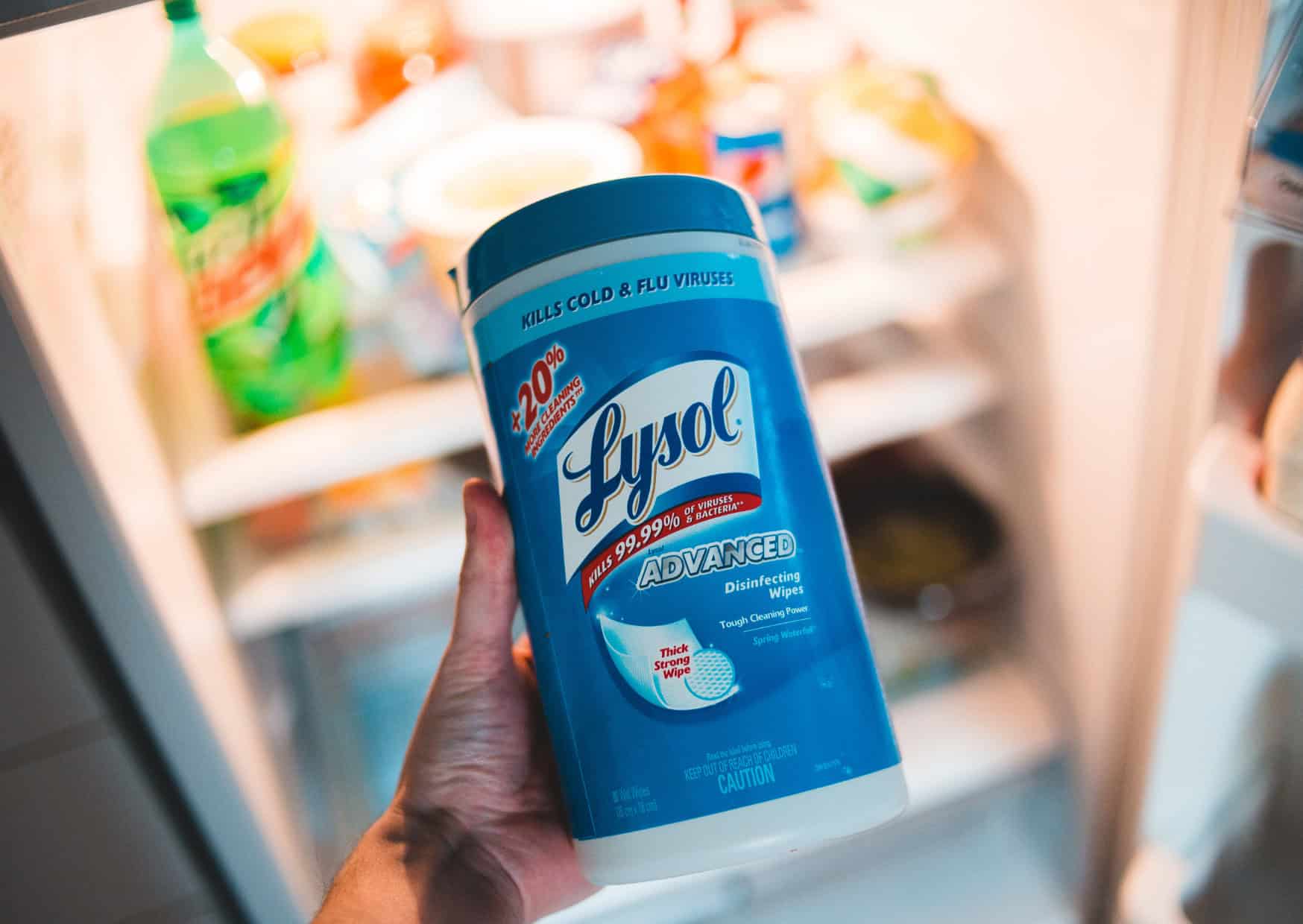
It’s not just Europeans who have their own cleaning quirks. There are plenty of products that are staples in American households that Europeans often find unnecessary or even confusing.
- Disinfecting Wipes: Found in nearly every U.S. home, these are rare in Europe. People tend to use reusable cloths and actual soap or alcohol-based cleaners.
- Bleach-based Everything: Americans love bleach for whiteness and disinfecting. Europeans use it sparingly and often prefer gentler alternatives unless it’s a specific health-related need.
- Scented Trash Bags: Very popular in the U.S., barely used in Europe. Europeans focus more on reducing food waste smell through composting and more frequent disposal.
- Carpet Sprays and Powder Fresheners: Many European homes don’t have wall-to-wall carpet, making these products irrelevant.
These differences speak volumes. Where Americans tend to look for convenience, branding, and surface scent, Europeans often lean on tradition, natural ingredients, and minimalist routines.
What These Differences Say About Culture
Cleaning isn’t just about keeping your home tidy. It reflects how people live, what they value, and how they interact with their space. These contrasting products tell a story.
- Europeans favor reusable over disposable. Cloths, buckets, and old-fashioned soap blocks are not nostalgic—they are normal.
- Americans often prioritize speed and convenience. Multi-surface sprays, disposable wipes, and scented products are designed to get the job done fast.
- Fragrance preferences vary wildly. Europeans prefer natural scents like vinegar, lavender, or pine. Americans go for “Mountain Breeze,” “Citrus Explosion,” or “Fresh Linen”—even if those scents have no real-world equivalent.
None of these approaches are wrong. But they do reveal how small, everyday choices add up to larger cultural differences.
Next time you visit a supermarket abroad, skip the snack aisle and head to the cleaning section. You’ll learn more about how people live in ten minutes there than you will from an entire travel brochure.
And if you bring home a strange bar of soap or a bottle of ammonia that smells like lemons, don’t be surprised when it works better than what you were using before.

About the Author: Ruben, co-founder of Gamintraveler.com since 2014, is a seasoned traveler from Spain who has explored over 100 countries since 2009. Known for his extensive travel adventures across South America, Europe, the US, Australia, New Zealand, Asia, and Africa, Ruben combines his passion for adventurous yet sustainable living with his love for cycling, highlighted by his remarkable 5-month bicycle journey from Spain to Norway. He currently resides in Spain, where he continues sharing his travel experiences with his partner, Rachel, and their son, Han.