
(And What They Reach For Instead)
Open any American medicine cabinet and you’ll likely find the usual suspects: ibuprofen, Tums, maybe a prescription or two. But there’s one item that almost every U.S. household has in stock, often without thinking twice about it—multi-symptom cold and flu medications.
NyQuil. DayQuil. Theraflu. Tylenol Cold + Flu. Robitussin Max.
The kind that promises to knock out your symptoms, help you sleep, and “power you through your day.” Usually in neon-colored liquids or dissolvable packets.
But fly across the Atlantic, and things change. Fast.
In much of Europe, multi-symptom cold medications like these are rarely used—sometimes even frowned upon.
In some countries, you can’t even buy them without a prescription.
So what gives?
Why do Americans rely so heavily on these all-in-one miracle meds, while Europeans rarely touch them?
Let’s unpack it: the ingredients, the cultural mindset, and what Europeans do instead—and why it might actually be the smarter approach in the long run.
Want More Deep Dives into Everyday European Culture?
– Why Europeans Walk Everywhere (And Americans Should Too)
– How Europeans Actually Afford Living in Cities Without Six-Figure Salaries
– 9 ‘Luxury’ Items in America That Europeans Consider Basic Necessities
1. Why Americans Love Multi-Symptom Meds
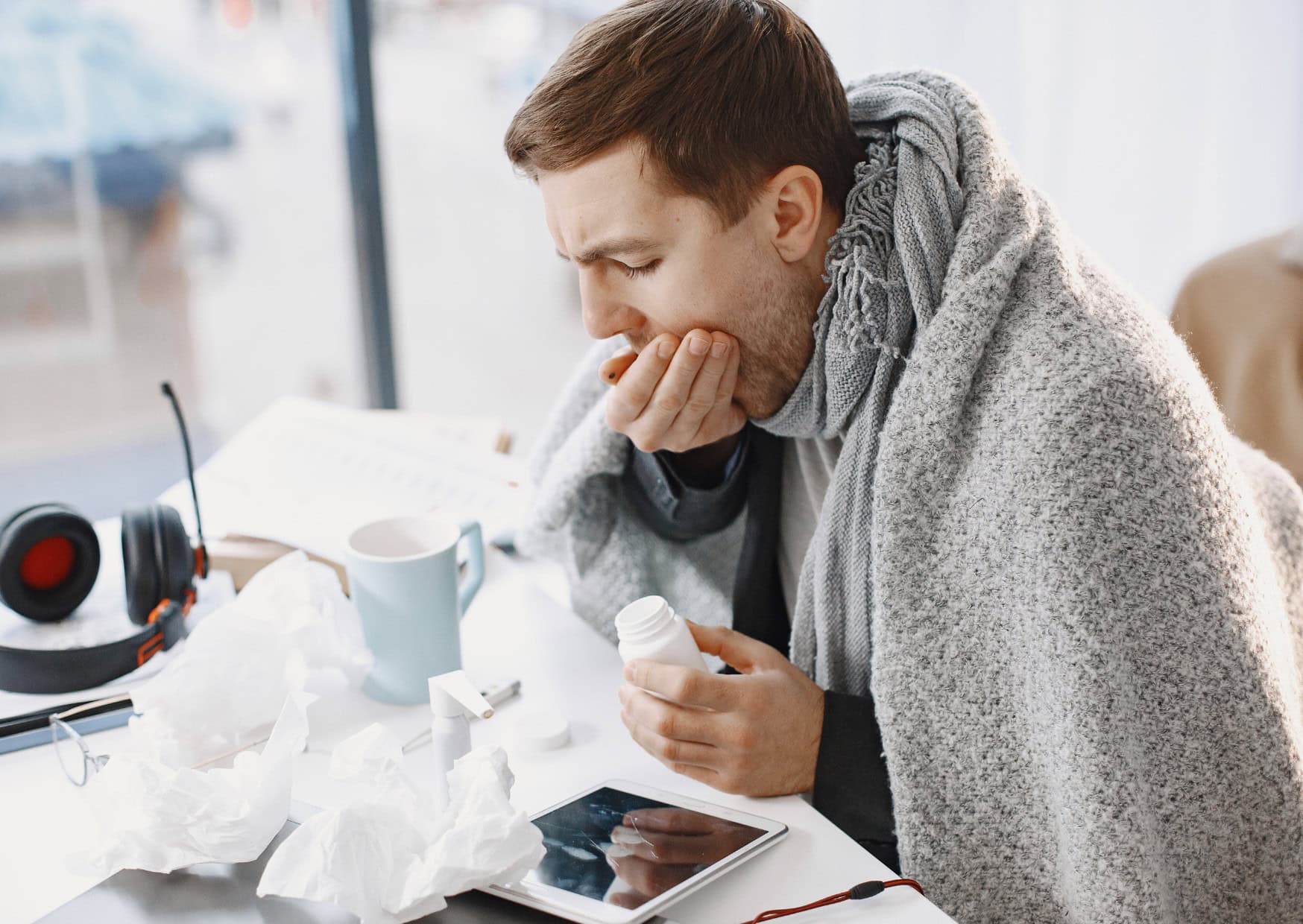
In the U.S., cold and flu meds are all about efficiency:
- Kill the headache
- Dry up your nose
- Silence the cough
- Soothe the throat
- Help you sleep (or stay awake)
All in one product. Often within 30 minutes.
These products are marketed as:
- “Maximum strength”
- “Fast-acting”
- “Nighttime relief” or “non-drowsy daytime support”
And Americans—who often work through illness—appreciate the promise:
You don’t have time to be sick. This will keep you functioning.
But many Europeans would respond:
Why are you trying to override your body instead of letting it heal?
2. What’s Actually in Those American Meds
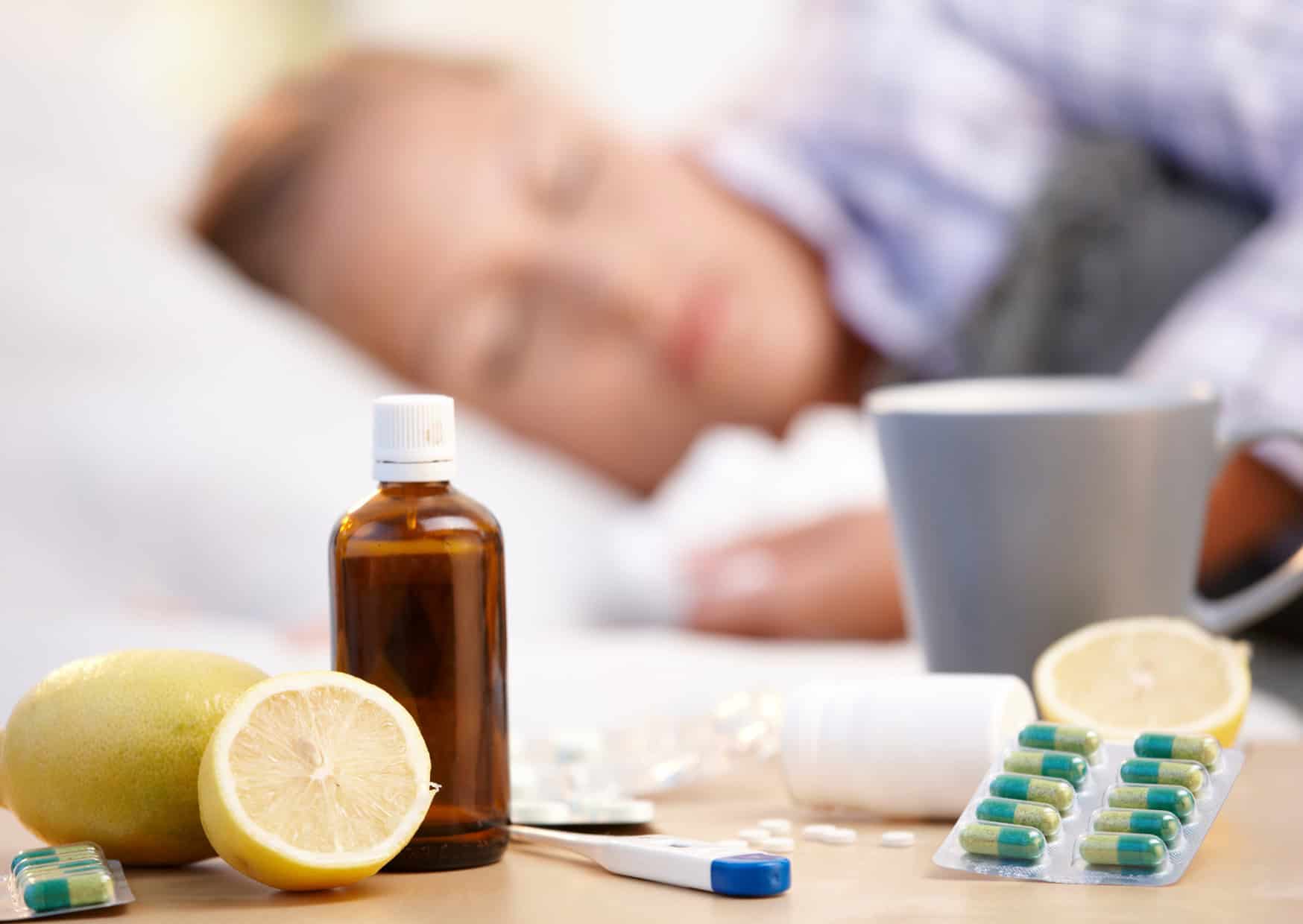
Most multi-symptom cold products contain some combination of:
- Acetaminophen (Tylenol) for pain and fever
- Dextromethorphan for cough suppression
- Phenylephrine or pseudoephedrine for nasal decongestion
- Antihistamines (like diphenhydramine or doxylamine) for sleepiness or allergy relief
- Caffeine or stimulants in the “daytime” versions
And here’s the problem:
- Some ingredients cancel each other out (like drowsy antihistamines + stimulants)
- Others can interact dangerously with existing conditions or medications
- You may be taking medication you don’t need (e.g., suppressing a cough when you’re not actually coughing much)
It’s a pharmacological shotgun approach—and that’s exactly why many European pharmacies avoid selling them over the counter.
3. The European Approach: Treat One Symptom at a Time
Walk into a pharmacy in France, Germany, Spain, or the Netherlands, and you’ll notice something right away:
Medications are segmented by symptom.
- A mild fever? Take paracetamol (Europe’s version of acetaminophen).
- Cough? Choose between dry cough syrup or productive cough lozenges, not a one-size-fits-all suppressant.
- Congestion? Use a nasal spray, often saline-based or with a mild decongestant.
- Trouble sleeping? You’ll be recommended herbal remedies like valerian or chamomile—not diphenhydramine.
This approach allows for:
- Fewer side effects
- More targeted relief
- Less risk of drug interactions
- A mindset of supporting the body—not silencing it
In fact, many European pharmacists won’t even recommend multi-symptom meds unless specifically requested—and some countries require a prescription.
4. Cultural Difference: Sickness Is a Time to Rest, Not Power Through

This might be the biggest difference of all.
In the U.S., there’s cultural pressure to:
- Show up anyway
- Work through it
- “Push through” colds with medication
Products like NyQuil and DayQuil sell a promise of productivity, not healing.
But in Europe, rest is respected.
In countries like Italy, Greece, or France, if you’re sick:
- You stay home
- You drink herbal teas
- You take naps
- You treat the symptoms gently
- You don’t suppress everything just to show up at the office
In short: you don’t medicate your symptoms into submission just to function like a robot.
The result? Faster recovery, fewer relapses, and less overmedication.
5. Some Ingredients in U.S. Meds Are Banned or Restricted in Europe
This part is key.
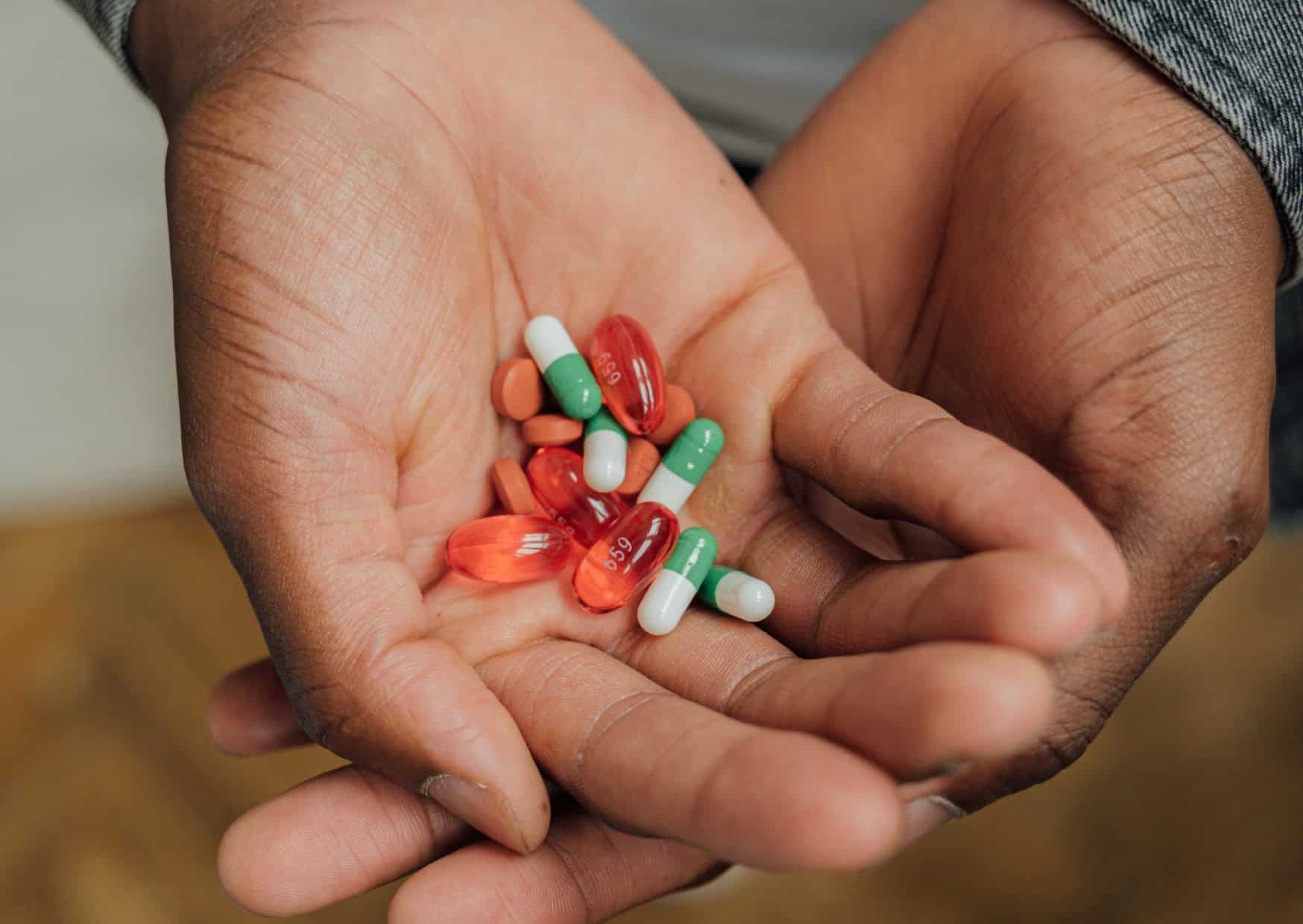
Several ingredients commonly found in American cold medications are heavily restricted—or banned outright—in the EU.
For example:
- Codeine is not available over the counter in many EU countries
- Dextromethorphan requires a prescription in places like Sweden and is tightly monitored elsewhere due to potential misuse
- Phenylephrine, recently declared ineffective in oral form by the FDA, is rarely used in European pharmacies for that exact reason
- Diphenhydramine, the drowsy agent in many “nighttime” cold meds, is often discouraged in older adults due to cognitive side effects
This creates a landscape where safer, simpler options are the norm—and pharmaceutical cocktails are the exception.
6. What Europeans Use Instead
So what do Europeans use when they’re sick?
It’s not that they suffer in silence. It’s that they treat differently—with restorative, symptom-specific remedies, including:
- Paracetamol (similar to Tylenol), used sparingly and only when needed
- Menthol or eucalyptus inhalations
- Saltwater nasal rinses (popular in Germany and Italy)
- Propolis throat sprays
- Herbal teas with thyme, sage, or chamomile
- Rest, hydration, and time
- Occasional zinc lozenges or vitamin C, though not with the same hype as in the U.S.
And perhaps most importantly, they give their bodies permission to be sick—something many Americans aren’t taught how to do.
7. Why This Matters: Less Medication, More Healing
Overmedication isn’t harmless.
Taking medications you don’t need can lead to:
- Liver strain (especially from acetaminophen)
- Rebound symptoms
- Poor sleep quality
- Masking serious conditions
- Drug interactions and long-term health risks
In Europe, the philosophy is simple:
Give the body what it needs. No more. No less.
And when people trust their bodies—and rest when sick—they often recover more quickly without pushing through and crashing later.
8. Even Children Are Treated Differently

In the U.S., it’s common to medicate children with cold and flu combinations—especially in brightly colored syrups.
In Europe?
- Many countries ban cold meds for children under 6
- Doctors encourage fluids, honey (for children over 1), and rest
- Pediatric guidelines warn against suppressing fevers unless absolutely necessary
The underlying belief is: the body knows what it’s doing.
Fever? It’s part of the immune response.
A mild cough? It’s clearing mucus.
Don’t shut down the alarm system just because it’s annoying.
9. Could Americans Learn From This Simpler Approach?
There’s something appealing about an “all-in-one” solution.
But when it comes to health, simple often works better.
Europeans have a different standard: fewer ingredients, more patience, more listening.
It’s not anti-science. It’s pro-restoration.
So maybe the question isn’t, “What will make me feel better in 20 minutes?”
But rather, “What will help my body actually recover?”
And more often than not, the answer isn’t hiding in a green plastic bottle labeled “Max Strength.”
Final Thoughts: Less Is More—Especially When You’re Sick
Yes, Americans love their cold meds. But the next time you reach for one, consider this:
- Are you treating the right symptom?
- Are you masking something your body is trying to fix?
- Are you trying to be productive—or trying to heal?
Europeans have spent decades perfecting a slower, more mindful way of getting well.
And while it may not come with bold graphics or catchy slogans, it comes with something better: trust in the body’s ability to heal—when we stop fighting it.
Pro Tip: Next time you’re under the weather, try a European-style sick day:
- Hydrate
- Nap
- Treat one symptom at a time
- And let your body do the rest.
It’s boring. It’s gentle. And it works.

About the Author: Ruben, co-founder of Gamintraveler.com since 2014, is a seasoned traveler from Spain who has explored over 100 countries since 2009. Known for his extensive travel adventures across South America, Europe, the US, Australia, New Zealand, Asia, and Africa, Ruben combines his passion for adventurous yet sustainable living with his love for cycling, highlighted by his remarkable 5-month bicycle journey from Spain to Norway. He currently resides in Spain, where he continues sharing his travel experiences with his partner, Rachel, and their son, Han.