
(And Why You’ll Never Find Them on a Pharmacy Shelf in Paris)
Americans are used to seeing the same health and wellness products in every store: colorful pills, protein-packed snacks, body sprays, whitening strips, and ultra-strength painkillers.
Walk into a CVS or Target, and you’re greeted by entire aisles of quick fixes for everything from headaches to hunger to hygiene.
But try asking for some of those exact same products in Europe?
You’ll likely be met with confusion—or even concern.
Because here’s the truth: some of the most common over-the-counter products in the U.S. are banned or heavily restricted across Europe.
Not because Europeans don’t get headaches or care about hygiene—but because the standards for ingredients, testing, and long-term safety are completely different.
And while it may feel normal in America to toss these into your shopping cart, in places like France, Germany, or Italy… they’re seen as unnecessary at best—and risky at worst.
Here are 9 everyday American health products you’ll never find on a European shelf in 2025—and why that’s not an accident.
Want More Deep Dives into Everyday European Culture?
– Why Europeans Walk Everywhere (And Americans Should Too)
– How Europeans Actually Afford Living in Cities Without Six-Figure Salaries
– 9 ‘Luxury’ Items in America That Europeans Consider Basic Necessities
1. OTC Painkillers with Codeine
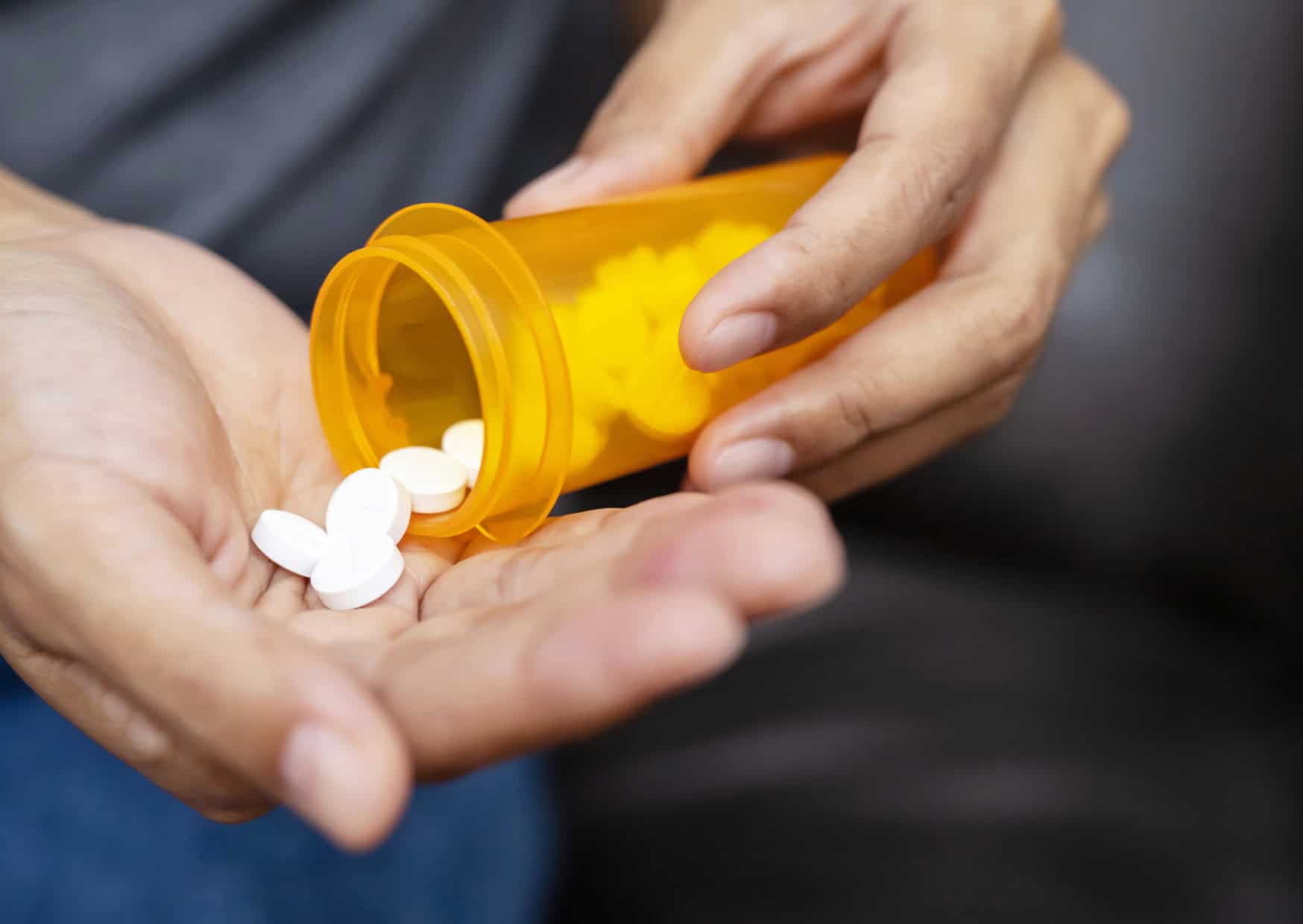
In the U.S., it’s not uncommon to find over-the-counter pain meds that include low-dose codeine in cough syrups or headache formulas.
But in Europe? Codeine is a controlled substance in almost every country.
You can’t buy it without a prescription—if at all.
Why?
- Risk of dependency, especially in adolescents
- Increasing concerns about misuse and over-prescription
- European countries are more cautious with opioids—even in small amounts
In fact, France banned all codeine sales without a prescription back in 2017, and most other EU countries followed suit.
2. Hormone-Disrupting Antiperspirants

Many popular American deodorants and antiperspirants contain aluminum compounds and fragrance mixes with parabens or phthalates—ingredients linked (though not conclusively) to hormone disruption and possible cancer risks.
While still legal in the U.S., the EU has banned or severely restricted dozens of these ingredients.
For example:
- Propylparaben is banned in EU cosmetics if used above very low levels
- Certain aluminum salts are limited or must carry warning labels
- Fragrance allergens must be clearly listed
This means your favorite ultra-strength antiperspirant in the U.S.?
It probably wouldn’t pass European safety standards.
3. Artificial Food Dyes in Supplements (Like Red 40 and Yellow 5)
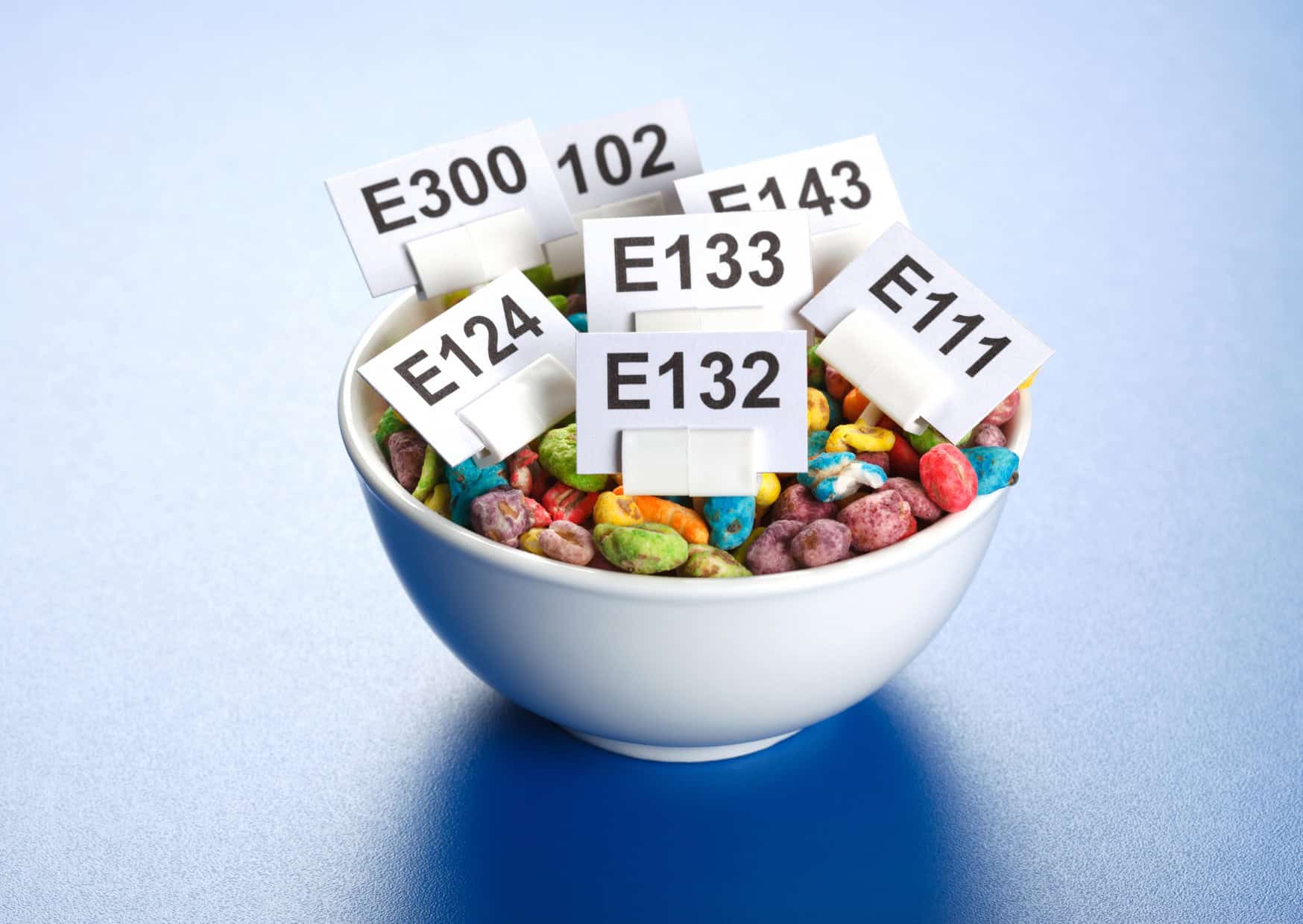
Those neon-colored vitamin gummies, energy chews, and “natural” kids’ supplements?
Many use synthetic dyes like Red 40, Yellow 5, or Blue 1.
In Europe, these dyes are:
- Banned or heavily restricted
- Required to carry warning labels if used
- Gradually phased out of many children’s products
Red 40 (aka Allura Red) and Yellow 5 (Tartrazine), in particular, have been linked to behavioral issues in children in European research. As of 2025, most EU countries prefer natural alternatives—like beet extract or turmeric—for coloring food or supplements.
Meanwhile, U.S. companies still use these dyes without any warning labels.
4. Chlorinated Triclosan Toothpaste
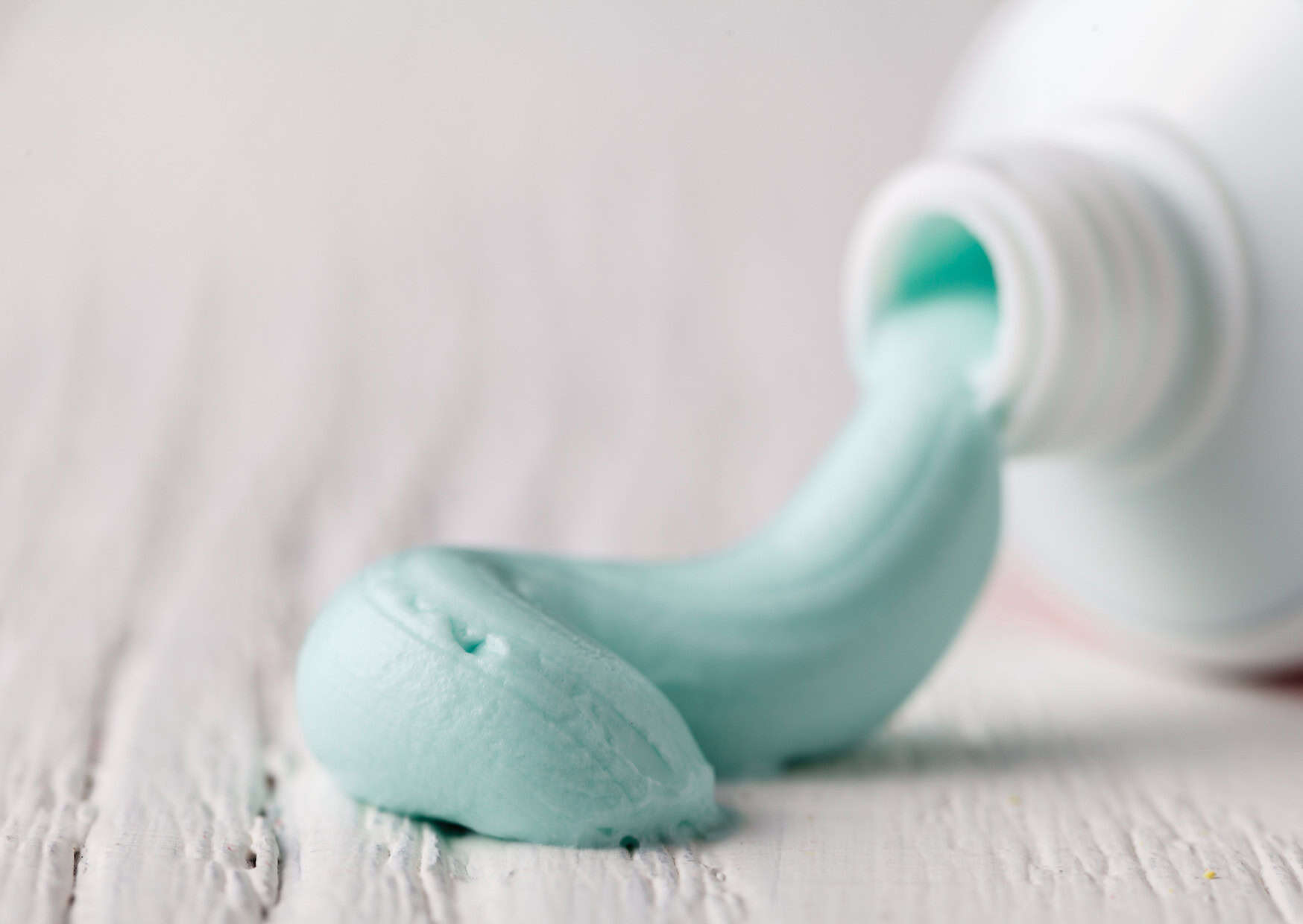
In the U.S., triclosan (an antibacterial agent) was once found in everything—from toothpaste to hand soap.
But in 2025? Triclosan has been banned in the EU for years due to:
- Potential hormone disruption
- Environmental impact
- Concerns over antibiotic resistance
While the FDA banned it from soaps in 2016, it remained in Colgate Total toothpaste in the U.S. for years after—long after Europe had pulled the plug.
Many European countries now favor enzyme-based, fluoride-rich, or herbal toothpaste options—with cleaner ingredient lists and far fewer risks.
5. OTC Hydrogen Peroxide for Skincare Use
In the U.S., hydrogen peroxide is a go-to solution for acne, cuts, and even tooth whitening. You can buy a bottle almost anywhere.
But in Europe? Hydrogen peroxide in personal care is regulated strictly.
You won’t find:
- DIY tooth-whitening kits with high-concentration peroxide
- Skincare products casually listing peroxide as a key ingredient
- Unrestricted access to strong bleaching agents
Why? Because concentrated hydrogen peroxide is classified as a carcinogen and mutagen under EU regulation.
If it’s used at all, it requires specific warnings, safe formulations, and strict oversight.
6. Ultra-Strength Melatonin Supplements
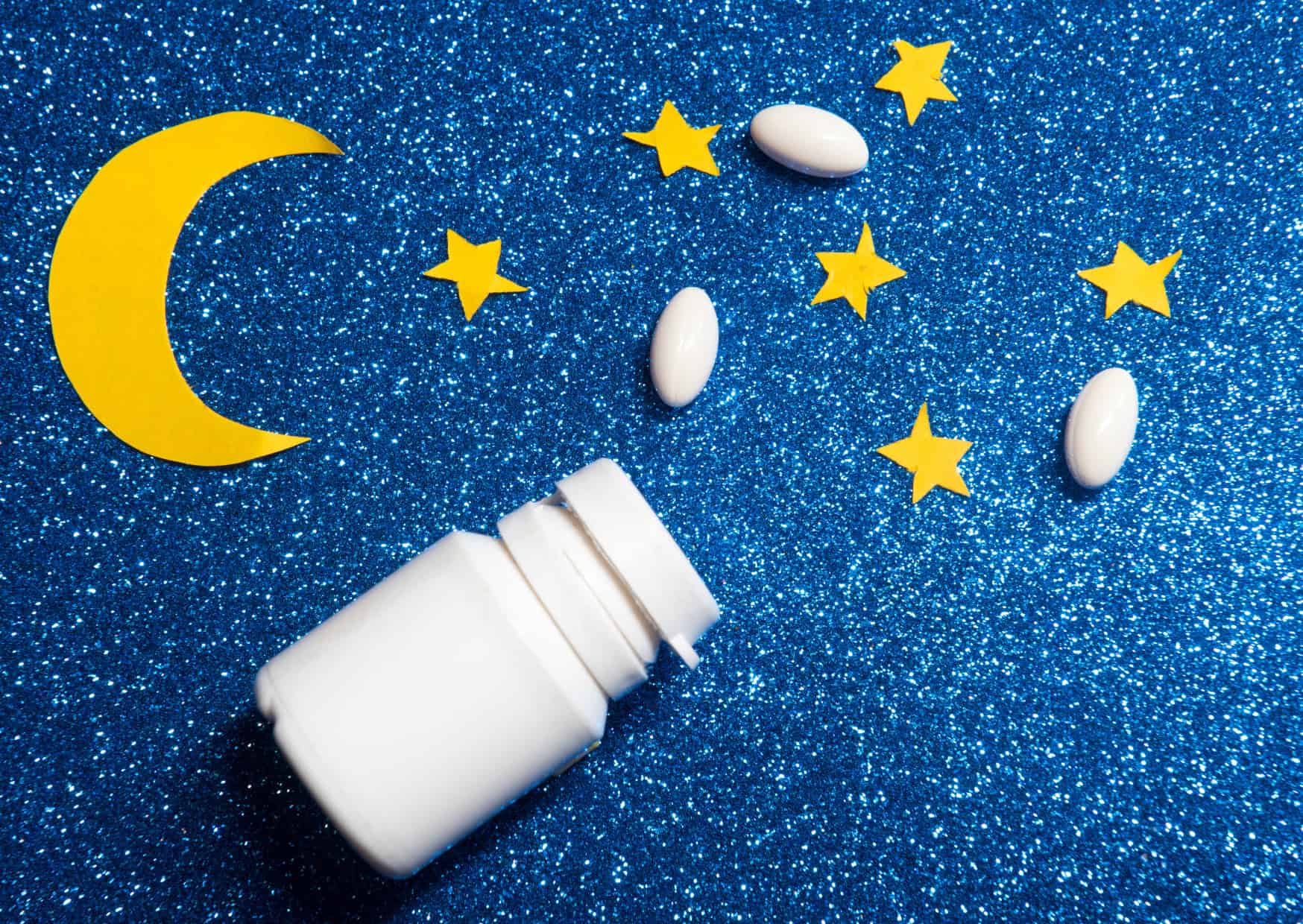
In the U.S., melatonin is sold like candy. You can buy 10mg or even 20mg doses in gummy form. No prescription. No warning.
In Europe?
Melatonin is treated as a medicine.
In most countries (France, Germany, Italy, etc.), doses over 2mg require a prescription—or are banned altogether.
That’s because:
- Long-term safety data is still unclear
- High doses may disrupt natural hormone cycles
- It’s not meant to be taken nightly for years on end
Europe prefers lifestyle-based sleep hygiene or herbal sedatives (like valerian or passionflower)—not hormone hacking in gummy form.
7. Skin-Lightening Creams with Hydroquinone

Hydroquinone, found in some U.S. skin brighteners or anti-aging creams, is banned in the EU for cosmetic use.
Why?
- Linked to skin thinning and sensitivity
- Potential long-term effects on skin health
- Categorized as a possible carcinogen
While Americans can still buy hydroquinone in low concentrations OTC (as of 2025, it’s tightly regulated but still legal), European regulators have said the risks outweigh the benefits.
In its place? Natural brighteners like vitamin C, niacinamide, and azelaic acid—all approved and safer long-term.
8. Certain Over-the-Counter Cold and Flu Medications

That big-name American decongestant or multi-symptom cold reliever? It might contain pseudoephedrine, phenylephrine, or codeine derivatives—which are:
- Banned or restricted in much of Europe
- Prescription-only in countries like France, Spain, and the Netherlands
- Flagged for potential heart risks, blood pressure spikes, and dependency
Many European countries favor safer, symptom-specific remedies (like herbal teas, steam inhalation, nasal sprays, and paracetamol) rather than cocktails of high-dose pharmaceuticals.
The takeaway? More targeted treatment, less chemical overload.
9. Spray-On Sunscreens with Benzene Contamination Risks
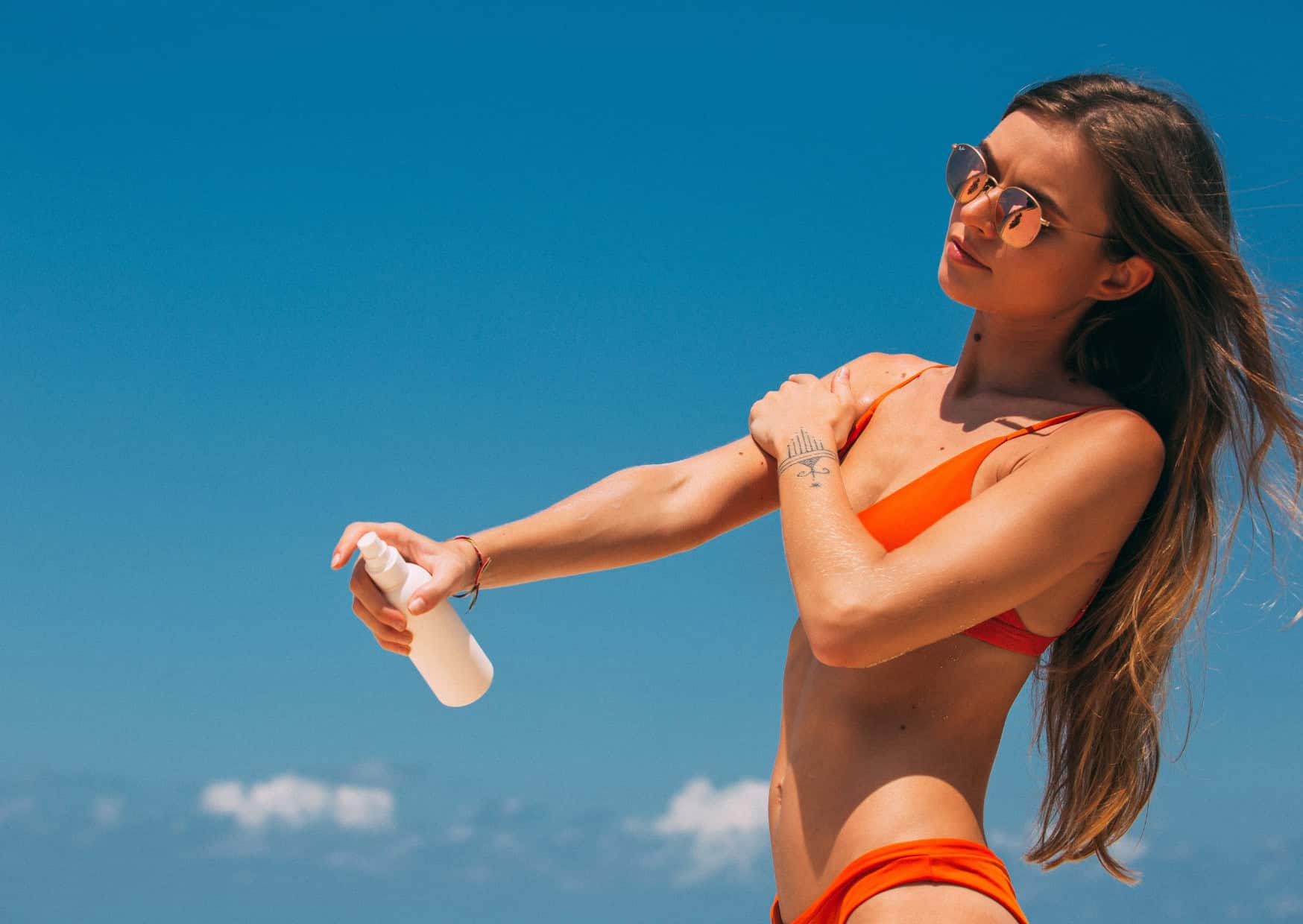
As of 2025, a growing number of U.S. spray sunscreens have faced recalls due to contamination with benzene—a known carcinogen.
In Europe, benzene is strictly banned in cosmetic products—and so are aerosol formulations that pose unnecessary inhalation risk.
Many European dermatologists discourage spray sunscreen altogether, even if benzene-free, because:
- The mist is easily inhaled
- Coverage is inconsistent
- It’s less eco-friendly
Instead, creams and lotions dominate European sunscreen aisles—with reef-safe ingredients, strict UVA/UVB testing, and transparent labeling.
Final Thoughts: More Than a List—A Totally Different Philosophy
These bans and restrictions aren’t just about bureaucracy.
They’re about a different relationship with health, risk, and trust.
In the U.S., the burden is often on the consumer to:
- Read every label
- Google ingredients
- Cross-reference safety data
- Navigate marketing tactics
In Europe, the burden falls more on the company and the regulators.
Products are presumed unsafe until proven otherwise—not the other way around.
So while American pharmacies overflow with “freedom of choice,” European shelves offer something else:
Peace of mind.
Pro Tip: Before traveling or moving abroad, double-check your go-to health products. That supplement, cream, or OTC remedy you rely on in the U.S.? It might be illegal—or just frowned upon—in Europe.

About the Author: Ruben, co-founder of Gamintraveler.com since 2014, is a seasoned traveler from Spain who has explored over 100 countries since 2009. Known for his extensive travel adventures across South America, Europe, the US, Australia, New Zealand, Asia, and Africa, Ruben combines his passion for adventurous yet sustainable living with his love for cycling, highlighted by his remarkable 5-month bicycle journey from Spain to Norway. He currently resides in Spain, where he continues sharing his travel experiences with his partner, Rachel, and their son, Han.
Patrik
Monday 7th of April 2025
I agree US allows quite a number of products/ foods that shouldn’t be allowed. But you said you can get codeine OTC in US . Exactly where is that?