
For many Americans, visiting France is a dream charming cafés, romantic architecture, and world-class cuisine. But once you land in Paris or stroll into a small-town boulangerie, the cultural shift can be jarring. It’s not just the language barrier; it’s the unspoken rules the kind of social customs that French locals follow instinctively but leave many tourists baffled, embarrassed, or worse, unintentionally rude.
From how to greet someone to what’s considered polite (or downright offensive), French social etiquette is nuanced and deeply ingrained. What might seem normal in the U.S. like smiling at strangers or chatting casually with a cashier can come across as awkward, overly familiar, or even disrespectful in France. And while most French people are forgiving of foreign faux pas, knowing the basics can dramatically change how you’re treated.
In this post, we’ll break down 10 of the most confusing French social rules, explain why they matter, and how you can avoid common mistakes. Whether you’re planning a trip to Paris or just curious about international etiquette, these insights will help you navigate French culture with confidence and maybe even impress the locals.
Read here Common Mistakes to avoid in France, France Sim Card for Tourists and 28 Things to Know Before Visiting France
BOOK YOUR TRAVEL INSURANCE
Two of our favorite travel insurance: Heymondo Vs Safetwing cheapest travel Insurance. You can get for $135 USD your Heymondo Travel Insurance with Heymondo discount code valid for 90 days. Read our full comparison of Genki vs Safetywing Travel Insurance Review and the comparison Heymondo vs Genki
Quick & Easy Tips
Always greet with “Bonjour” (or “Bonsoir” in the evening) when entering shops or restaurants even small ones.
Use formal titles like Monsieur and Madame unless invited to do otherwise.
Don’t overshare: The French value privacy and discretion over openness and small talk.
A light cheek kiss (la bise) is common among friends, but rarely used with strangers or new acquaintances.
Dining manners matter: Keep your hands on the table (but not your elbows), and never split the bill casually it’s usually handled by one person.
Many Americans find French reserve and formality off-putting at first. Why does everyone seem cold? The truth is, French politeness isn’t rooted in smiles or friendliness it’s rooted in respect and boundaries. Saying “Bonjour” isn’t just a greeting it’s an acknowledgment of someone’s presence and humanity. Failing to say it can come across as rude, even if unintentional.
Another point of cultural friction is France’s aversion to small talk. In the U.S., striking up a conversation with a barista or cab driver is a social norm. In France, that same behavior may feel intrusive. To the French, conversations should have depth and meaning not just surface-level chatter. What some Americans perceive as aloofness is often just a different set of social expectations.
And then there’s la bise. The infamous cheek kiss is perhaps one of the most bewildering rituals for Americans. Is it one kiss? Two? Three? Who goes first? While locals learn these rules by osmosis, tourists often flounder. Yet, not knowing the rules doesn’t excuse the faux pas especially in formal or social gatherings. The dance of French etiquette can feel like a minefield, but it’s also a doorway into understanding a culture that values subtlety, tradition, and grace.
French Social Rules
1. Always Say Bonjour—Even in Stores

In France, greeting people properly is non-negotiable. When entering a shop, waiting room, or even an elevator, you are expected to say:
“Bonjour, madame” or “Bonjour, monsieur”
And when leaving: “Au revoir”
Why it baffles Americans:
In the U.S., it’s normal to browse in silence. In France, not greeting the shopkeeper is considered rude and can set a negative tone for the interaction.
2. No Small Talk with Strangers
French people don’t tend to make casual small talk in public. Striking up a conversation with someone you don’t know—especially on public transport—can come across as intrusive or odd.
Why it baffles Americans:
In the U.S., small talk is seen as polite or friendly. In France, conversations are reserved for people you know or have a reason to speak to.
3. You Don’t Smile at Strangers

In France, smiling without a reason—especially at strangers on the street—can be misinterpreted. It might be seen as flirtatious, disingenuous, or just odd.
Why it baffles Americans:
Americans are used to smiling as a default social cue. The French view smiling as something earned, not automatic.
4. Formality Is the Norm, Not the Exception
France values formality in language and manners. Using the correct form of “you”—tu (informal) vs. vous (formal)—is extremely important and can signal respect or disrespect.
Why it baffles Americans:
American English doesn’t have this distinction, so it’s easy to unknowingly come across as overly casual.
5. Dining Etiquette Is Strict and Serious
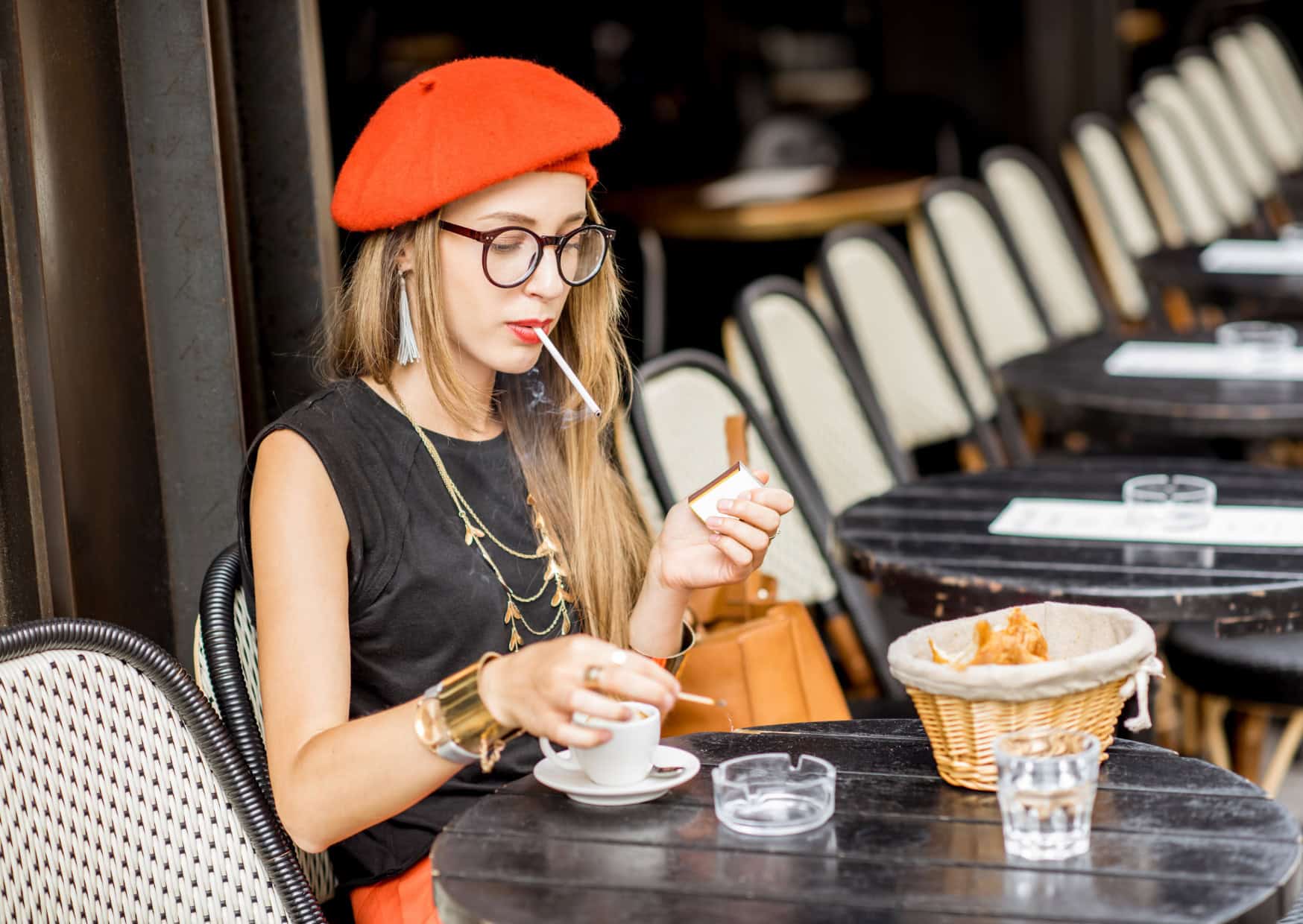
Meals are a social ritual in France. You don’t eat on the go, and eating while walking is frowned upon. Table manners matter: keep your hands (not elbows) on the table, wait for everyone to be served, and don’t rush.
Why it baffles Americans:
In the U.S., convenience and speed often define meals. In France, meals are meant to be enjoyed and respected—not rushed.
6. Talking About Money Is Tacky
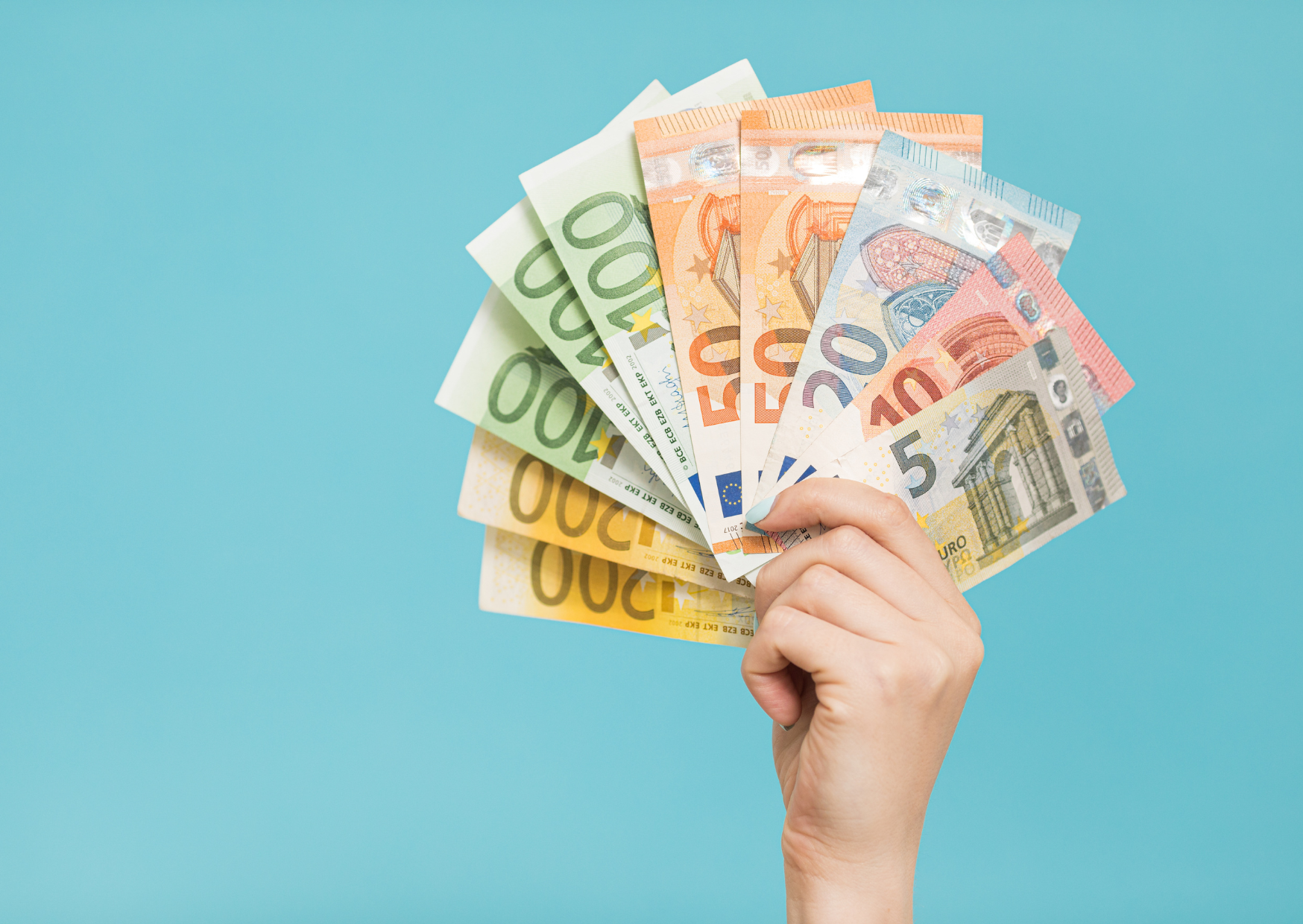
Personal finances are private in France. Asking someone how much they make, what they paid for something, or discussing money in detail is considered inappropriate.
Why it baffles Americans:
Americans are often more open about money, especially when comparing prices, rent, or salaries. In France, these topics are seen as vulgar or impolite.
7. Don’t Ask What People Do for a Living Right Away

In the U.S., “What do you do?” is a standard icebreaker. In France, asking someone’s job too early in a conversation can feel too direct or judgmental.
Why it baffles Americans:
Americans often define themselves by their work. The French prioritize who you are over what you do, especially in social settings.
8. Invitations Are Formal—and Rarely Spontaneous
Socializing in France is more structured. Dinner invitations are planned in advance, and it’s expected that you bring a gift, like wine or flowers. Dropping by unannounced is considered rude.
Why it baffles Americans:
Americans tend to be more casual and spontaneous when it comes to social visits. In France, home is private, and social boundaries are more defined.
9. French Sarcasm and Dry Humor Can Be Misread
French humor is often dry, ironic, and full of subtle sarcasm, and it can sometimes be mistaken for rudeness by those unfamiliar with the style.
Why it baffles Americans:
Americans often expect more obvious humor or friendliness. French wit can feel blunt or passive-aggressive if you’re not used to it.
10. Silence Isn’t Awkward—It’s Natural
In French culture, pauses in conversation are normal, and silence is not something that needs to be filled. Thoughtful reflection is valued over constant chatter.
Why it baffles Americans:
Americans are generally uncomfortable with silence in social situations and tend to fill it with small talk or jokes. In France, silence can signal respect or comfort.
Why You Should Be Aware of These French Social Etiquette Rules
Being aware of French social etiquette can dramatically improve your experience as a traveler. In France, politeness is not optional; it is foundational to everyday interactions. Simple habits like greeting shopkeepers properly or saying goodbye when leaving a store signal respect and can immediately change how you are treated.
Understanding these rules also helps you avoid unintentionally offending locals. Many behaviors that feel normal to Americans speaking loudly, jumping straight to requests, or overusing first names can come across as rude in France. Awareness allows you to navigate social situations with confidence rather than confusion.
French etiquette reflects deeper cultural values such as respect for privacy, formality, and social boundaries. By observing these norms, travelers gain insight into how French society functions beyond tourist attractions. This deeper understanding often leads to more meaningful interactions.
Awareness can also reduce daily friction. Travelers who follow basic etiquette tend to receive better service, more patience, and warmer responses. Whether ordering food, asking for directions, or interacting with neighbors, small gestures go a long way.
Finally, learning these social rules shows cultural humility. Making an effort even imperfectly signals that you respect the country you are visiting. Many locals appreciate this effort and respond with kindness, even if your French is limited.
Why You Shouldn’t Overthink French Etiquette Rules
While etiquette matters, obsessing over every rule can make travel stressful and rigid. France is not a social minefield, and most locals do not expect perfection from visitors. Genuine politeness matters far more than flawless execution.
French society is also diverse, and social norms vary by region, age group, and setting. What applies in Paris may feel less strict in smaller towns or coastal areas. Assuming all rules apply everywhere can lead to unnecessary anxiety.
Many Americans worry excessively about making mistakes, but small missteps are usually forgiven. Locals can often tell when someone is a visitor and are more understanding than stereotypes suggest, especially when intentions are respectful.
Over-focusing on etiquette can also distract from enjoying the experience. Travel is about exploration, connection, and discovery not constant self-correction. Being present often matters more than rigidly following social guidelines.
Lastly, cultural exchange works both ways. While adapting to French norms is respectful, travelers do not need to erase their own identity. Authenticity paired with courtesy creates more natural interactions than trying to perform cultural perfection.
Final Thoughts
Understanding French social customs doesn’t mean becoming fluent in the culture overnight. It means approaching your travels with curiosity, humility, and a willingness to learn. When Americans adjust their behavior to fit the French rhythm, the payoff is huge: warmer interactions, better service, and a more authentic experience.
Even simple adjustments like softening your tone, waiting to be invited into personal conversations, or using the proper greeting can shift how locals perceive you. In many ways, the French admire travelers who try, even if imperfectly. It shows respect for their way of life, and that effort often leads to more meaningful connections.
At the end of the day, what baffles Americans about French culture is also what makes it memorable. These social rules may seem strange at first, but they’re part of what makes France feel… well, French. Embrace the differences, avoid the rookie mistakes, and let your curiosity guide you. After all, that’s the heart of true travel.

About the Author: Ruben, co-founder of Gamintraveler.com since 2014, is a seasoned traveler from Spain who has explored over 100 countries since 2009. Known for his extensive travel adventures across South America, Europe, the US, Australia, New Zealand, Asia, and Africa, Ruben combines his passion for adventurous yet sustainable living with his love for cycling, highlighted by his remarkable 5-month bicycle journey from Spain to Norway. He currently resides in Spain, where he continues sharing his travel experiences with his partner, Rachel, and their son, Han.