
(Why That €3 Bar in France Might Be the Best Skincare Product You’ll Ever Use)
It usually happens on a trip to Europe. You stop into a tiny pharmacy, maybe in a sleepy French village or tucked between pastry shops in Barcelona. There, near the back, you see baskets full of plain bar soaps. No flashy packaging, no glitter, no slogans promising to “energize your skin.” Just stacks of cream-colored squares—some wrapped in paper, others simply stamped with a name like Savon de Marseille.
You grab one. It costs under €4. You use it that night. And by morning, your skin feels different. Softer. Less dry. Maybe even calmer.
What you don’t realize in that moment is that you’ve just stumbled onto a quiet industry truth: European soap is completely different from what most American consumers have been sold.
And that’s not an accident.
Here’s what’s really going on with European soap, and why U.S. companies don’t talk about it.
Want More Everyday Culture Shock Deep Dives?
– The European Shower Habit That Americans Find Completely Backwards
– The Hidden Meaning Behind 8 Common European Household Items Americans Don’t Understand
– 9 Home Features Europeans Consider Essential (That American Homes Lack)
1. Europe Bans Over 1,300 Cosmetic Ingredients. The U.S.? Only 11.
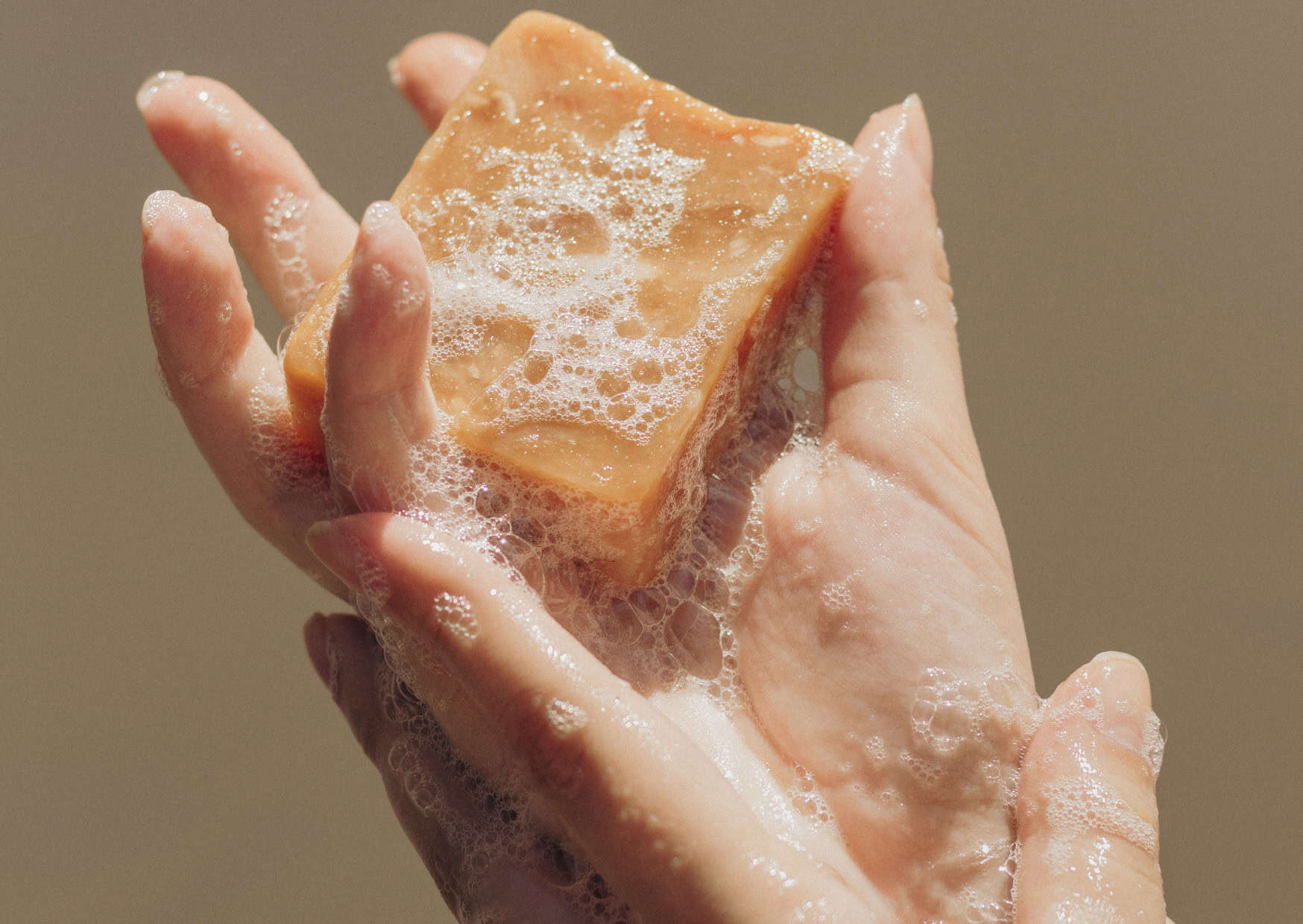
Let’s start with the ingredients. Europe has some of the strictest cosmetic regulations in the world. The EU has banned or restricted over 1,300 substances from use in personal care products. In the U.S., the FDA bans just 11.
That means your average American body wash or facial soap might legally contain:
- Known skin irritants
- Endocrine disruptors
- Harsh sulfates or synthetic preservatives
- Artificial dyes and chemical fragrance blends
In Europe, those ingredients are simply off the table.
Instead, European soaps rely on:
- Natural oils (olive, coconut, shea, almond)
- Glycerin (more on that in a moment)
- Gentle essential oils for scent
- Simple preservatives—if any
The difference is not just regulatory—it’s philosophical. Europeans expect their skincare to nourish the skin. Americans, often unknowingly, are sold products that over-clean, strip, and then ask you to buy a second product to fix the damage.
2. European Soaps Still Use Traditional Methods That Preserve What Matters
Ever heard of cold-process soap? Hot-process? In much of Europe, especially in countries like France, Spain, and Italy, traditional soap-making techniques are still the norm—and they matter.
What’s the big deal?
Traditional soap-making:
- Keeps natural glycerin intact (a powerful skin humectant)
- Allows for slow curing, which creates a harder, longer-lasting bar
- Preserves the integrity of the oils and fats used
- Requires no synthetic foaming agents or added moisturizers
Now compare that to most mass-produced American soaps. Many are actually synthetic detergents, not true soap at all. Manufacturers often extract the glycerin to sell separately as a premium product, leaving your skin with a drying “cleansed” feeling. They then add artificial moisturizers or silicones to make up for what’s missing.
European soap doesn’t play that game.
3. Regional Soaps Are Treated Like Cultural Heritage
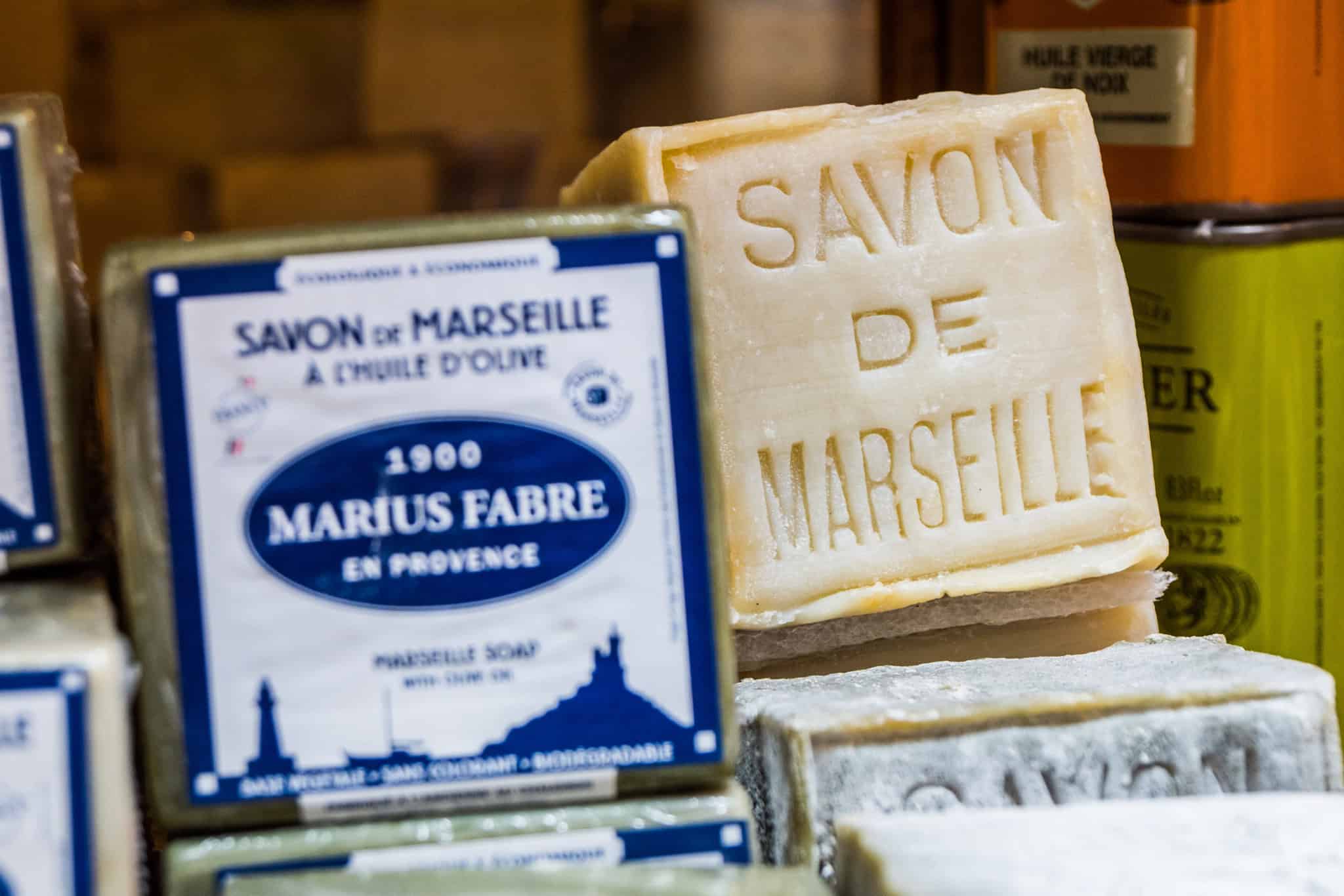
Walk through a French market and you’ll find locals fiercely loyal to Savon de Marseille—a dense, olive oil-based soap that’s been made in the same way for centuries. In Spain, Castile soap (also olive oil-based) has deep roots in the Andalusian tradition. In Italy, many families swear by regional goat milk or olive oil soaps made in small batches.
And then there’s Aleppo soap, one of the world’s oldest cleansing products, made from olive oil and laurel oil, cured for months under the Syrian sun. You can find it throughout Mediterranean Europe.
These soaps aren’t trends. They’re legacy products—crafted with few ingredients, often using century-old techniques, and still considered daily essentials.
In the U.S., soap is often reinvented every quarter to fit a new marketing campaign. In Europe, it’s made the same way it’s always been—because it works.
4. The pH Difference Could Be the Key to Your Skin Health
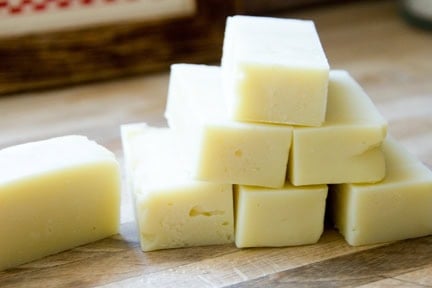
Here’s a secret few consumers realize: your skin’s natural pH is around 5.5. Many American soaps and cleansers clock in at a pH of 9 or higher.
That “squeaky clean” feeling Americans associate with cleanliness? It often means your skin’s acid mantle has been stripped—which can lead to dryness, irritation, breakouts, and faster aging.
European soaps, especially those made with traditional oils and minimal additives, tend to fall much closer to the skin’s natural pH. The result?
- Less inflammation
- Better moisture retention
- Fewer post-shower tight, itchy sensations
The irony is that Americans often buy more skincare products to fix the damage their soap caused in the first place. Europeans just use better soap.
5. Less Marketing, More Substance
Why haven’t you heard about this before? Because European soaps don’t scream for attention.
They’re often:
- Sold in minimalist packaging
- Found in pharmacies and markets, not ad campaigns
- Branded with region or ingredient, not aspirational slogans
- Priced affordably (and with zero celebrity endorsement)
American soap brands, by contrast, often:
- Lead with marketing rather than formulation
- Rely on fragrance, foam, and artificial color for appeal
- Push new “flavors” and “collections” each season
- Emphasize performance over skin health
European soaps don’t need reinvention. They’re not chasing trends. They’re focused on function and quality—and consumers who already know better.
6. What American Brands Don’t Want You to Ask
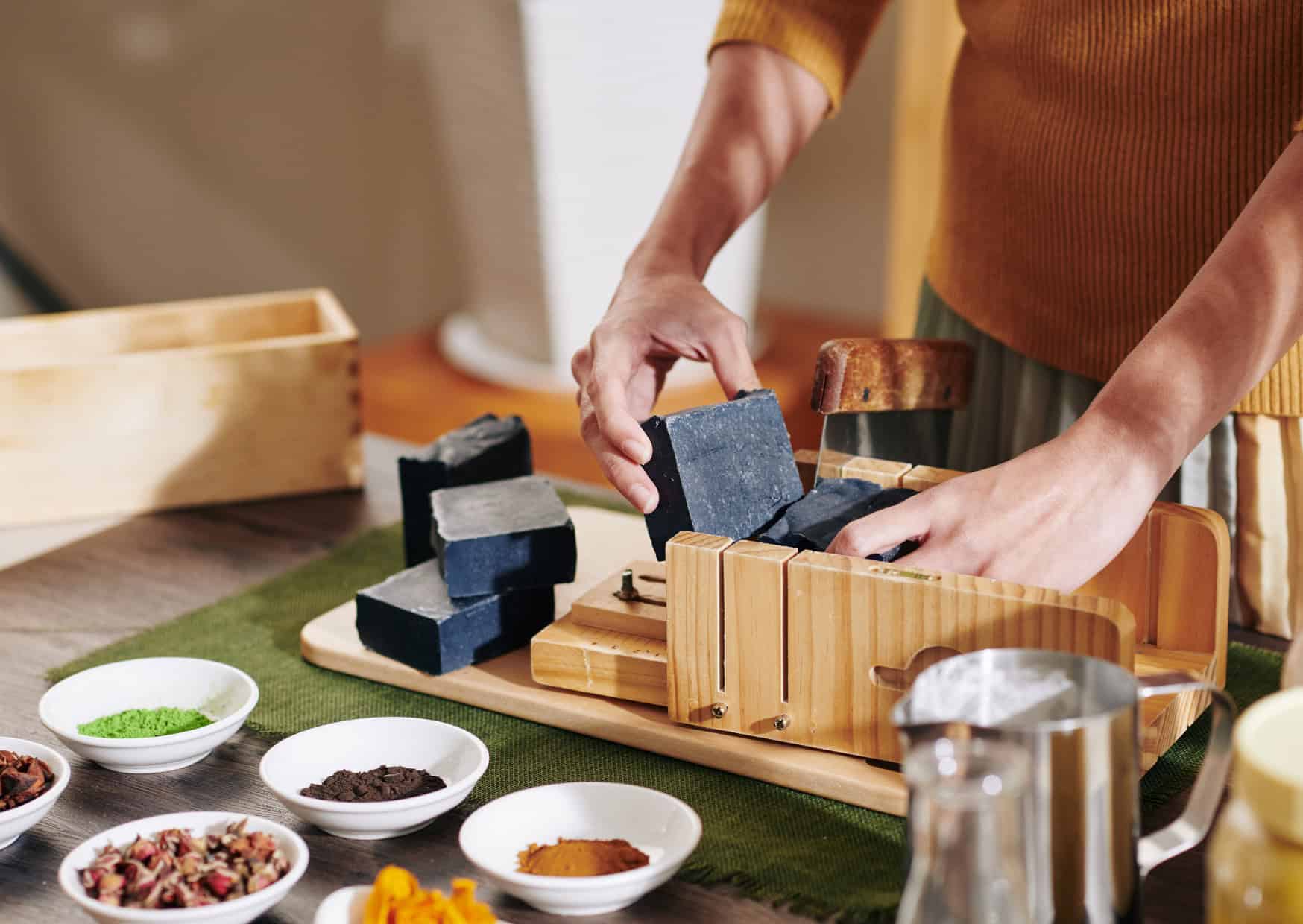
Here’s the uncomfortable truth: if more Americans knew how good a €3 bar of French soap was—how it lasted longer, treated their skin better, and didn’t require follow-up products—the entire product ecosystem would collapse.
Because here’s what would happen:
- You’d stop buying expensive “hydrating” shower gels
- You’d use fewer moisturizers
- You’d question the $18 face wash with 28 ingredients
- You’d rely on one bar of soap for your whole body—and it would actually work
American soap companies aren’t just selling soap. They’re selling dependency on a cycle of strip → repair → repeat.
European soap quietly skips the cycle altogether.
7. The “Squeaky Clean” Test: How to Know if Your Soap is Stripping Your Skin
Try this next time you wash your hands or shower:
Does your skin feel tight?
Does it squeak when you rub your fingers across it?
Does it feel dry within 10 minutes?
That’s not cleanliness. That’s stripped skin.
A high-quality soap—like most traditional European bars—will leave your skin feeling:
- Clean, but not tight
- Moisturized, but not oily
- Balanced, not “numb”
You’ll notice it within a few uses. And you’ll probably start wondering why you ever thought “squeaky” was a good thing.
8. Want to Try It? Start With These
While many of the best soaps in Europe are local-market finds, a few high-quality options are now available internationally:
- Savon de Marseille (Fer à Cheval or Marius Fabre brands) – France’s iconic olive oil soap
- Aleppo Soap (Najel or Tadé) – Olive and laurel oil, naturally antibacterial
- Dr. Bronner’s Castile Soap – Based on traditional Spanish soapmaking, widely available in the U.S.
- Nesti Dante – Italian bar soaps with natural oils and elegant scents
- La Corvette – Authentic Marseille soap with zero nonsense
Look for short ingredient lists, traditional processes, and a lack of synthetic fragrance. If you can’t pronounce half of what’s inside, skip it.
Final Thoughts: What If the Best Skincare Hack Was Just… Better Soap?
The truth is, most Americans have never been introduced to what soap should be. Not a detergent. Not a perfume dispenser. Not a plastic-wrapped promise. Just a simple, well-made bar of cleanser that’s good for your skin and doesn’t need a marketing gimmick.
The European soap “secret” isn’t really a secret. It’s just something the American market has ignored on purpose—because it’s harder to upsell simplicity.
But once you make the switch? There’s no going back.
Pro Tip: Next time you’re in Europe, skip the souvenir shop. Head to the local pharmacy and grab a few bars of traditional soap. They’ll take up less space in your suitcase—and might quietly change your skincare routine forever.

About the Author: Ruben, co-founder of Gamintraveler.com since 2014, is a seasoned traveler from Spain who has explored over 100 countries since 2009. Known for his extensive travel adventures across South America, Europe, the US, Australia, New Zealand, Asia, and Africa, Ruben combines his passion for adventurous yet sustainable living with his love for cycling, highlighted by his remarkable 5-month bicycle journey from Spain to Norway. He currently resides in Spain, where he continues sharing his travel experiences with his partner, Rachel, and their son, Han.