
(And What Their Traditions Reveal About Slower, More Seasonal Living)
When spring finally arrives in the U.S., it’s often met with a mix of marketing campaigns and mild weather panic: pastel-themed displays, chocolate bunnies stacked in drugstores by mid-February, and the sudden urge to “spring clean” everything in sight.
There’s a freshness to the American version of spring—but it’s fast. Scheduled. Often commercialized.
Meanwhile, in Europe, spring rolls in with a completely different energy. It’s not marked by mall decorations or an early Target rollout of seasonal snacks. It’s felt in the air, lived in the streets, and celebrated in ways that blend tradition, nature, and deep-rooted communal rituals.
So what exactly makes European spring so different—and, dare we say, more grounded?
Here’s how Europeans welcome the season of renewal—and why their way might just make you want to trade your store-bought daffodils for a village bonfire and a Maypole dance.
Want More Everyday Culture Shock Deep Dives?
– The European Shower Habit That Americans Find Completely Backwards
– The Hidden Meaning Behind 8 Common European Household Items Americans Don’t Understand
– 9 Home Features Europeans Consider Essential (That American Homes Lack)
1. Spring in Europe Is About Ancient Traditions, Not Shopping Seasons
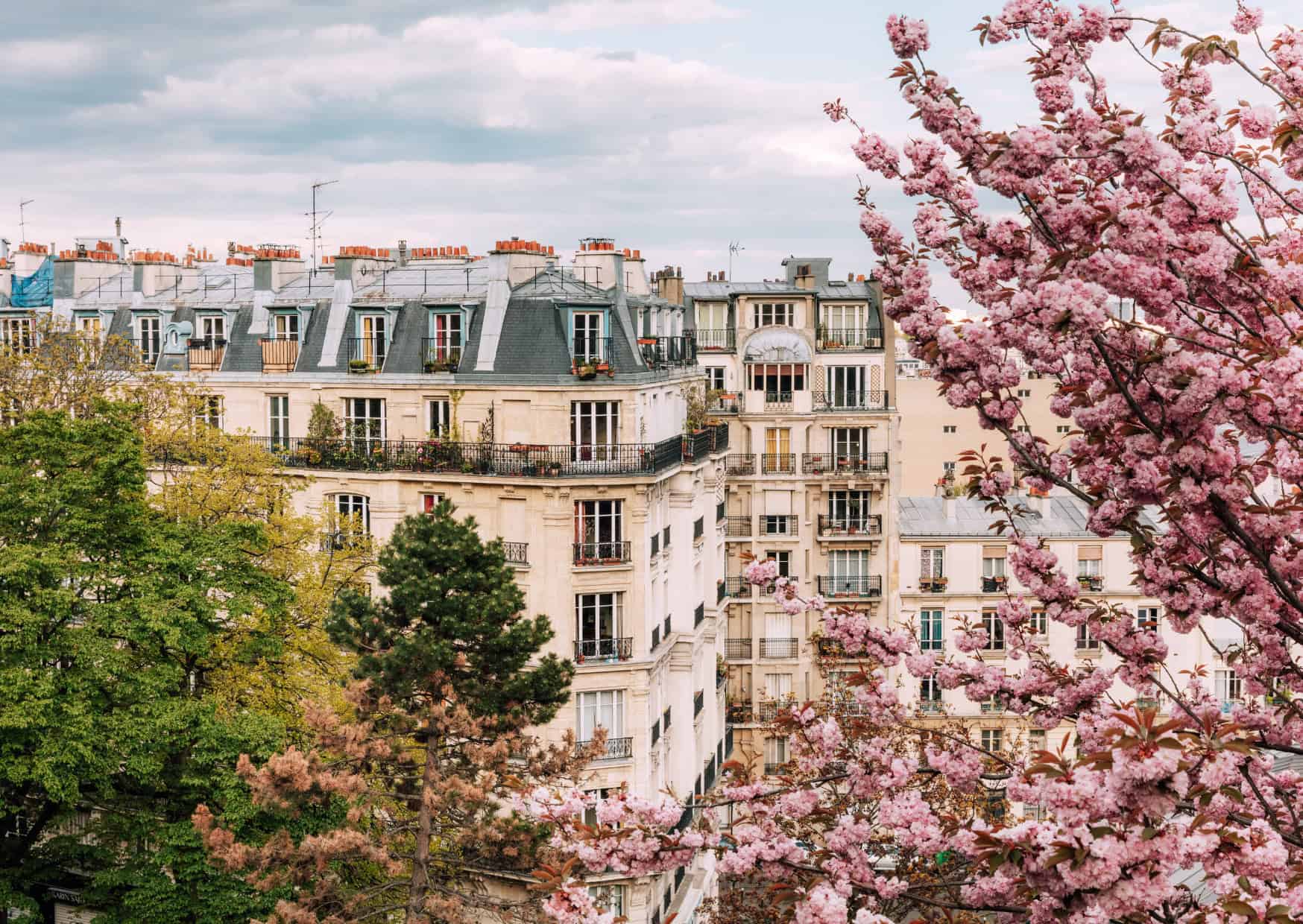
In much of the U.S., spring is heralded by themed decor, limited-edition drinks, and a push toward seasonal consumption. But in Europe, many springtime rituals are rooted in centuries-old cultural and even pagan traditions.
Across the continent, you’ll still find:
- May Day festivals, celebrating fertility and nature with flower crowns, traditional dances, and local music
- Easter fires in parts of Germany and the Netherlands, originally meant to drive away winter spirits
- Walpurgis Night (April 30), particularly in Scandinavia and parts of Central Europe, where people gather around bonfires to mark the changing season
These events aren’t about gift-giving or seasonal branding. They’re about marking nature’s turning point—with real fire, folklore, and food.
2. Seasonal Eating Actually Means Something
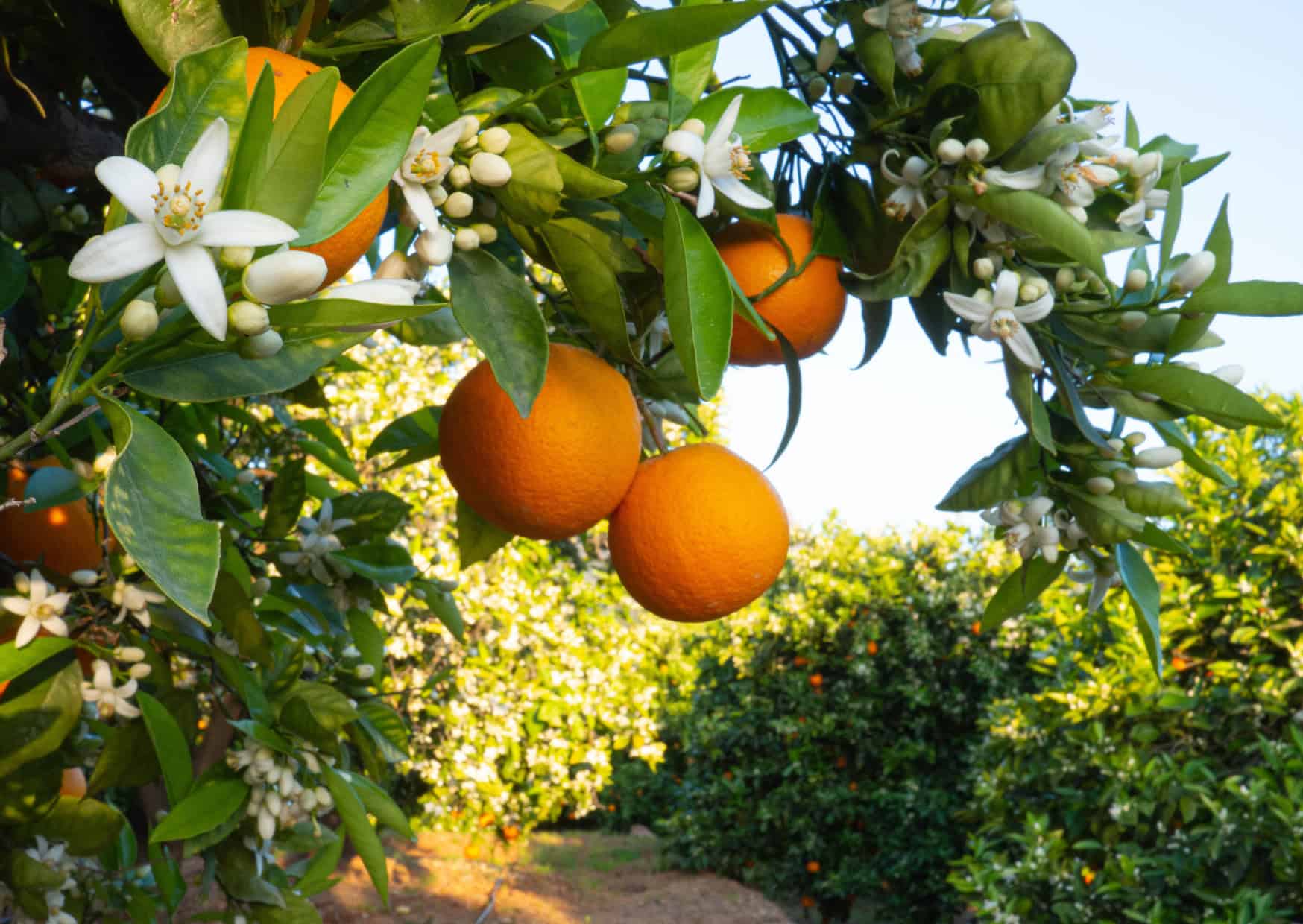
In America, “seasonal menus” often mean a few asparagus dishes or the appearance of strawberries in grocery store ads. But in many parts of Europe, especially southern and central regions, spring marks a real and dramatic shift in what people eat.
Think:
- Fresh artichokes, wild greens, and new potatoes in Italy
- White asparagus (Spargelzeit!) in Germany and Austria, treated like royalty during its short season
- Fava beans and green garlic in Spain
- Spring lamb, new cheeses, and locally foraged herbs across Greece and the Balkans
These ingredients aren’t just added—they’re anticipated. Markets come alive with spring produce, and meals shift with the landscape. The arrival of spring is not just a date—it’s a flavor.
3. Outdoor Life Returns—and Becomes the Center of Daily Culture
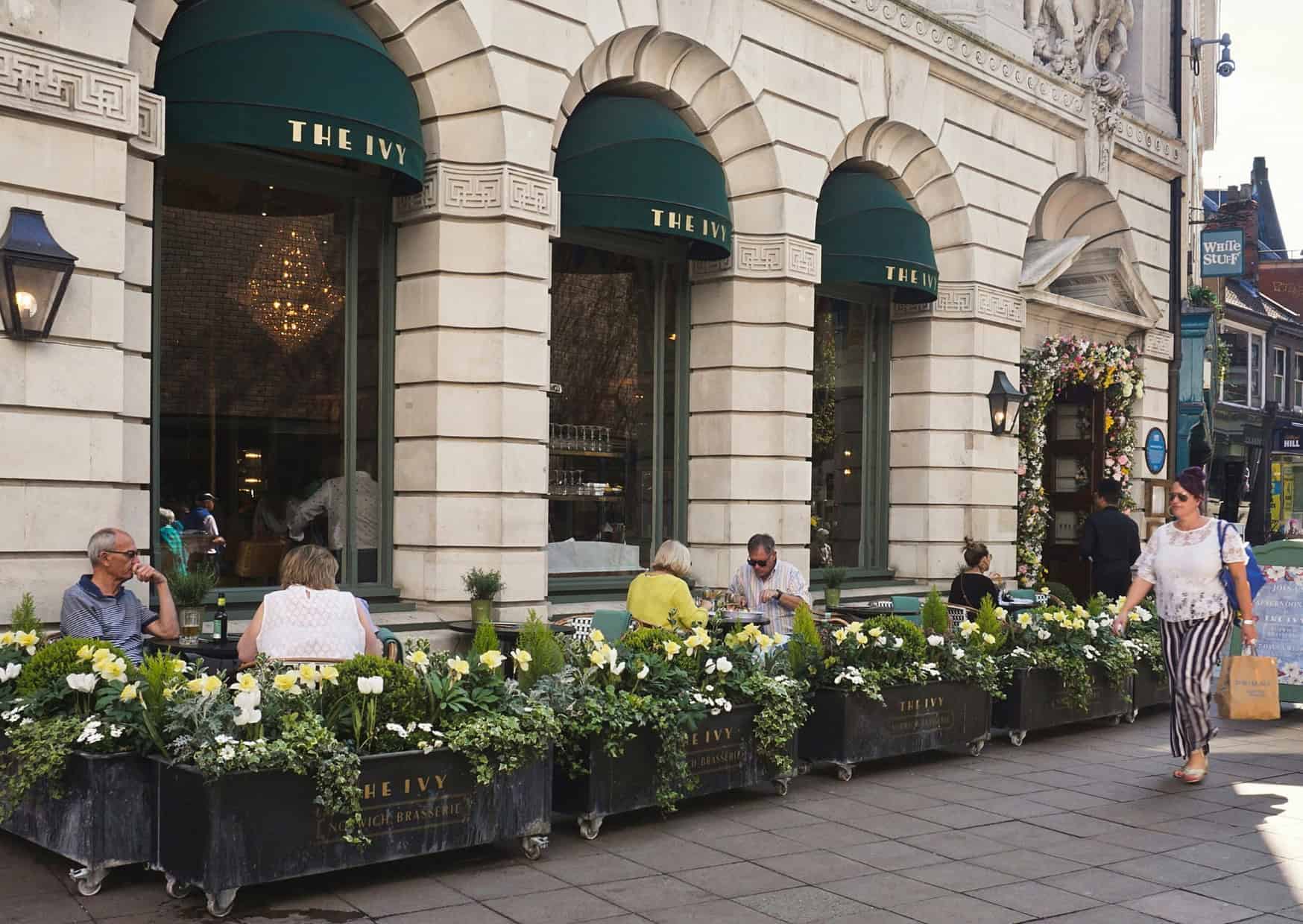
Yes, Americans love a good park day. But in European cities, the first truly warm day is an event. Suddenly:
- Cafés spill into the streets
- Public squares fill with people sunning themselves like lizards
- Children take over piazzas and courtyards with soccer balls and scooters
- Markets double in size, with stalls offering local flowers, cheeses, and wine
- Even offices and schools subtly shift—lunchtimes stretch longer, walks replace errands
Spring in Europe isn’t just “nicer weather.” It’s an invitation to come back to public life—to see and be seen again, to mark the season by living outwardly.
It’s a collective exhale after a long winter spent largely indoors.
4. Religious Celebrations Still Center Community, Not Commerce
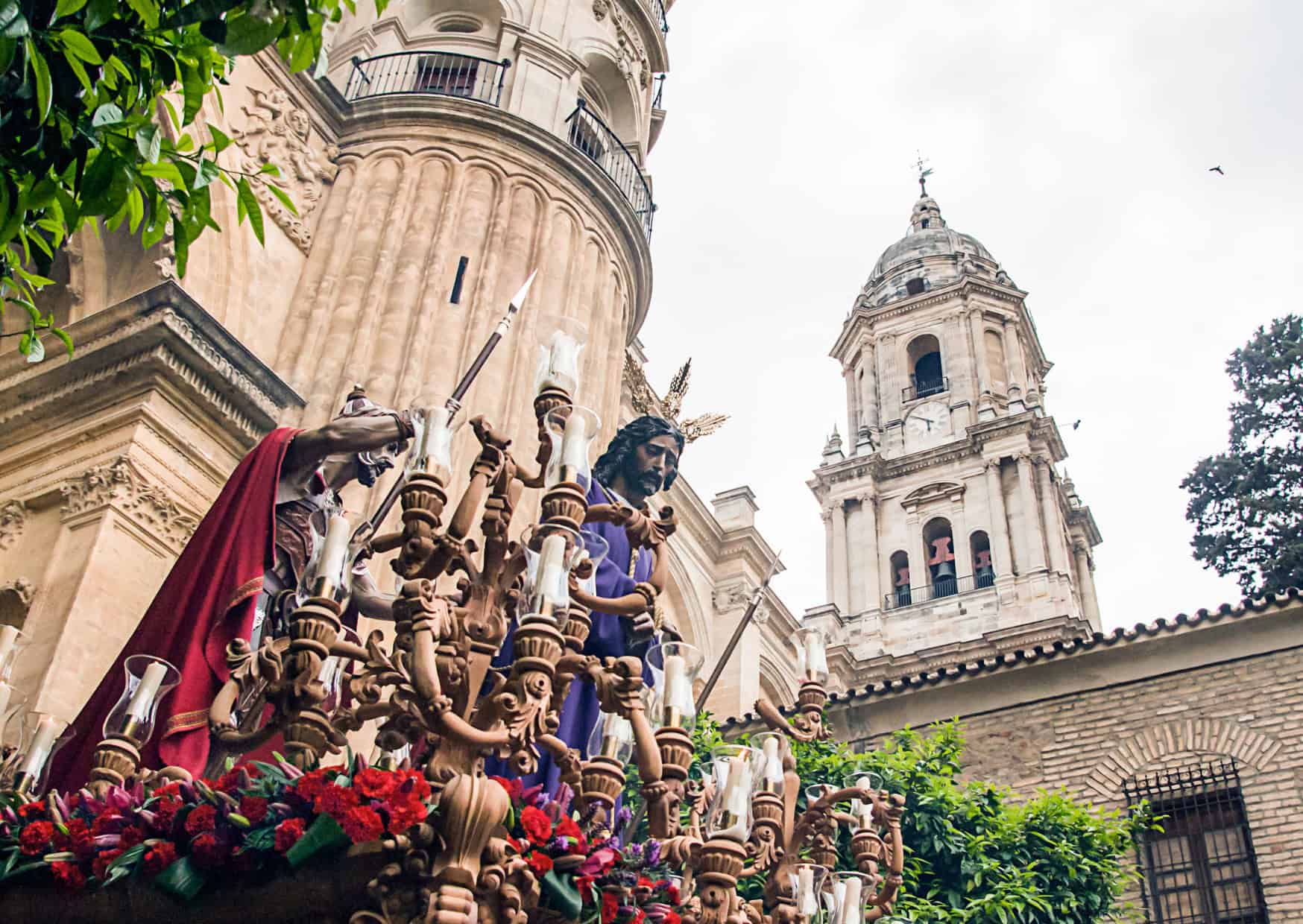
Easter in the U.S. tends to be colorful, candy-focused, and anchored in family traditions. But in Europe, it can take on dramatically different tones—solemn, symbolic, and deeply local.
In parts of Greece and Italy, Holy Week (Semana Santa or Megali Evdomada) is filled with candlelit processions, midnight masses, and community fasting. In Eastern Europe, Orthodox Easter follows its own rich calendar, with symbolic food preparations and rituals that span days.
You’ll still see chocolate eggs in shop windows—but you’ll also see:
- Hand-painted wooden eggs in Central Europe
- Fireworks and lamb roasting in Greek villages
- Bells ringing across French hill towns at dawn
- Traditional breads baked only during this season
These aren’t just religious gestures. They’re seasonal expressions of local identity—and they connect people across generations in ways that feel deeper than chocolate rabbits and Peeps.
5. Spring Cleaning in Europe Isn’t Just a Chore—It’s a Reset
While Americans might associate spring cleaning with Pinterest lists and home organization influencers, in Europe, spring cleaning is still tied to cultural tradition and seasonal transition.
In older homes (and especially rural ones), spring cleaning historically meant:
- Letting the winter fires die out
- Airing mattresses and rugs in the sun
- Washing windows and opening doors wide for the first time in months
- Preparing the home for Easter guests or seasonal visitors
It wasn’t about optimization. It was about purification—clearing away the literal and metaphorical weight of winter. And in many places, this practice lives on.
Even today, spring cleaning across Europe is more ritualistic and sensory than scheduled. It’s felt in the fresh linens flapping on a line, the scent of soap from a freshly scrubbed patio, the sound of water splashing from stone courtyards.
6. Spring Travel Looks Very Different
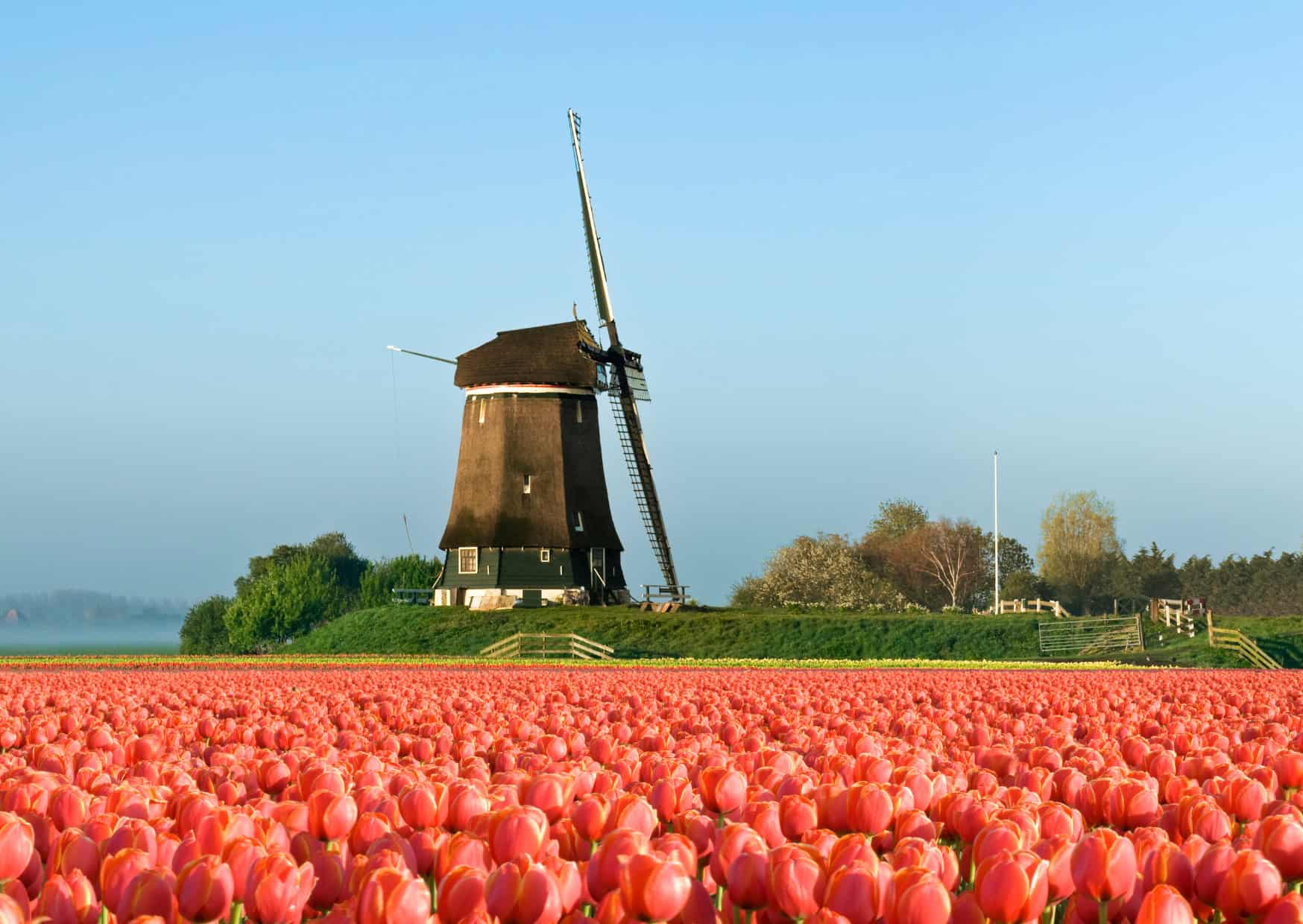
In the U.S., spring break often means crowded beaches, flight deals, and quick getaways squeezed between school calendars and work deadlines.
In Europe, spring travel often aligns with:
- Religious calendars (Easter and Pentecost breaks are real holidays)
- Local festivals and saint days
- Seasonal pilgrimages, hikes, and road trips—not just tourist traps
- Extended time off—with long lunches, slow mornings, and full-day excursions that revolve around nature or heritage
In other words, spring isn’t about escape—it’s about return. Return to the countryside. Return to family villages. Return to traditional foods and walks in wildflower-covered hills.
And yes, the weather is part of the appeal—but so is the sense that you’re returning to something older than your calendar.
7. Even the Way People Dress Tells You Spring Has Arrived
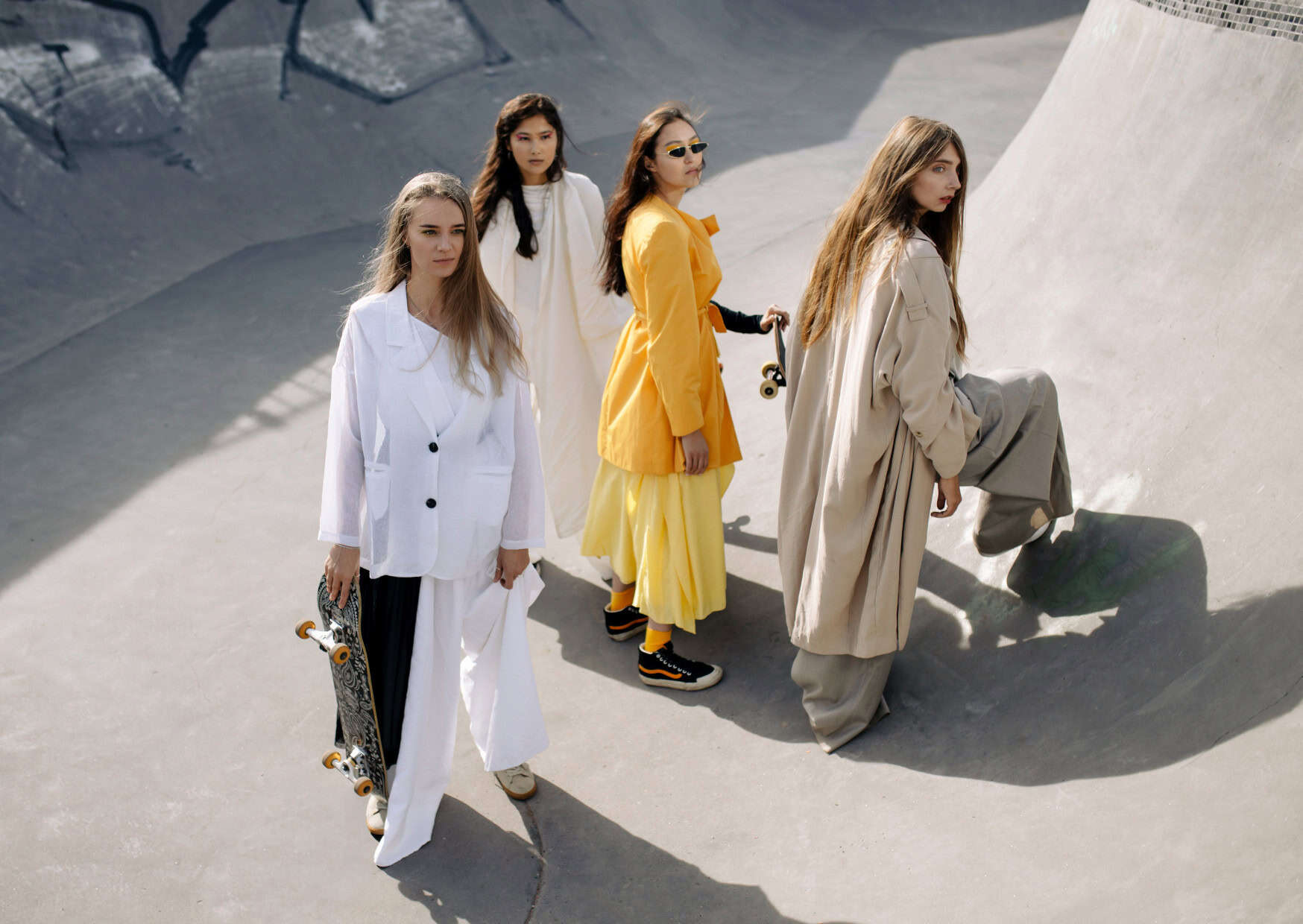
There’s a visual signal when spring hits in Europe—and it’s not neon colors or pastel everything. It’s texture, tailoring, and restraint.
Locals begin trading:
- Wool coats for light trench coats
- Chunky knits for crisp cotton and linen
- Heavy boots for loafers, canvas sneakers, and leather flats
- Neutrals for earthy greens, creams, and soft blues
The shift is gradual, elegant, and seasonal—not trend-based.
And if you’re looking to blend in during your spring travels, this is your cue: leave the flip-flops and slogan tees at home. Channel timeless over trendy.
Final Thoughts: Spring in Europe Isn’t Just a Season—It’s a Sensory Return to Life
While Americans may be busy buying scented candles and planning spring sales, Europeans are quietly heading to the market for fresh herbs, dusting off patio chairs, and marking the season not with fanfare—but with ritual, rhythm, and reverence.
They greet spring with fire. With flowers. With food, slow walks, and time spent outdoors—not as a reward, but as a right.
And maybe that’s the biggest difference: in Europe, spring isn’t another checkbox on the calendar. It’s a cultural awakening. A gentle but powerful reminder to reconnect—with nature, with neighbors, with the simple beauty of things returning.
Pro Tip: If you’re traveling to Europe in spring, don’t just visit the famous sites. Time your trip around a local festival, a Sunday market, or a village Easter celebration. The magic isn’t in the landmarks—it’s in the rhythm of how life returns.

About the Author: Ruben, co-founder of Gamintraveler.com since 2014, is a seasoned traveler from Spain who has explored over 100 countries since 2009. Known for his extensive travel adventures across South America, Europe, the US, Australia, New Zealand, Asia, and Africa, Ruben combines his passion for adventurous yet sustainable living with his love for cycling, highlighted by his remarkable 5-month bicycle journey from Spain to Norway. He currently resides in Spain, where he continues sharing his travel experiences with his partner, Rachel, and their son, Han.