
(And Why That Changes Everything About Daily Life)
The moment you step into a European city, you feel it: you’re walking. Not in a forced, exercise kind of way, but in a natural, effortless, how-did-I-just-log-10,000-steps-without-trying way. Whether you’re wandering cobblestone alleys in Lisbon, strolling the Seine in Paris, or zigzagging through Barcelona’s old town, you realize: this place was made for people on foot.
Then you return to the U.S. and try walking to the store—only to find no sidewalks, six-lane roads, and a parking lot where a plaza should be.
So why are European cities built for walking, while American cities seem built to make it as inconvenient as possible? The answer isn’t just “older buildings” or “narrow streets.” It’s deeper—and it explains a lot about the lifestyle, health, and happiness gaps between these two parts of the world.
Here are the 9 biggest reasons European cities keep you walking—and why that design changes everything about how people live, move, and connect.
Want More Deep Dives into Everyday European Culture?
– Why Europeans Walk Everywhere (And Americans Should Too)
– How Europeans Actually Afford Living in Cities Without Six-Figure Salaries
– 9 ‘Luxury’ Items in America That Europeans Consider Basic Necessities
1. European Cities Were Built Before Cars—And It Shows

Most European cities were designed centuries before cars existed. Their layouts were created with horses, carts, and feet in mind—not SUVs or traffic flow.
That’s why you’ll find:
- Dense, compact neighborhoods
- Narrow, winding streets
- Central plazas and town squares
- Homes, shops, and cafés stacked closely together
In these cities, everything you need is a 5–15 minute walk away. From the bakery to the pharmacy to your friend’s flat, it’s all connected—and car ownership isn’t required.
Compare that to American cities, which were often built or expanded in the post-automobile era, with wide roads, zoning laws, and endless suburbs. The result? A city designed for driving, not strolling.
2. Mixed-Use Neighborhoods Make Walking Practical
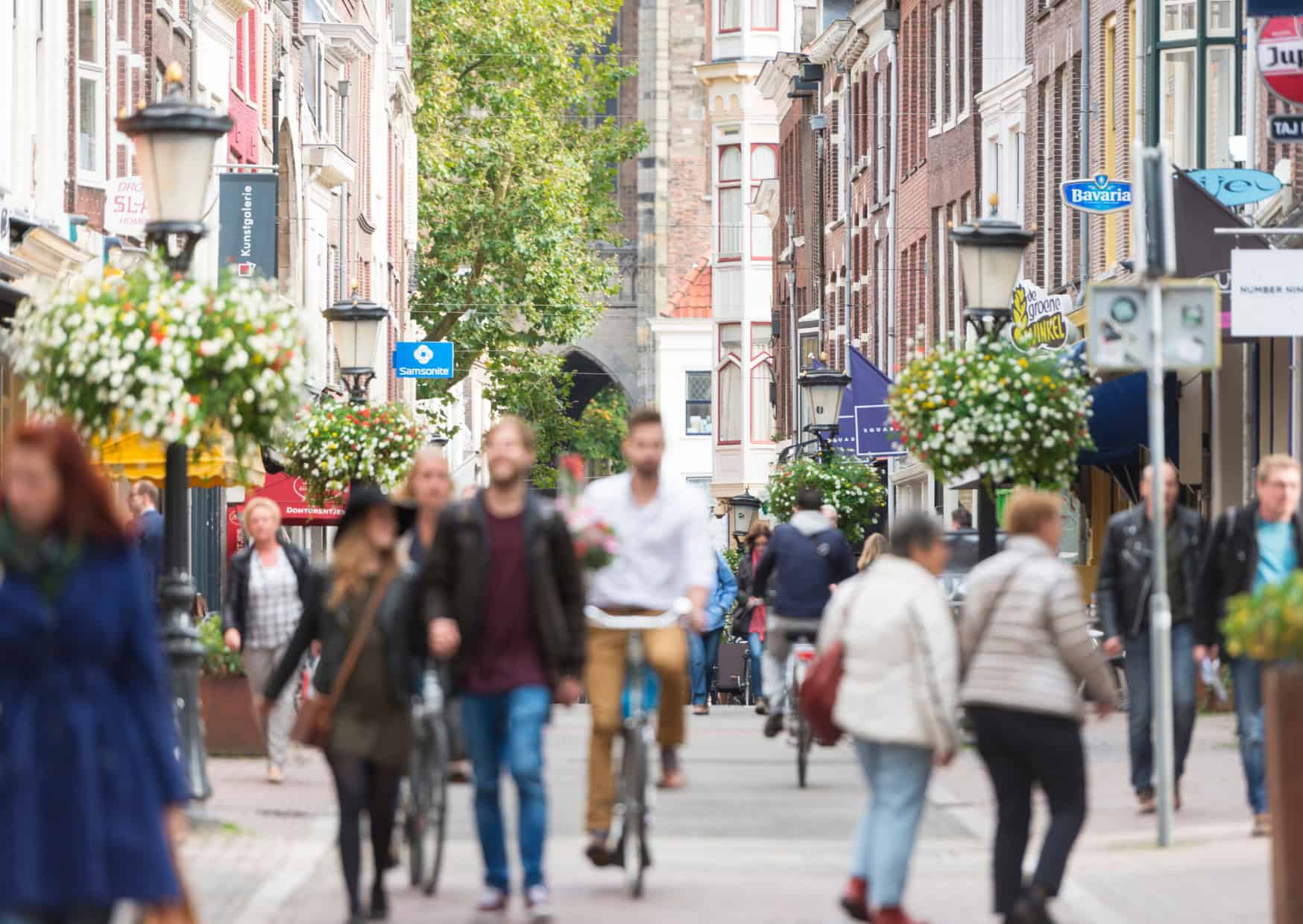
In European cities, it’s normal to see residential apartments above bakeries, cafés next to post offices, and tiny grocery stores tucked beside churches. Everything is woven together.
This is called mixed-use development—a concept where homes, shops, workspaces, and schools all coexist within walkable zones.
In the U.S., zoning laws typically separate everything: residential here, commercial over there, schools somewhere else. Which means… you need a car to do anything. Want to buy bread? You’ll probably drive.
In Europe, walking is not just scenic—it’s efficient.
3. Public Transportation Complements Walking
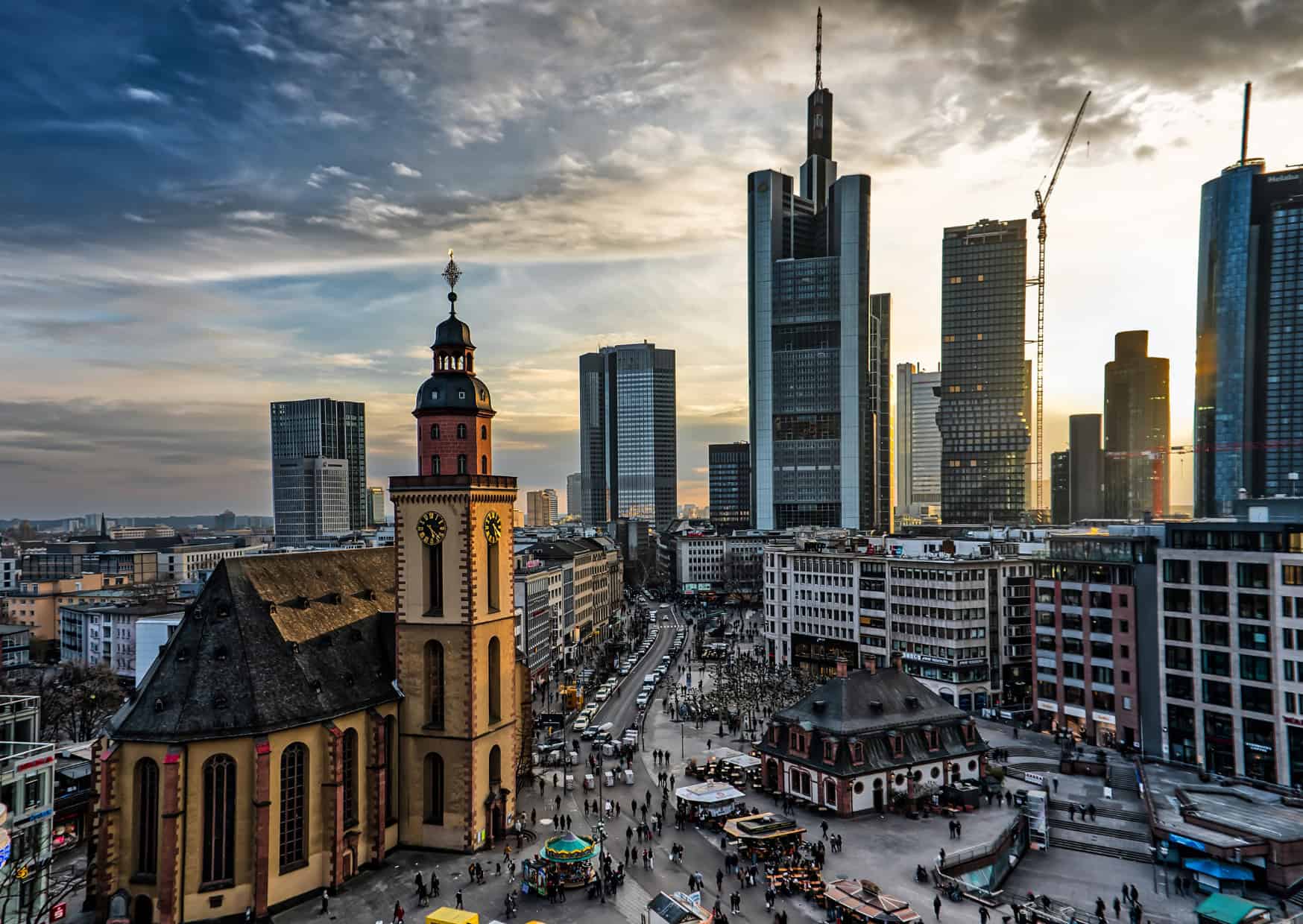
European cities don’t just encourage walking—they make it easier with excellent public transit systems.
Most cities have:
- Metro or subway systems that run frequently
- Extensive bus and tram networks
- Easy bike rentals and pedestrian paths
- Affordable tickets and regional passes
These systems are designed to fill in the gaps between neighborhoods and allow residents to live car-free.
In contrast, many American cities have underfunded or inconvenient public transport—making walking an incomplete solution. Without a car, you’re often stuck.
But in Europe? A few blocks of walking will get you to a metro stop—and that metro can take you almost anywhere in the city.
4. Sidewalks Are Actually Designed for People
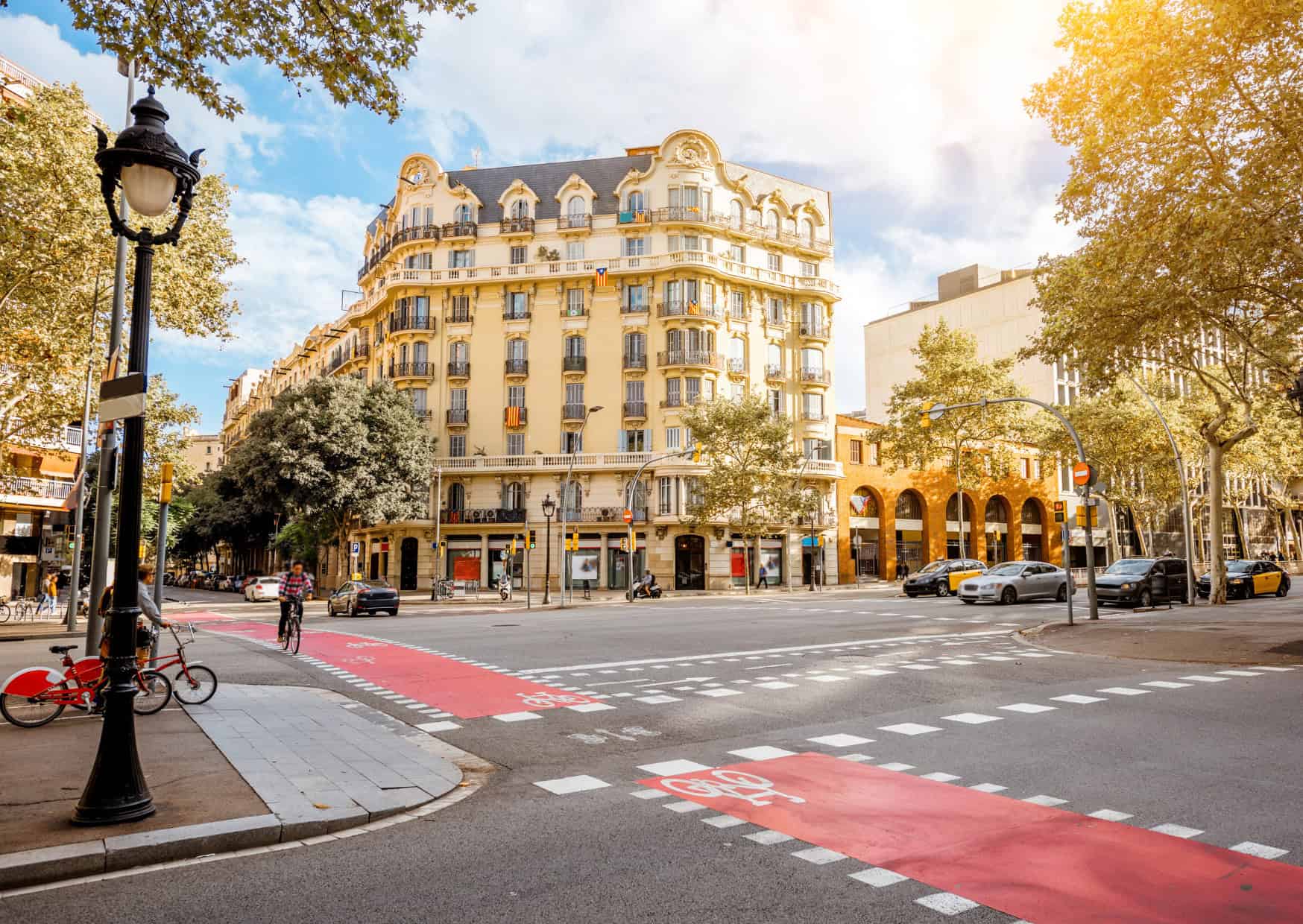
This might sound basic, but in Europe, sidewalks are everywhere—and they’re pleasant to use. They’re often:
- Wide enough for groups to walk together
- Lined with trees, cafés, or benches
- Connected by pedestrian-only streets
- Integrated into scenic or historic areas
In the U.S., sidewalks are often an afterthought—if they exist at all. In many cities, especially in suburban areas, sidewalks are:
- Narrow or poorly maintained
- Disconnected from destinations
- Missing entirely in residential zones
If your neighborhood doesn’t even have a sidewalk to begin with, walking isn’t just unpleasant—it’s unsafe.
5. Walking Is Built Into Daily Life

In Europe, people don’t walk to exercise—they walk to live.
They walk to:
- Buy groceries (daily, not weekly)
- Visit a friend
- Grab a coffee
- Pick up kids from school
- Sit in a plaza and people-watch
The entire culture is built around moving slowly, frequently, and with purpose.
In the U.S., walking often feels like an optional, scheduled activity: a walk after dinner, a lap around the mall, or a treadmill session. It’s separated from the rest of life.
In Europe, walking is simply how you get from place to place.
6. City Centers Are for People, Not Cars
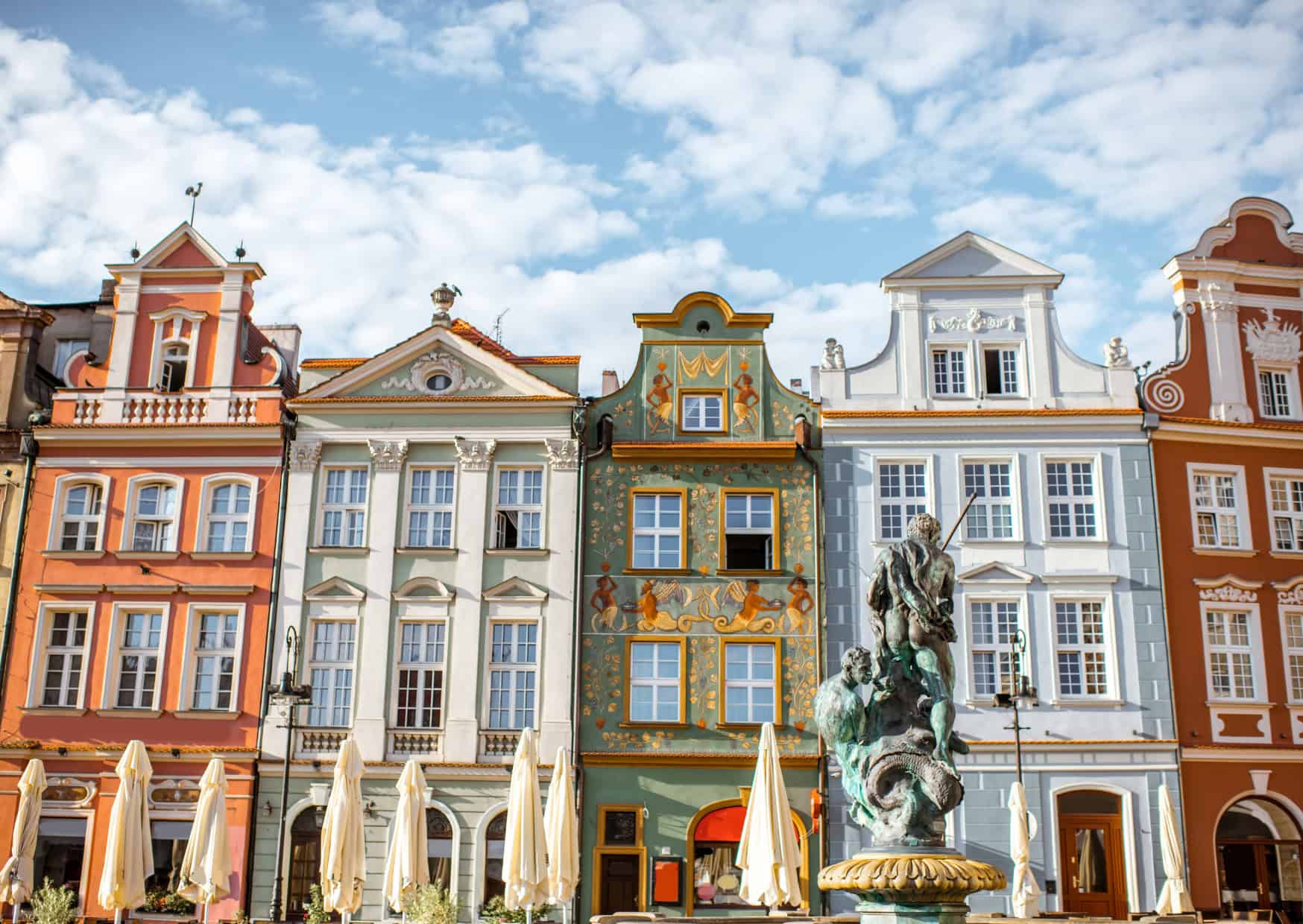
Many European cities have pedestrian-only zones in their city centers. These areas are designed to prioritize:
- Walkers
- Cyclists
- Transit
- Community events
Take Florence, for example: much of the historic city is closed to cars. The same is true for parts of Prague, Vienna, Amsterdam, and countless other cities. And even where cars are allowed, pedestrian rights are respected, and crosswalks are taken seriously.
Meanwhile, in most American cities, downtown areas are built for traffic flow and parking access—not for walking. Car horns drown out conversations. Crosswalks are an obstacle course. And good luck finding a bench that’s not bolted into a sidewalk near an expressway.
7. There’s a Culture of Loitering—And It’s Beautiful
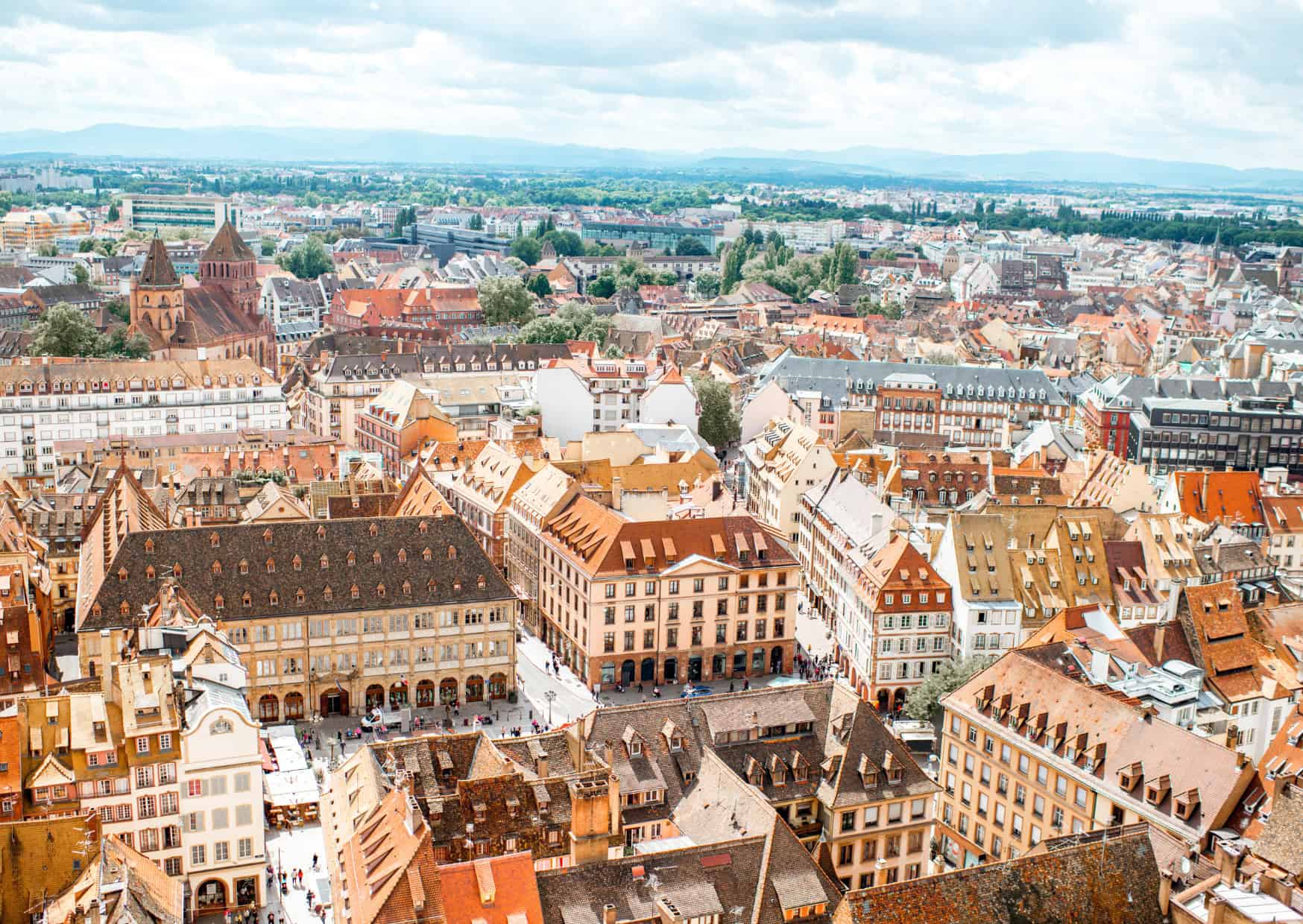
In Europe, walking isn’t just about function—it’s about pleasure. There’s a cultural norm around wandering without urgency—what the French call flâner or the Italians call fare una passeggiata.
You’ll see people:
- Strolling aimlessly in the evening
- Window shopping slowly
- Sitting on benches with gelato
- Meandering through parks just because
The streets are designed for this kind of movement—with beauty, trees, benches, and atmosphere. In many U.S. cities, walking without a destination feels strange or even suspicious.
Europeans build their cities for joyful movement, not just productivity.
8. Car Ownership Isn’t the Default
In many European cities, you don’t need a car to live well. In fact, owning one can be more of a hassle than a help.
Why?
- Parking is limited and expensive
- Many streets are too narrow for regular driving
- Gas is pricey
- Car taxes and tolls are high
- Public transit and walking are easier
As a result, many city dwellers opt out of car ownership entirely. You’ll see locals using:
- Bicycles
- Scooters
- Rideshare apps
- Subways and trams
In contrast, American cities are built assuming everyone has a car—and if you don’t, you’re stuck. Walking is difficult because the infrastructure doesn’t support a car-free lifestyle.
9. People Are Healthier—Without Trying
Here’s the twist: all this walking adds up.
Even if Europeans don’t think of walking as exercise, it has a real impact. Studies show that Europeans walk significantly more per day than Americans—and that’s linked to:
- Lower obesity rates
- Better cardiovascular health
- Improved mental well-being
- Stronger community ties
And it’s not just about walking—it’s about how walking fits into a broader lifestyle that prioritizes slowness, presence, and human-scale living.
In the U.S., you often have to carve out time to walk. In Europe, walking is baked into the rhythm of life.
Final Thoughts: The Cities Shape the People
Urban design isn’t just about streets and sidewalks—it’s about how we live, connect, and move.
European cities encourage walking because they were built on a human scale. They prioritize connection over speed, neighborhoods over sprawl, and experience over efficiency. The result? Cities that feel alive—where you can feel the rhythm of a place with every step.
In America, cities are often built on a car scale—wide, sprawling, disconnected. That shapes how people live: more driving, more isolation, more barriers to movement.
But here’s the good news: once you experience a walkable city, you never stop craving it.
Pro Tip: Visiting Europe soon? Skip the taxi. Walk a few blocks through the old city, stop for a pastry, watch the locals stroll by—and experience how movement can feel like a joy, not a task.

About the Author: Ruben, co-founder of Gamintraveler.com since 2014, is a seasoned traveler from Spain who has explored over 100 countries since 2009. Known for his extensive travel adventures across South America, Europe, the US, Australia, New Zealand, Asia, and Africa, Ruben combines his passion for adventurous yet sustainable living with his love for cycling, highlighted by his remarkable 5-month bicycle journey from Spain to Norway. He currently resides in Spain, where he continues sharing his travel experiences with his partner, Rachel, and their son, Han.