
(And Why They Don’t Miss Them at All)
One of the most entertaining parts of moving to Europe—or even just staying in a local apartment—is realizing how different people live.
It’s not the big things that get you. It’s not the language or the lack of central air. It’s the fact that you can search every cabinet in a Paris flat and still not find a garbage disposal, a dryer sheet, or even a top sheet.
Meanwhile, Americans can’t imagine living without these things. But in Europe? They’re unnecessary. Overcomplicated. Even… weird.
So why are some household staples so standard in the U.S.—and practically nonexistent across Europe? Here are 9 products that Americans swear by but Europeans barely use, and what that says about how each culture views home, convenience, and daily life.
Want More Everyday Culture Shock Deep Dives?
– The European Shower Habit That Americans Find Completely Backwards
– The Hidden Meaning Behind 8 Common European Household Items Americans Don’t Understand
– 9 Home Features Europeans Consider Essential (That American Homes Lack)
1. Garbage Disposals
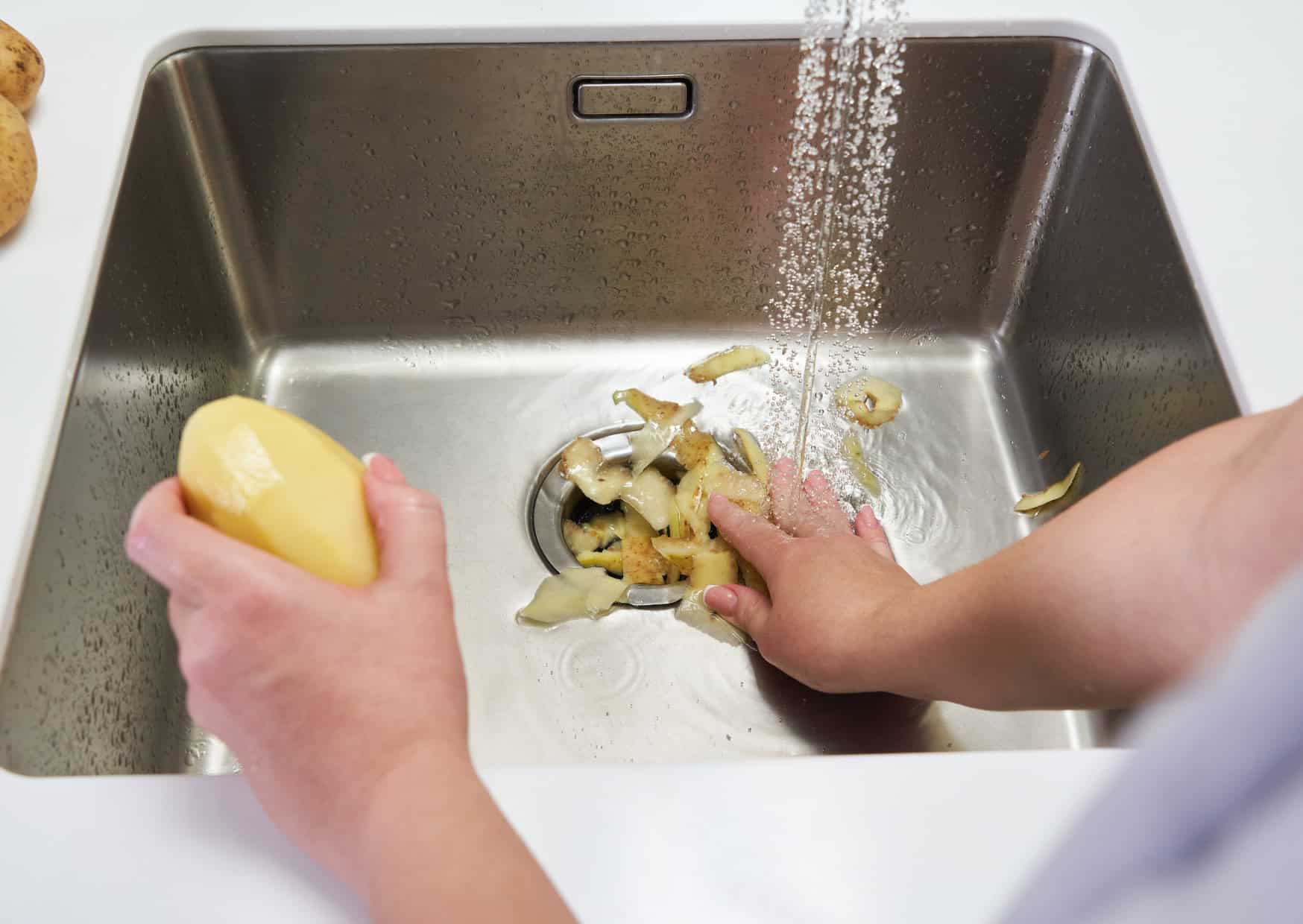
Ask a European where the garbage disposal is, and you’ll probably get a blank stare. These handy sink grinders are almost non-existent across Europe.
Why?
Because most countries:
- Don’t allow food waste in the plumbing
- Separate organic waste into its own compost or trash bin
- Use smaller, more sensitive plumbing systems
In many places, food scraps go into a bio-waste bin, and sinks are fitted with removable strainers to catch debris—not obliterate it.
So while Americans rely on garbage disposals for quick cleanup, Europeans find them unnecessary—and frankly a little reckless.
2. Clothes Dryers
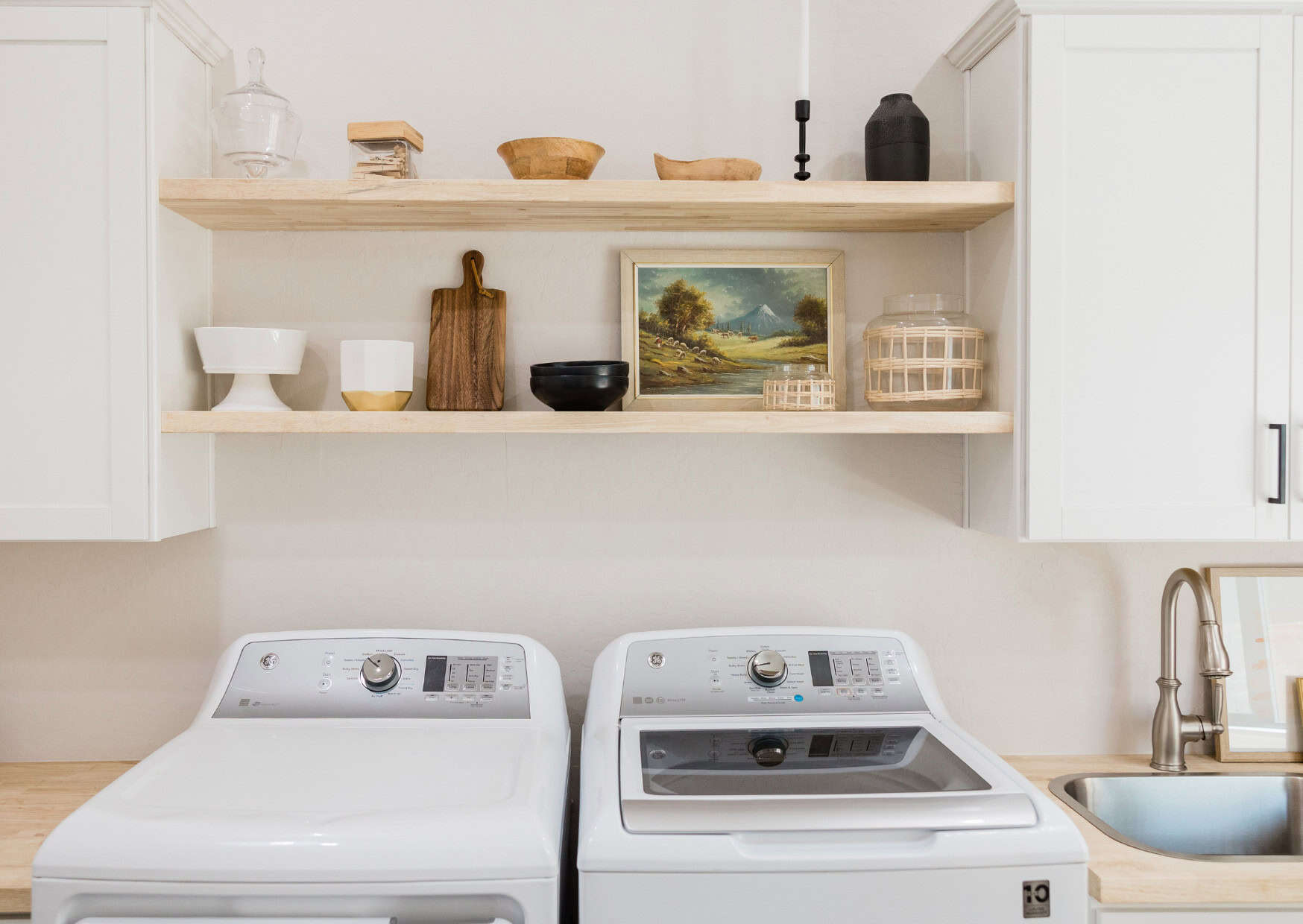
You might find one in a high-end Airbnb or a brand-new city apartment, but for the most part? Europeans line-dry their clothes.
Why?
- Electricity is expensive
- Space is limited
- The climate (in many areas) supports air drying
- It’s gentler on fabrics and considered more eco-friendly
Balconies, windowsills, and bathroom drying racks do the job just fine.
To Americans, this feels like a throwback. To Europeans, a dryer is an energy-hungry luxury they can live without.
3. Top Sheets
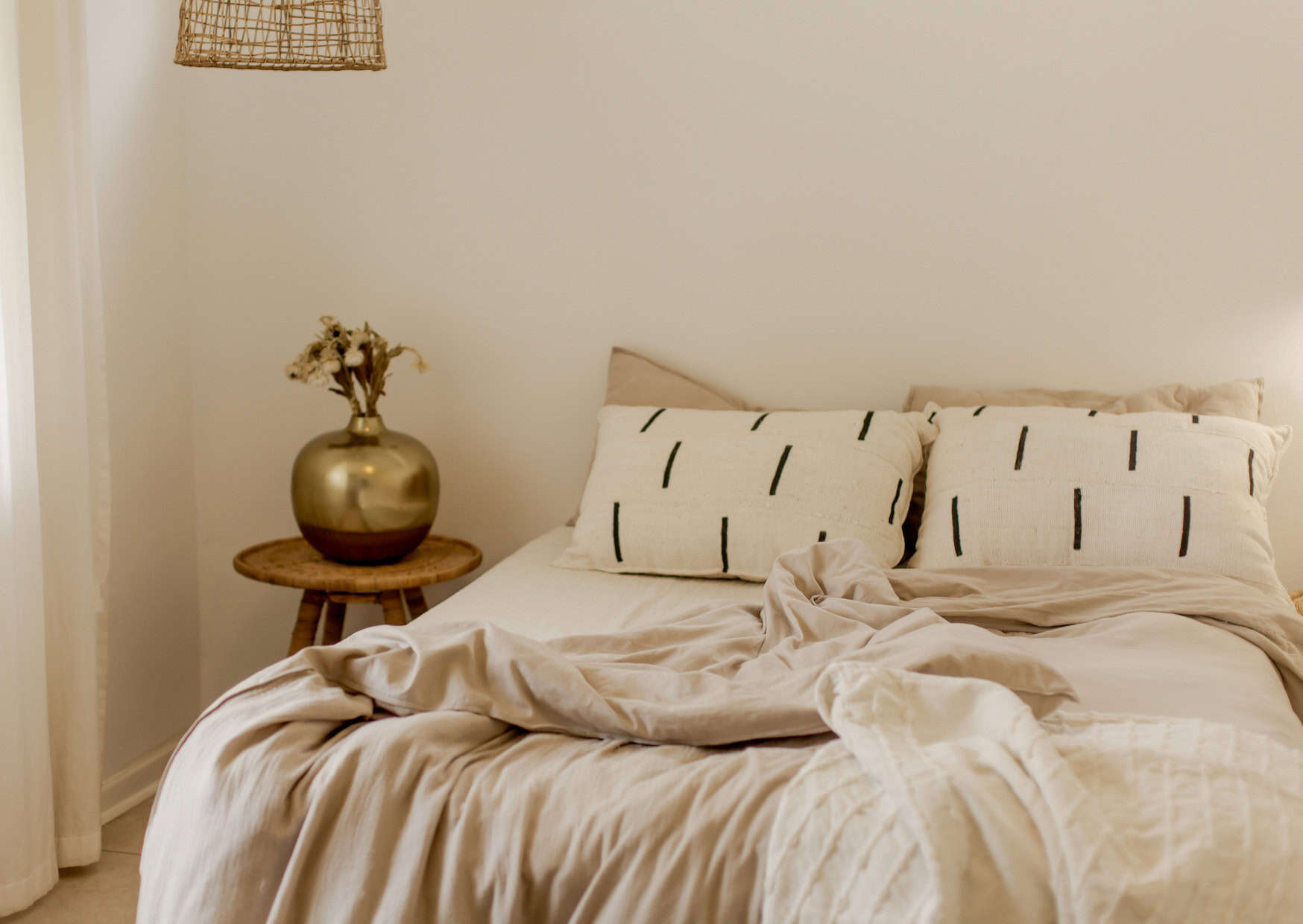
If you’ve ever stripped a bed in Europe, you probably noticed something missing: the flat sheet between you and the comforter.
That’s because in most European countries:
- Beds are made with a fitted sheet and a duvet (often with a washable cover)
- Top sheets are skipped entirely
- Each person may have their own duvet, even in shared beds
The idea? Less fuss. You just wash the duvet cover like a giant pillowcase. No tucking, no folding, no extra layers.
Americans might see this as lazy—or unhygienic. Europeans see top sheets as redundant.
4. Microwave Popcorn
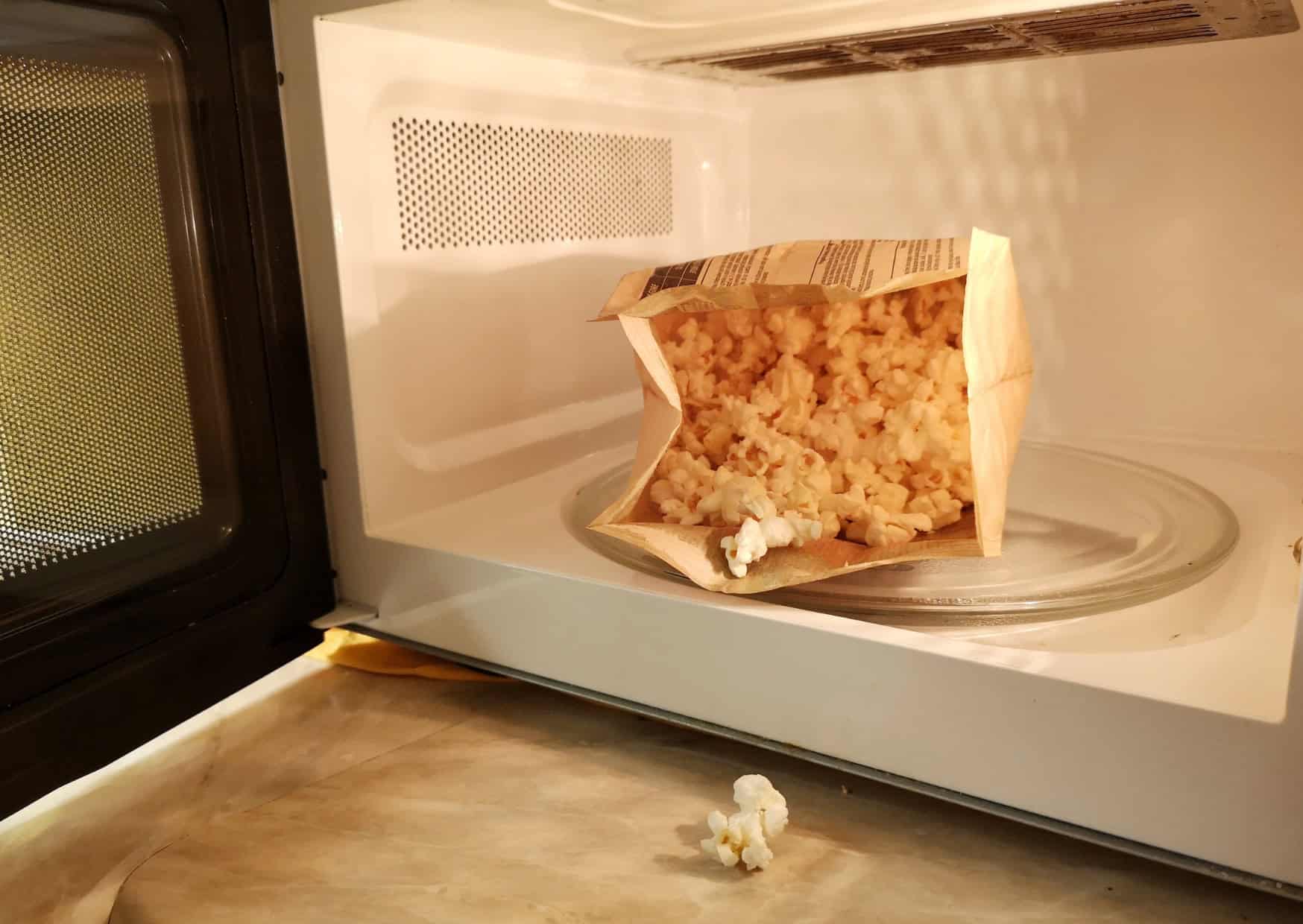
Walk into any American kitchen and you’ll probably find a stack of microwave popcorn packets somewhere in the pantry. In Europe? Good luck.
Microwave popcorn isn’t impossible to find, but it’s far less common. Europeans tend to:
- Make popcorn on the stove
- Eat it less frequently
- Avoid heavily packaged, chemical-laden foods
In fact, many European kitchens don’t even have microwaves—and if they do, they’re used for reheating tea or leftovers, not popping buttery bags of kernels.
Movie night still exists—it just comes with stovetop popping and a sprinkle of sea salt.
5. Paper Towels (Used for Everything)
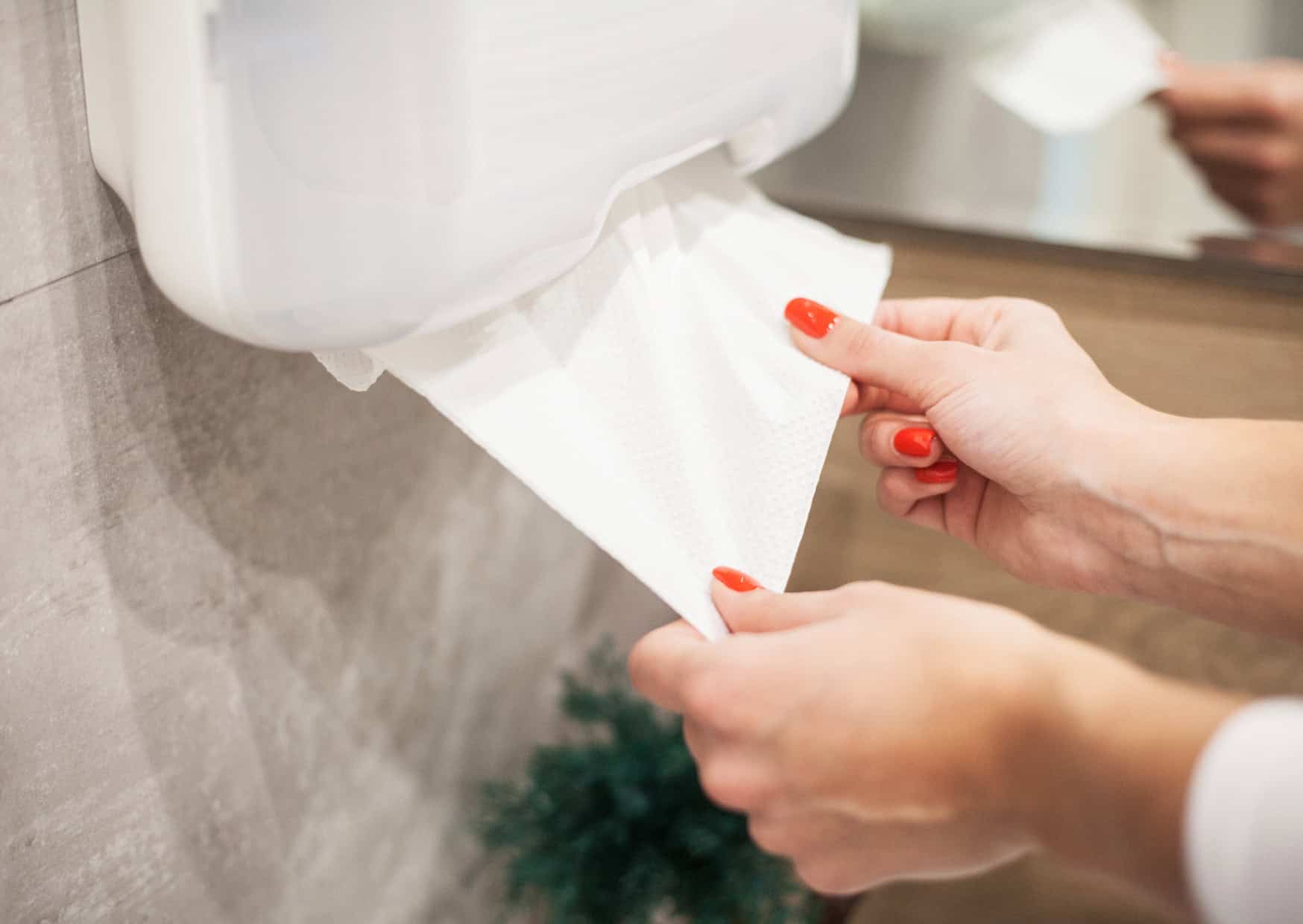
Americans go through paper towels like they’re water. Wipe the counter? Paper towel. Dry hands? Paper towel. Cover a bowl in the microwave? Paper towel.
In Europe, paper towels exist, but they’re:
- Used sparingly
- Not considered a catch-all solution
- Replaced by dishcloths, rags, and reusable towels
There’s a cultural preference for reusability over disposability, and it’s deeply ingrained. Many homes have designated cloths for each task: drying dishes, wiping counters, cleaning floors.
You’ll still find rolls of paper towels in supermarkets—but not in six-pack mega bundles. They’re not the star of the kitchen.
6. Scented Dryer Sheets
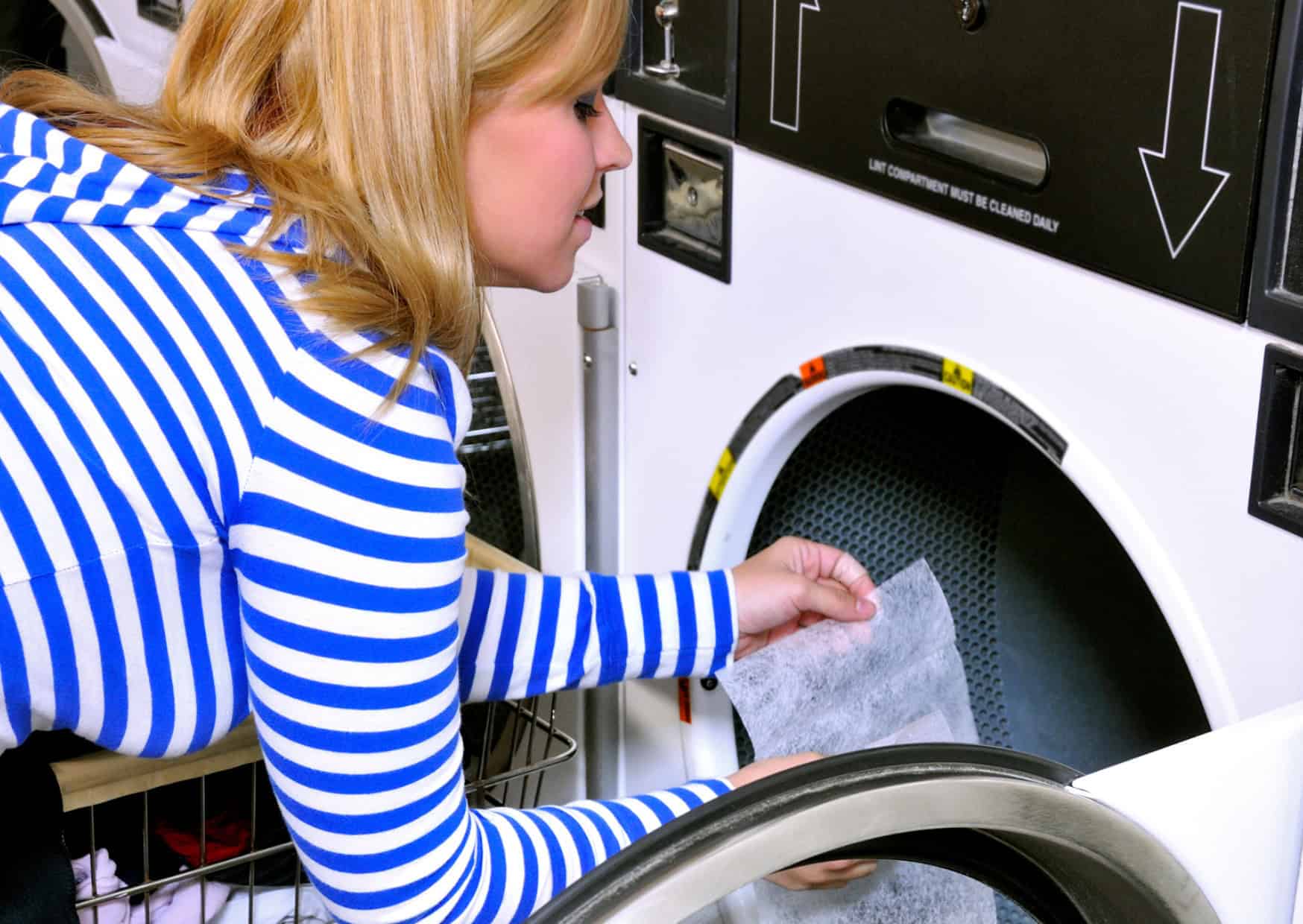
In Europe, clothes are rarely dried in a machine, so dryer sheets don’t make much sense. But even when dryers are used, most Europeans skip them altogether.
Why?
- They’re full of artificial fragrance
- They’re seen as unnecessary
- Many people prefer fragrance-free or natural-smelling laundry
Instead, Europeans often add a few drops of essential oil to wool dryer balls, or more commonly, hang their laundry and let the fresh air do the job.
For Americans who love that “fresh linen” scent from a sheet buried in their socks, this might feel like a downgrade. But Europeans are more focused on clean over perfumed.
7. Massive Cleaning Product Collections
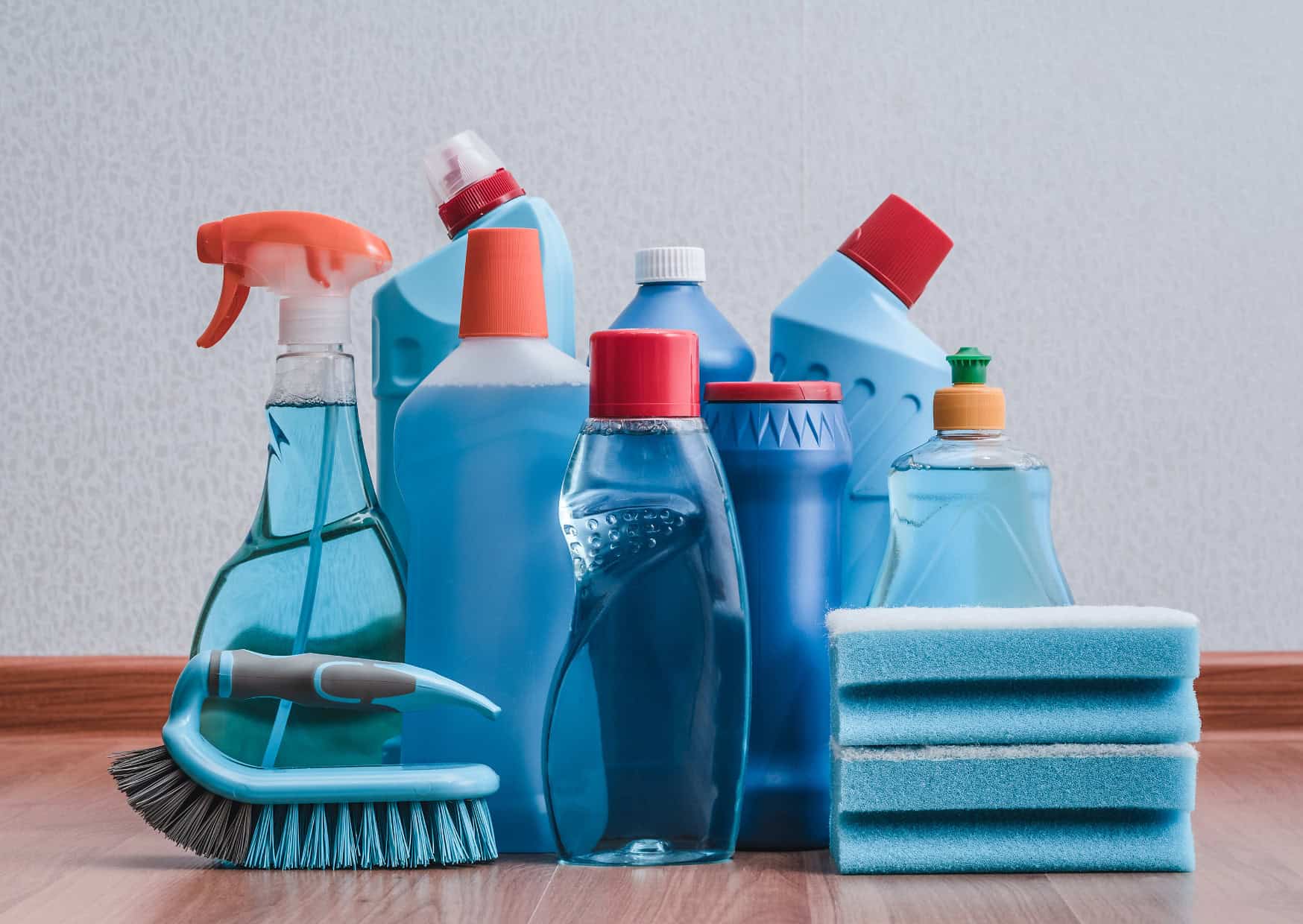
Take a peek under an American sink and you’ll probably find:
- A cleaner for glass
- One for countertops
- One for the oven
- Something antibacterial
- Something scented
- And a random bottle of something half-used from 2017
In Europe, the cleaning product game is minimalist. Many households stick to:
- Vinegar
- Baking soda
- A general-purpose cleaner
- Maybe a specialty product for toilets or windows
Part of this is environmental consciousness. Part of it is habit. But the result is clear: fewer products, less packaging, less waste.
Americans often equate more products with more cleanliness. Europeans rely on technique over tools.
8. Ziploc Bags and Disposable Containers
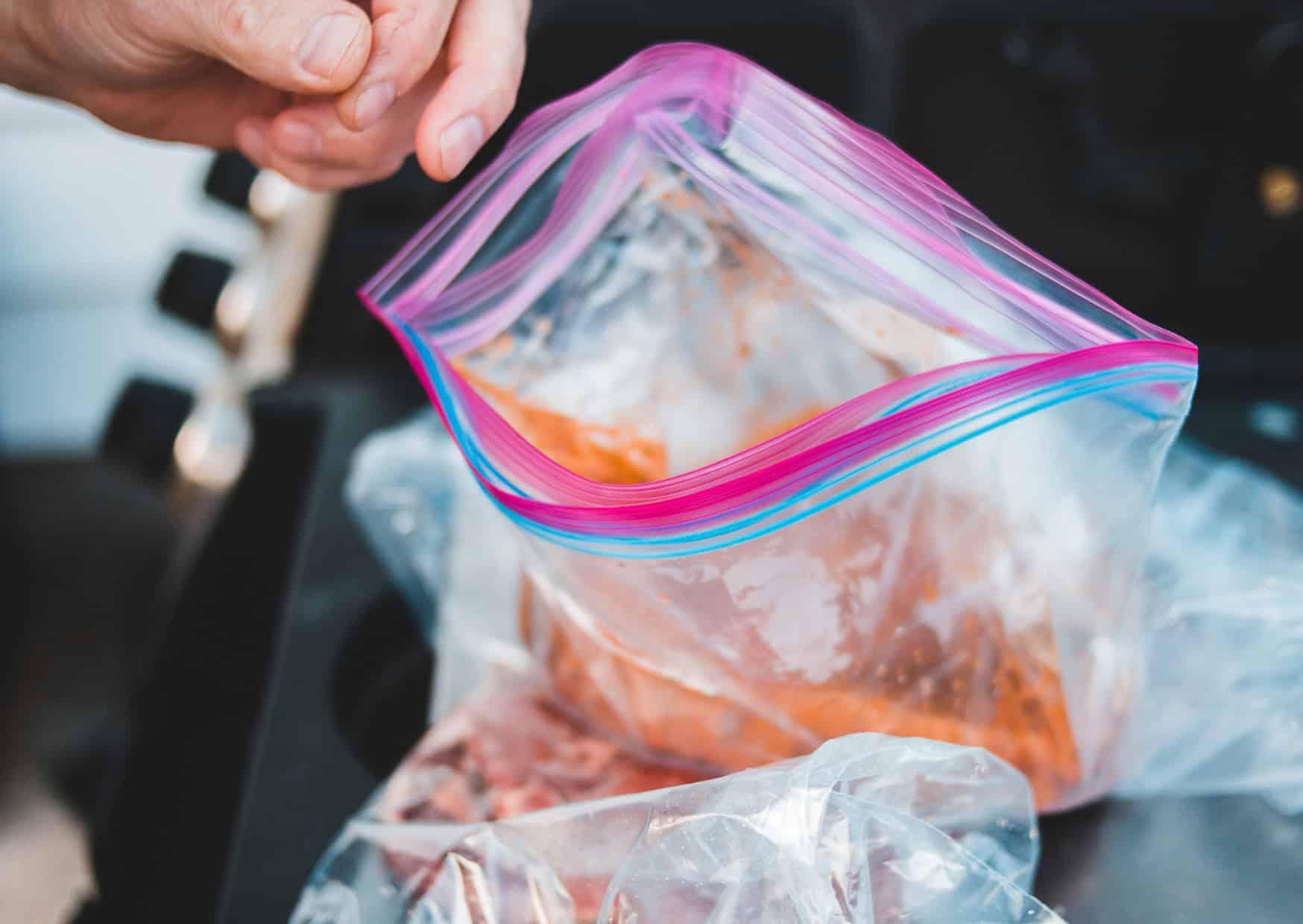
Ziplocs are a pantry staple in the U.S. In Europe? They’re rare—and often replaced with:
- Reusable glass containers
- Beeswax wraps
- Silicone food bags
- Paper wrappers for sandwiches and snacks
There’s a strong cultural push in many countries to avoid single-use plastics, especially for food. Some cities even ban certain types of disposable packaging in grocery stores.
So while Americans zip and toss, Europeans store and reuse—both for environmental reasons and because, frankly, Ziplocs are expensive and not widely available.
9. Wall-to-Wall Carpeting
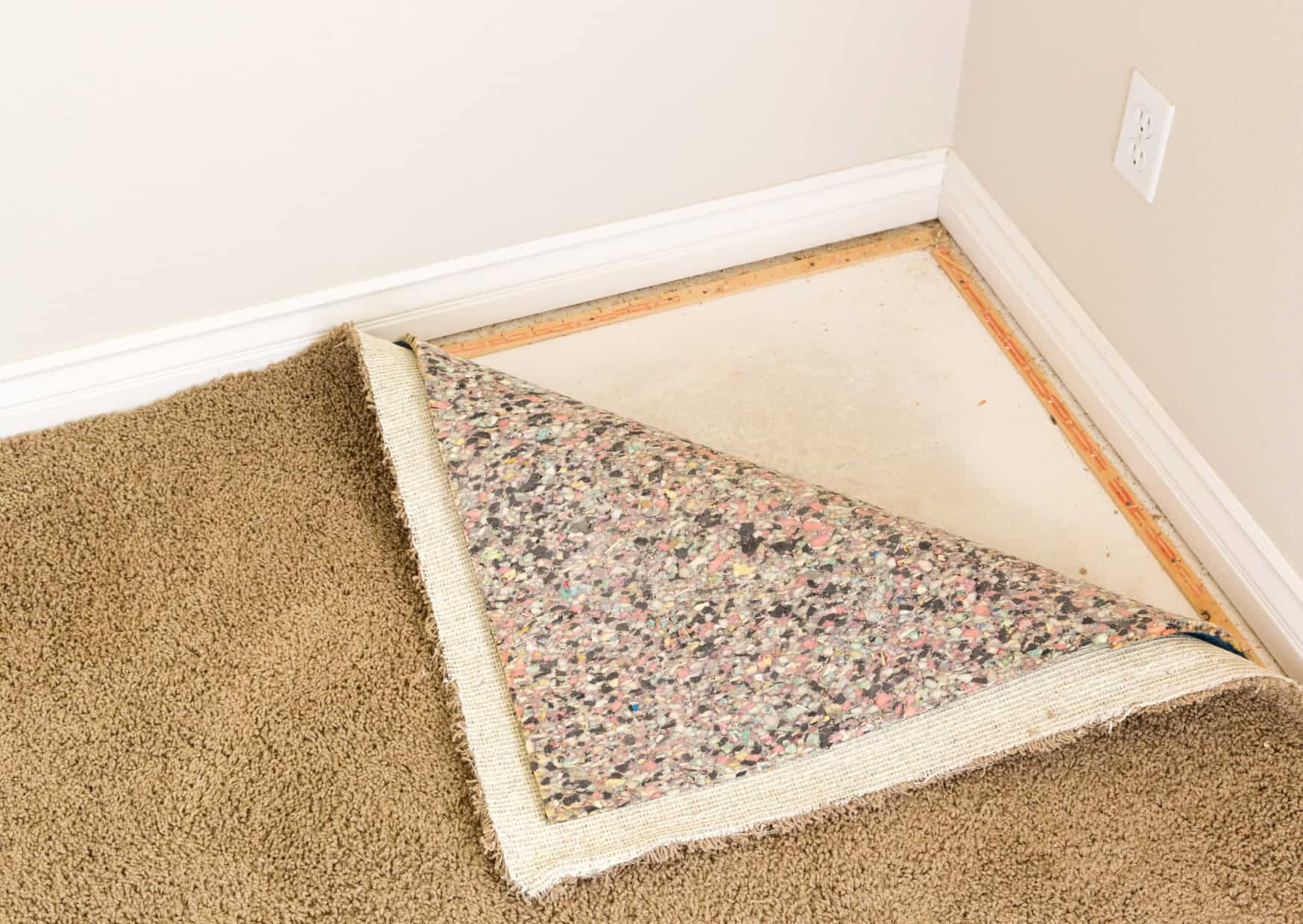
Here’s one that surprises nearly every American in Europe: there’s almost no carpet. Anywhere.
European homes tend to feature:
- Tile
- Hardwood
- Laminate
- Stone
- And plenty of area rugs if softness is desired
Wall-to-wall carpeting is considered:
- Harder to clean
- A magnet for dust and allergens
- A bit outdated and overly suburban
If you find it at all, it’ll likely be in hotels—or maybe in the UK, where carpet has held on a little longer in bedrooms.
For Europeans, bare floors + a rug is not only easier to maintain—it’s more aesthetically pleasing. Carpeting feels unnecessary at best, unhygienic at worst.
Final Thoughts: One Person’s Essential Is Another’s “Wait, Why?”
When Americans visit or move to Europe, they’re often shocked by what’s missing from the shelves, the bathrooms, and under the kitchen sink. But the reality is that European homes function just fine without these “essentials”—and often more simply, sustainably, and intentionally.
It’s not about deprivation. It’s about a different approach to daily life, one that values minimalism over convenience, reusability over disposability, and function over flash.
And after a while? You might realize you never needed that top sheet or dryer sheet either.
Pro Tip: Heading to Europe soon? Skip packing the dryer sheets and extra Ziplocs. You won’t need them—and you might not miss them, either.

About the Author: Ruben, co-founder of Gamintraveler.com since 2014, is a seasoned traveler from Spain who has explored over 100 countries since 2009. Known for his extensive travel adventures across South America, Europe, the US, Australia, New Zealand, Asia, and Africa, Ruben combines his passion for adventurous yet sustainable living with his love for cycling, highlighted by his remarkable 5-month bicycle journey from Spain to Norway. He currently resides in Spain, where he continues sharing his travel experiences with his partner, Rachel, and their son, Han.