
Spain is warm, vibrant, and welcoming—but like any country, it has its own unspoken social customs that can catch travelers off guard. From meal times to greetings, understanding these unwritten rules will help you blend in and experience Spain the way locals do.
Spain has a wonderfully laid-back yet socially rich culture, full of warmth, energy, and tradition. By following these unwritten rules, you’ll gain deeper insight into local life—and be welcomed more genuinely into it.
Here’s a traveler’s guide to the unspoken etiquette and everyday habits you should know before visiting Spain.
Read here best things to know before visiting Spain, Planning an Itinerary in Spain: 3 Days Madrid Itinerary and 4 Days Barcelona Itinerary
BOOK YOUR TRAVEL INSURANCE
Two of our favorite travel insurance: Heymondo Vs Safetwing cheapest travel Insurance. You can get for $135 USD your Heymondo Travel Insurance with Heymondo discount code valid for 90 days. Read our full comparison of Genki vs Safetywing Travel Insurance Review and the comparison Heymondo vs Genki
Unwritten Rules of Visiting Spain
1. Time Runs Differently—And Late Is Often On Time
Spain has its own rhythm. Being 15–30 minutes late to social events is completely acceptable. Only business meetings tend to start on time.
Why it matters:
Don’t stress if your friend is late or if a dinner starts at 9:45 PM. It’s normal—and not considered rude.
2. Lunch Is the Main Meal (And It’s Late)
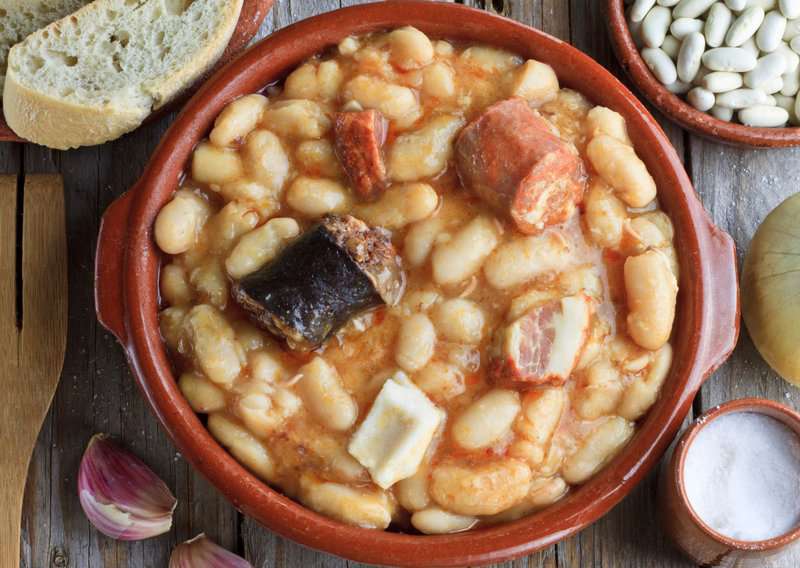
Lunch (la comida) is typically eaten between 2:00–4:00 PM and is the largest, most important meal of the day. Dinner doesn’t happen until 9:00–11:00 PM, especially in cities.
If you show up hungry at noon or 6 PM, most restaurants may not even be open—or serving full meals.
3. Greet Everyone—With Kisses (Yes, Even Strangers)
In social settings, it’s typical to greet someone with two kisses on the cheeks, starting with the left cheek. Even new acquaintances may do this.
Pro tip:
It’s cheek-to-cheek, not lips-to-skin. In professional settings, a handshake is more appropriate.
4. Don’t Expect to Eat Between Meal Times

Outside of meal hours, many restaurants and cafés close completely or only serve drinks. The idea of eating at 3 PM or 7 PM is strange to many Spaniards.
Tip:
Plan ahead, or snack at a tapas bar between lunch and dinner if needed.
5. Don’t Overdo the Tip
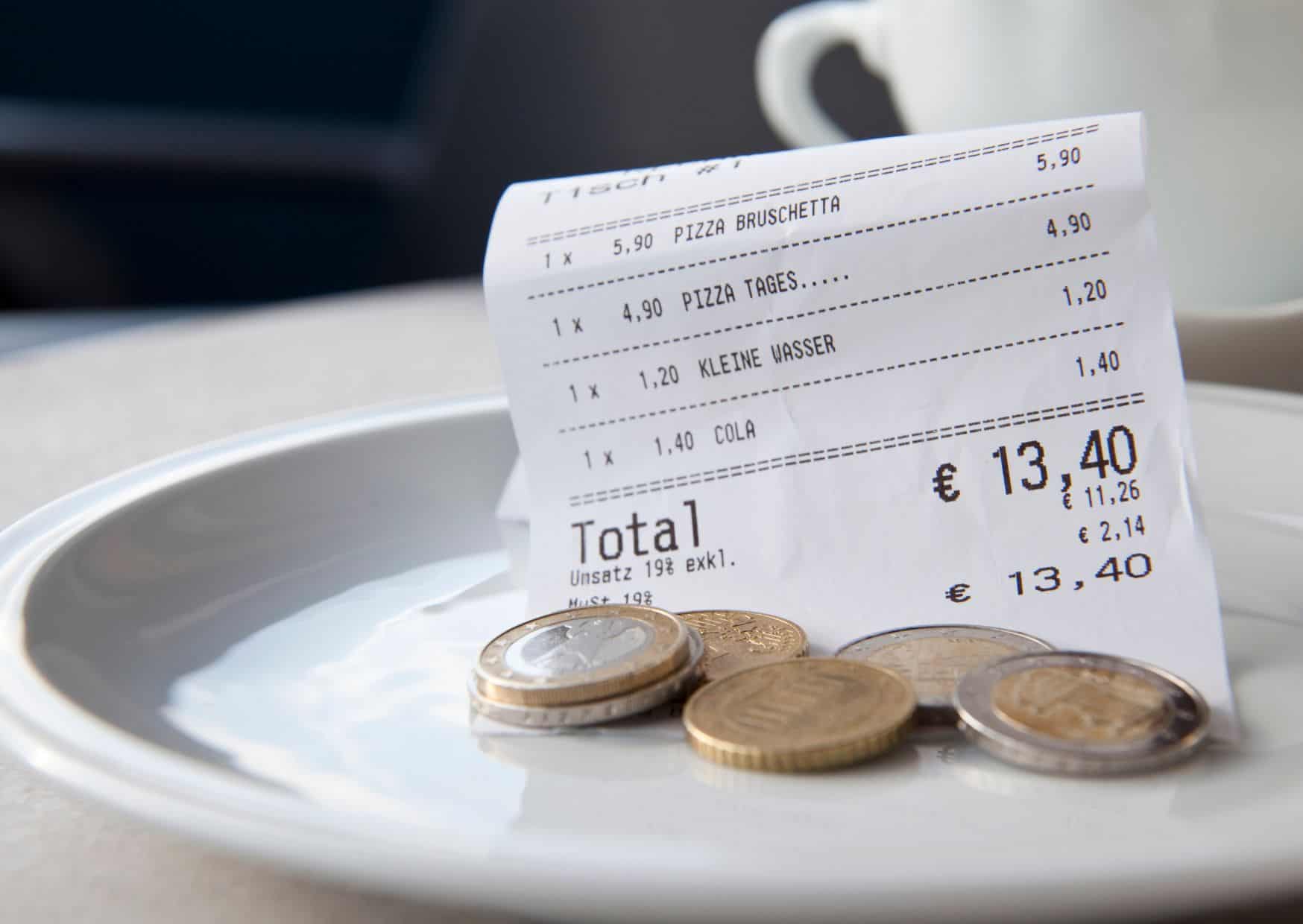
In Spain, tipping is minimal and not expected the way it is in the U.S. Leaving a few coins or rounding up the bill is enough.
Why it matters:
Over-tipping can actually make the situation awkward. Tipping 20% is unnecessary and uncommon.
6. Quiet Hours Are a Real Thing (And They Matter)
While nightlife can go late, residential areas expect quiet during midday siesta and after midnight. Noise complaints are taken seriously, especially in apartments.
What to know:
Avoid loud phone calls, music, or slamming doors in shared buildings—day or night.
7. The Siesta Still Exists—Kind Of
In smaller towns, many shops still close from about 2 PM to 5 PM. This midday break is for lunch, rest, or time with family—not necessarily sleeping.
Tip:
Plan your shopping and errands in the morning or after 5 PM. In big cities, larger stores often stay open.
8. Personal Space Is Smaller, and Touch Is Normal
Spaniards are comfortable with close physical proximity. People stand close when talking and may touch your arm or shoulder during a conversation.
Why it matters:
Don’t step back or seem uncomfortable—it may be interpreted as cold or distant.
9. Dress Neatly—Even for Casual Outings
Spaniards typically dress with care and style, even when running errands. You won’t see many locals in athletic wear, flip-flops, or pajama-like clothes outside the house.
Tip:
Clean, stylish casual wear will help you blend in (especially in cities like Madrid and Barcelona).
10. Don’t Expect Quick Restaurant Service
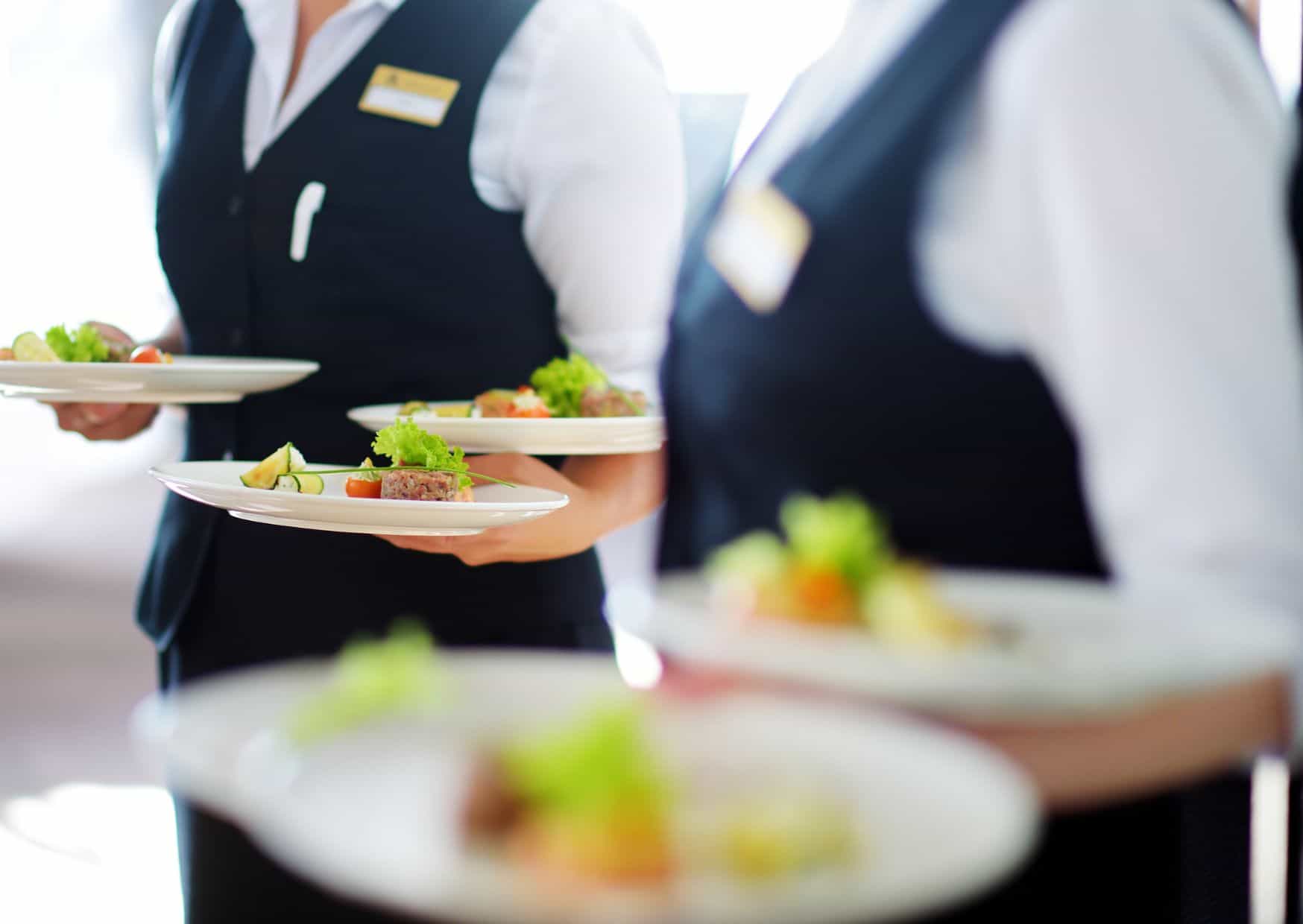
Meals are meant to be slow and social, and servers won’t bring the check unless you ask for it (“La cuenta, por favor”).
Why it matters:
It’s not bad service—it’s a sign that you’re welcome to stay as long as you like. Take your time and enjoy it.
11. Public Affection Is Totally Normal

You’ll see couples kissing, hugging, and holding hands openly in public—and no one blinks an eye.
Why it matters:
Don’t be surprised by the open display of romance. It’s part of the culture, especially in plazas and parks.
12. Don’t Expect Everyone to Speak English
While many younger Spaniards speak English (especially in tourist areas), don’t assume everyone does. A few basic Spanish phrases go a long way:
Hola – Hello
Gracias – Thank you
Por favor – Please
¿Dónde está el baño? – Where is the bathroom?
Pro tip:
Trying Spanish, even imperfectly, shows respect and will earn you kindness from locals.
13. Be Direct—but Respectful
Spaniards tend to be frank and expressive, especially in casual conversation. Don’t take it personally—it’s often just a natural, open way of speaking.
Why it matters:
What may seem “blunt” to an American is just normal honesty in Spain.
14. You Don’t Have to Smile All the Time
In Spain, people don’t smile at strangers by default. Smiling constantly can seem strange or insincere.
Why it matters:
In the U.S., a smile is often a social norm. In Spain, it’s used more intentionally—and that’s okay.

About the Author: Ruben, co-founder of Gamintraveler.com since 2014, is a seasoned traveler from Spain who has explored over 100 countries since 2009. Known for his extensive travel adventures across South America, Europe, the US, Australia, New Zealand, Asia, and Africa, Ruben combines his passion for adventurous yet sustainable living with his love for cycling, highlighted by his remarkable 5-month bicycle journey from Spain to Norway. He currently resides in Spain, where he continues sharing his travel experiences with his partner, Rachel, and their son, Han.